Interview by Alex Leav for émergent magazine
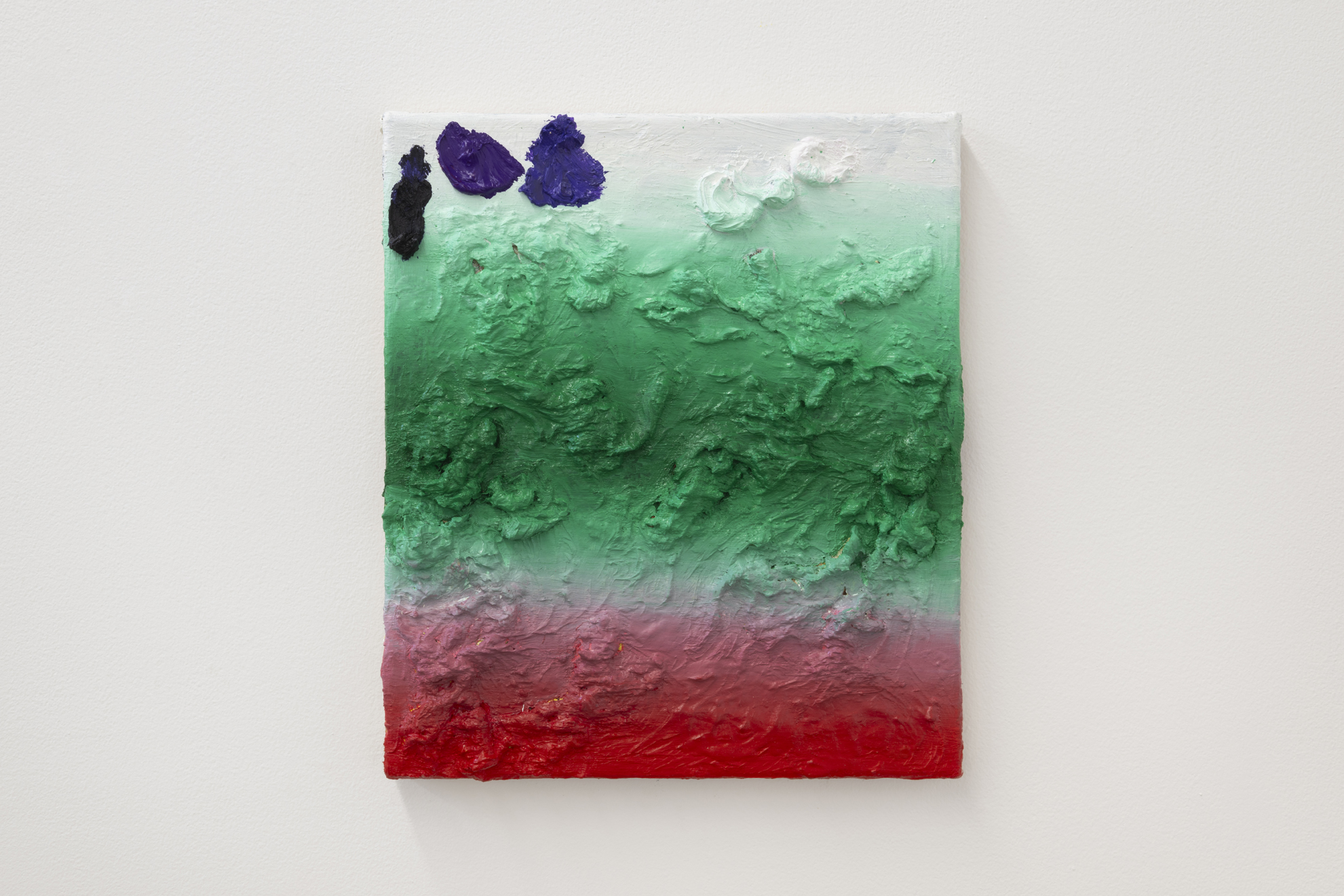
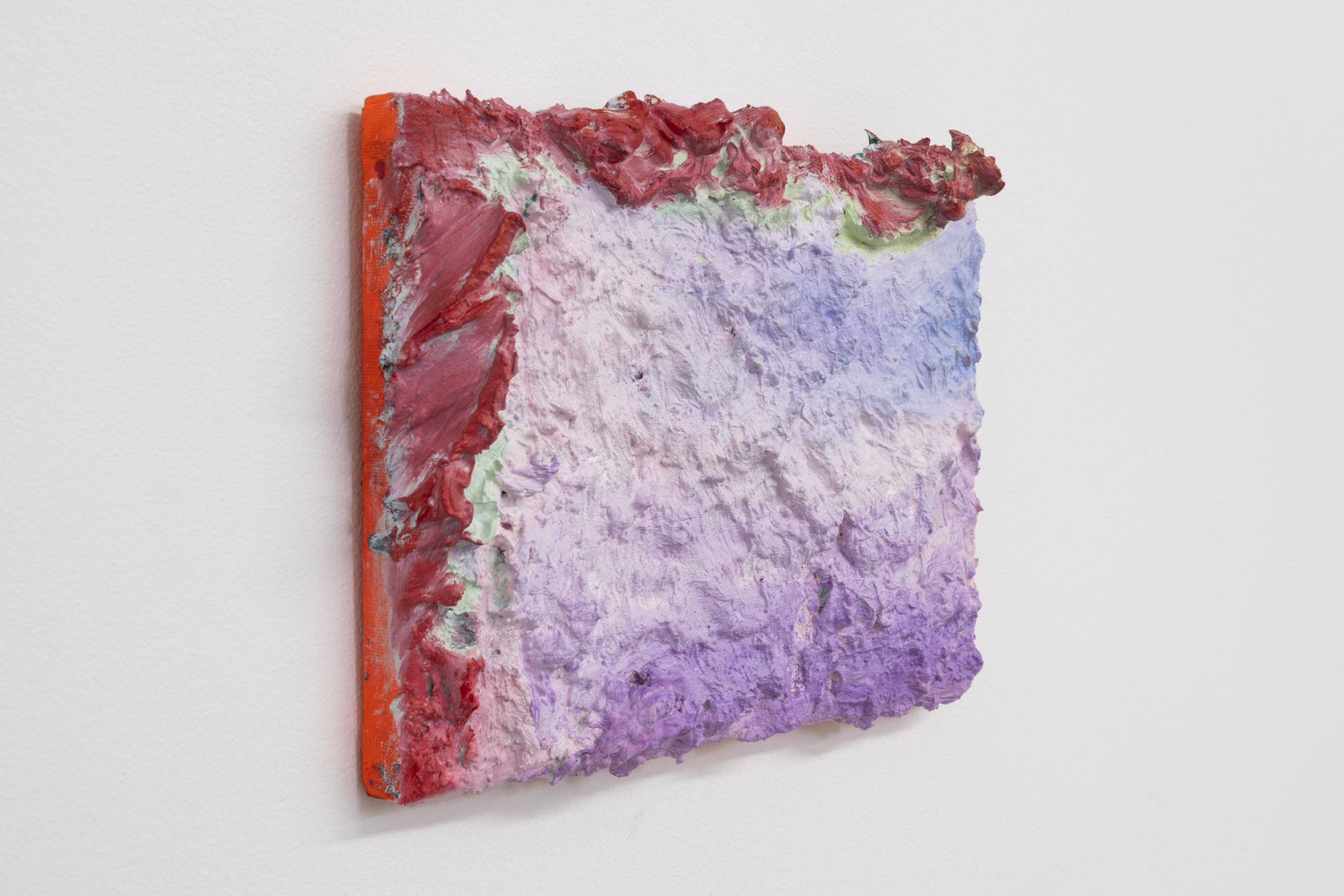
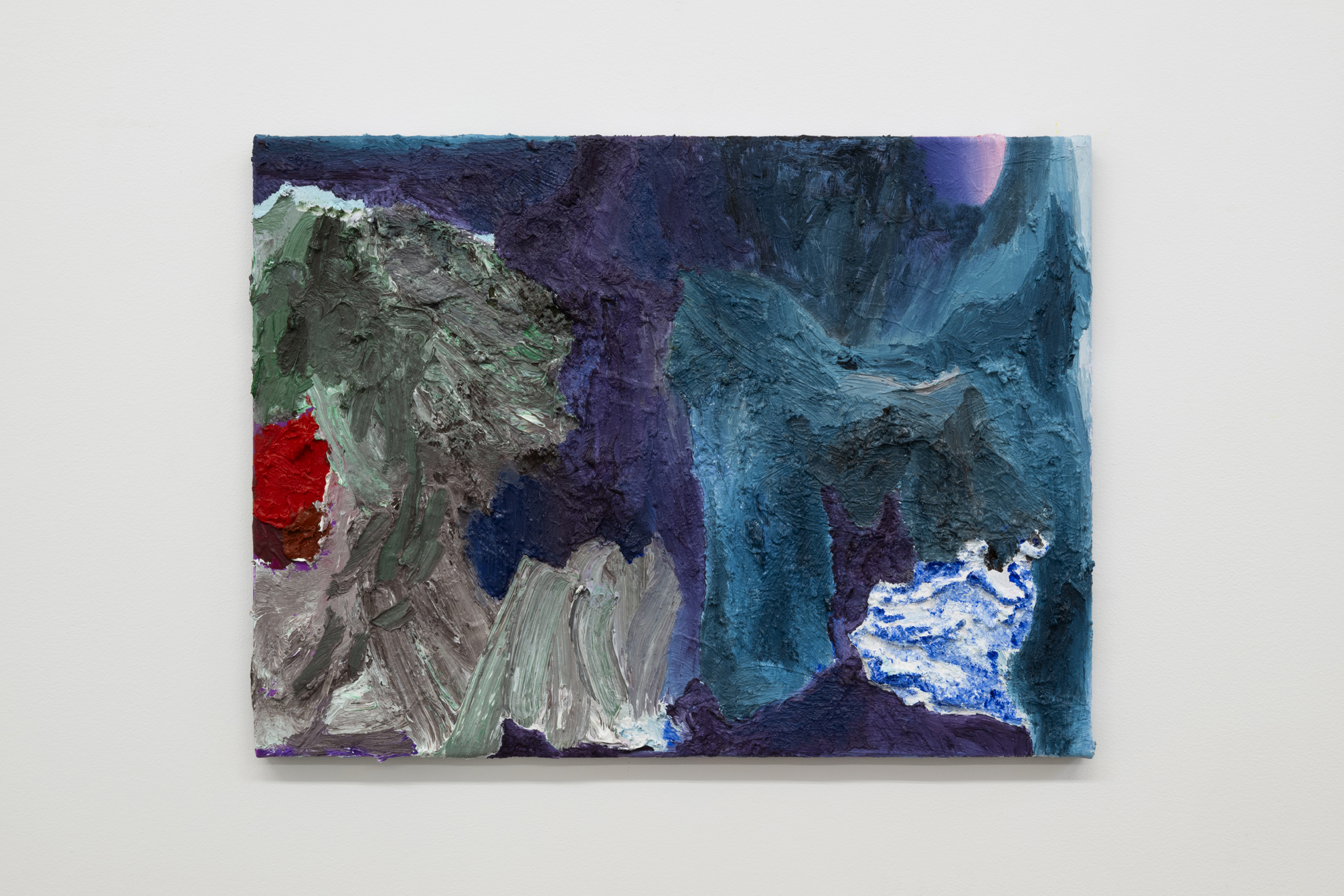
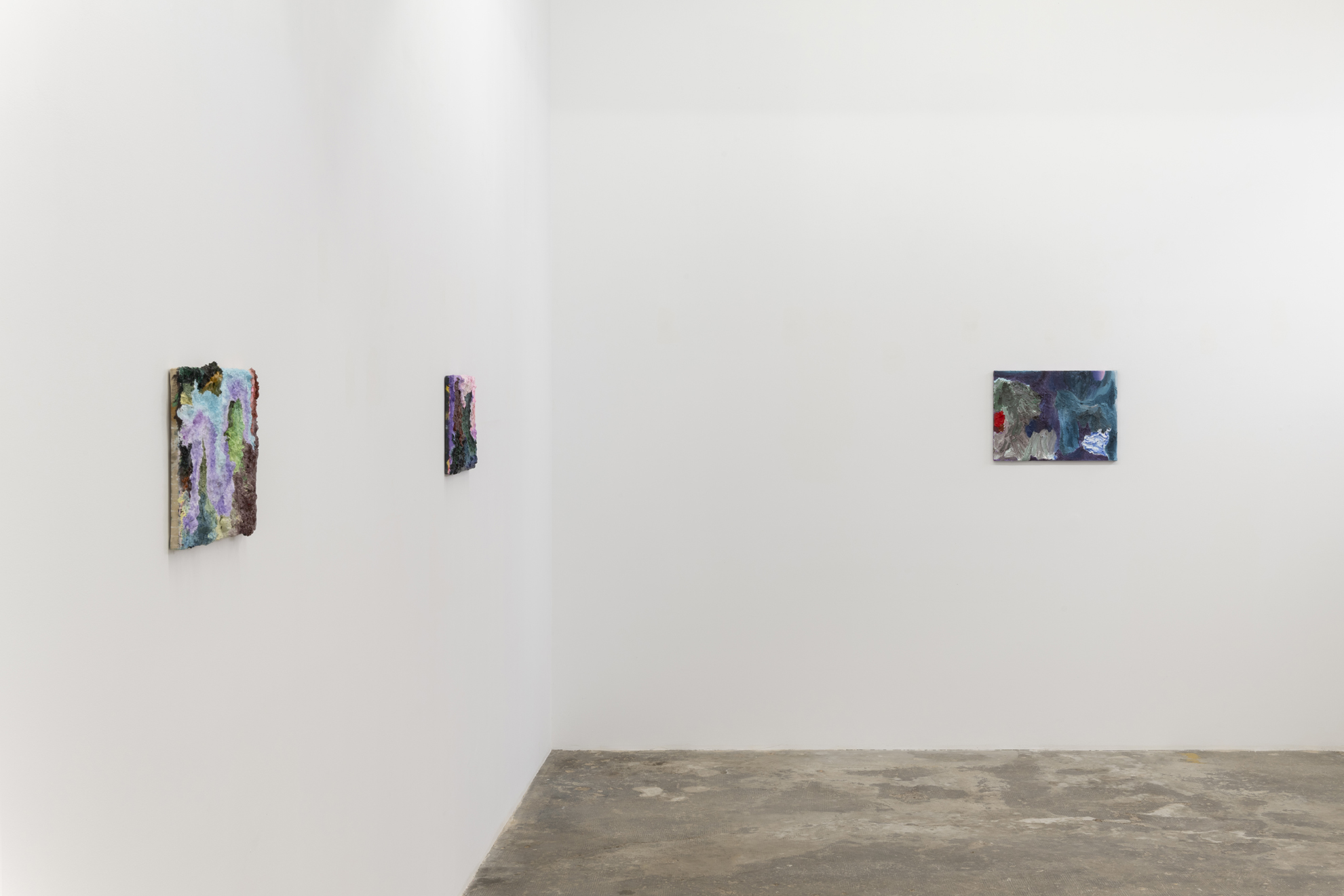
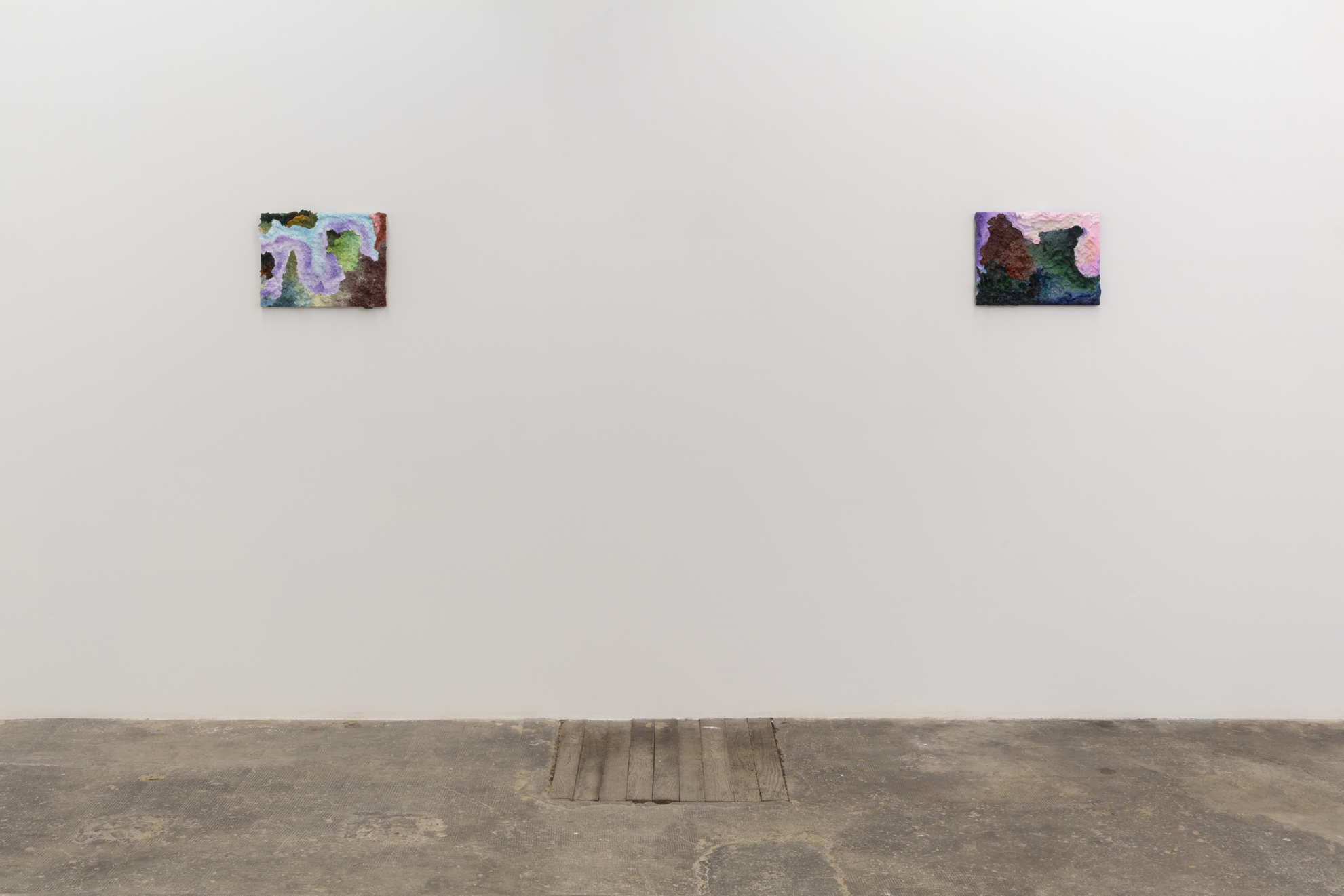
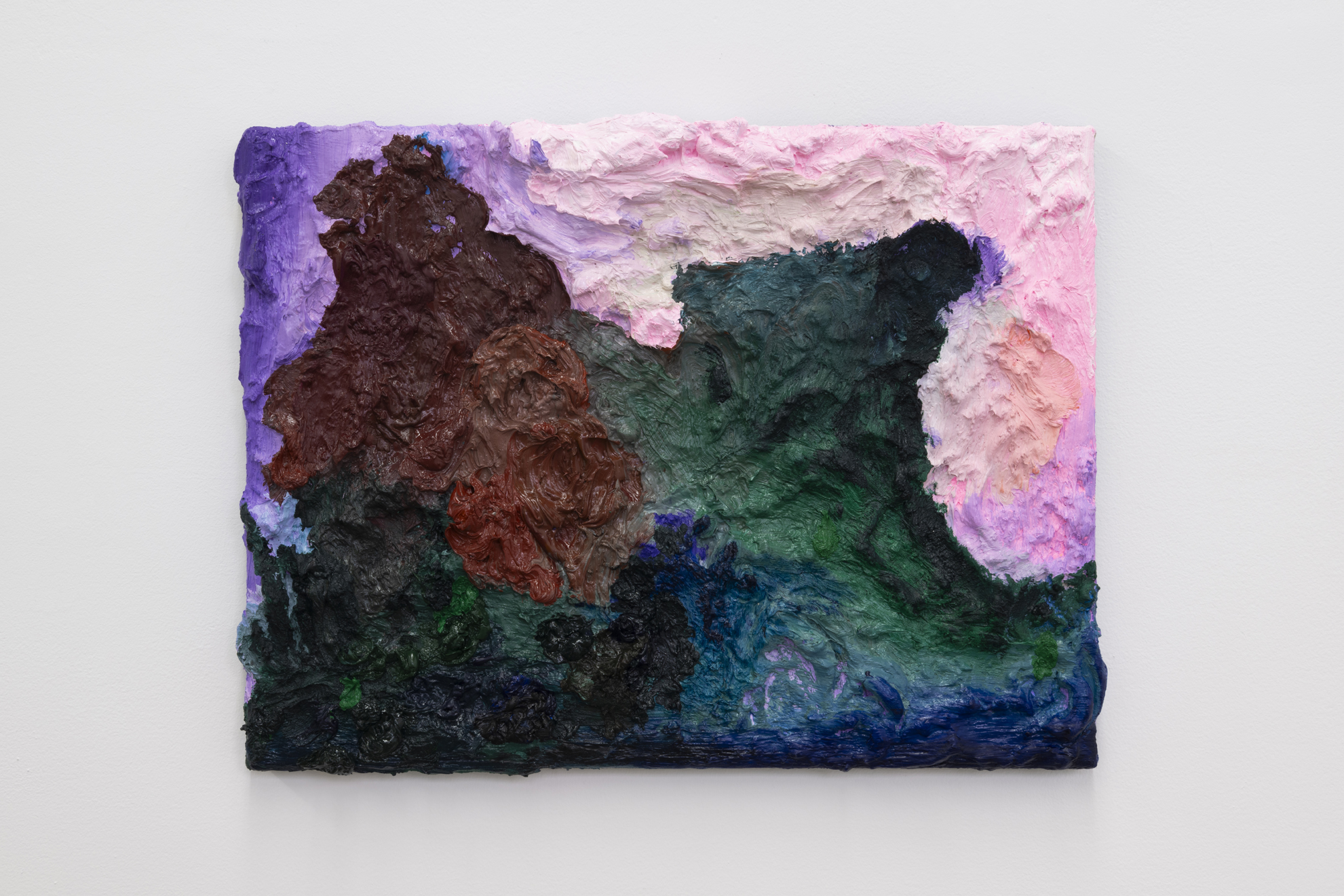
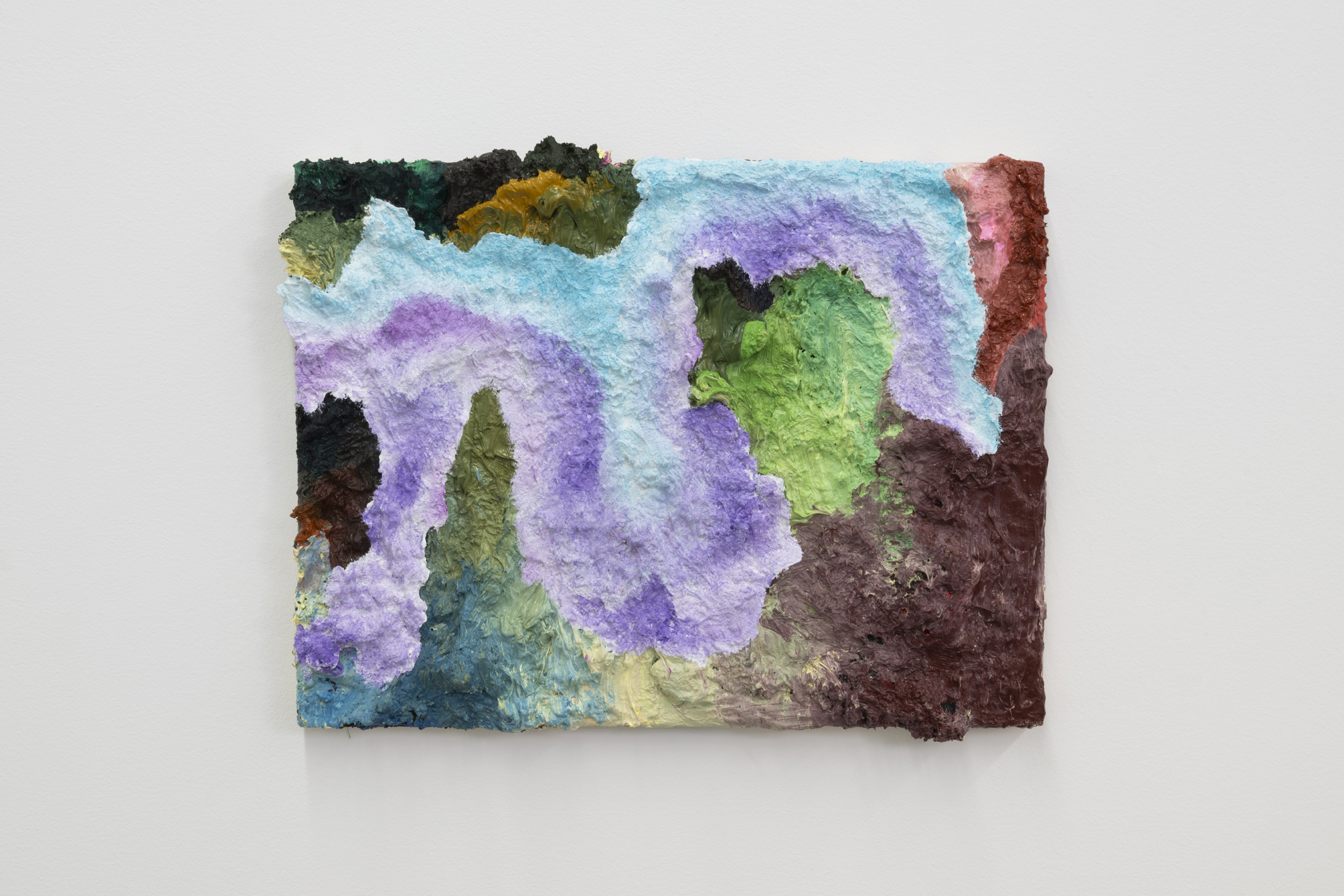
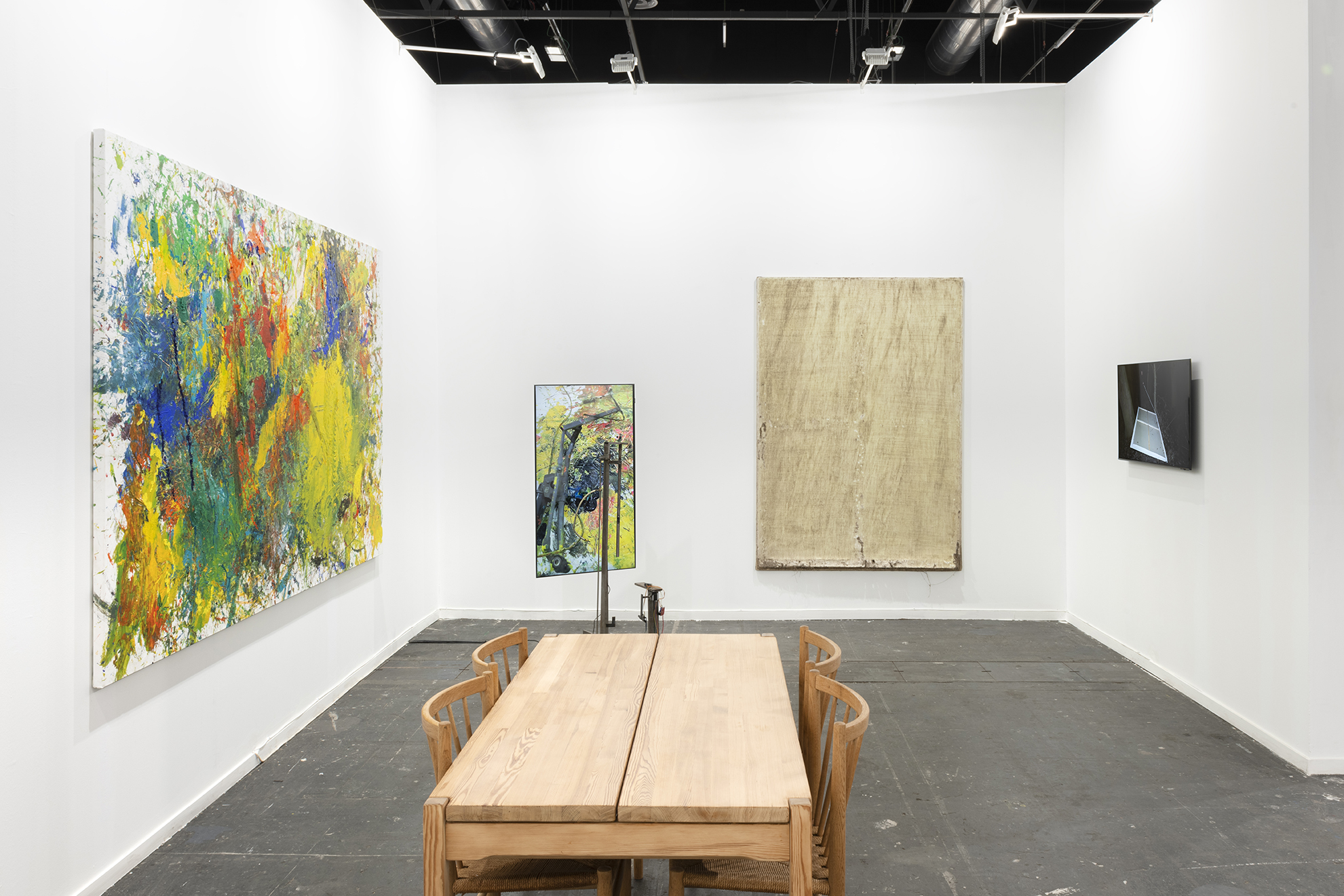
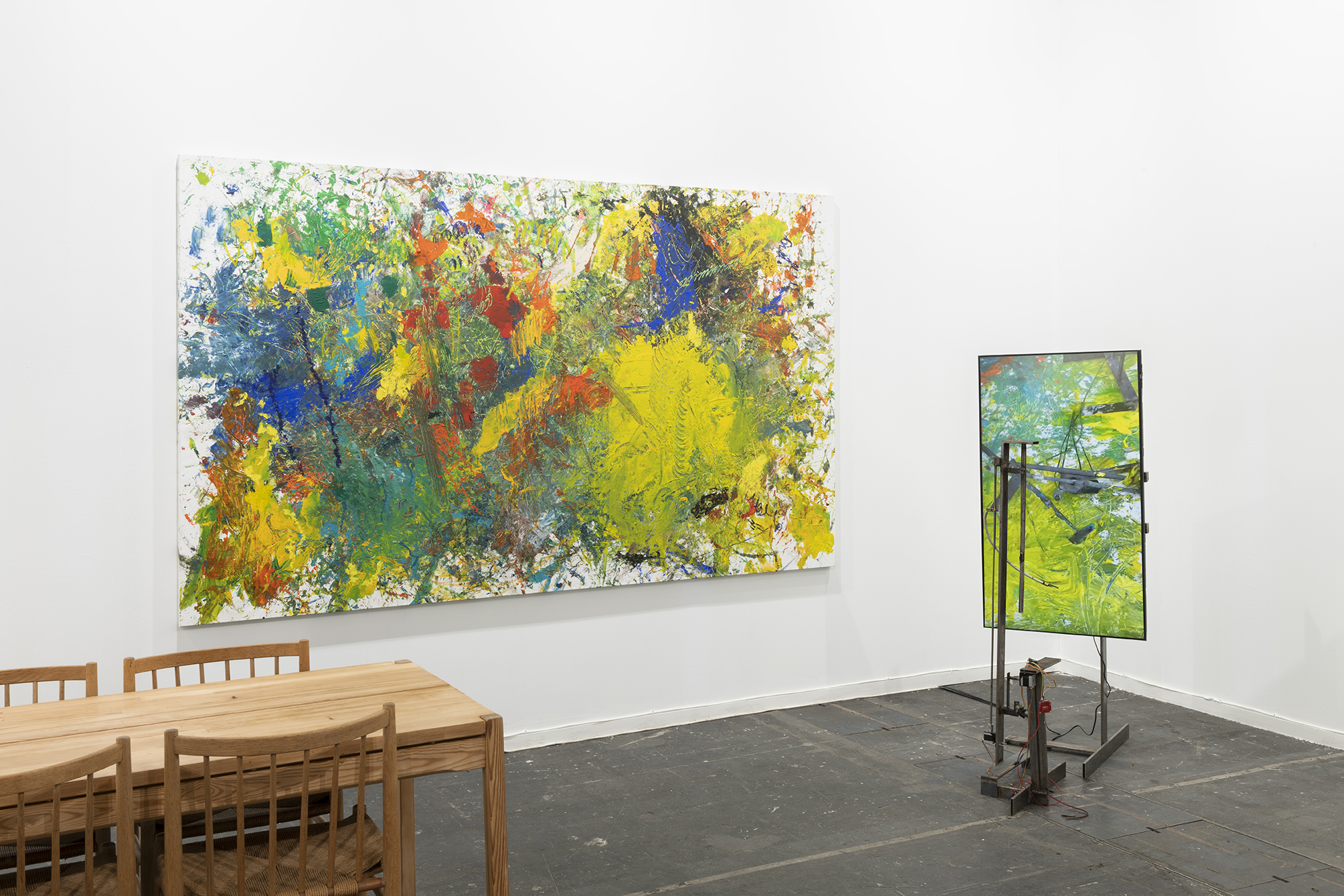
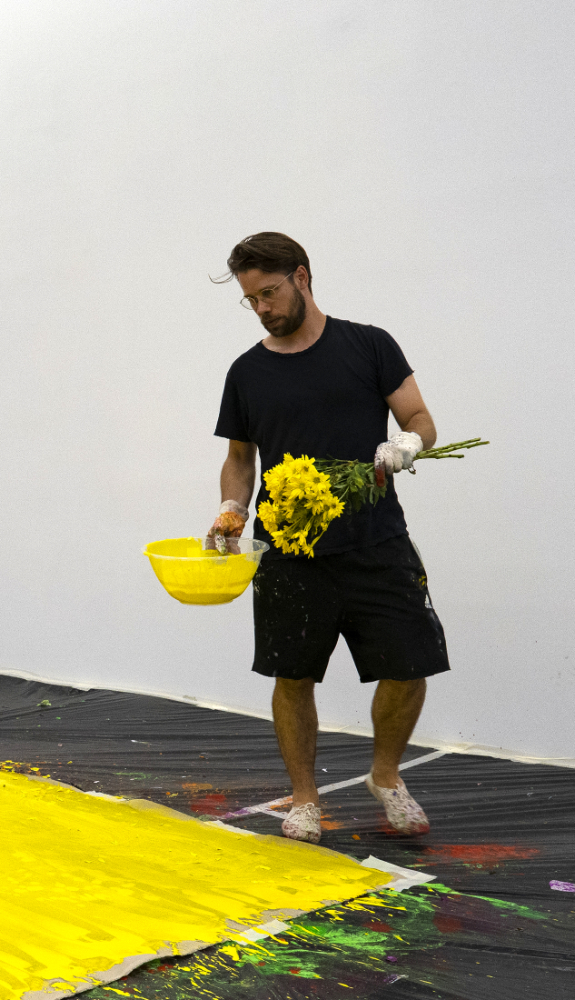
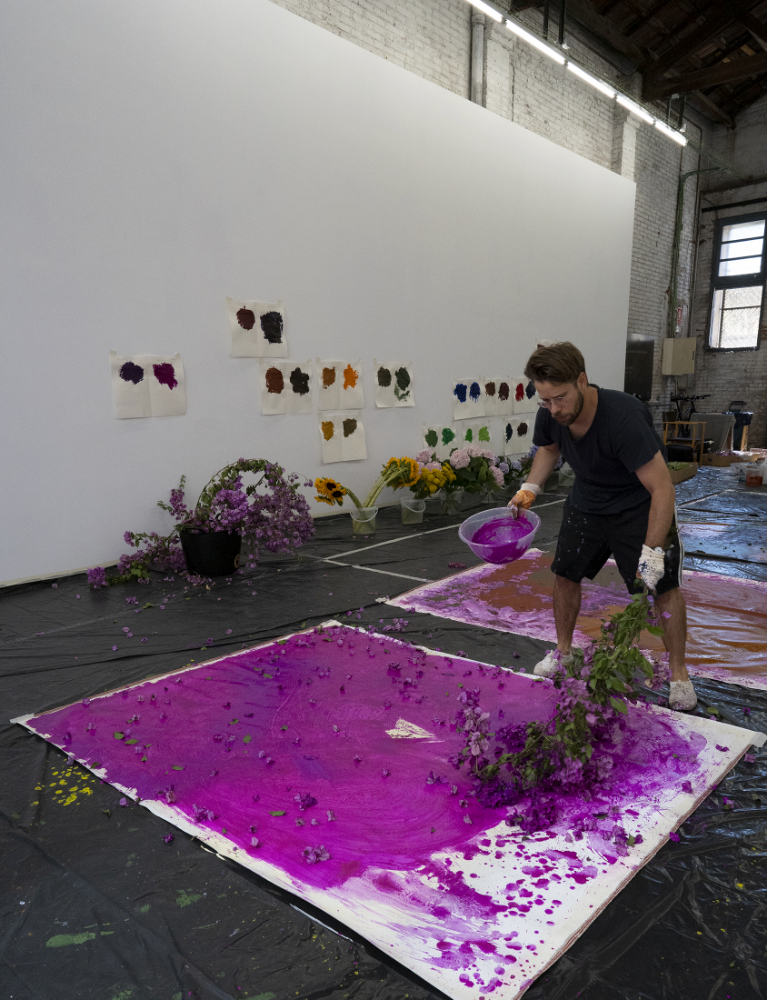
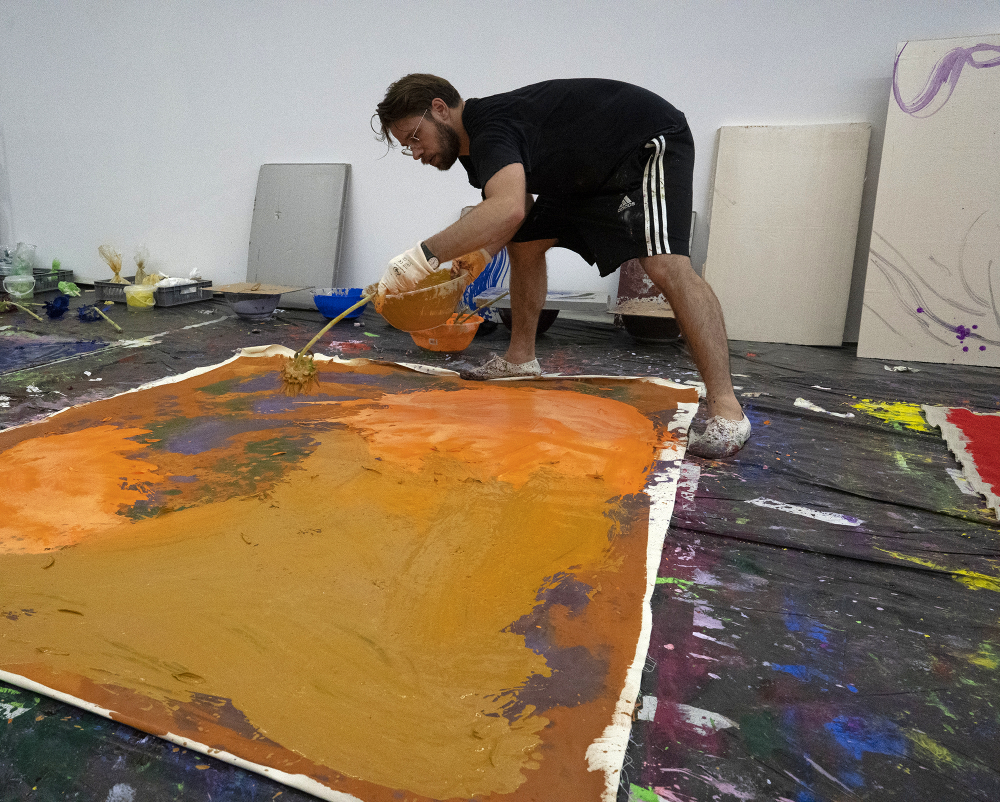
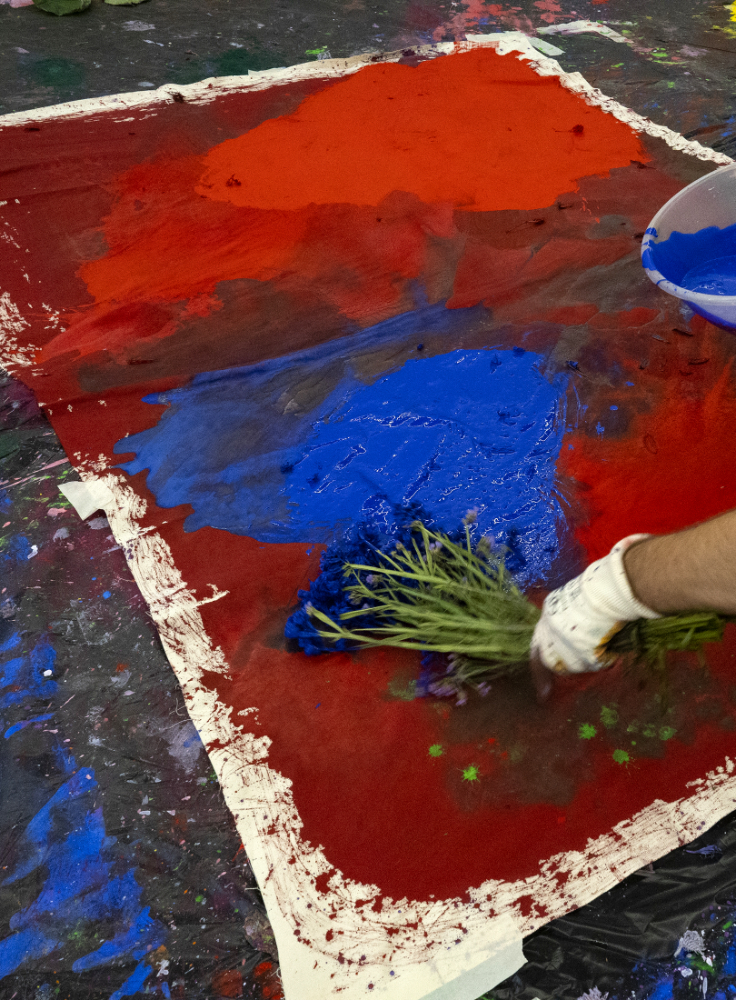
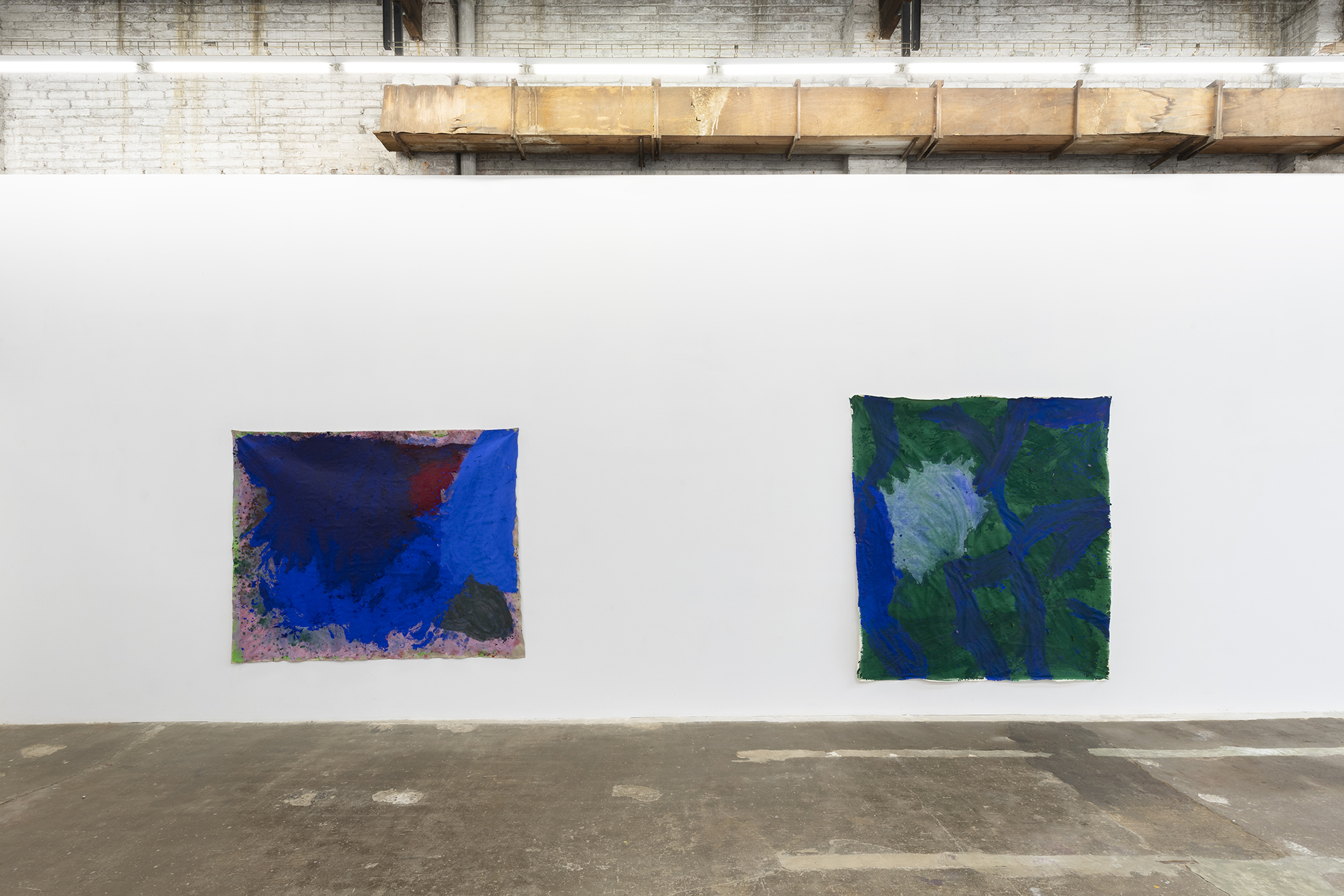
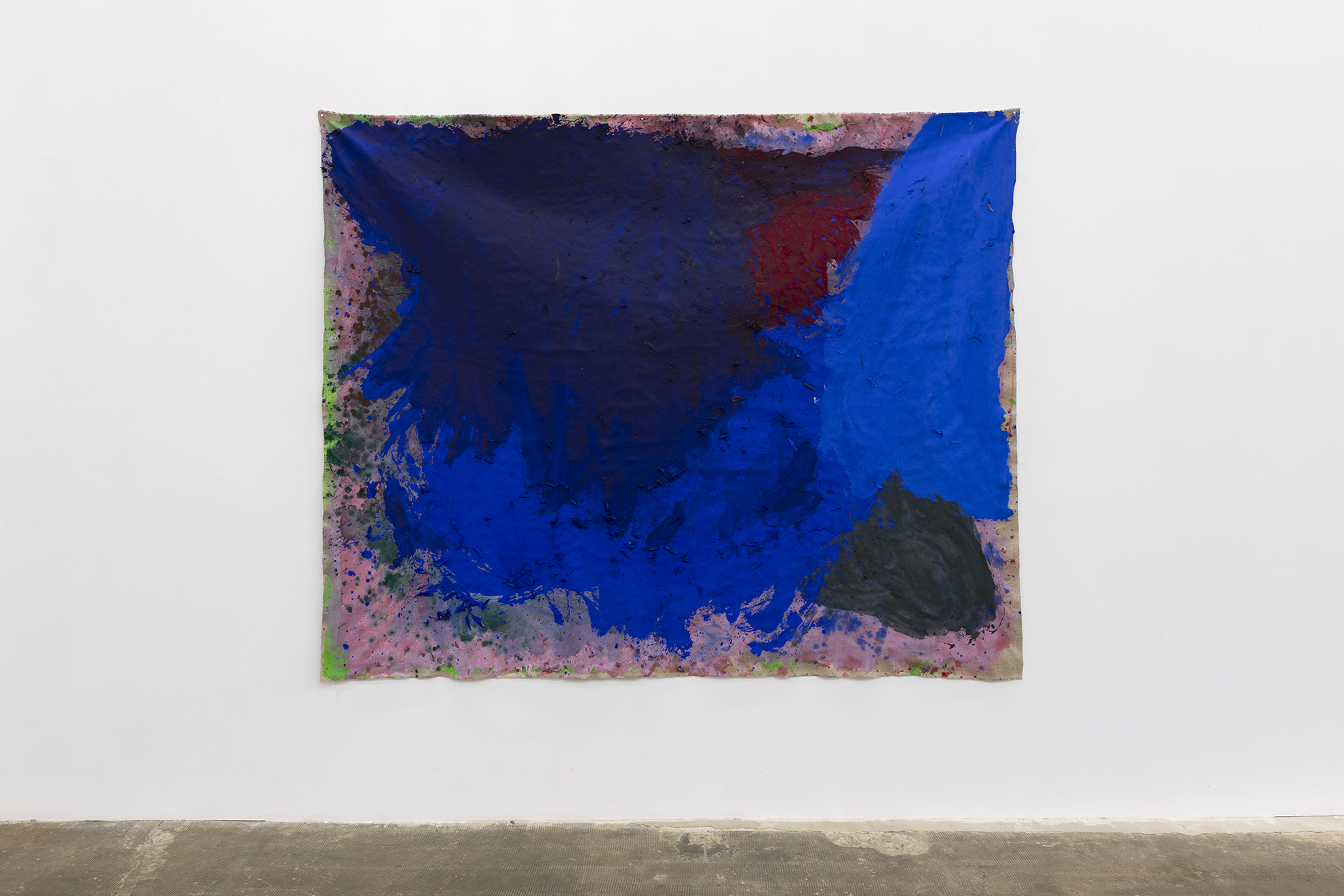
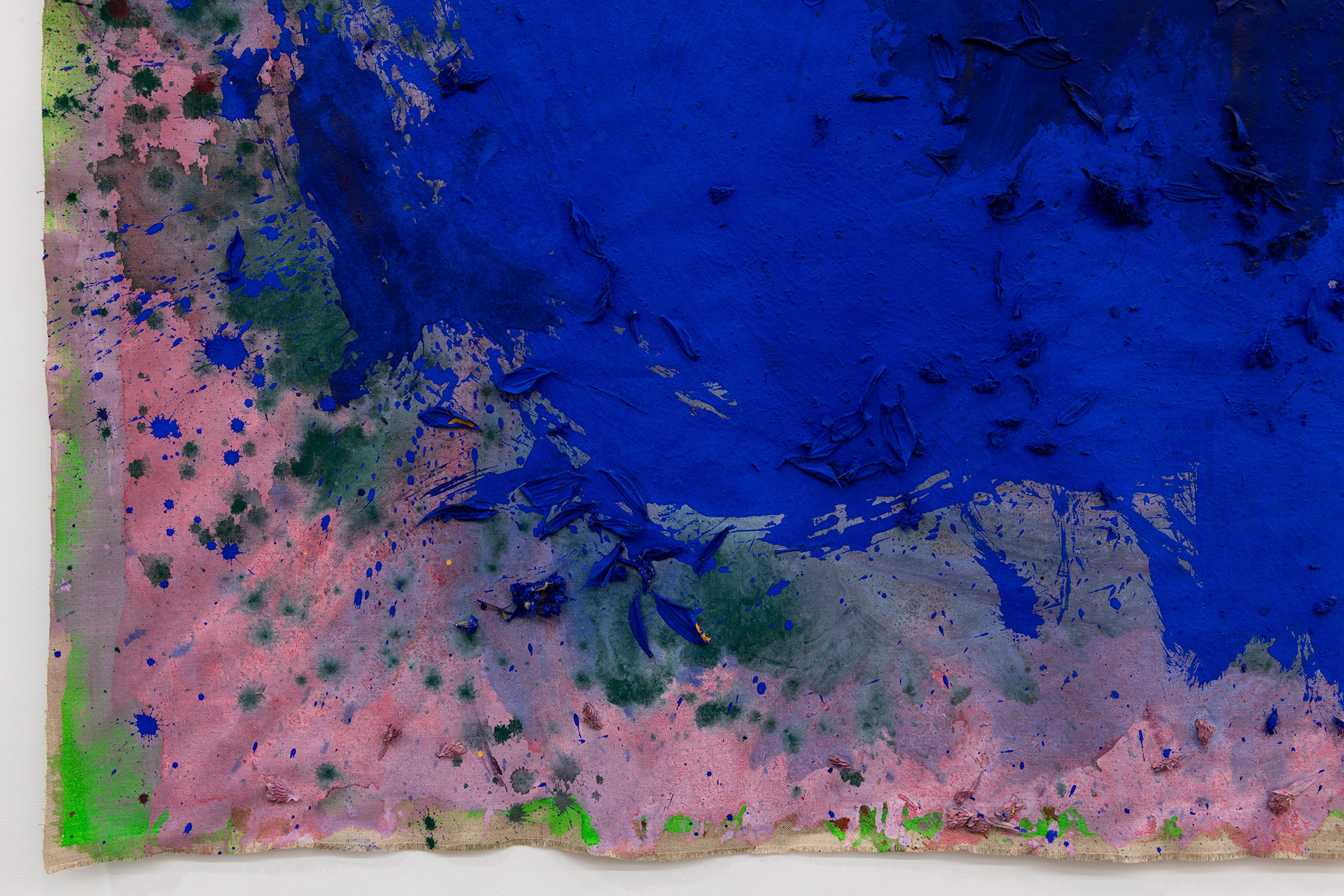
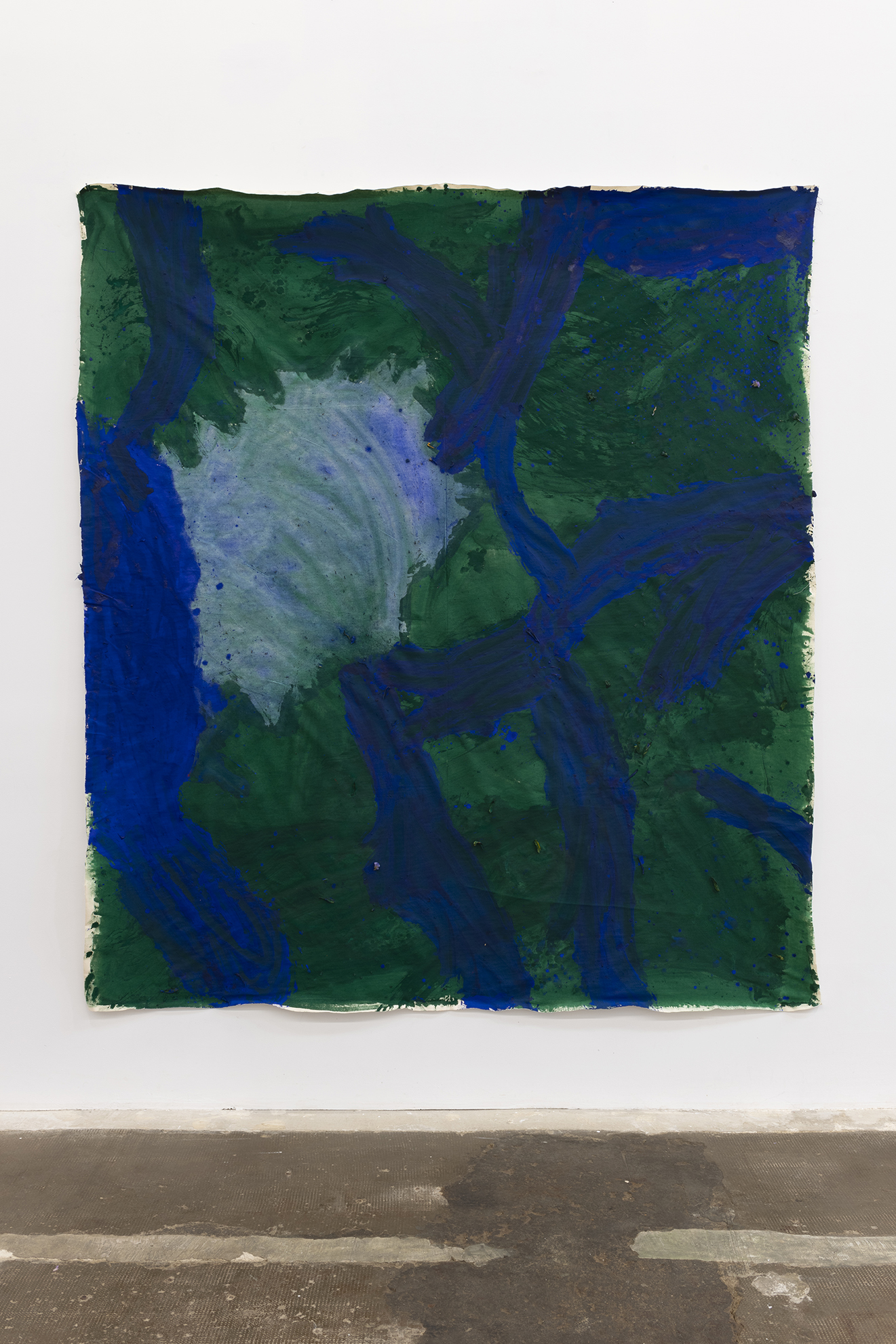
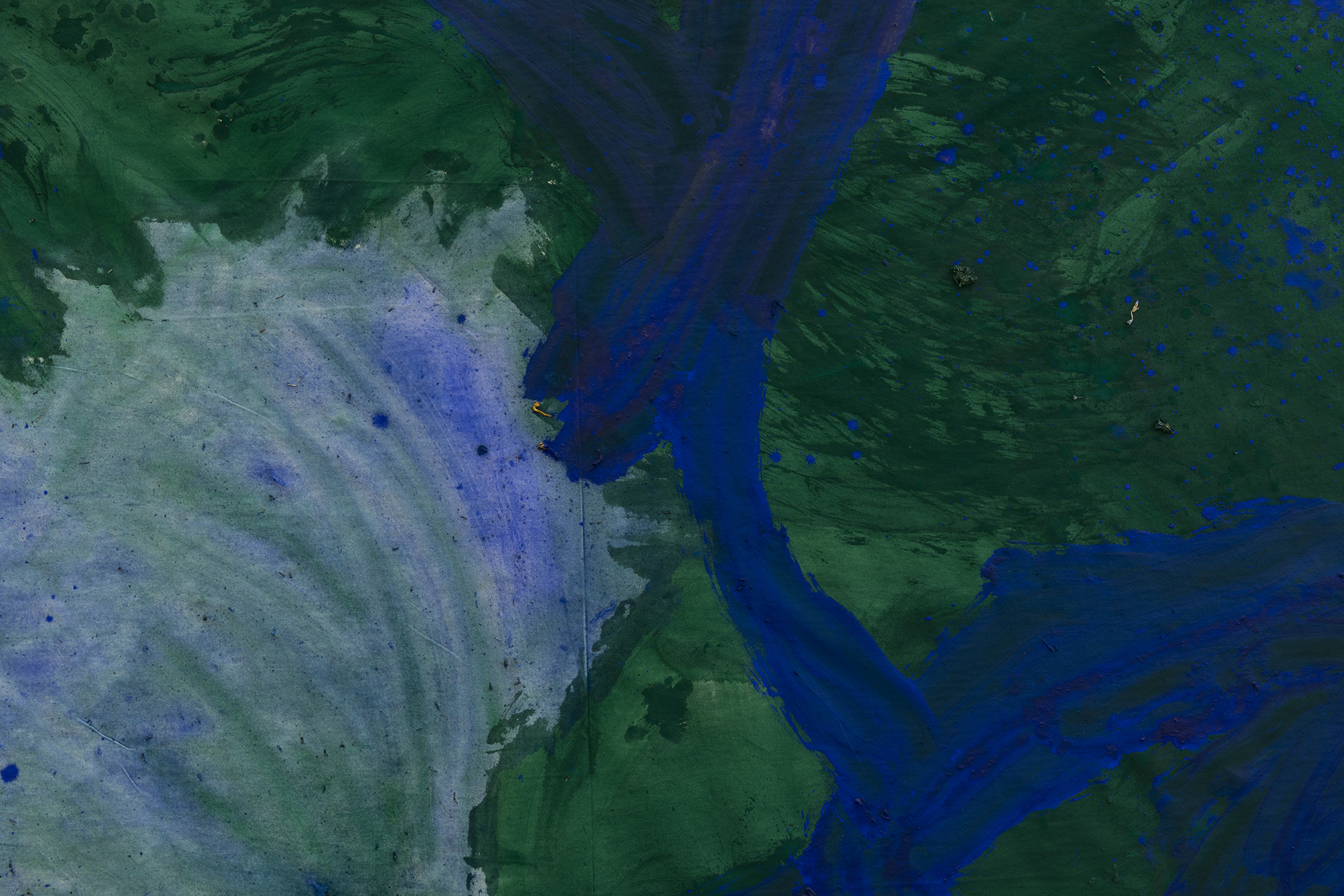
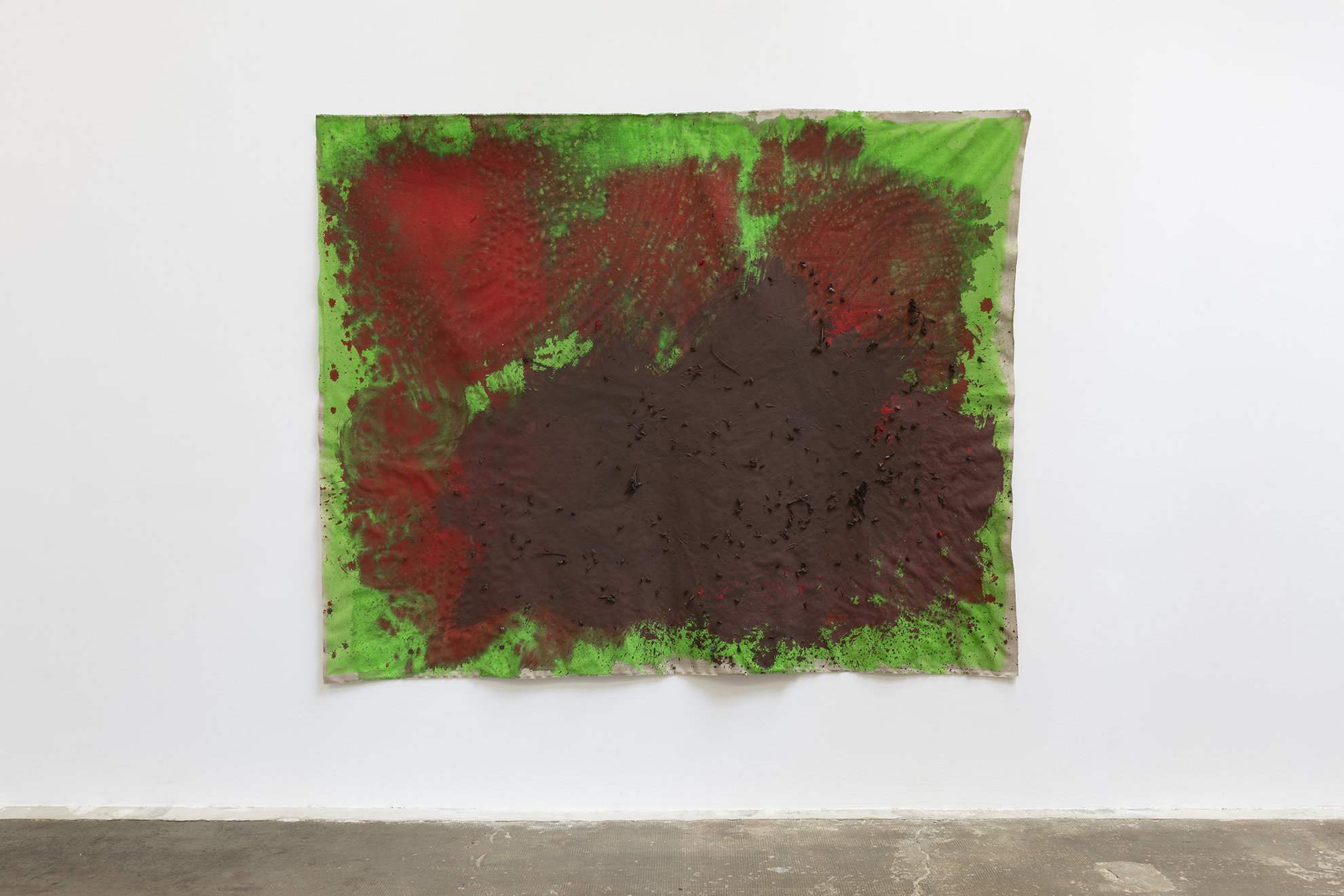
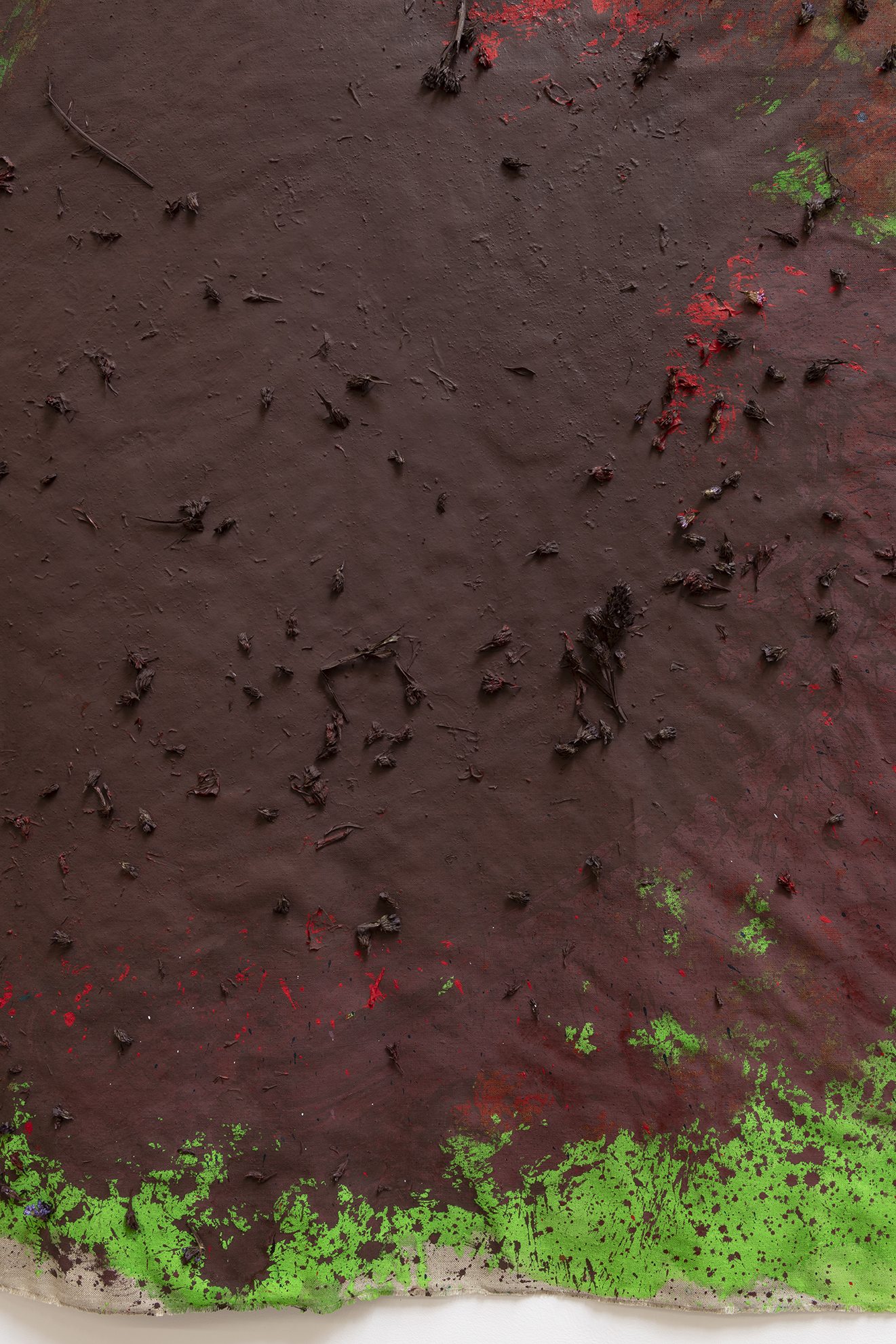
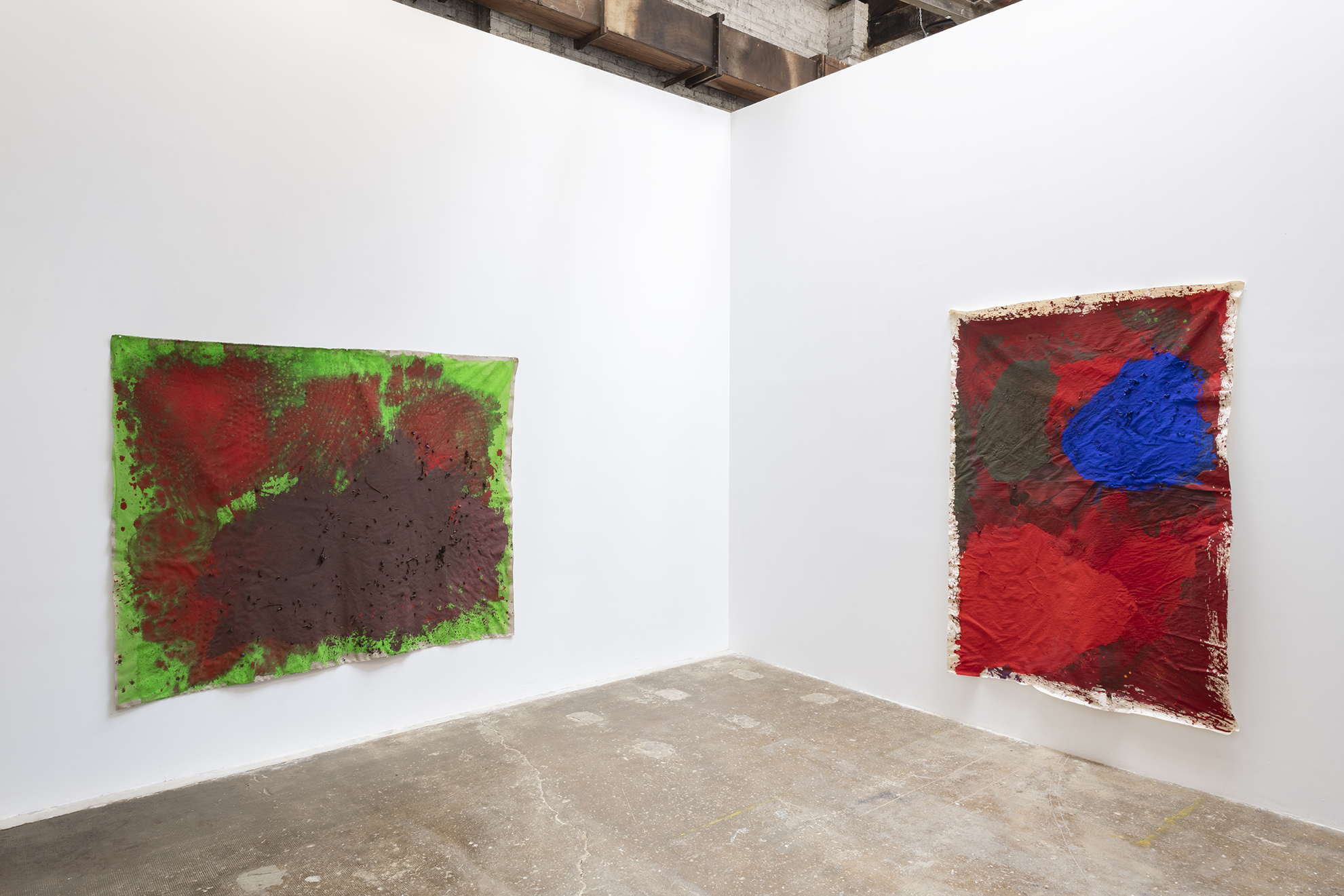
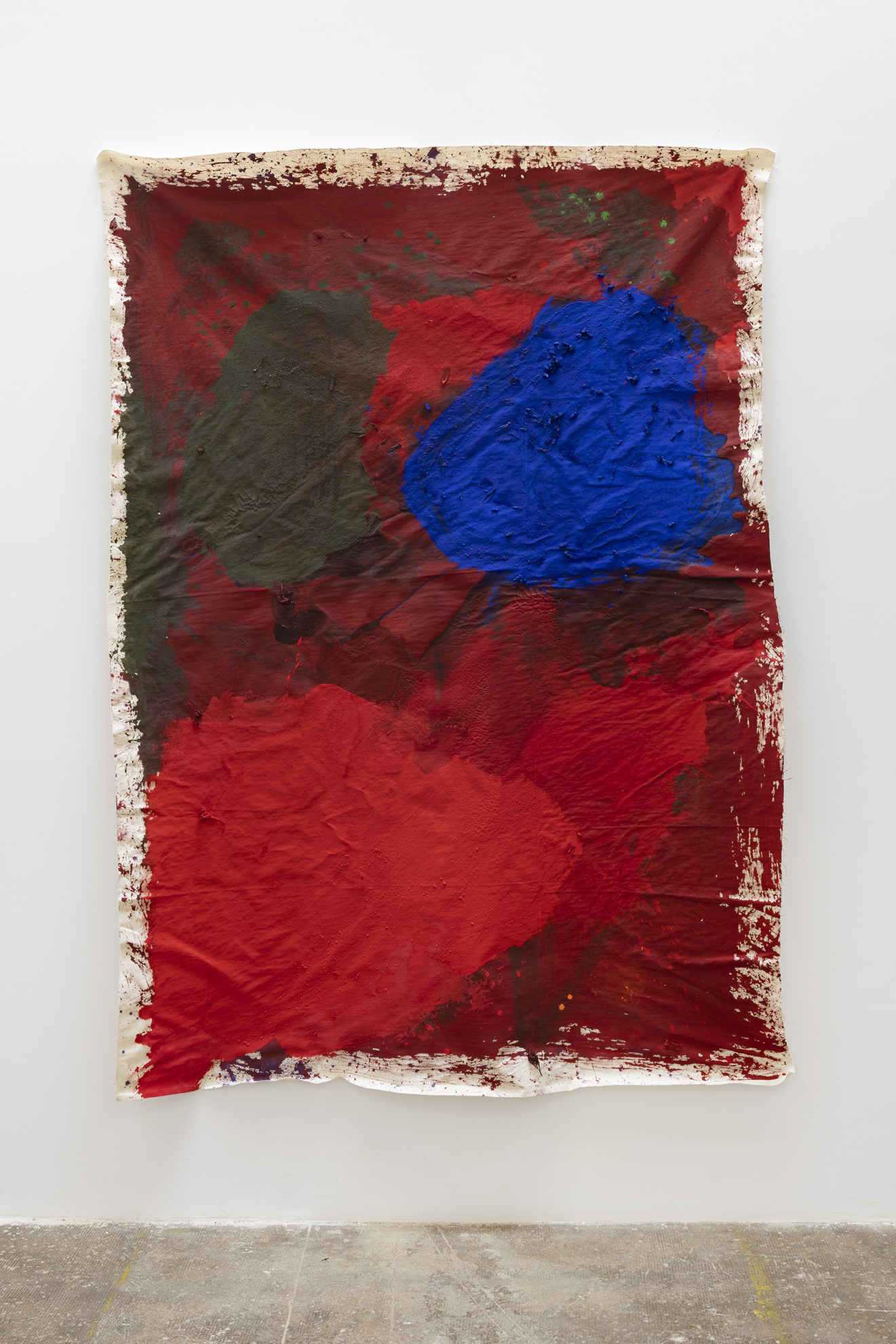
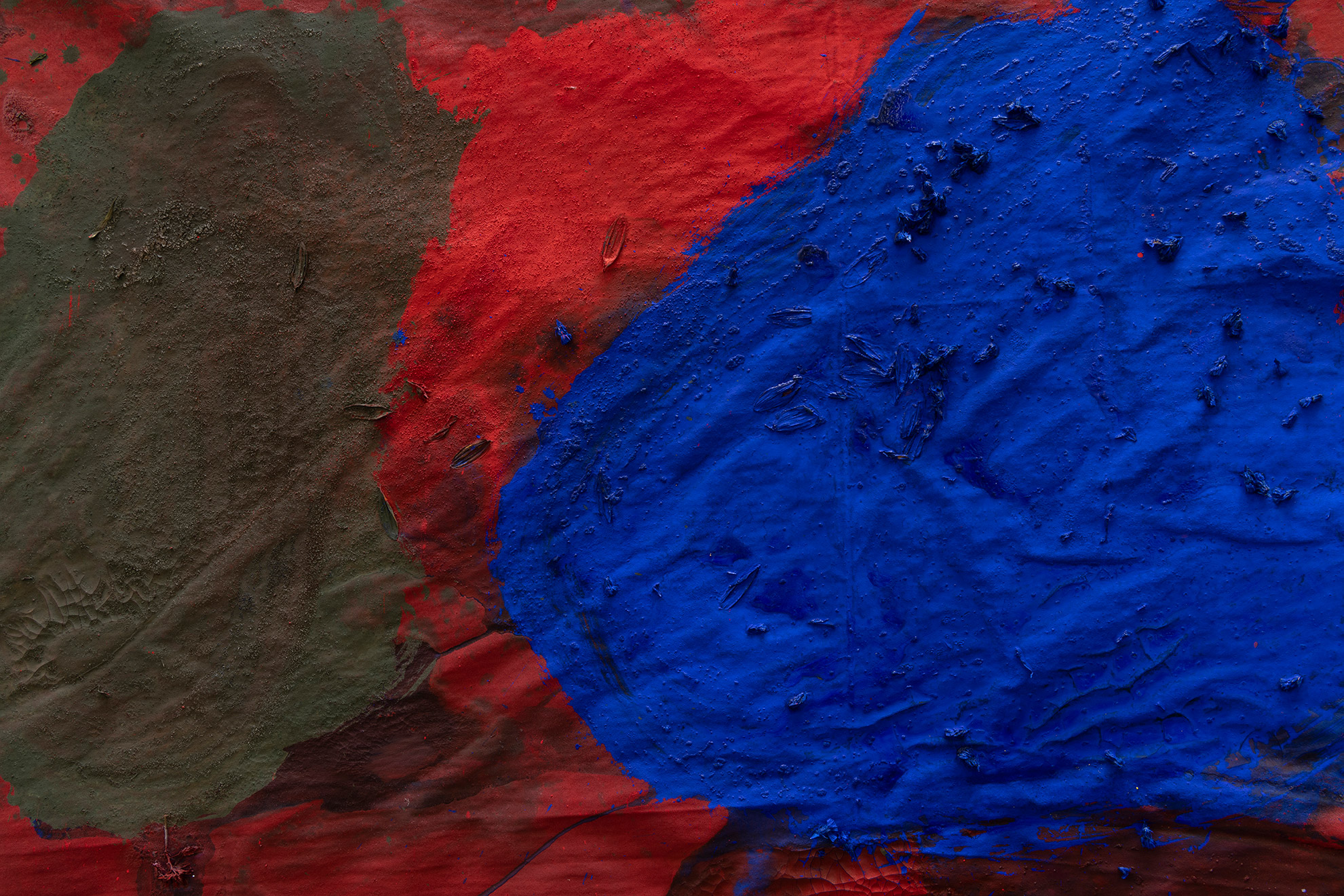
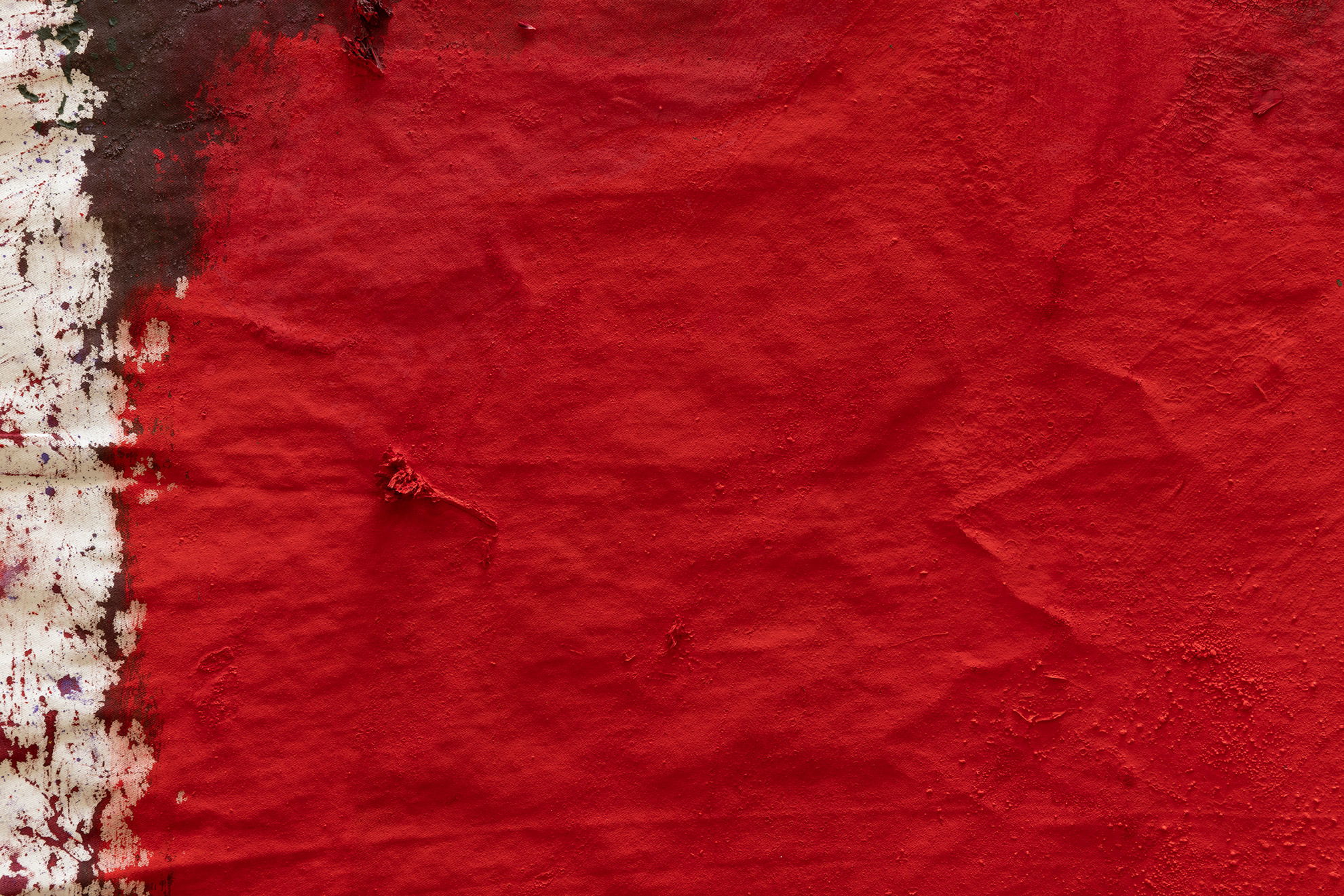
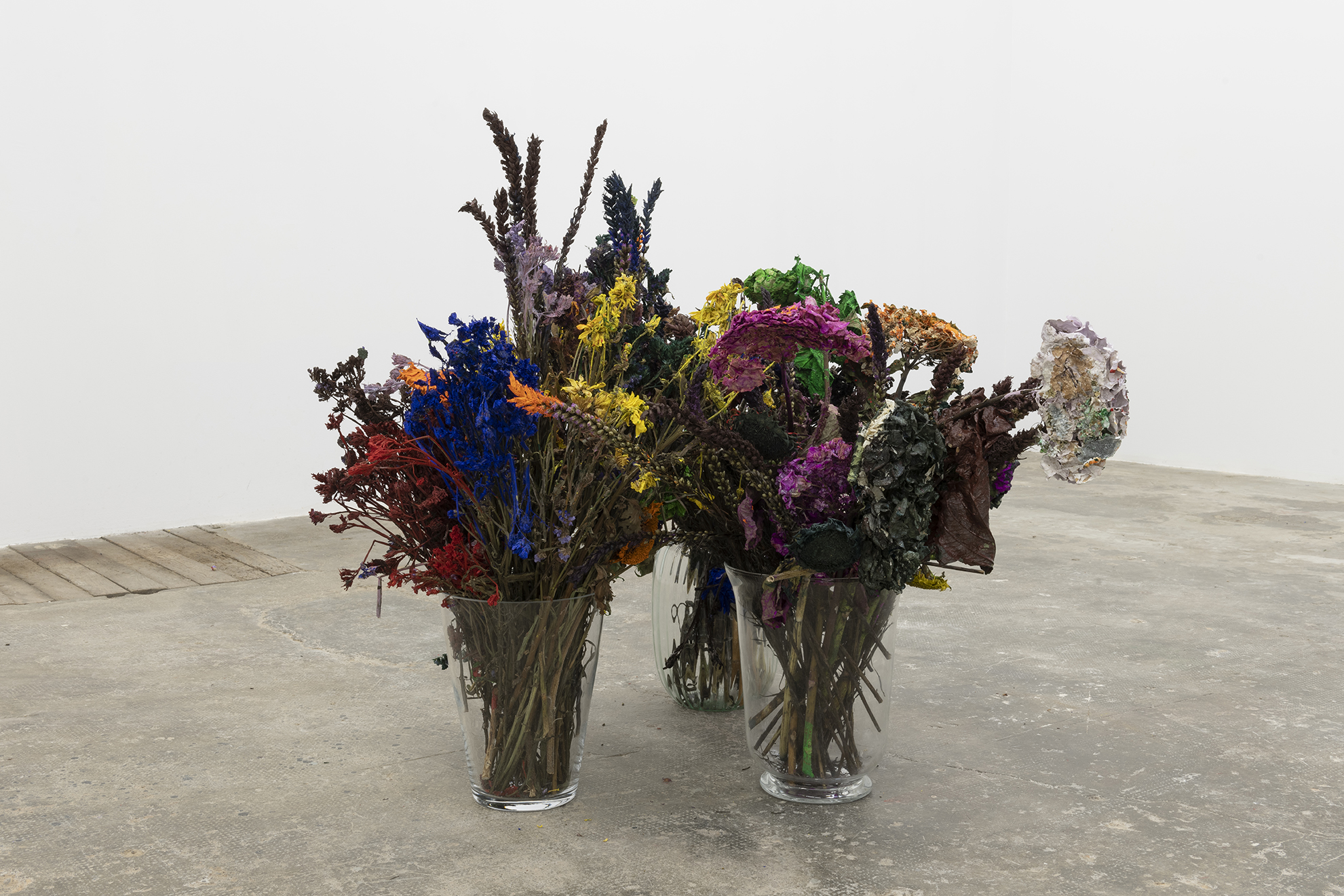
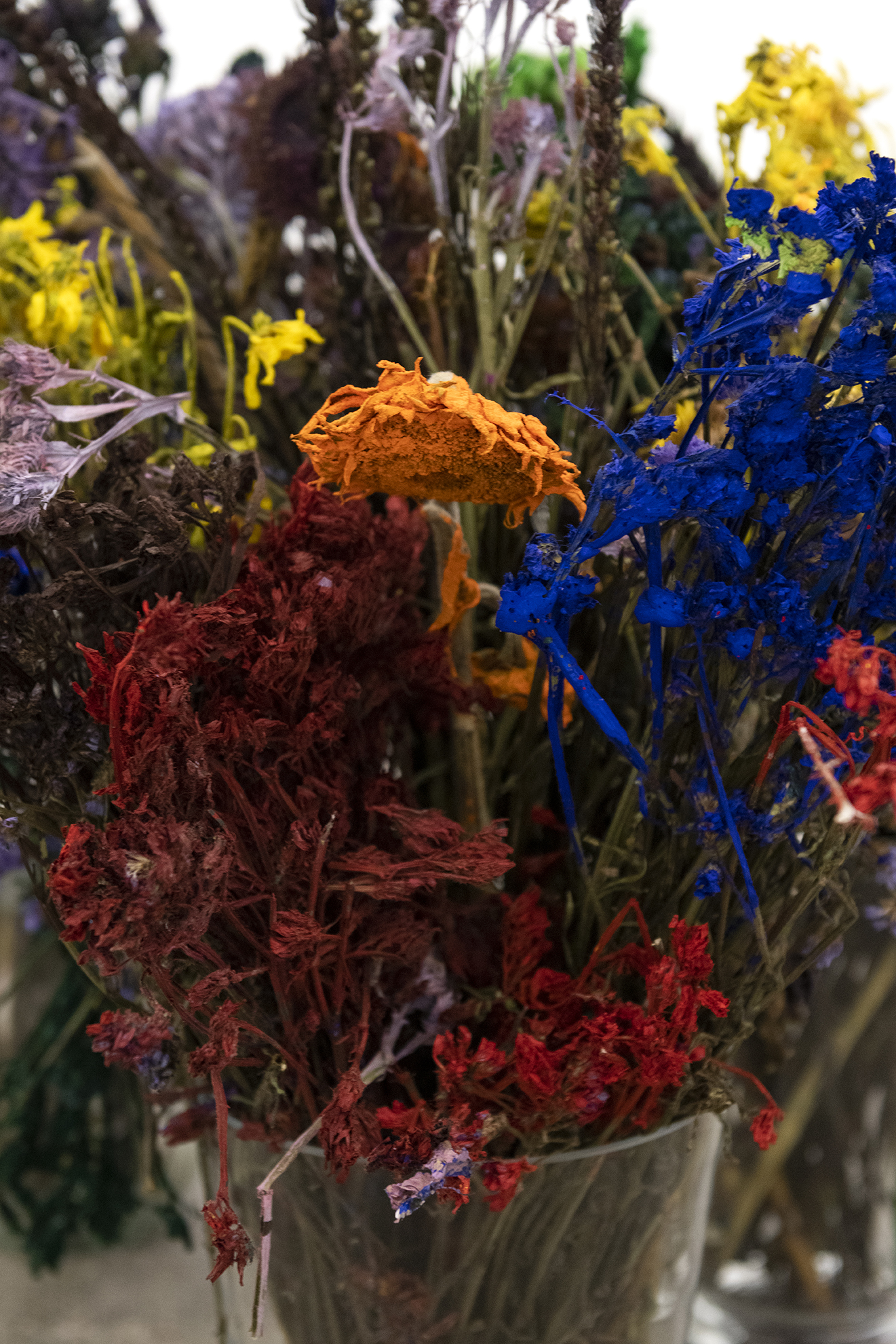
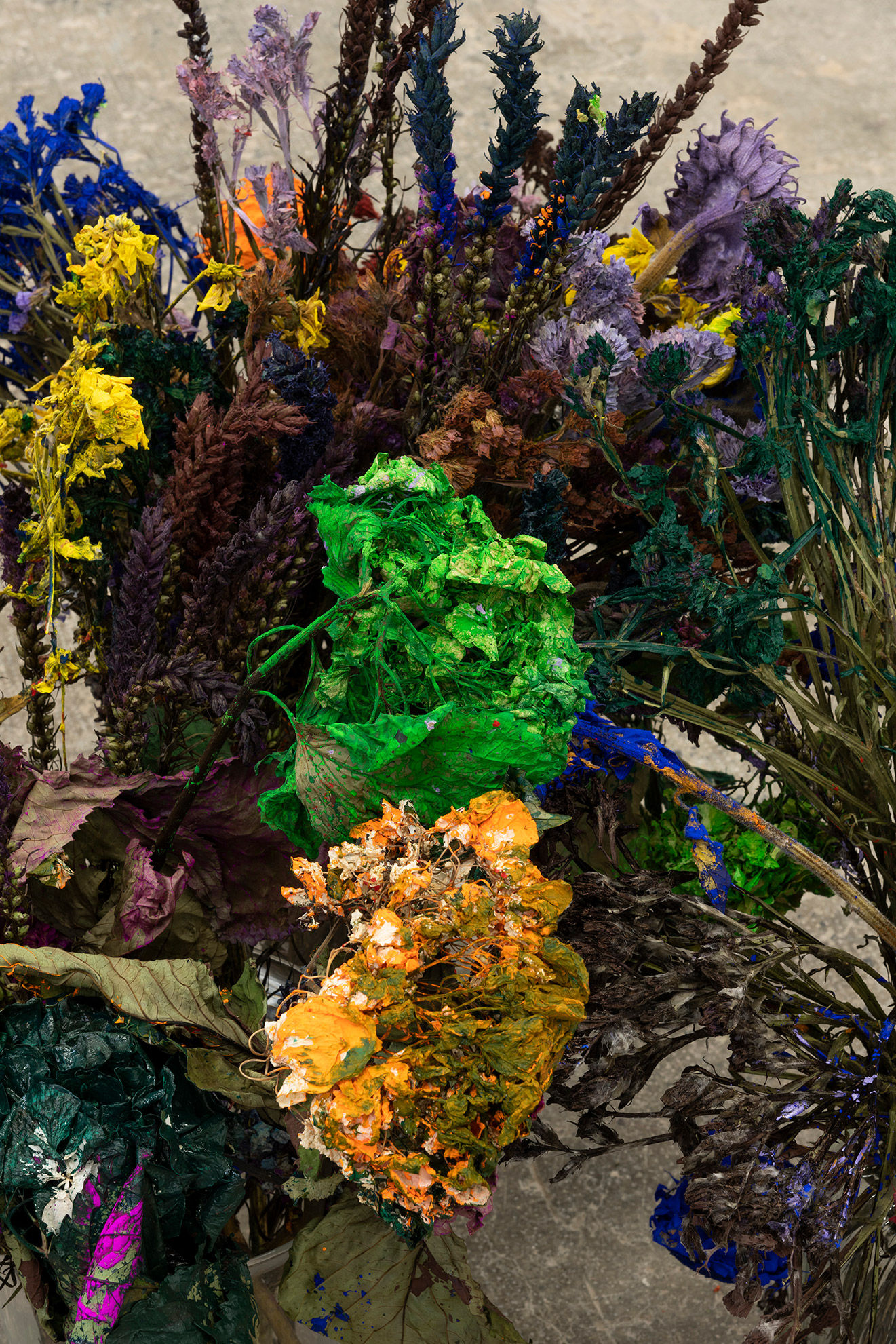
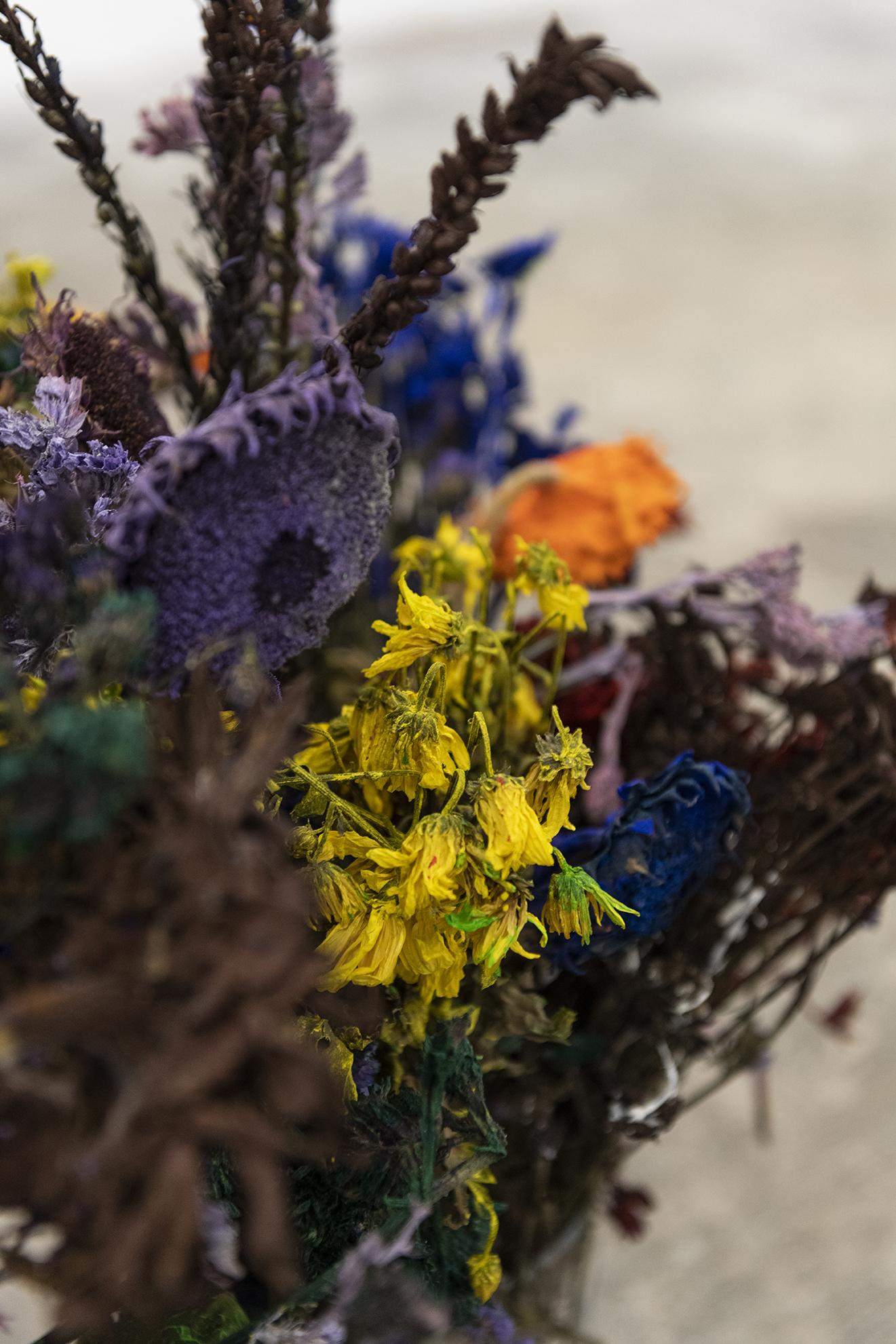
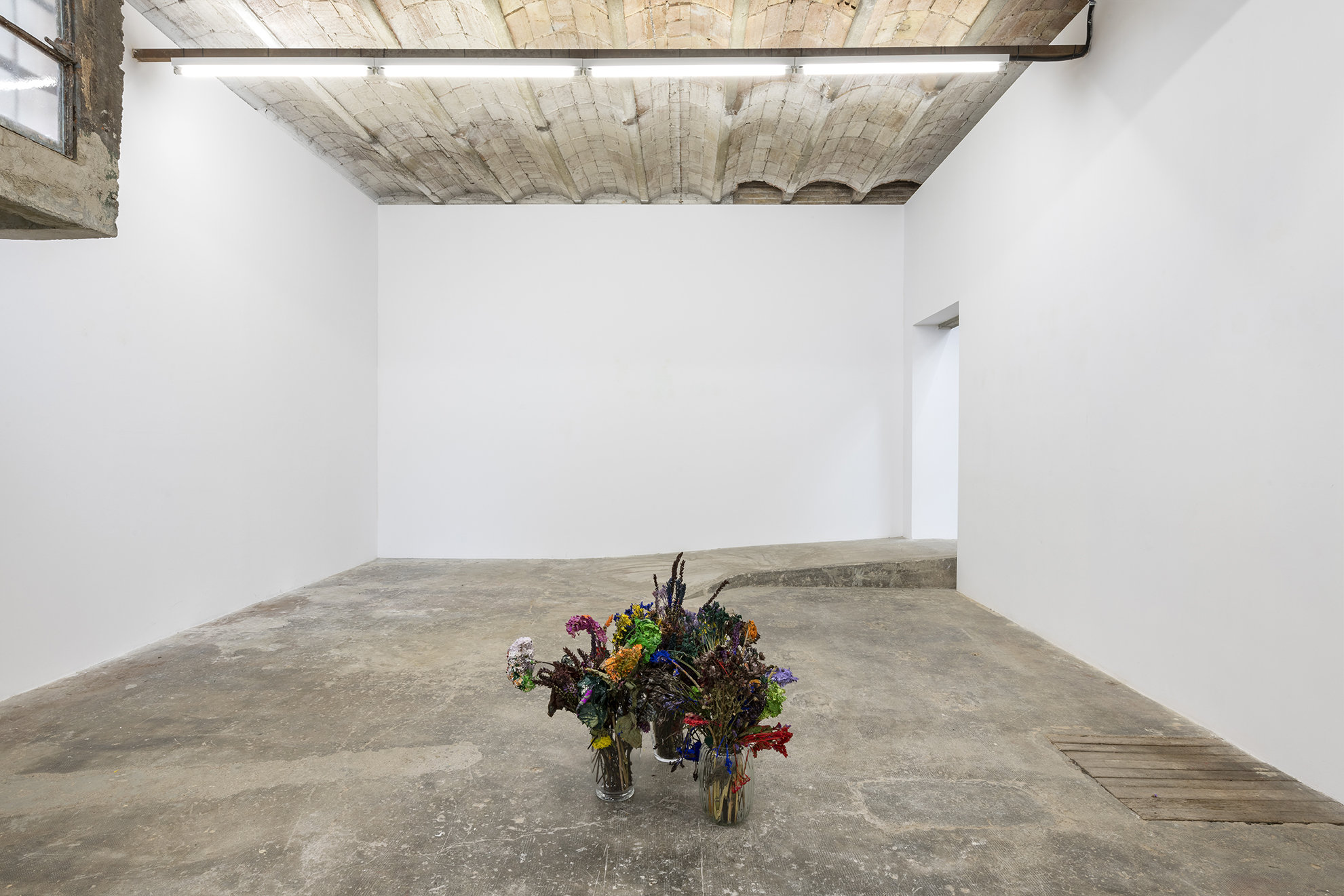
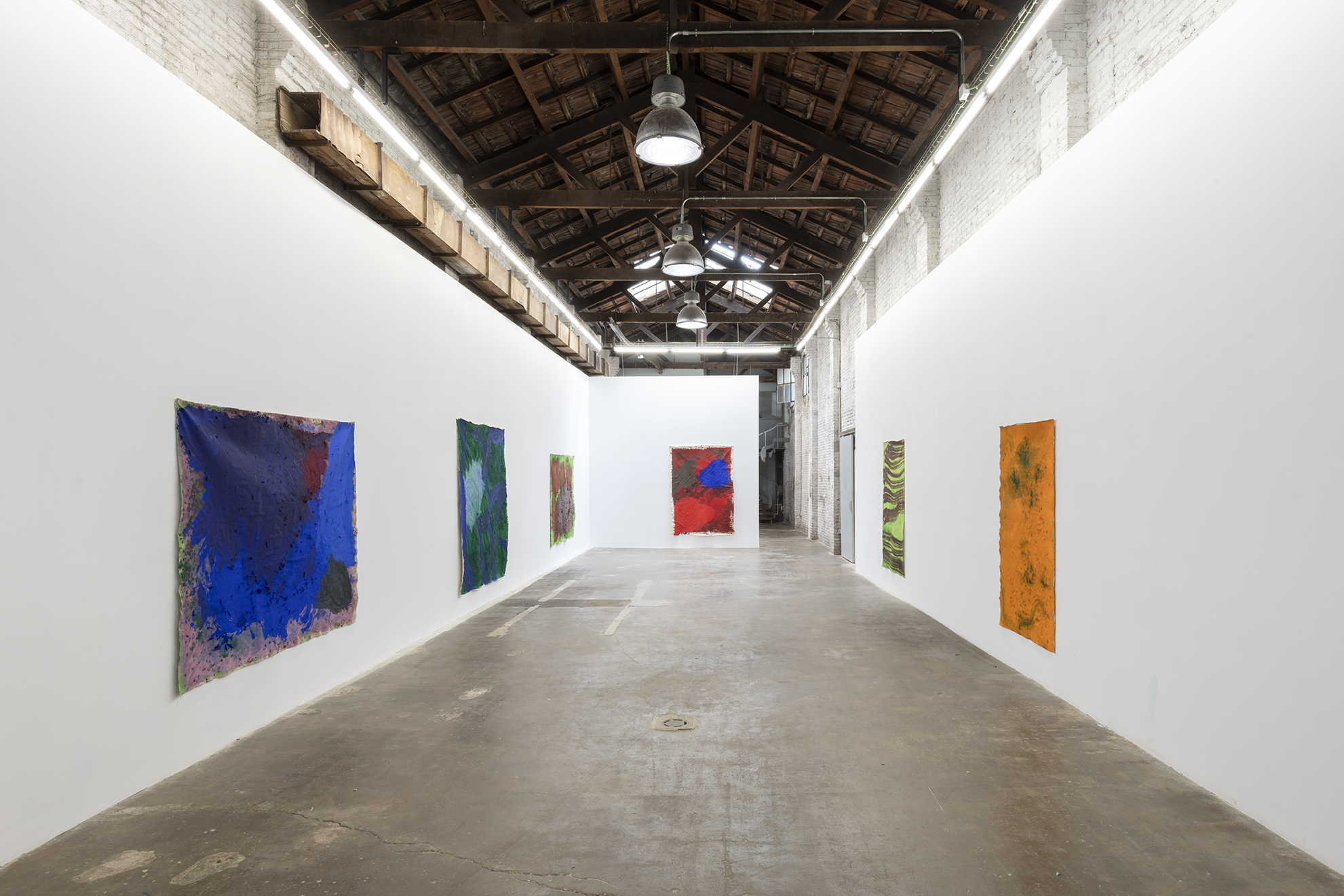
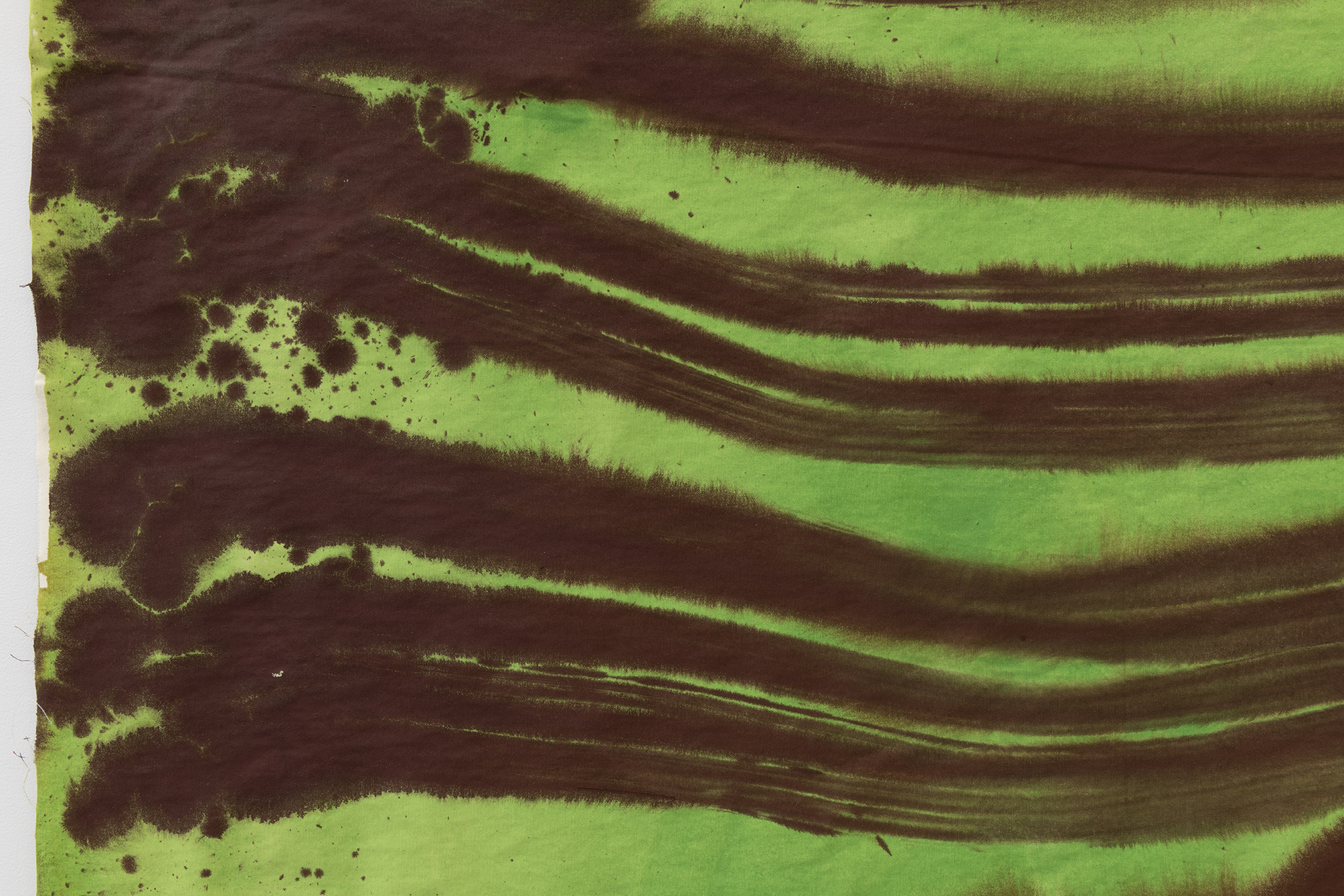
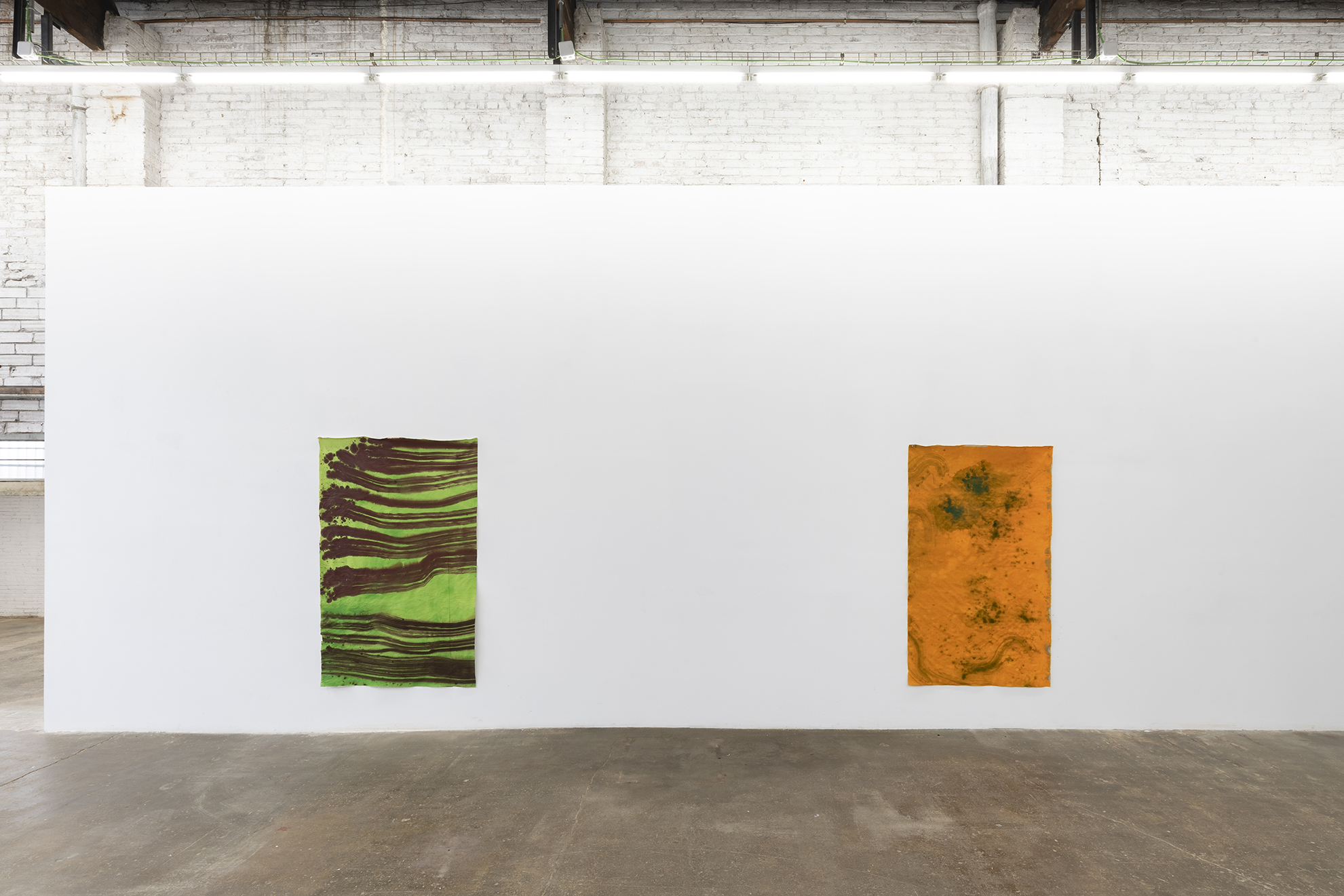
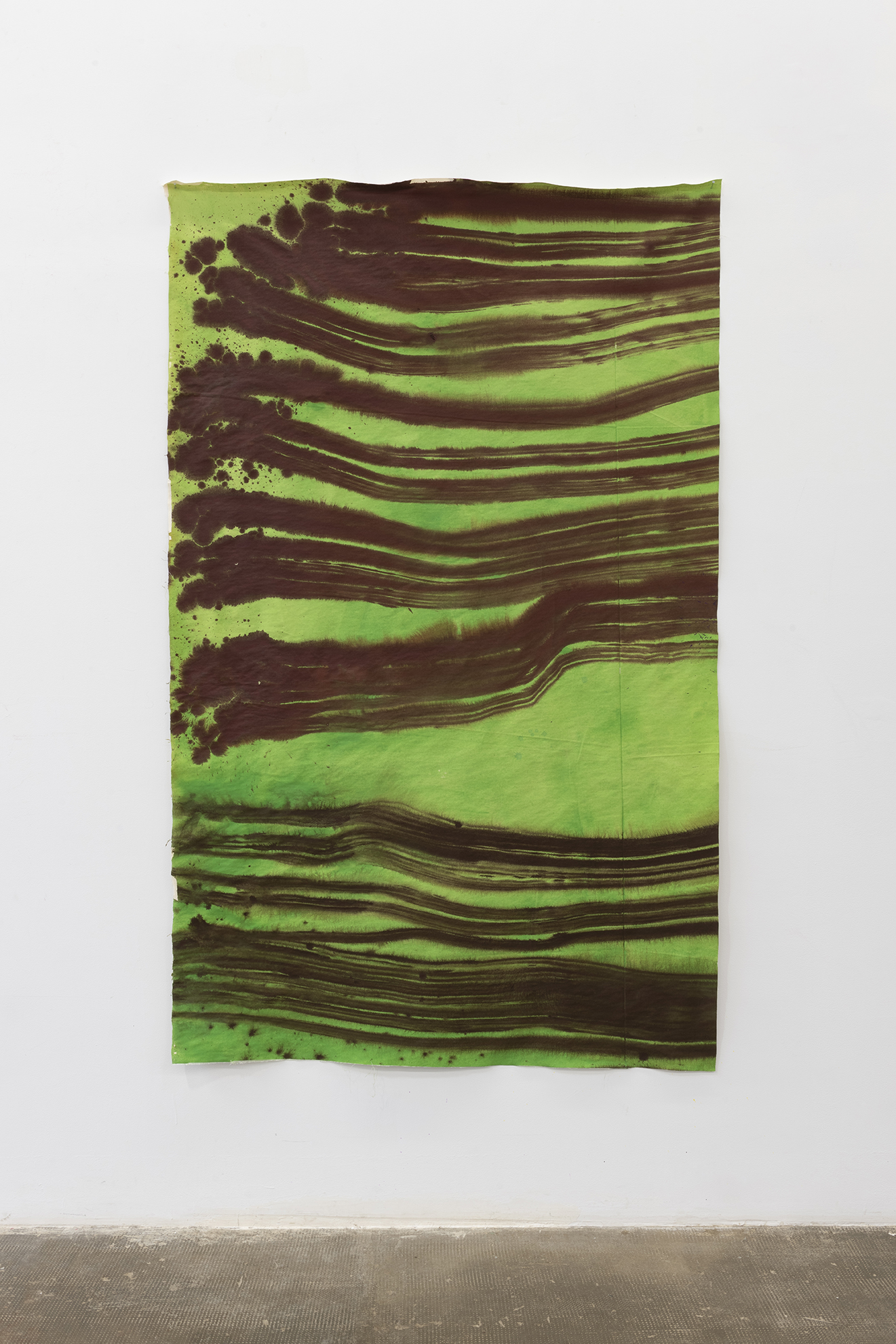
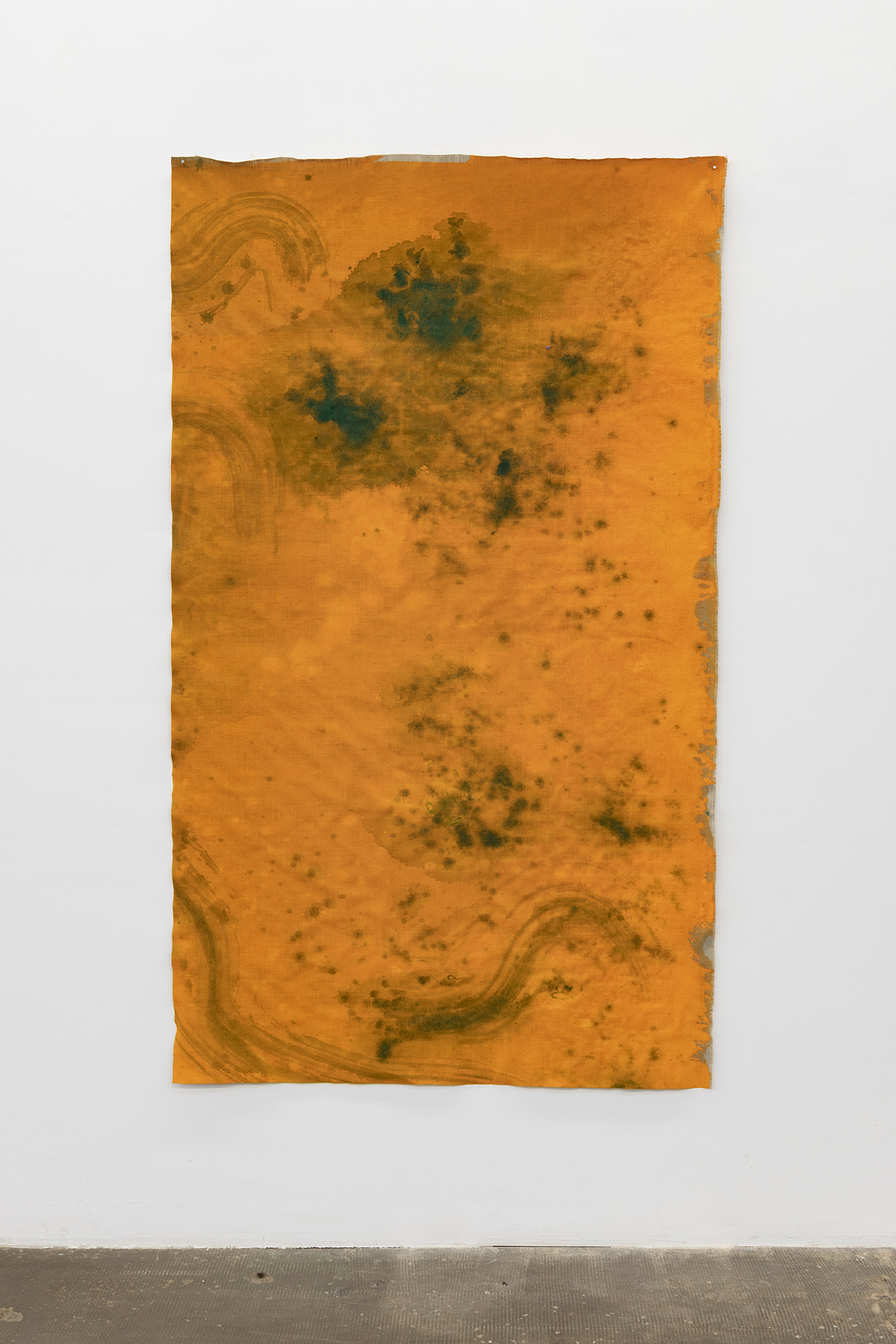
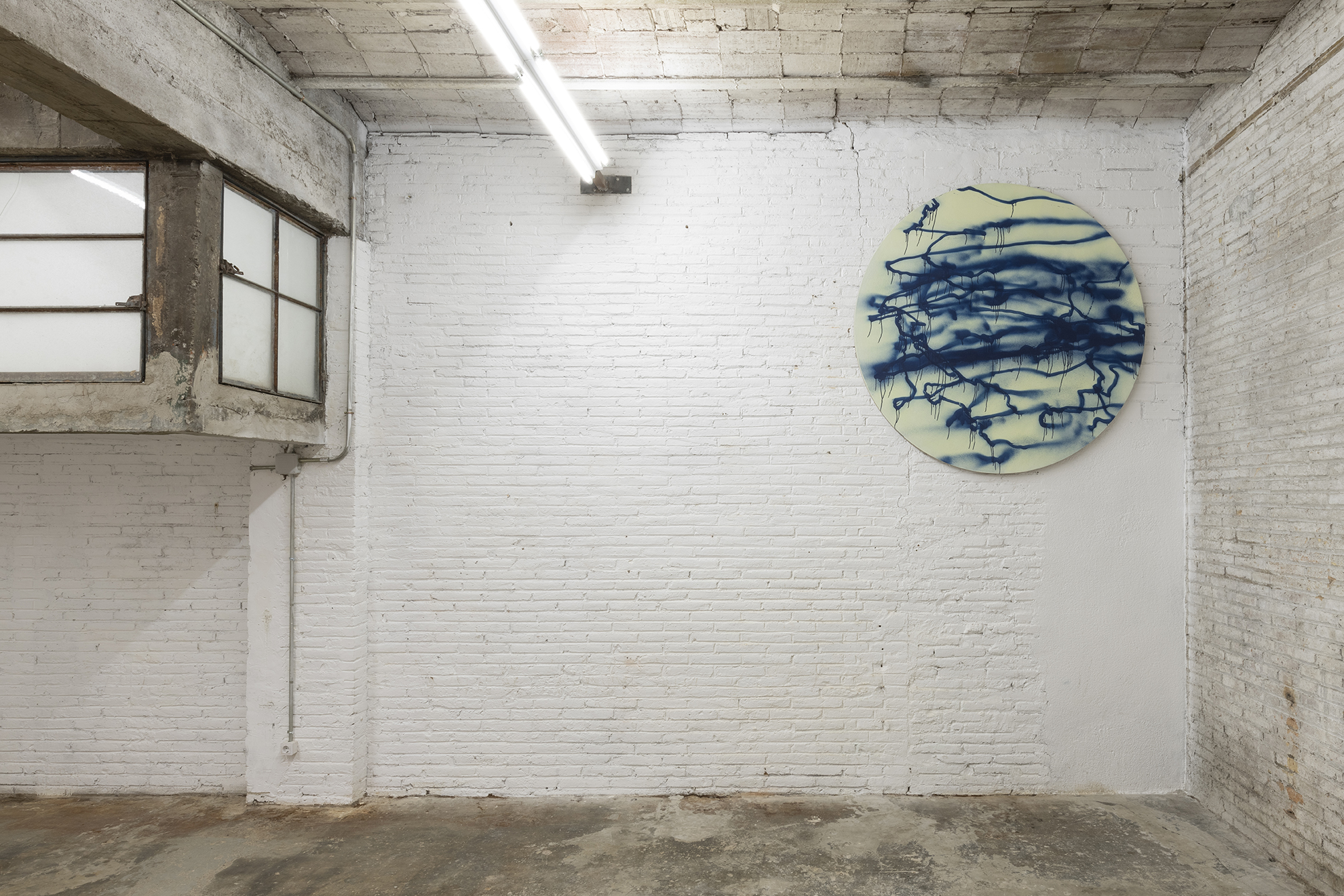
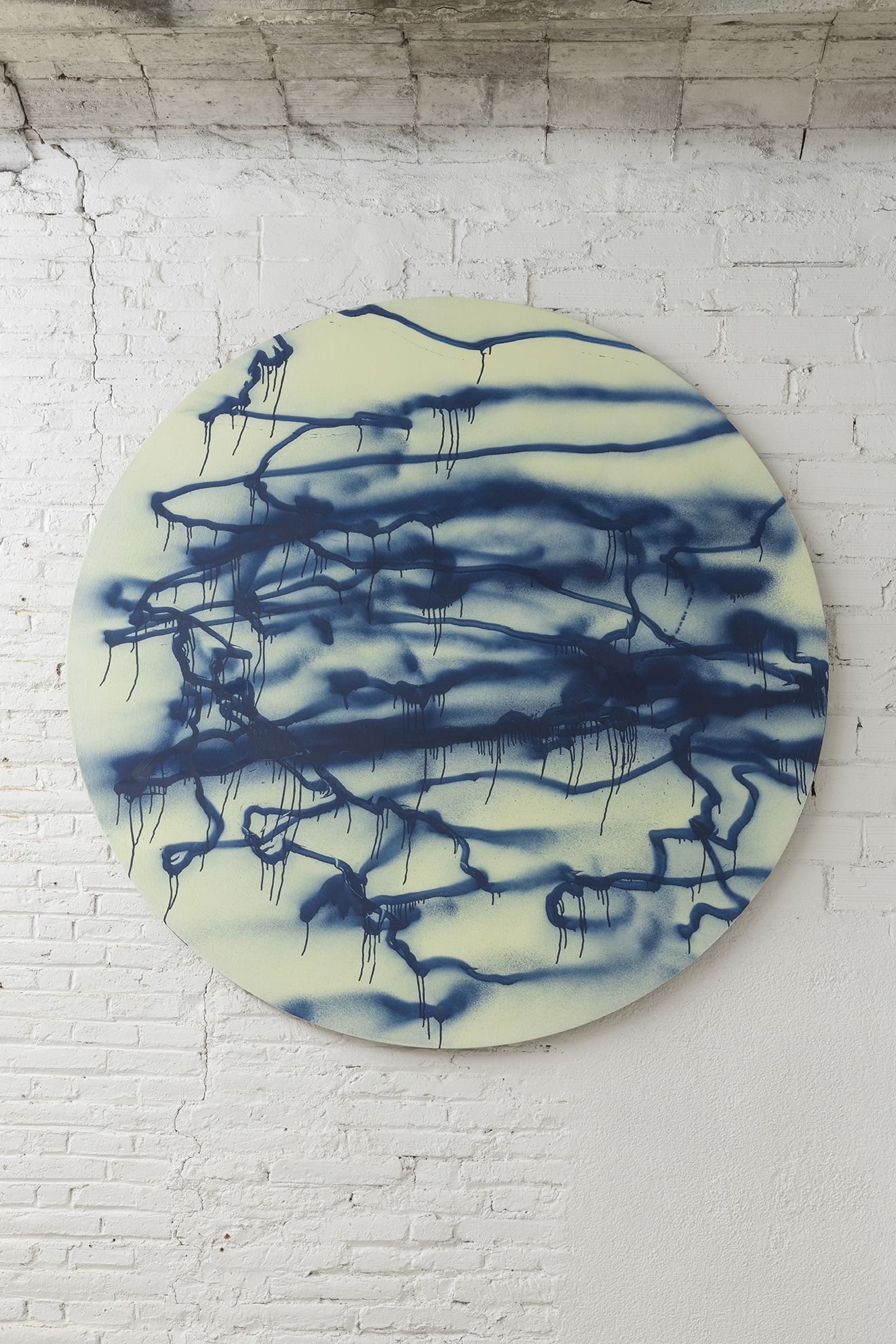
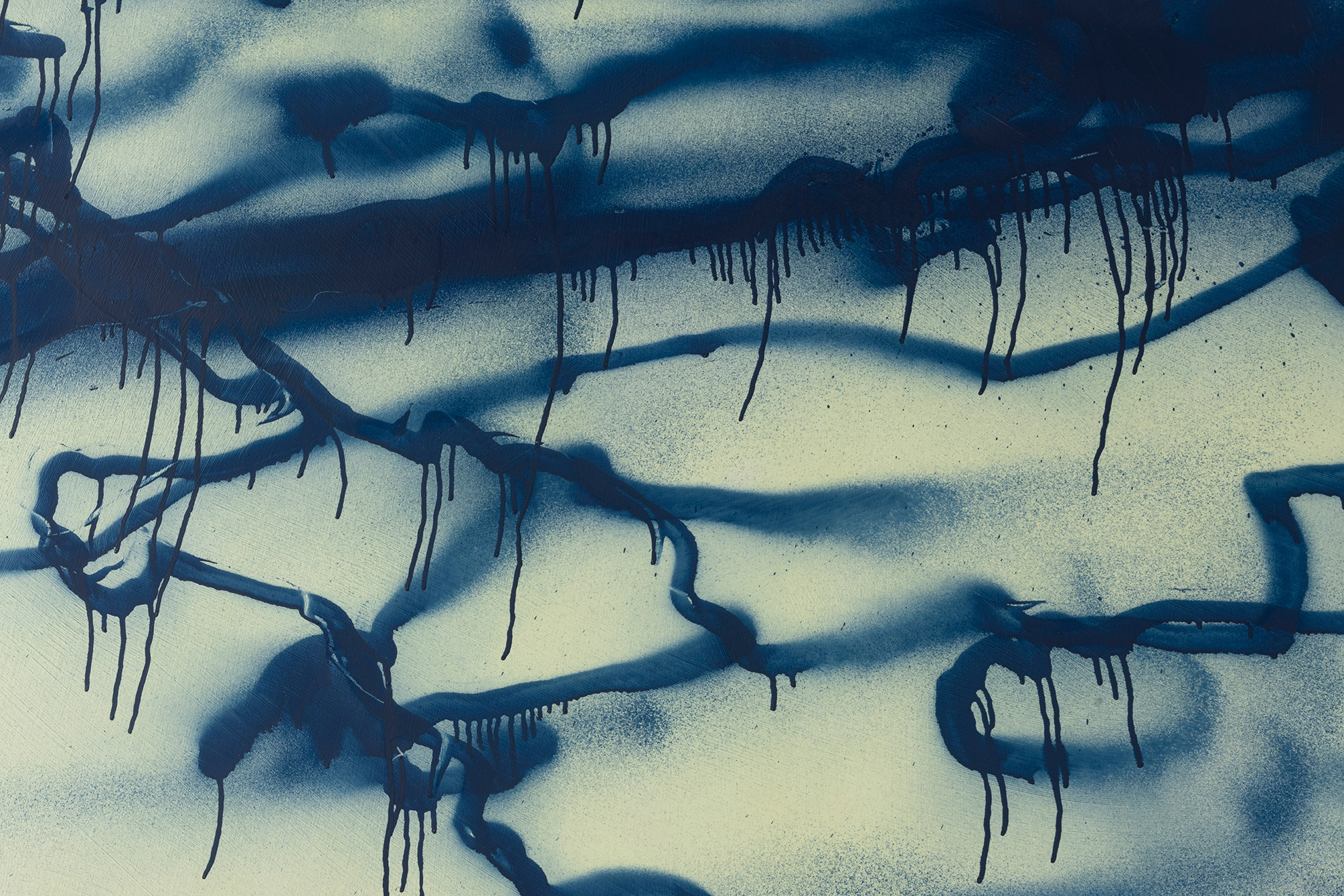
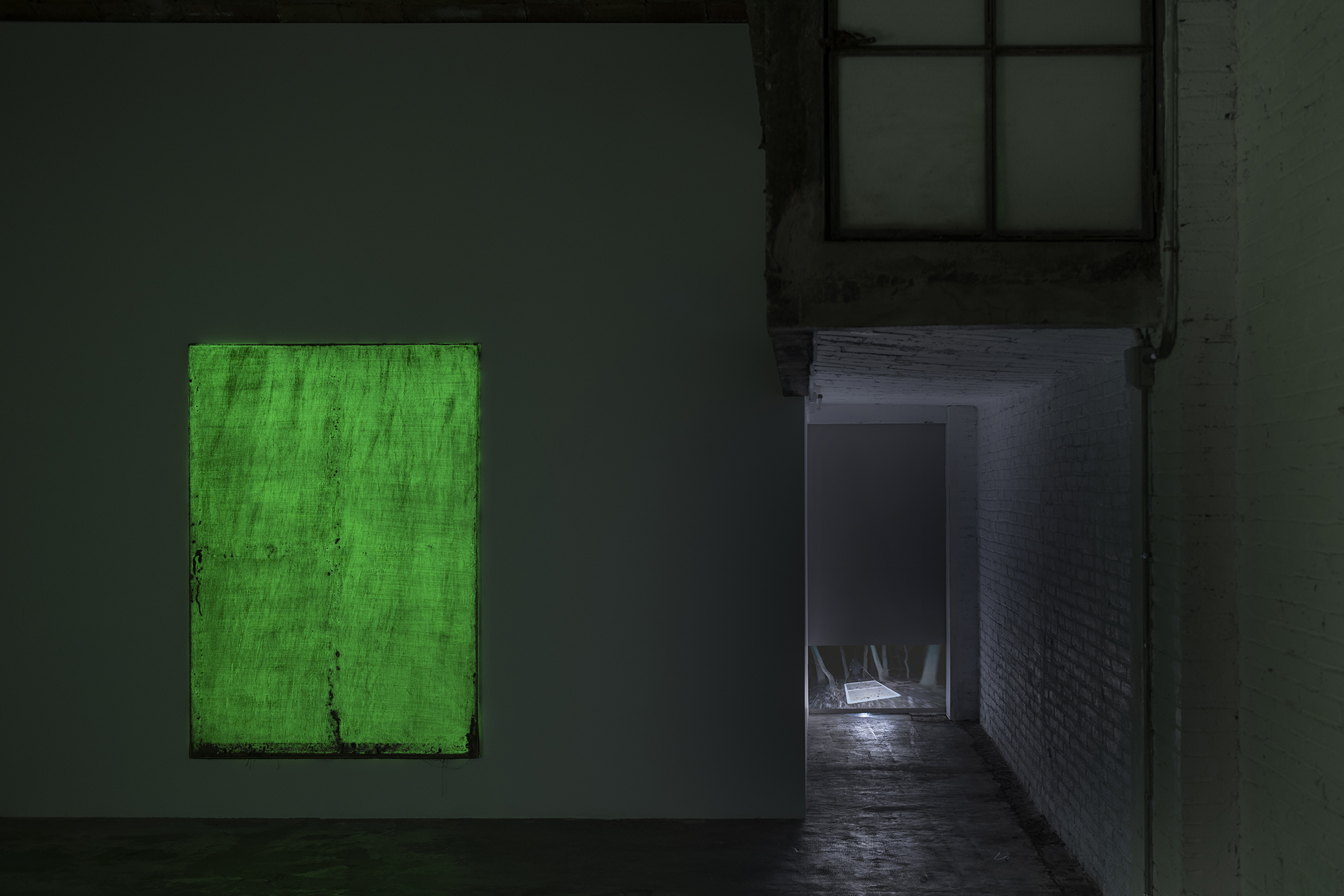
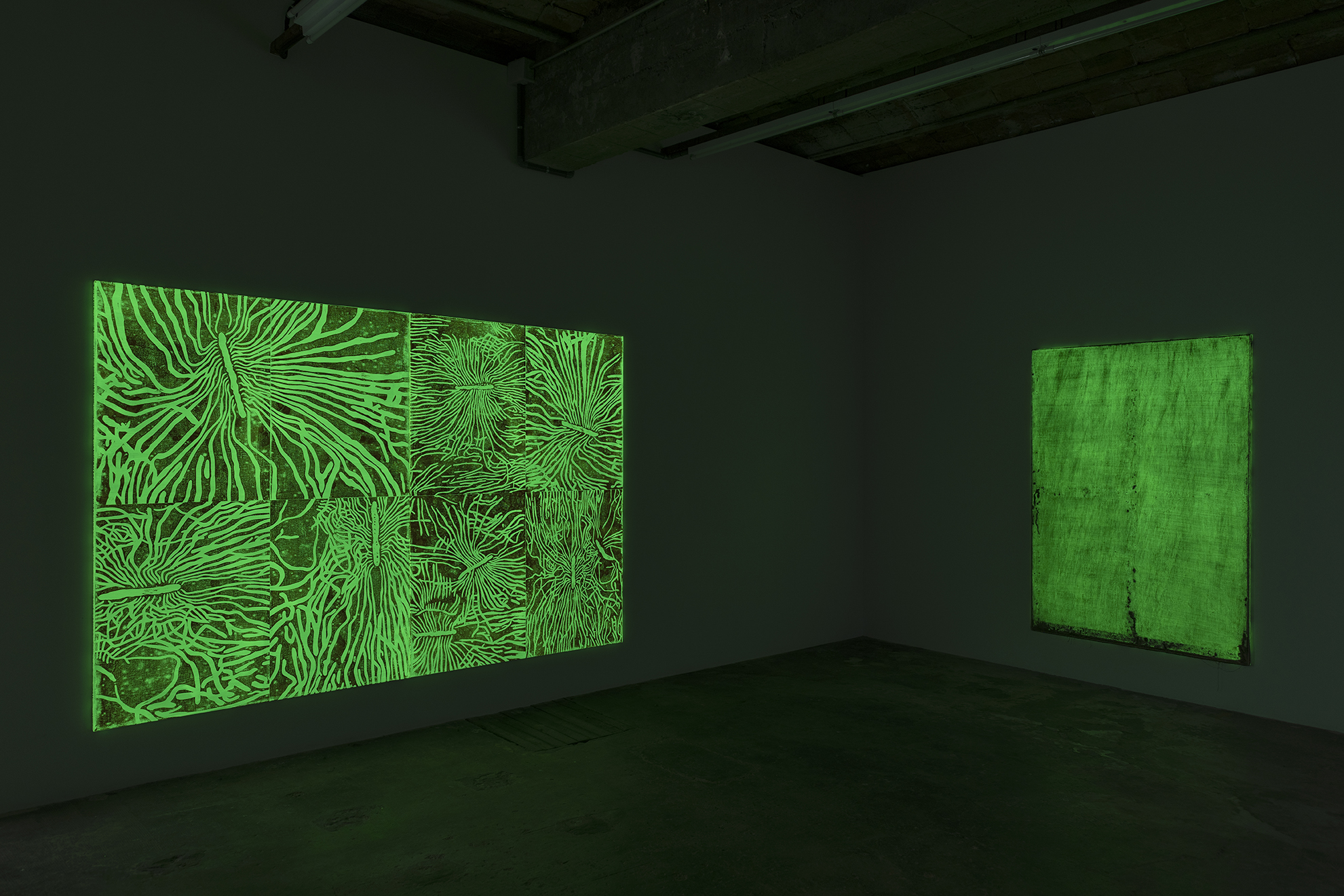
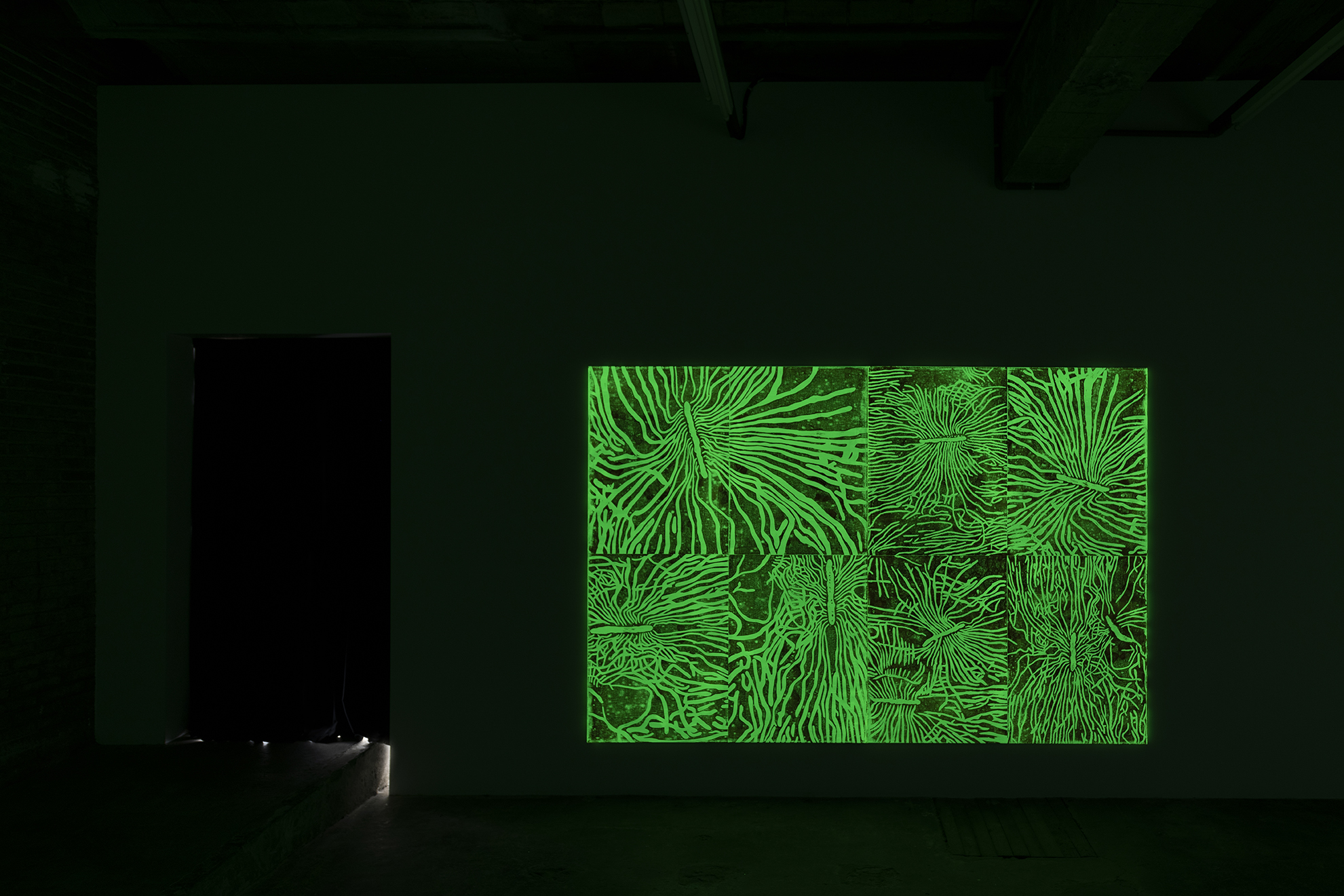
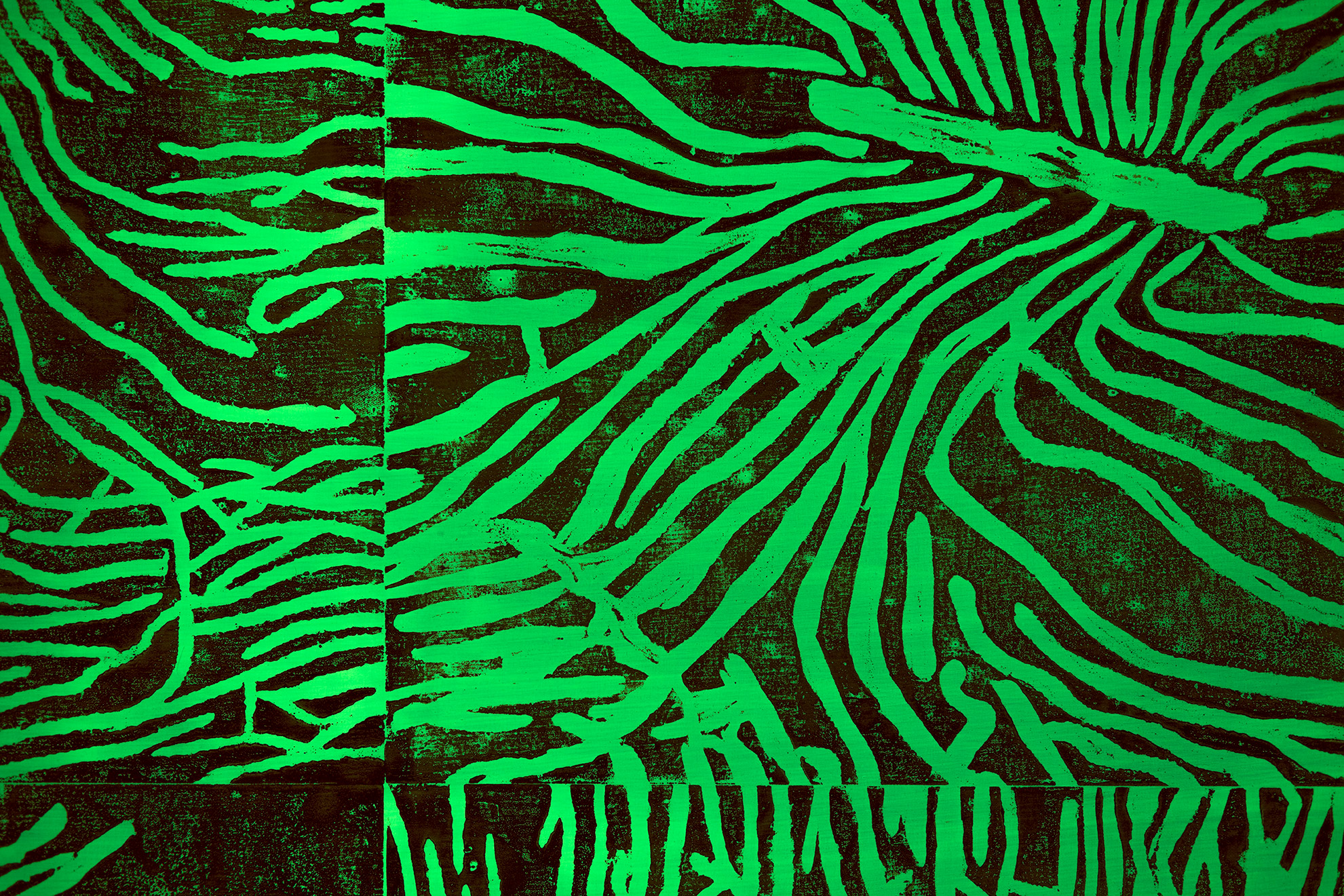
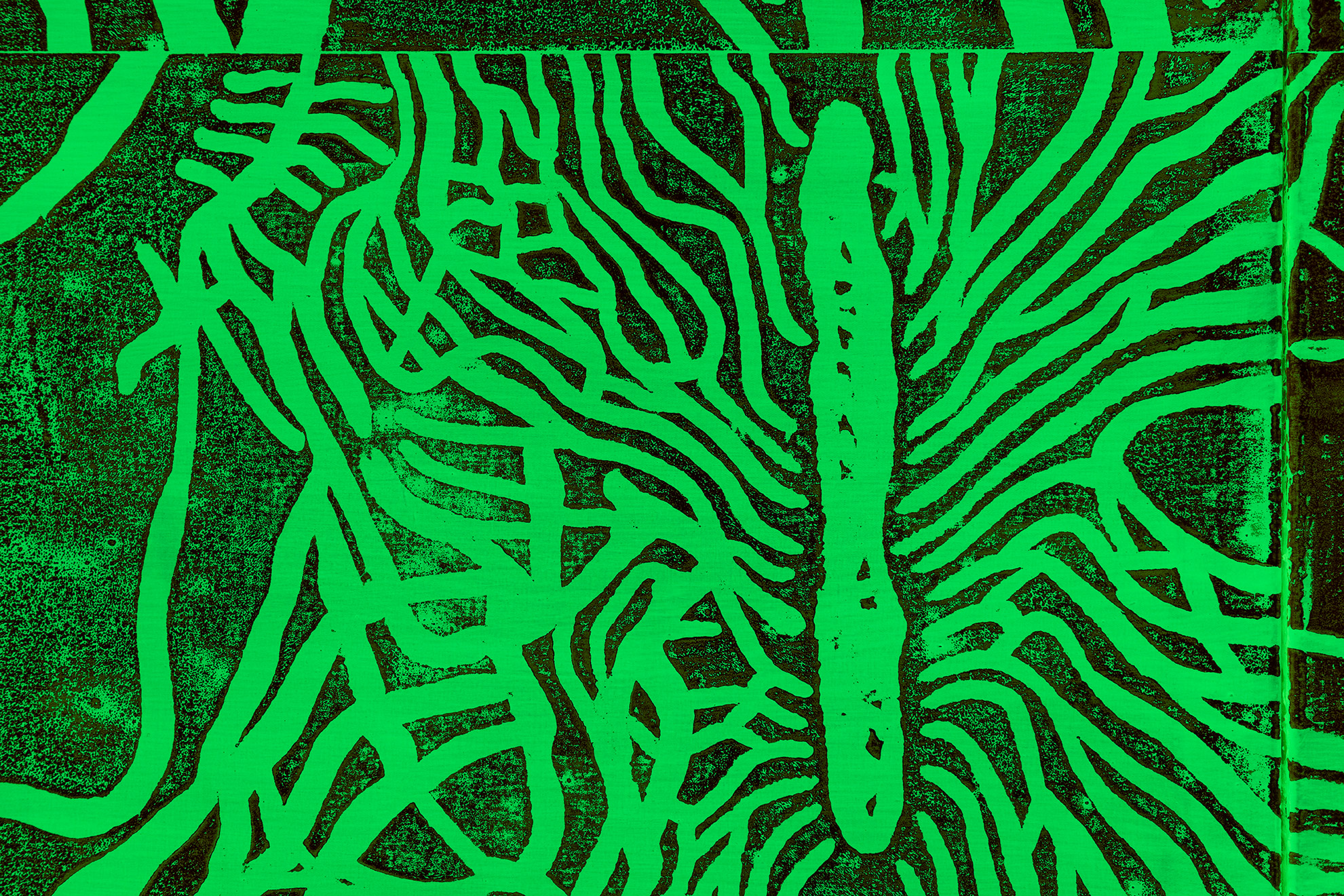
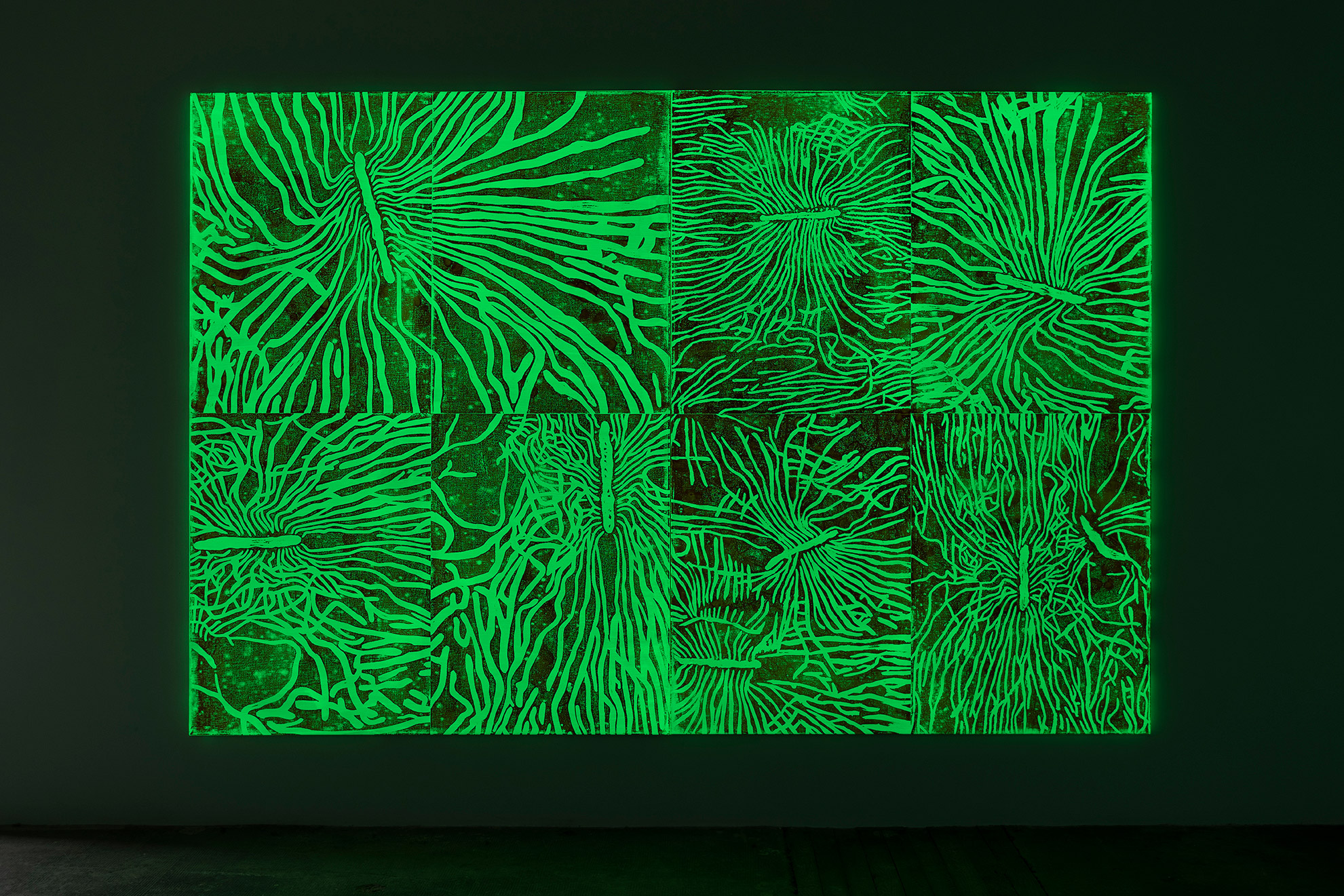
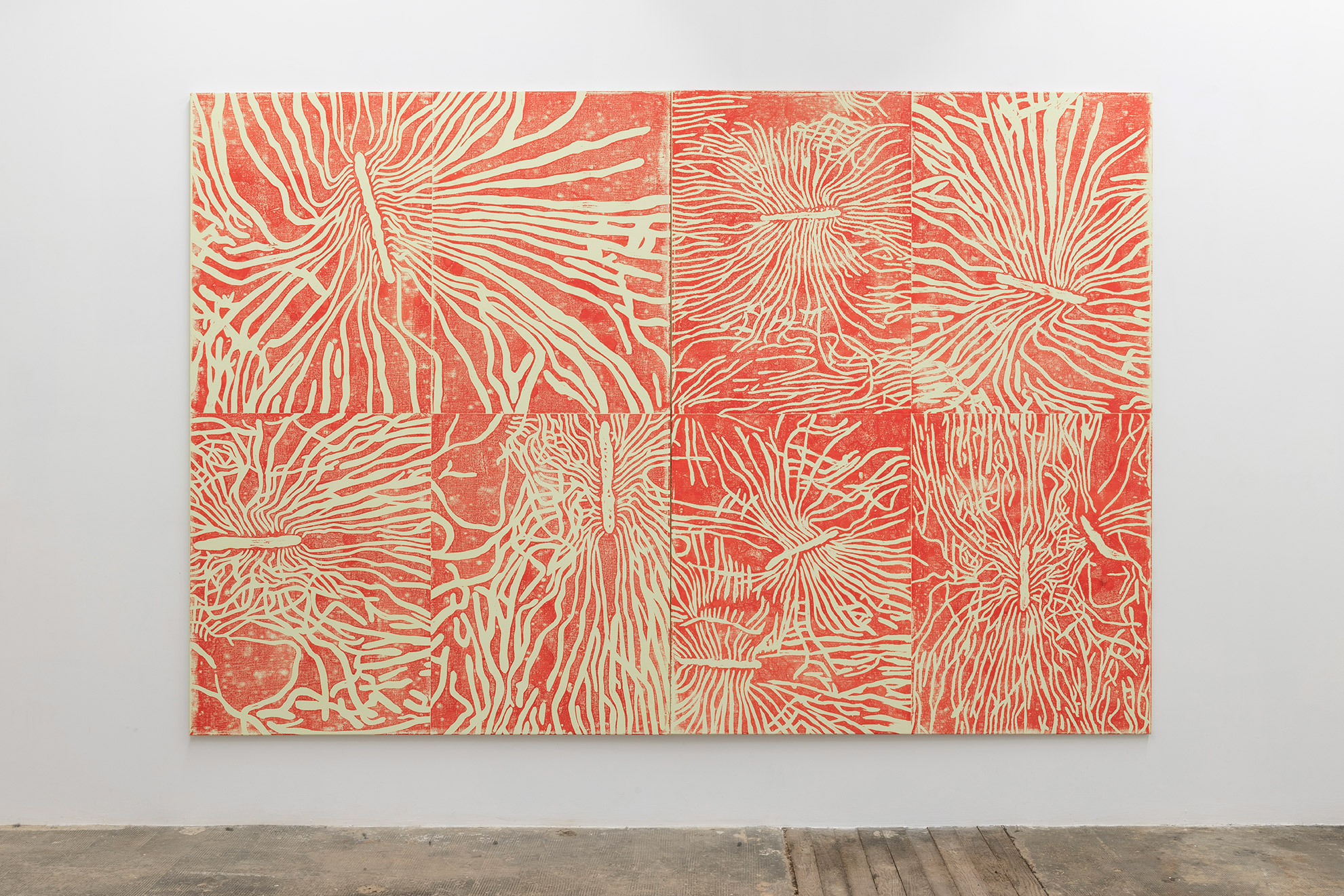
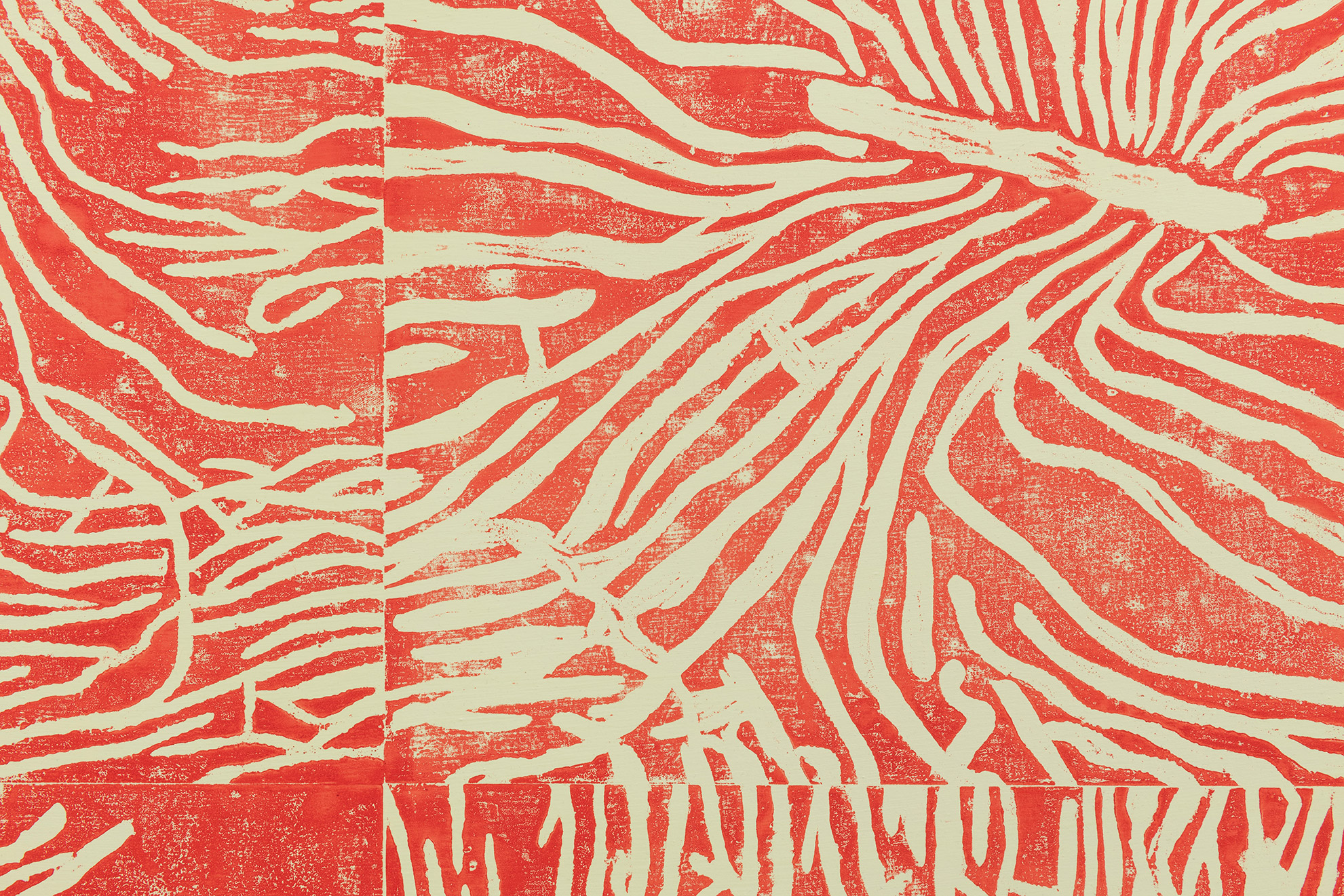
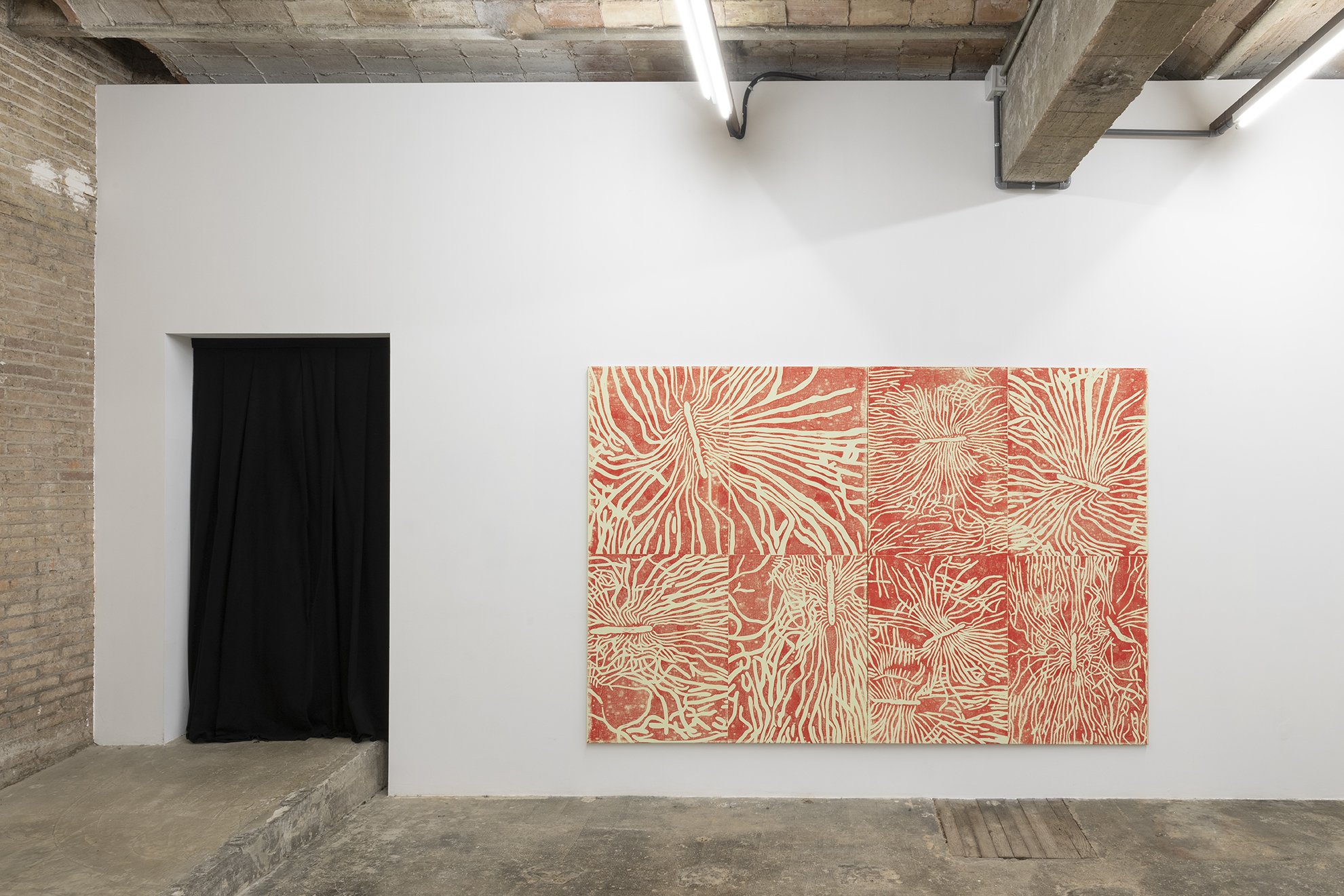
Is a painting a painting if it's not made with a paintbrush? David Roth makes a convincing case that the answer is yes. In an ongoing series of work titled "Flower Paintings," the artist uses bundles of flowers (ranging from sunflowers bought at the local market to wildflowers scavenged on the side of the highway) as paintbrushes, creating bold and powerful, large-scale, abstract works which excite and mystify. In doing so, Roth asserts that perhaps the accepted parameters of what constitutes a "painting" - how a painting is made and categorized - need be explored, challenged, and expanded.
I spoke with David about his Flower Paintings and other various projects, his time spent in residency at Galeria Alegria in Barcelona, and his ideas about and relationship to painting.
What does a typical day at the studio look like for you?
The daily routine in the studio or wherever I will do my projects depends very much on what project I am working on in that moment. If at all using the term typical, there is a certain rhythm in my work, meaning I will focus on a specific type of work for several weeks or months, then change to another kind of project, return to the unfinished project(s) later, look at them with fresh eyes and so on. Ideally, I get into a trance-like state were I just work away - kind of "dumbing down," just doing and one thing leading to another. Most times this ends in destroying something that is good but sometimes I manage to stop at the right moment.
I enjoy experimenting and playing very much, because it takes you into situations you are not used to. This does cause a lot of struggle, however, struggling is necessary to overcome all too familiar moves and well-known visions to expand and extend my vocabulary. I am constantly working on different groups of work with several of them part of my oeuvre already for way more than a decade. I use multimedia and conceptual approaches - from painting on canvas, to video, photo and performative works, installations, and conceptual painting ideas. The common thread - or rather the origin of it -is questioning painting, questioning what painting is or was meant to be and questioning what painting can be. I call it "paint painting".
Working periods come in bursts. I can be highly concentrated on a specific topic and focused to work on that but will stop when I feel drained. Then I leave what I made, let it rest for weeks, months, or even years and go back to it later in order to understand which of the works are complete and which need revisiting. When I paint painting, I make no sketches or rigorous colour schemes - the steps I take are decided in an instant. The choices I make depend very much on that one moment in time, I don't give thought to the result. The painterly gesture, the mark on the surface is a snapshot of a decision taken at a specific moment, which would have been a different one if made a day before or after. My routine is a continuous cycle of working, tidying up, looking, resting, thinking, working, and questioning painting.
Let's talk about your "Flower Paintings," which you've been creating since 2009. How do you choose which flowers to paint with? Is it based on the shape of the petal? Perhaps the pattern or texture?
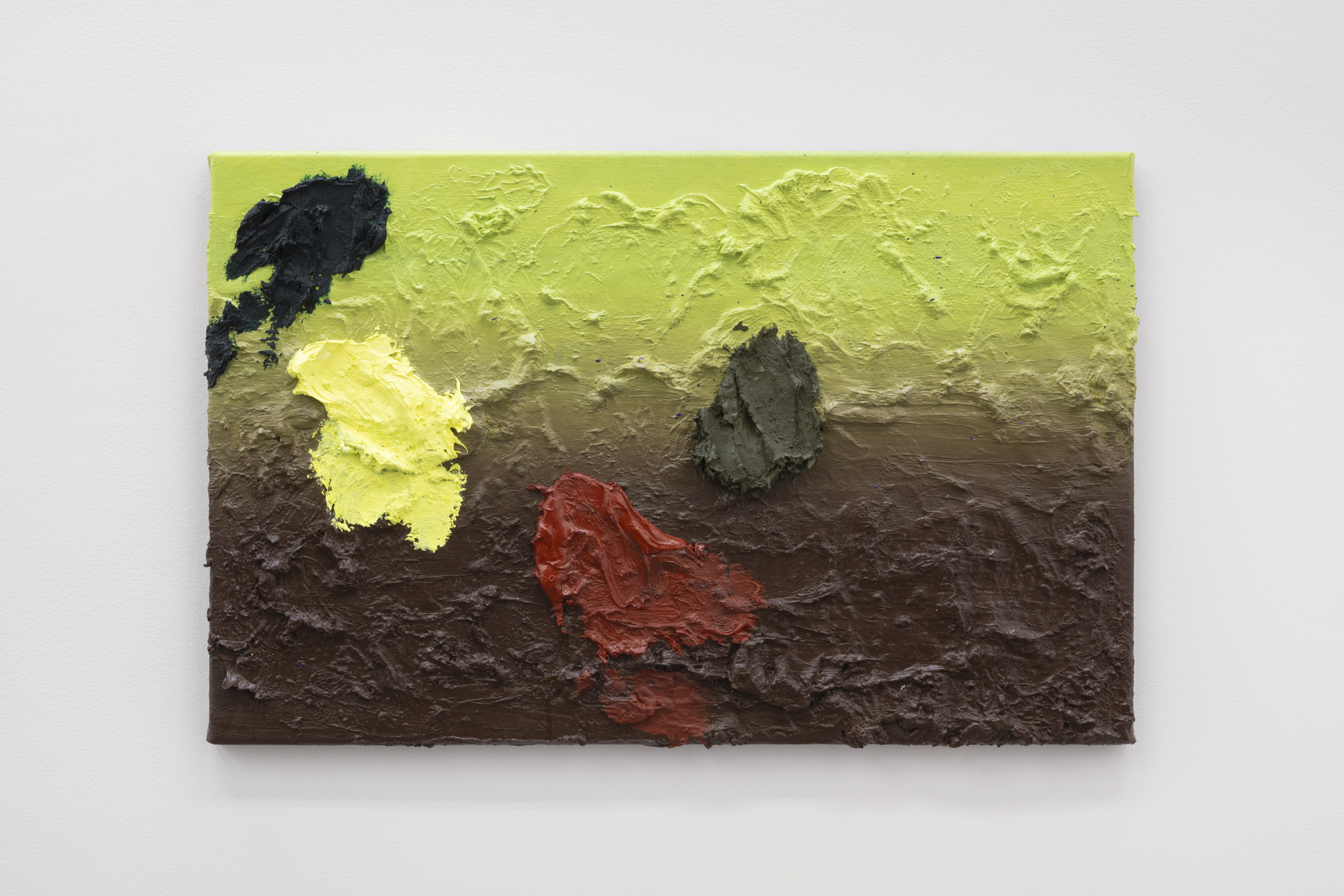
My decision is strongly influenced by what flowers are available. When I started doing the series of "Flower Paintings" more than a decade ago, the idea was to buy a bouquet of flowers already arranged by the florist, then mix exactly the colour hues one would choose when making a copy of the bouquet in the style of the old masters and use the flowers with the respective hue as a brush. I followed this strict paint mixing rule for a long time, I might even come back to it, but in the past few years I've been more interested in enjoying playing with the ductus and the marks of each specific flower. Furthermore, I have been working with wildflowers in France a lot. I used all I could find and painted with them plein air around the spot where I picked them.
Which is your favorite flower to paint with?
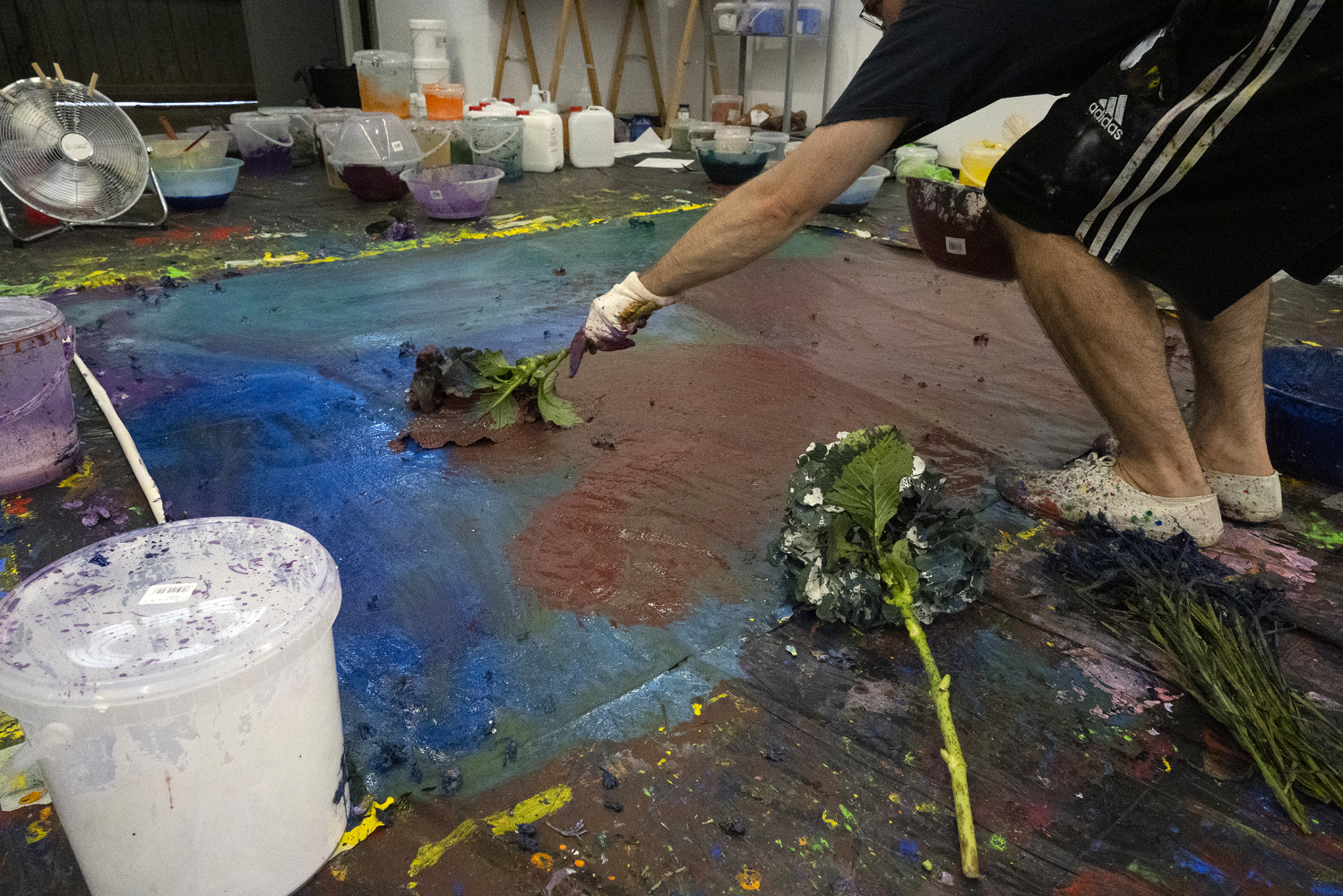
I could not favour one specific flower as nearly all have a painterly quality. In Barcelona, I used a lot of sun flowers and hydrangea. Both have very impressive blossoms and very strong stems.
Does any material or residue from the flower end up in your final painting? If so, how do you feel about this?
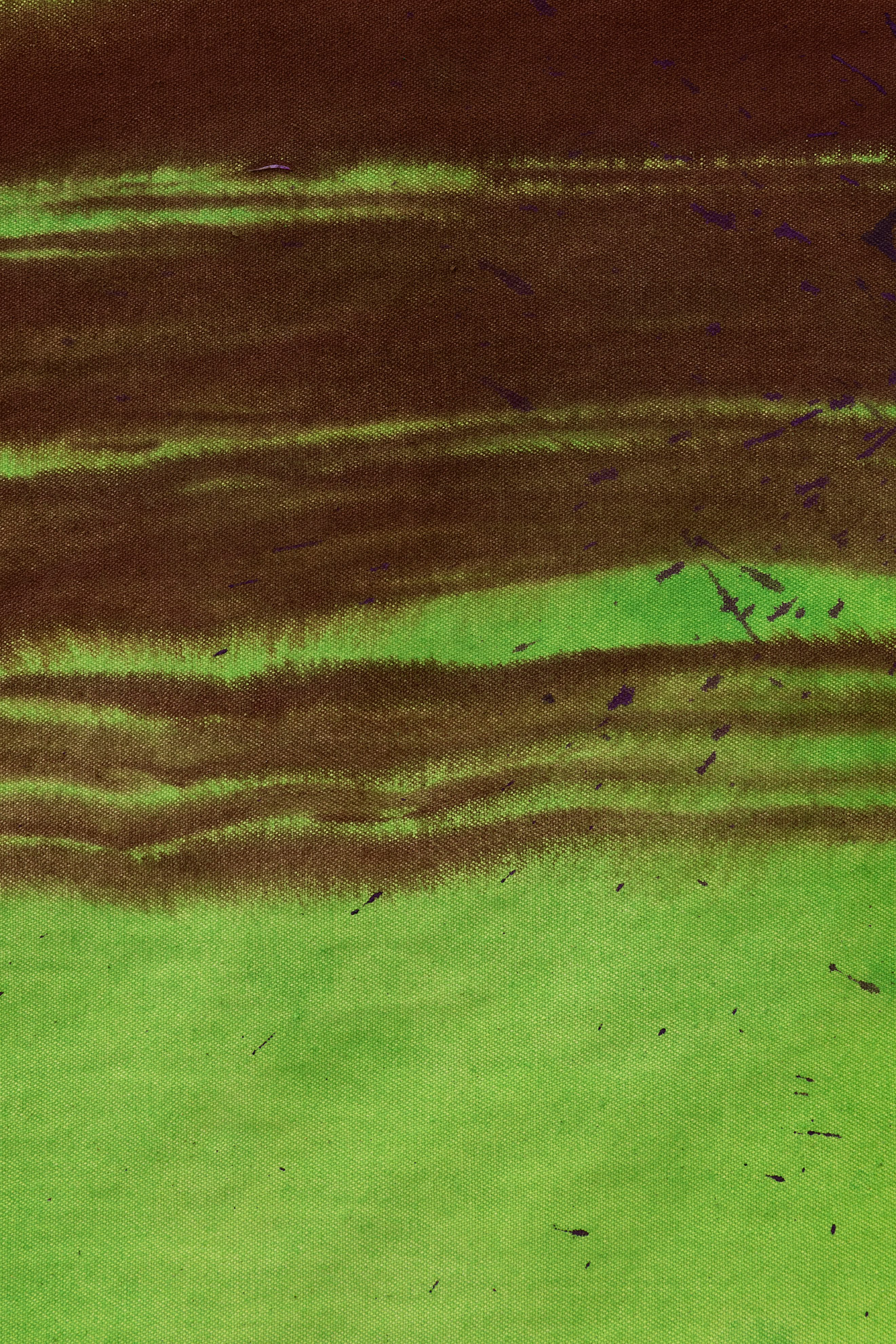
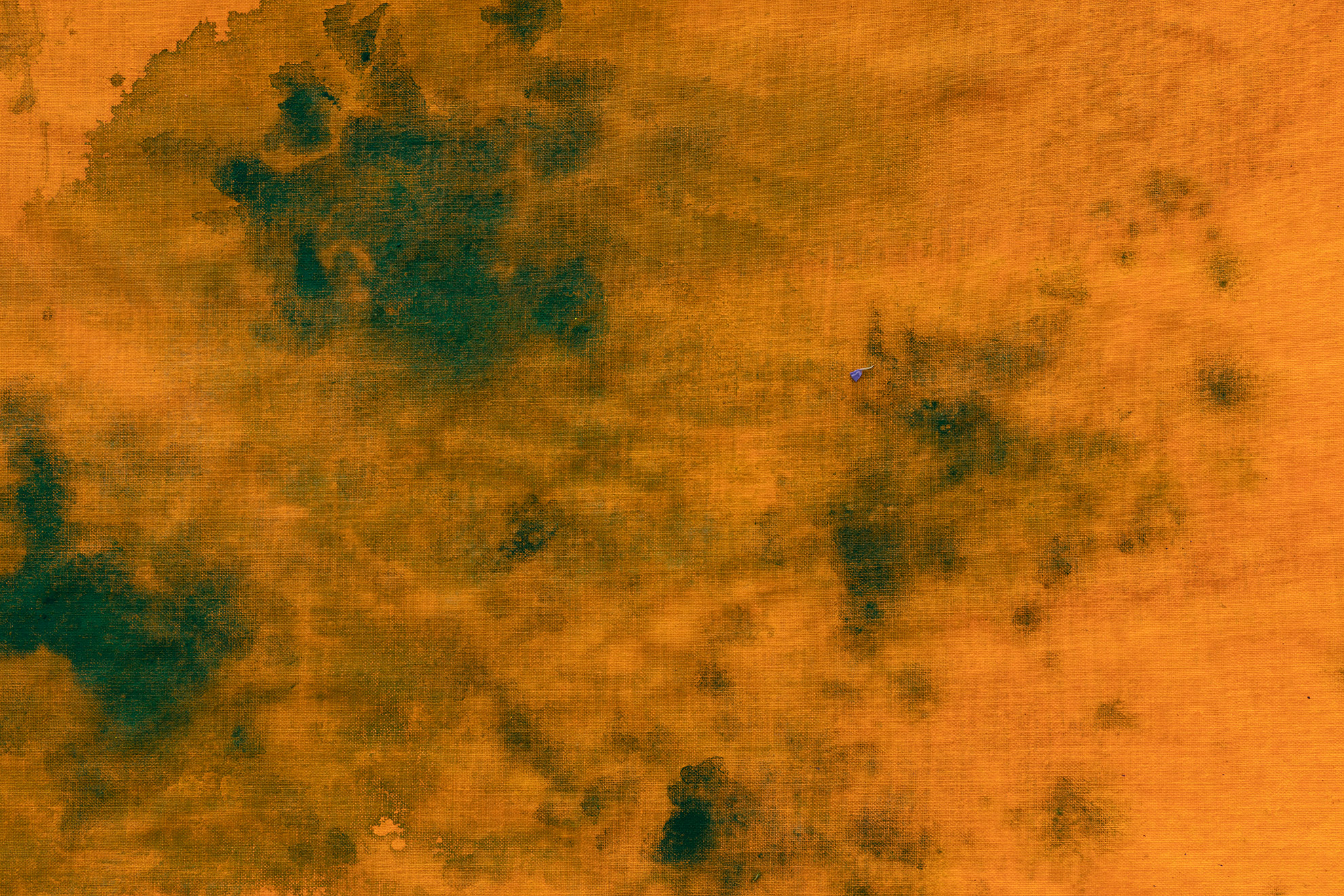
Yes, there is always residue from the flowers on the paintings. I do not force it; it happens naturally, and I think it is lovely.
You're literally using your surroundings - your environment - to create your paintings. Do you feel a personal connection to the environment in which (and from which) you work? If so, how?
I think it makes a big difference where you do your work. Some of my projects are meant to be created outside in nature while for others it's better to be in a studio with walls and a ceiling, some kind of ivory tower where nobody disturbs my concentration.
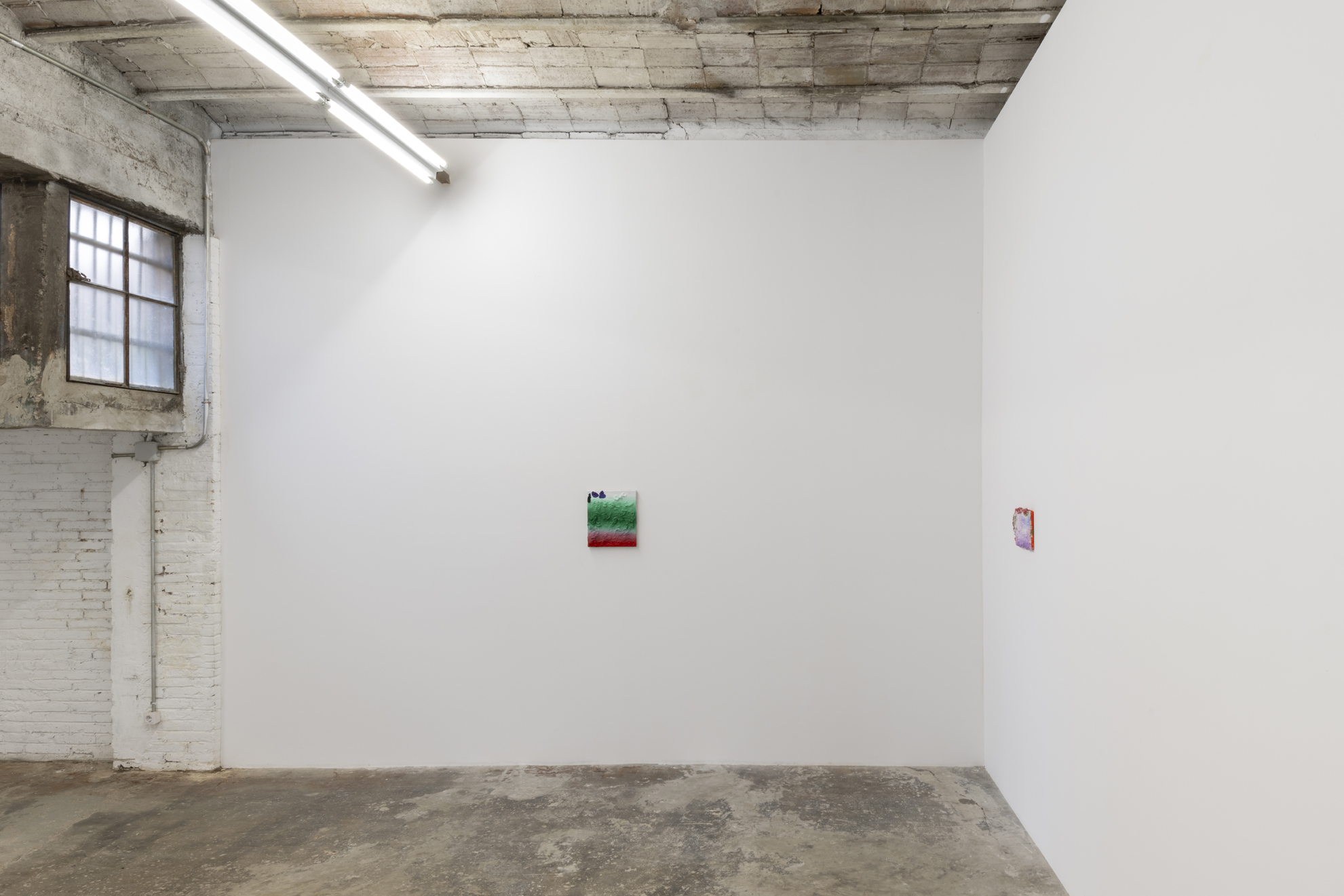
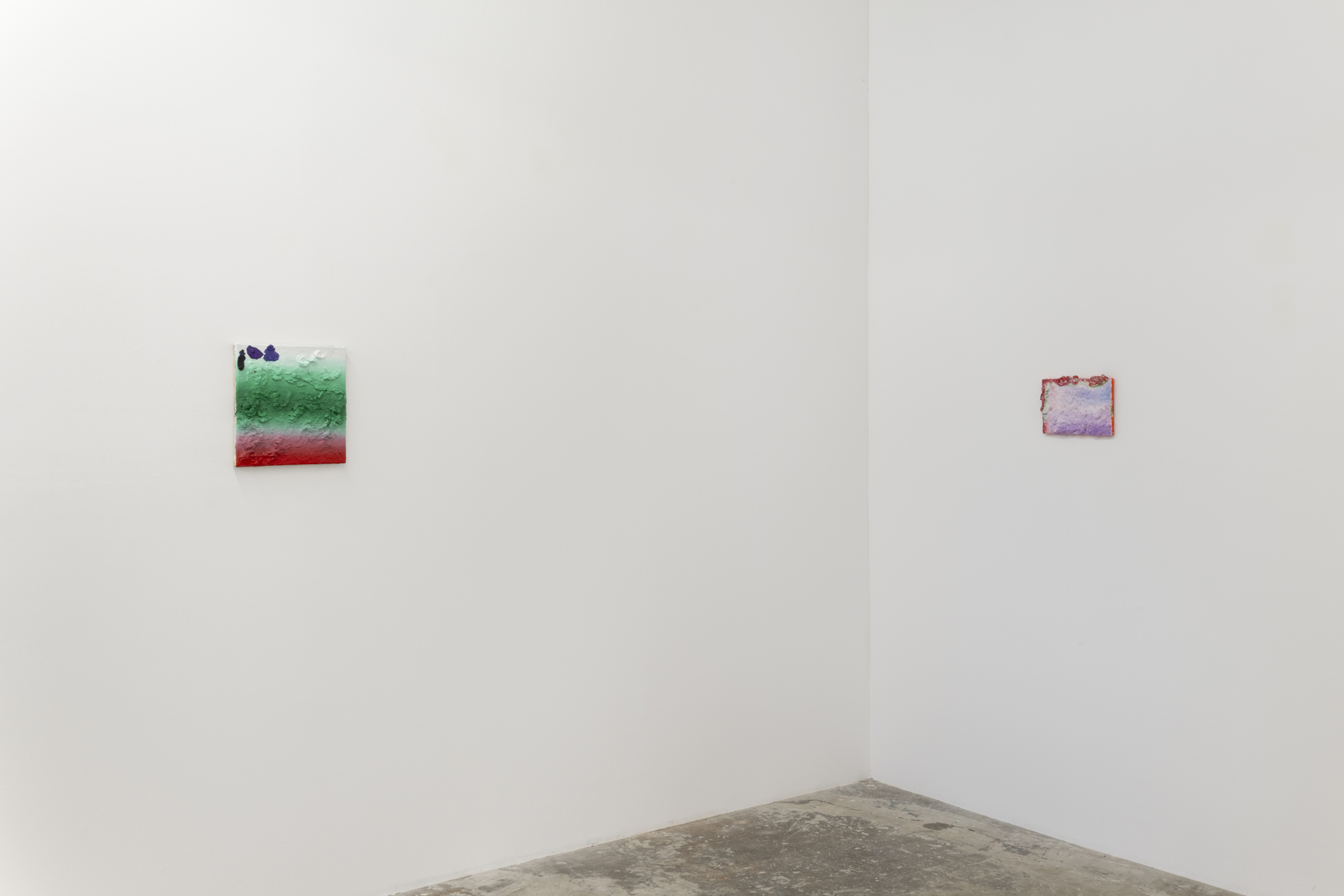
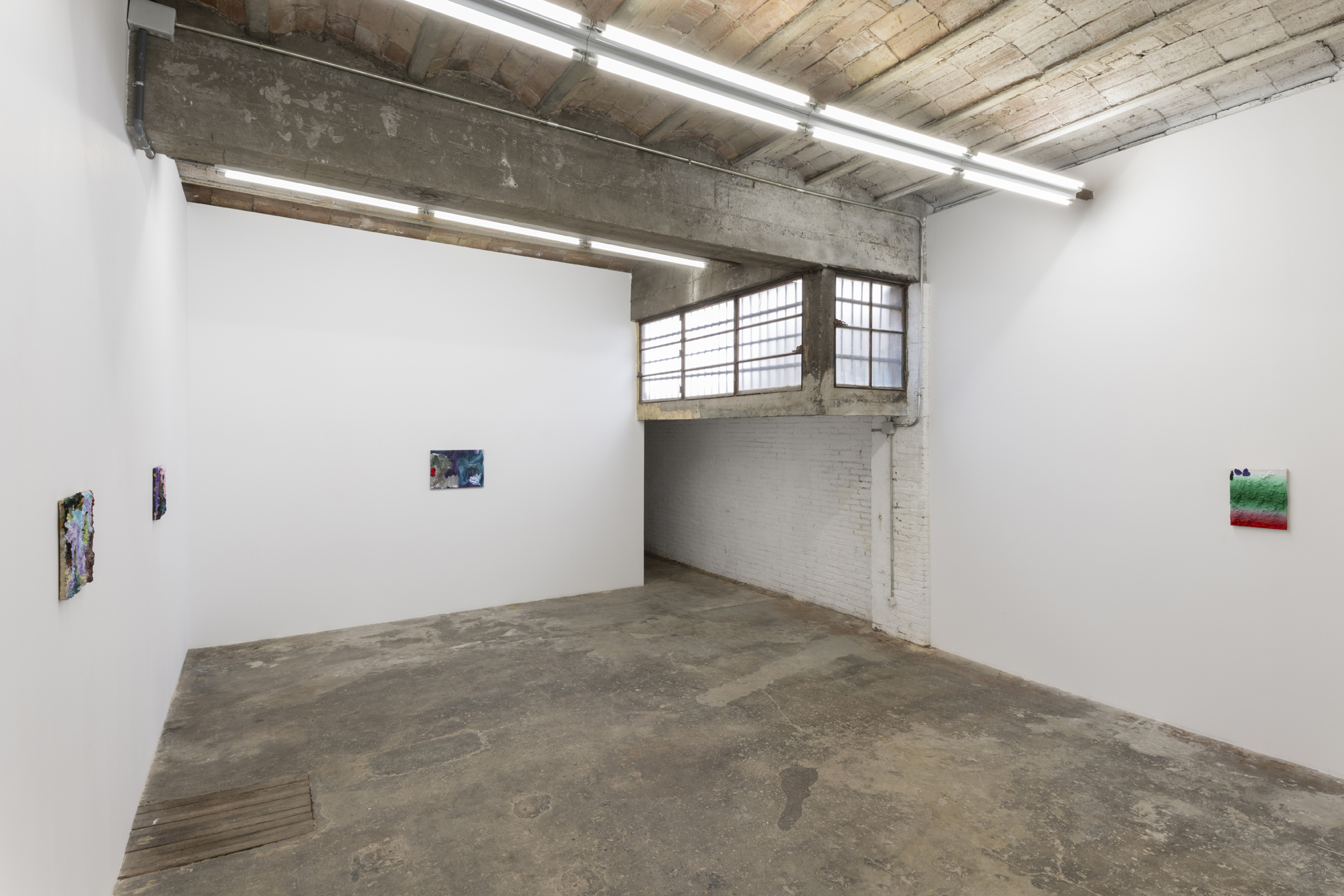
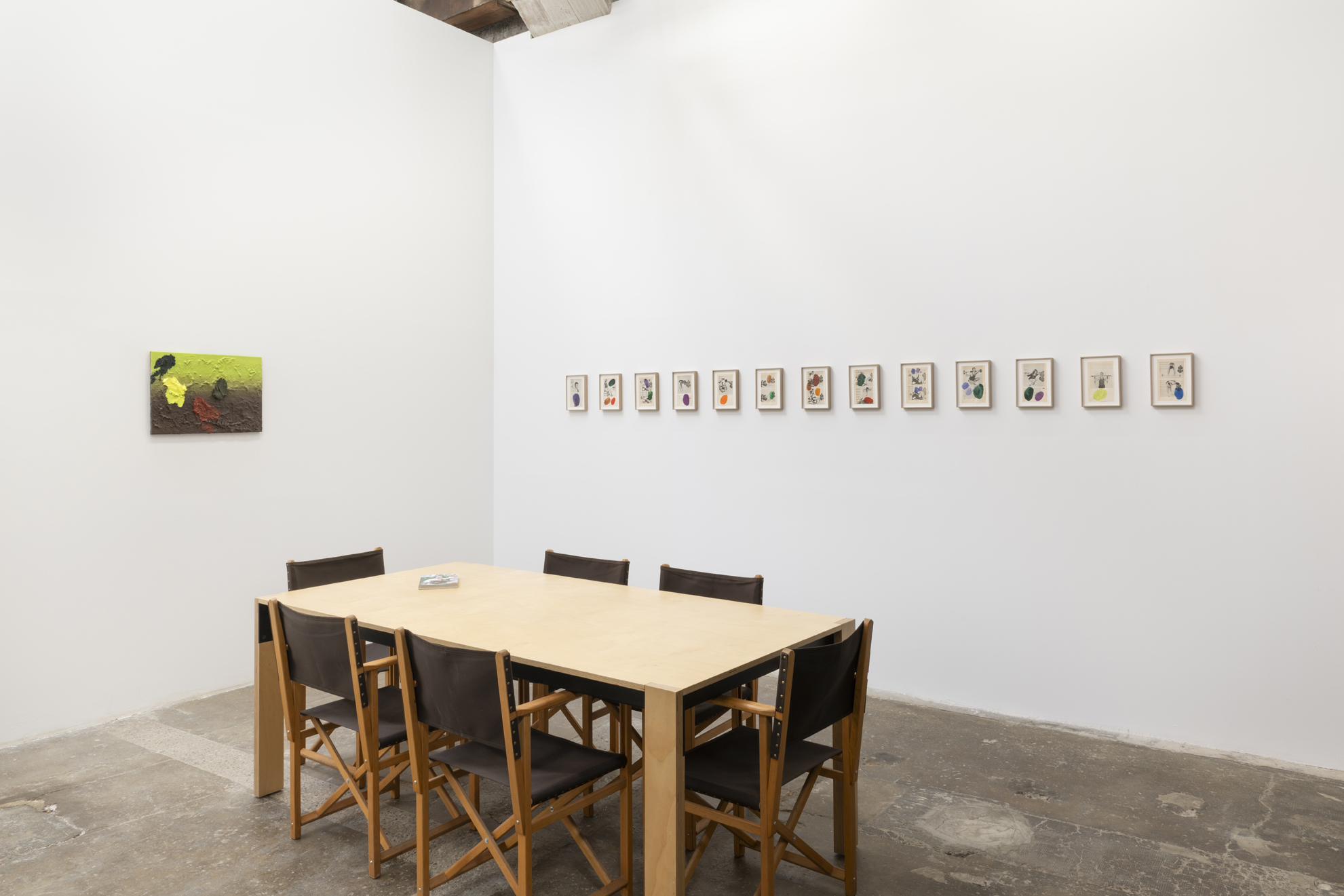
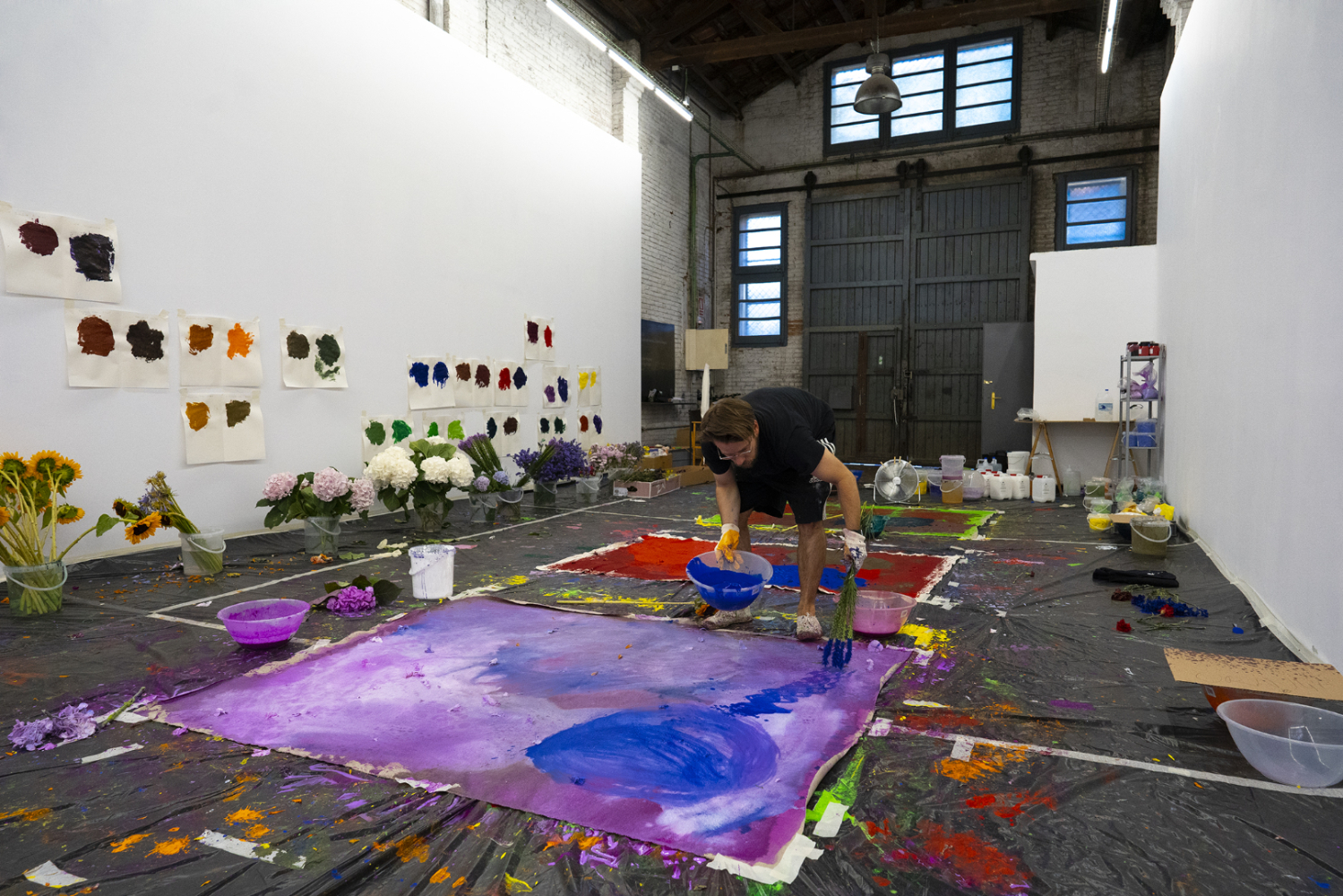
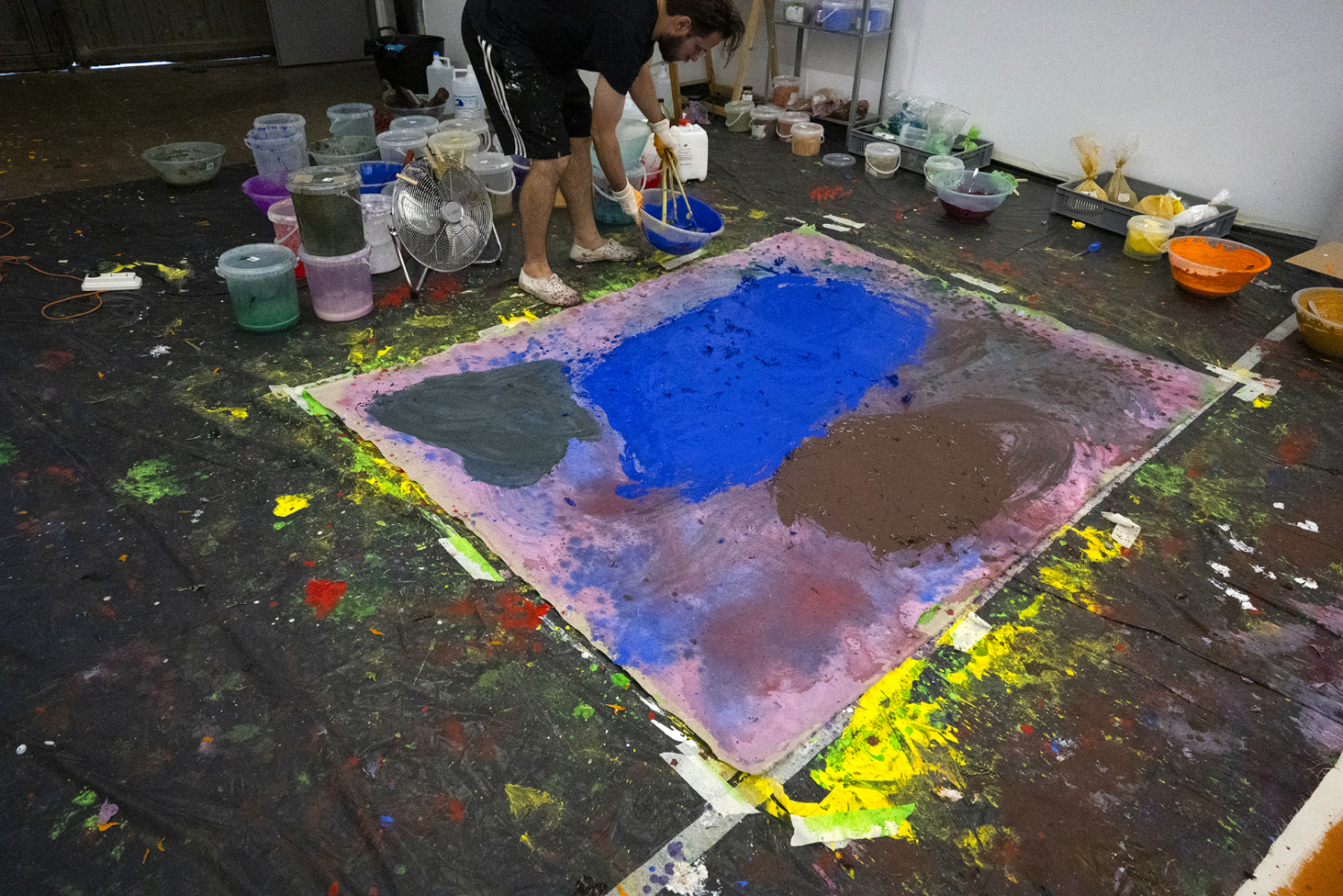
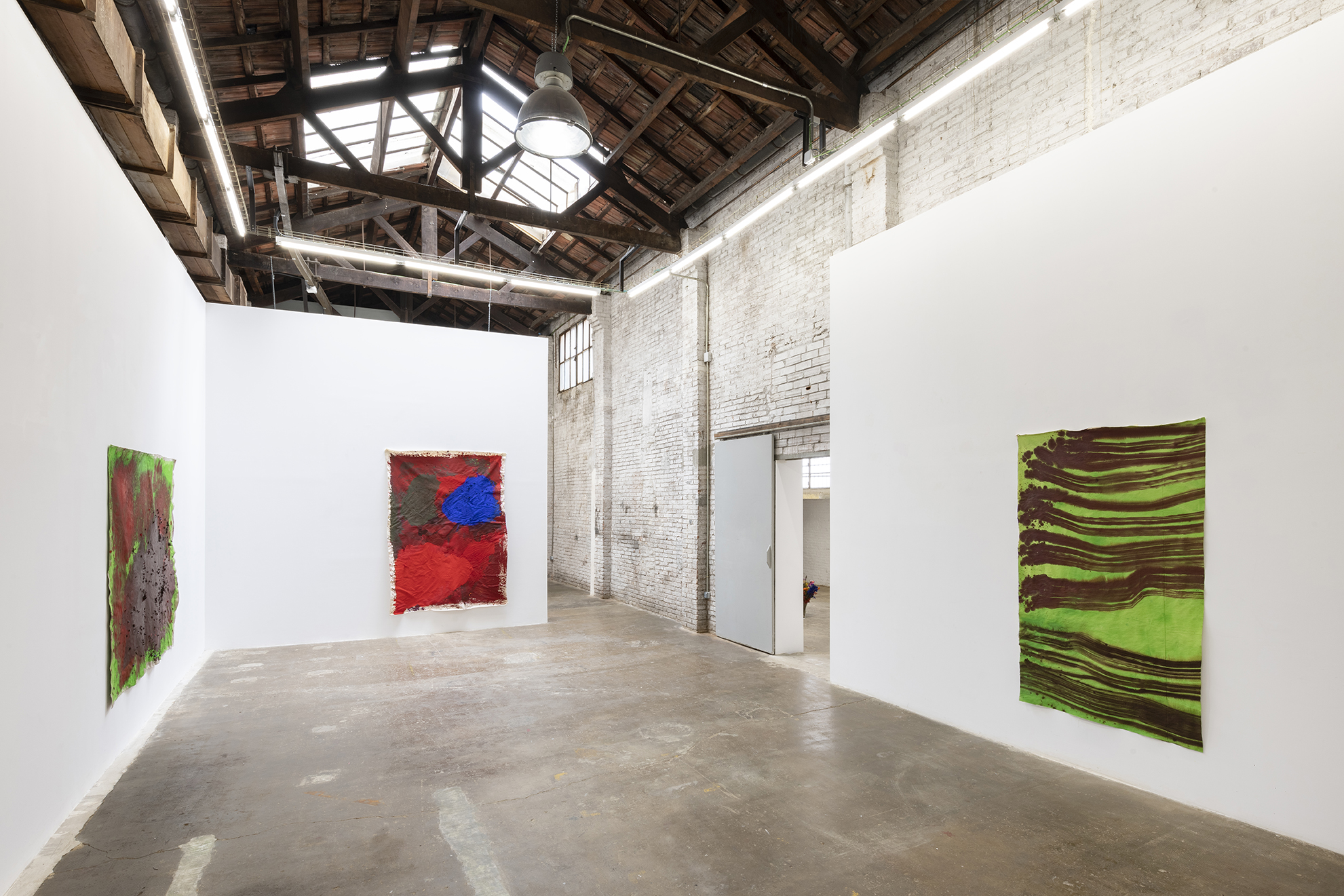
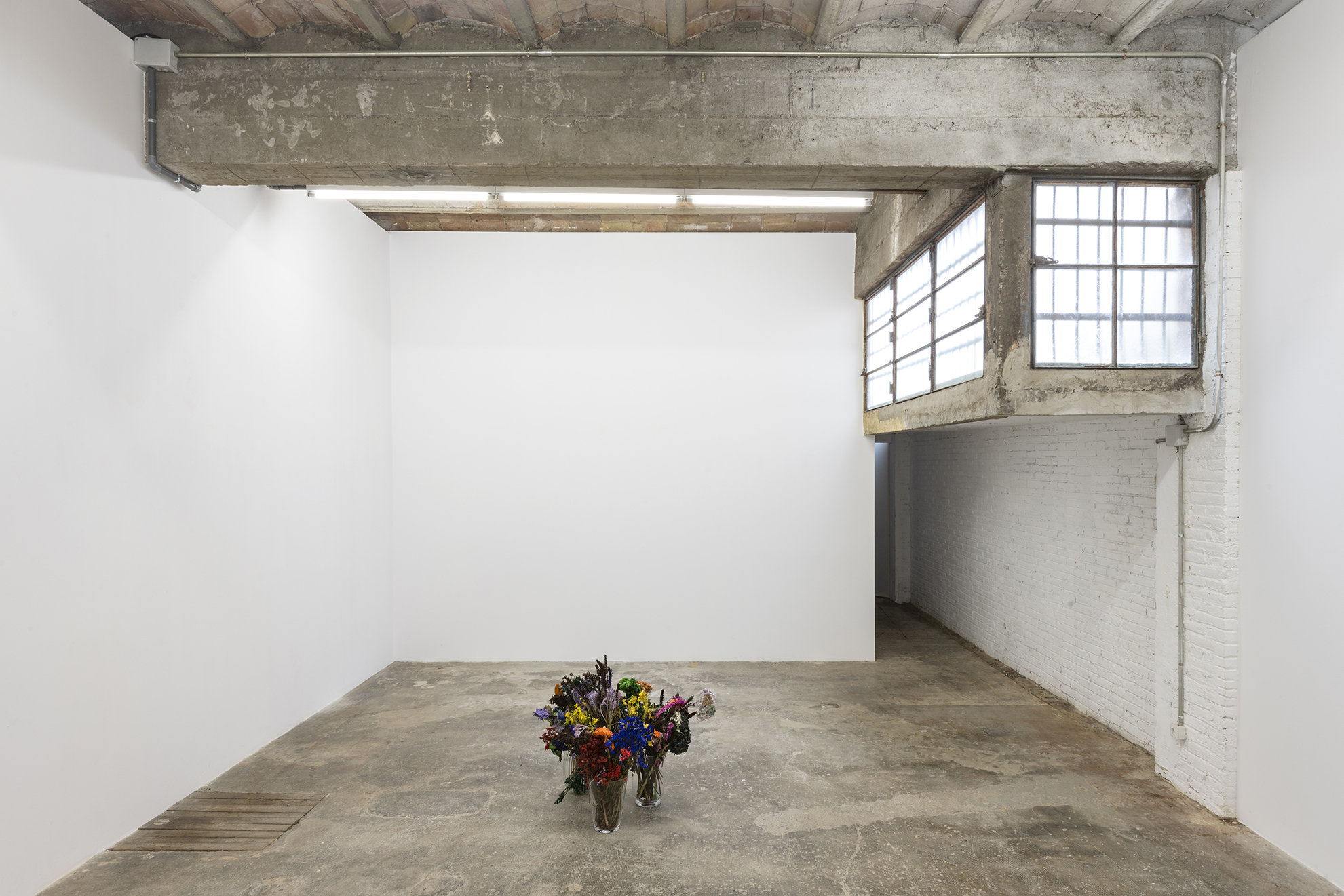
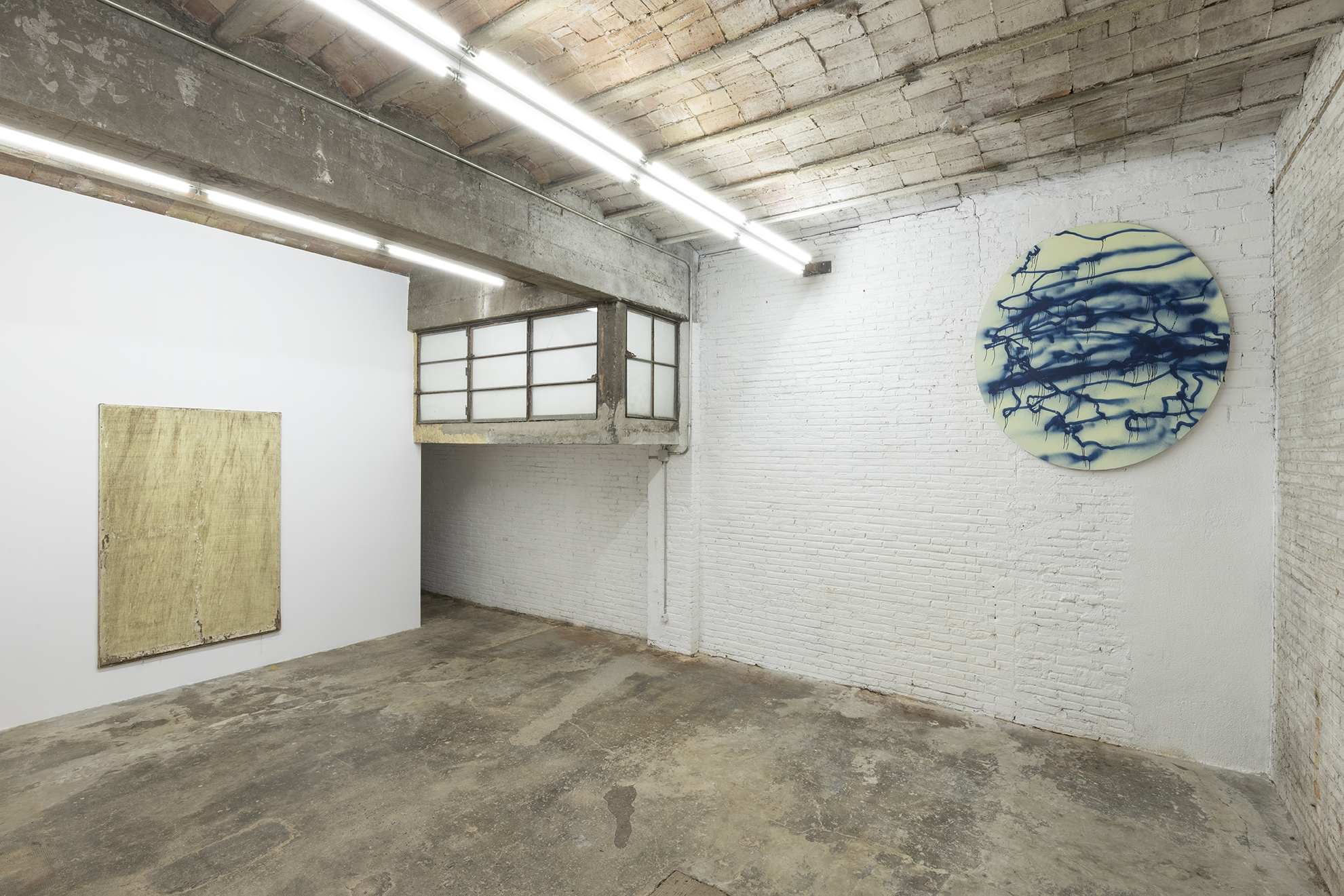
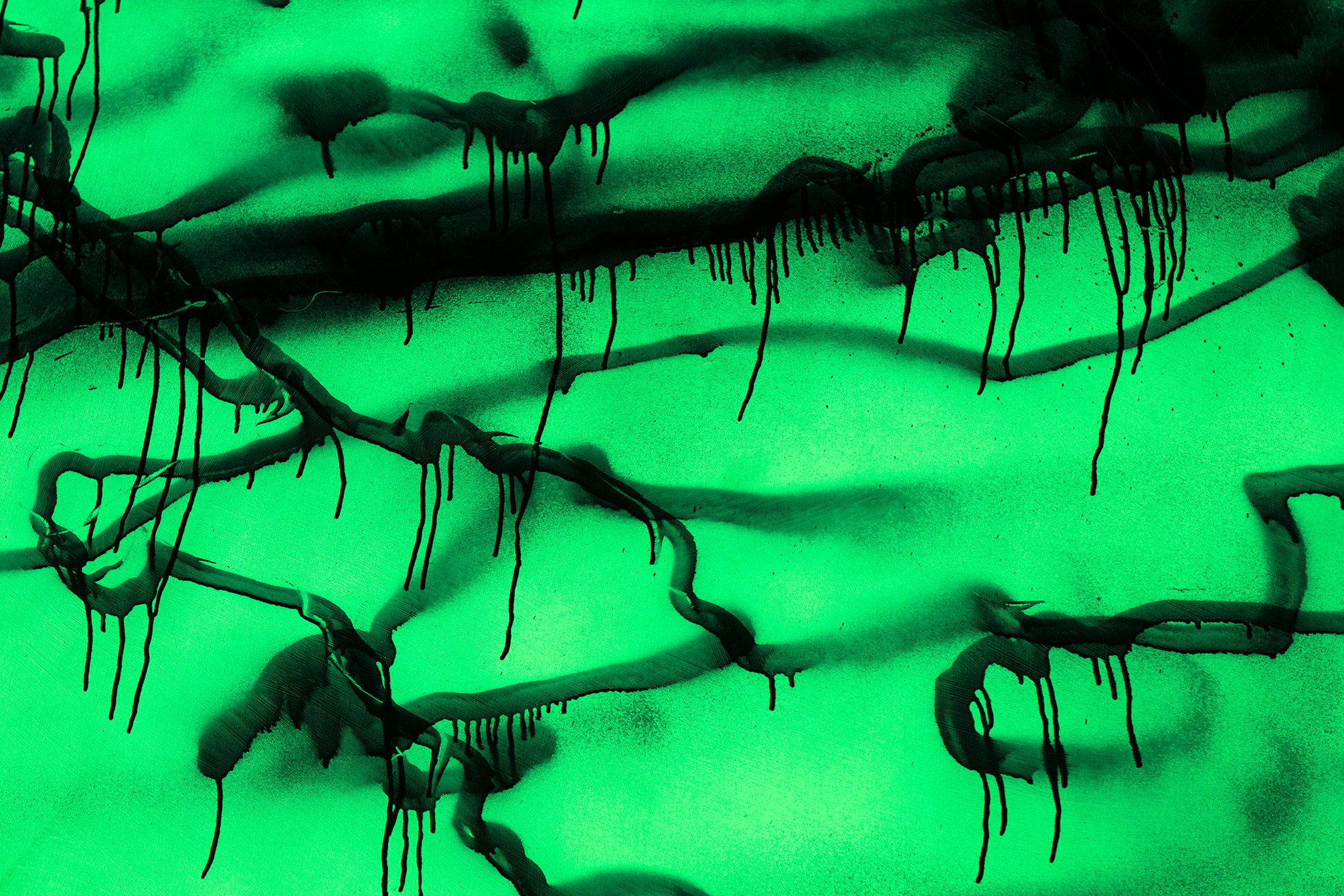
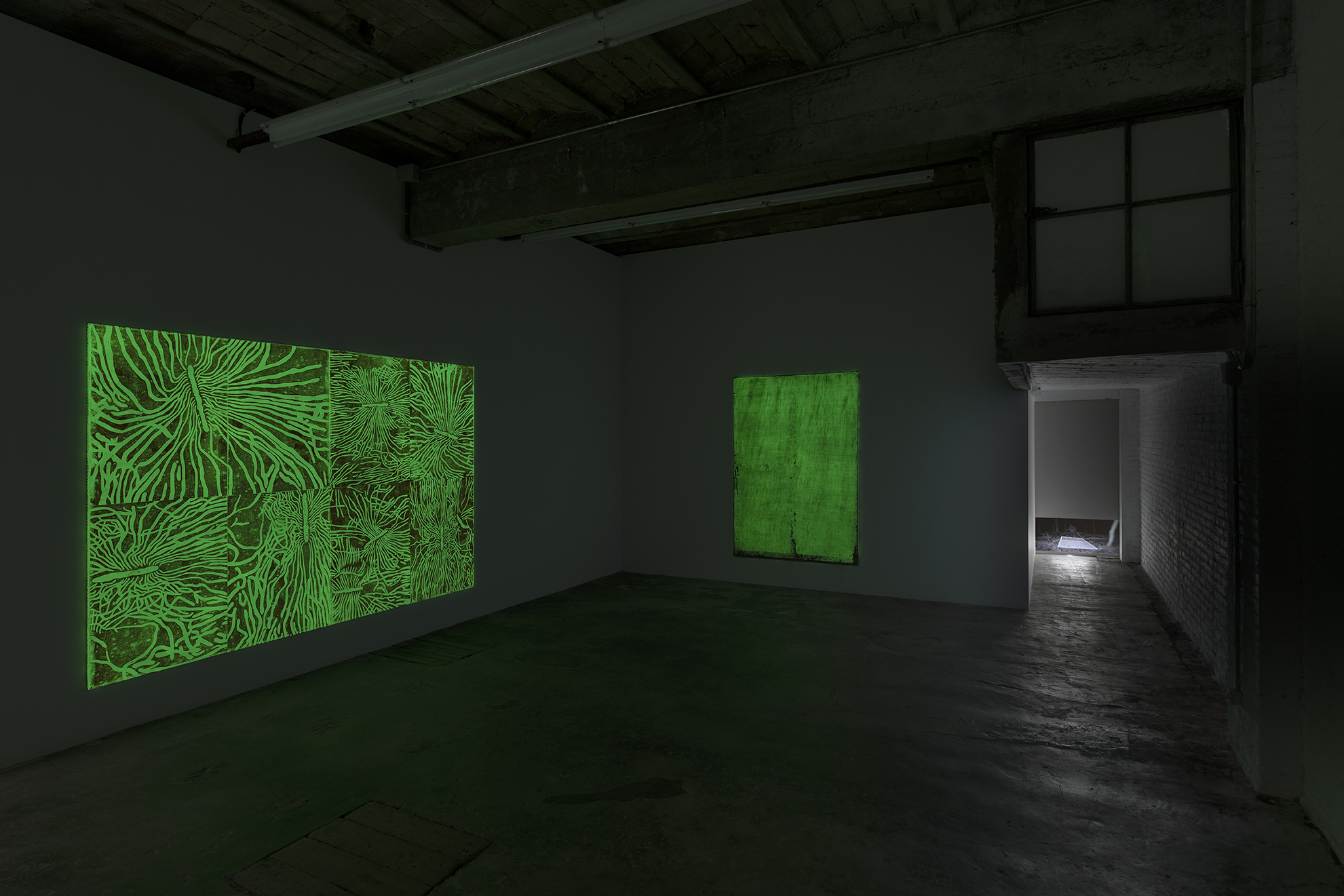
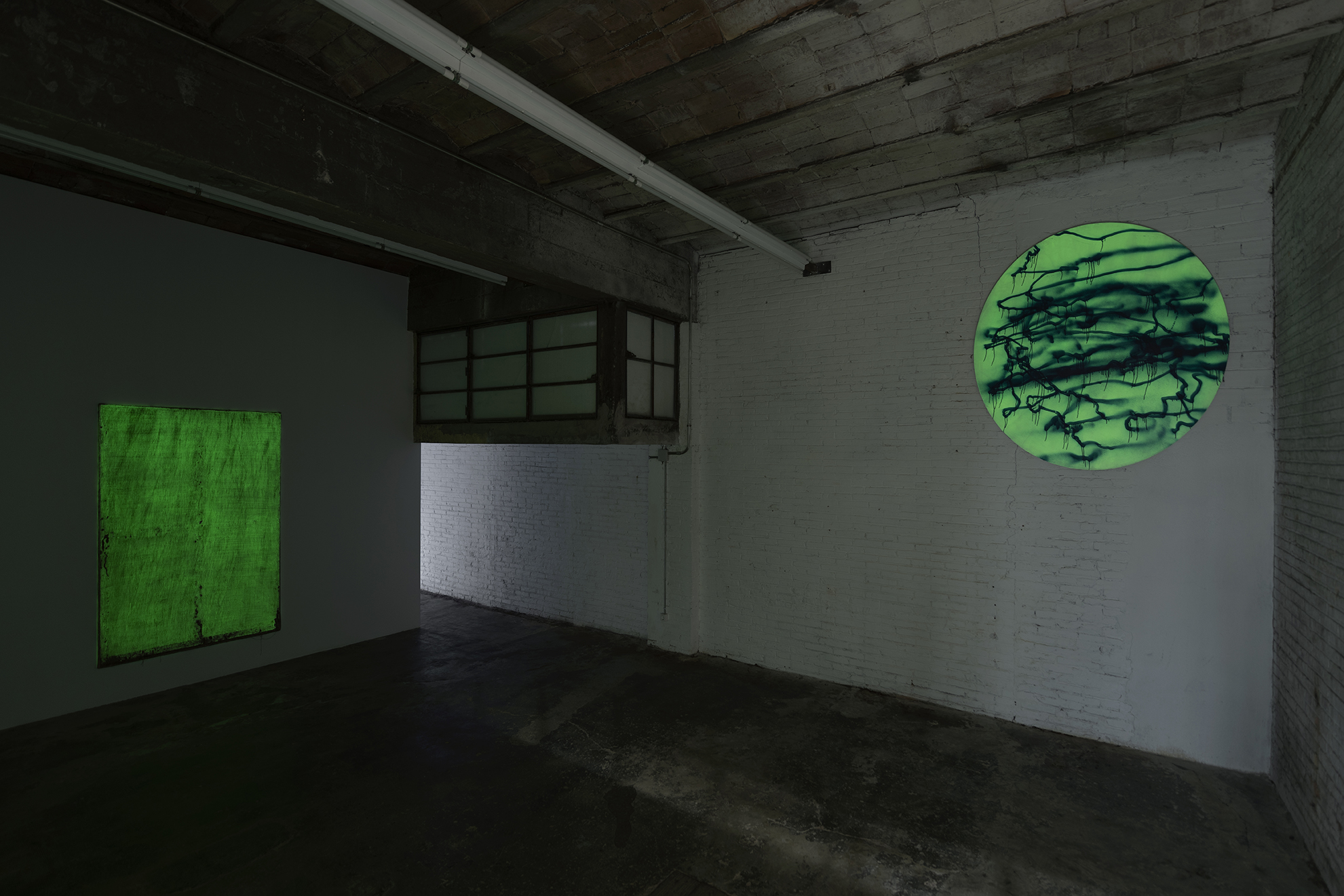
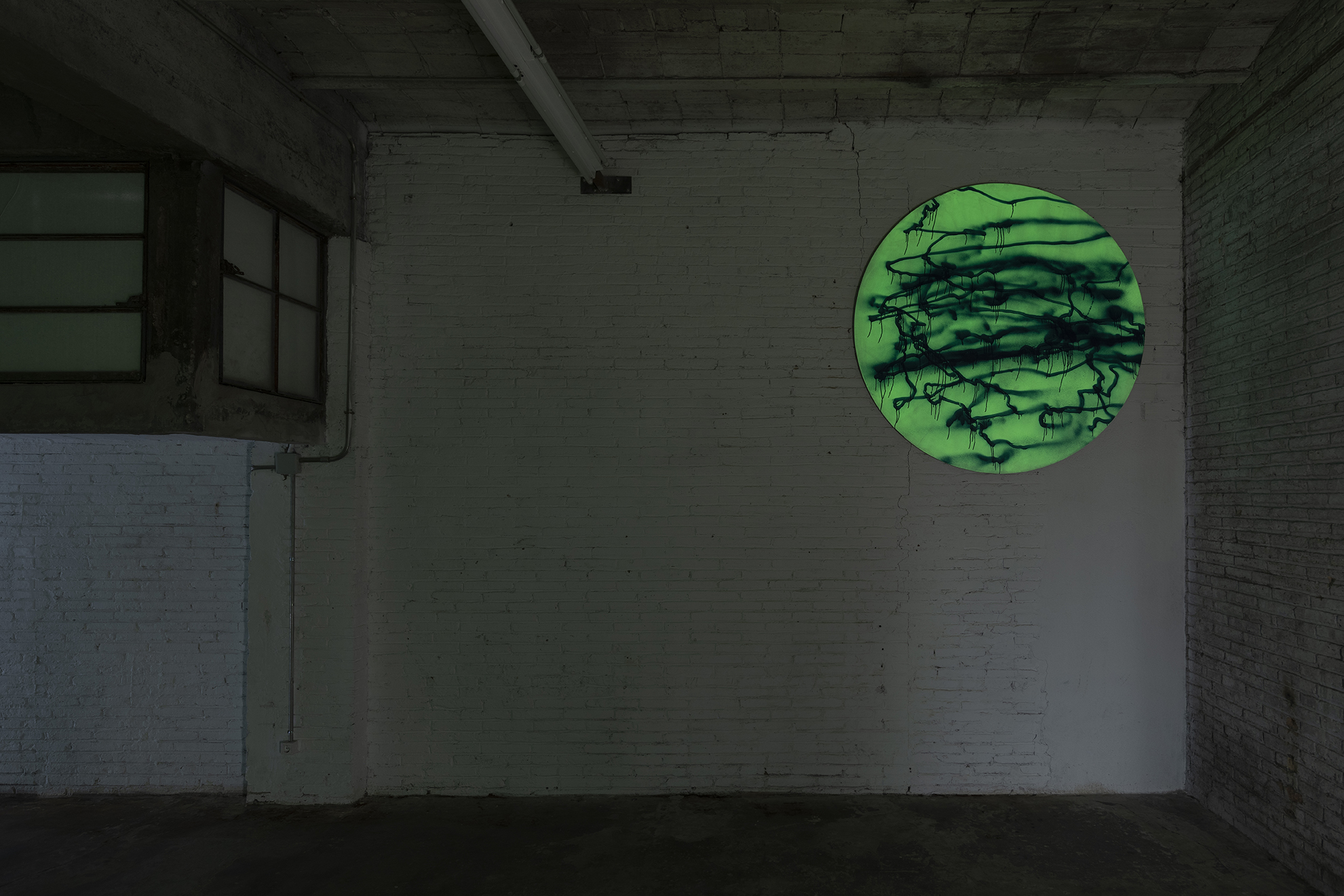
I have always dreamt of having a huge hall as my studio, so I was extremely happy being able to use the superb premises of Galeria Alegria in Barcelona this July. I had the entire gallery space to myself, and gallery owners Sebas and Patricia transformed their office into my sleeping room during my stay. My Alegria-morning routine was cleaning up the paint pots from the day before, producing my own paint, preparing canvas or cotton fabric on the floor. Then I painted for a couple of hours and stopped around 6/7 pm in the evening to go to Barceloneta Beach for a swim, afterwardsI had dinner at restaurants or bars near the beach on most days. I especially loved Vaso d'Oro, a typical Catalan bar where they do the best steak in town with piementos de padron and patatas bravas. This place feels like home even it has no connection to Vienna, the city where I was raised and have been living since I was born. Barcelona's metro is still full of people around midnight, the time I returned from Barceloneta to L‘Hospitalet where Galeria Alegria and many other galleries and artist studios are based. When I left the space in the early evening, the acrylic paint was still liquid and wet, but when I came back later at night it was nearly dry and the pigments were glowing on the canvas surface. Several times, after opening the big wooden doors of the gallery and turning on the lights, I would just sit there for a long time looking at the pictures I had painted only a few hours earlier. This was magical. Sometimes two, three, four hours passed by without me noticing, just looking at the paintings lying on the floor.
Of course, I could have spent more time exploring lively Barcelona, but it felt natural to spend most of the day in my temporary studio as it was just such a pleasure using hundreds of square meters to do my work. Although I was struggling a lot in the beginning with the materials and the heat and the tiring act of cleaning pots and making paint, the opportunity to play and experiment with all these different flowers each having their own painting ductus and character was absolutely fantastic. During my stay I made only flower paintings (which is a series I have been working on since 2009). In the beginning of my residence, Miguel, one of the gallery assistants picked me up with his big white van to visit Barcelona's central flower market, where all the city's flower shops buy their flowers. We were quite the funny duo: my Spanish vocabulary is nearly zero and his English vocabulary similarly meagre. We communicated with lots of gestures, laughing loudly and having a lot of misunderstandings. On the way back from the market where I had bought enough flowers to fill a shop, I pointed to a beautiful wild bush with glowing fuschia-coloured blossoms growing next to the highway. Miguel stopped the car immediately, right on the highway, while cars behind us were hooting and people shouting out of their cars making angry gestures. We climbed over the barrier to cut huge bunches of this bush and brought them back to the van.
Can you expand a little upon the experience of being an artist in residence? Do you think the program at Galeria Alegria affected your process and work in new ways?
Of course. I think the great chance of a residency is that you can focus more on yourself than you would at home. It is easier to step back and look at what you have done and where you want to go.On the one hand it is helpful and important to have routines, but it is also important to change and break routines and achieve a different perspective.
Your process and work are inherently rooted in nature. I'm curious whether environmental issues (climate change, etc.) have any place in your thinking about the work?
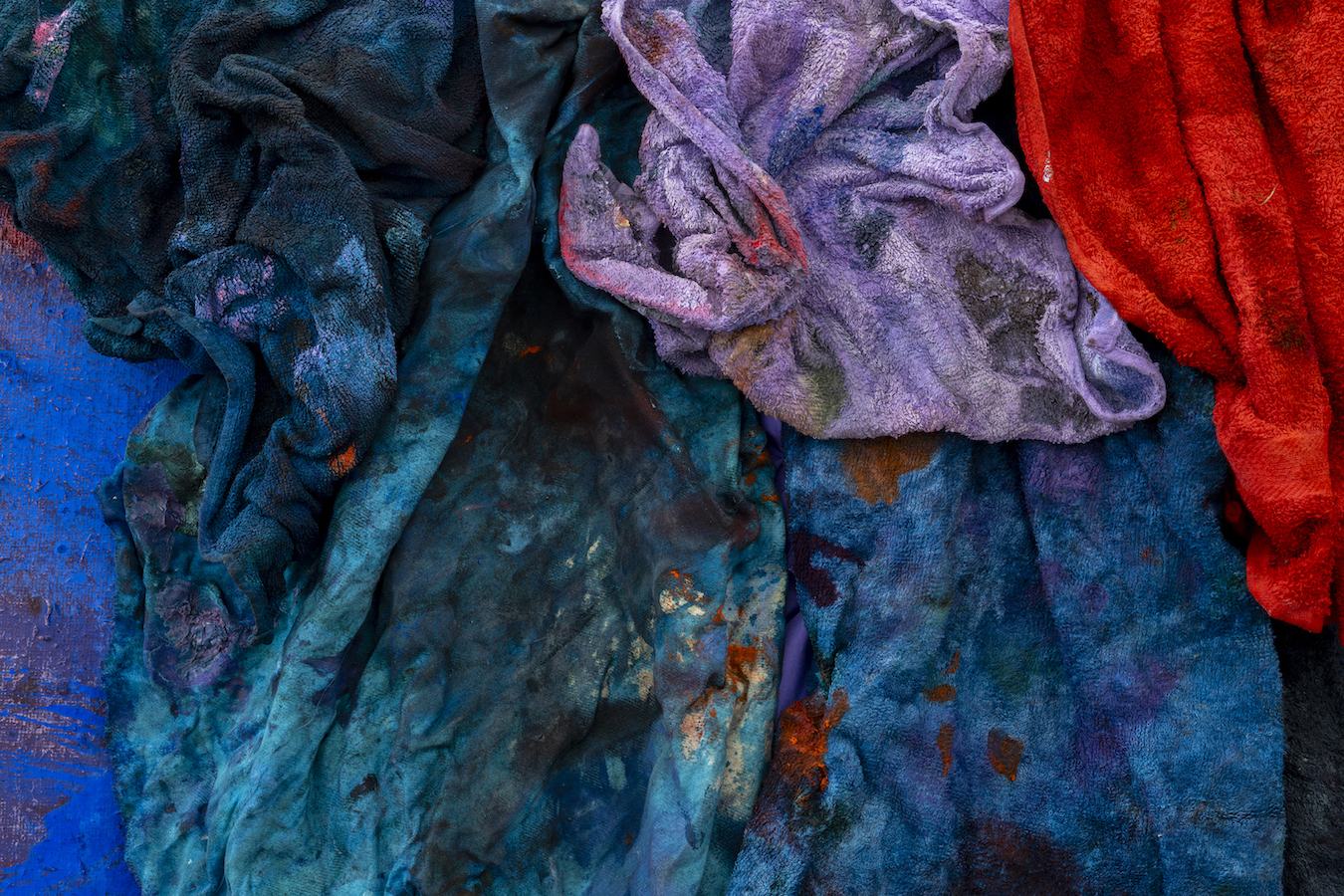
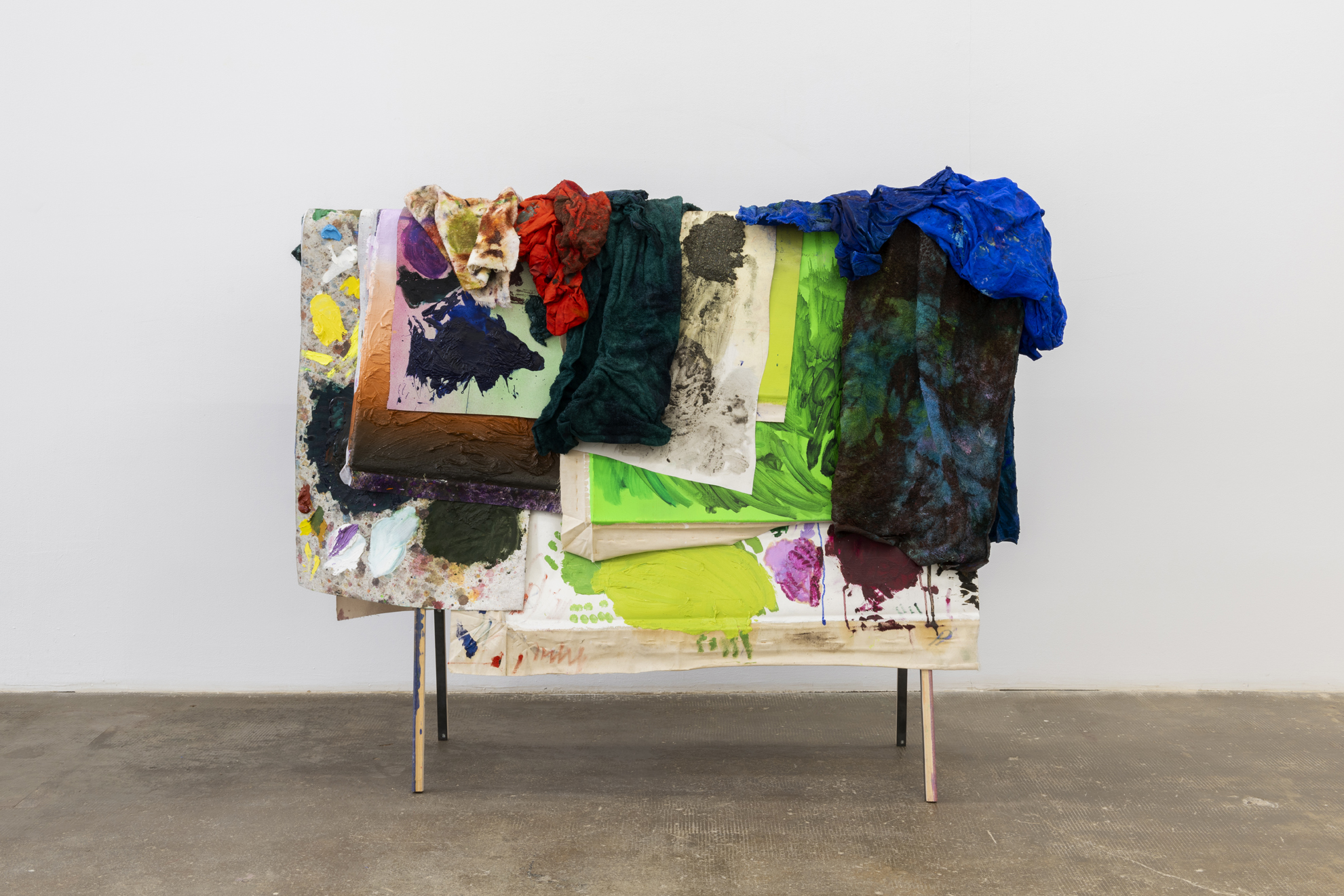
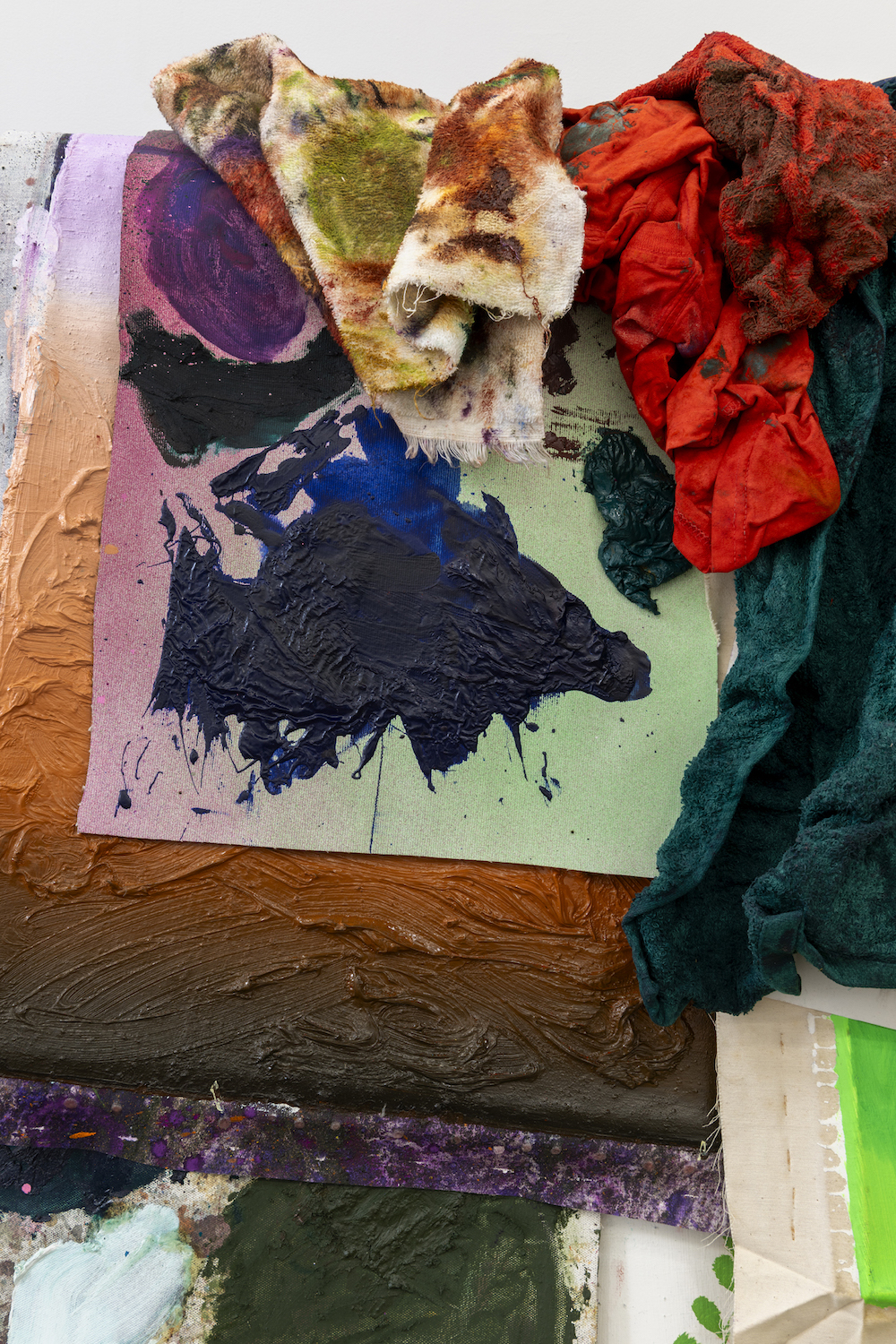
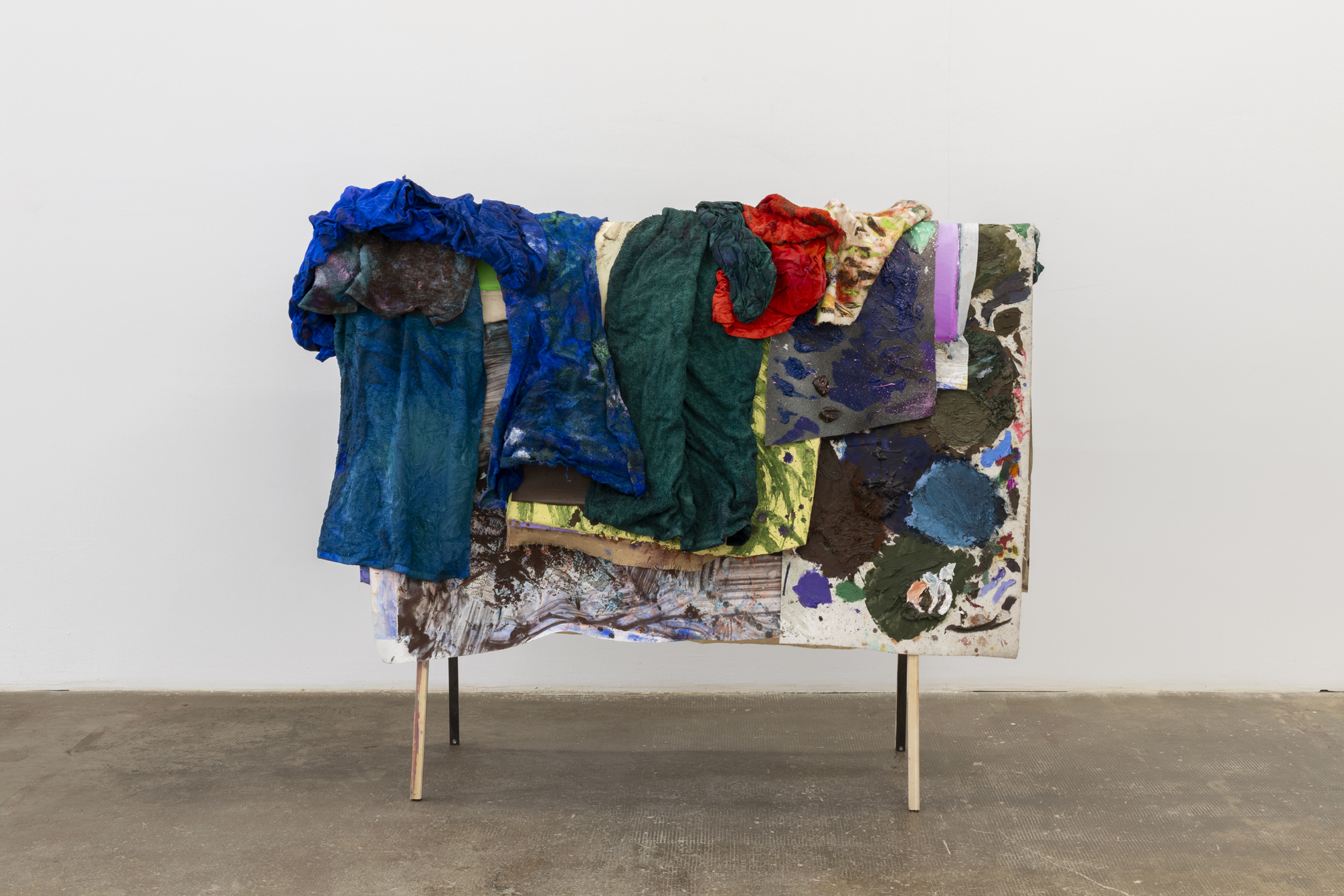
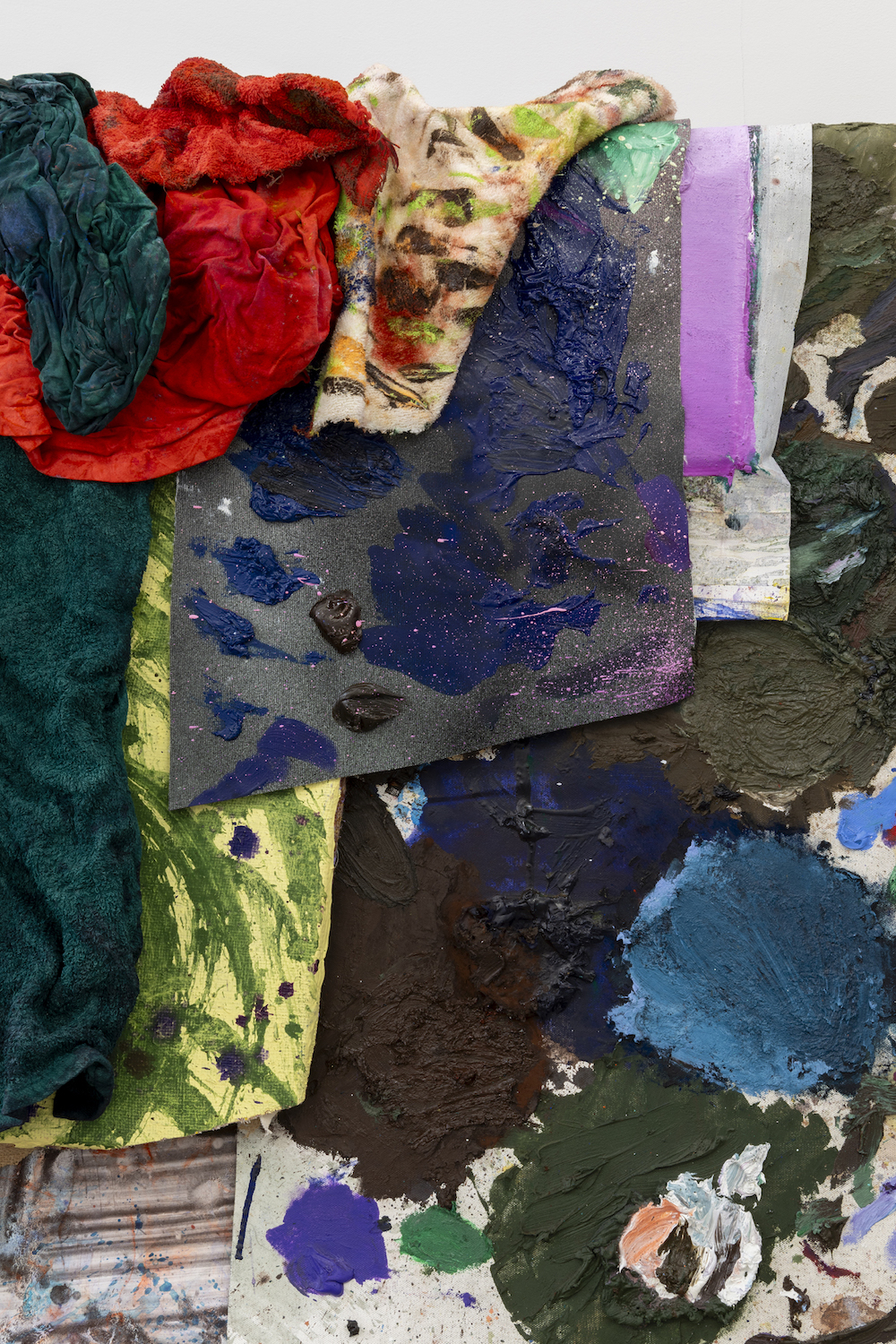
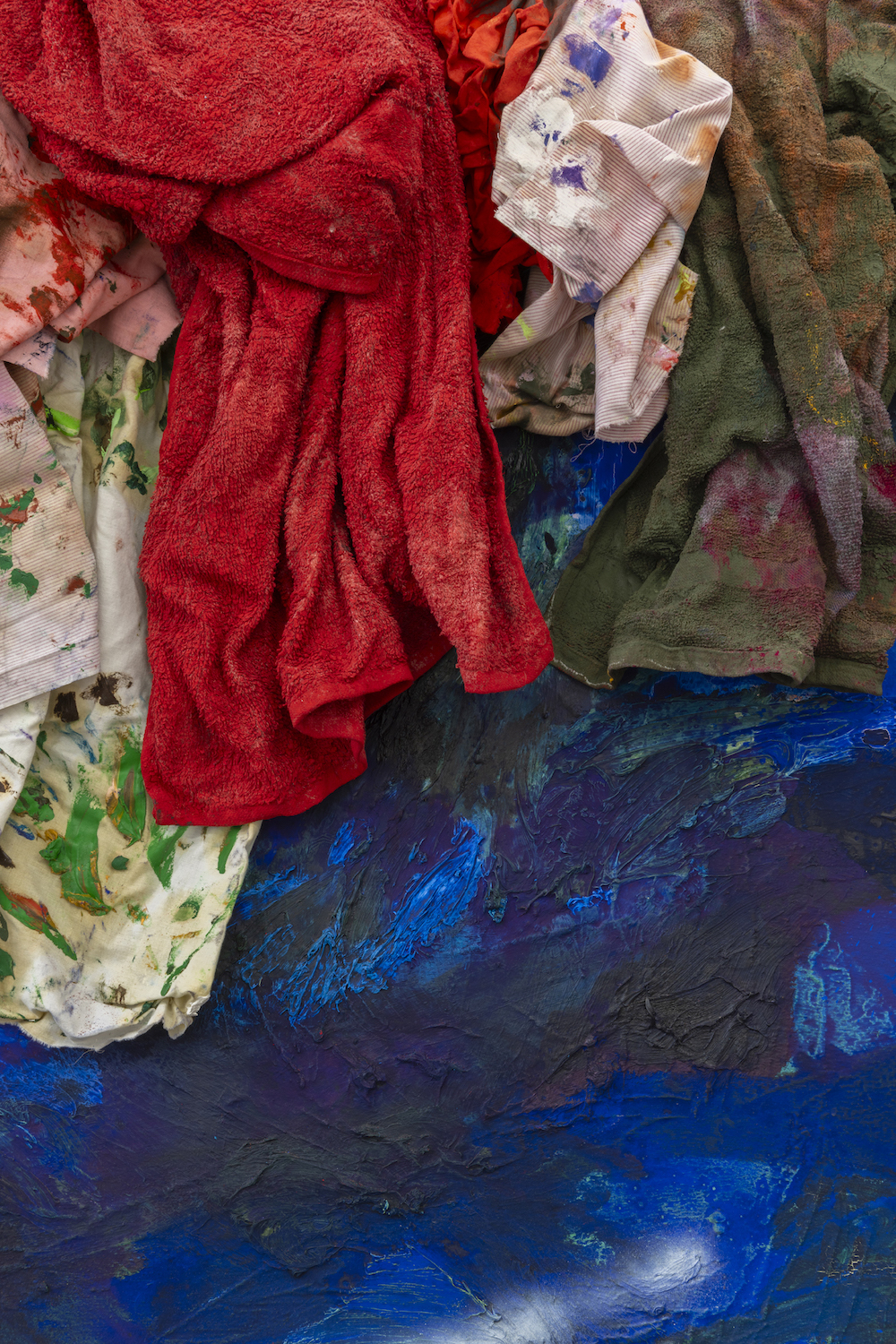
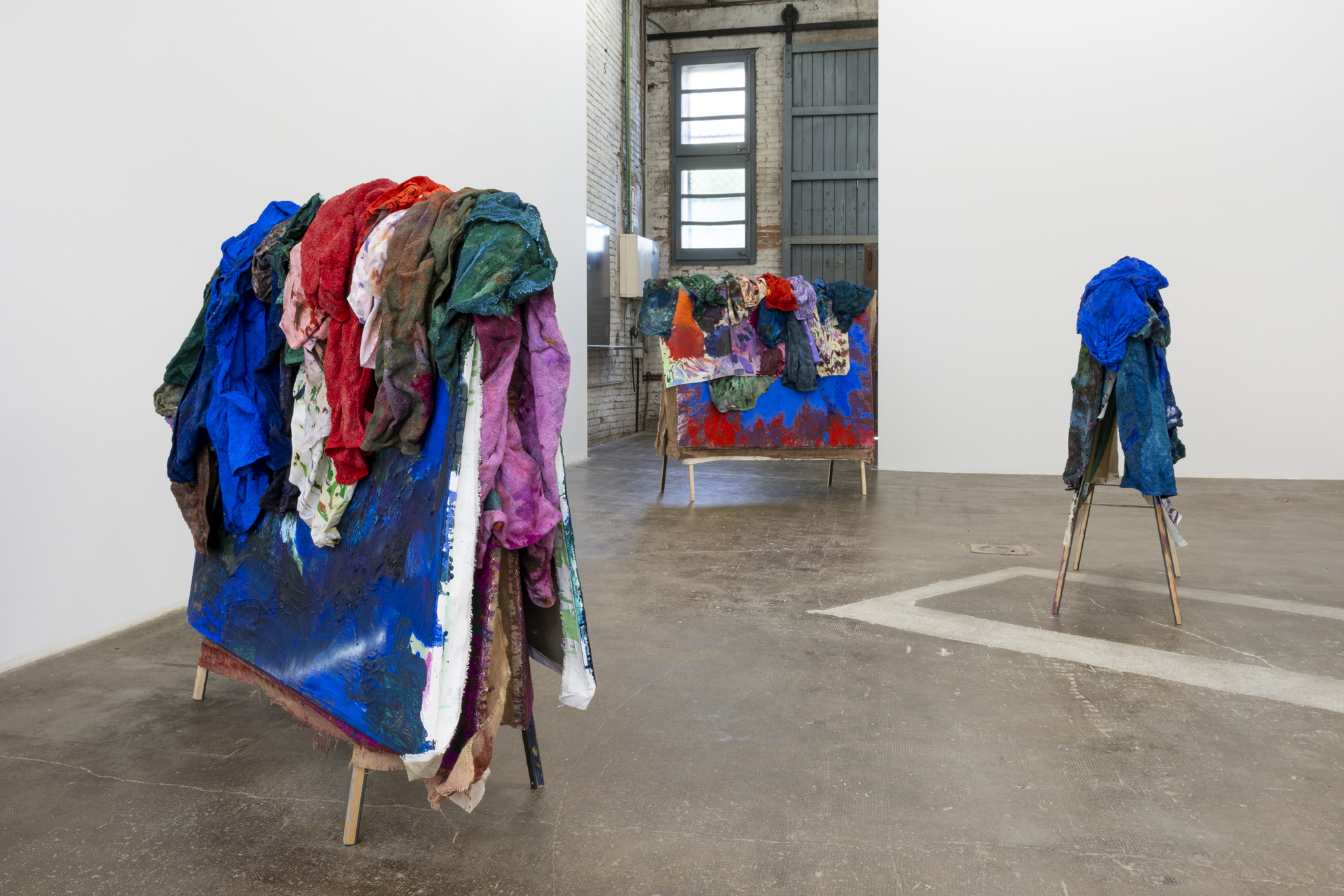
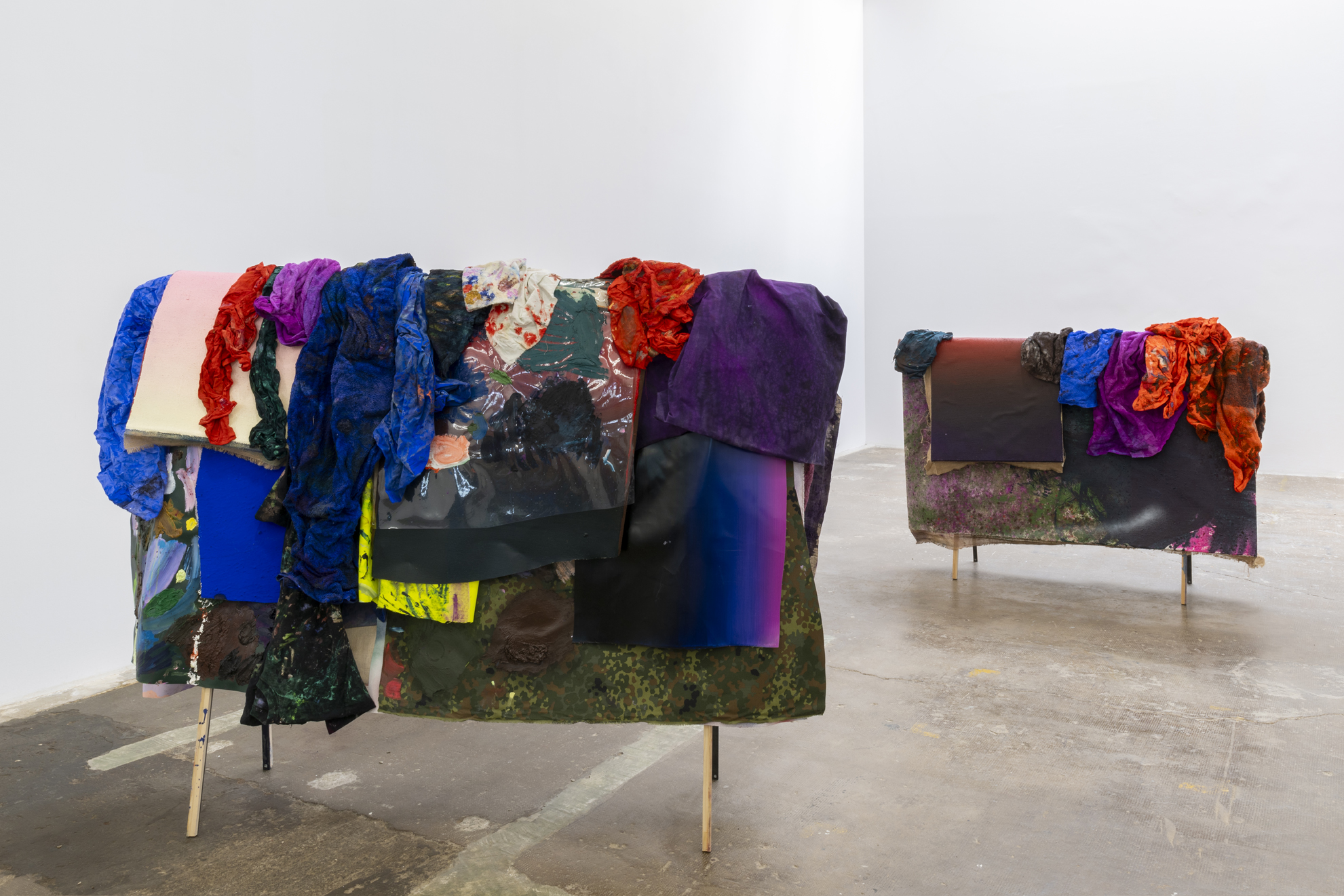
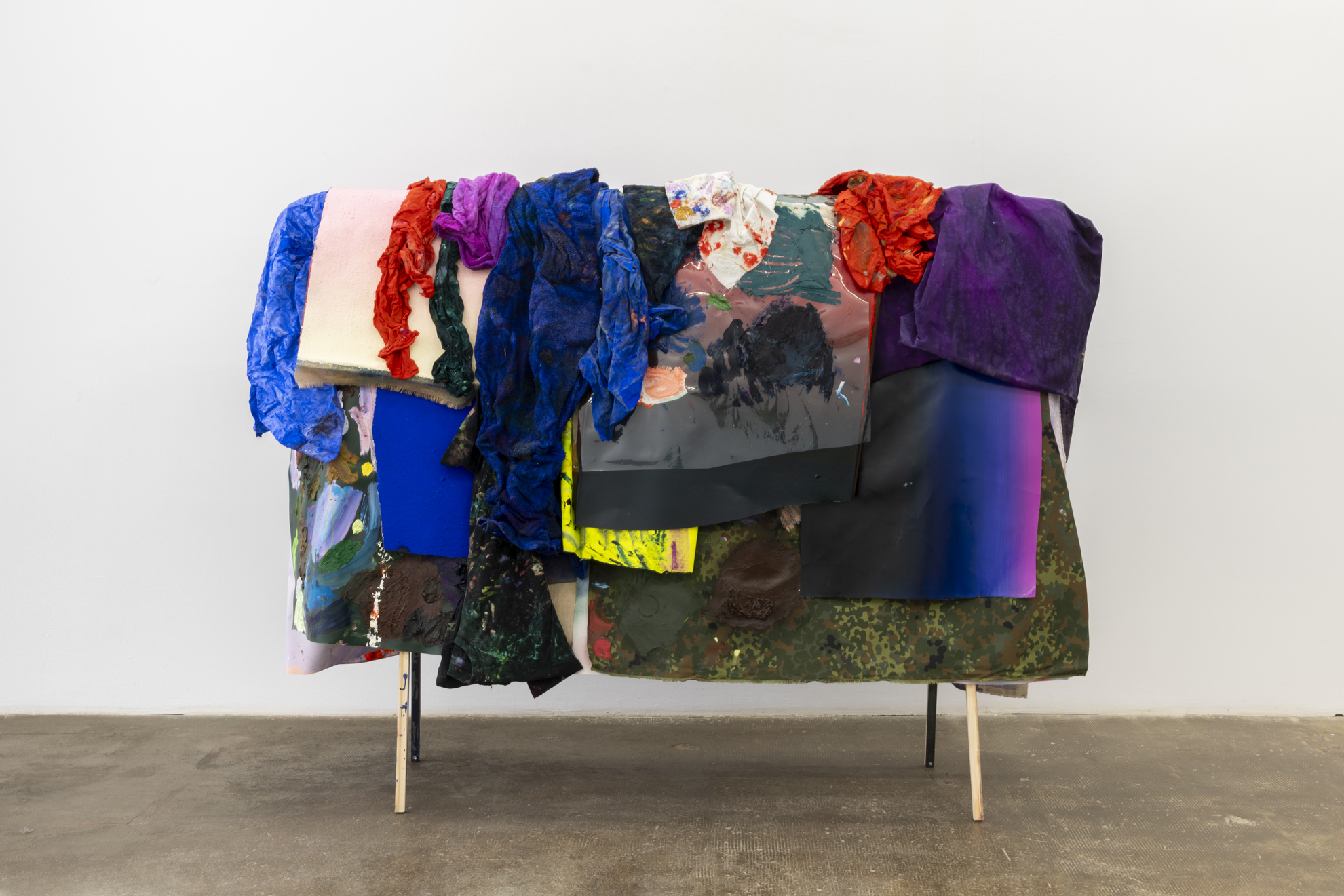
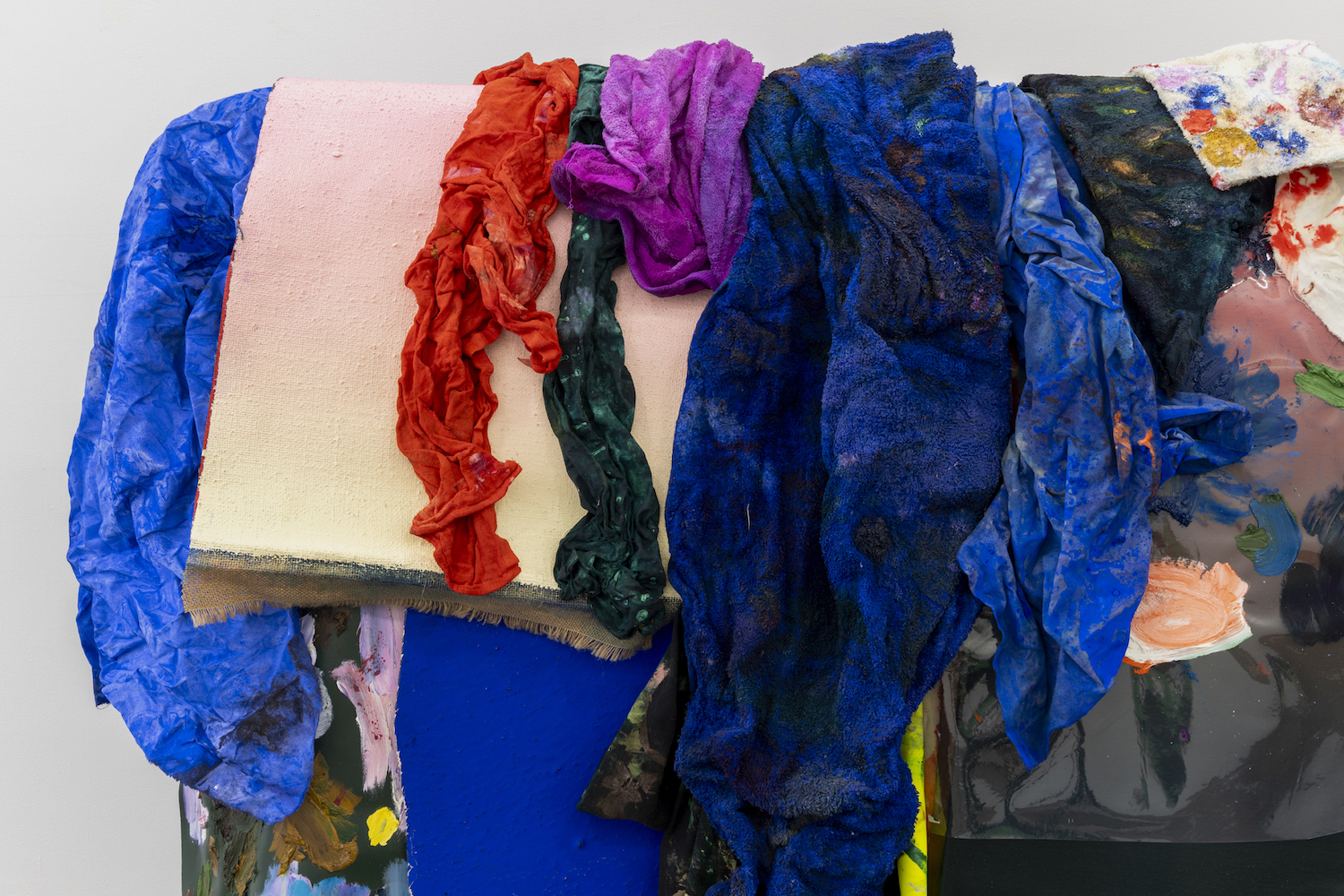
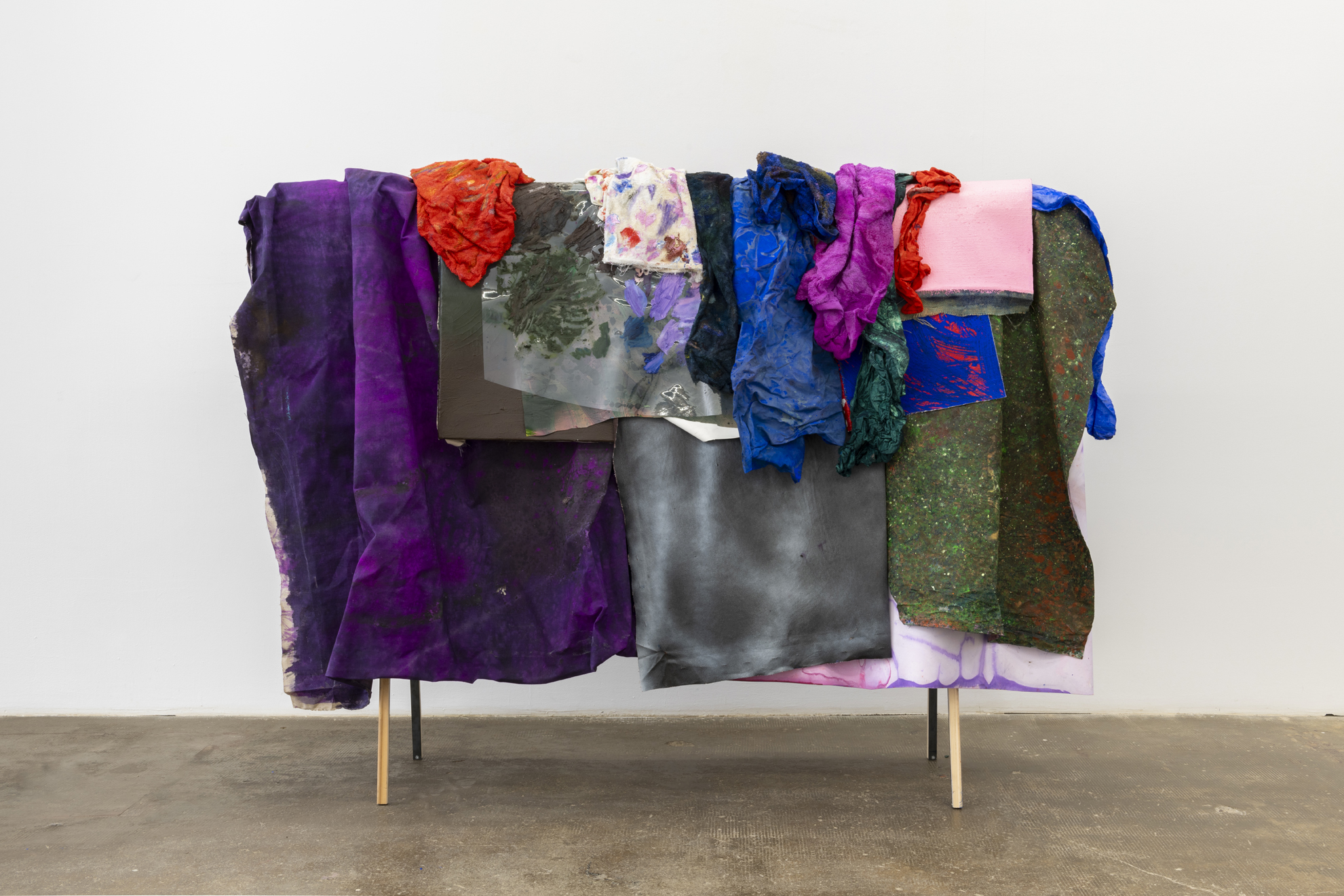
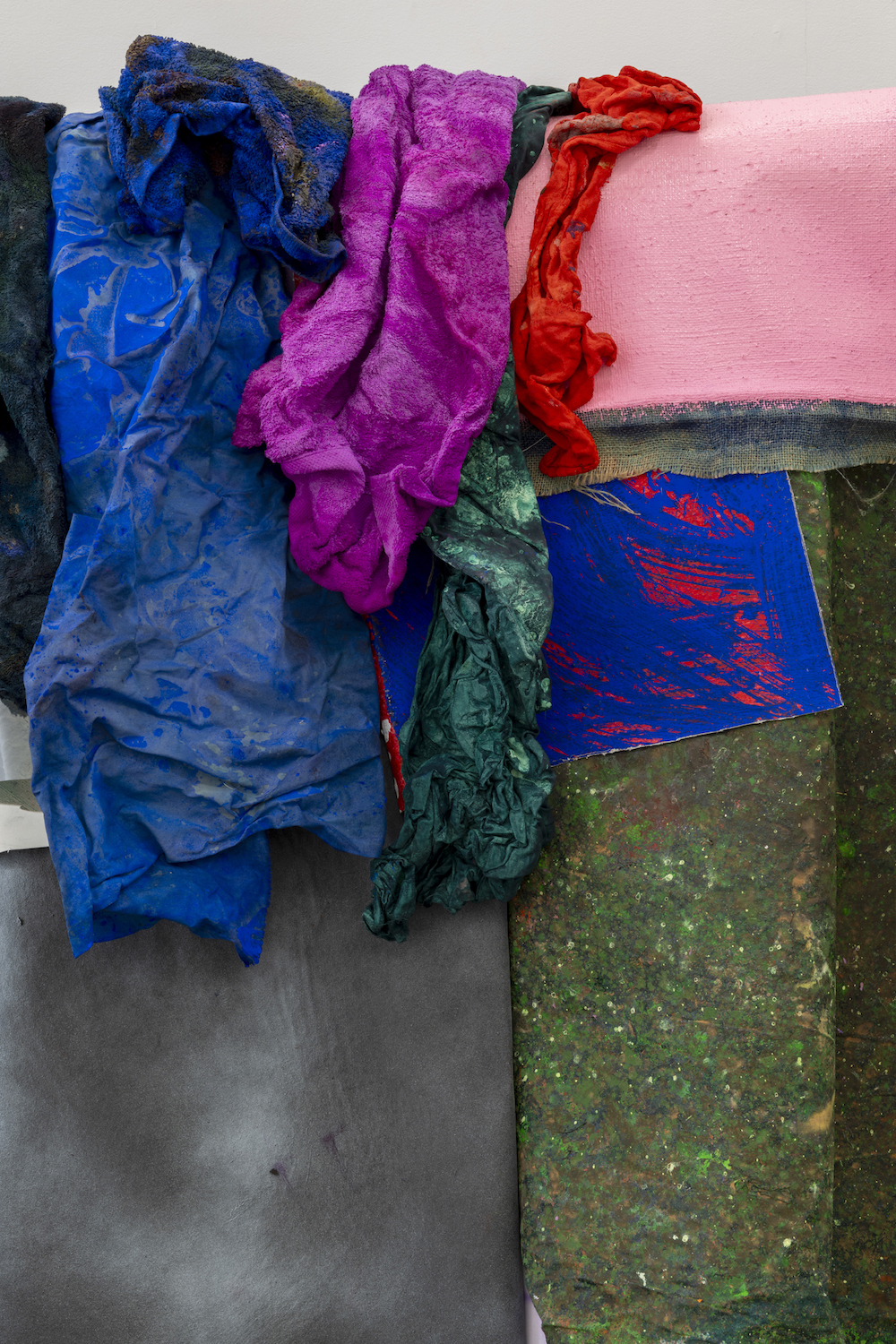
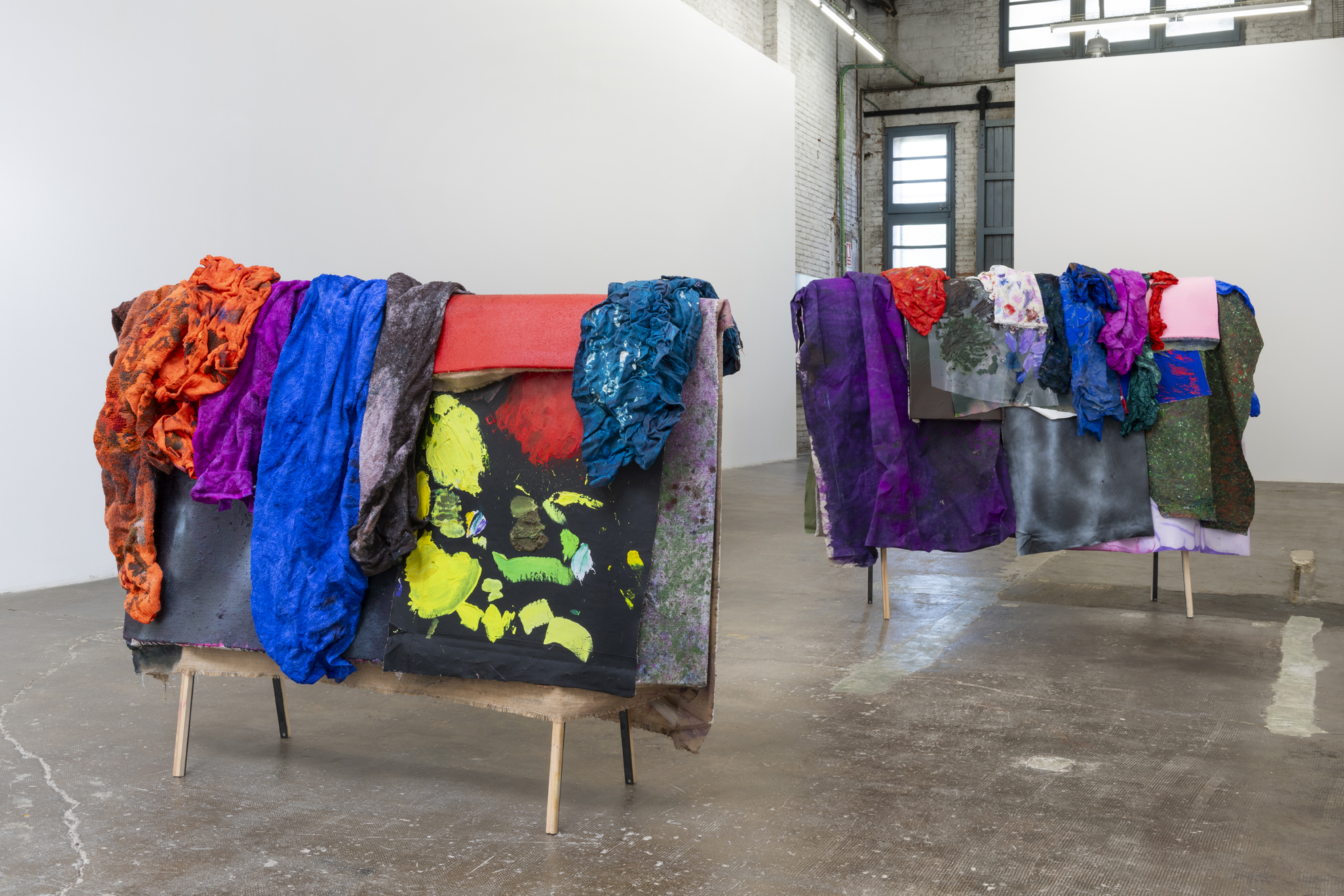
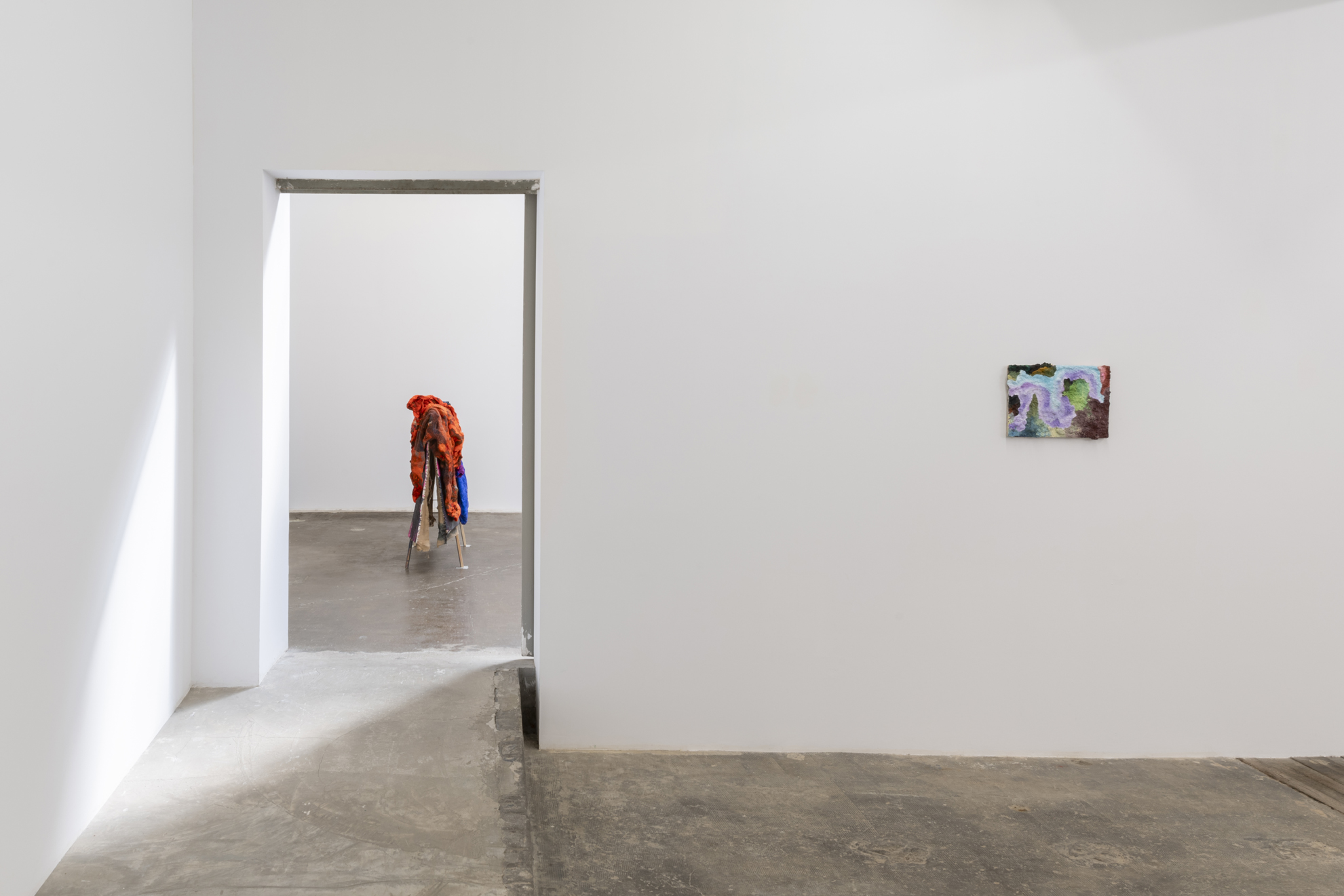
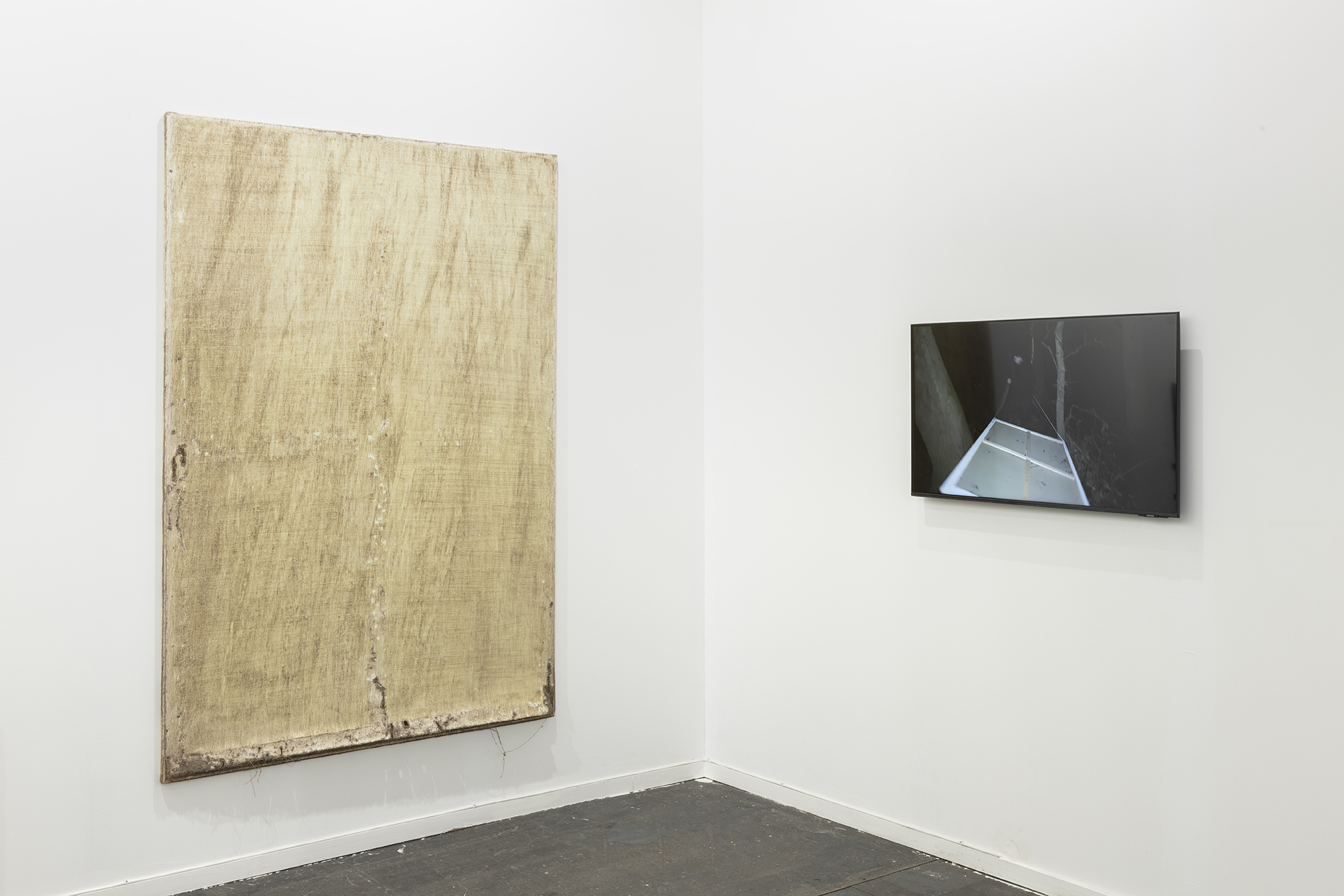
Environmental issues meaning climate change have not yet driven my artwork, but a lot of my works deal with sustainability and even more with documenting time. Time is a crucial aspect of my work. I collect nearly everything that takes place during the painting process. The gathered "clutter" consists of painting by-products such as cloths used to clean brushes or as a palette, "unfinished" paintings, or paintings I feel uncertain about. I keep these painterly "materials" and store them in the studio where I will not see them for a while. Months or years later, I have a look at them again and always make surprising discoveries and might encounter a work that now appears entirely different to the work I stored. Though actually nothing changed while the pieces were "resting," time changed my point of view on them. They are all painterly day-to-day works waiting to get combined, transformed or they are already finished the way they were left at that moment in the past.
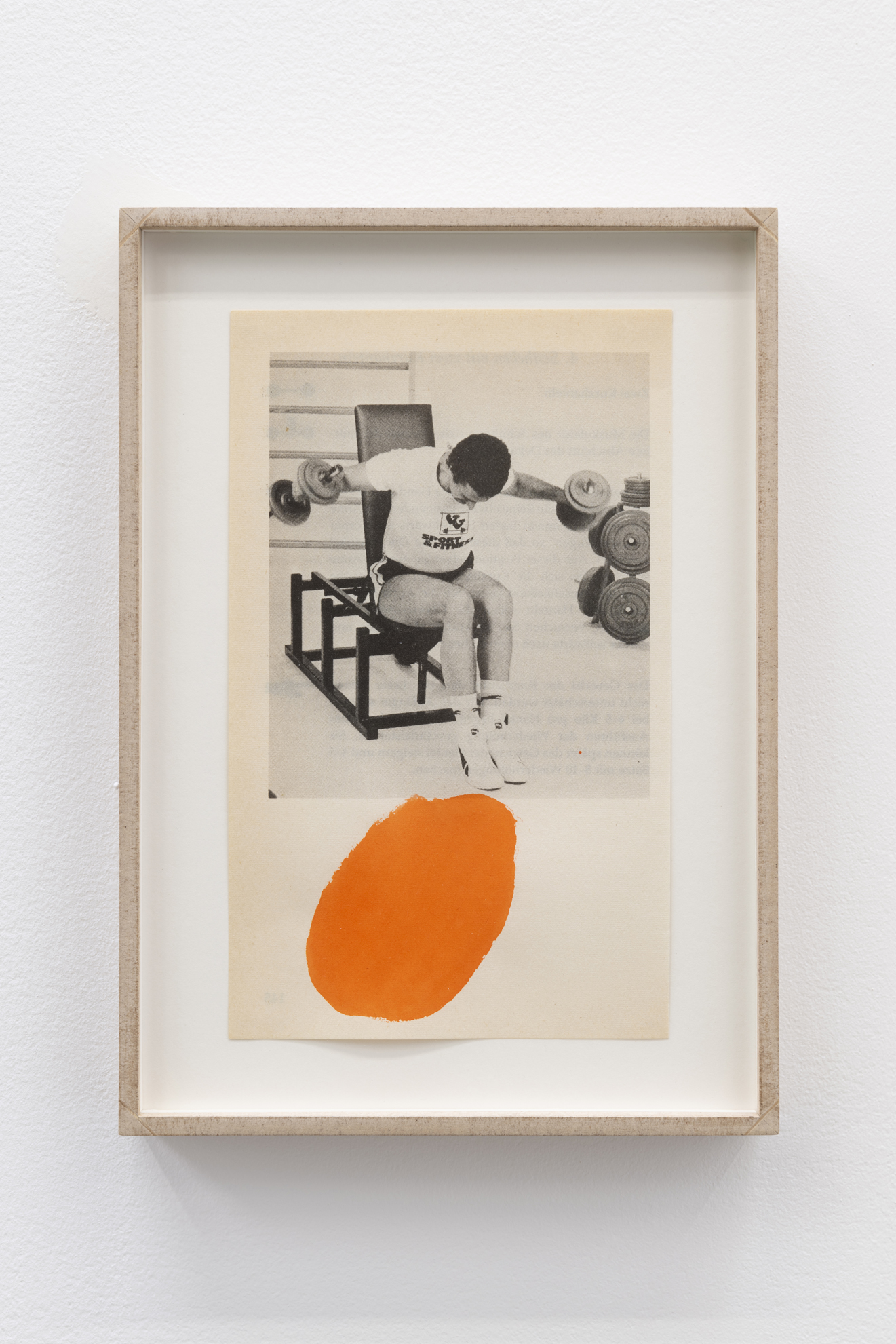
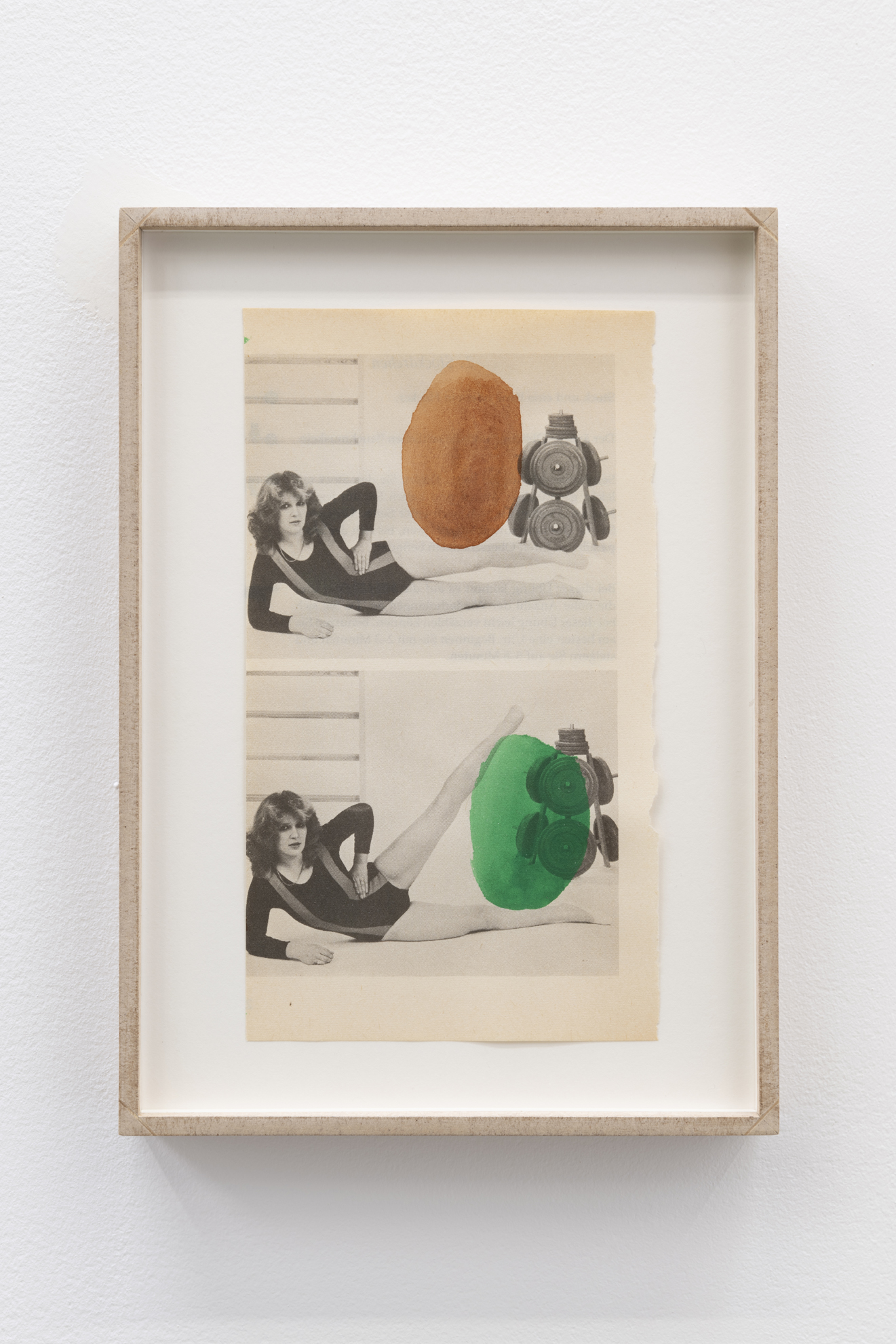
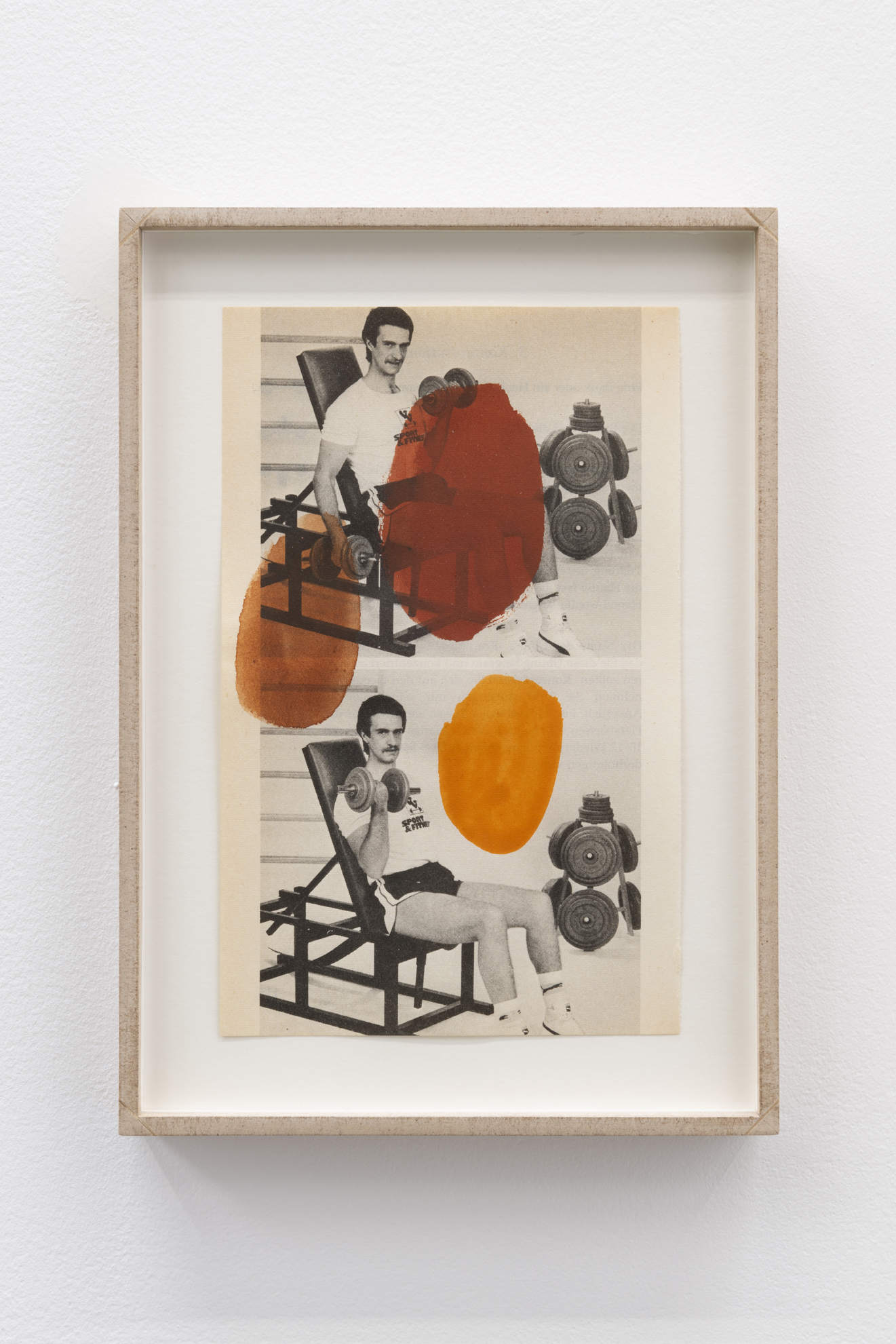
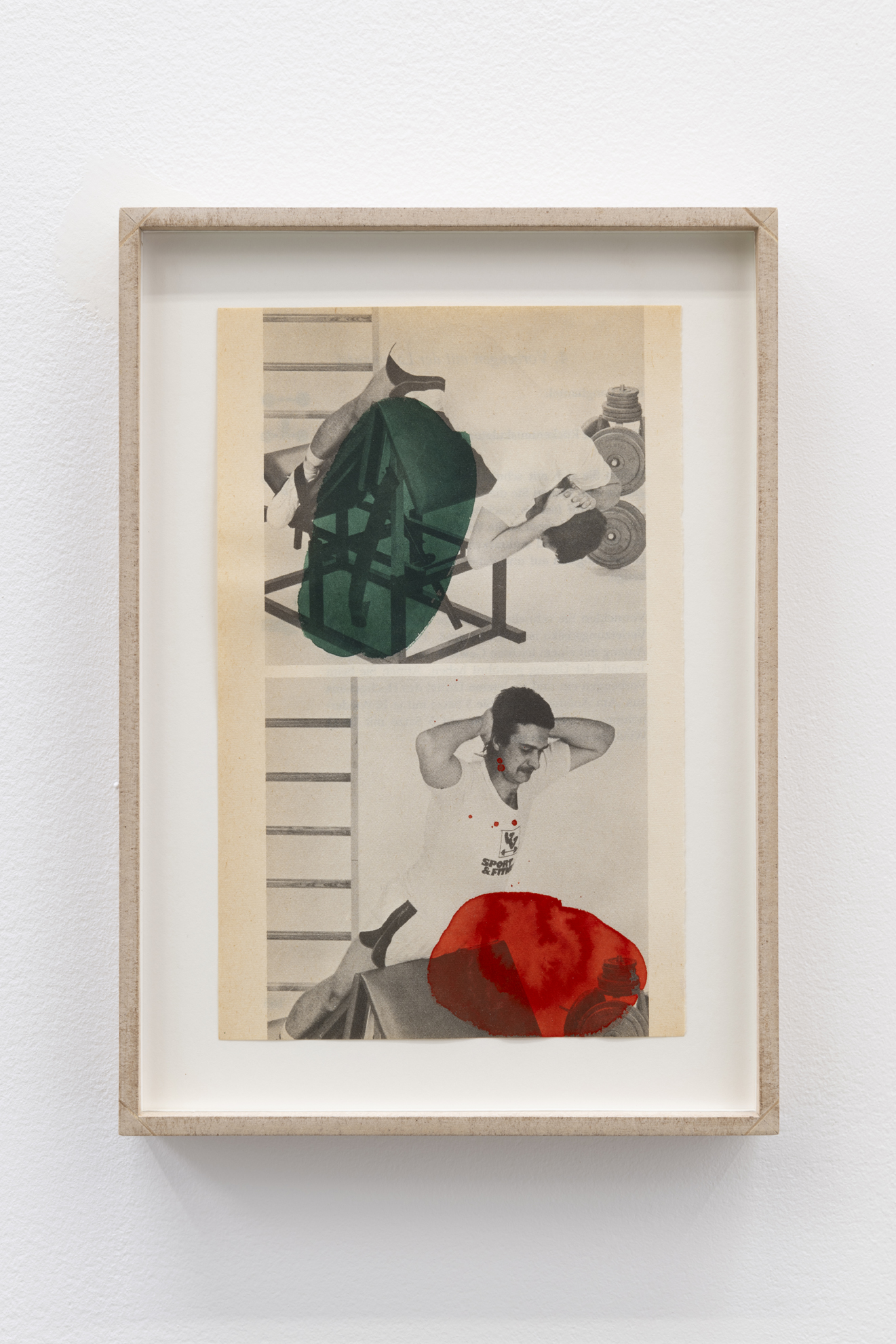
Between 2008 and 2012, I kept all the painting rags I used to clean my brushes. When I began collecting them, I had no specific intention in mind for their use, I was just impressed by their freedom and easiness not needing to be works of art. I combined them into four big ‘flags' by patch working them together. "A History of Painting" records all colours I used during that period; it is a documentation of my painting practice.
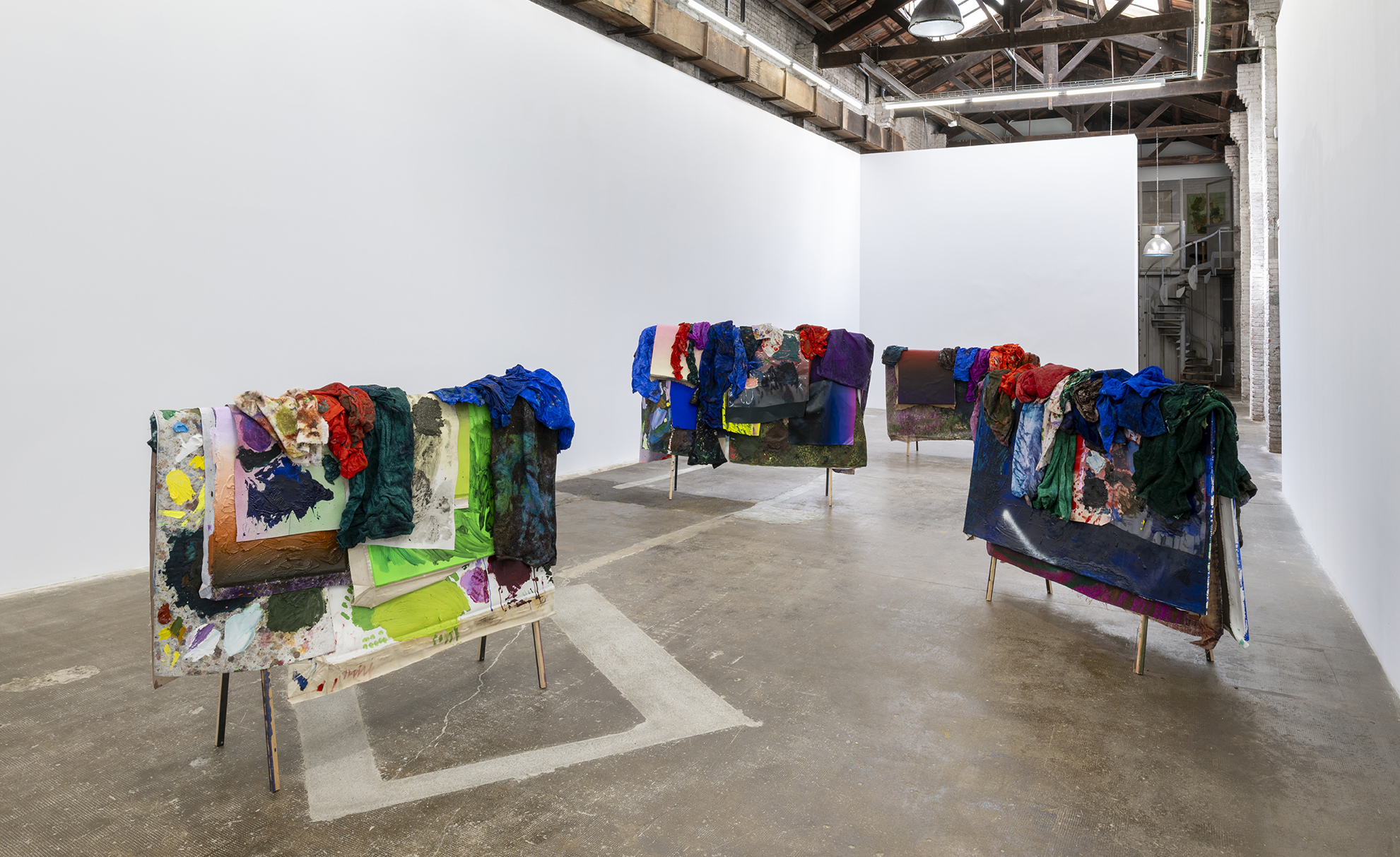
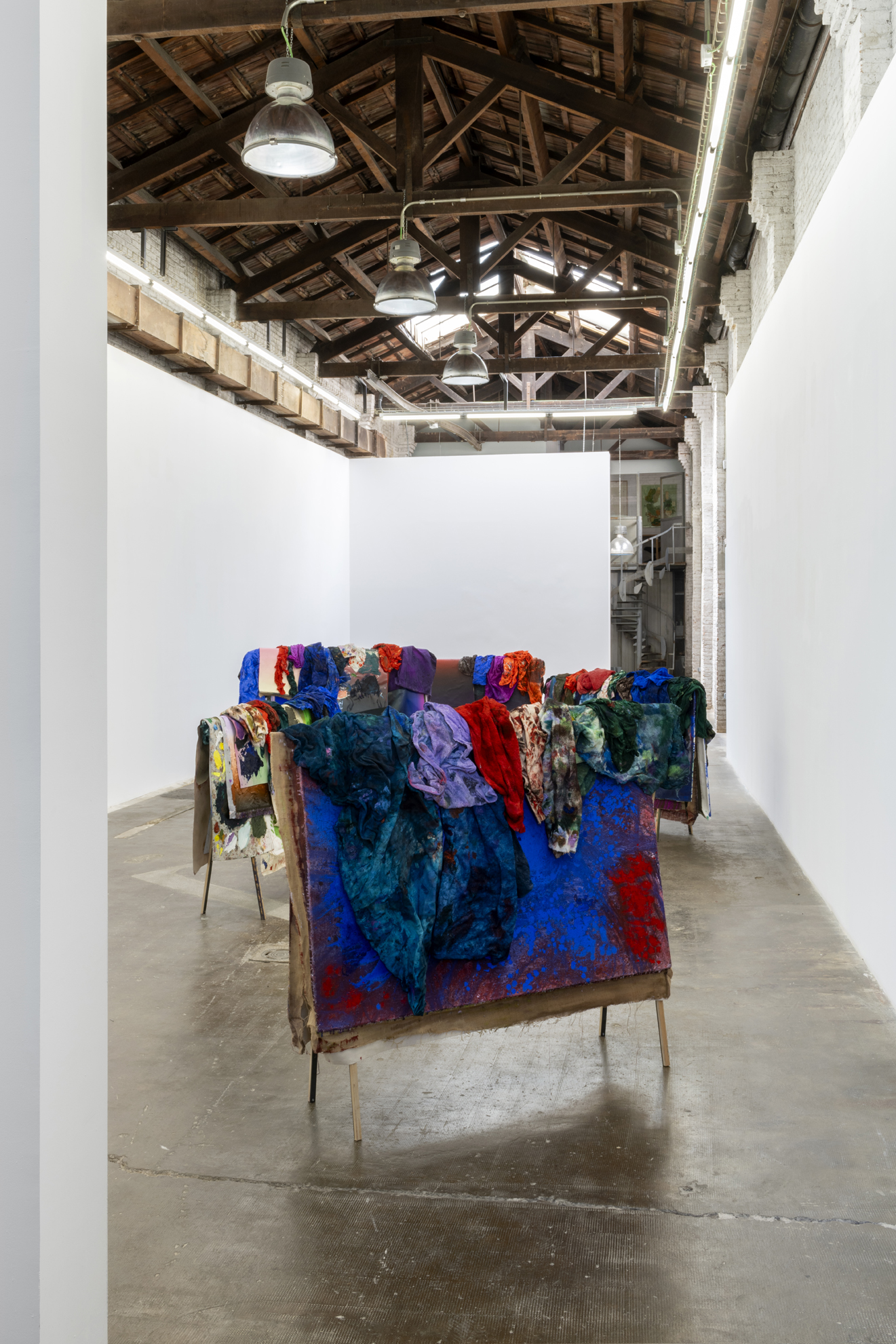
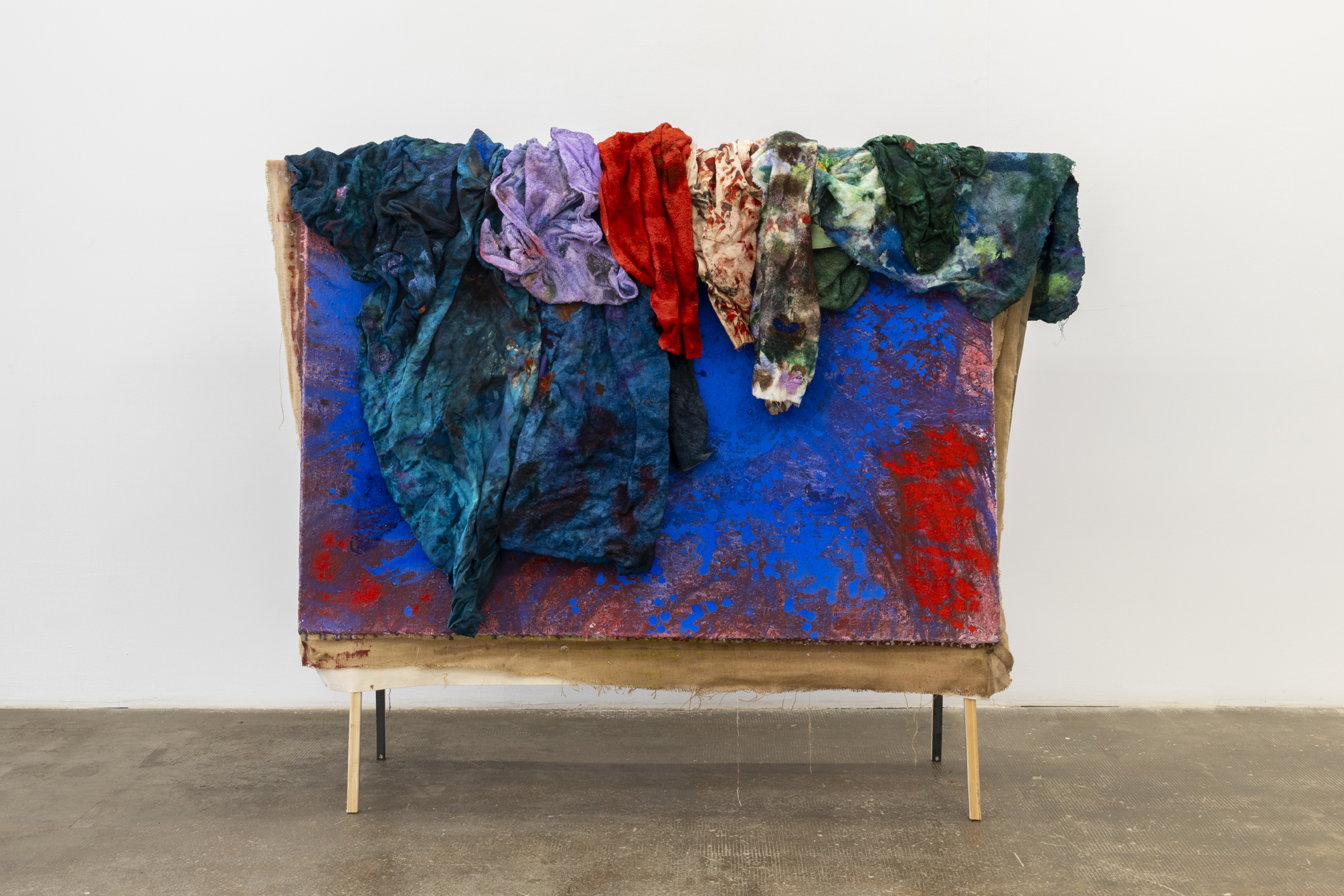
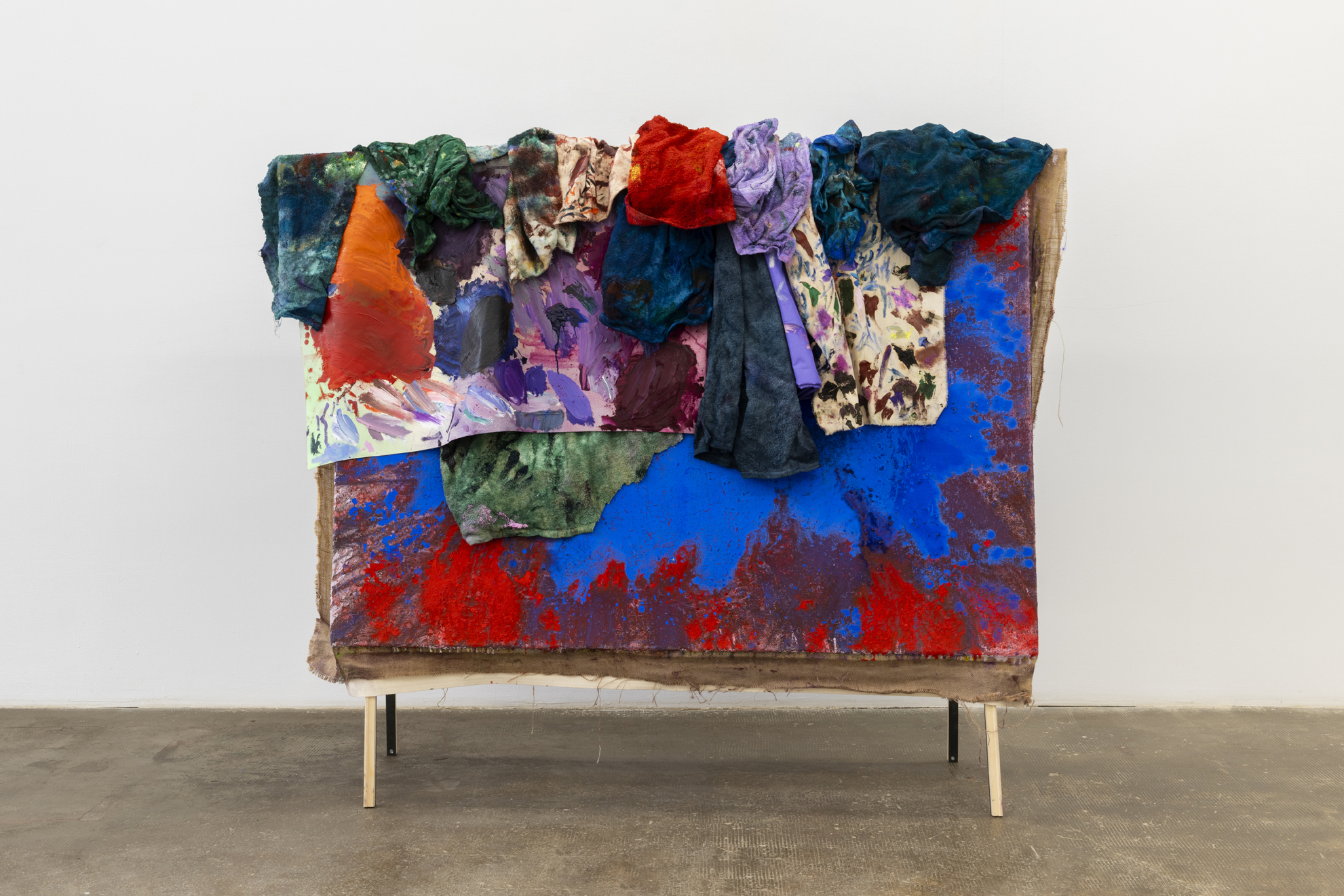
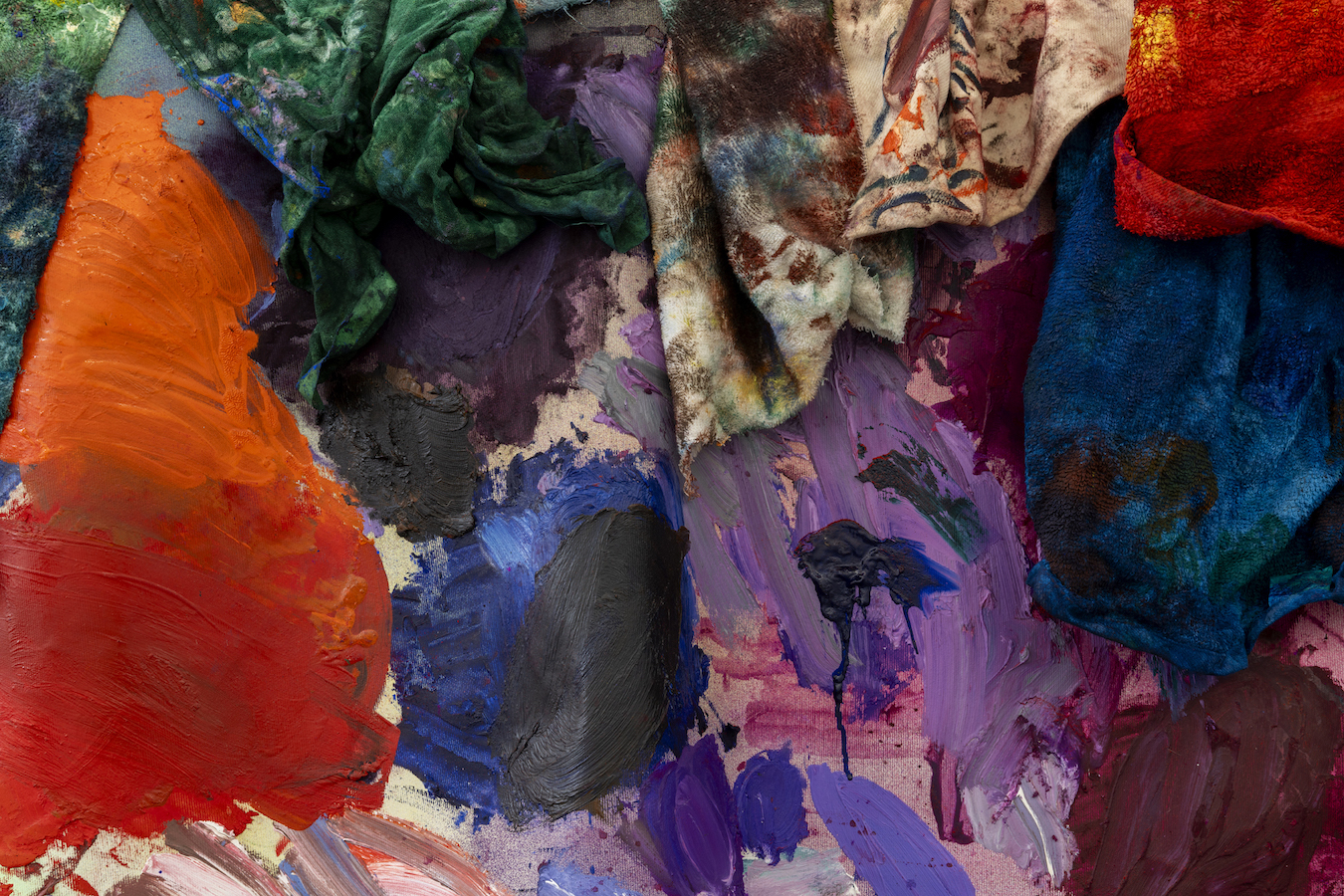
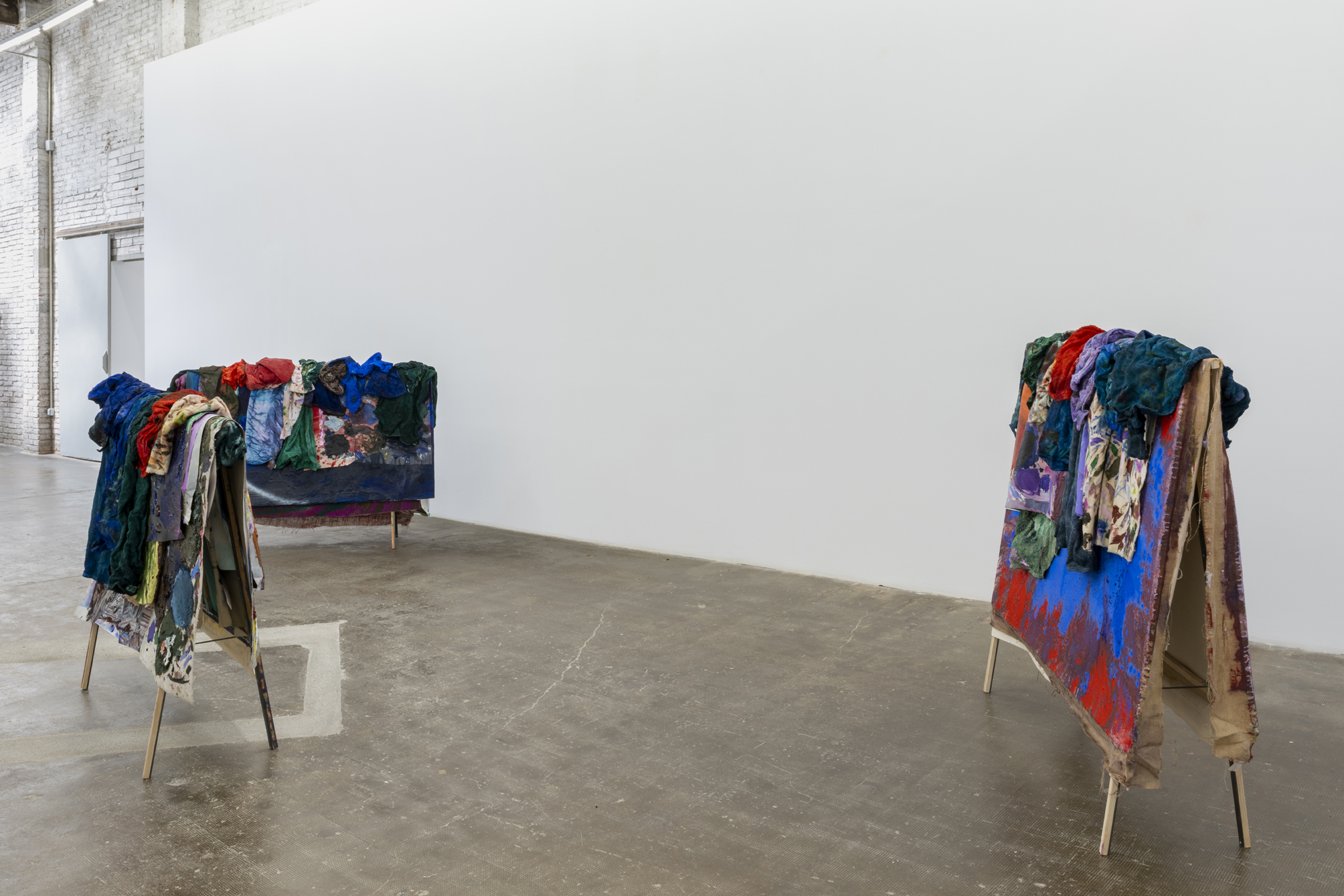
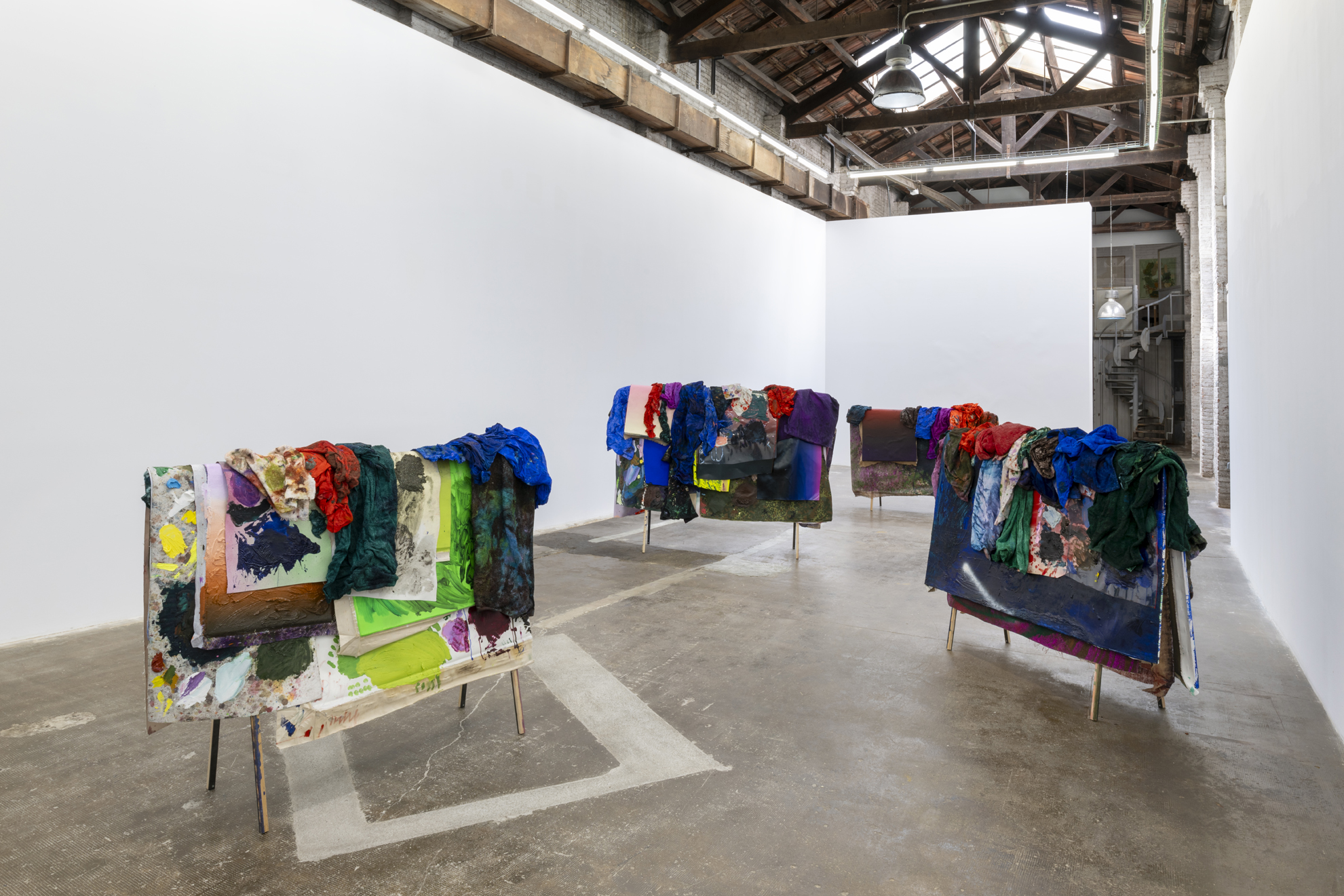
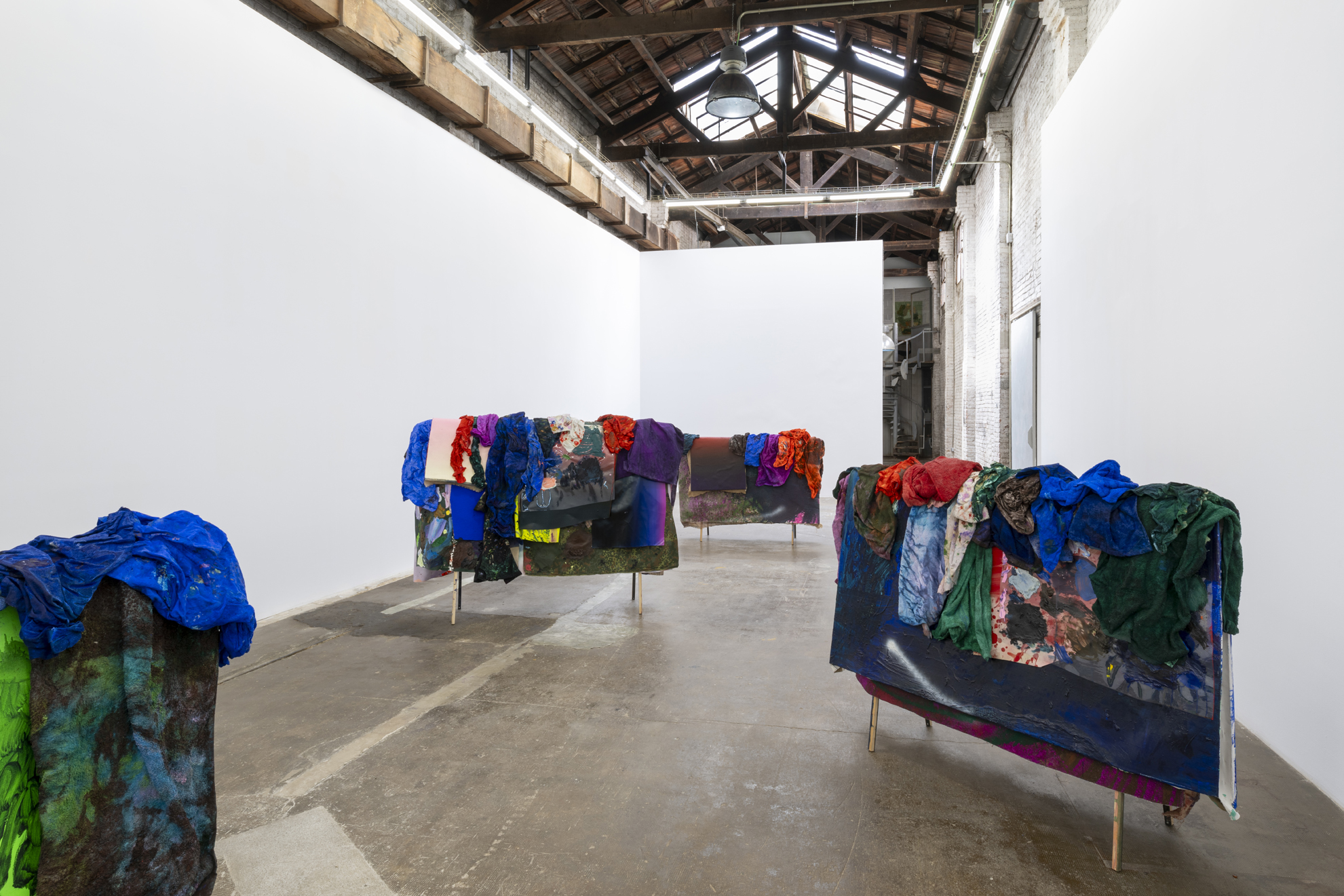
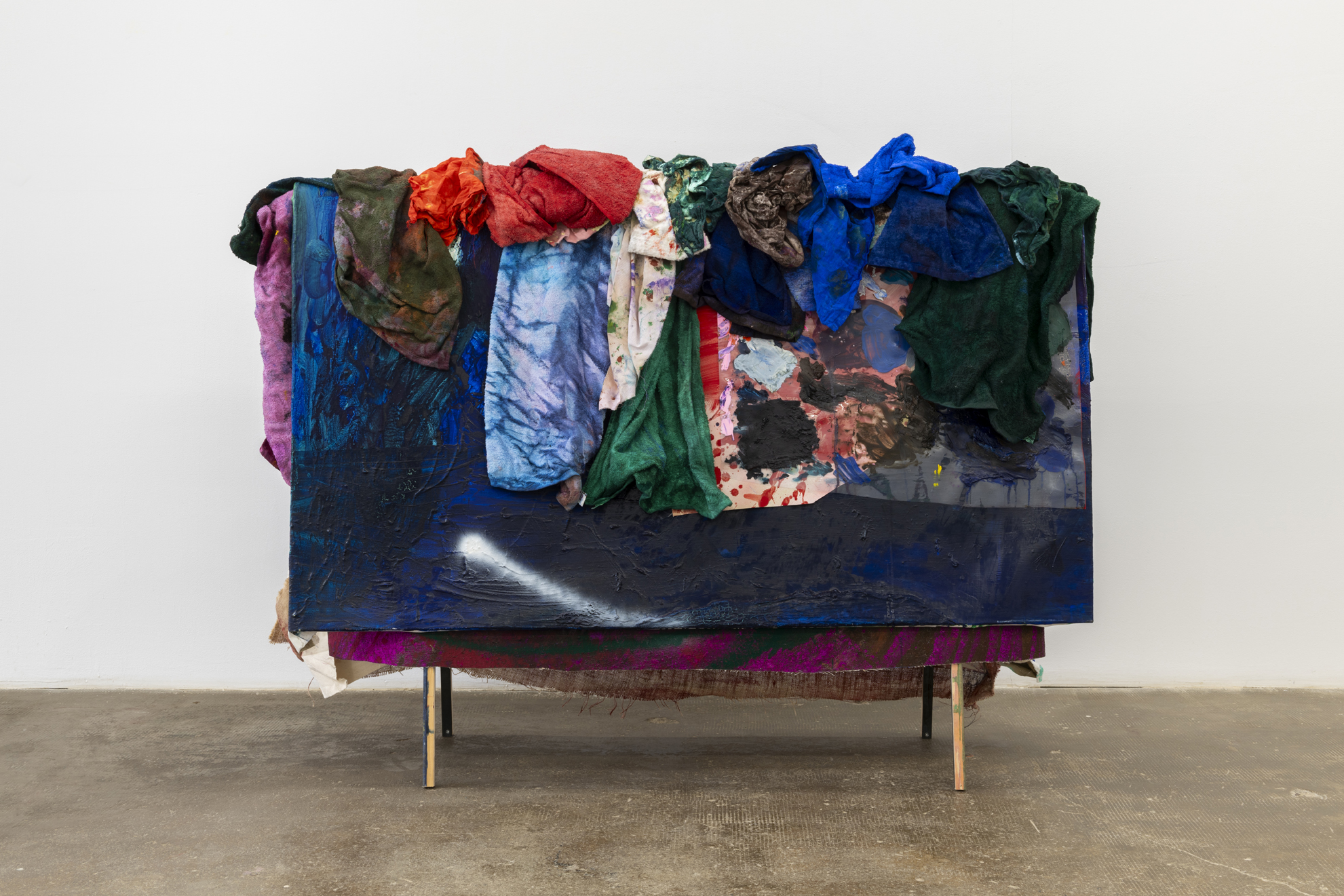
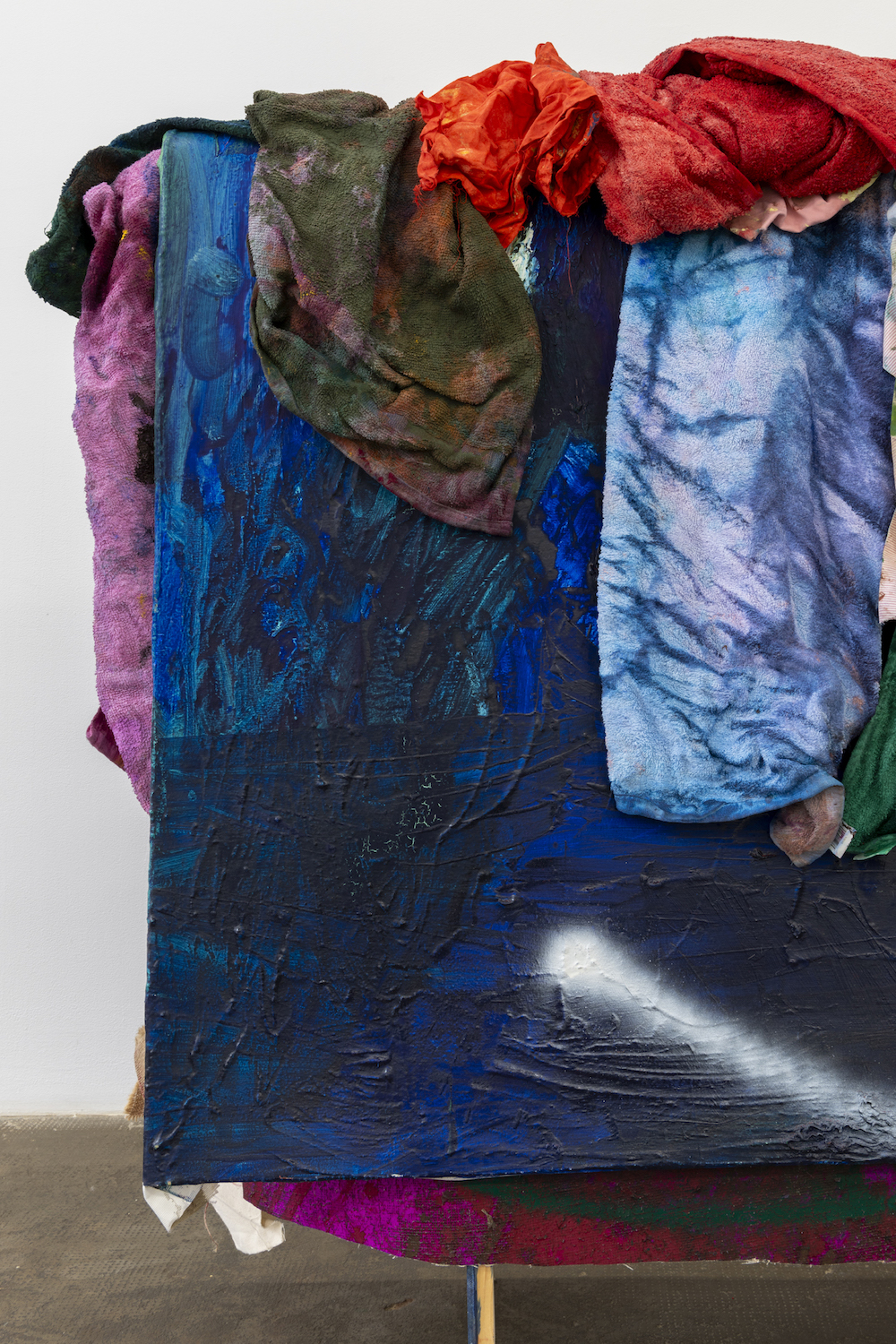
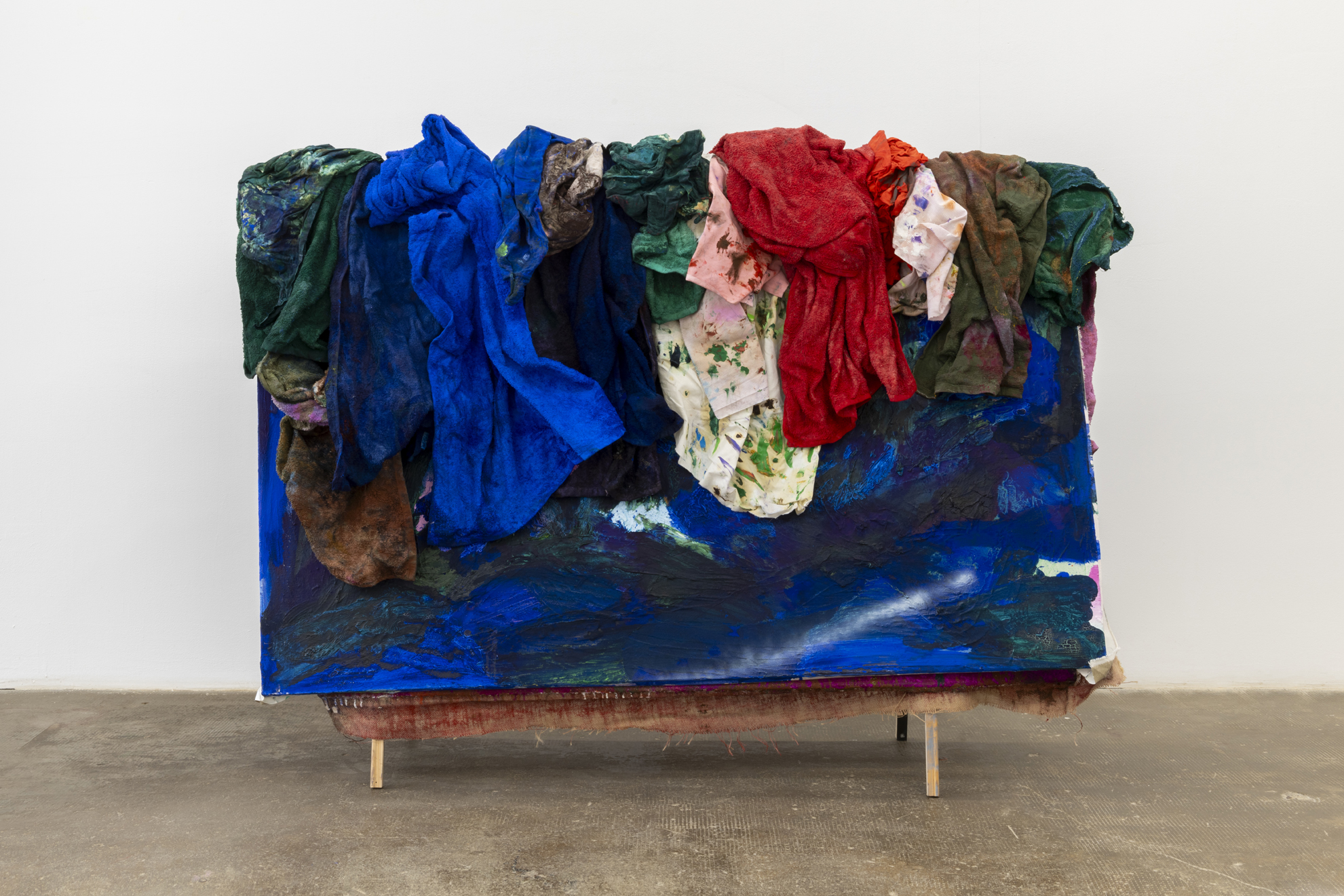
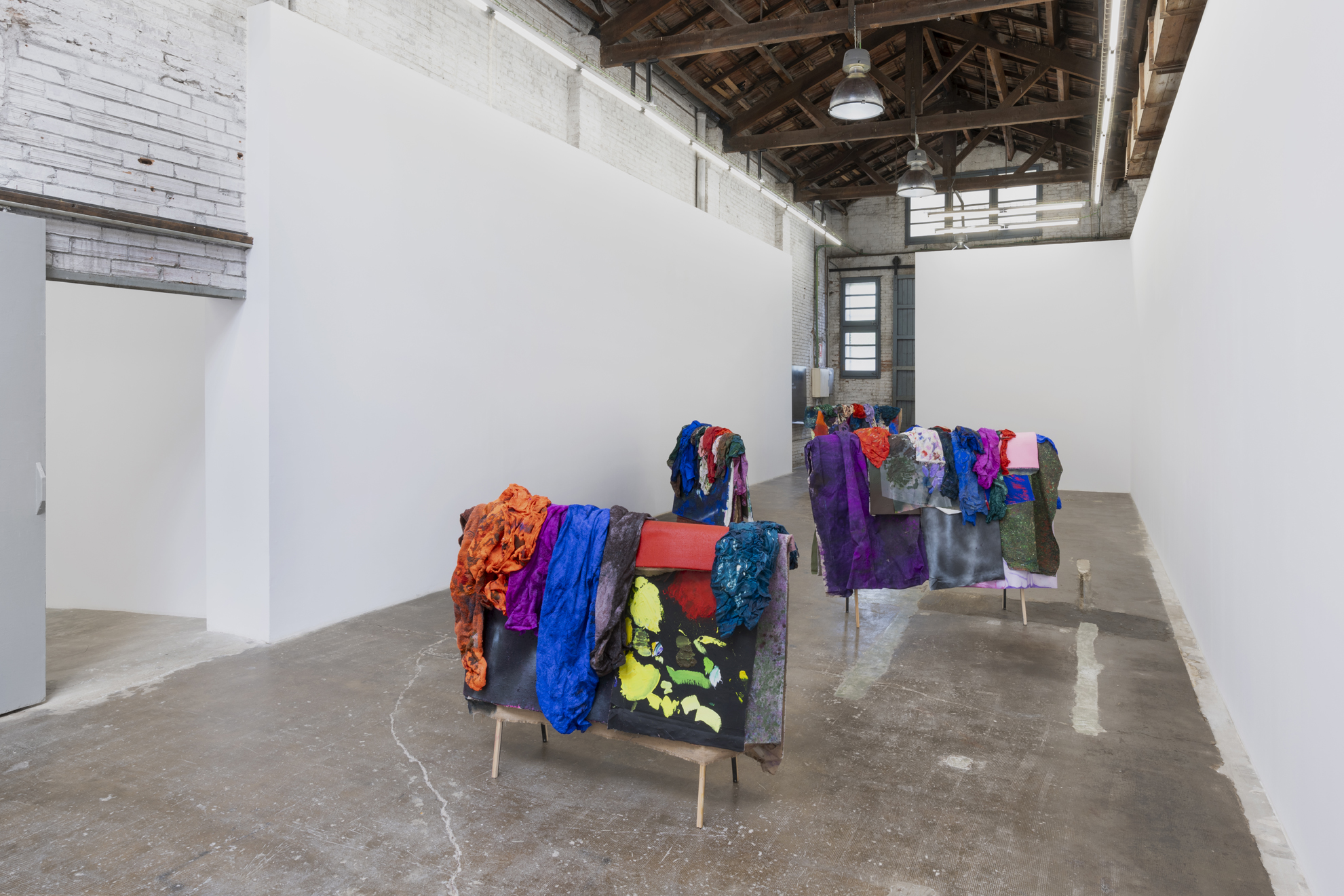
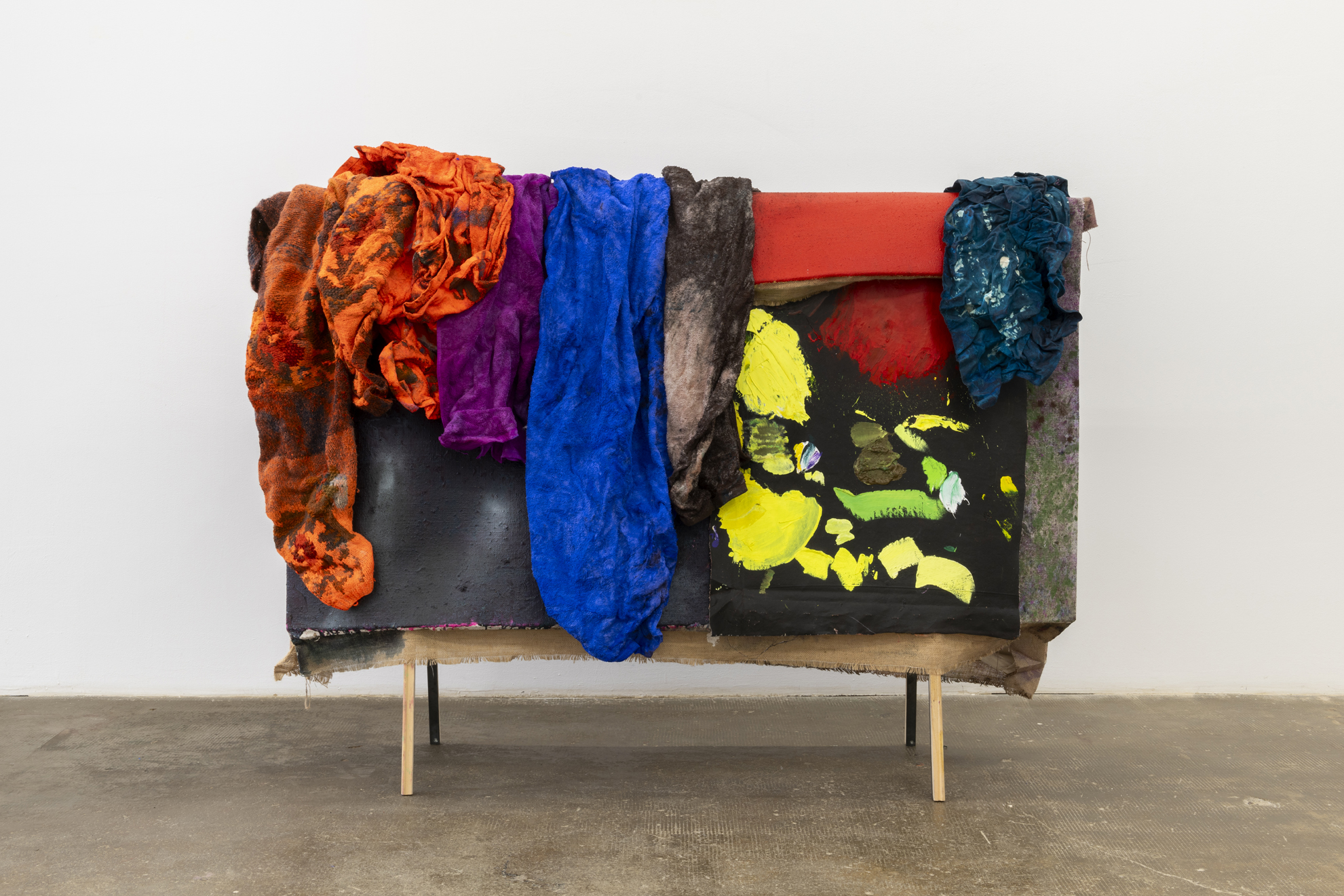
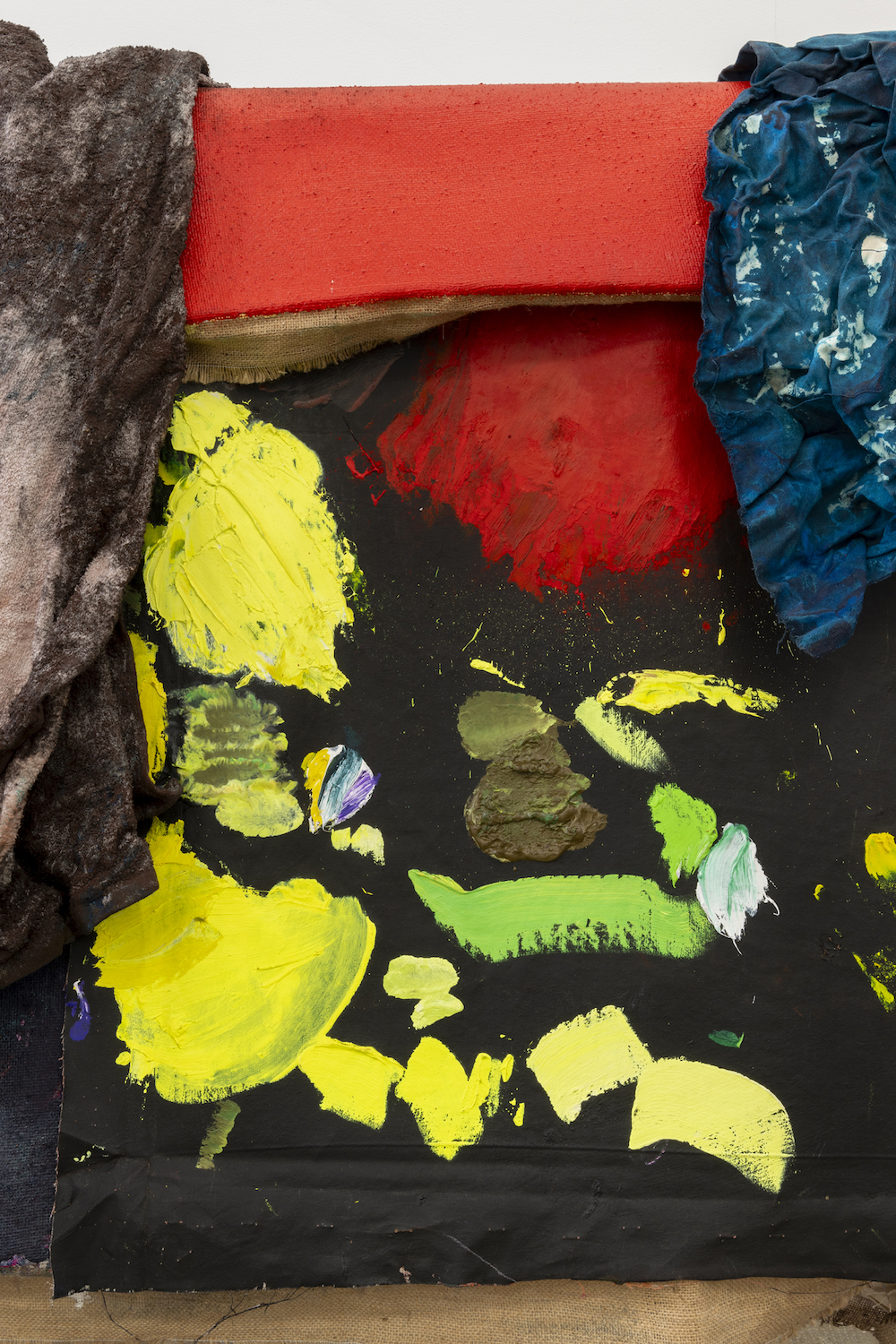
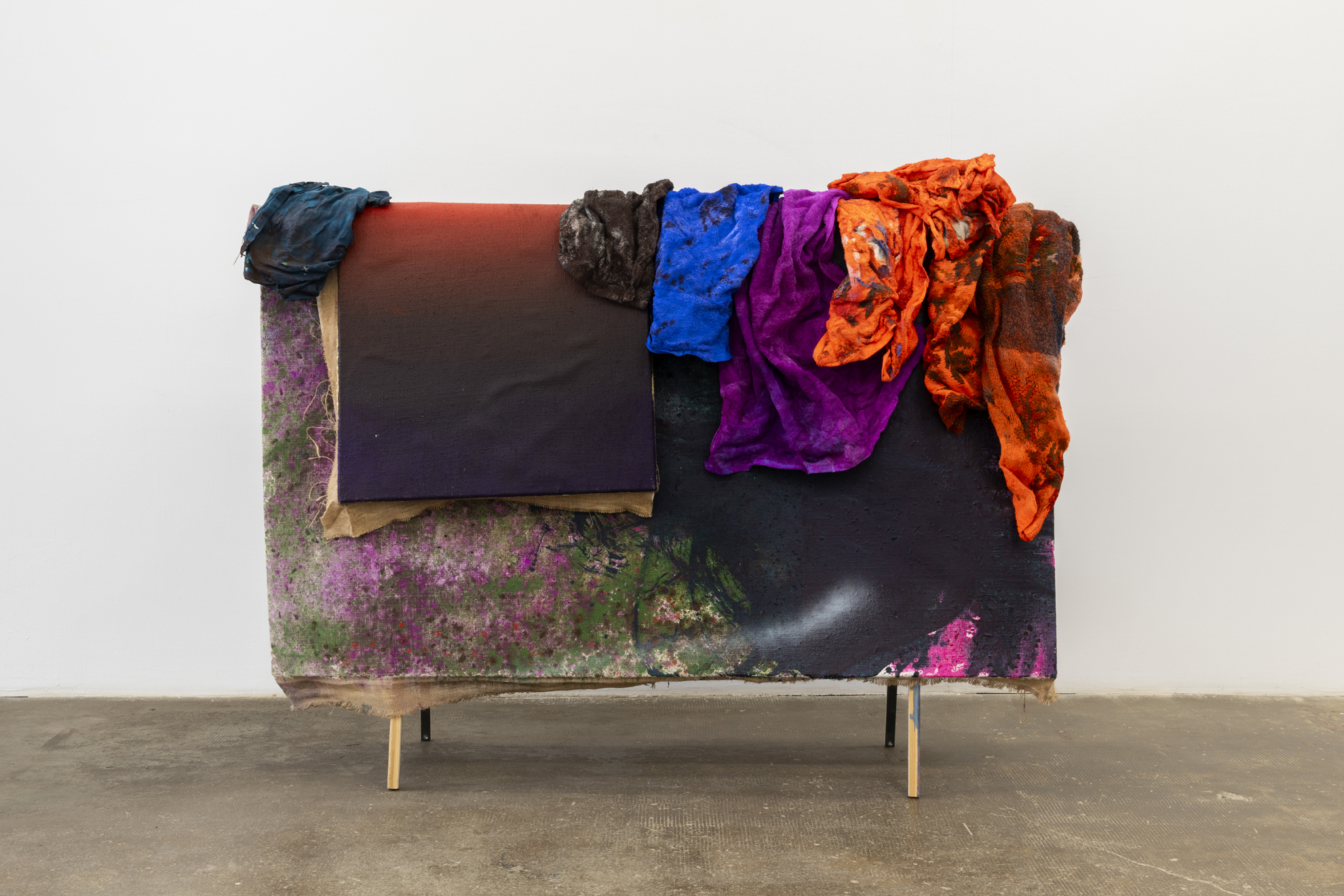
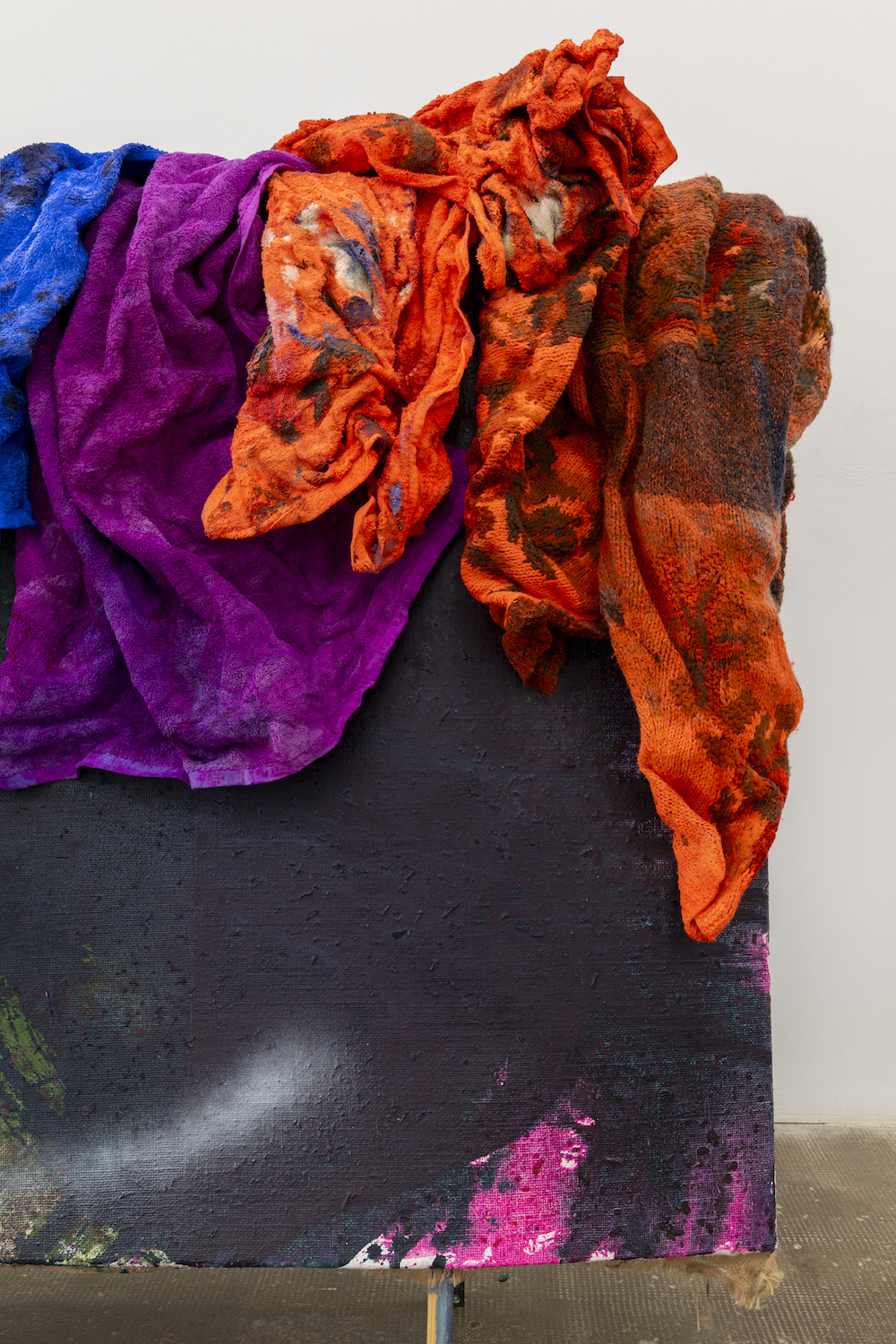
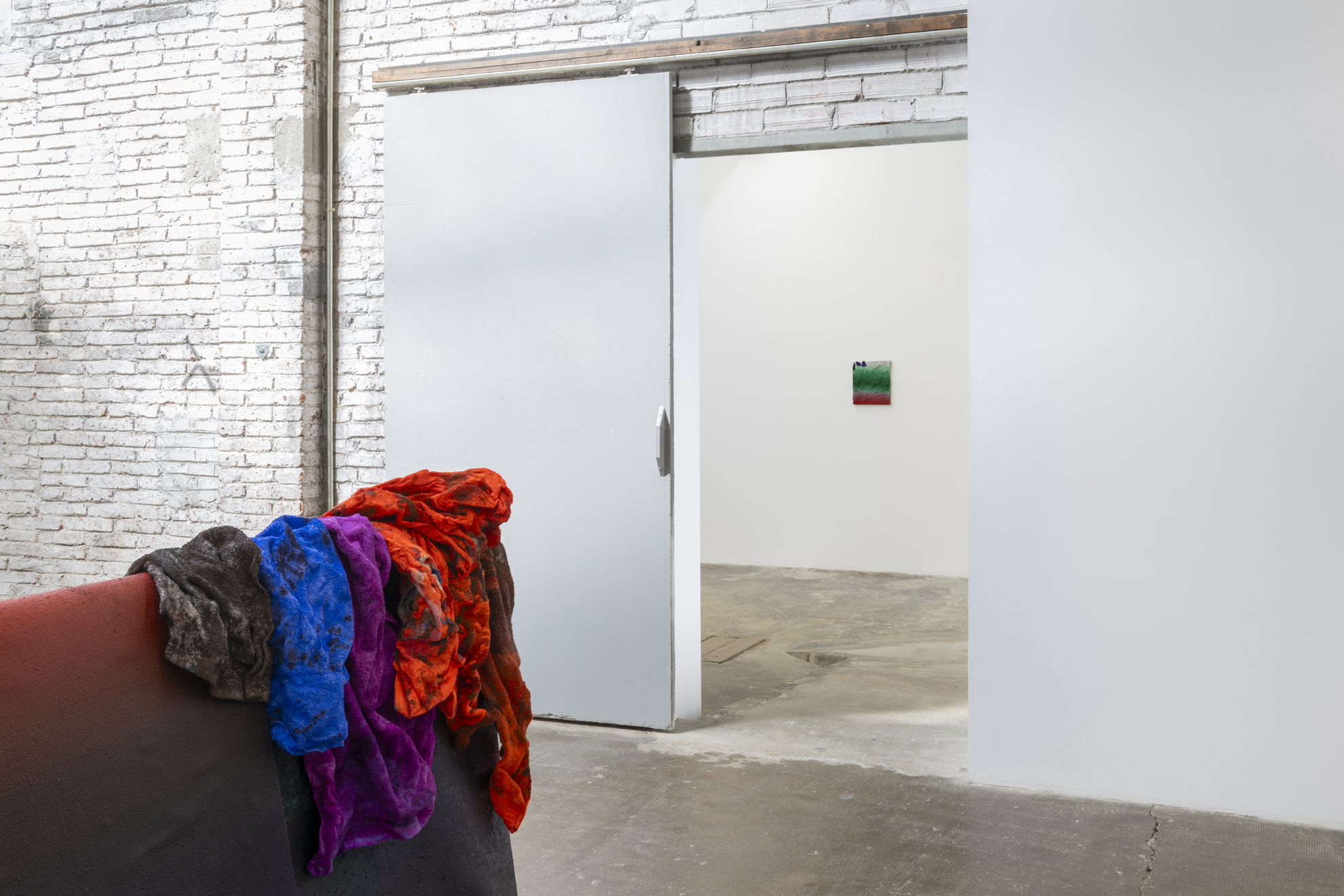
This work opened the path to another series called "Brains," where I pile unstretched paintings, palettes on fabrics or painting rags over wooden trestles I built from old stretcher frames. The layering going on over years and years constitutes a genuine painterly process.I do not see any hierarchy of "major work" versus "by-product". If it is/was part of a painterly process, it is about painting.
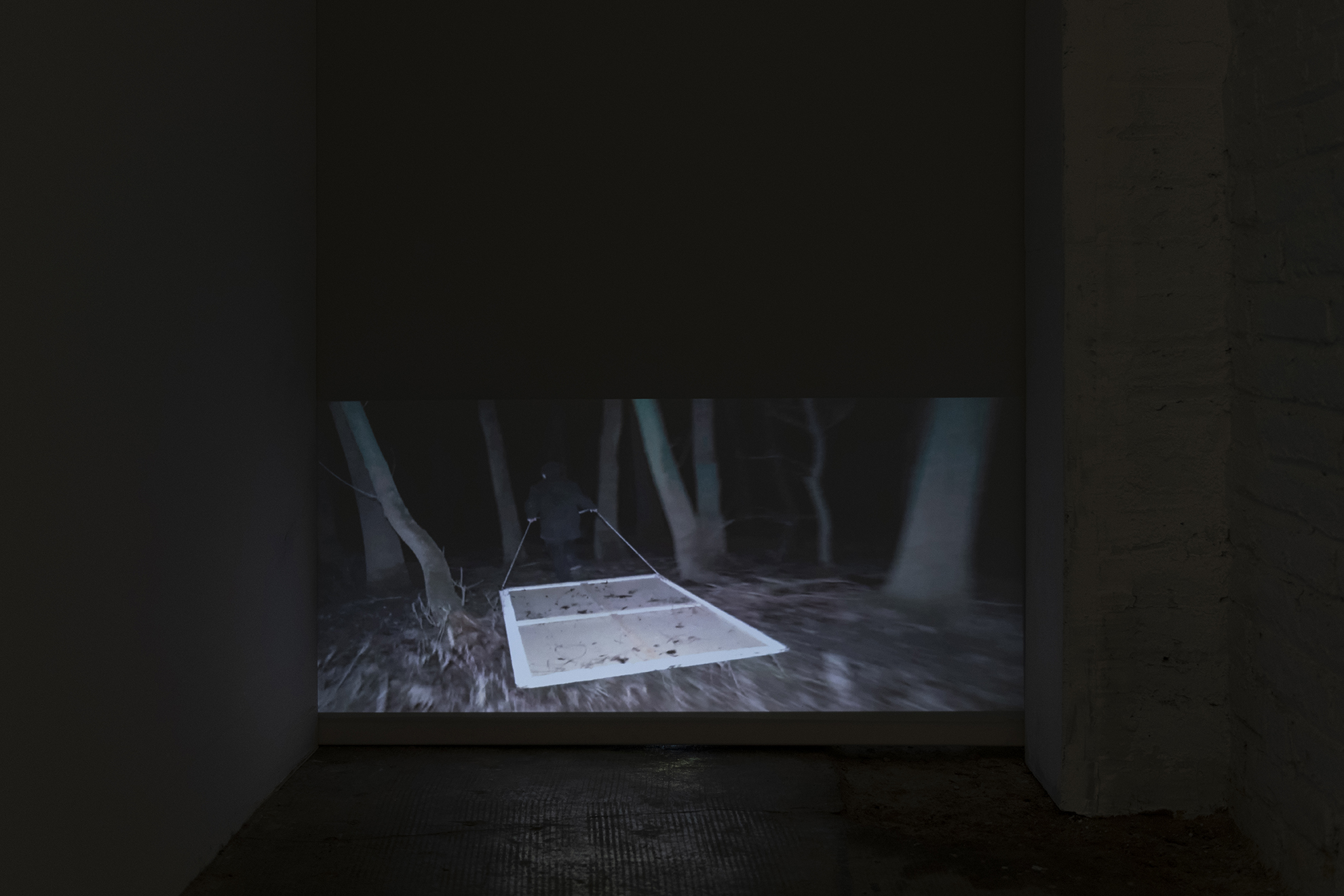
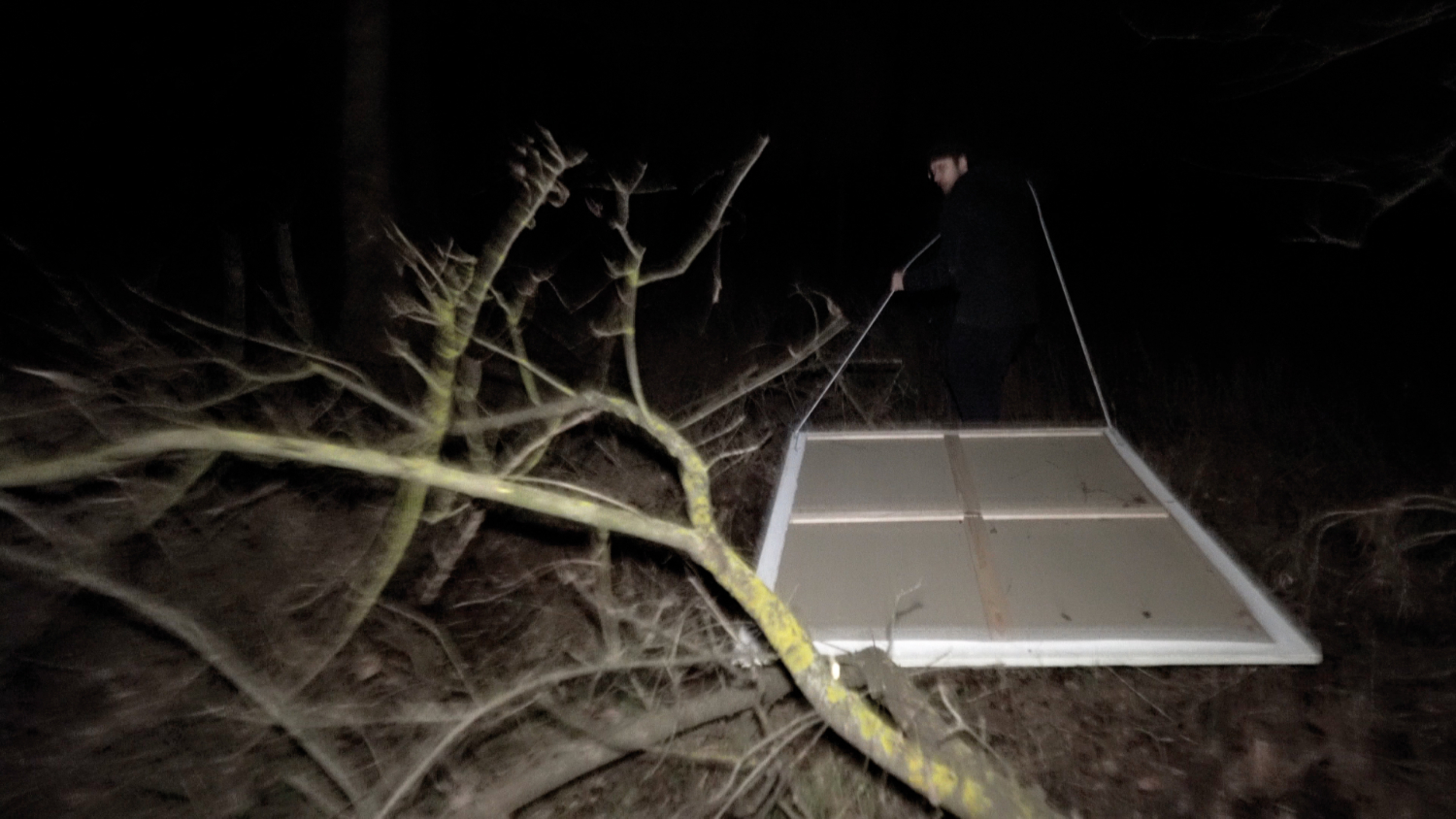
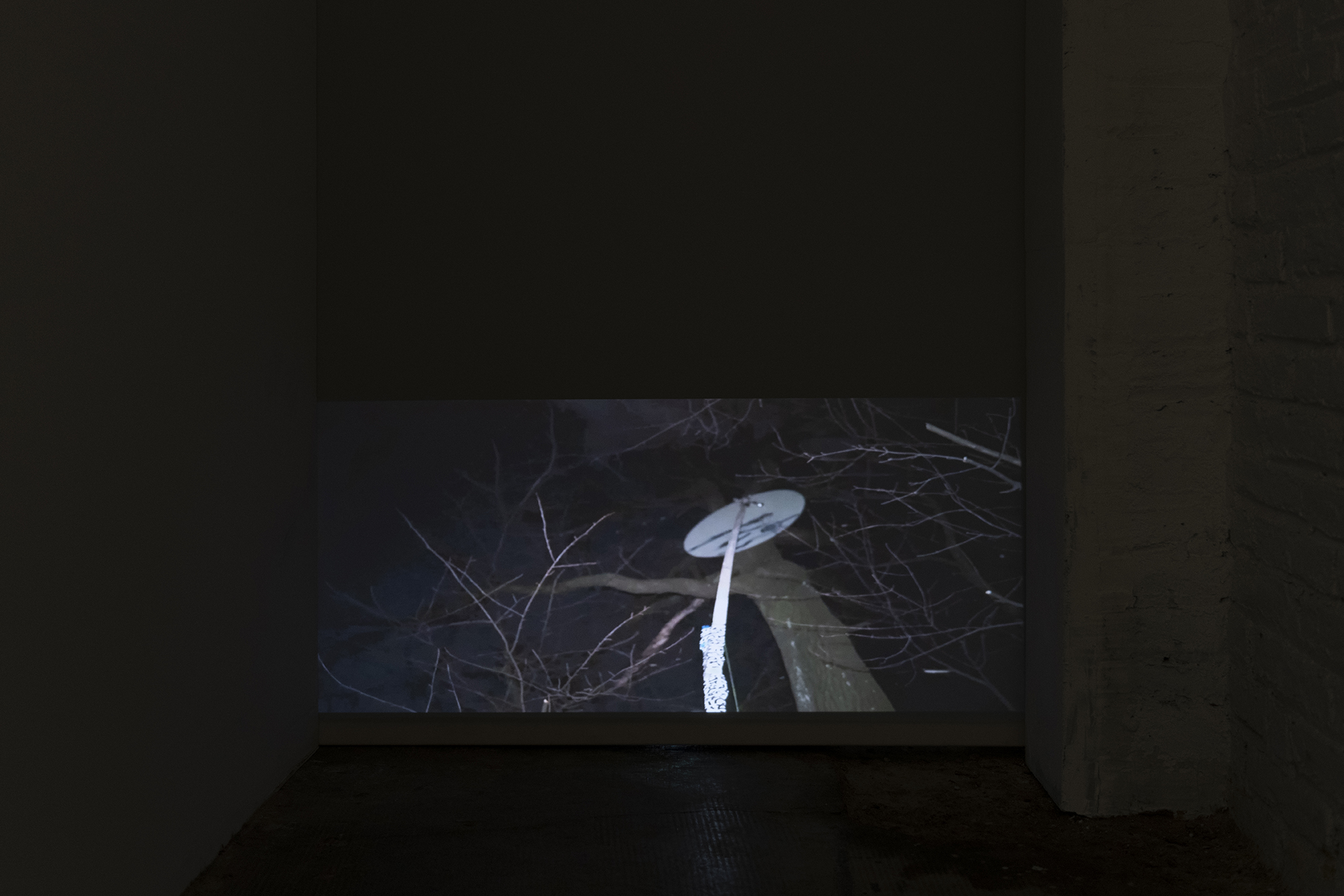
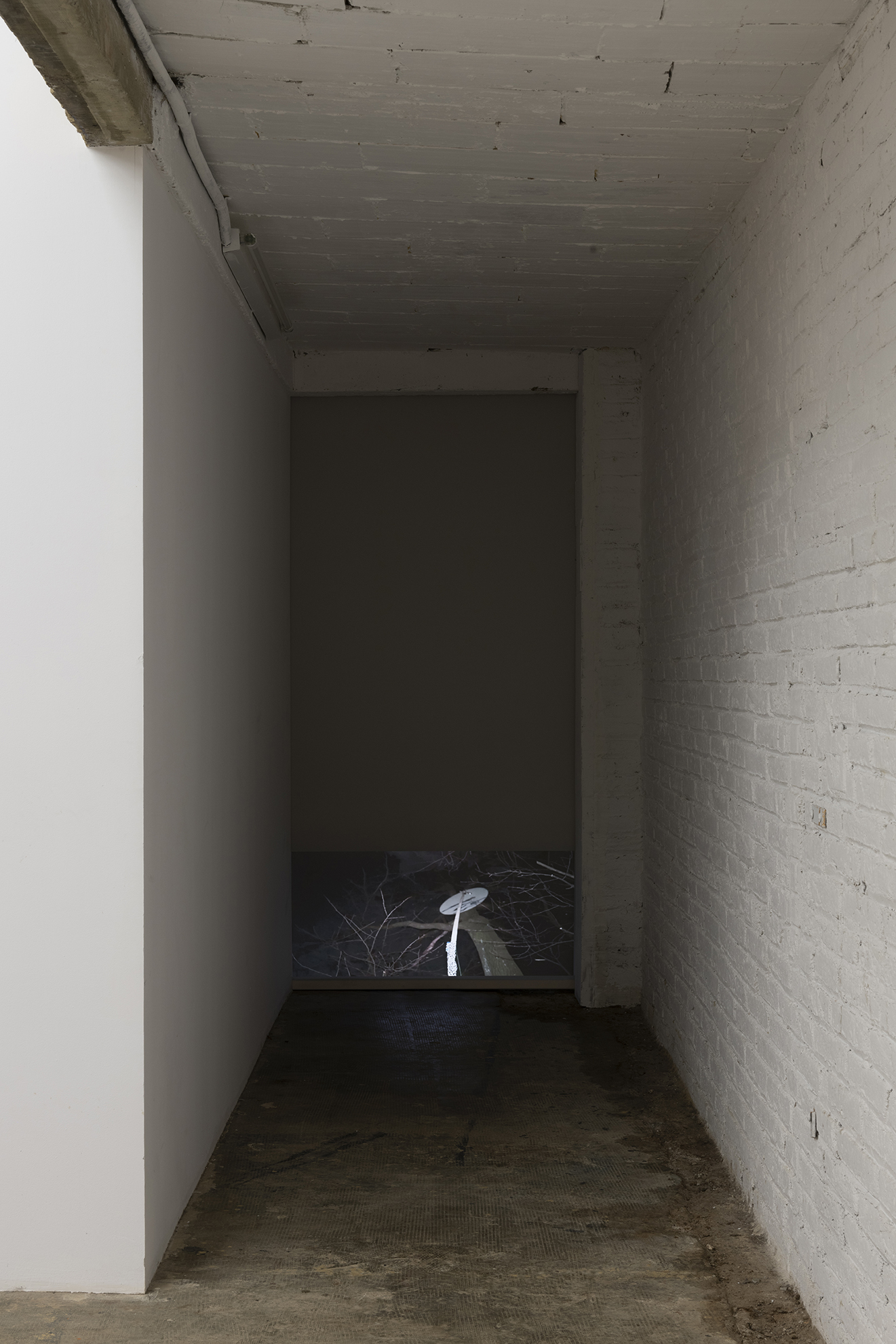
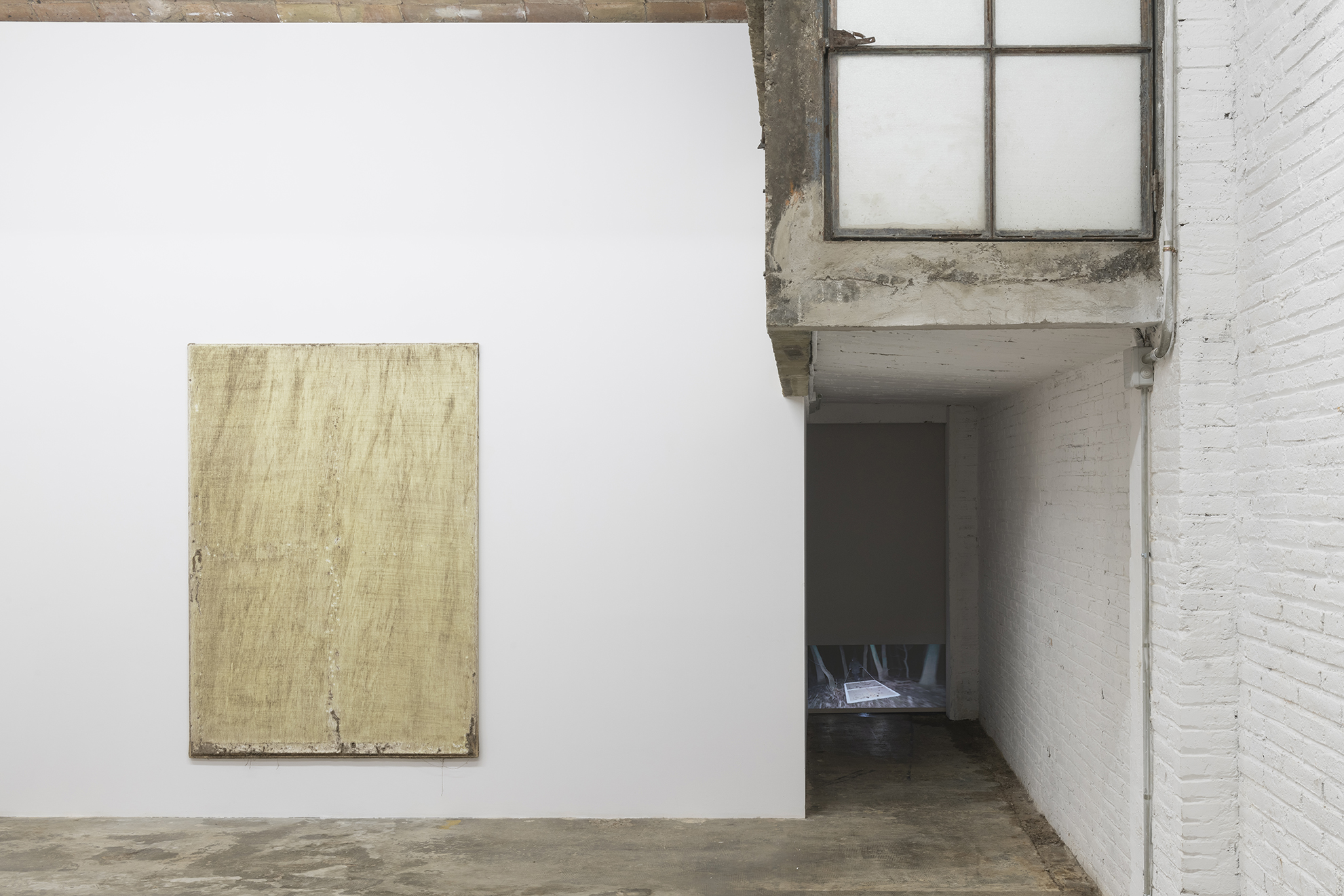
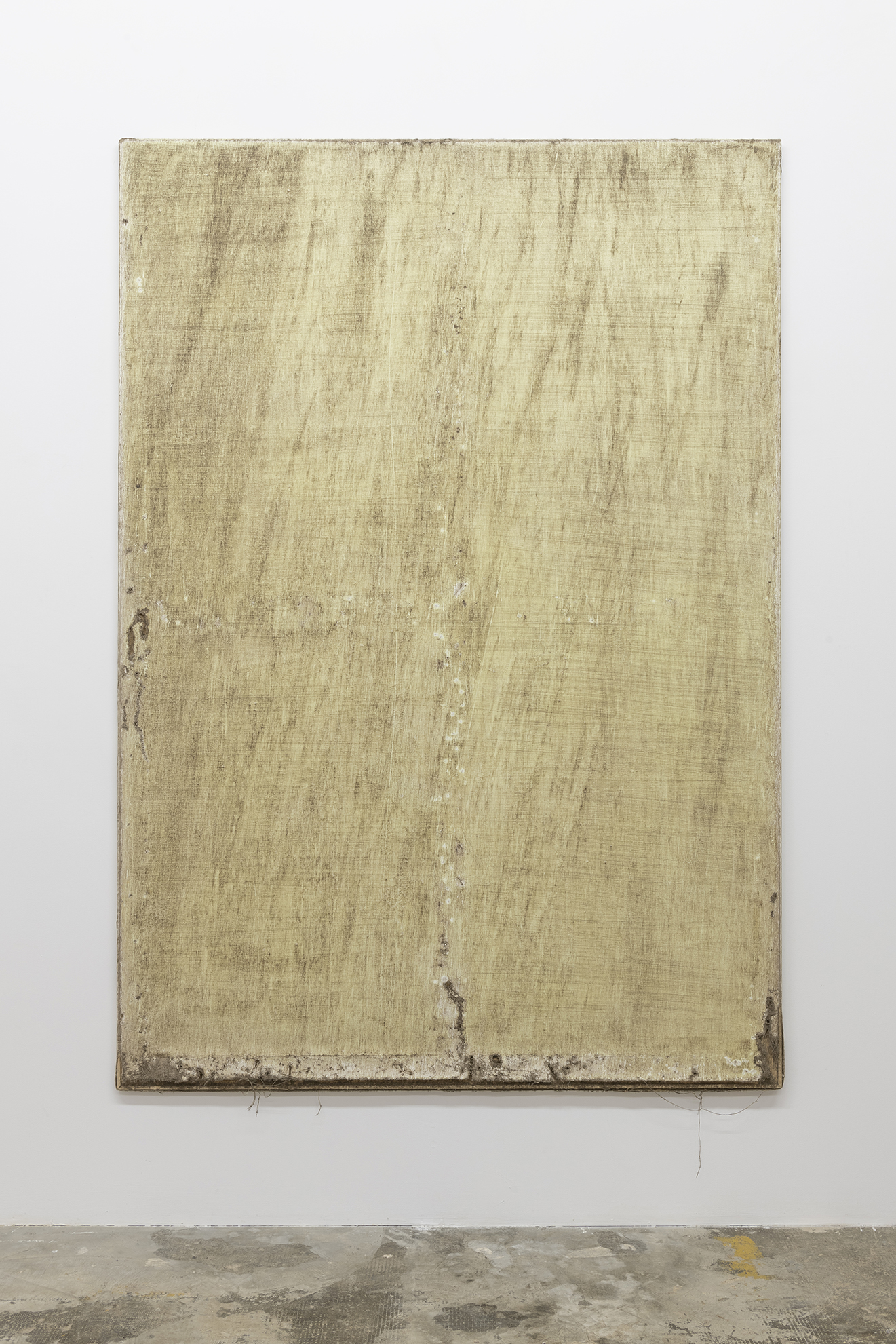
Coming back to the term environment (but not in the way you meant it in the question), by using flowers as paintbrushes I define my environment as a utensil. It is not primarily about painting with flowers, it is more about allowing my motifs to participate in creating a picture. My "Flower Paintings" are painted by and with flowers - I refer to them as assistants, co-producers. They are incorporated into the painterly process as both motif and painting instrument at the same time. This kind of "teamwork" with the motif appears in several other works of mine. Since2009 I have been producing an ongoing series called "Landscape Paintings,"created by and during hikes, where I drag canvases behind me with the resulting traces "creating" the pictures - self-portraits of a trail. "Landscape, go paint yourself, I will show you the way."
In "Thirty-four Figurative Paintings"(2006-2021), I burnt thirty-four figurative paintings to use their ashes as pigment to paint one monochrome painting. Many paintings morphed into one new painting, a process where figurative painting is transformed into abstract. One does not see, what can no longer be seen, as one does not know, how these paintings looked like.
Why do you value chance in painting?
I am trying to paint painting.
Painting painting. Painting as action. Painting as performance.
To me painting is primarily a verb, nota noun, an event first and only secondly a work of art. There is always a performative element in painting and a painterly element in performance. I understand painting as a playful time with a surface. Paint, paint, paint, and painting will do the thinking. Not to be able to control the whole process, this is what really makes it interesting.
It is good to have a springboard, maybe an idea or a direction, but it is not good to have a ready-made solution in mind. Painting is about action and reaction, patience, and courage.Experimenting and exploring is my main enjoyment in making art. I want to create chances. Let colours play and live their own lives. The painter's job is to discover the compositions and stop the process at the "right" moment.Construct, deconstruct, stick on, nail on, cut out, paint over, there is nothing right or wrong, there is no rule, no recipe. I try not to force a painting to have a specific motif. Each painting has its own character and its own life. I do give certain directions, but they are changing over the course of the process. Labour and wait.
Are you ever unhappy with the results of chance in your work? If so, what do you do in a scenario like this?
Experimenting includes struggle, of course. Experimenting is not a safe place. It is not much different from life.With experimenting you risk "failing", but one can fail only if aiming for a certain goal. I often let myself drift and will spontaneously decide about the next move.
I'm aware that you use self-made tempera and acrylic colors. When did you start making your own paint and why? What does the production process look like for you?
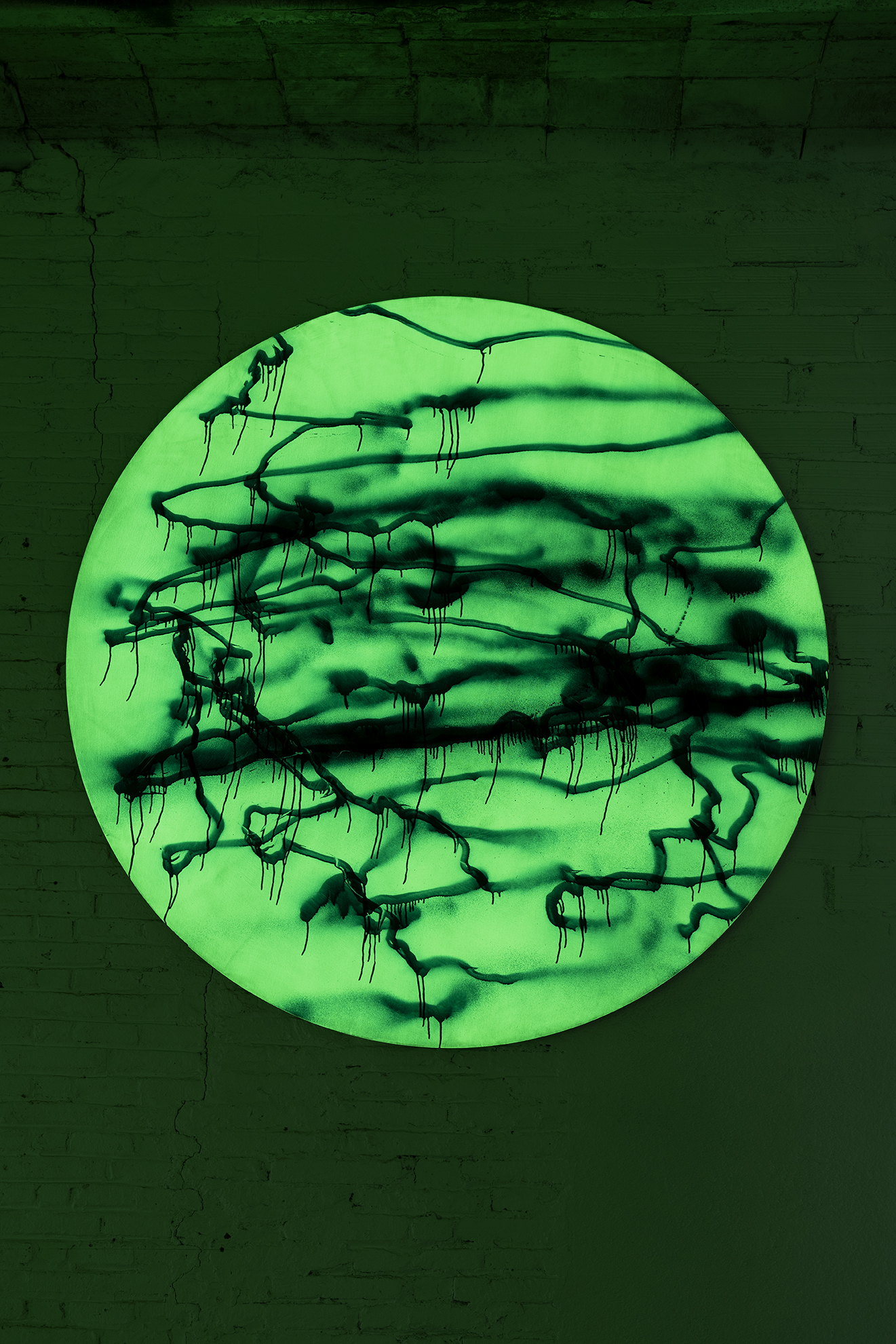
I use all kinds of paint - oil, acrylic, tempera, water colours, house paint, spray paint... I am addicted to colours, so I experiment with everything which might work for my current project.
Each paint has its advantages and disadvantages. Before I started producing my own tempera and acrylic paint, I thought oil is the ne plus ultra. Ready-made acrylic paint often has this typical glossy and "cheap" look. When you mix paint yourself, you can control the intensity much better. More often than not, I prefer the outcome to over-the-counter-products. I started doing it because I needed a bigger amount of specific paint for several projects than available in art supply shops. The colour intensity of self-made paint is unparalleled. Some tones are just breath-taking. But it is a lot of work producing them and cleaning all the mixing pots afterwards is a nightmare.
Lastly, what is your favorite part about being an artist?
Doing things with paint.