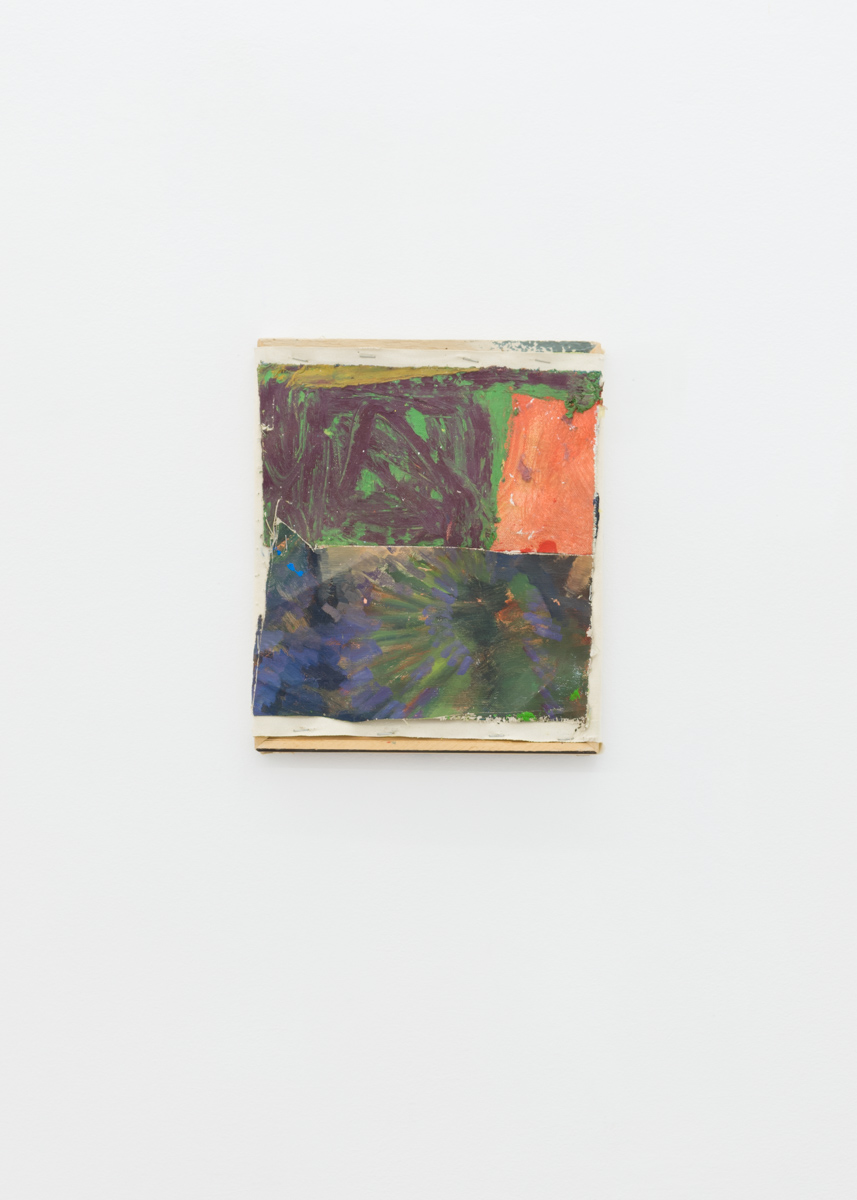
Rainer Maria Rilke published the two volumes of his New Poems a year apart, in 1907 and 1908. These books correspond to a period in the poet's life that was profoundly marked by the influence of Auguste Rodin, and they aim to offer an objective description of the contemplated object. Consequently, Rilke would call the compositions in both volumes "thing-poems", thus writing one of the earliest texts on the modern obsession with the object.
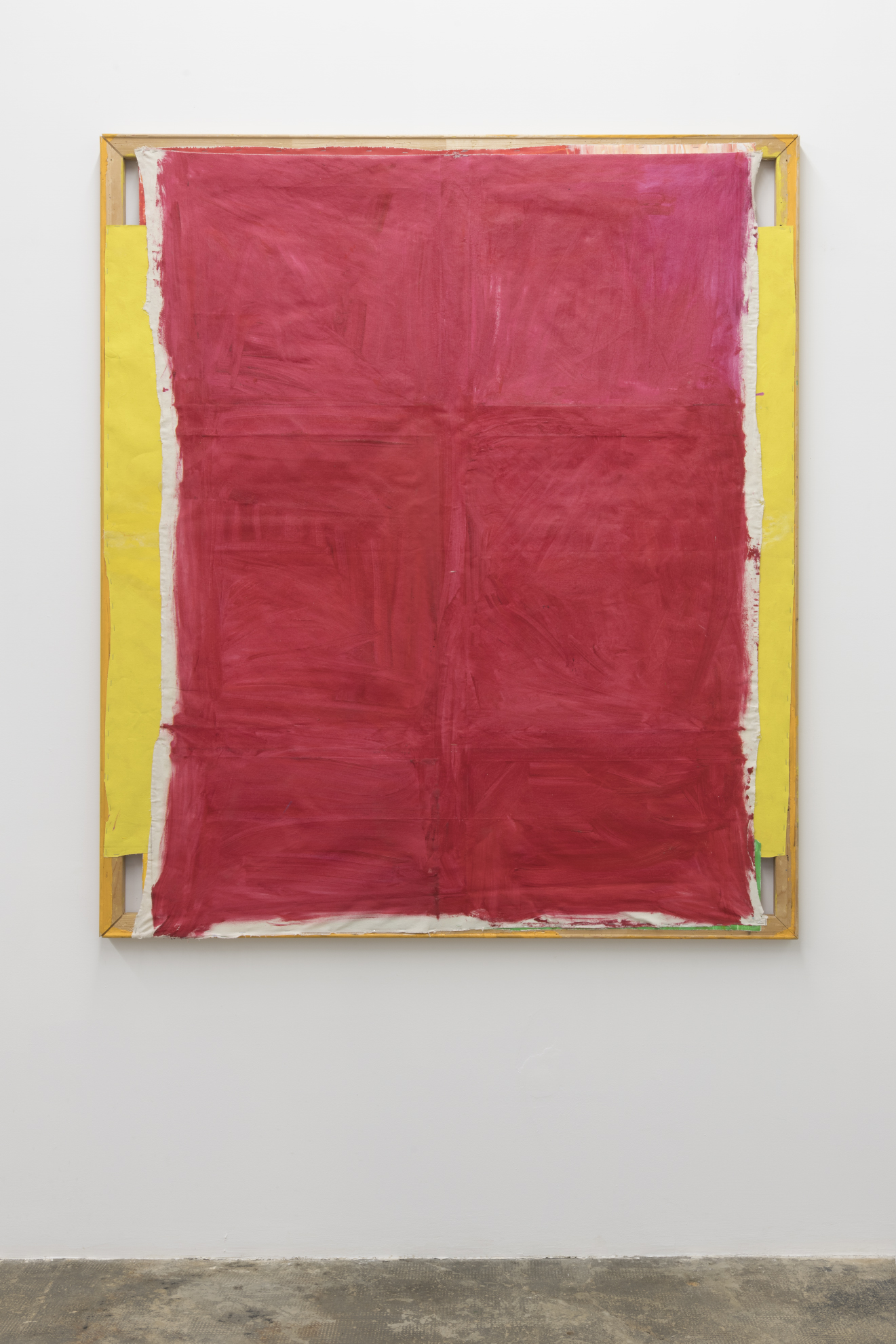
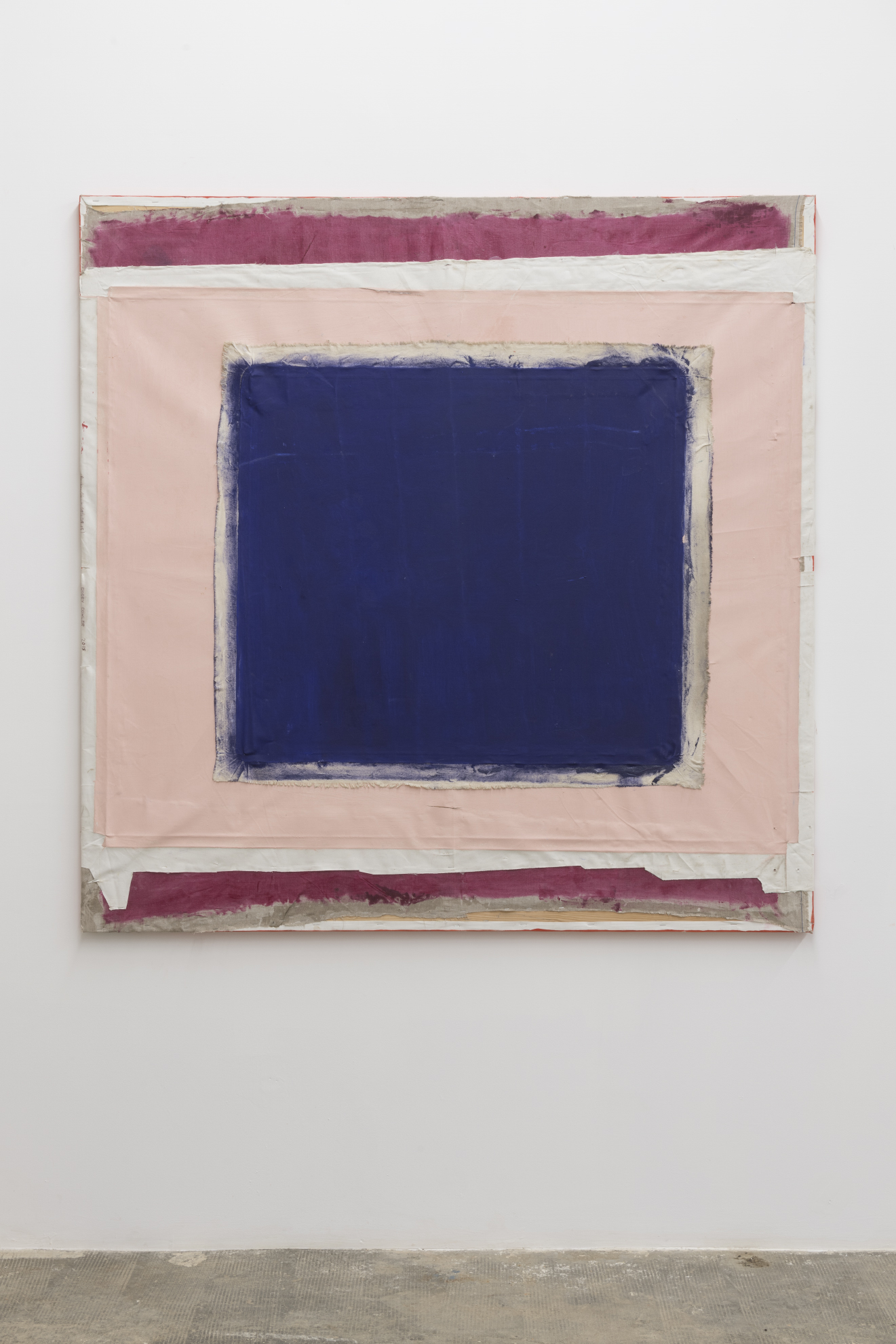
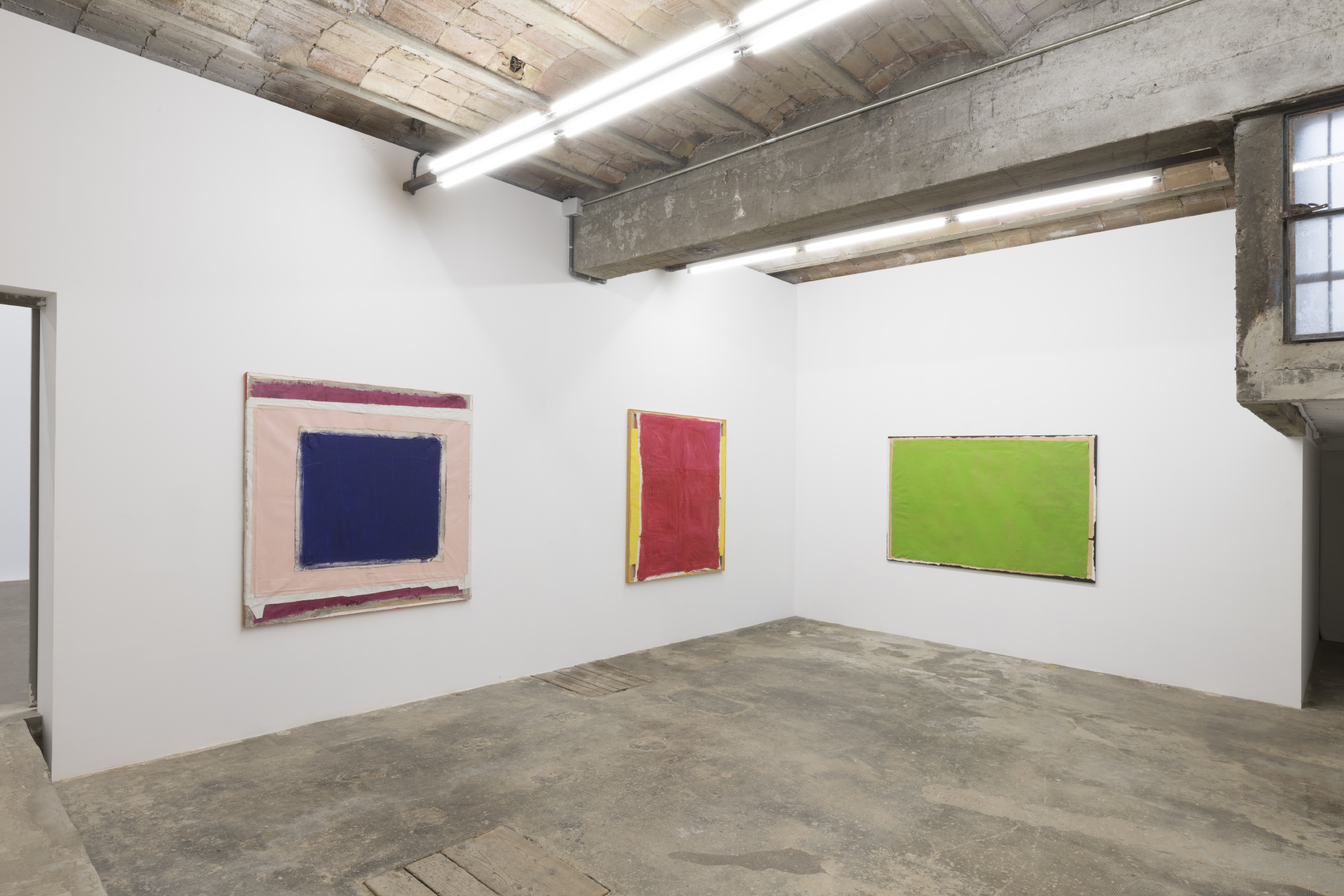
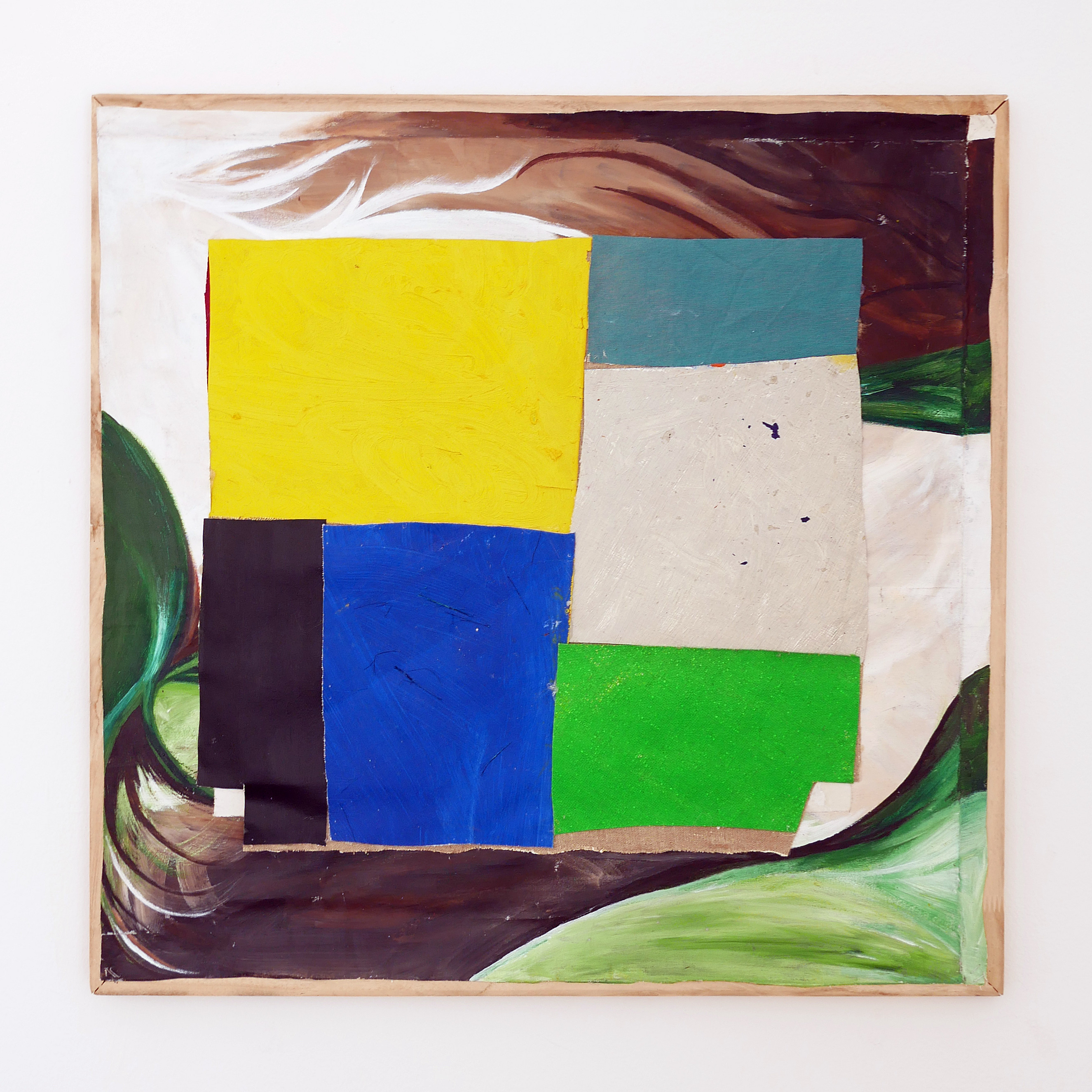
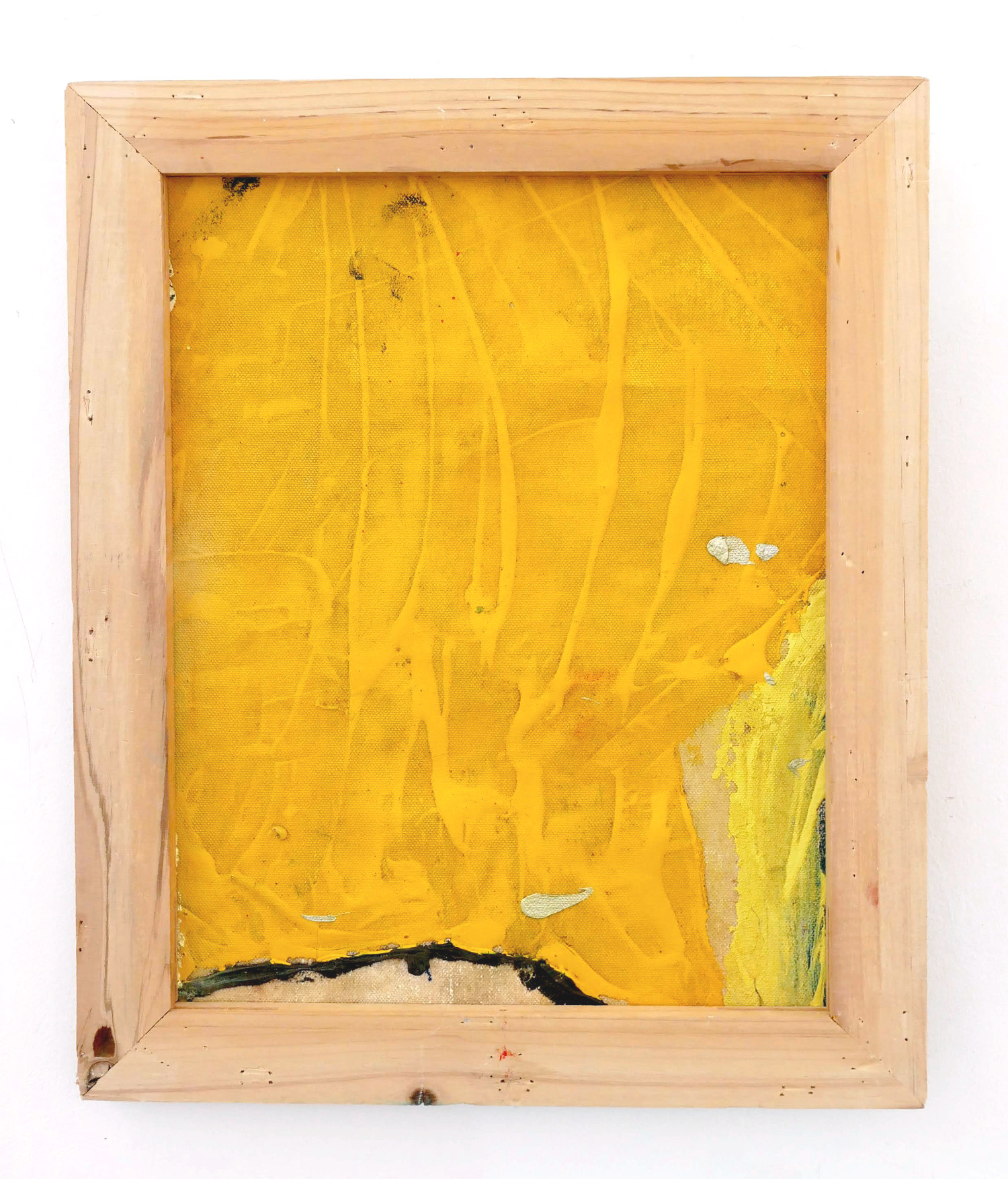
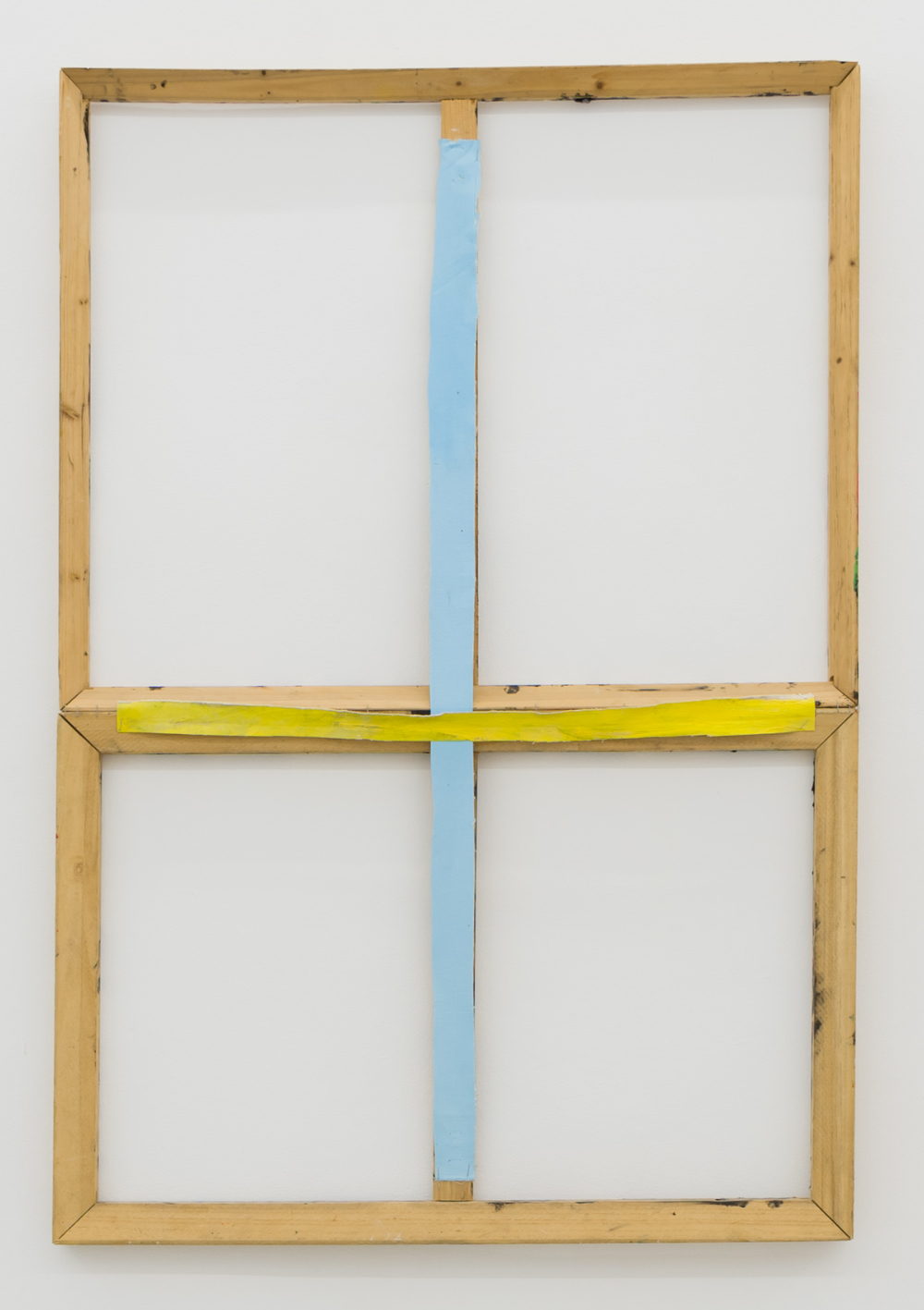
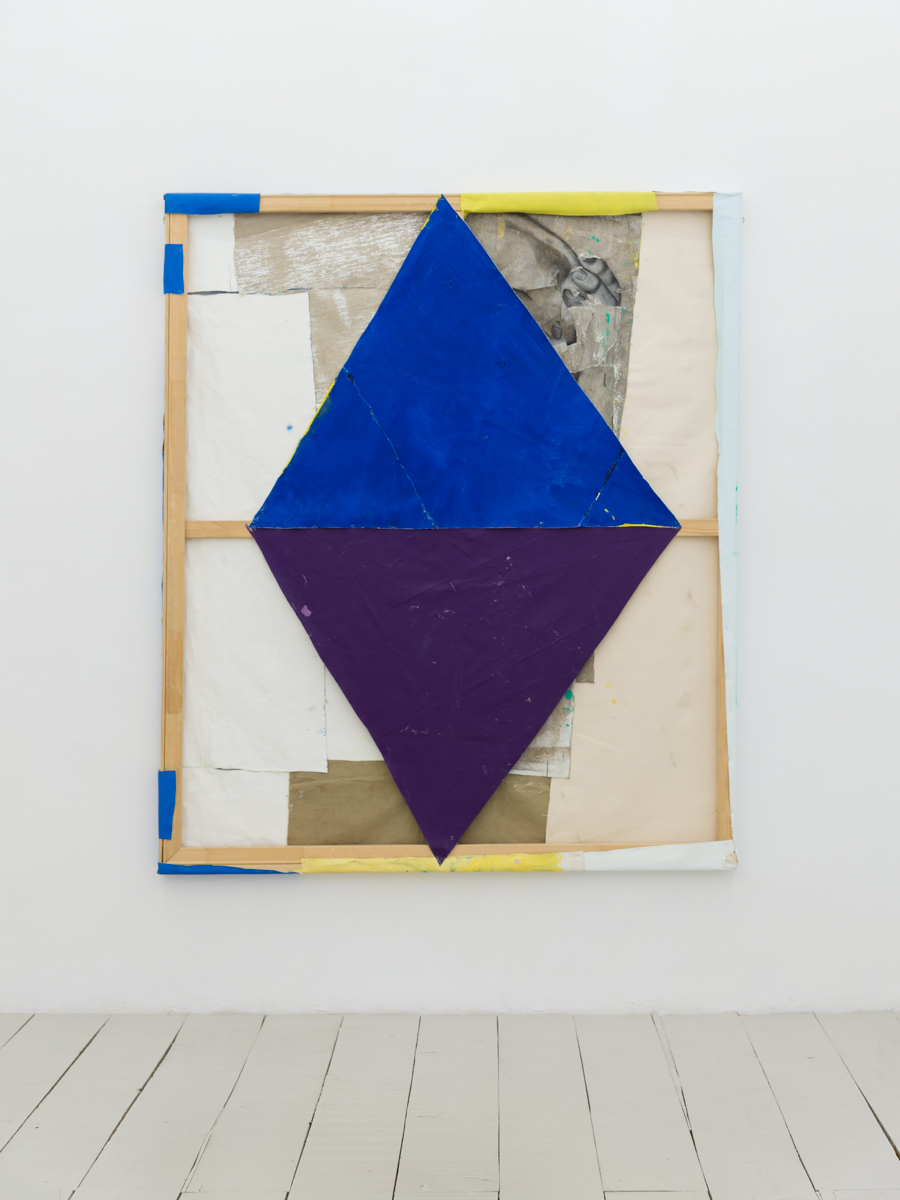
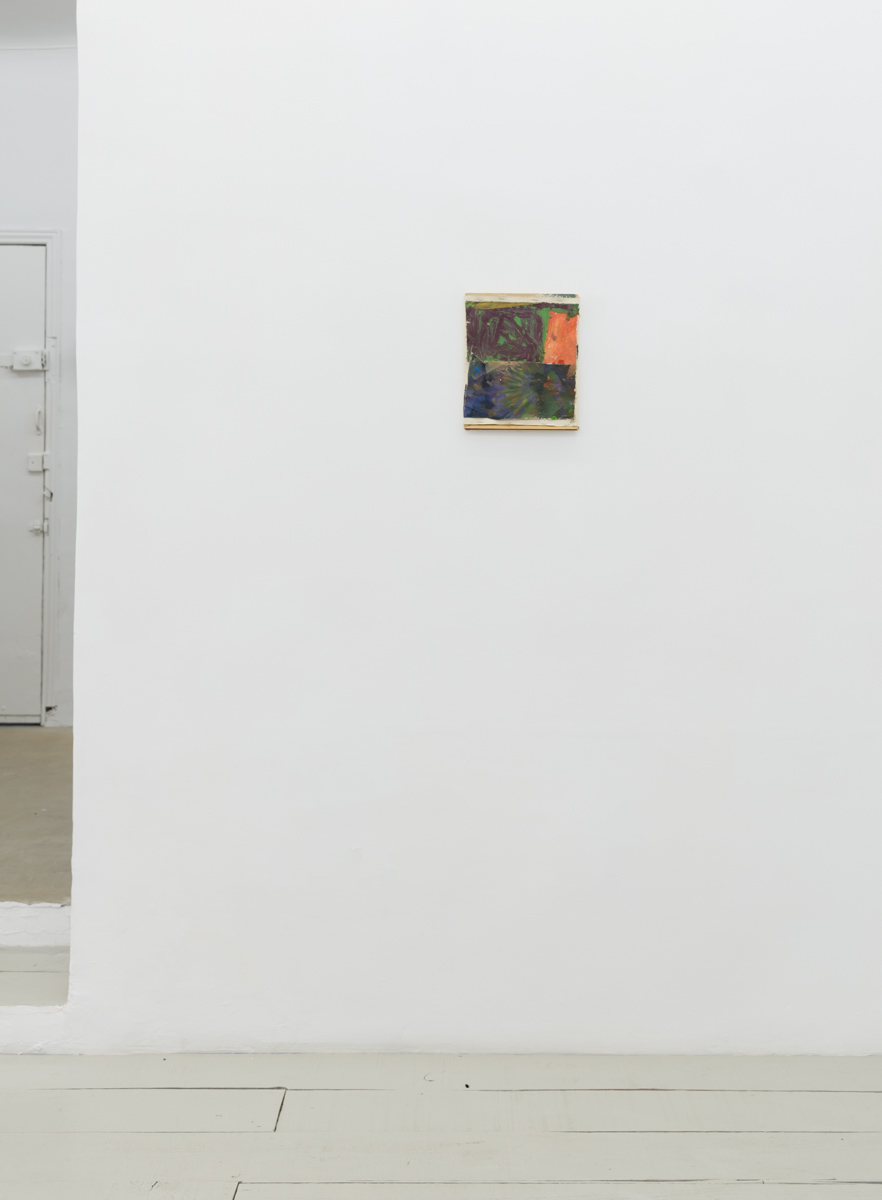
Over a century later, this obsession continues to resonate in the work of British artist Bobby Dowler (1983, London). The artistic practice of Dowler, who coined the term "painting object" to refer to his own works, has always been notable for its central focus on materiality itself. Thus, the large colour fields deployed in his work have been defined, to date, by what has already been painted on recycled canvases. A game of compositions, determined by strategies of assemblage, cutting and overlaying. His works are, primarily, things, stuff; as such, they claim a physical space of their own. The role they play as works of art can be debated, but not their presence, which imposes on the spectator much like a manifesto, a crossword or a sudden outburst.
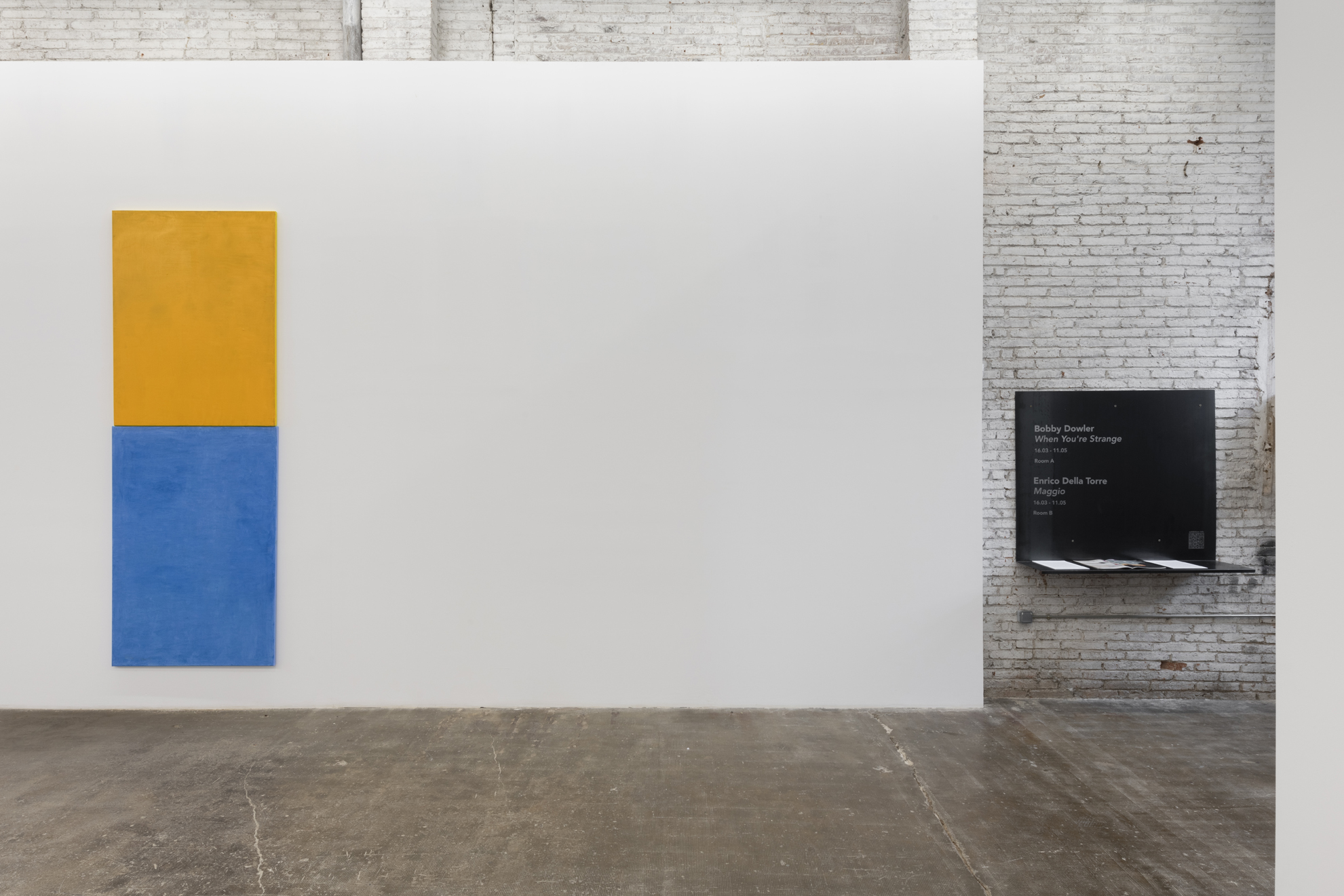
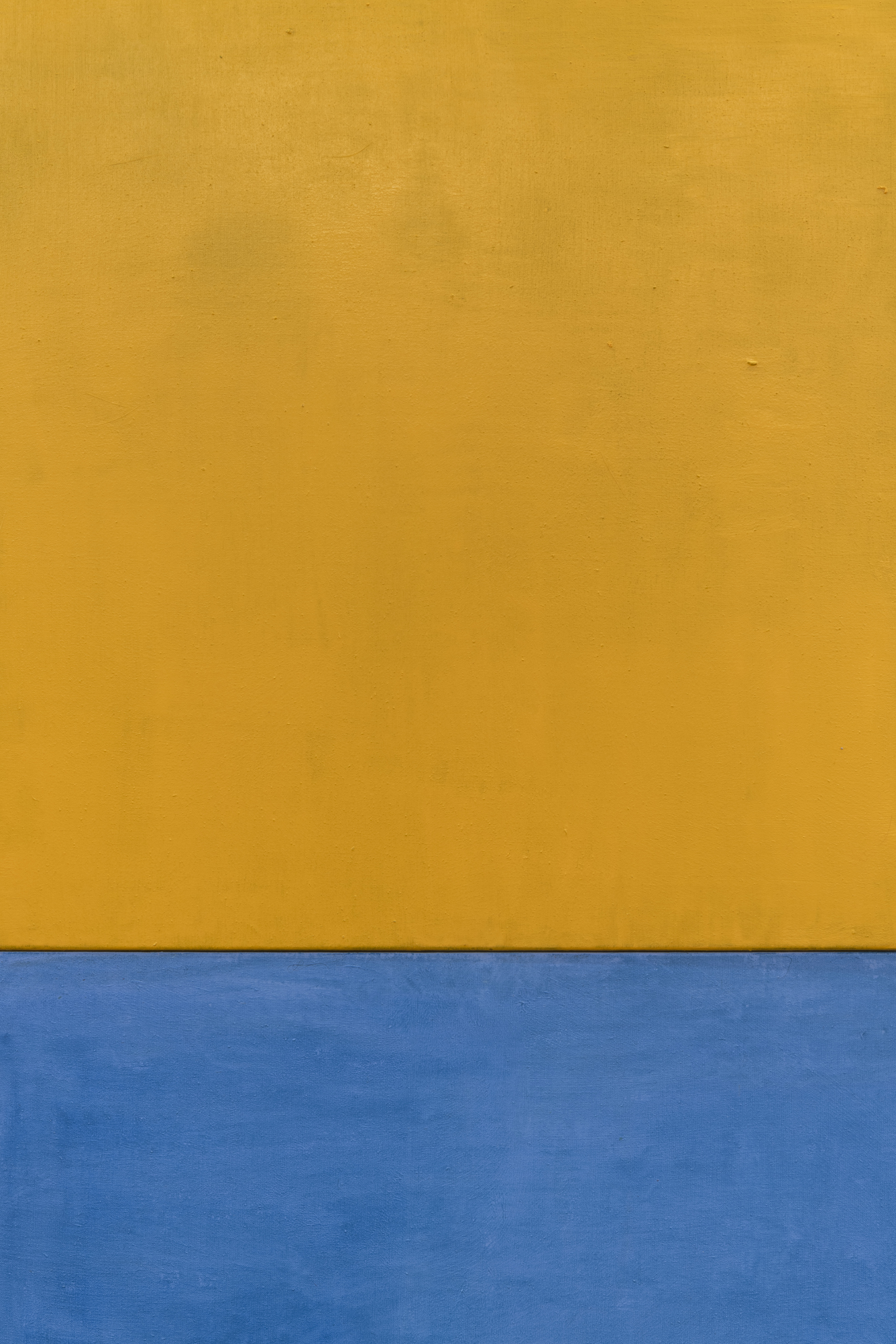
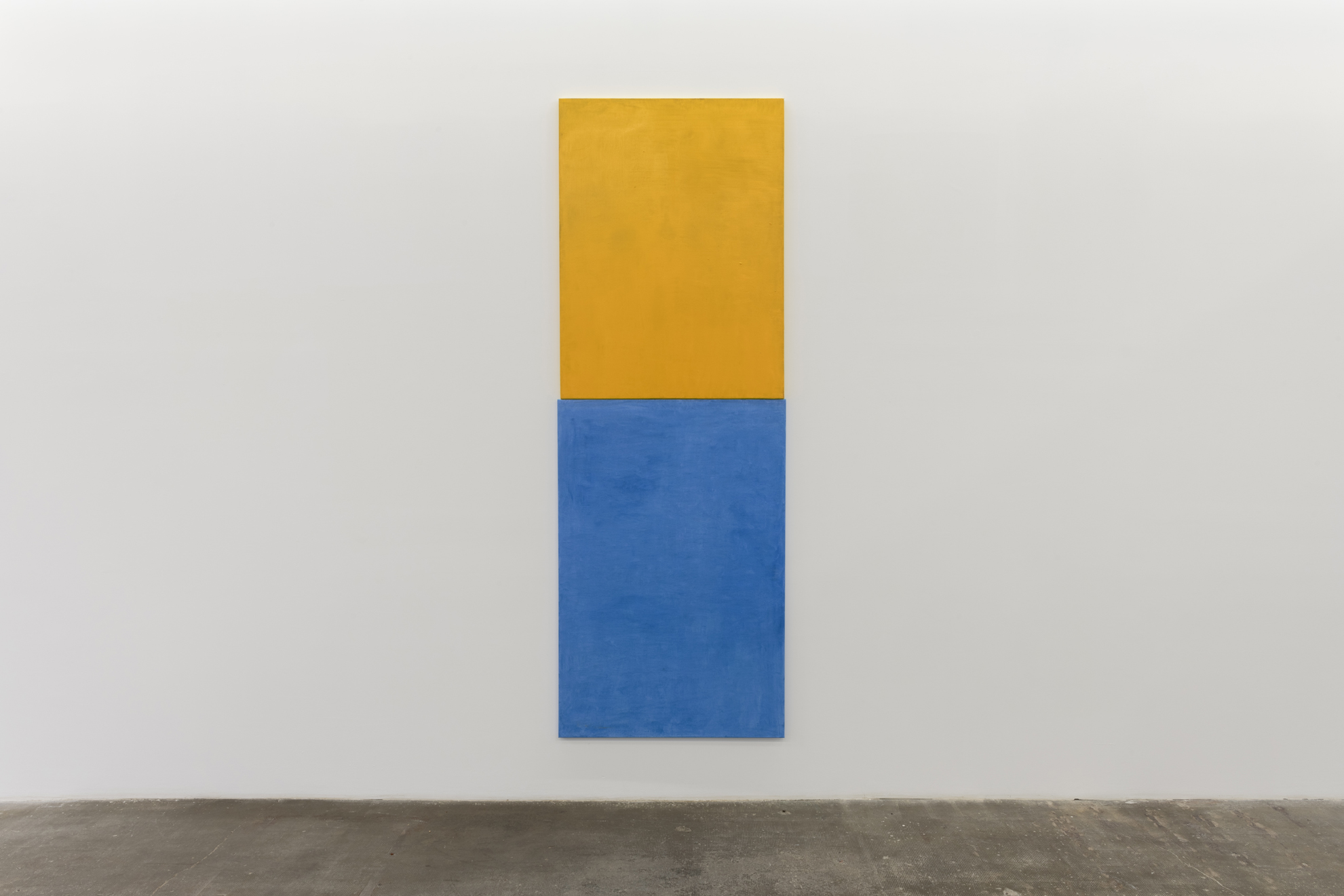
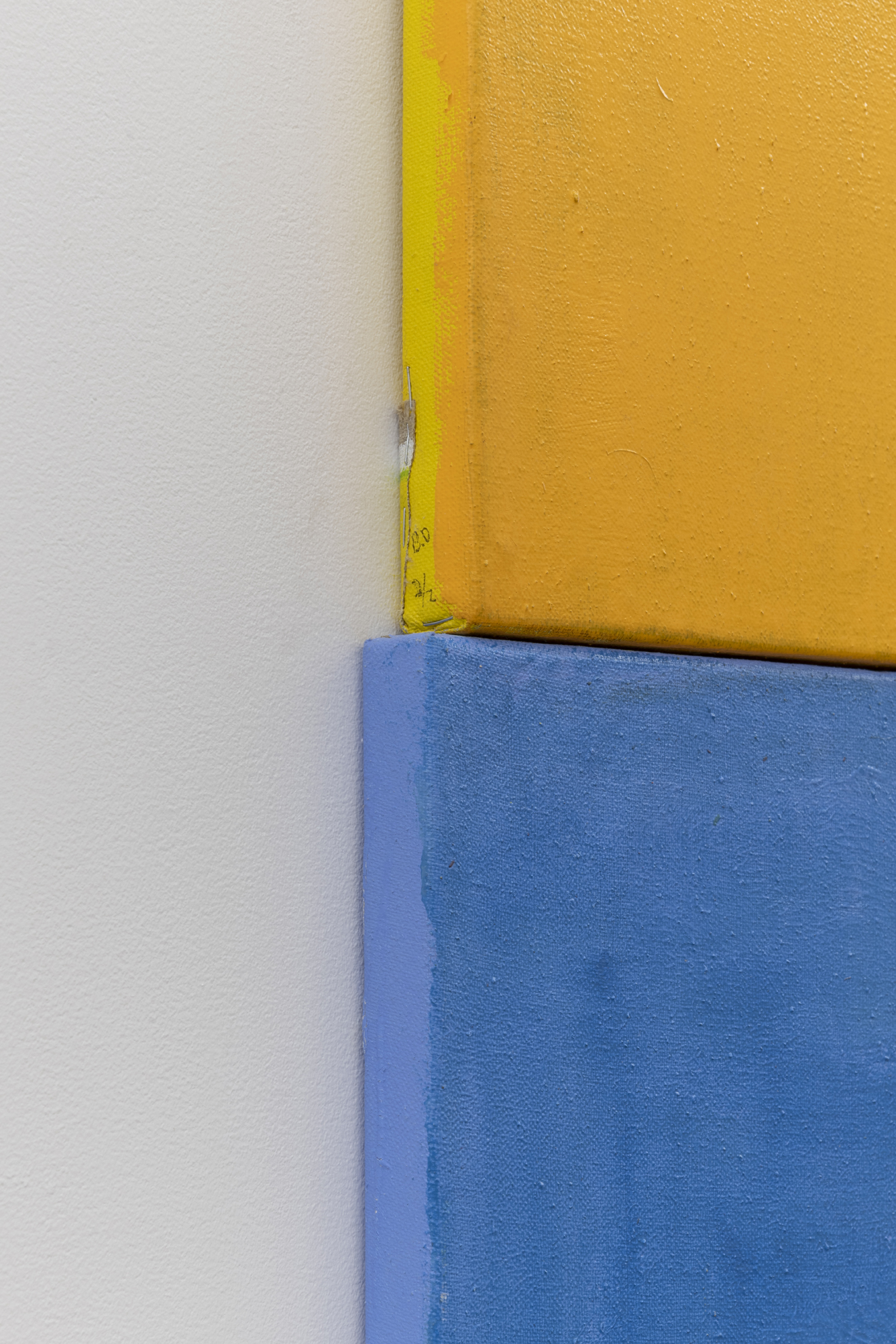
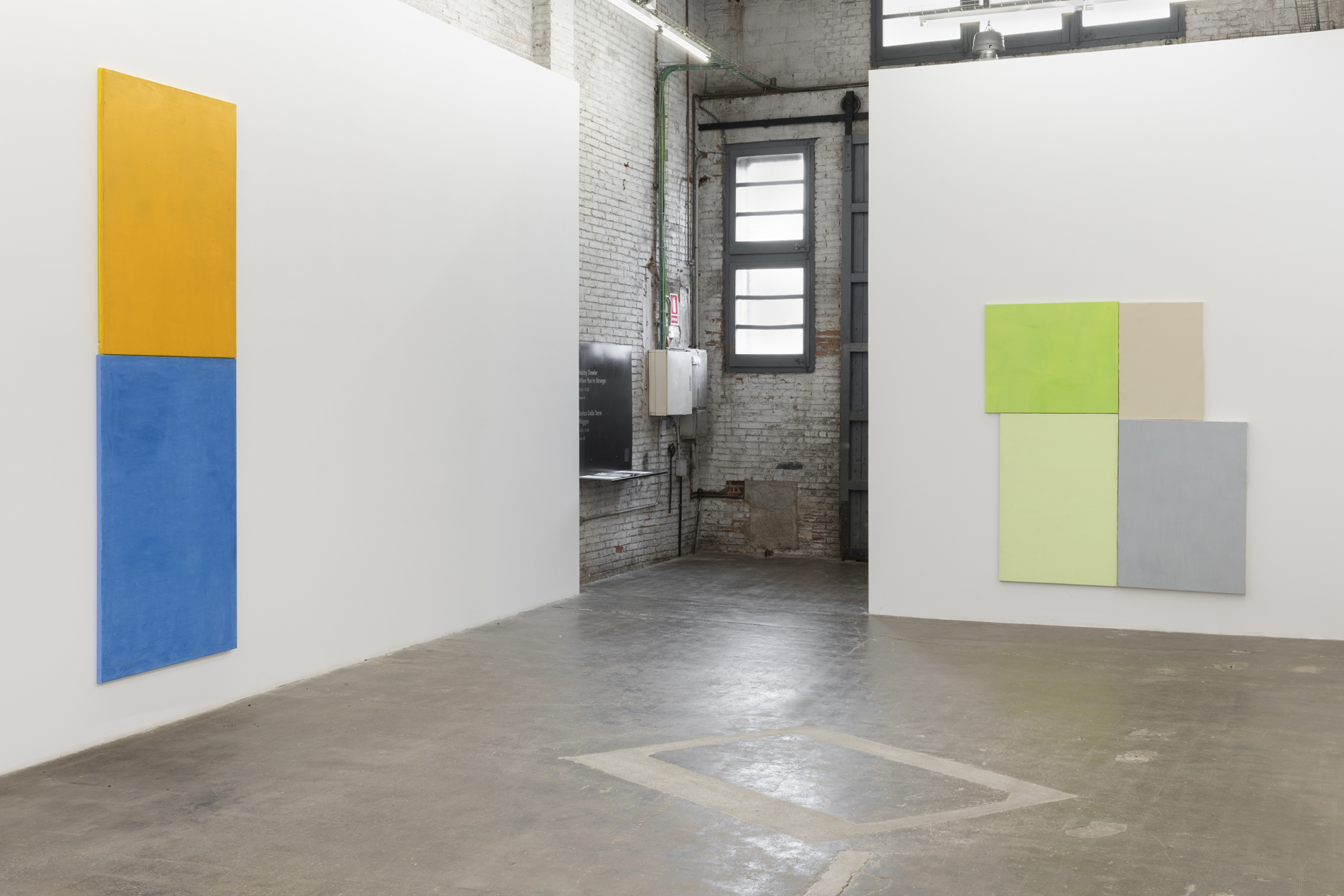
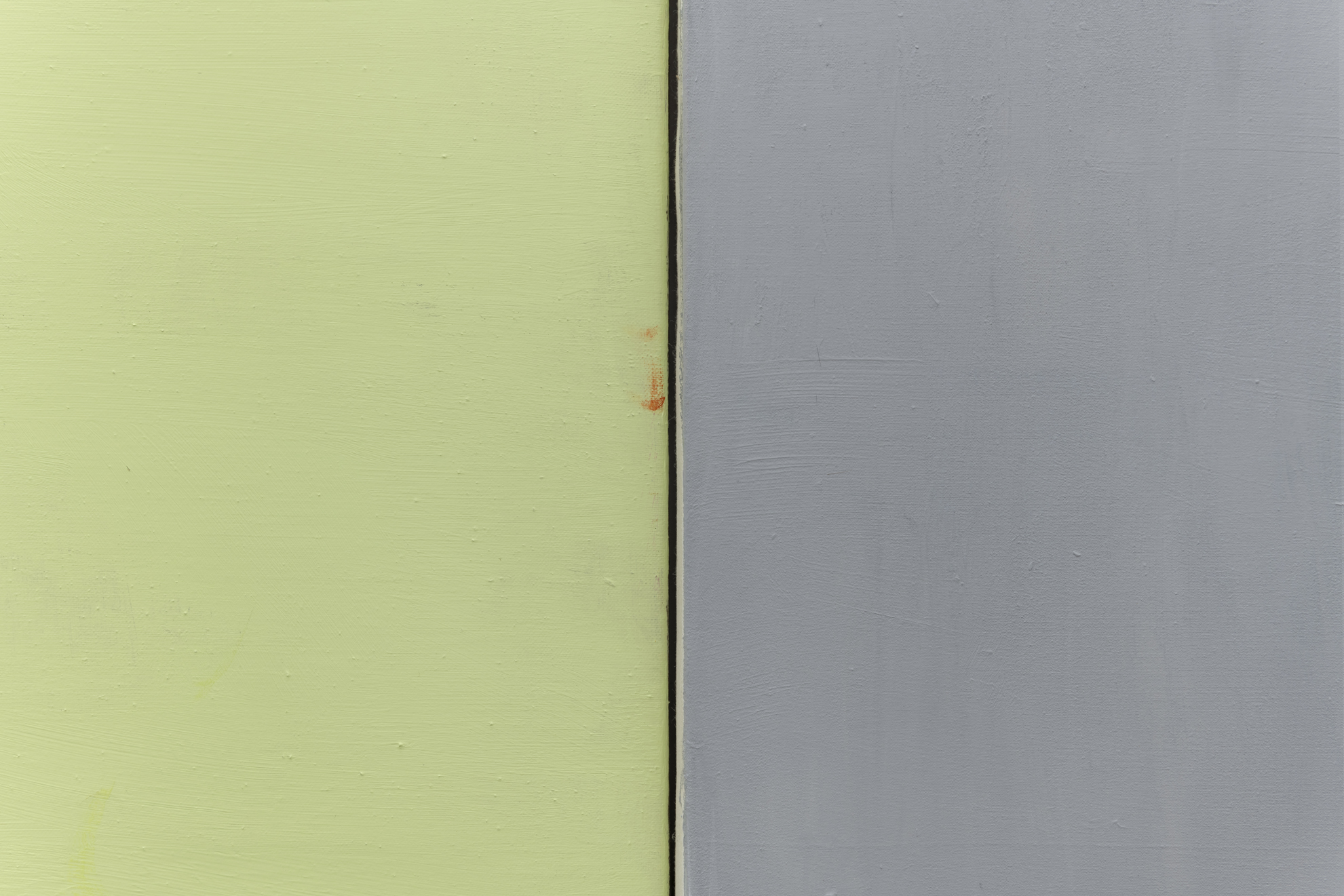
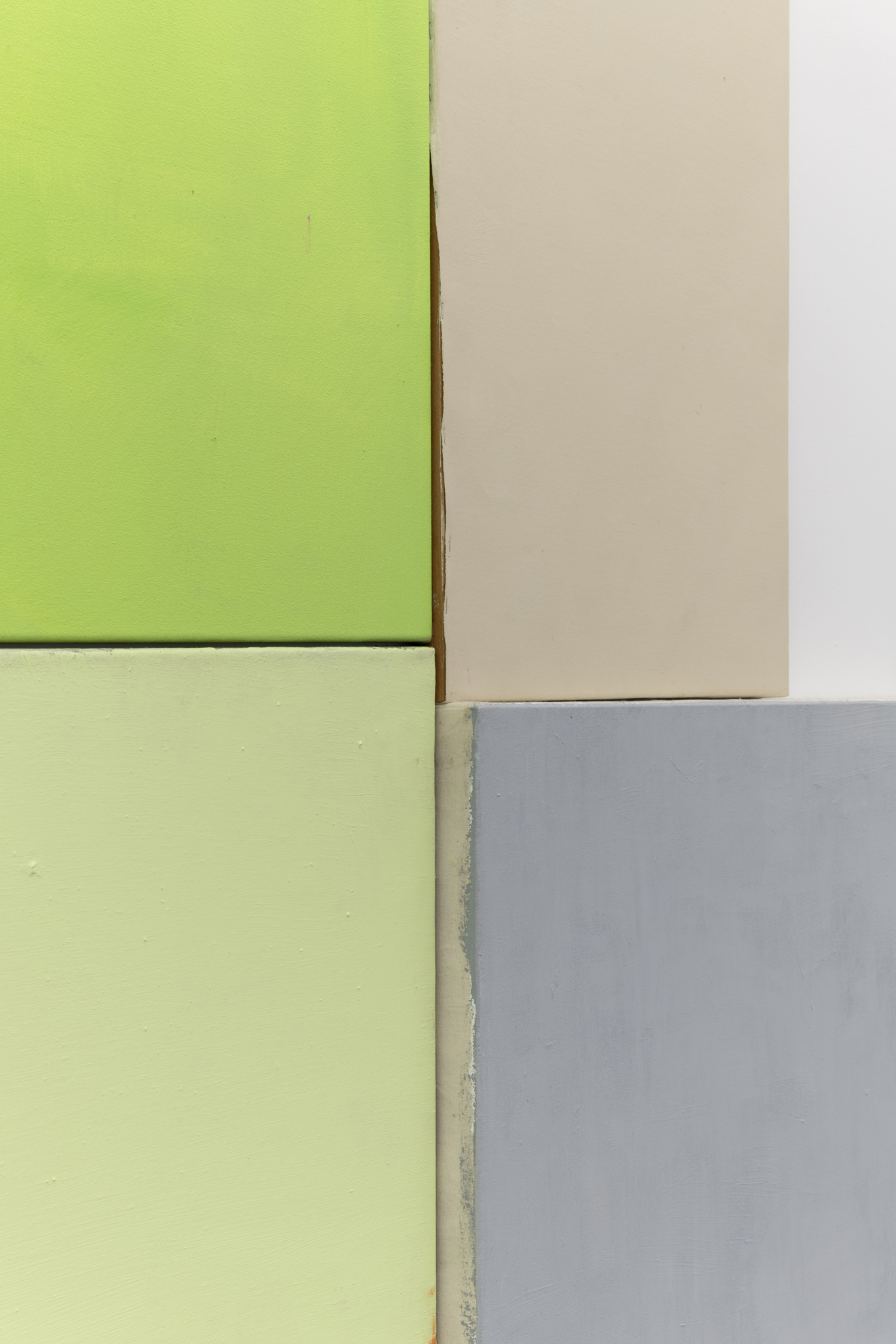
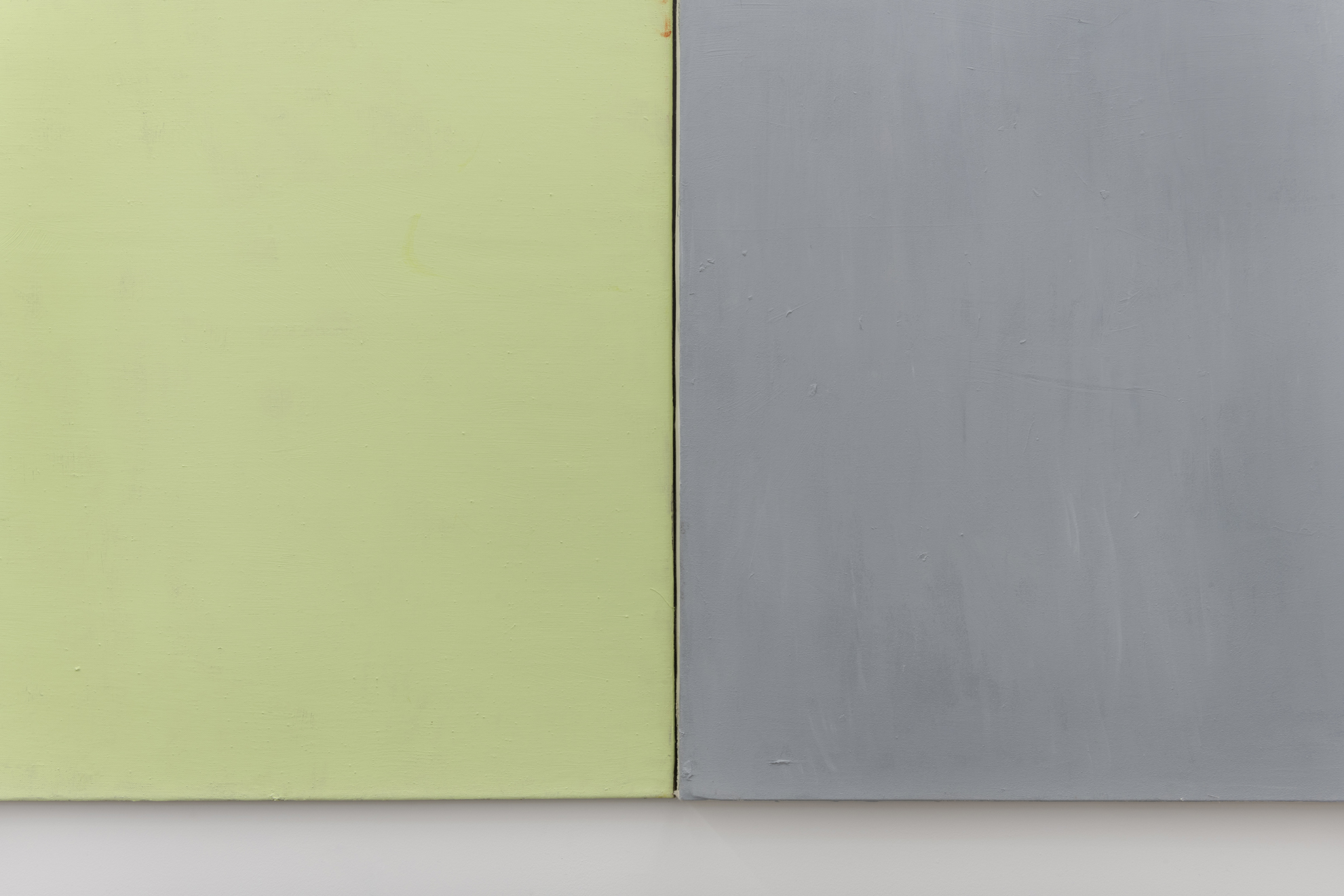
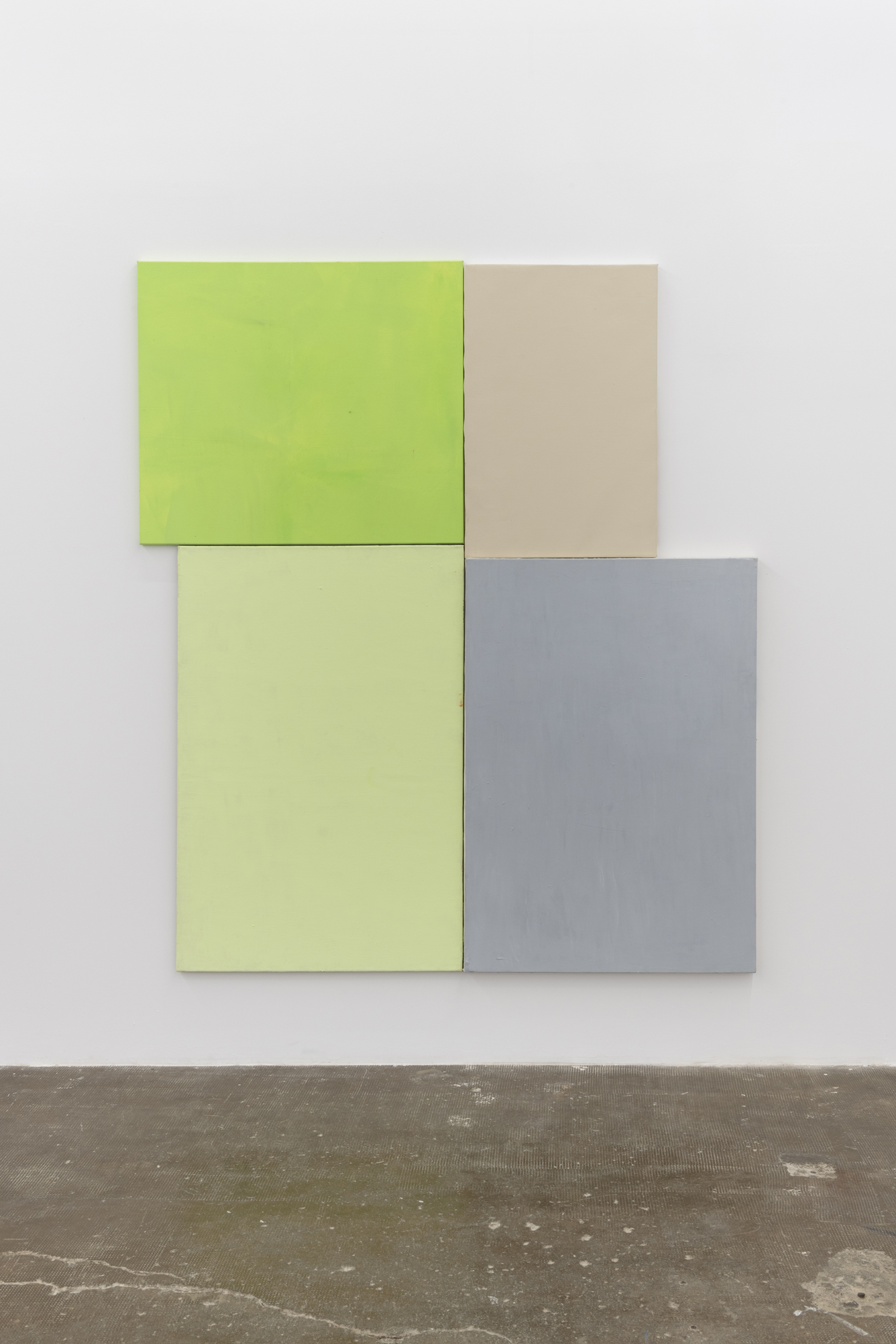
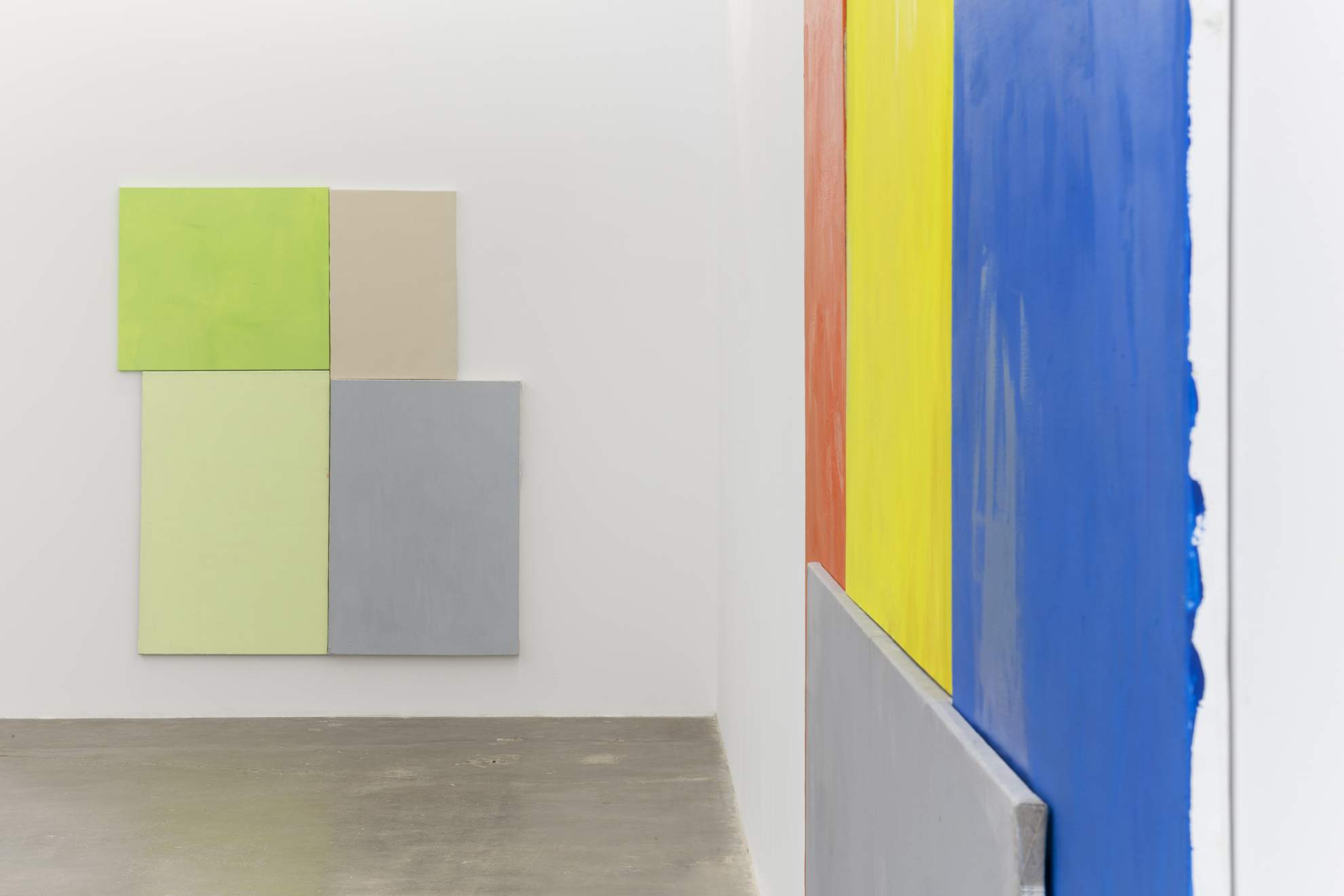
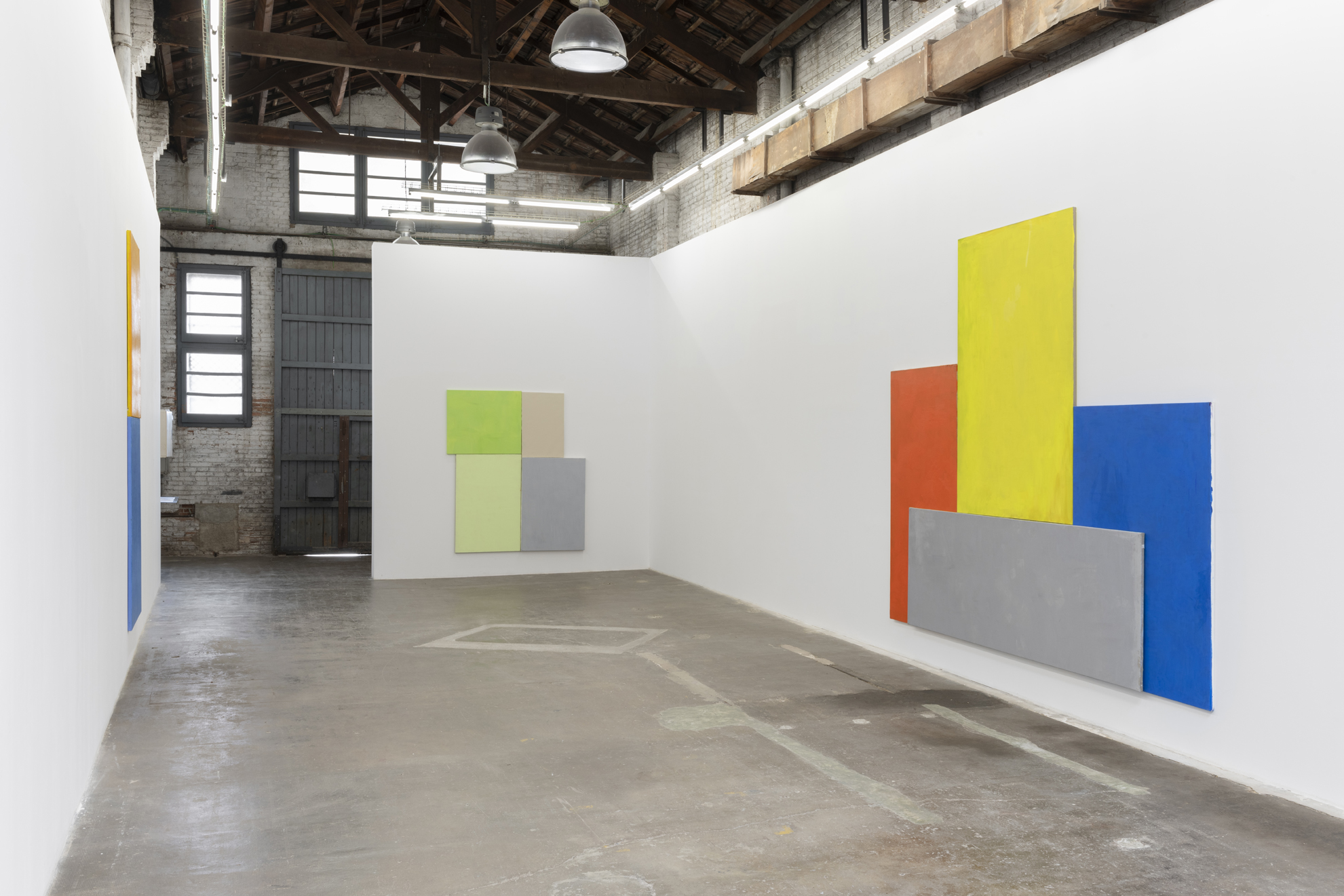
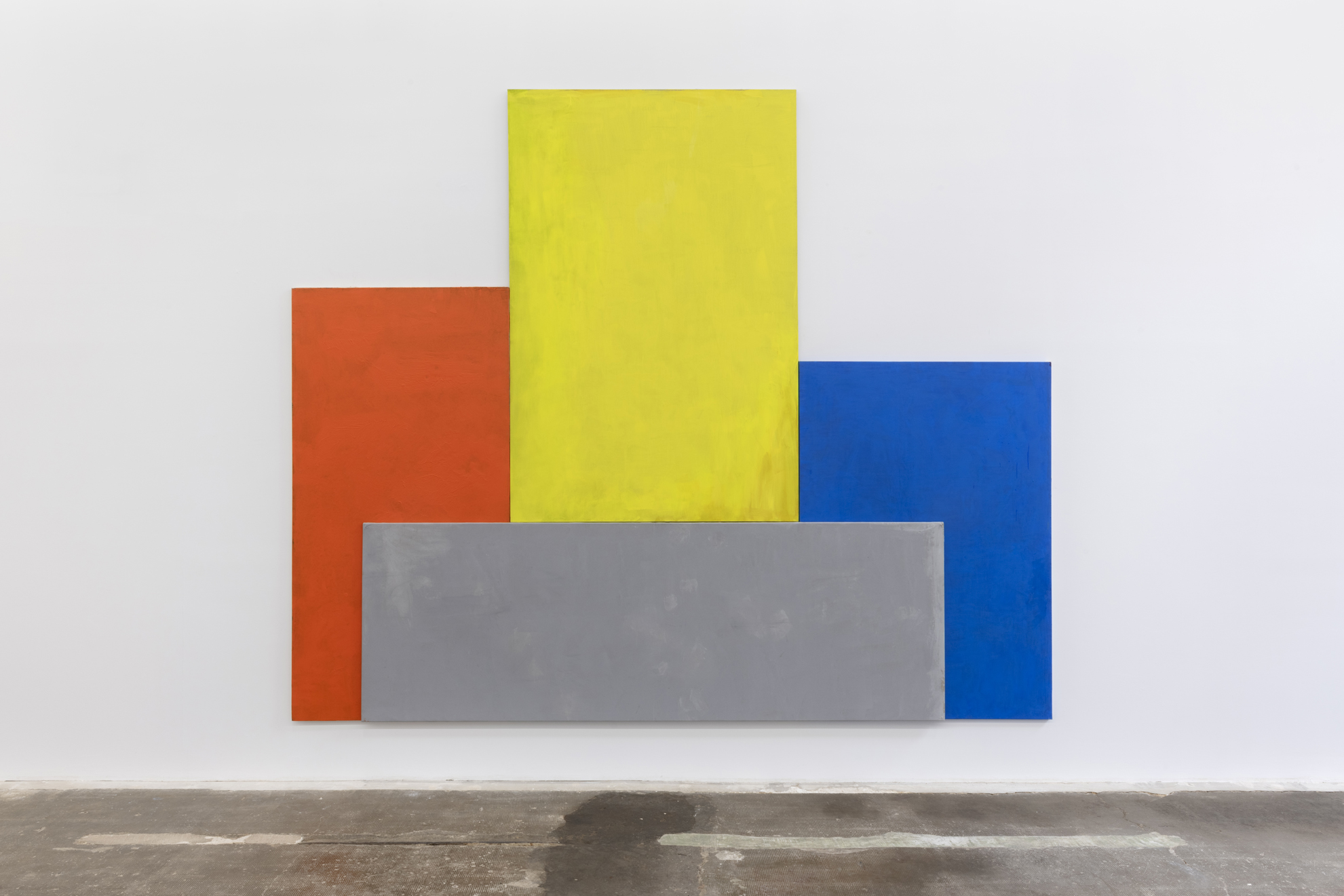
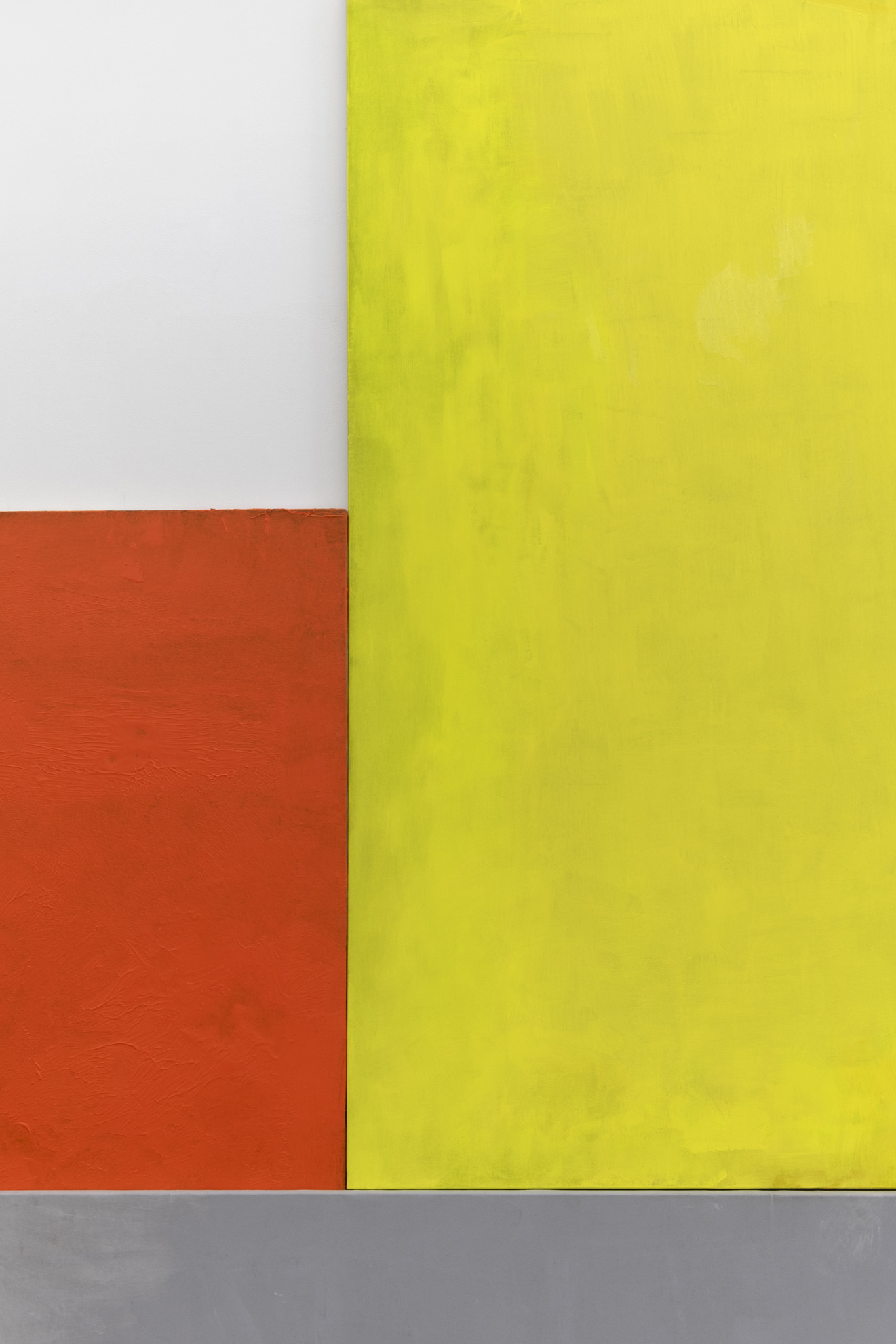
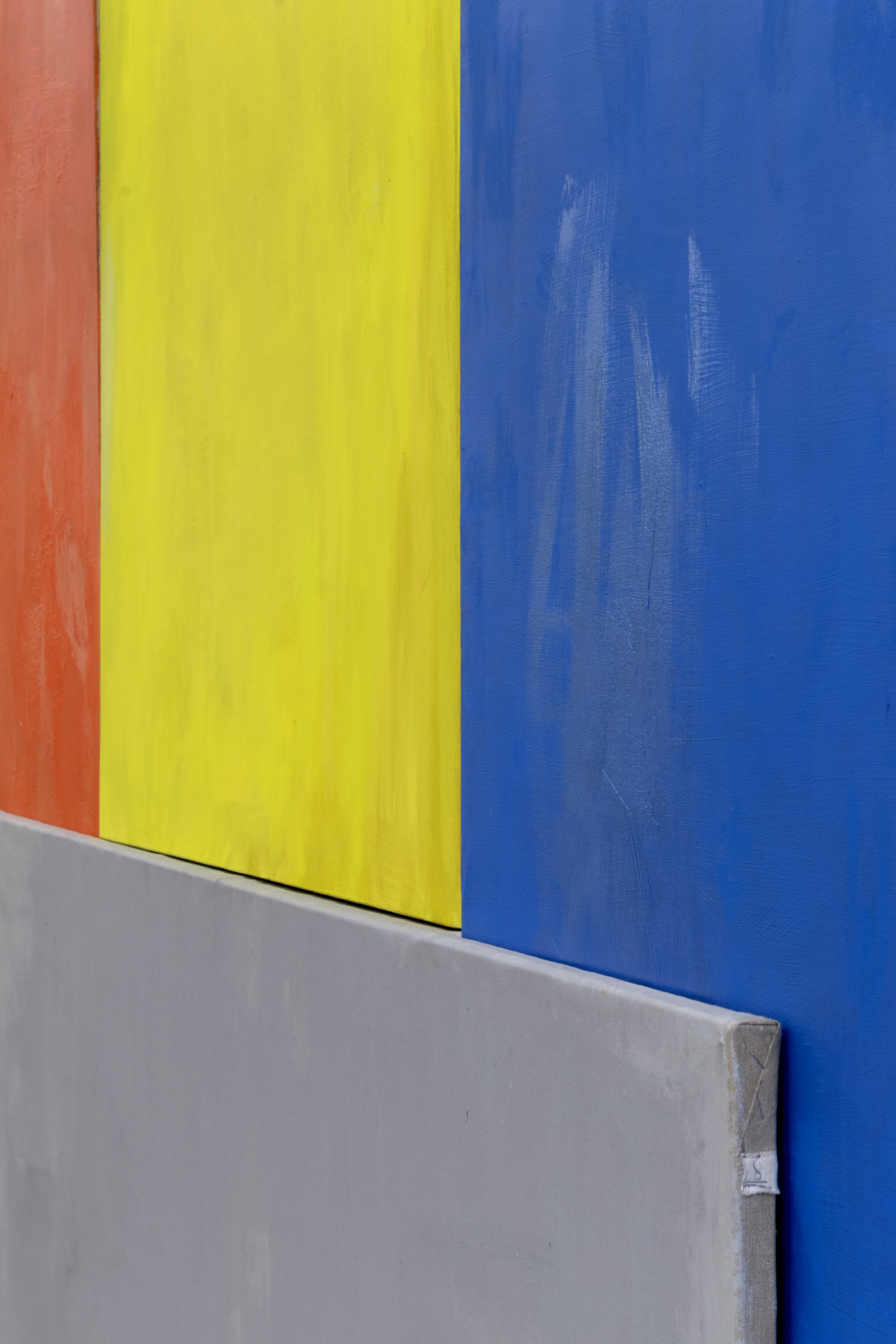
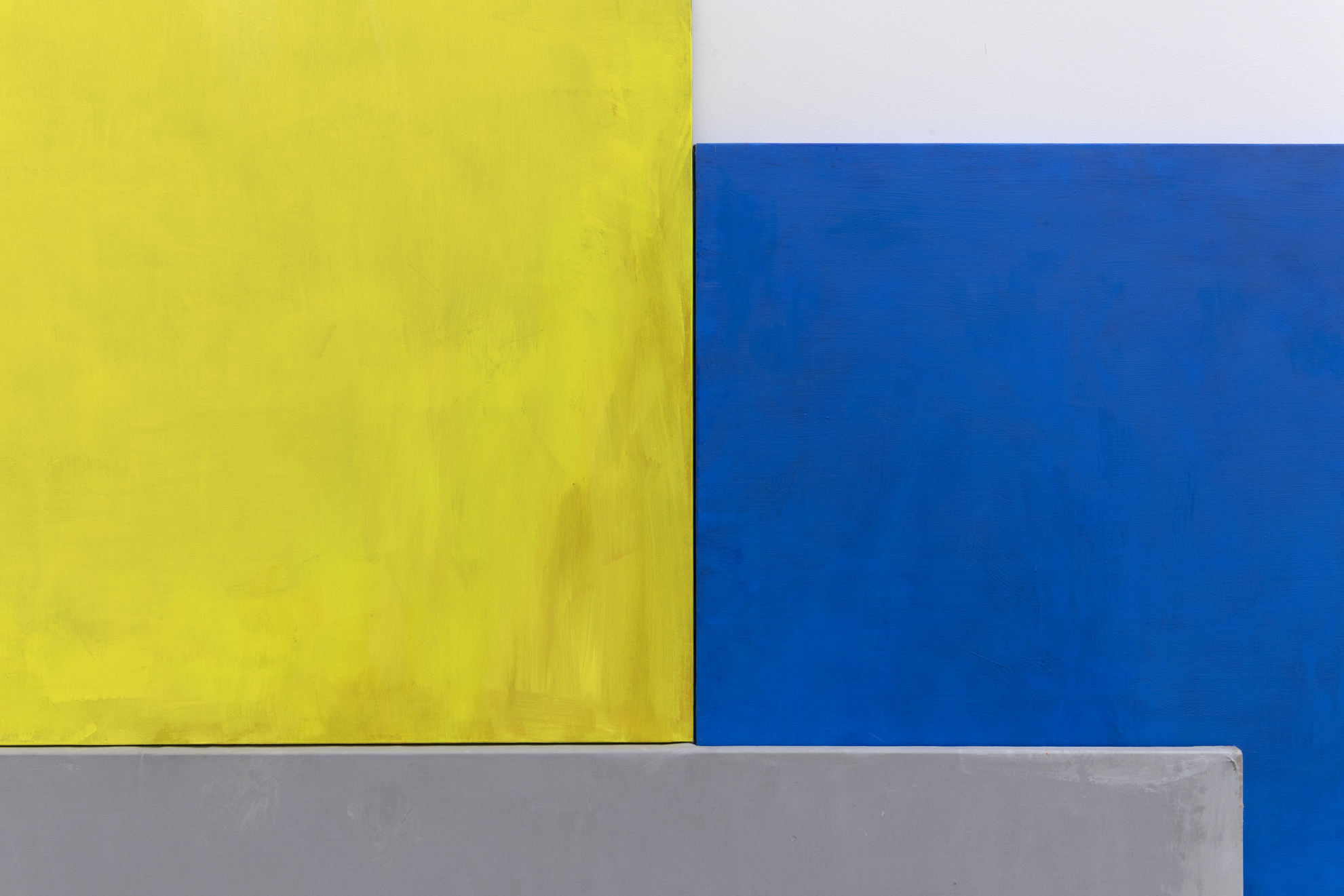
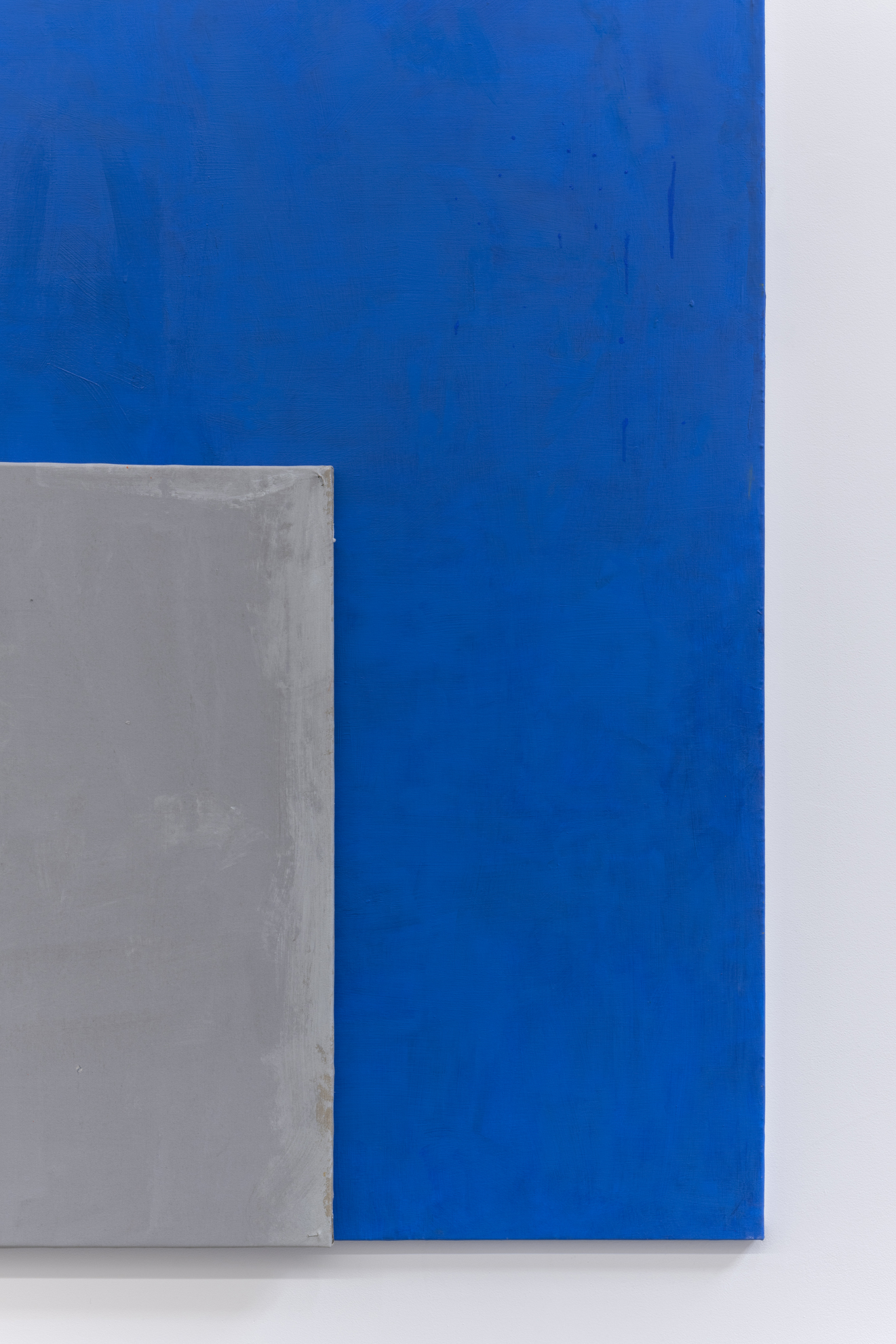
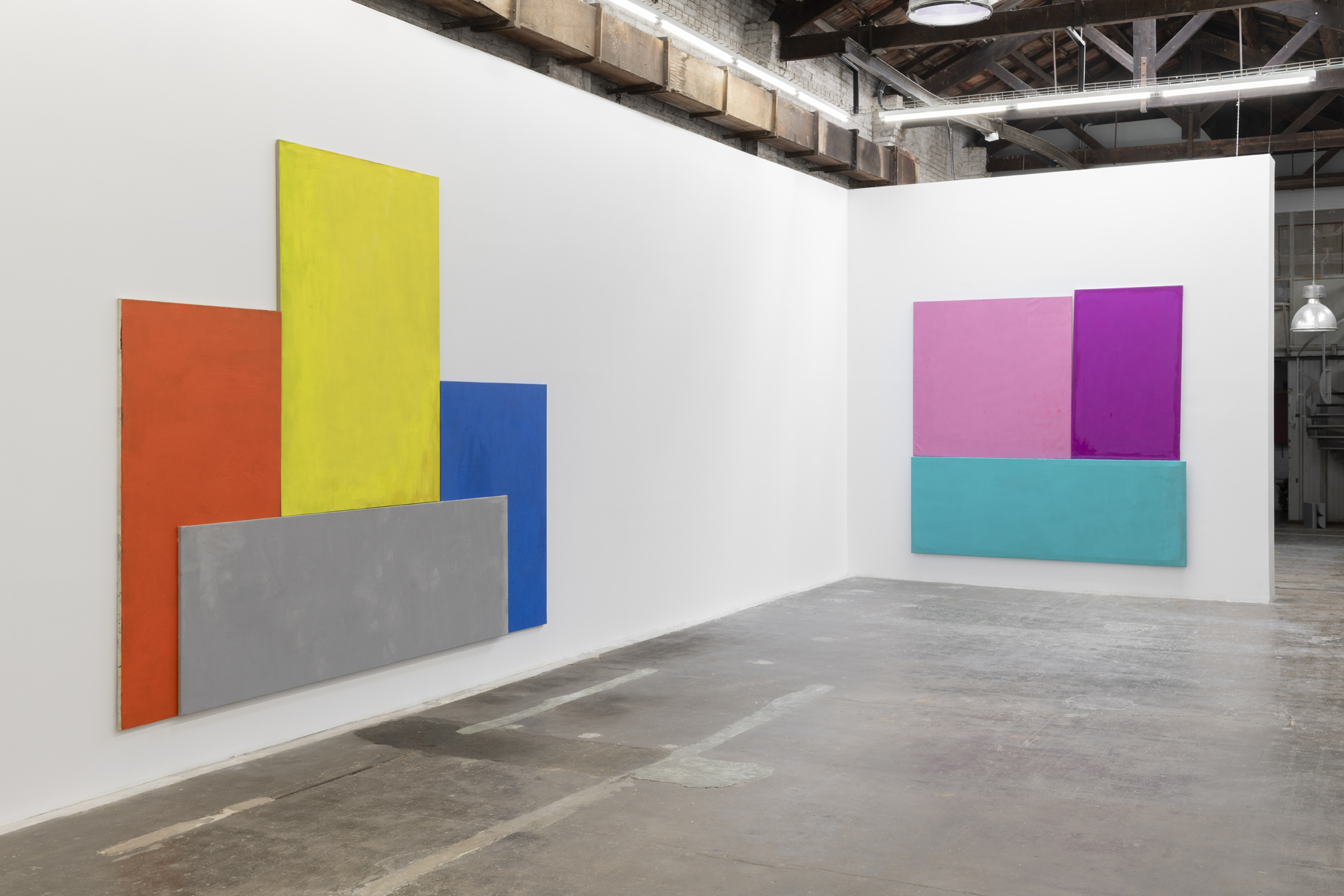
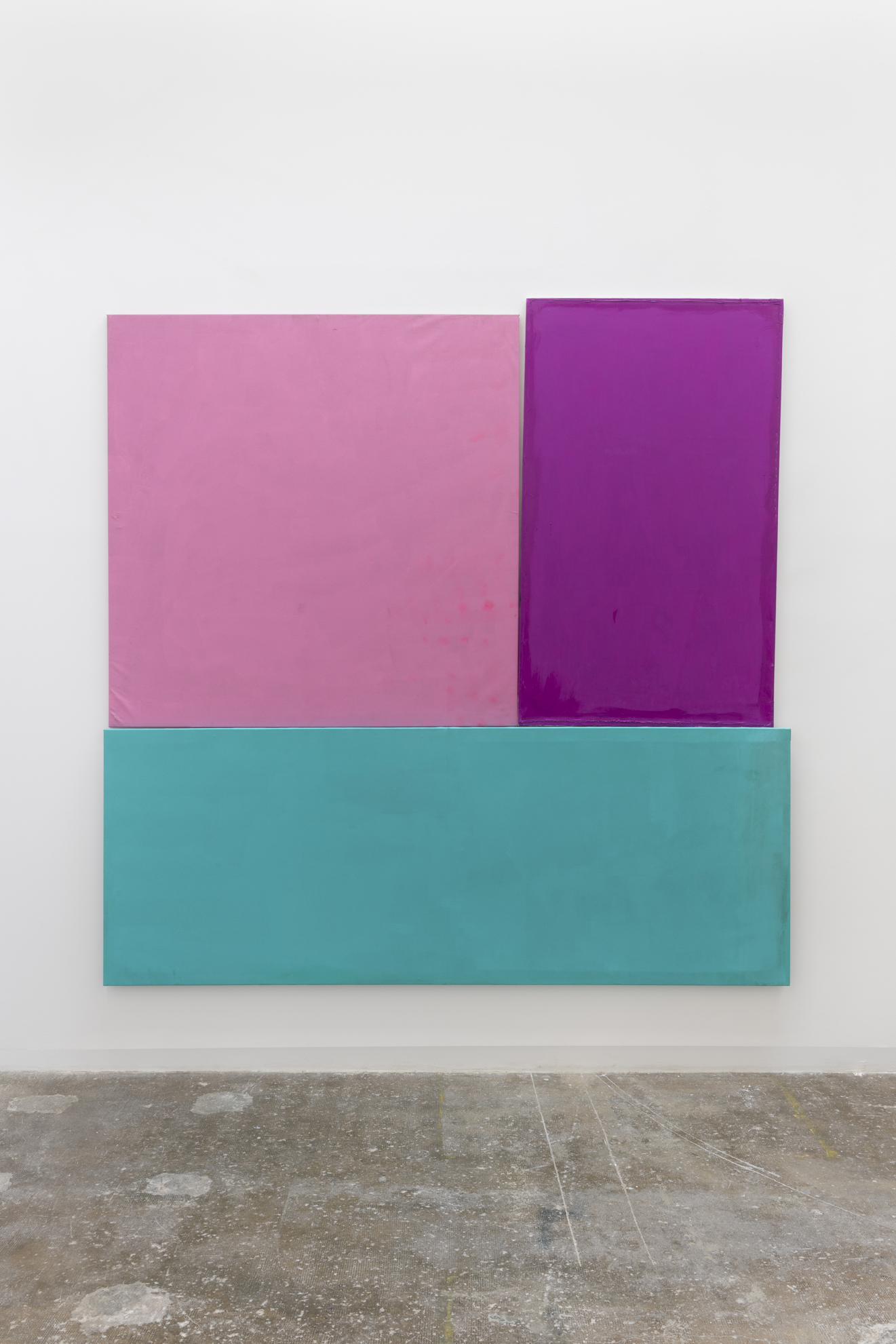
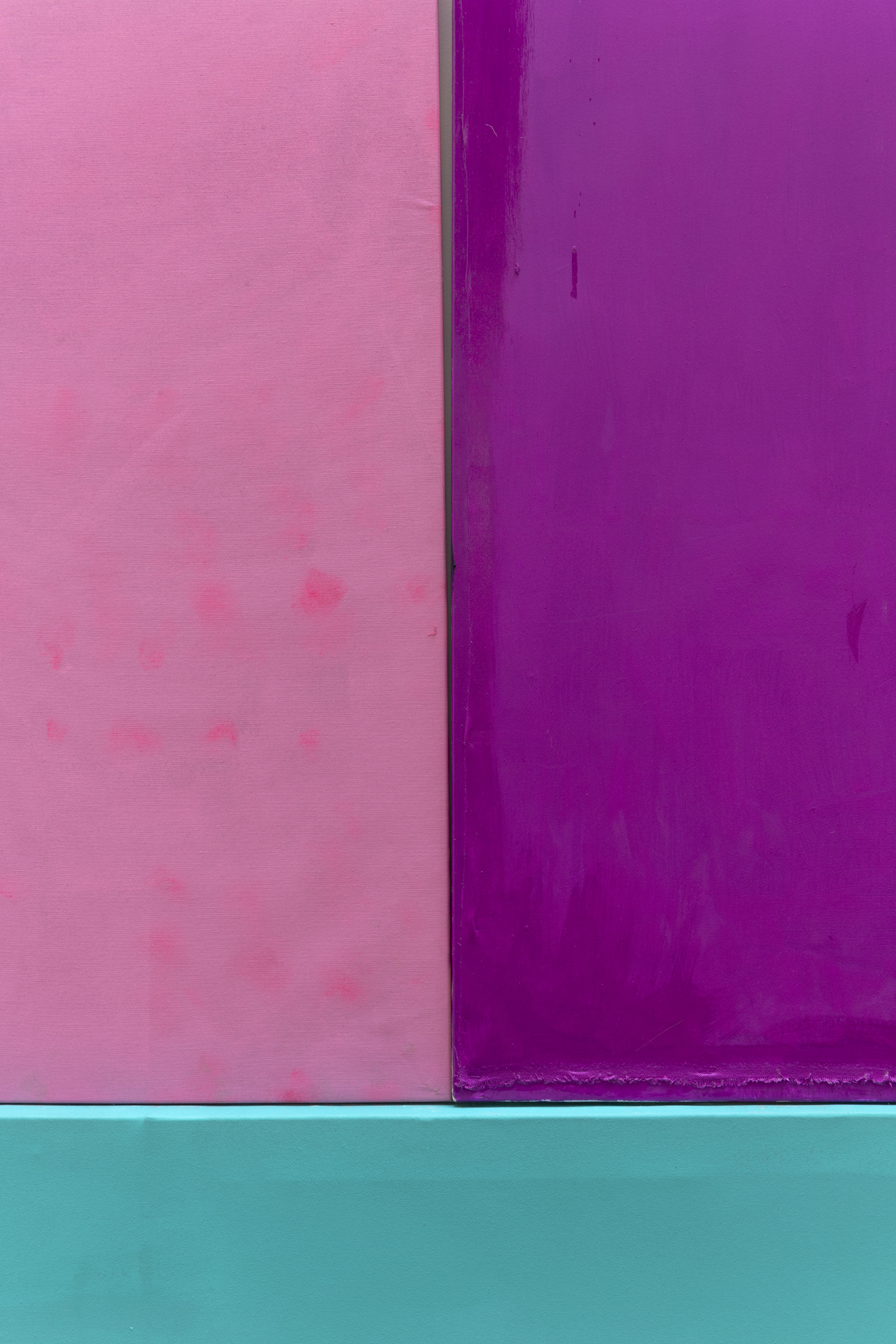
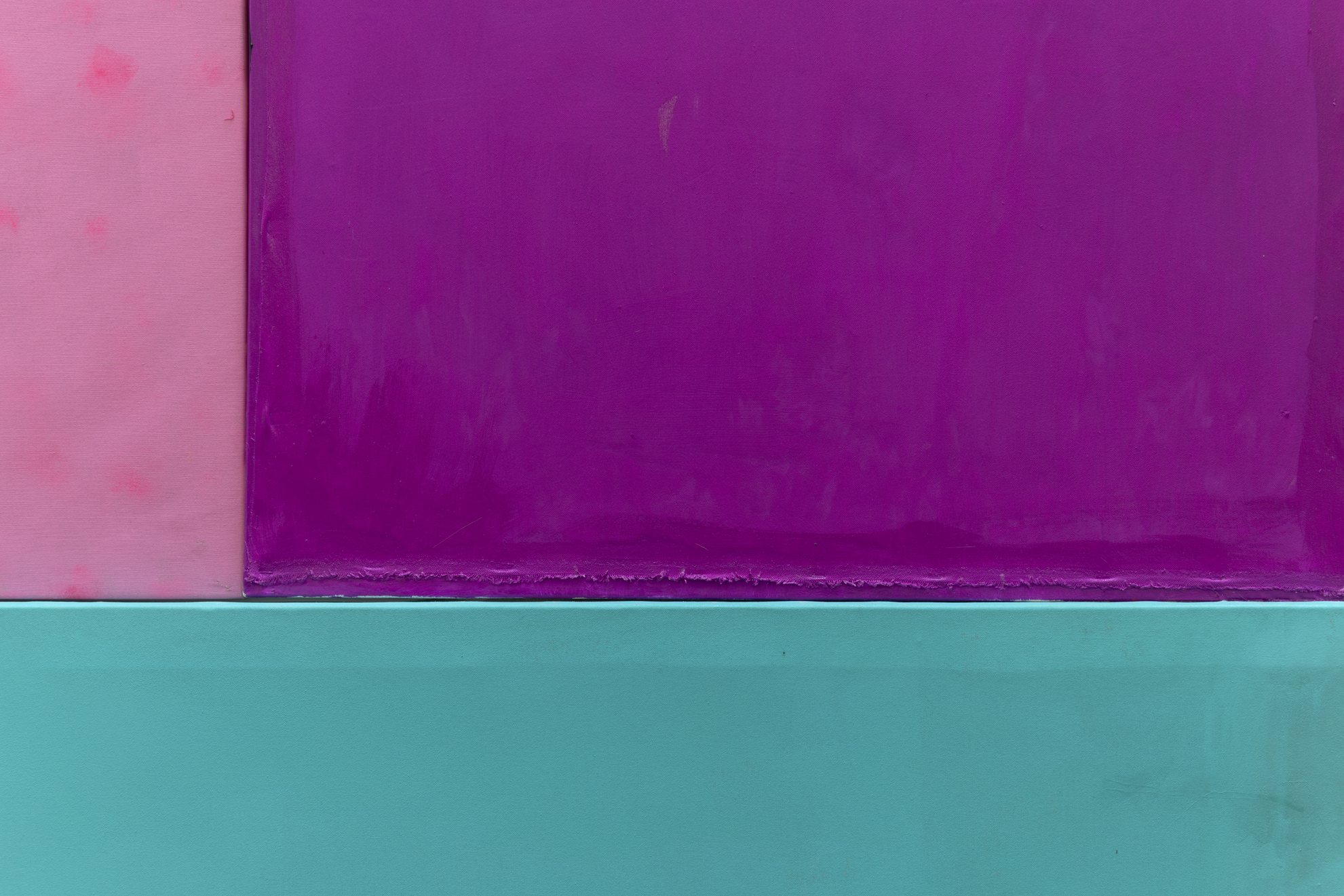
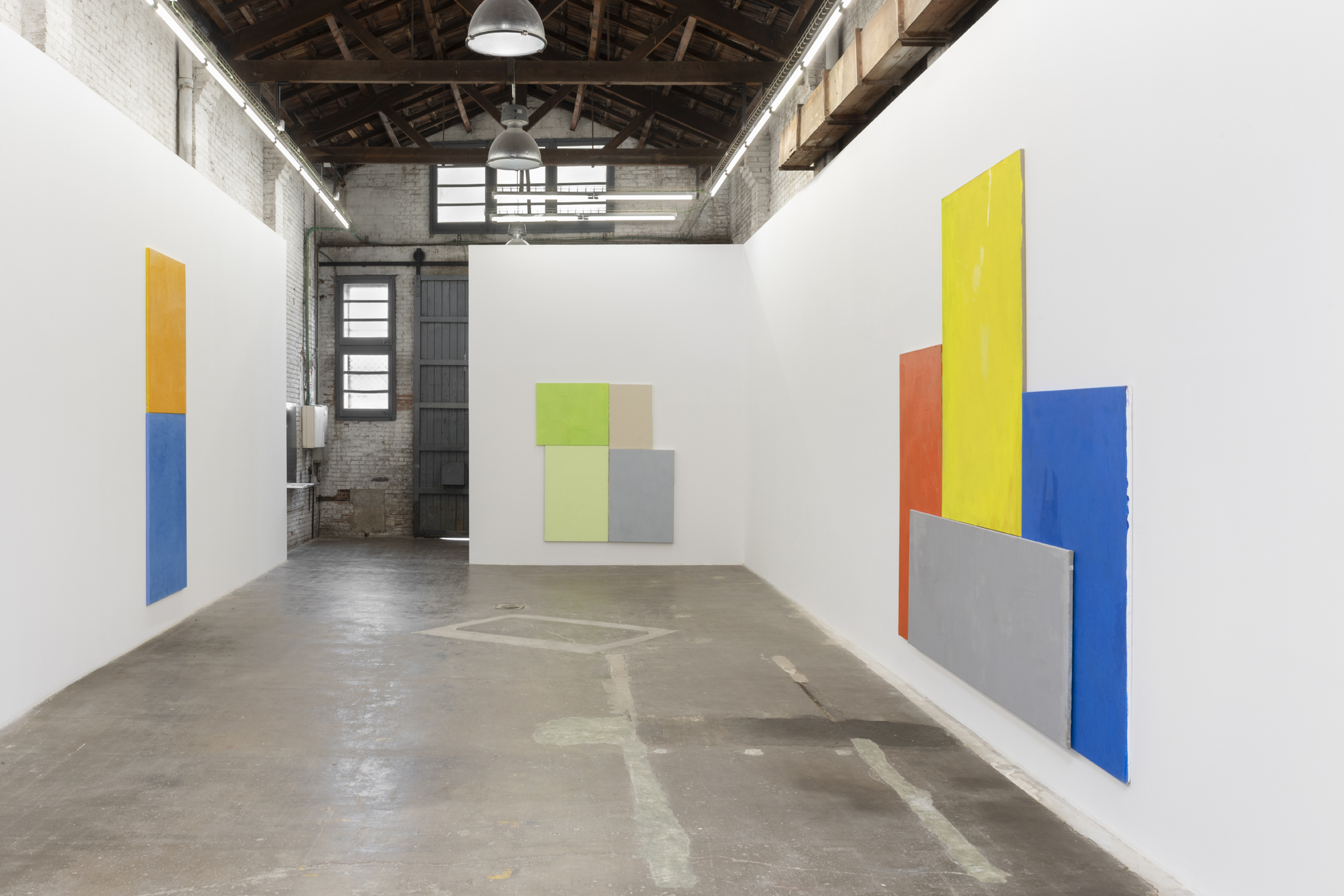
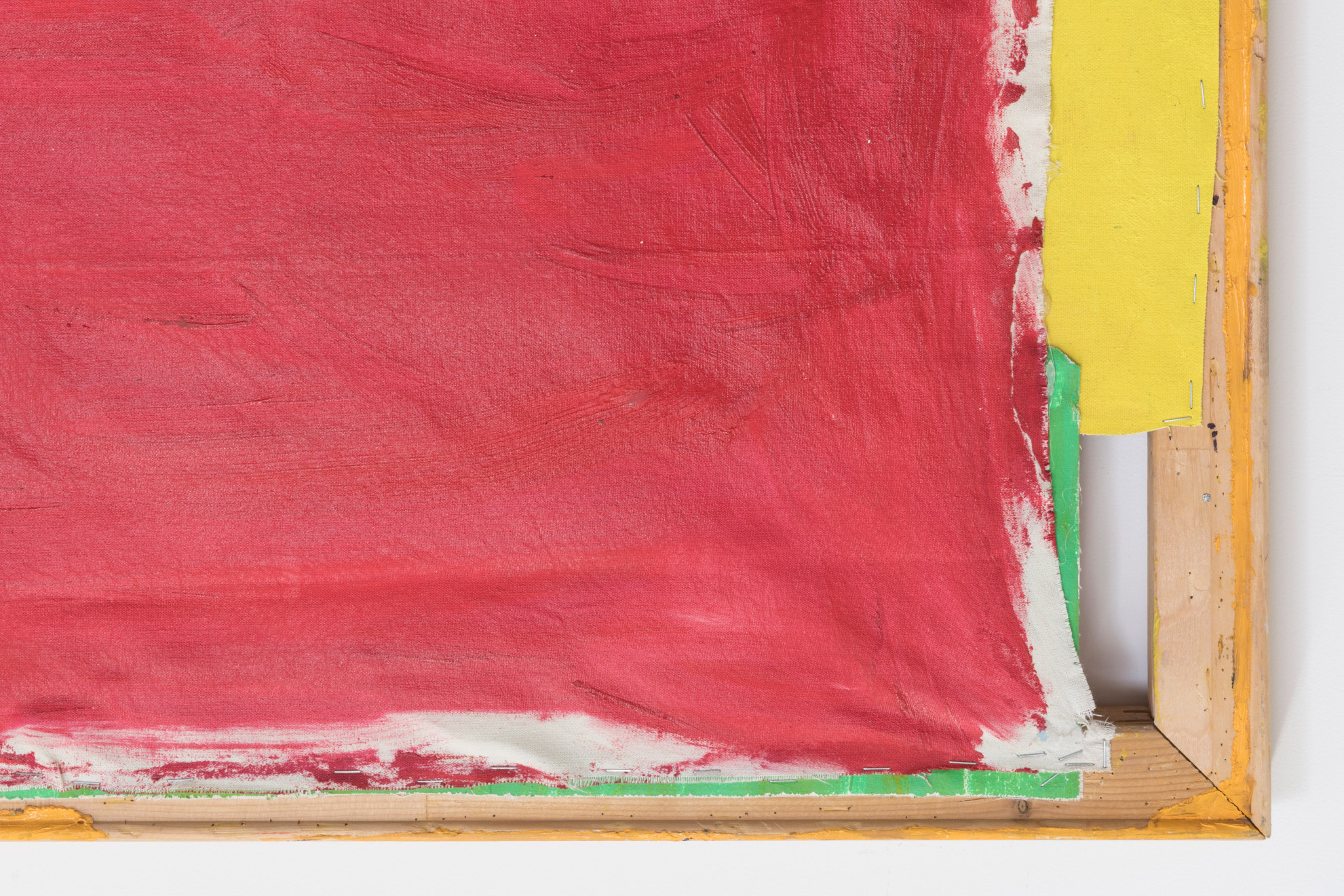
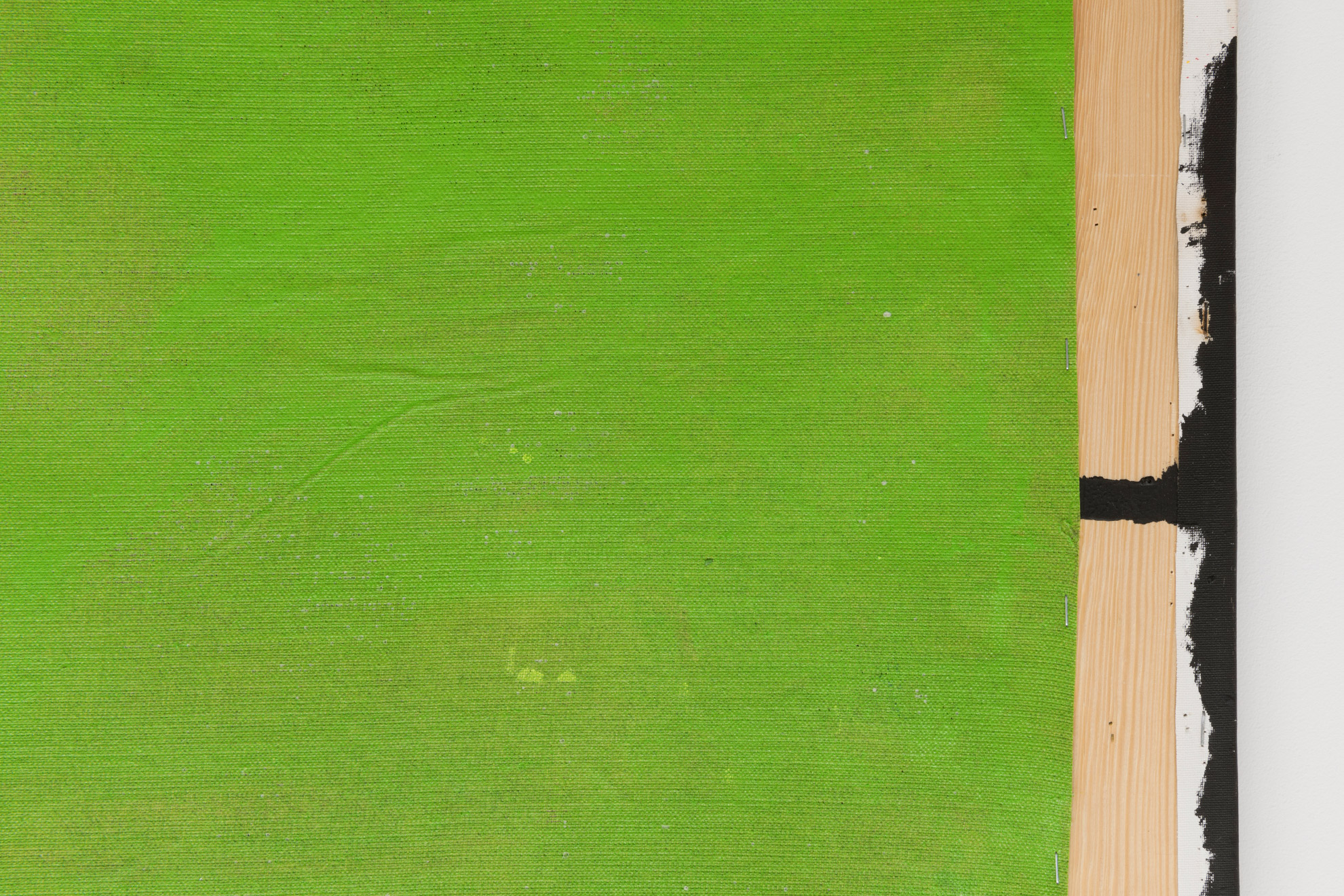
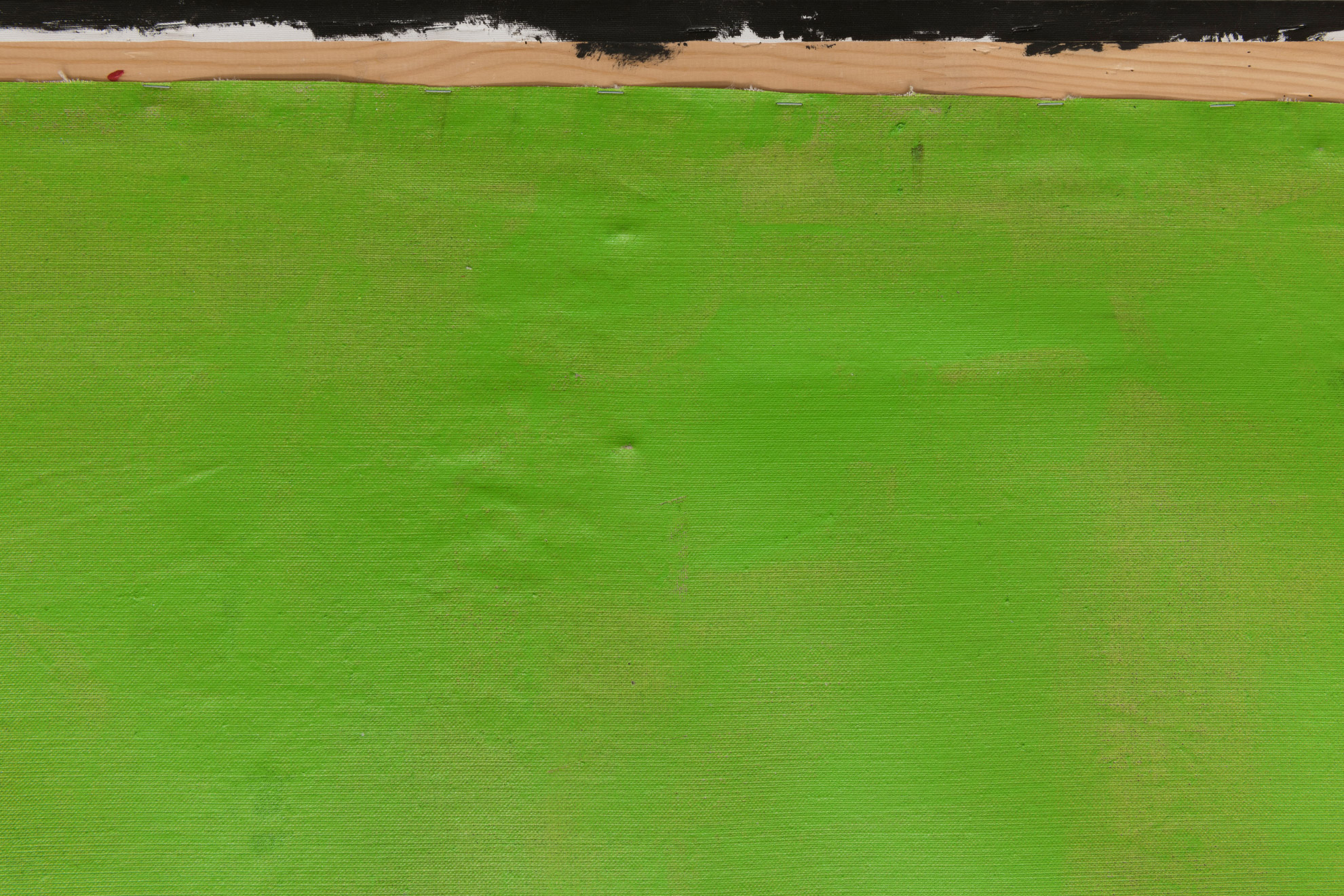
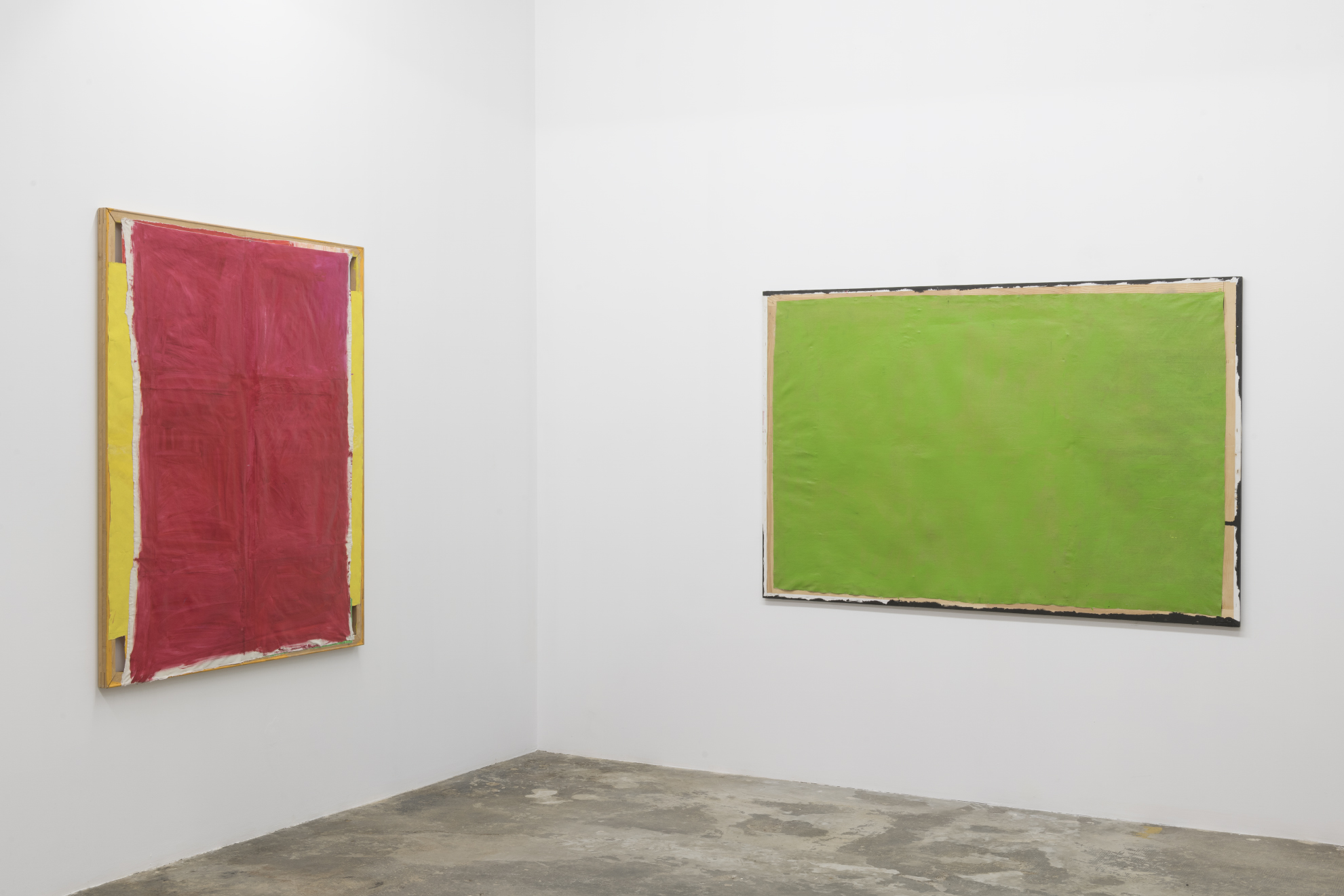
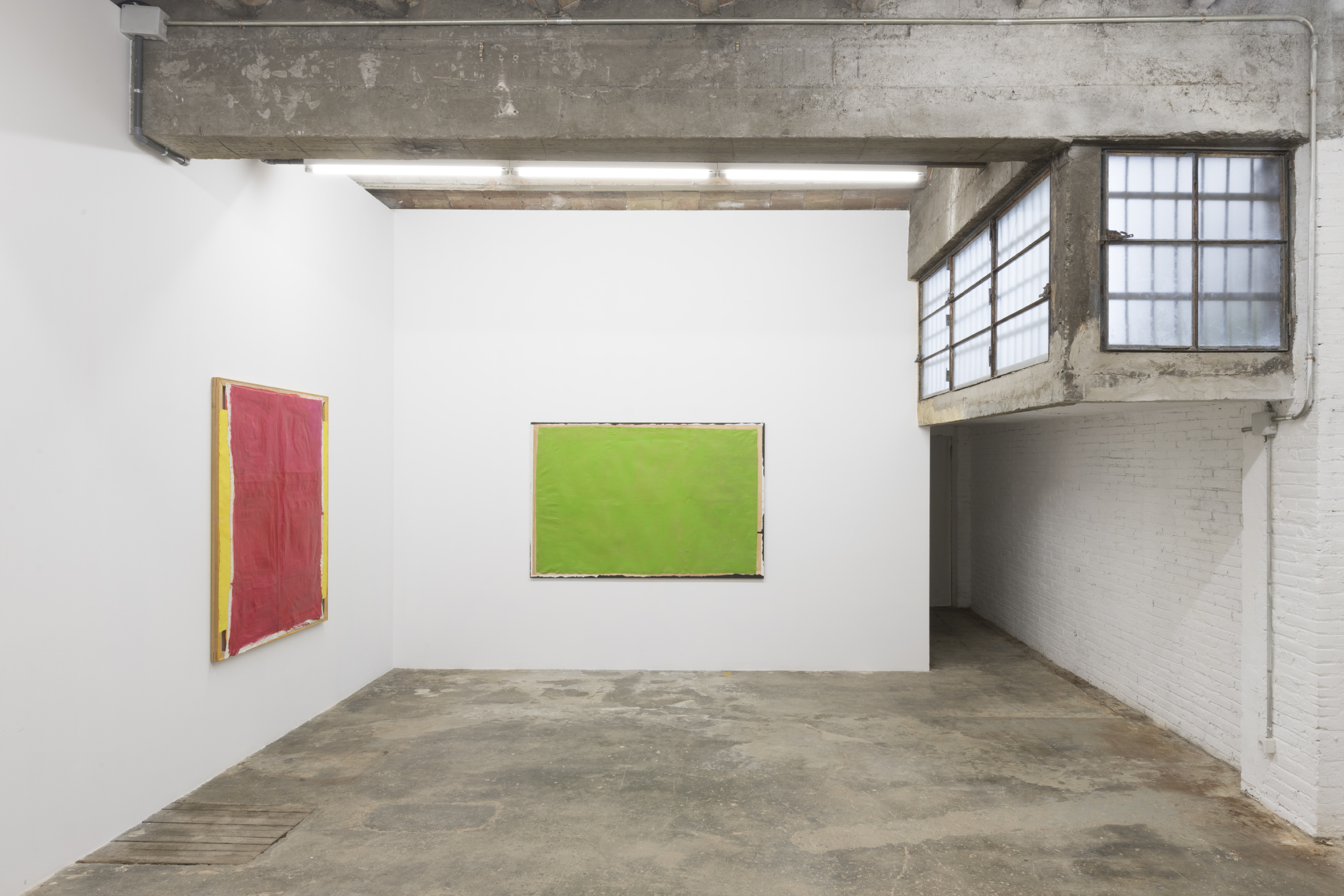
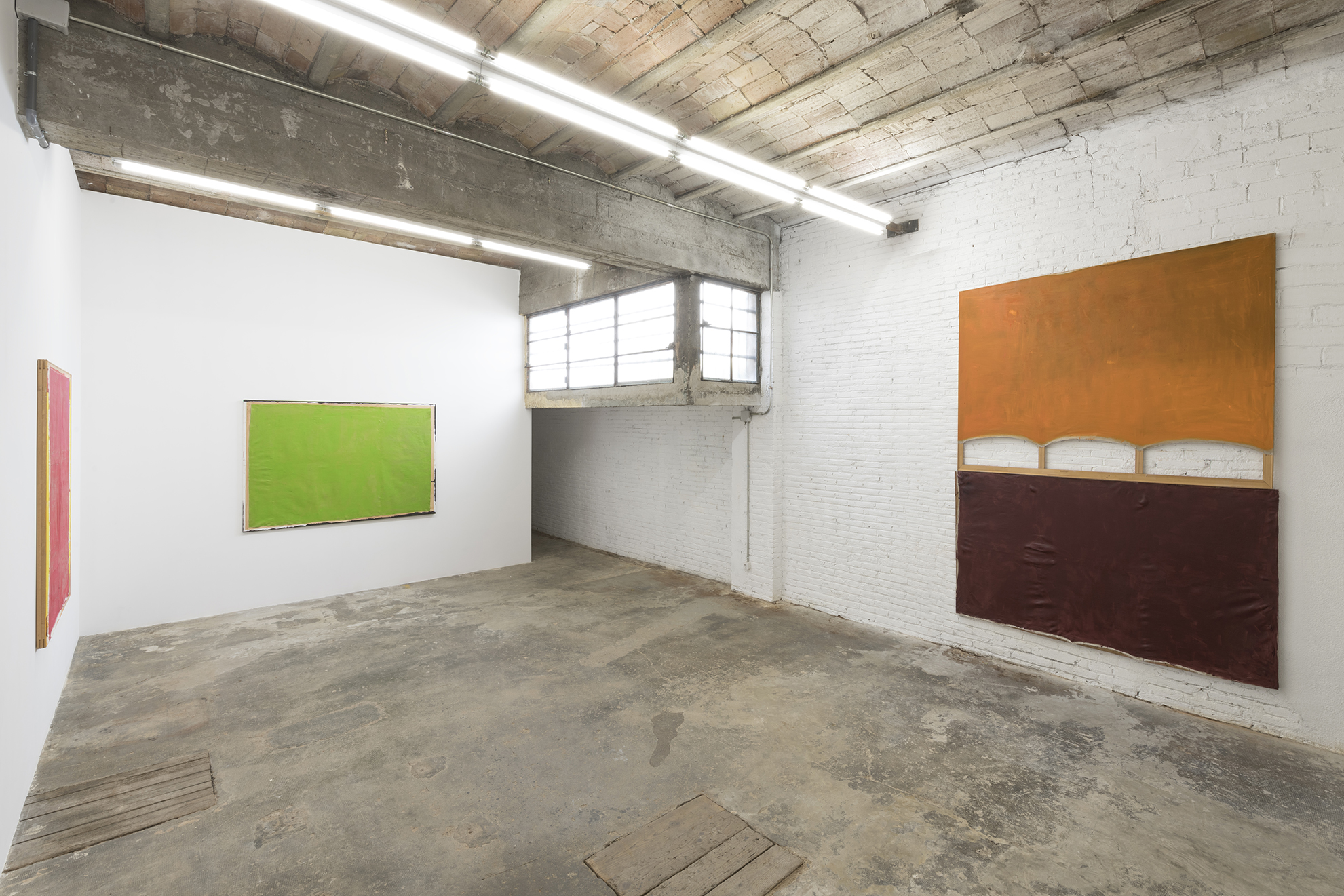
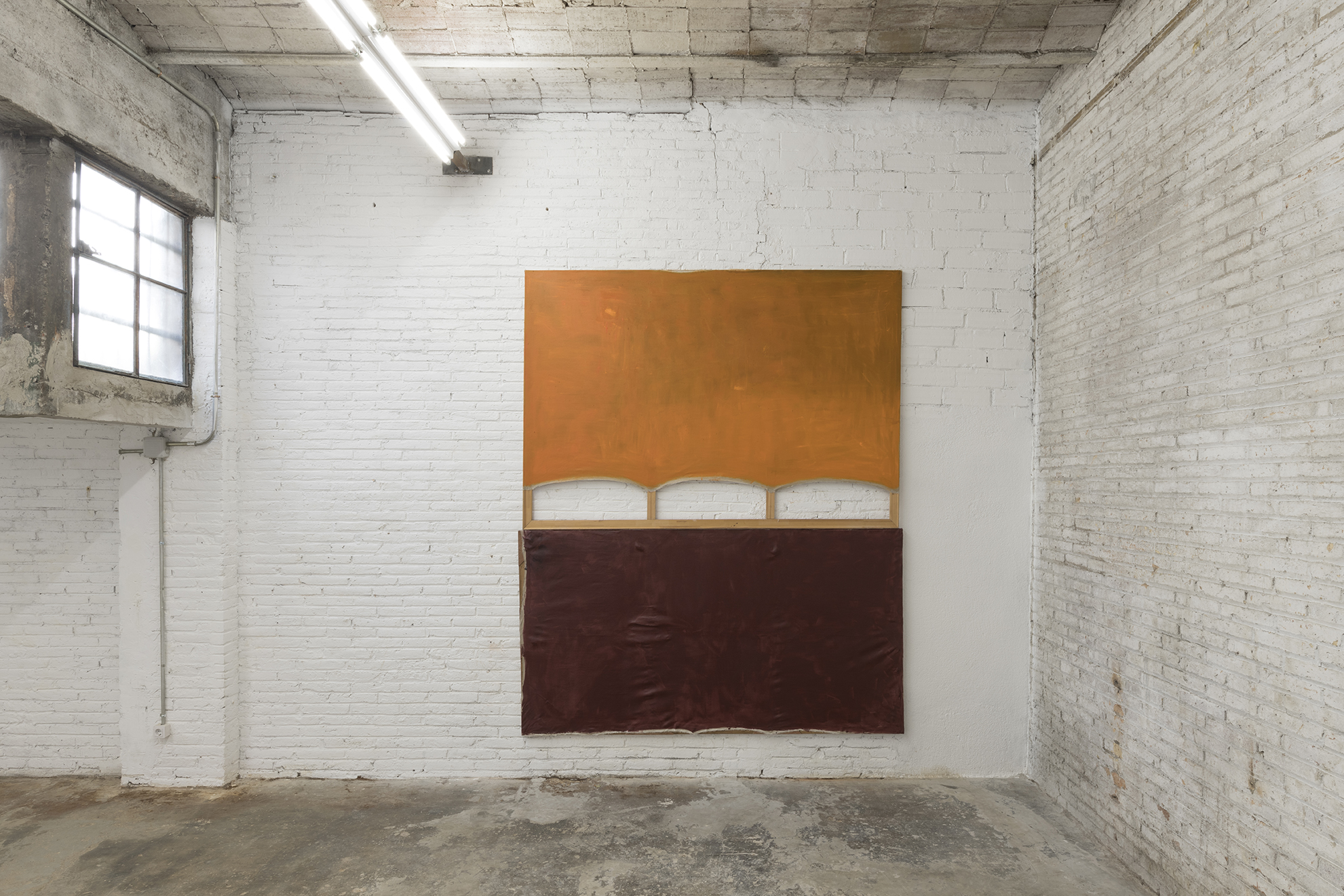
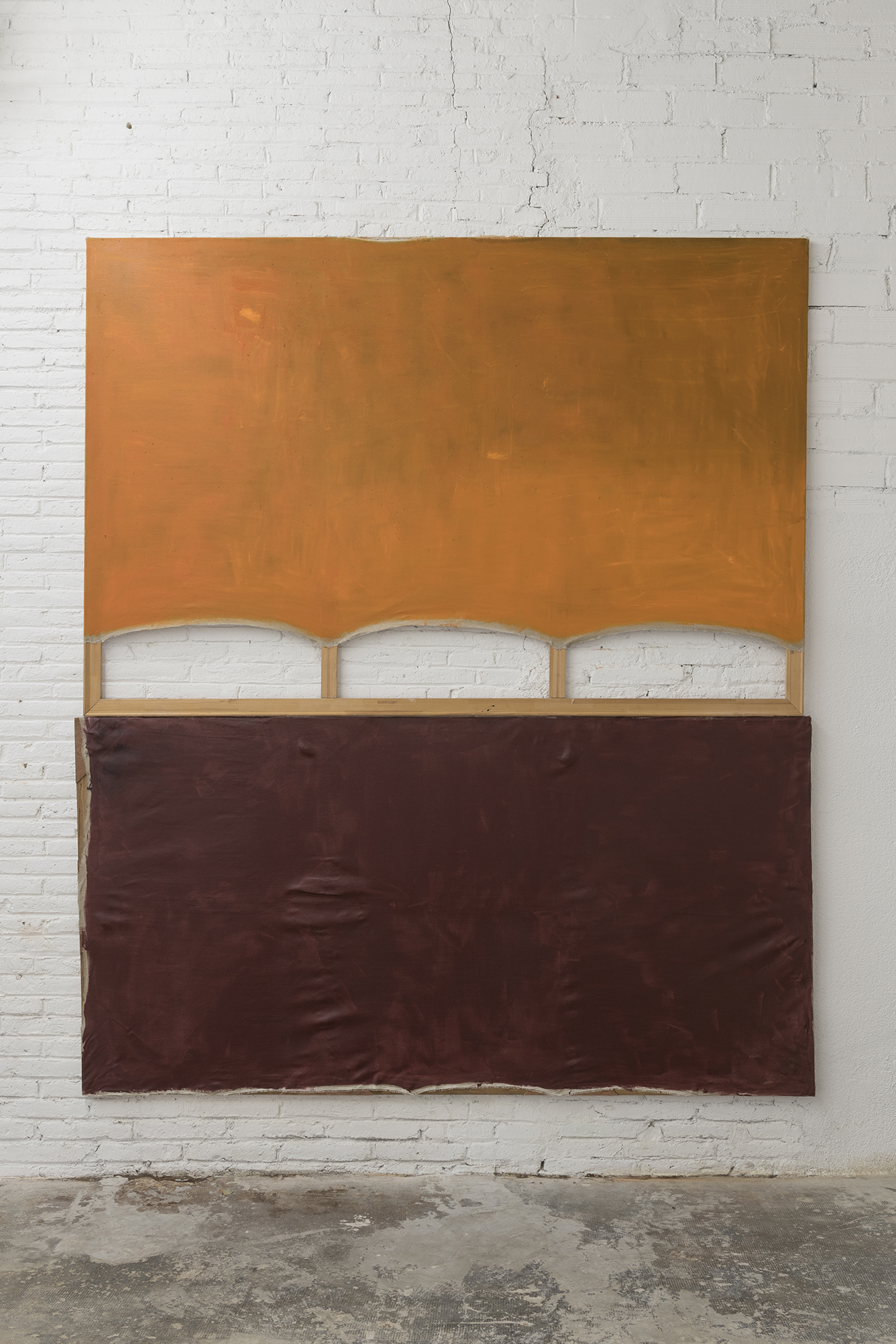
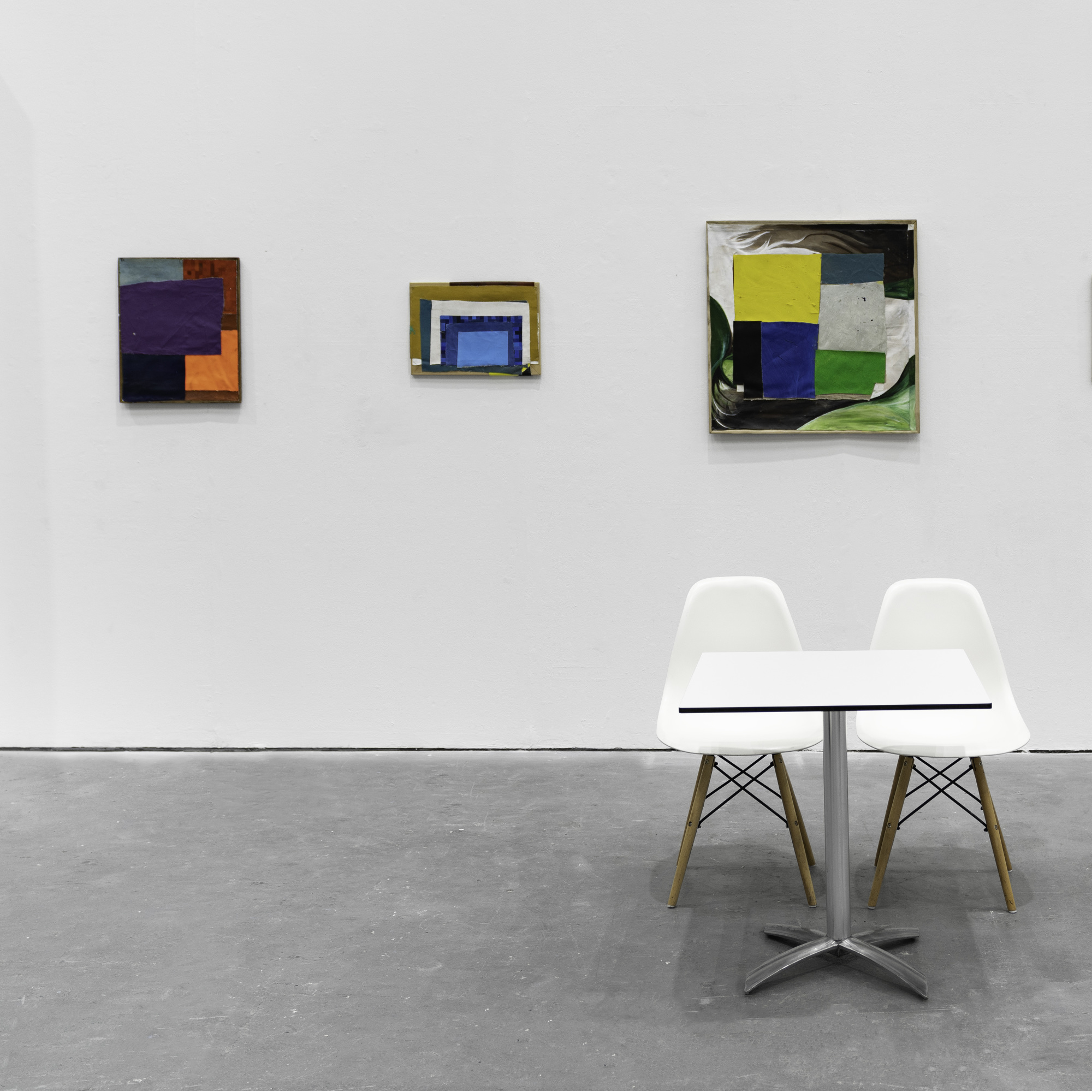
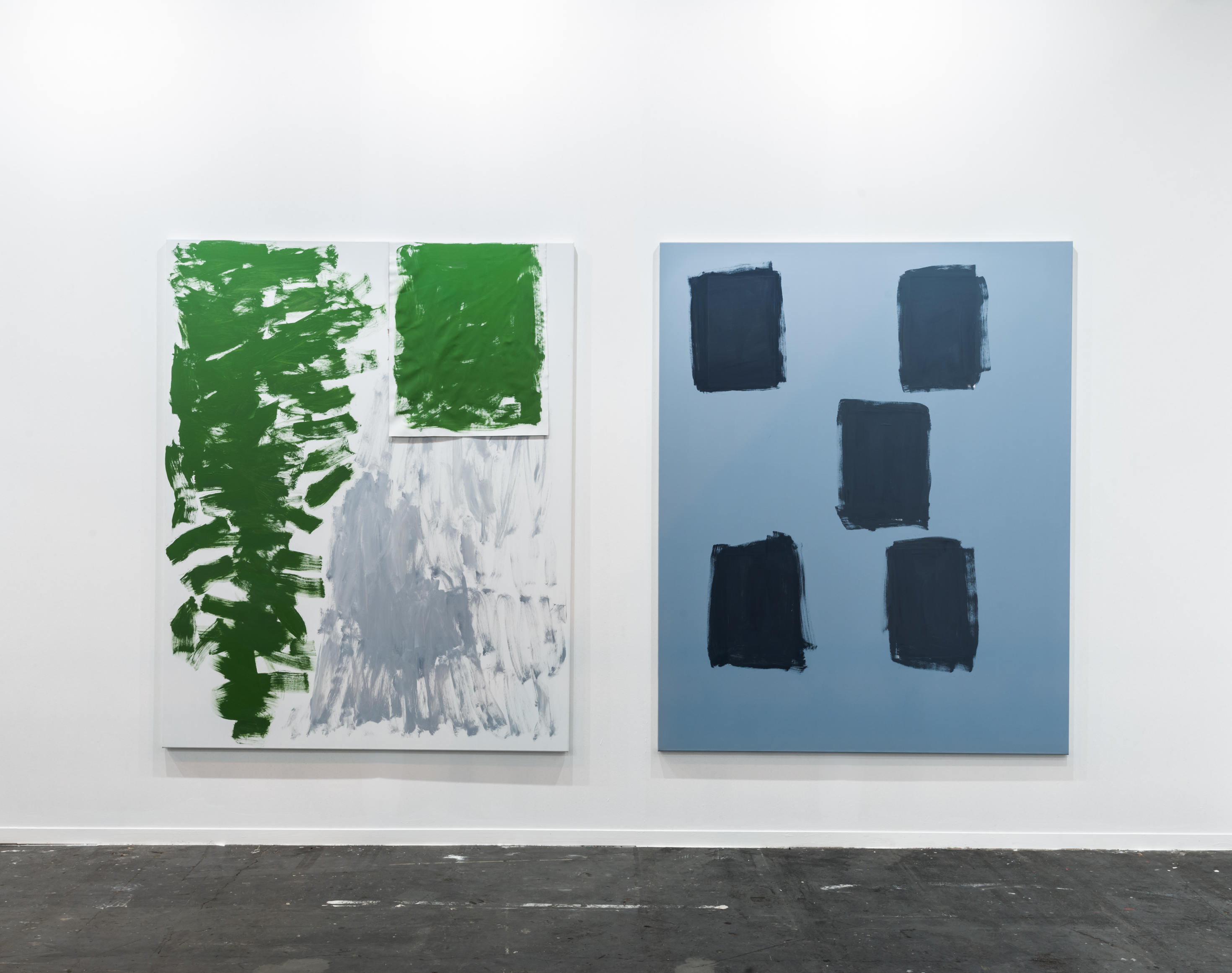
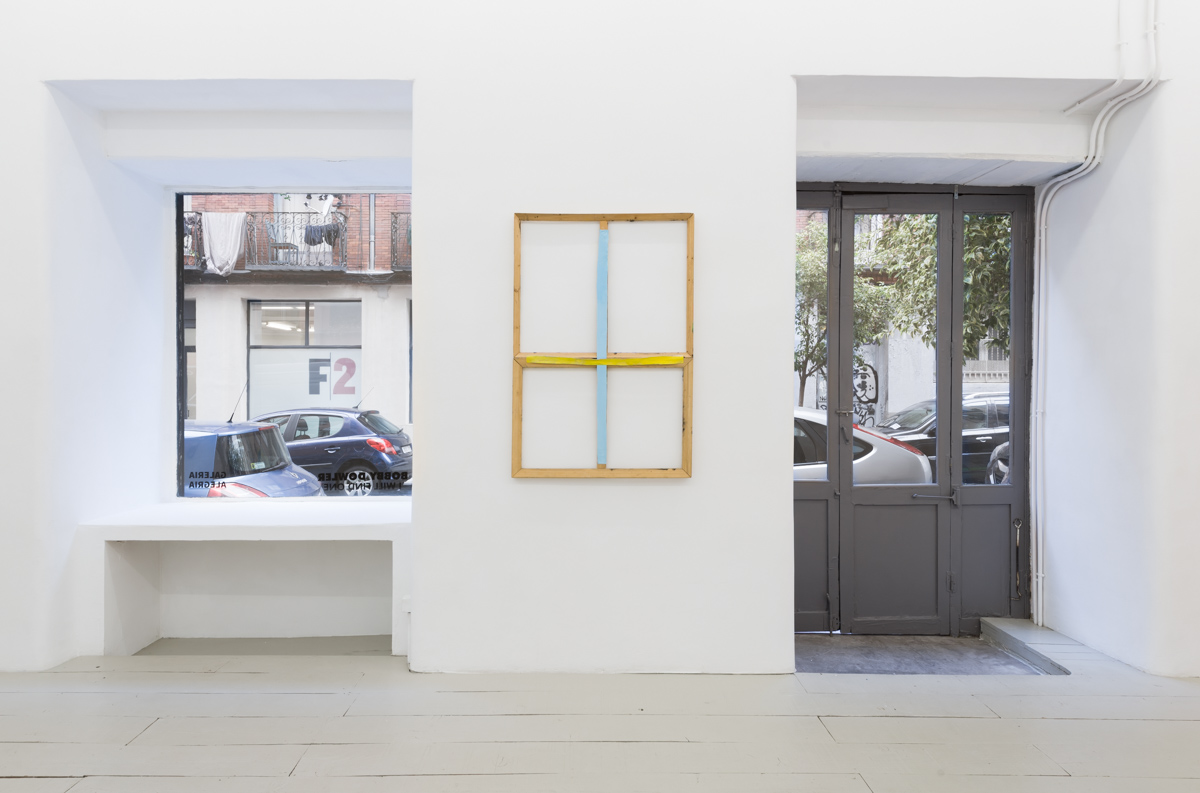
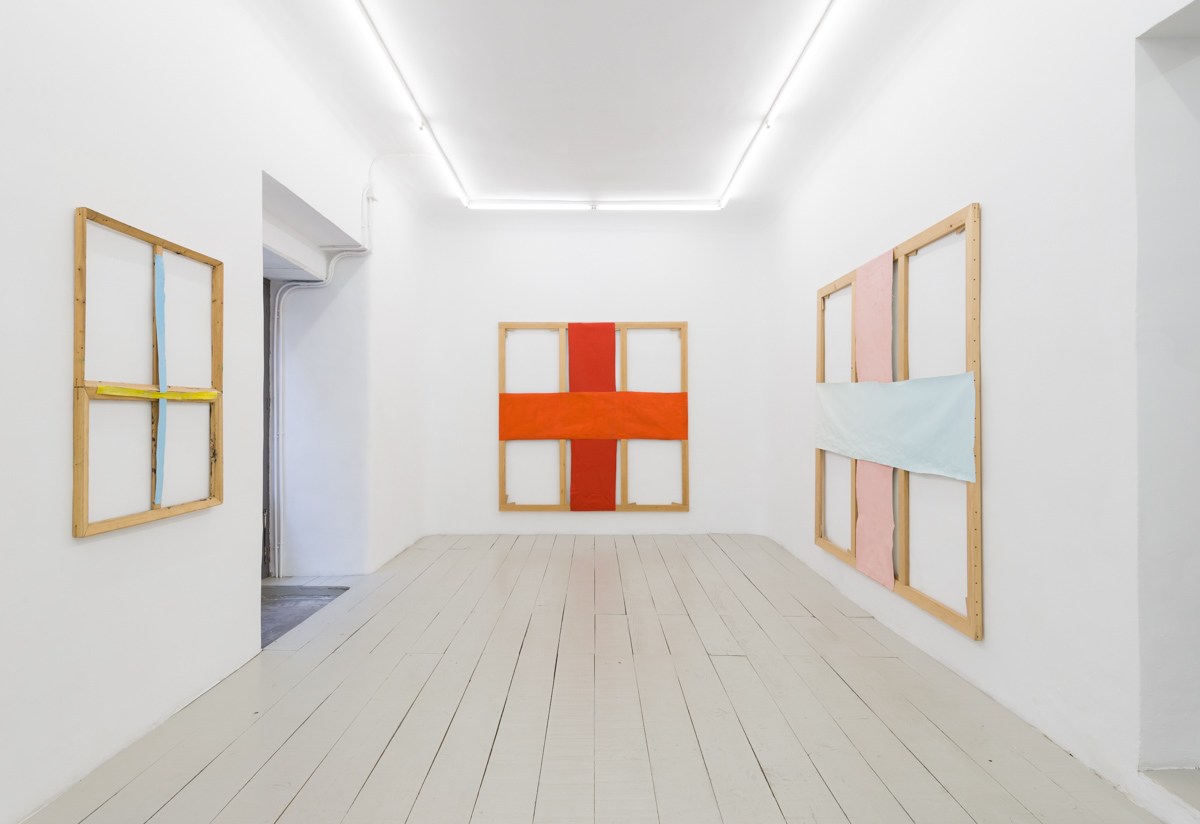
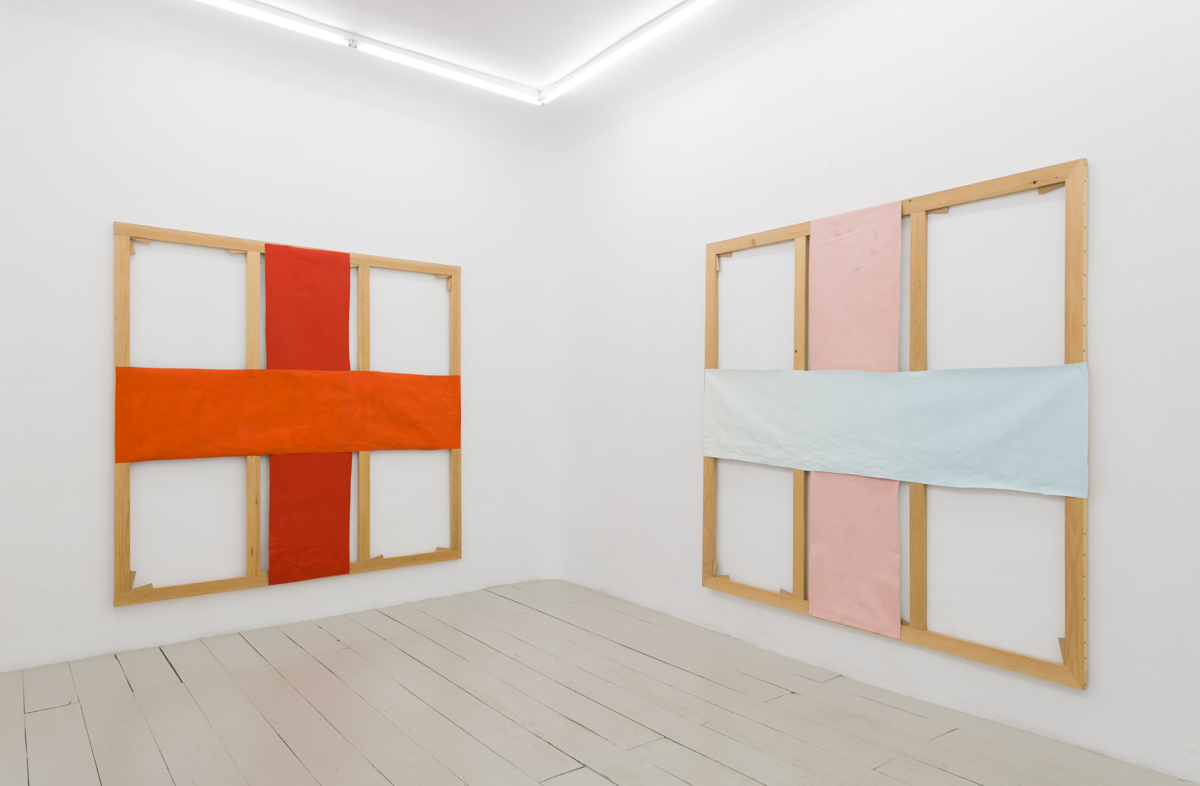
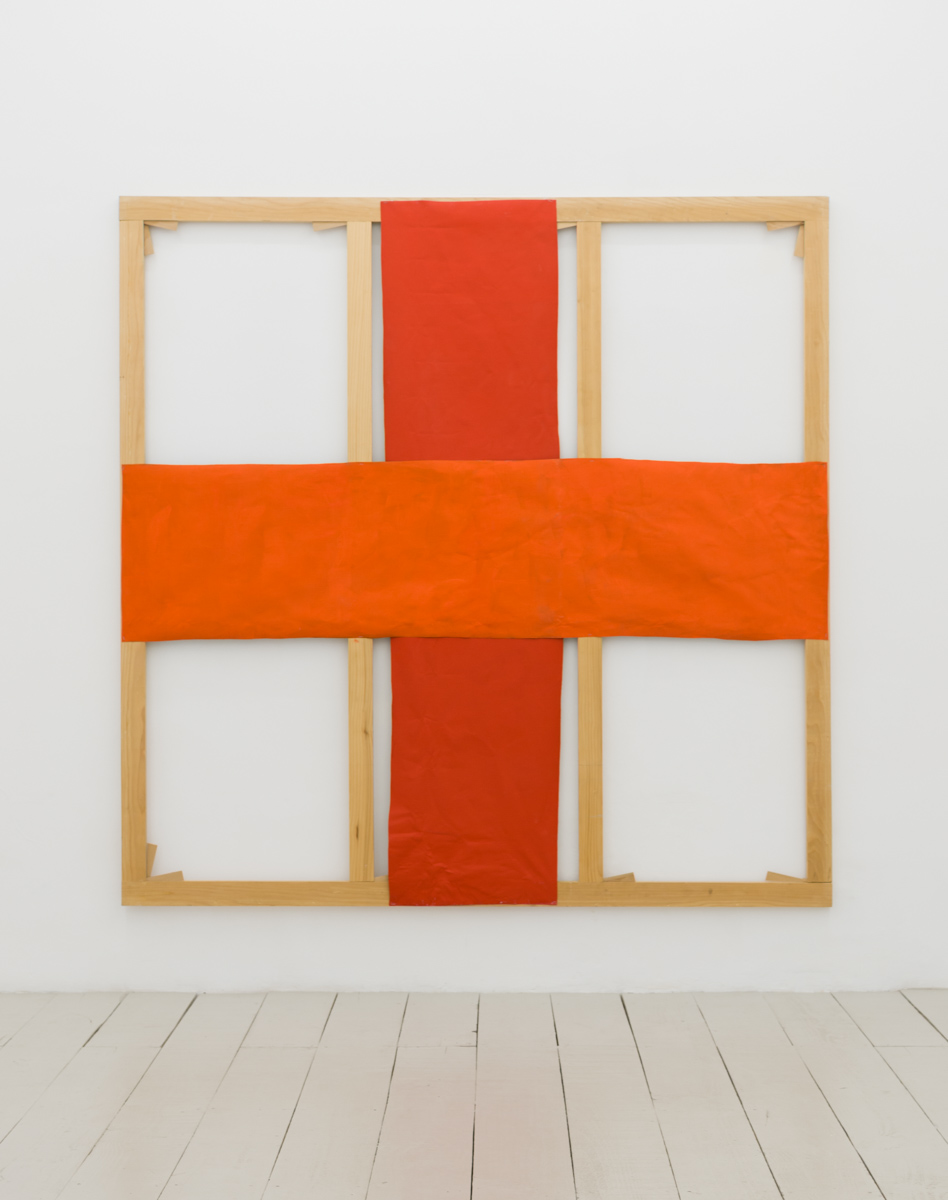
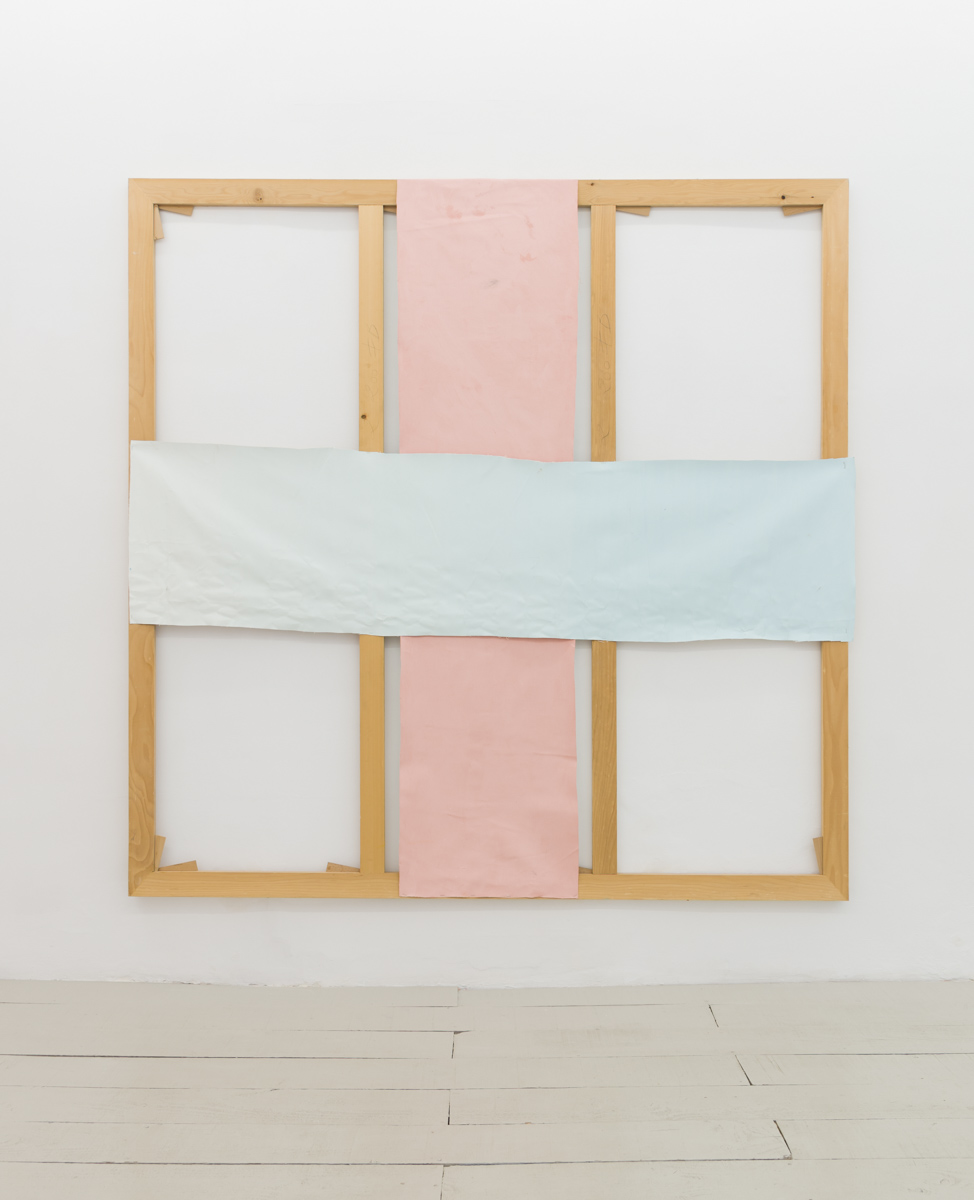
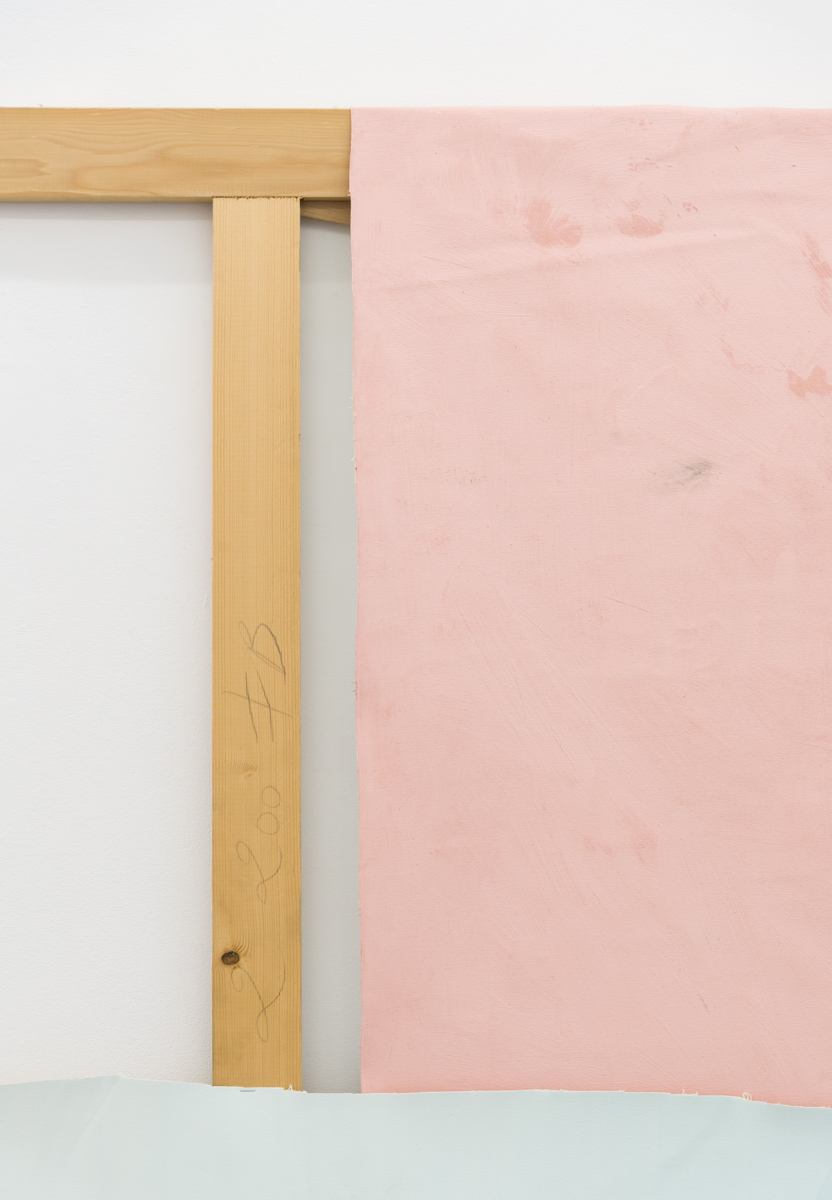
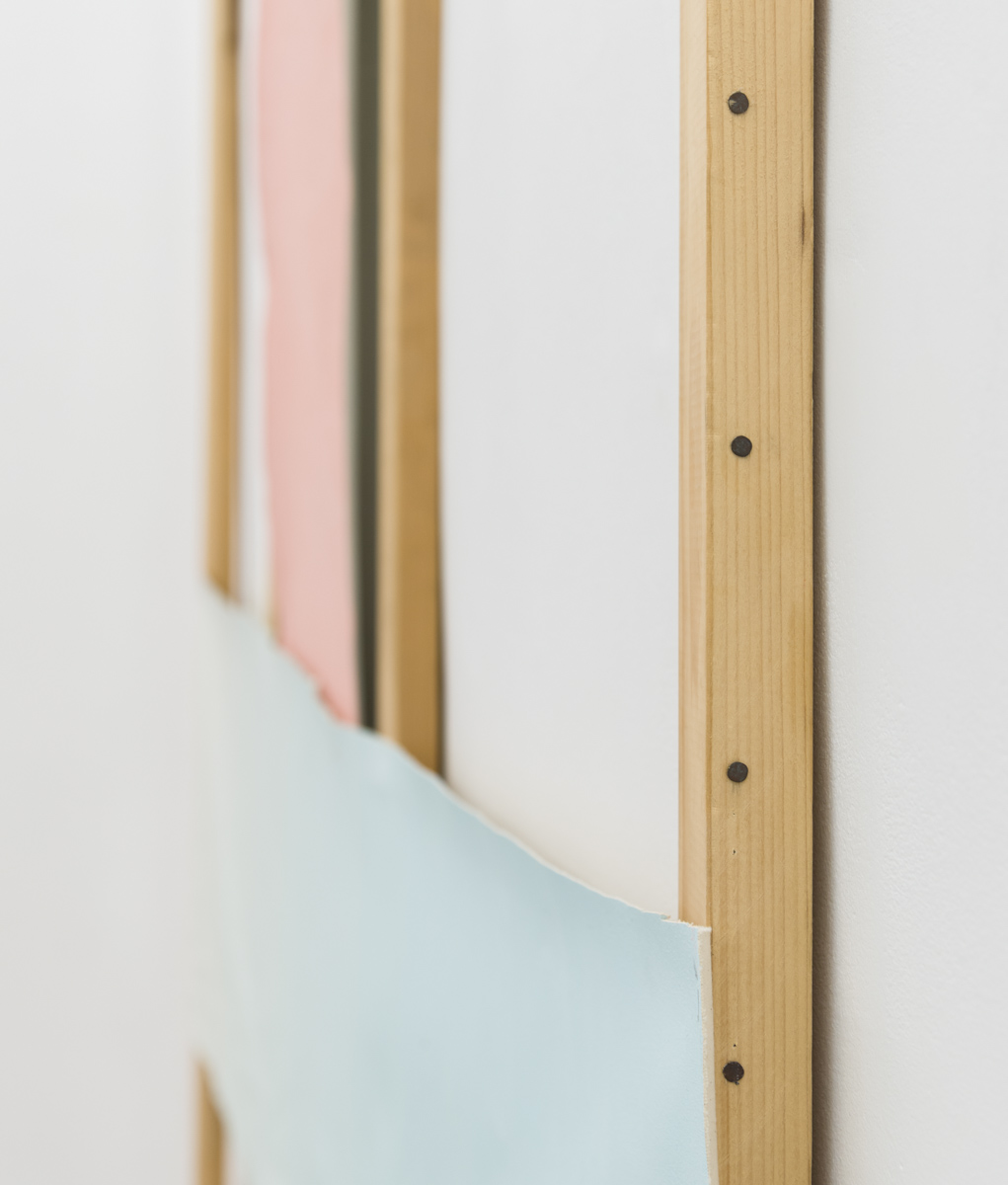
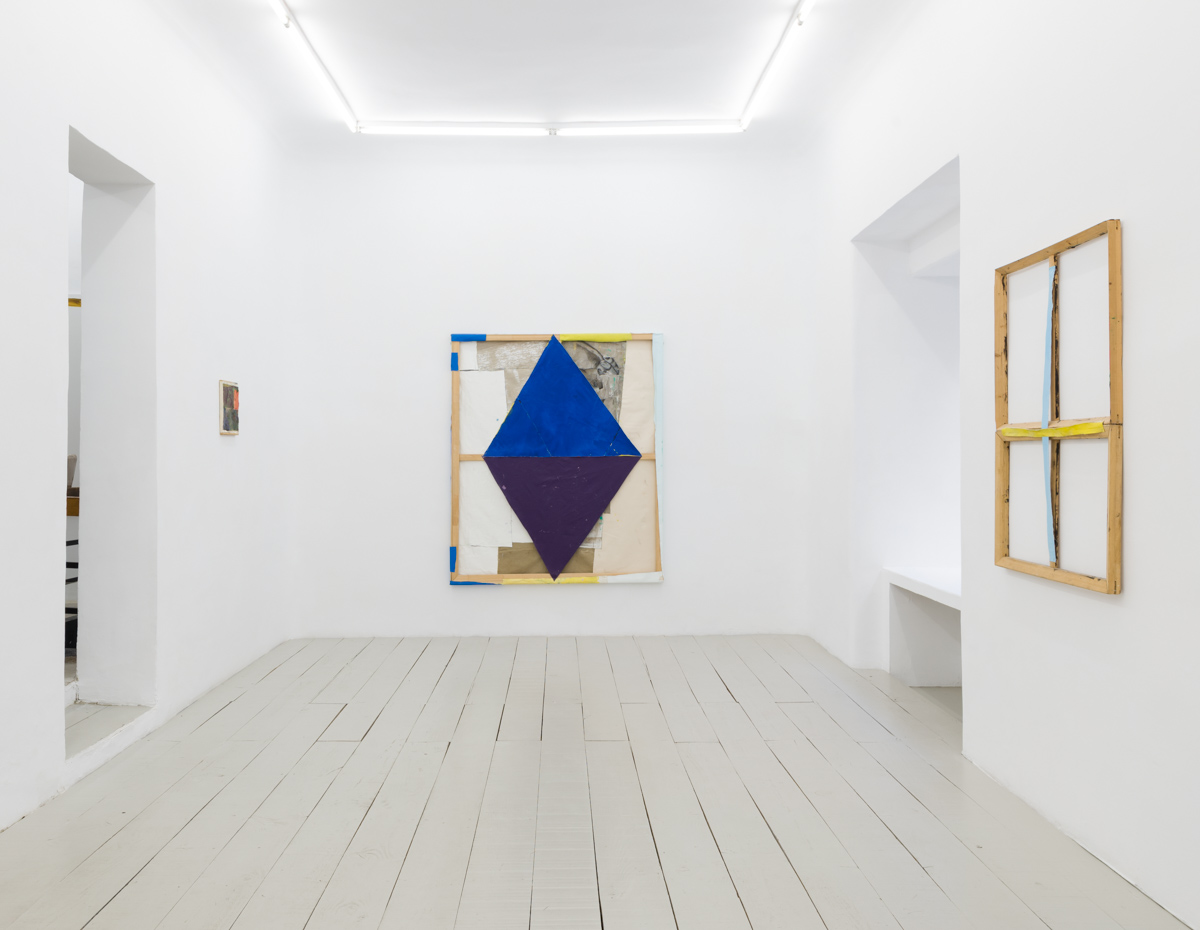
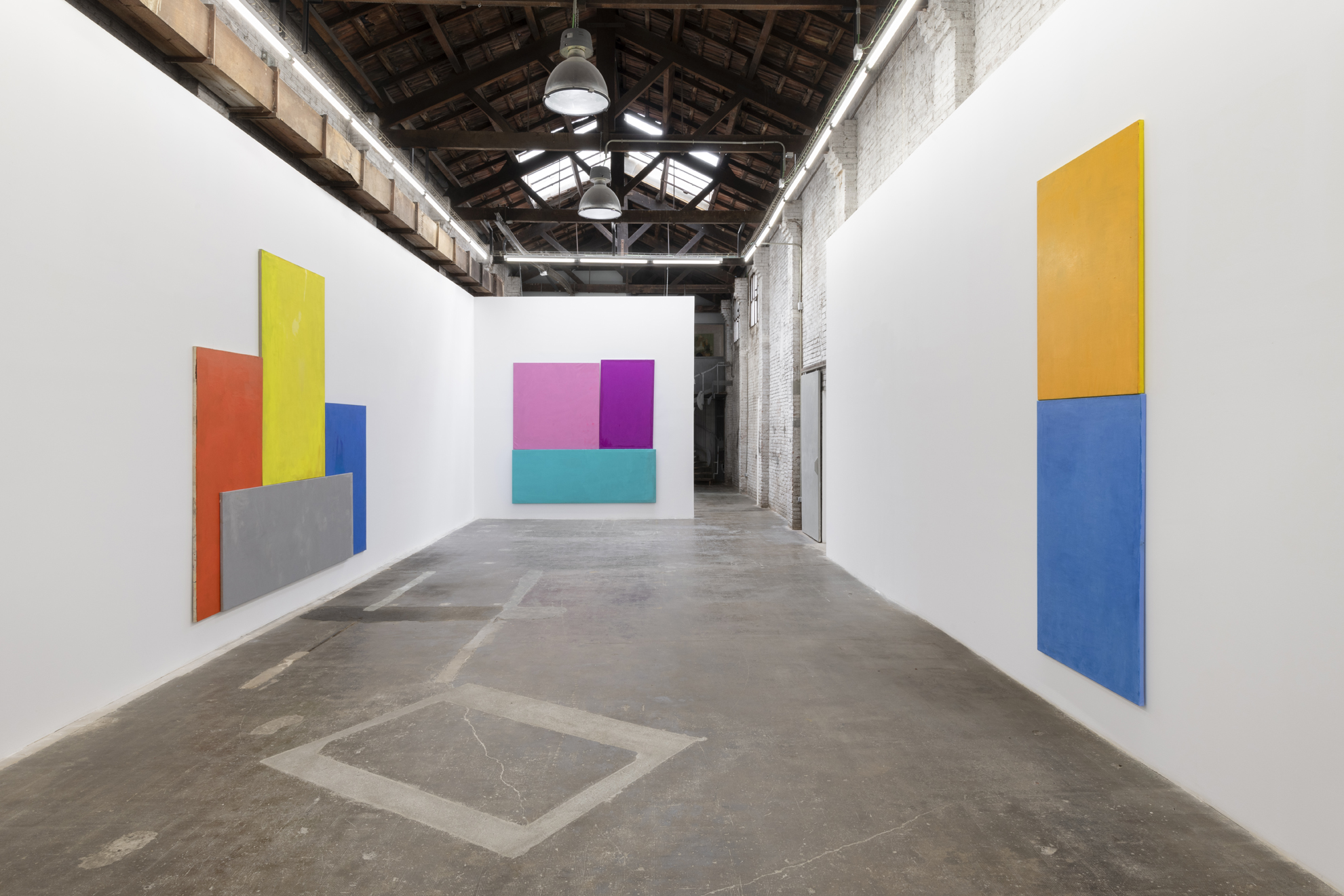
In When You're Strange, Dowler's third exhibition at Galería Alegría, the artist seems to revel in this objectual character by creating large-format installation systems in which the colour fields are assembled unevenly. If, in previous exhibitions, it could be claimed that Dowler still linked his practice to a kind of expanded painting, on this occasion he presents panels in basic colours that are arranged much like an industrial plate, panel or tarp. The condition of being "something else", of being a fabricated thing, is the most disconcerting aspect of these pieces. Thus, the gaze cannot quite come to terms with the presence of the panels, since their edges do not coincide. The space between each canvas widens at irregular intervals, generating a somewhat odd visual effect. The squares have a subtle asymmetry that perturbs the eye, preventing it from resting at ease in the colour field.
Modernity, at least in some of its chapters, is the story of how artistic practice sought to acquire the same attributes of mastery, objectivity and precision as found in industrial culture. It did so by constructing works of art as if they were industrial objects, and, subsequently, objects for consumption. Today - now that this industrial society has revealed its own system failures - Bobby Dowler's works are a contained, laconic critique of avant-garde technical utopia. But they are also useless, ironic objects, which are nevertheless dazzling. Objects that can accept their own strangeness and defects and thus insist, with their disturbing-yet-enjoyable corporeality, on a colour field where the painted things still retain some of their poetic charge.
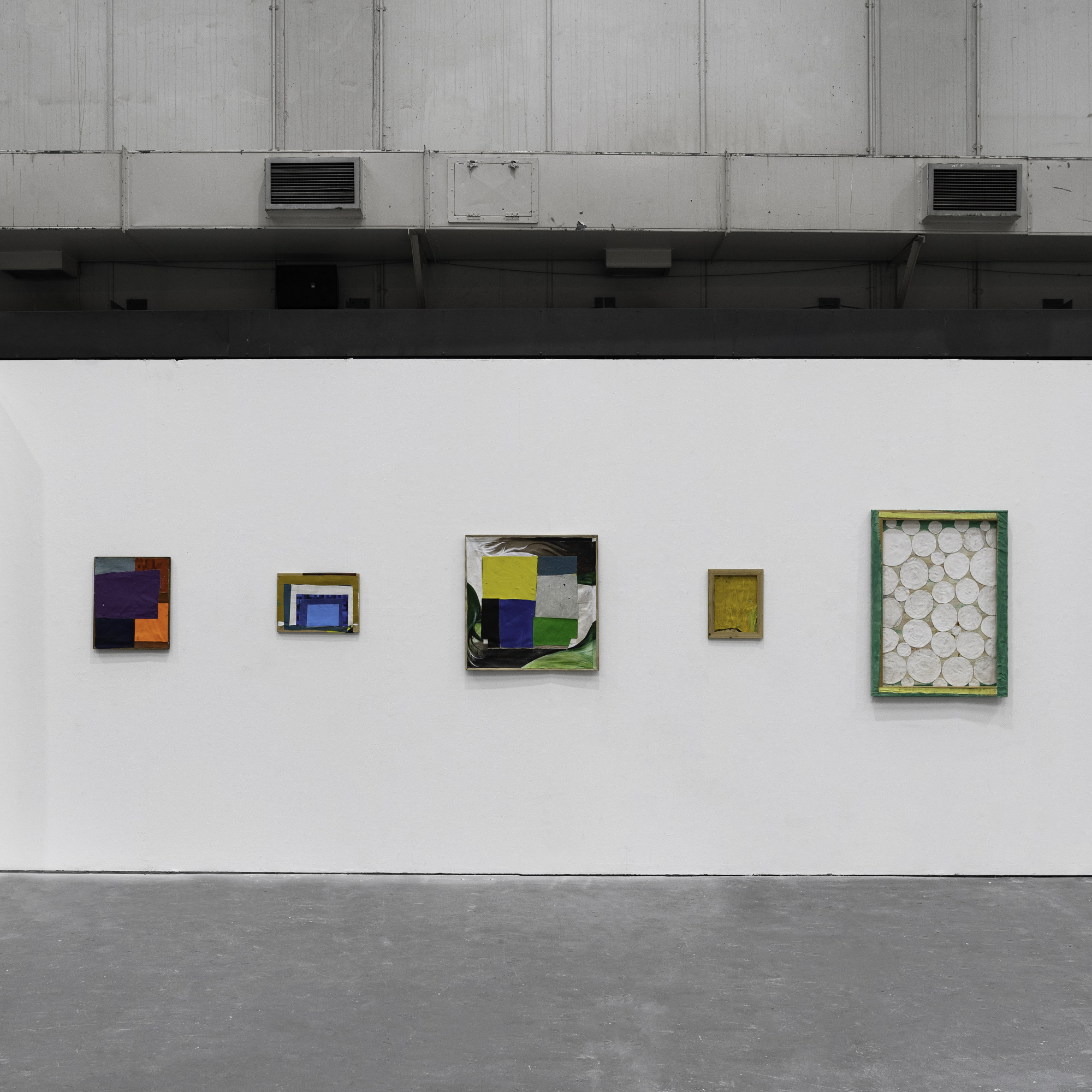
Does painting have limits? And, if it does, how do you know when you've reached them? Bobby Dowler (London, 1983) was faced with this dual conundrum when he had to deal with an involuntary creative impasse. To try and overcome this situation, the British artist, who has always worked with discarded materials, gathered some canvases he'd accumulated in his studio, and he got hold of some others which had been ditched by his painter friends, all in search of a material renewal that would ideally lead to similarly-renewed artwork. Furthermore, he came across a set of second-hand stretcher frames which, ultimately, would end up completing the raw material used for <<"100,000%!">>, his new exhibition at Galería Alegría.
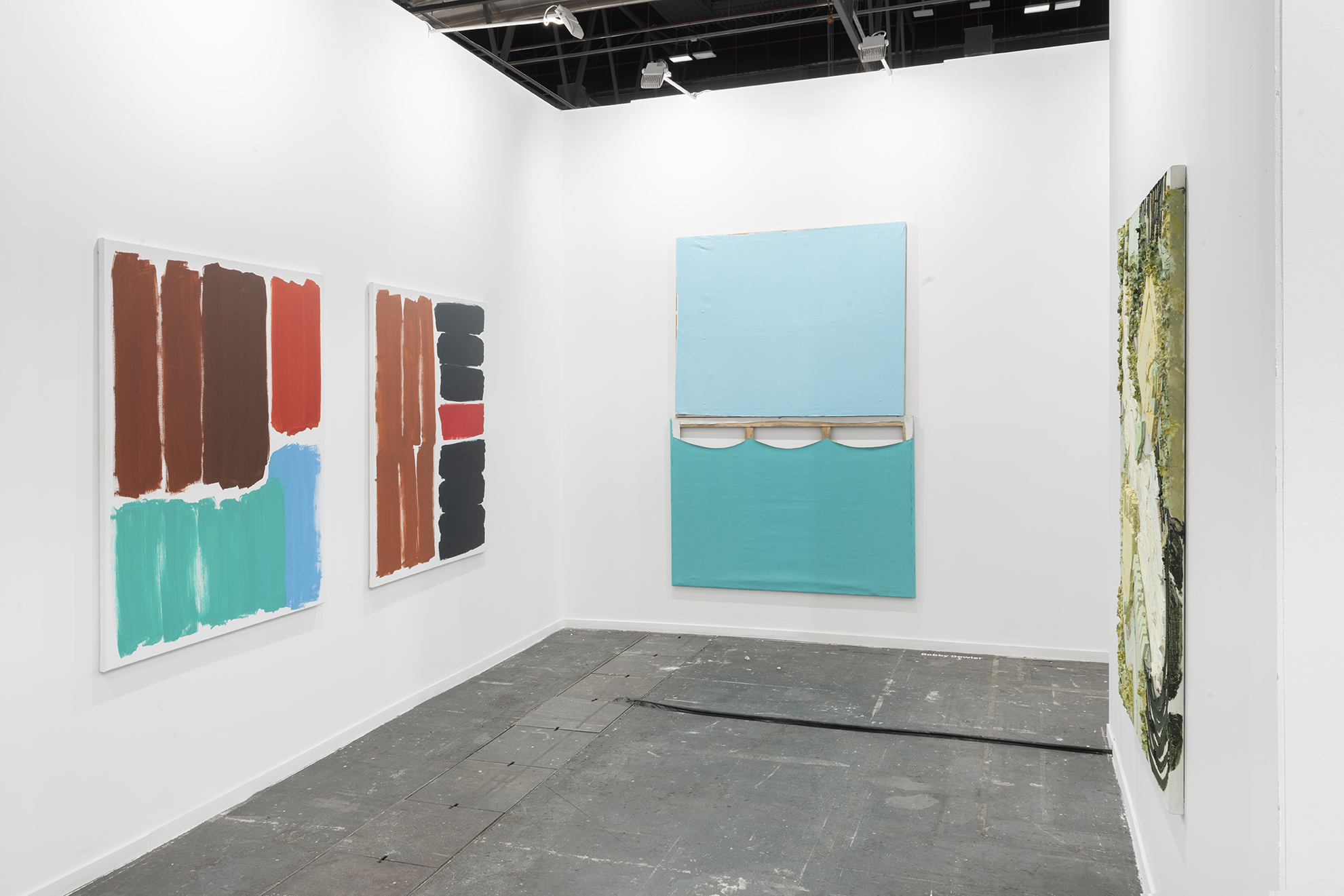
Using stretcher wood as a tool, cutting and patching up canvases, painting or using other people's work: the artist laboured intensely, until he had a series of pieces that offered him new avenues for development. As such, in this new exhibition, Dowler organises his materials, blocking out large fields of colour that forcibly overlap or are decisively set against each other. This vigorous determination turns colour and form into primary, immediate compositions, in which his free and electrifying painting style has great dynamic impact.
Assemblages, superimpositions, cuts and joins become loaded with a new tension, adjusting to the vivid swathes of paint applied by the artist. Dowler thus finds the way for his painting-objects - as he refers to them - to take on new meaning, without losing their characteristic force. <<"100,000%!">> is an ode to the abundance of a material that can have many lives, becoming reincarnated in multiple different works, but it is also a reminder of how important it is to pay attention to the form and needs of the matter in question during the process of creation. Far from resorting to dry theoretical reasonings, Bobby Dowler prefers to offer us a visual and material journey which is rich, intense and exciting. The honest questioning of the limits of his painting-objects has resulted in an emphatic and beautiful exhibition, which immediately connects with the audience in a way that only bold, adventurous art can.
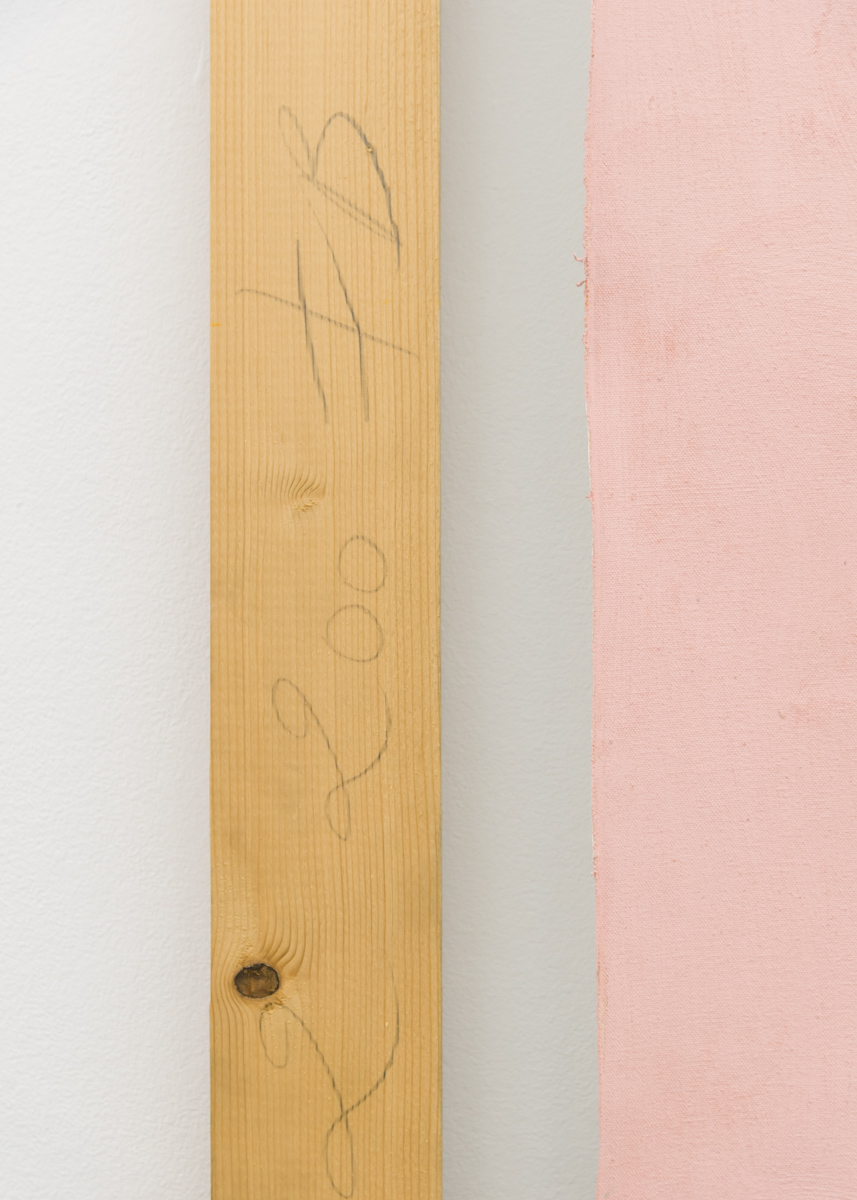
For over a decade Bobby Dowler (b 1983 in London) has collected the paintings that nobody else wants and used them as a starting point to make his own works out from. Pre-existing paintings and their wood supports come in all different shapes, sizes and styles - some have been carefully made, exhibited, sold, cherished, destested, neglected, laughed at, badly damaged and aban- doned on street corners - others have found their way haphazardly and without artists' signatures to flea markets in various countries. Eventually some of these paintings will end up in the works- hop of Bobby Dowler's where, for better or worse, they will meet their fate and be repurposed.
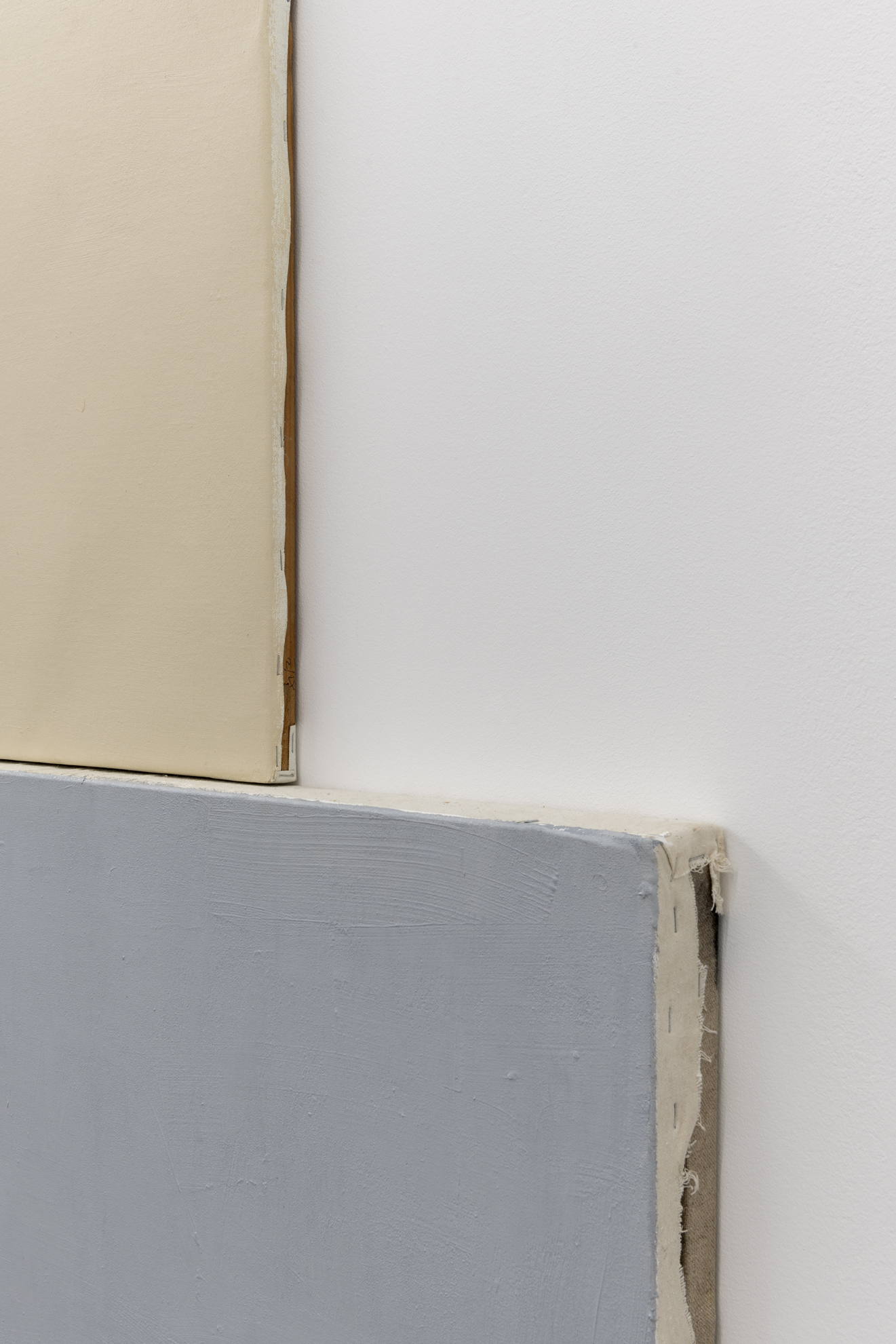
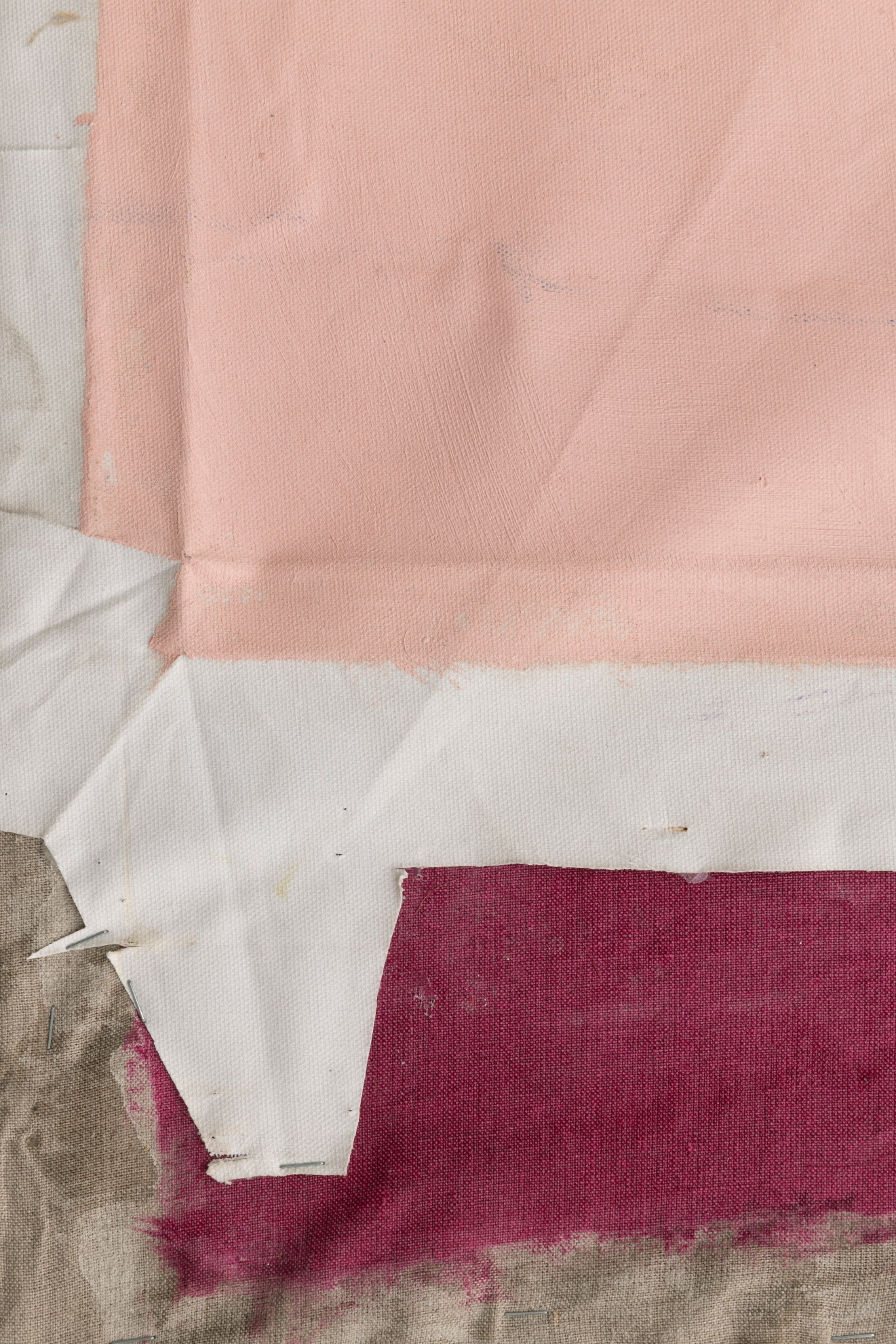
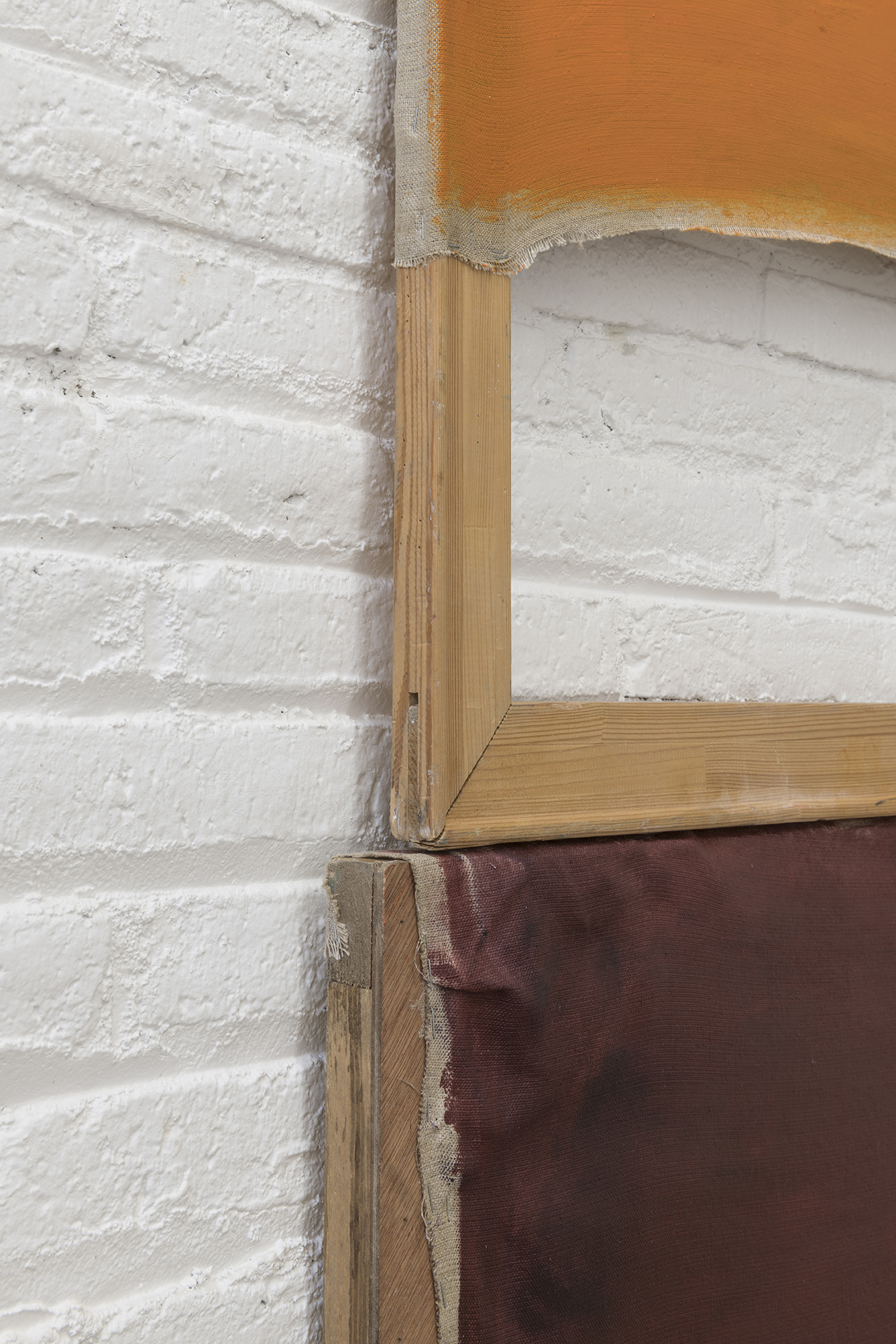
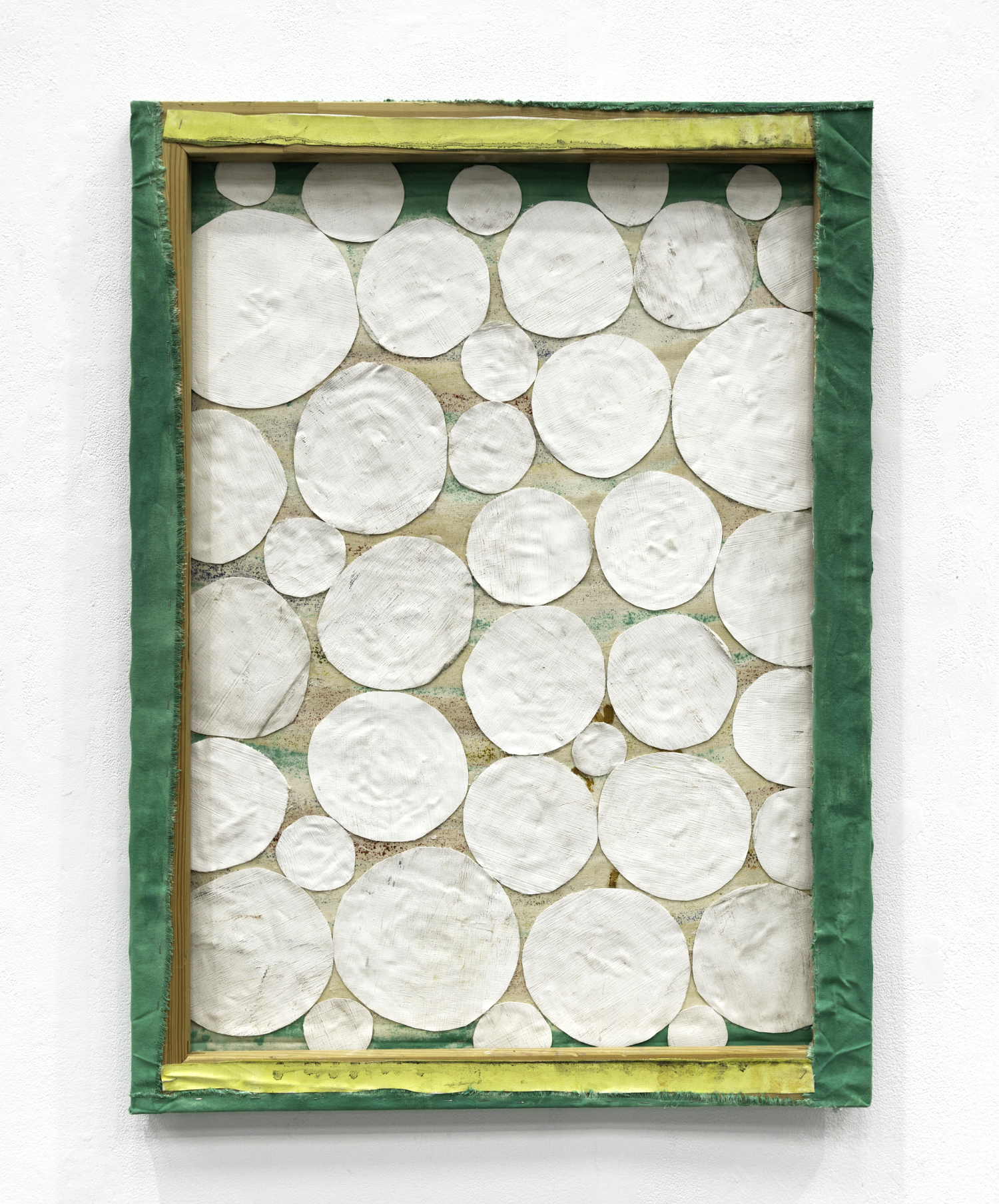
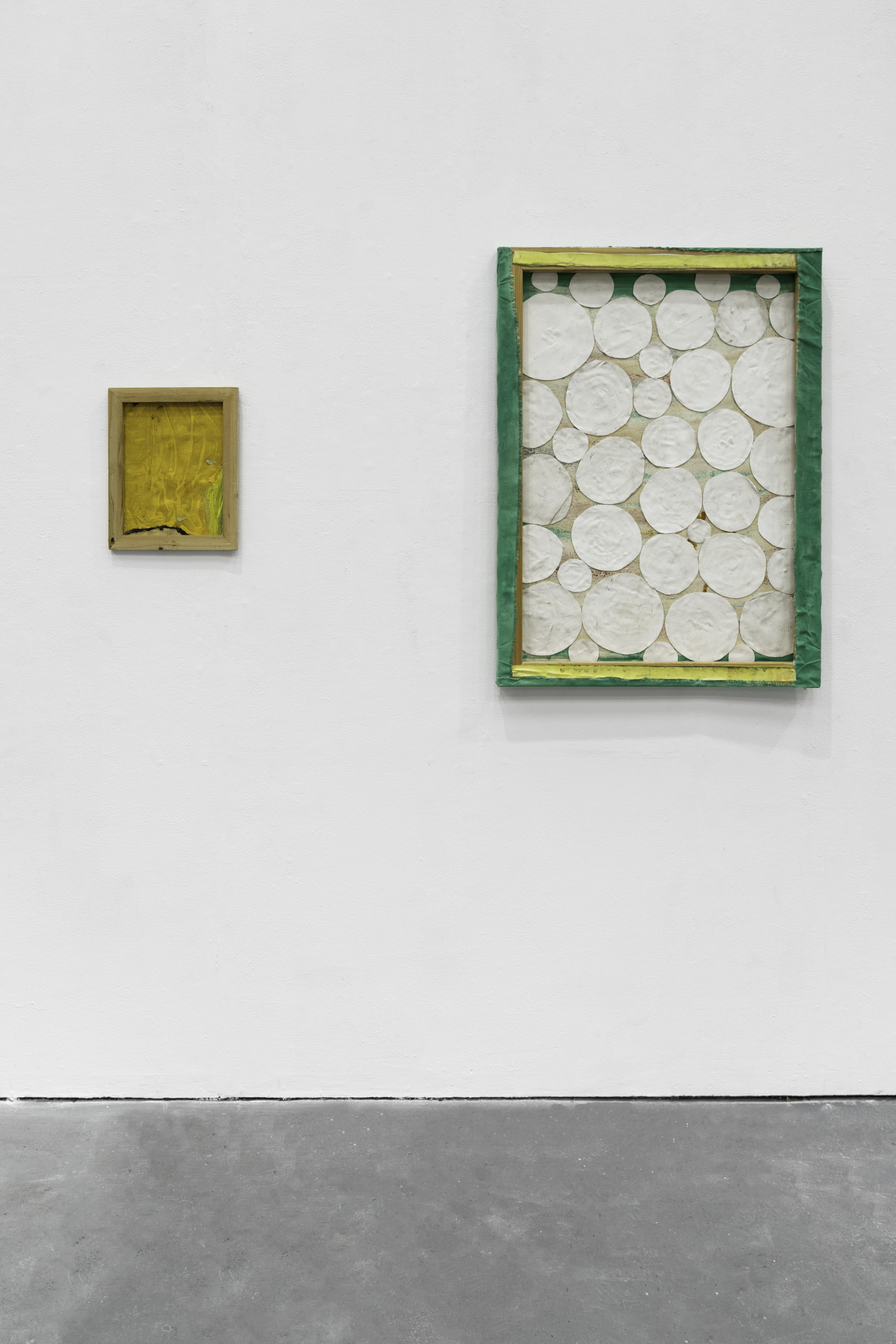
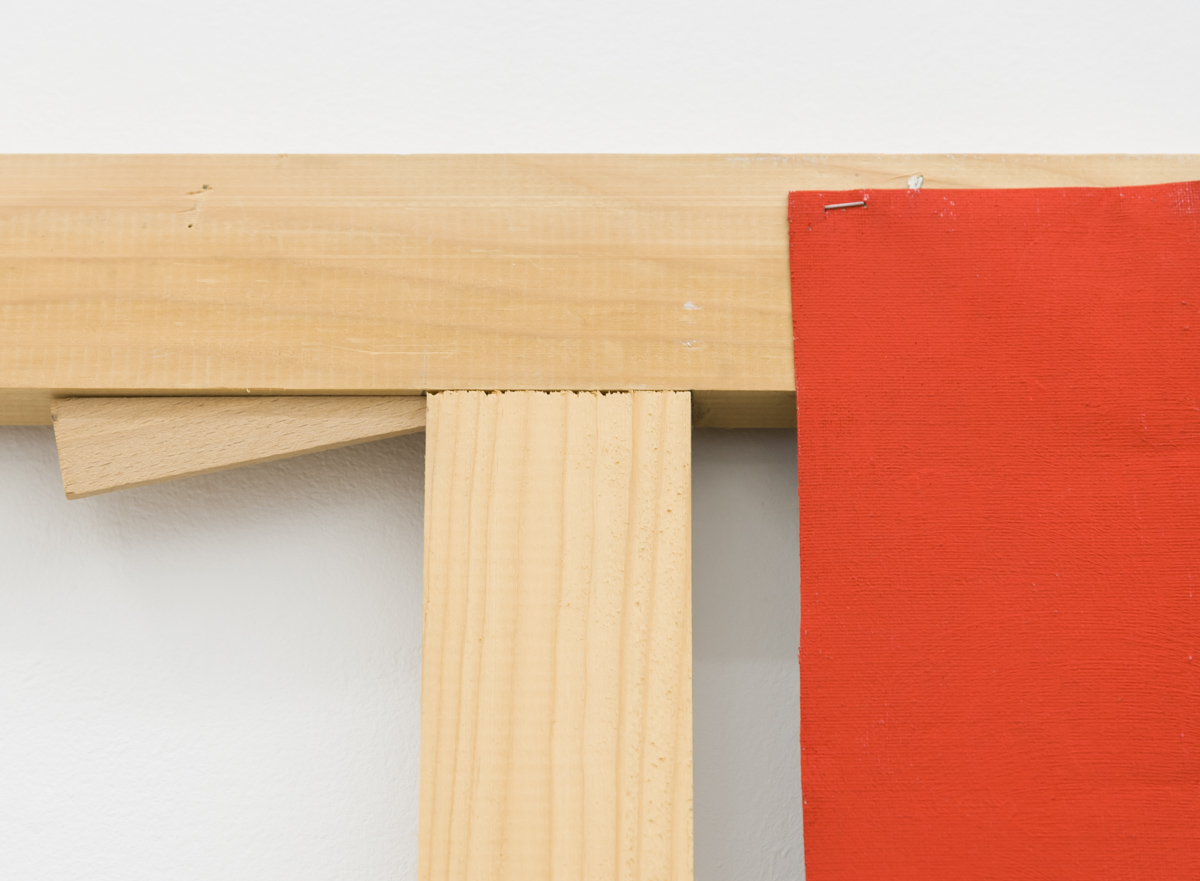
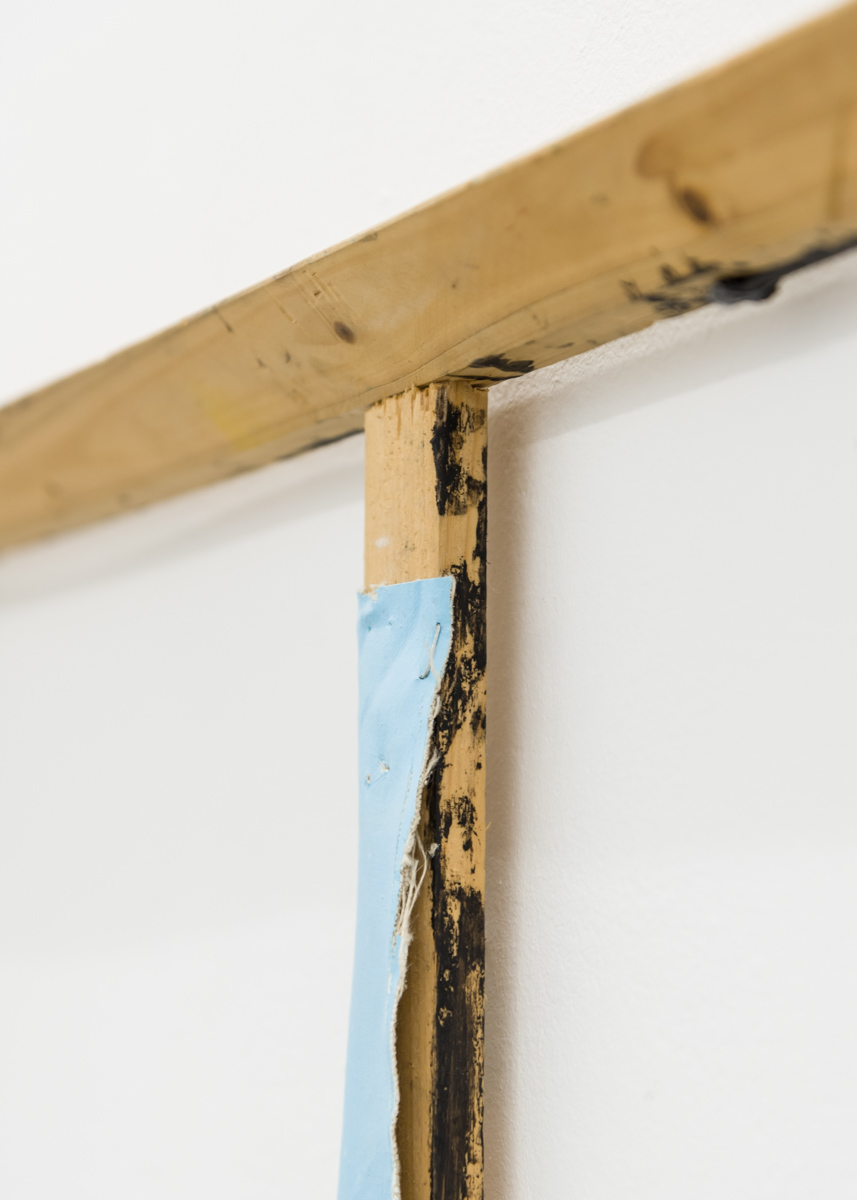
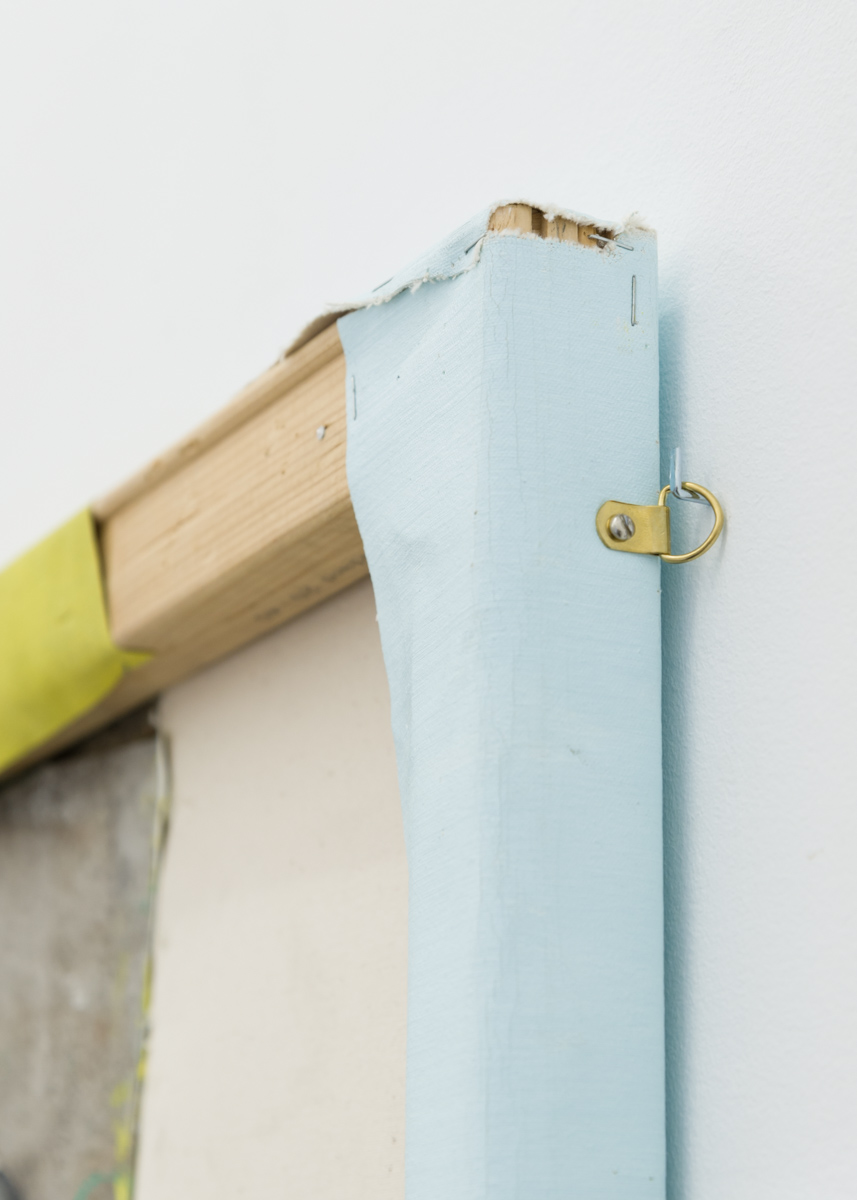
Bobby Dowler deconstructs his materials with his hands, tools and utilises paint, staples and glue, in order to assist the evolution of them into roughly-made ‘painting-objects'. Each painting-on-can- vas gets separated from its original wood-support (which is also later re-used in a wrong way!), re- worked, built up, broken down and partly destroyed, leaving only partially mutilated paintings and somewhat disfigured wood supports.
It is as if Bobby somehow wants to get inside the ‘painting' so that he can turn it inside-out.
Finally, after a protracted struggle (sometimes weeks, months, years pass), something unintentio- nal happens in his workshop and this surprise action helps guide a work towards it's eventual completion.
Bobby collects and re-uses found paintings-on-canvas and wood-stretcher-frame devices that have been pre-used in the past by others. Years ago, in a state of financial restriction he started to buy these cheaply from street markets however, more recently he has been receiving donated ones presented to him by friends. He adds these to his own artistic offcuts that have built up over the years. Once in his possession he analyses the paintings through separating them from their stretchers and through ordering each (the stretchers too) by approximate size, style, format or shape.
However, in general he will physically manipulate the materials with hands and with tools, often cutting with knife or scissors, applying paint by brush and in general doing whatever he feels like needs doing, until he discovers an unlikely procedural manoeuvre that can instigate the event that will help guide a work towards its final completion.
"Developments are innately unpredictable. Sometimes I won't use a certain painting or its stretcher wood for years, or I might totally destroy it, or I will use a part one day only to put it back in storage for a future consideration the next."
The materials all have their own history, and their particularities serve as an aspect of subject matter, giving Bobby a sense of what to do and how to proceed. During a protracted struggle, a ‘wrong' stretcher is often deployed to connect and frame the painted content.
It is in the nature of the work that he cannot foresee what precipitates the completion of a particular work. The discovery experience is subversive of predictable results and in the end his conclusions are not quite - or just - ordinary paintings, but what he refer to, in his naming of them, as Painting-Objects - that is ‘paintings' that have been reformed into 'objects'.
Bobby Dowler / When You're Strange / 16.03 - 11.05 / 2024
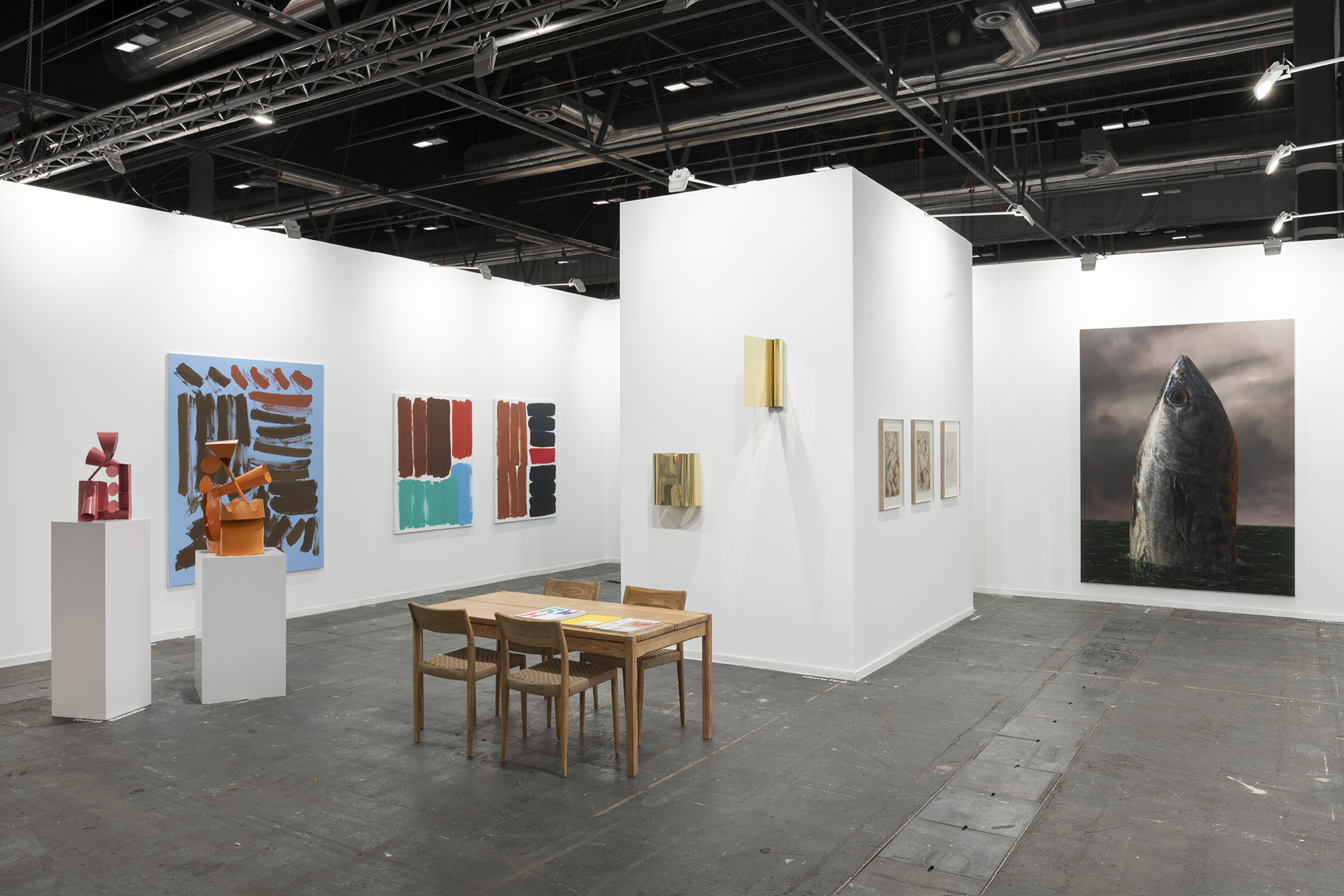
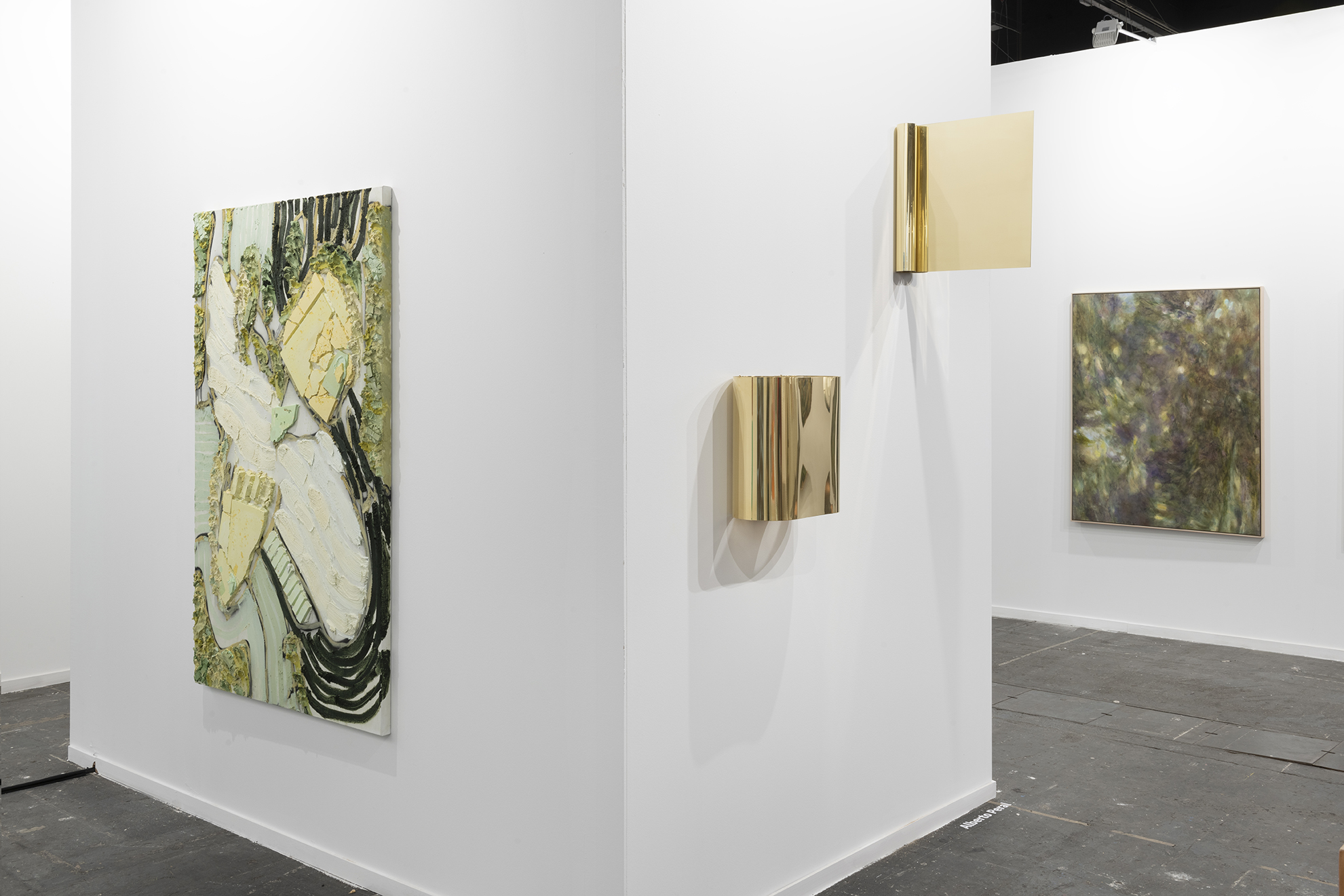
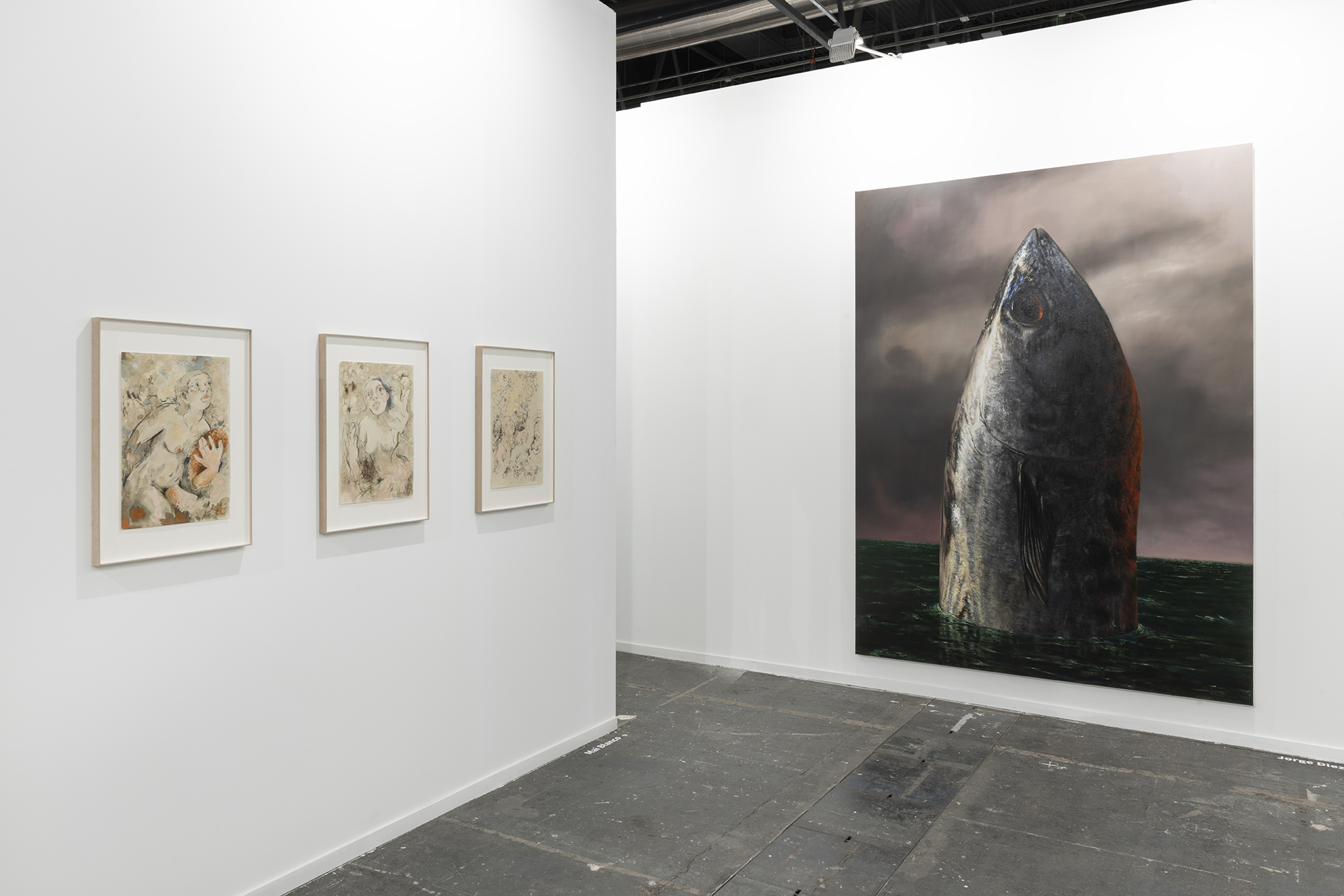
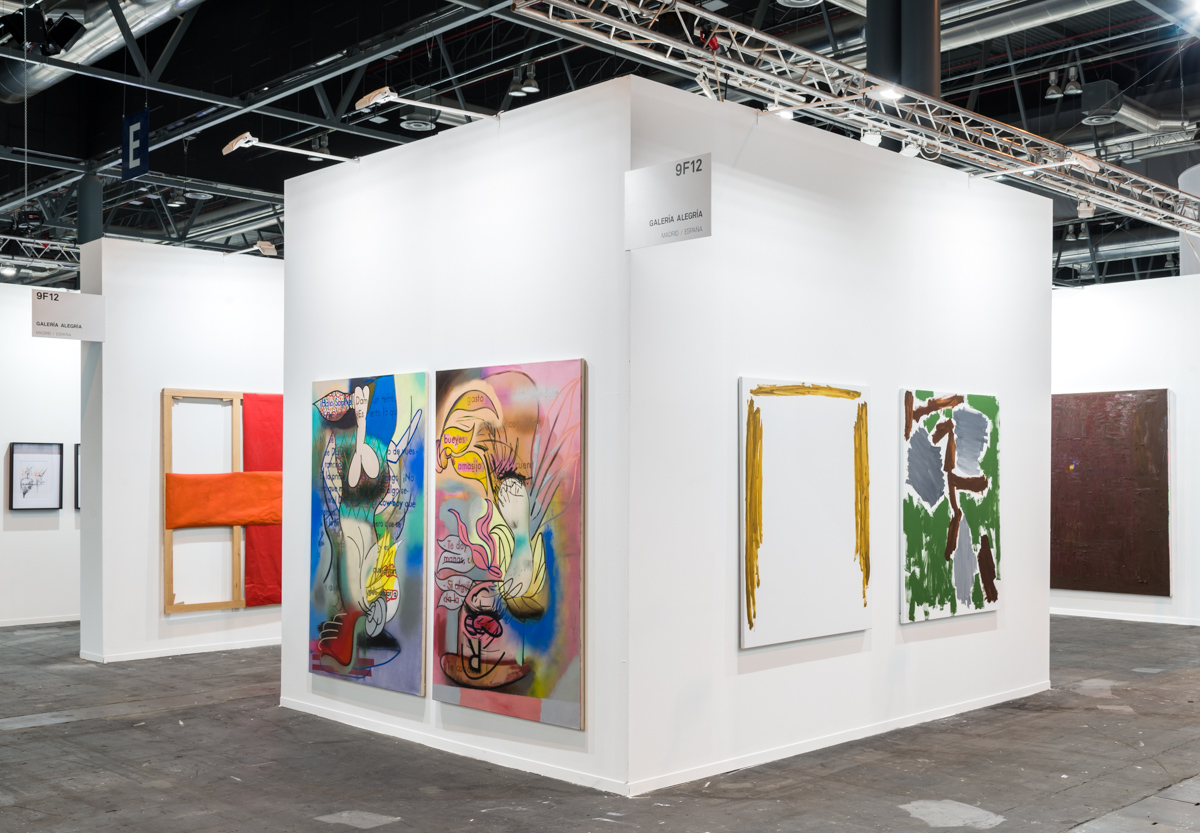
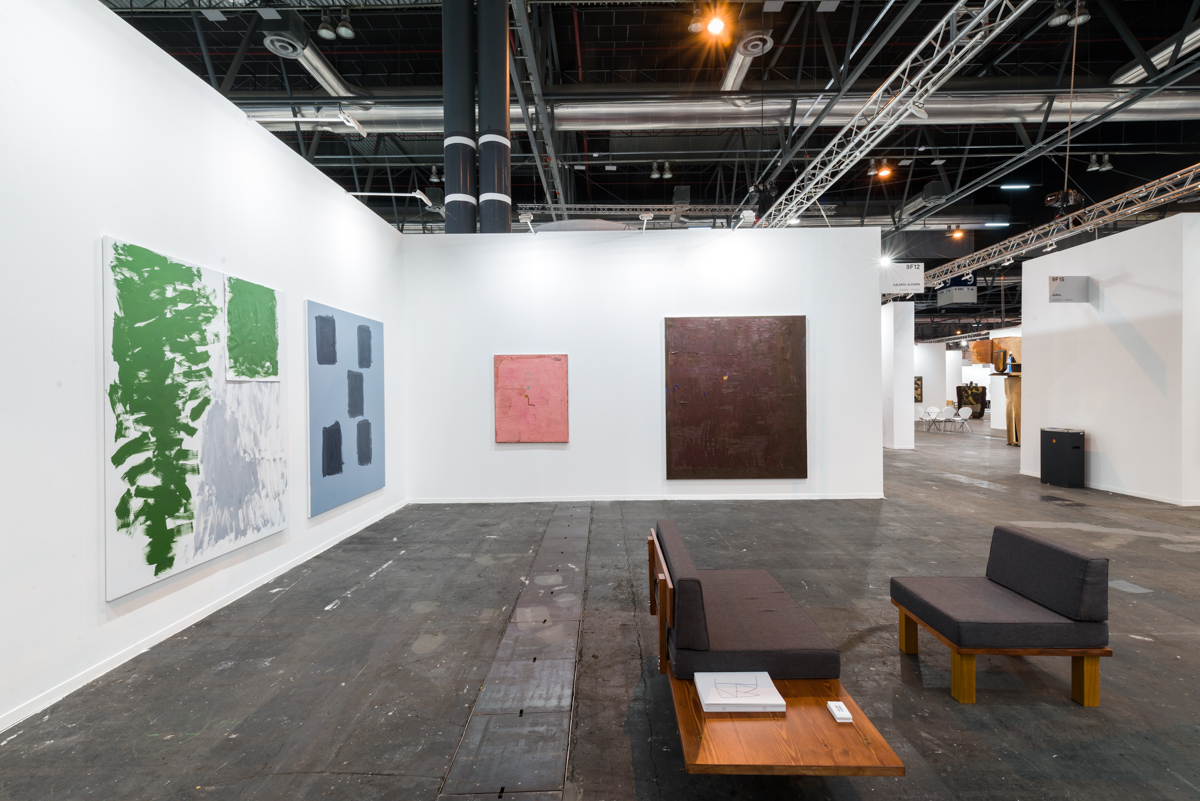
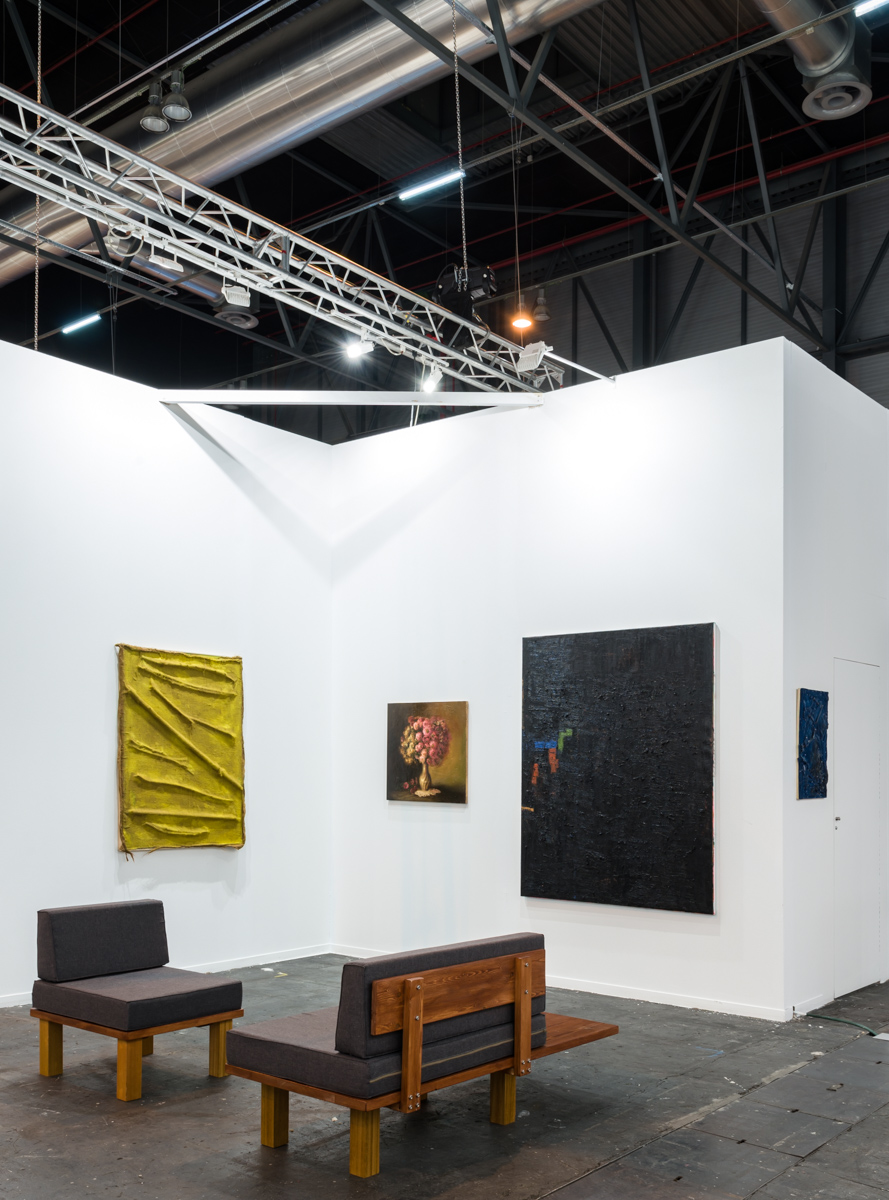
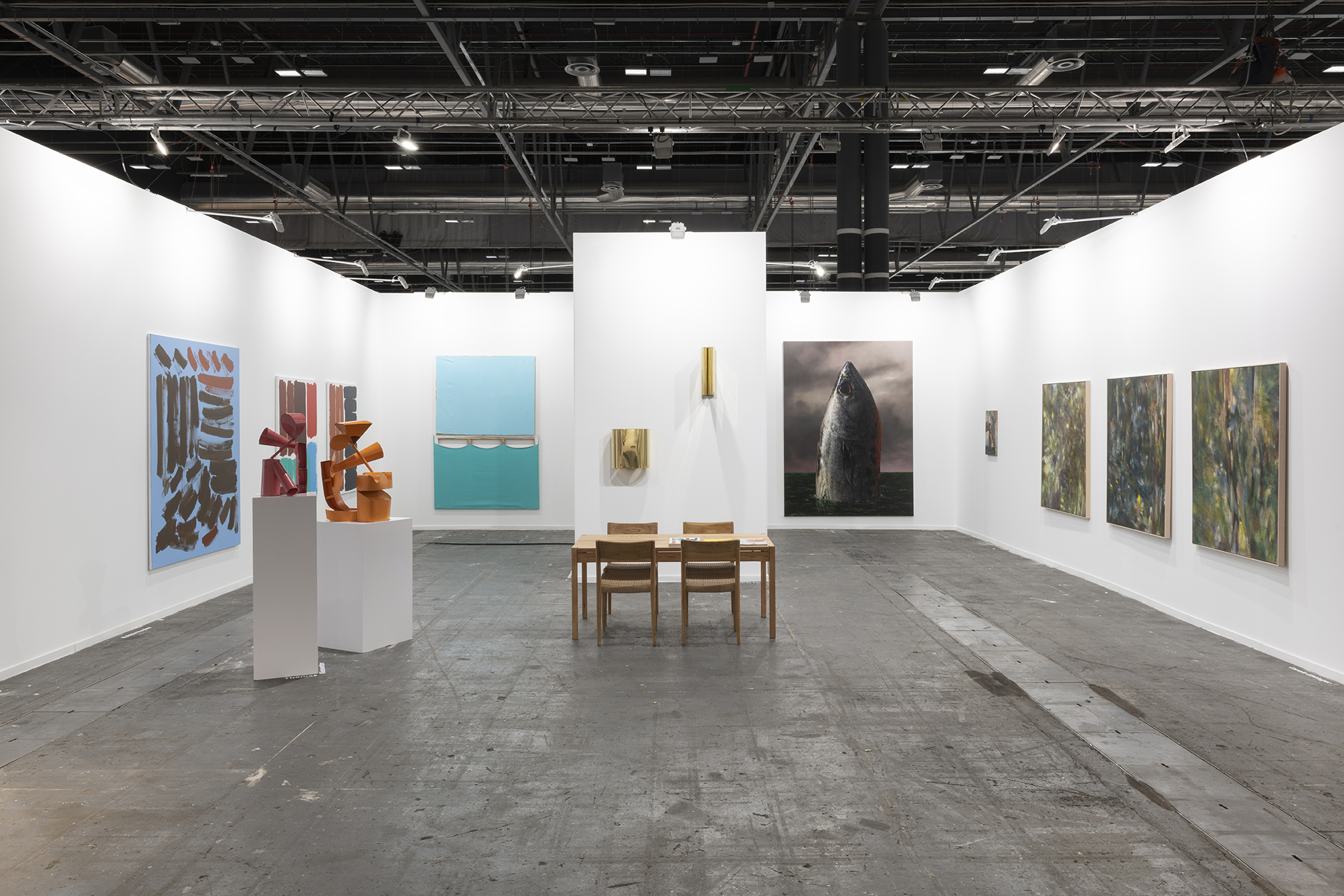
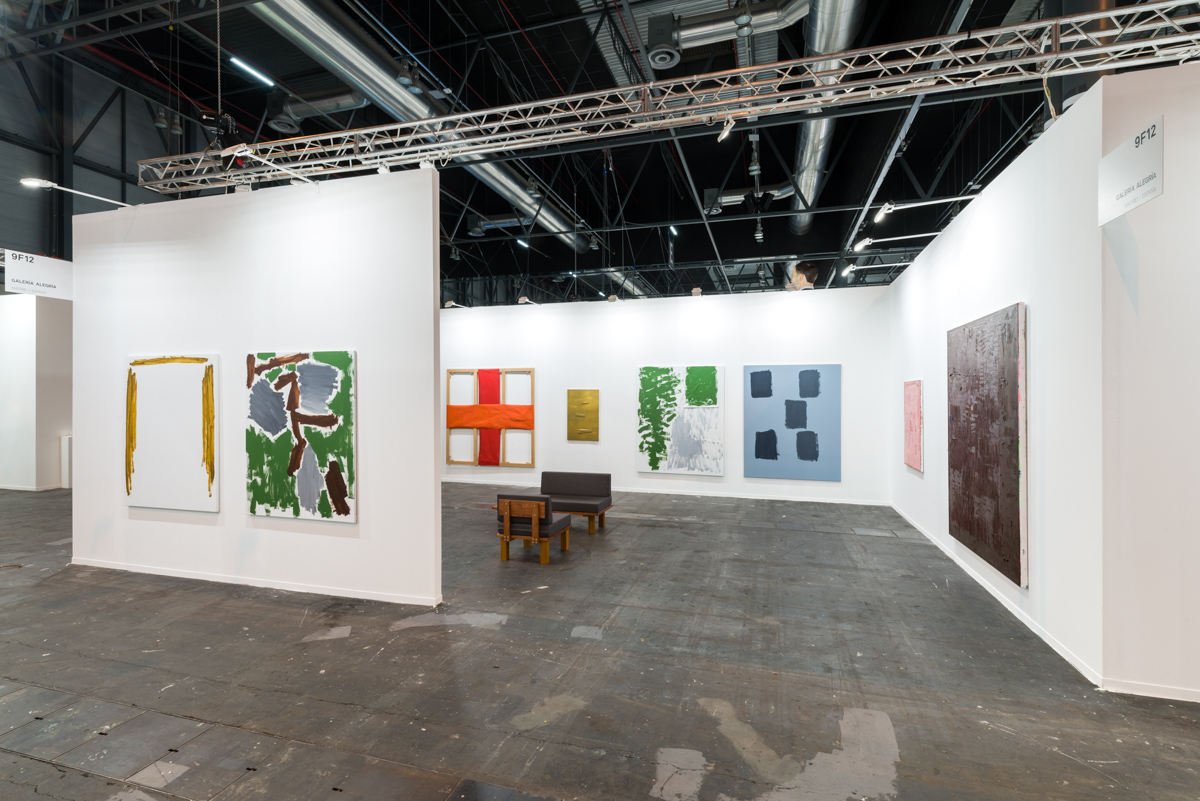
ARCOmadrid 2024 / Mai Blanco + Jorge Diezma + Bobby Dowler + Carole Ebtinger + Robbin Heyker + Natacha Mankowski + Alberto peral + Thomas Kiesewetter / 06.03 - 10.03 / 2024
Bobby Dowler / <<100,000!%>> / 27.05 - 16.07 / 2021
SUNDAY London / Bobby Dowler / 03.10 - 06.10 / 2019
ARCOmadrid 2019 / Jorge Diezma + Bobby Dowler + Robbin Heyker + Iñaki Imaz + Humberto Poblete-Bustamante + Mat Smoak / 27.02 - 03.03 / 2019
Bobby Dowler / I will find one / 17.11 - 19.01 / 2018-19