It falls to me to write this text because, in a certain sense, I consider myself at least partly responsible for bringing about the relationship between the two artists. In 2003, Luis Bisbe took part in the fourth edition of Doméstico, an independent project that five of us were producing and curating at the time. For the occasion, he made fuentedoméstica (De la Fuente), a piece in which a kitchen sink was manipulated: its tap was turned upwards, so that the stream of water hit a lightbulb hanging from the ceiling. That's how Jacobo Castellano first came across Bisbe's work, and that moment was thus the distant starting point for this exhibition.
The two artists have now come together at Galería Alegría to stage a joint show, a very specific and delicate kind of exhibition. For proposals like this, the most common approach is to bring in a curator, who selects the pieces based on objective criteria of similarity or difference, according to thematic, chronological or formal themes. Also, what usually happens is that both artists would produce new, collaborative pieces, blending their personalities, languages and working styles. However, in this case, the gallery and the artists have decided to gather in the exhibition space and let each artist supply a set of works that they consider apt for the occasion. Some of the pieces have been sitting in the artists' studios for a while; others were half-finished; some were even created in situ. Therefore, each artist takes responsibility for the selection of their works, based on a single criterion: to think about their own oeuvre in relation to that of the other artist.
Luis Bisbe (Málaga, 1965) and Jacobo Castellano (Jaén, 1976) were both born in the south of Spain, but they moved to the country's two largest cities, Barcelona and Madrid respectively, where they would live and work. Both artists are sculptors, and they have a lot in common. Here's a short list of things that they share:
- They are (greatly) interested in the material that they work with.
- They are very fond of tactile qualities, of surfaces, of weightiness and rigidity, or lightness and flexibility.
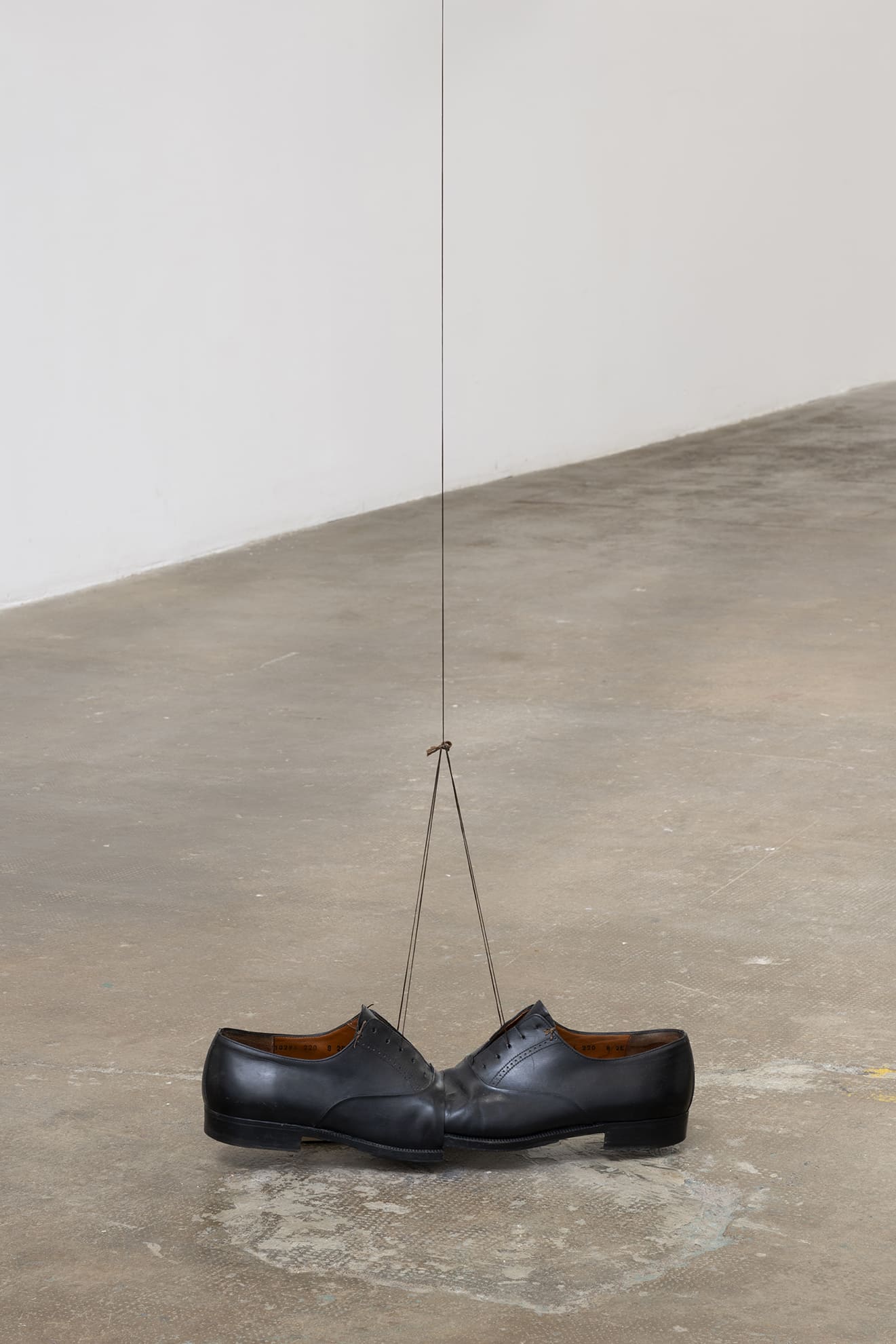
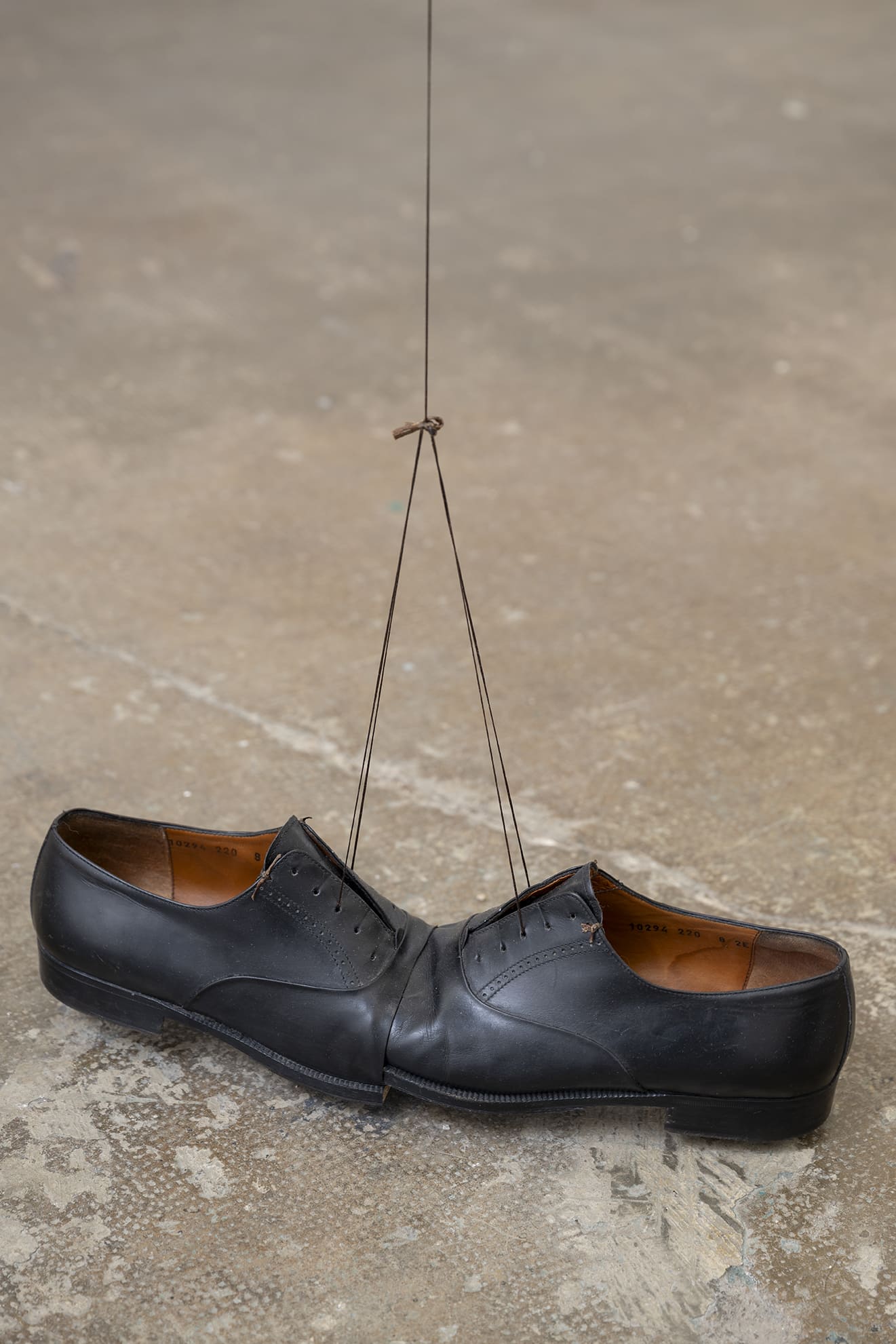
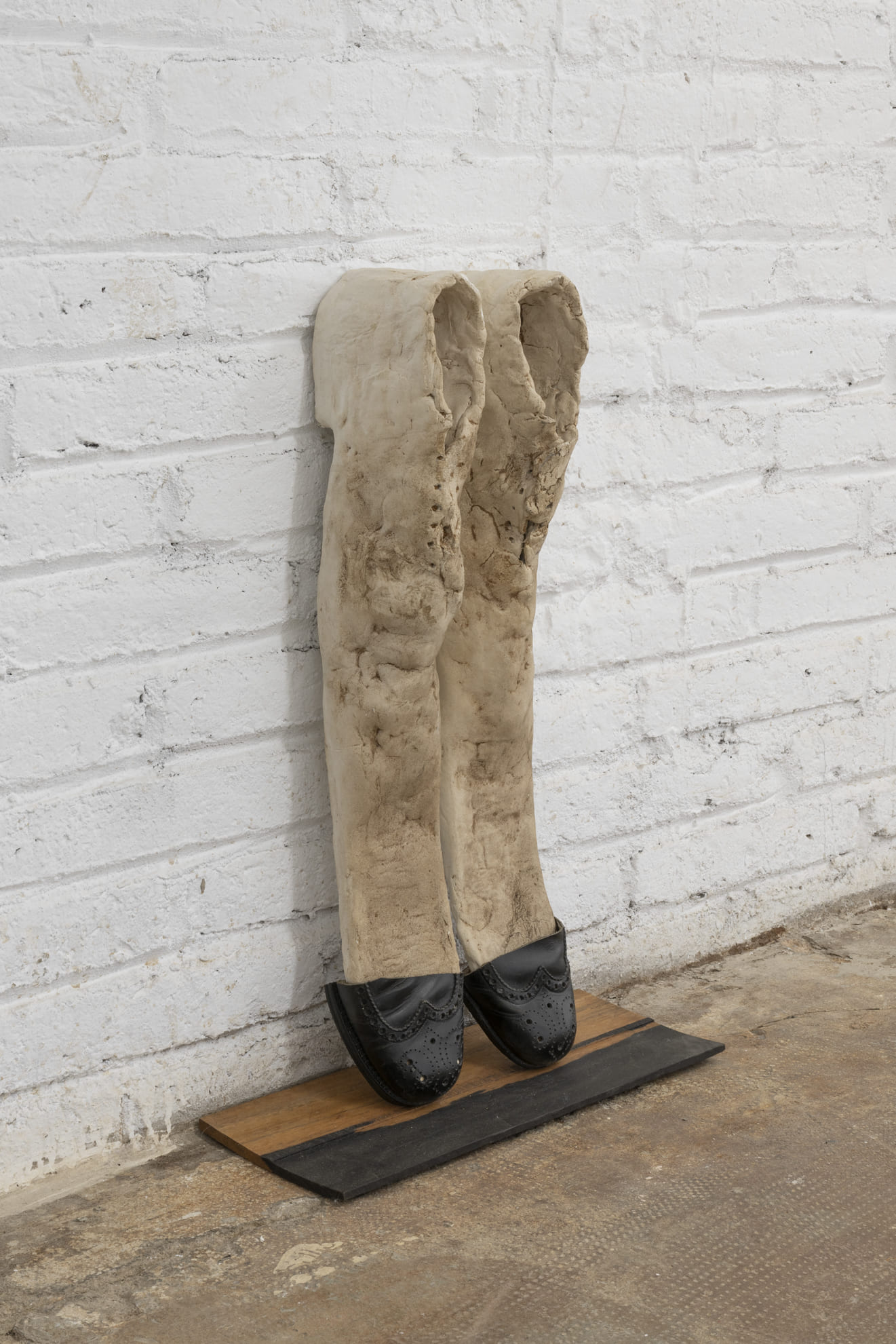
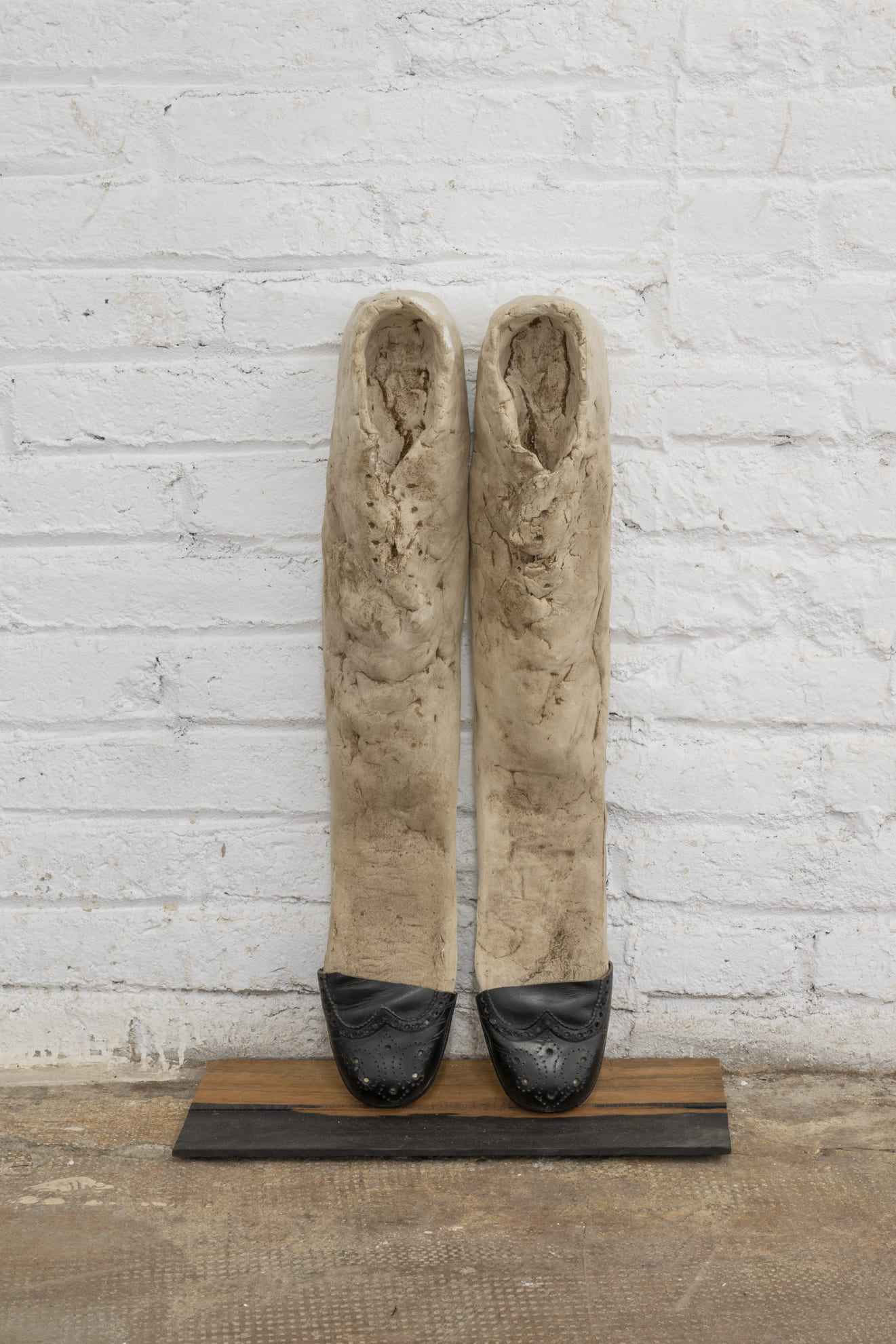
- They both take into account what is missing (the absent body that lingers on, beyond the shoes it used to walk in; the surface of the wall that continues into the gap).
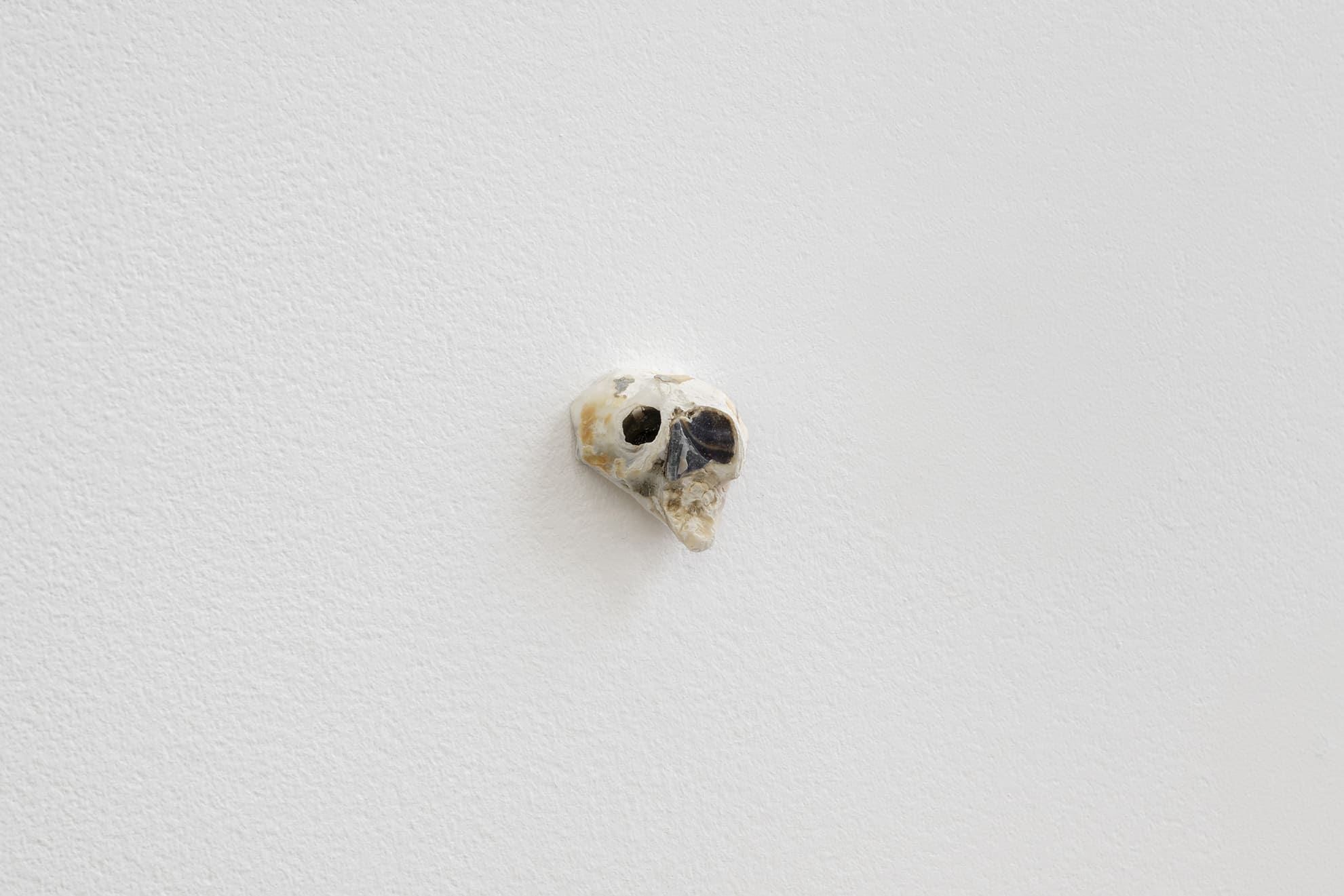
- They focus on the small things, on details, on what can be seen or discovered only when up close.
- They enjoy the absurd, irony and paradoxes.
- They love jokes and even a good pun.
- They point out contradictions.
- They observe the day-to-day, what's going on around them.
- They make use of biography and history.
- They defend the impossible, that which is contrarian or which ought not to be.
- They use shifts in perception in their works, to bring to light what is not immediately visible.
- They like creating narratives in which the spectator is invited to complete them.
We can talk about their differences too. For example, they have distinct methodologies: Luis Bisbe's work is always grounded in the space and time in which the piece is to be created (somewhere specific, at a set date, external to him), while Jacobo Castellano is more studio-based, does not adhere to a specific timeframe (other than the eternal timeframe of studio working) and he starts with a certain element chosen from among many others. It could also be claimed that Castellano prefers natural materials, and he plays around with an aesthetic of the vernacular, while Bisbe prefers the industrial and the aesthetic of the consumer society. Nevertheless, I find that they have more points in common than differences:
"The insignificant and the day-to-day are my laboratory, and that's where I spend most of my time, both delving in and moving away, within my own abilities. Most of my work is the fruit of that back-and-forth. I believe that the scale of what you observe does not fully determine its reach. The interesting thing about paying more attention to the way of looking, rather than the object itself, is that this mechanism can still operate in our subsequent experience when we look in other directions." Luis Bisbe, in an interview from 2008.
"The outcome of a sculpture is an accumulation of a chain of small decisions. I might start by smashing a piece of wood against the wall. From that piece, small woodchips will break off, which can be sanded. If any sawdust sticks to the sandpaper, then that paper might end up forming part of the sculpture too, and so on. I am unable to envisage the end of a work; it's all about the ongoing accumulation of small decisions." Jacobo Castellano, in an interview from 2018.
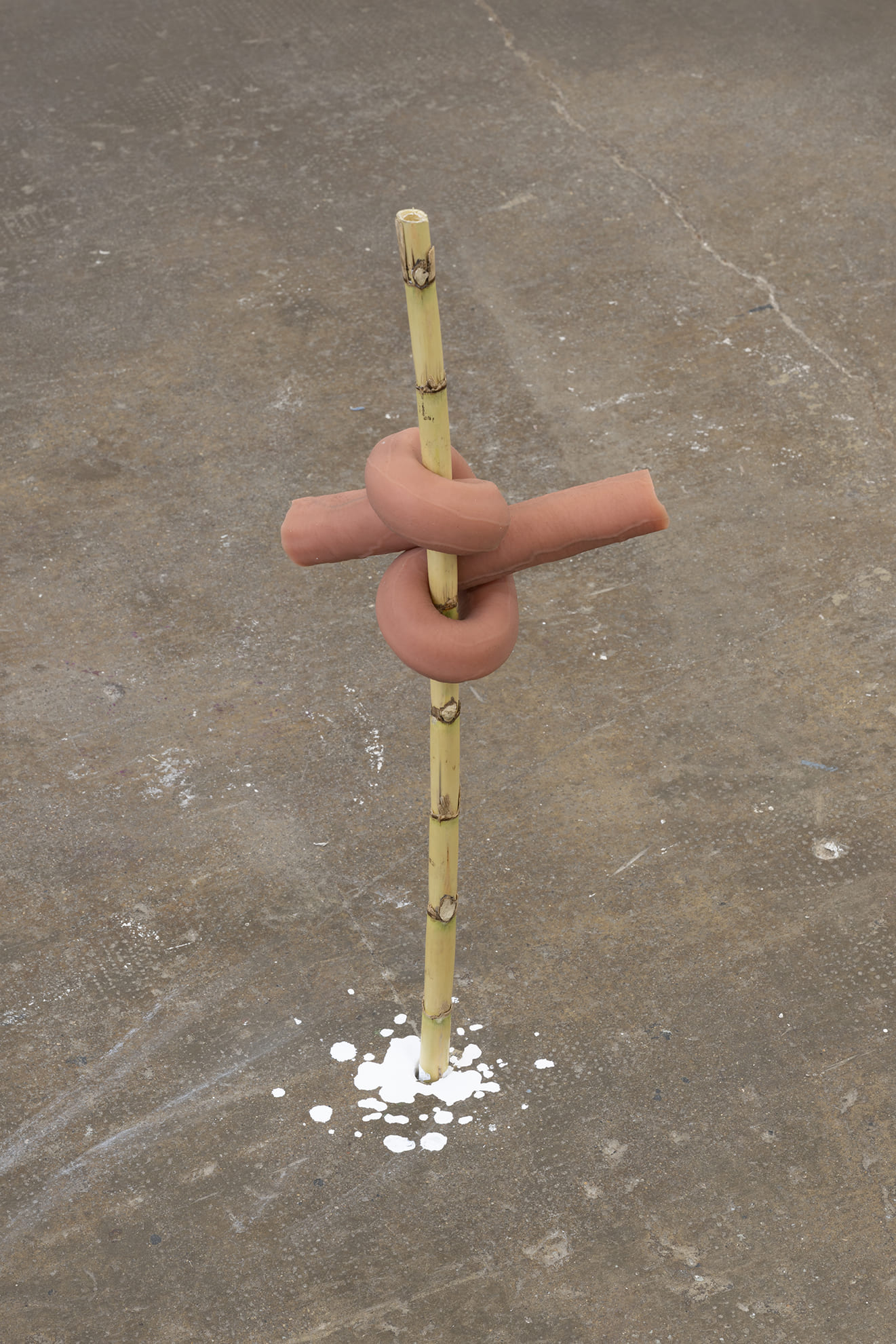
The artists have titled their exhibition Ballestrinquers, a made-up term that perfectly summaries the relationship between them in this exhibition. A "ballestrinque" is a clove hitch, so the name of the exhibition would refer to people who tie those kinds of knots, as if such a task were a speciality or an actual profession. So, we start off with a joke, which requires a shift in our perception of reality, as noted above, for it to work. The clove hitch, furthermore, binds together two distinct elements, such as a rope and a mast. It's such an easy knot that it can be tied one-handed, but at the same time it also holds up very well when under tension. The title Ballestrinquers, then, refers to unions, to pairs, to manual work, combined materials, floating structures, journeys, being accompanied...
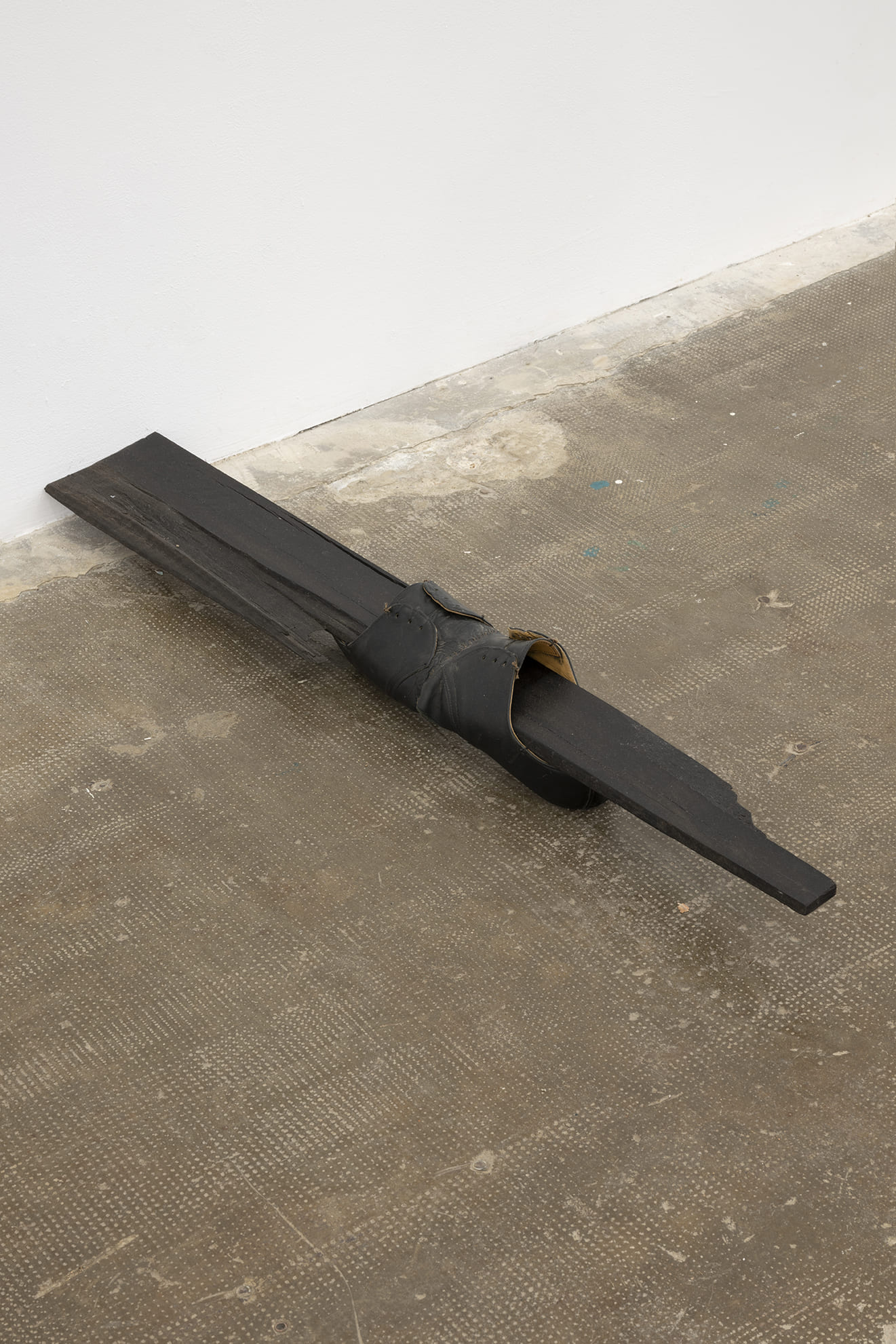
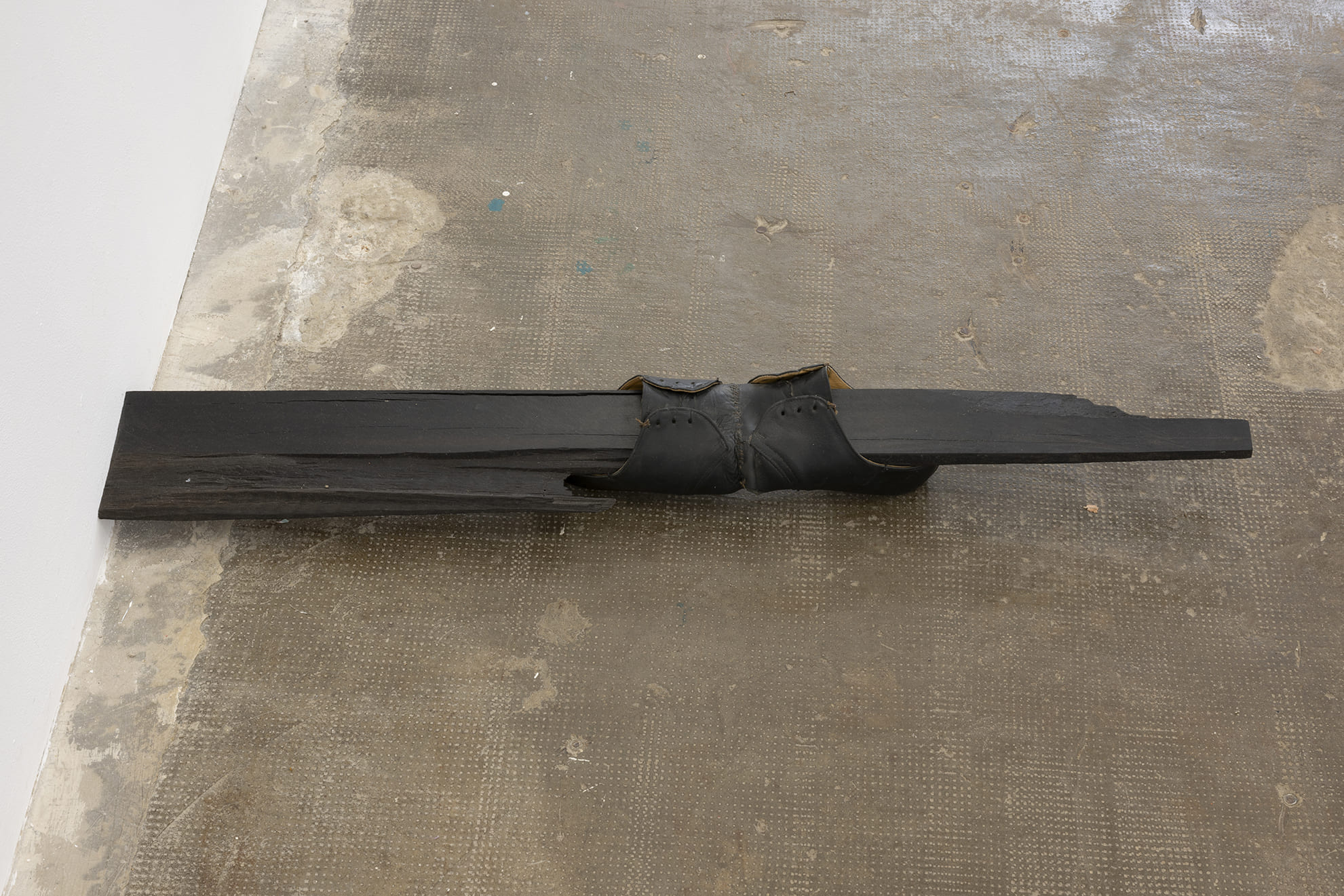
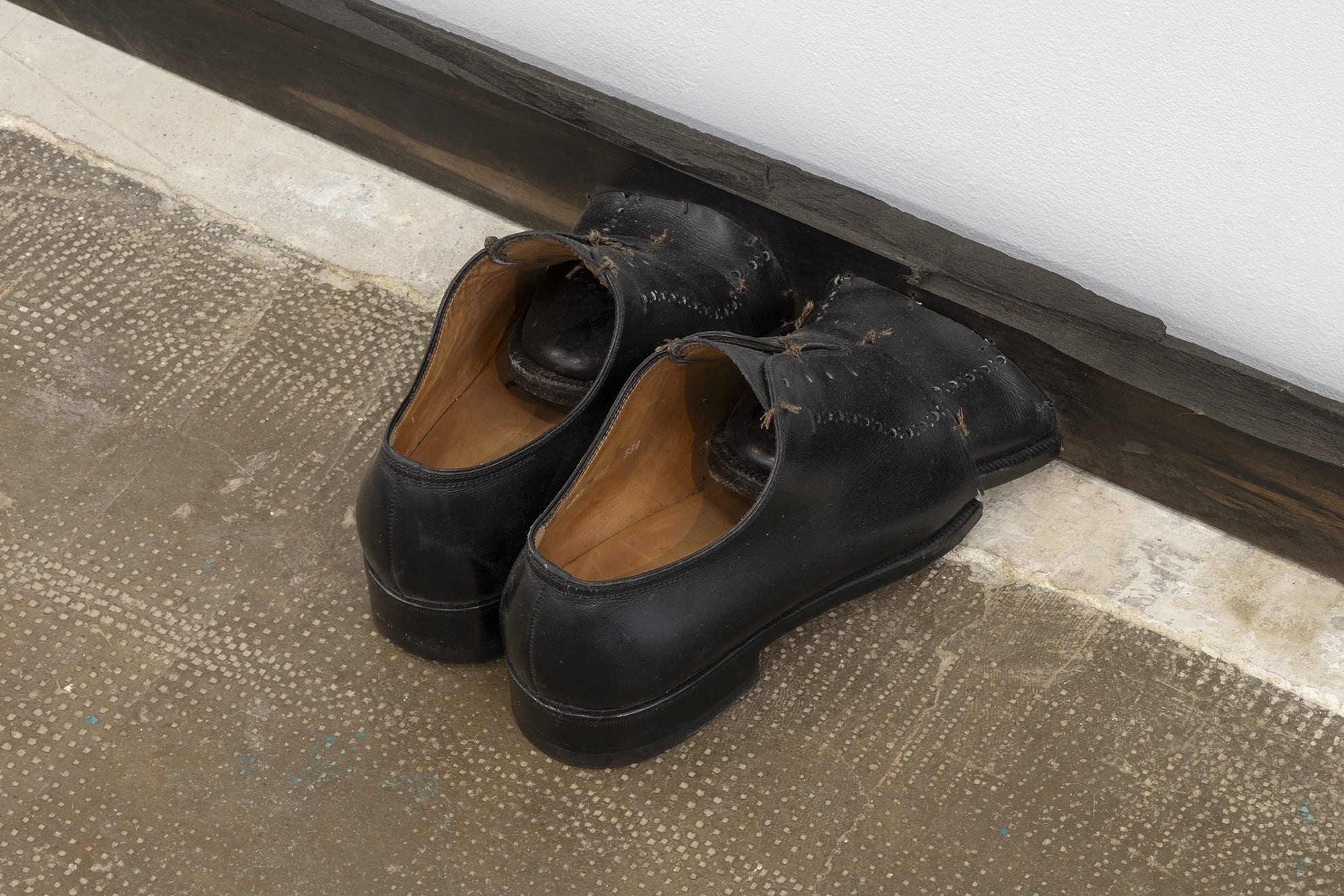
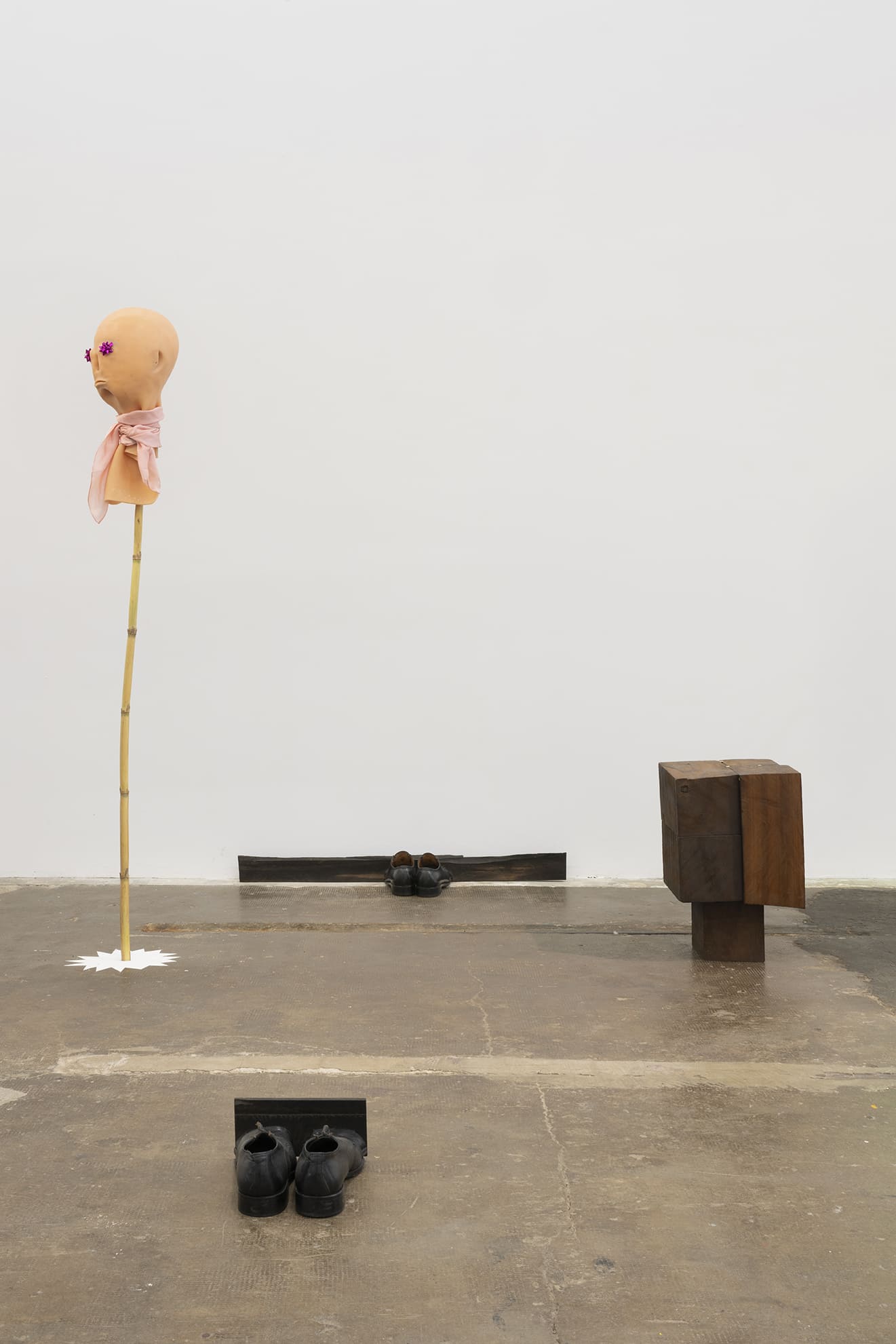
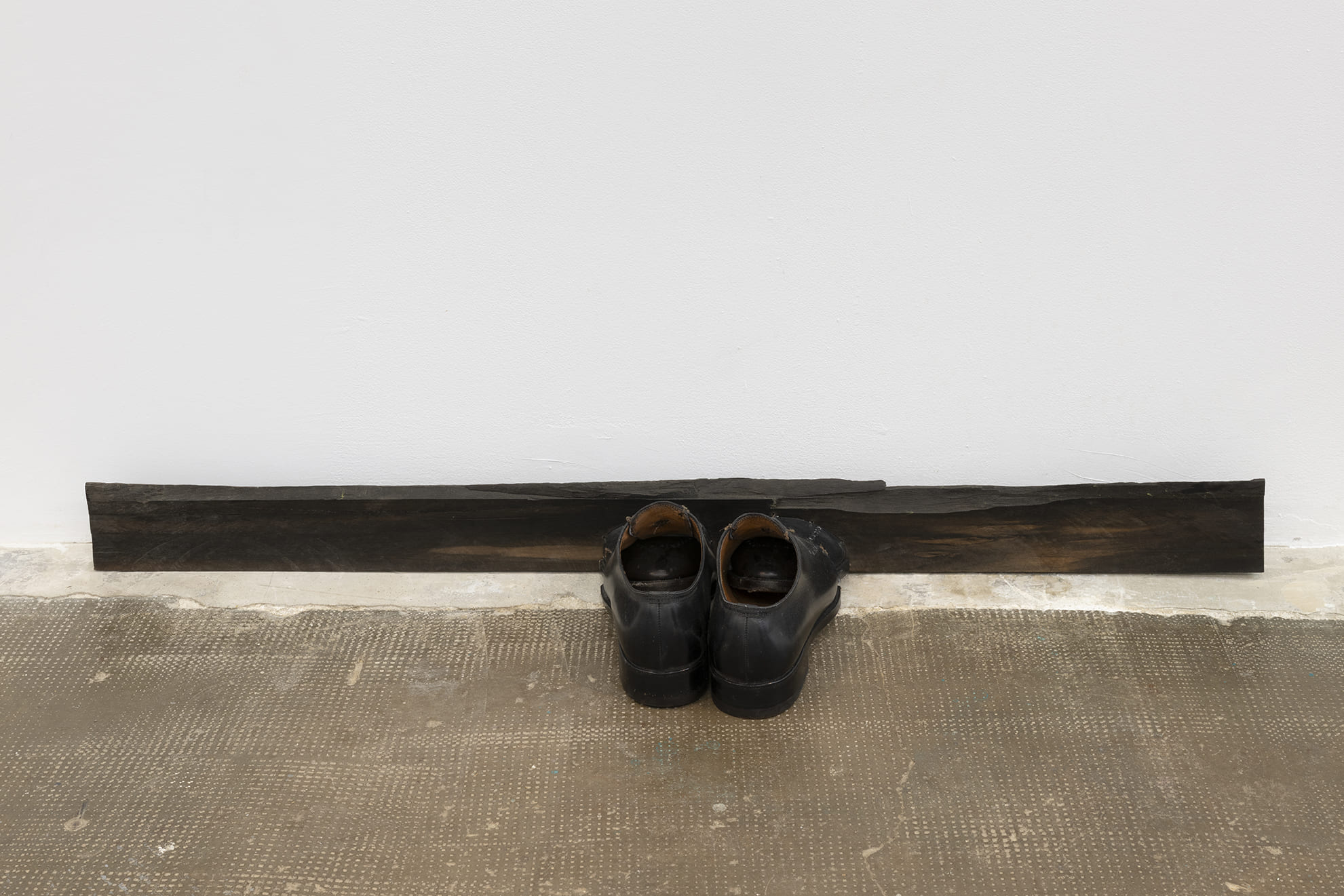
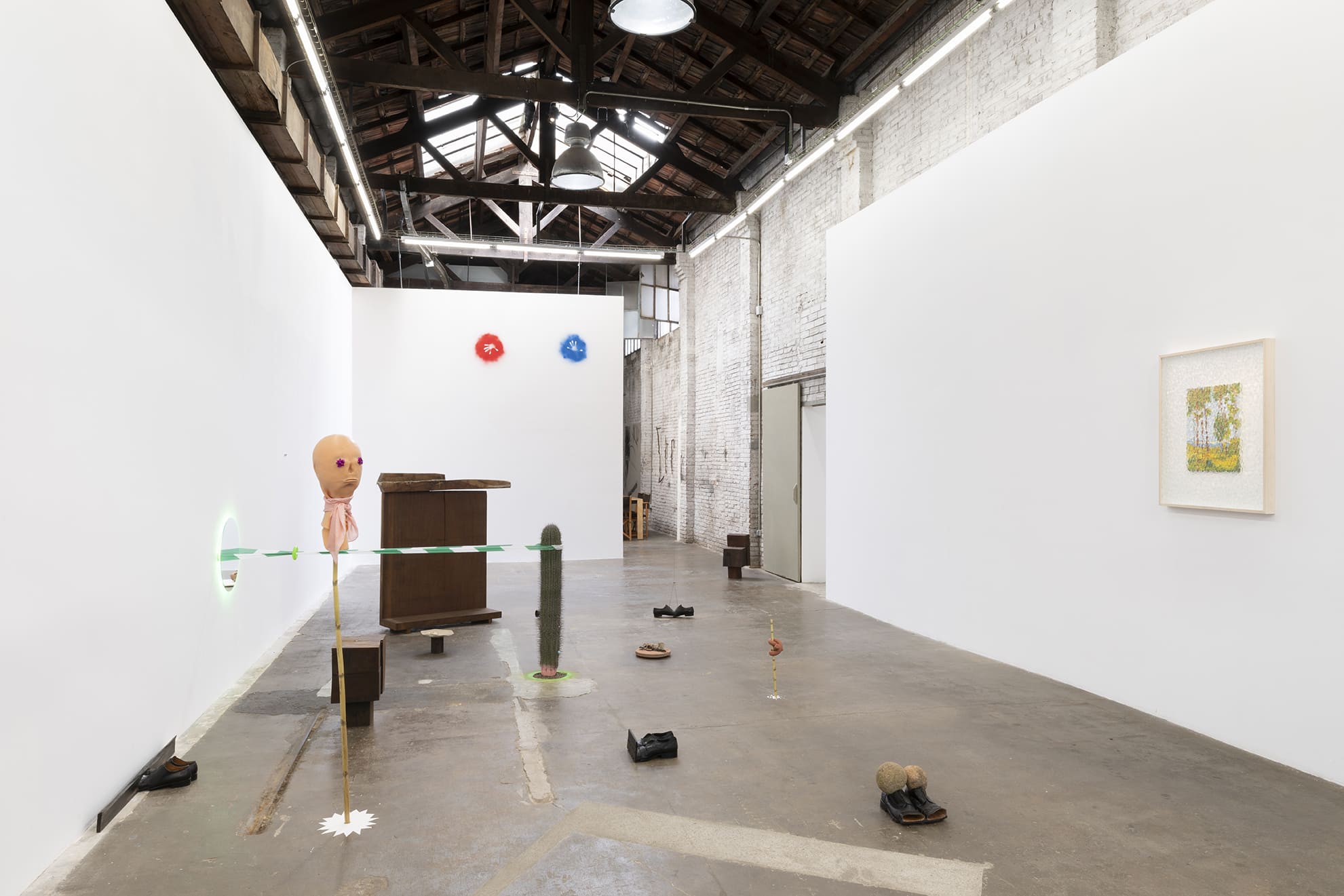
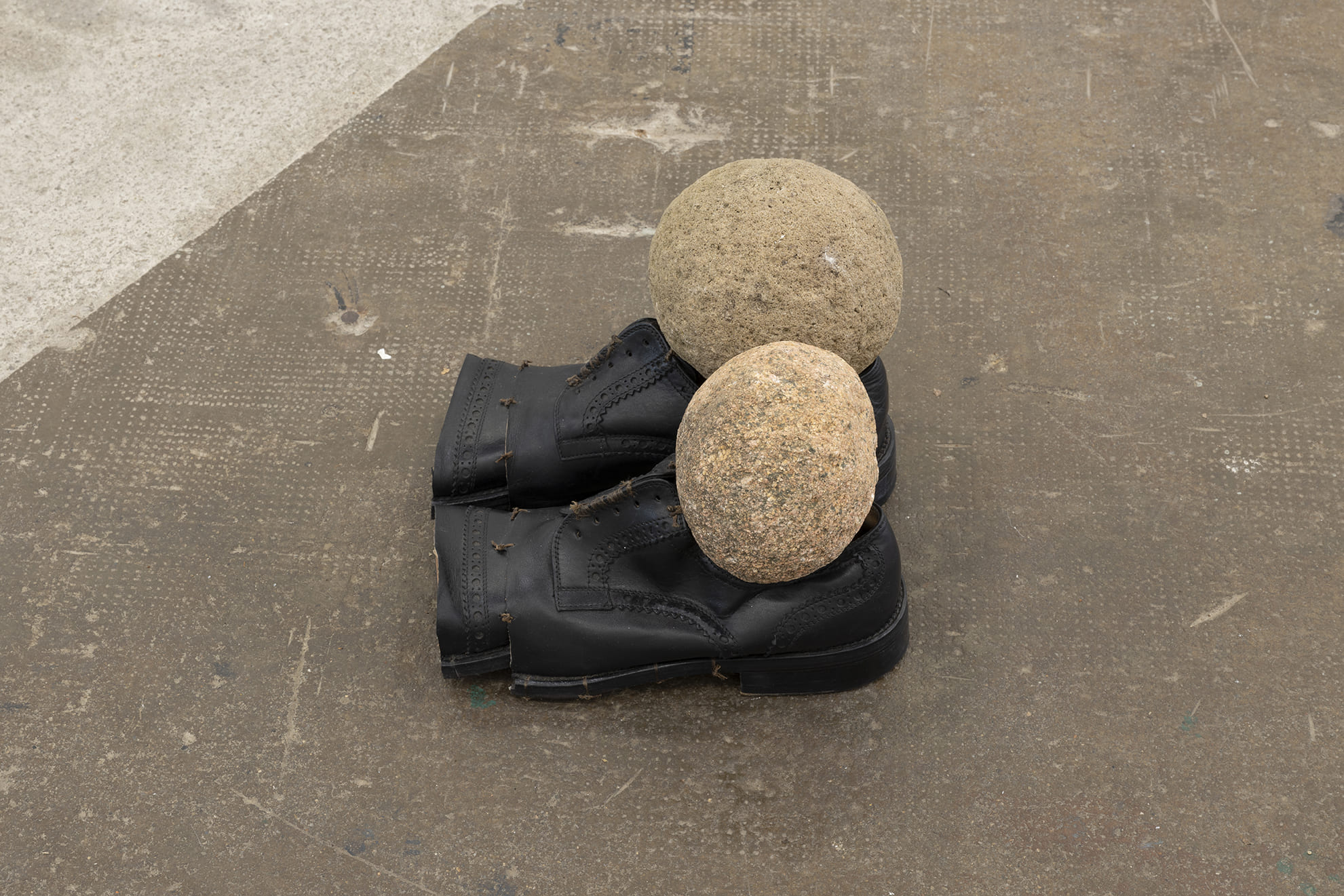
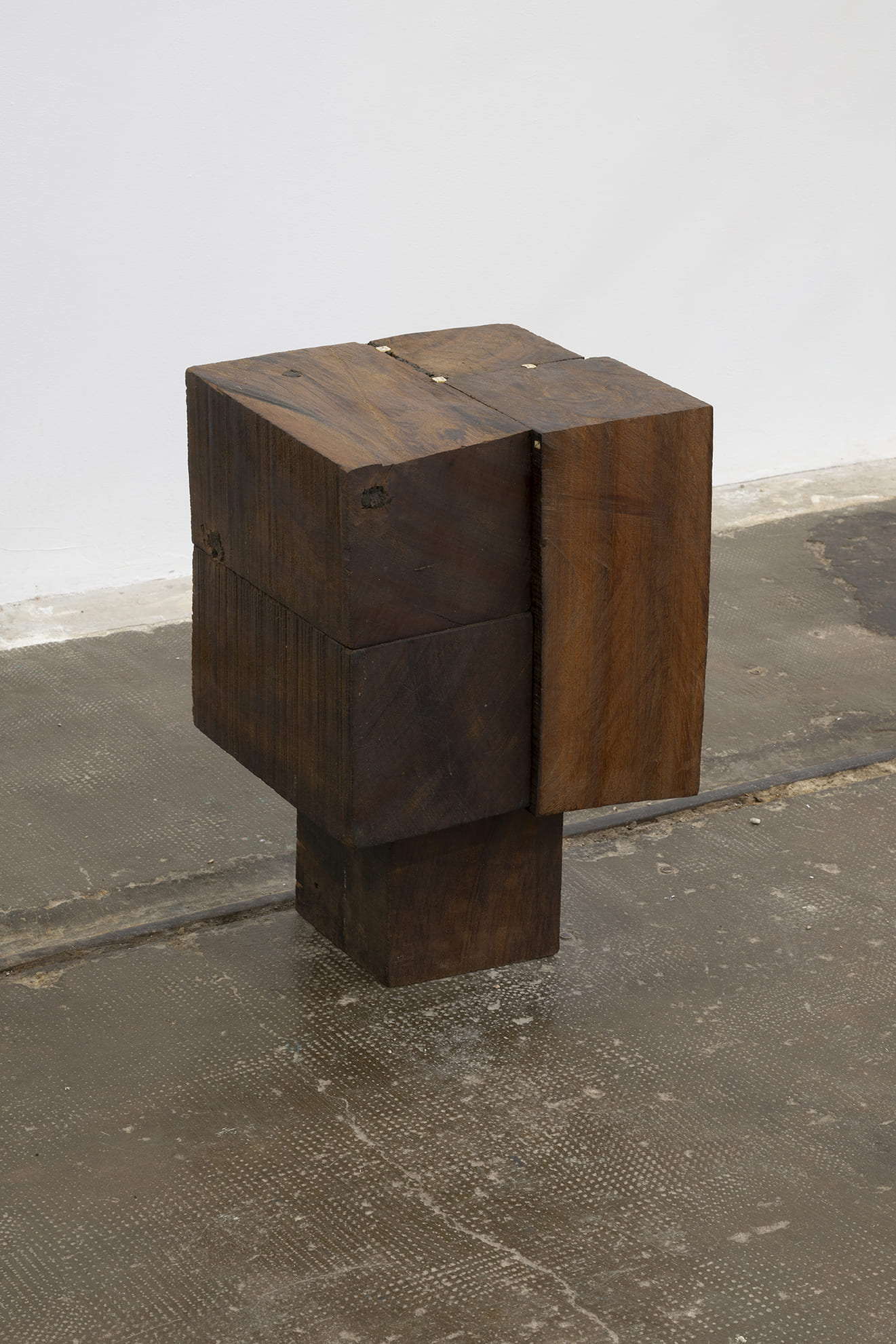
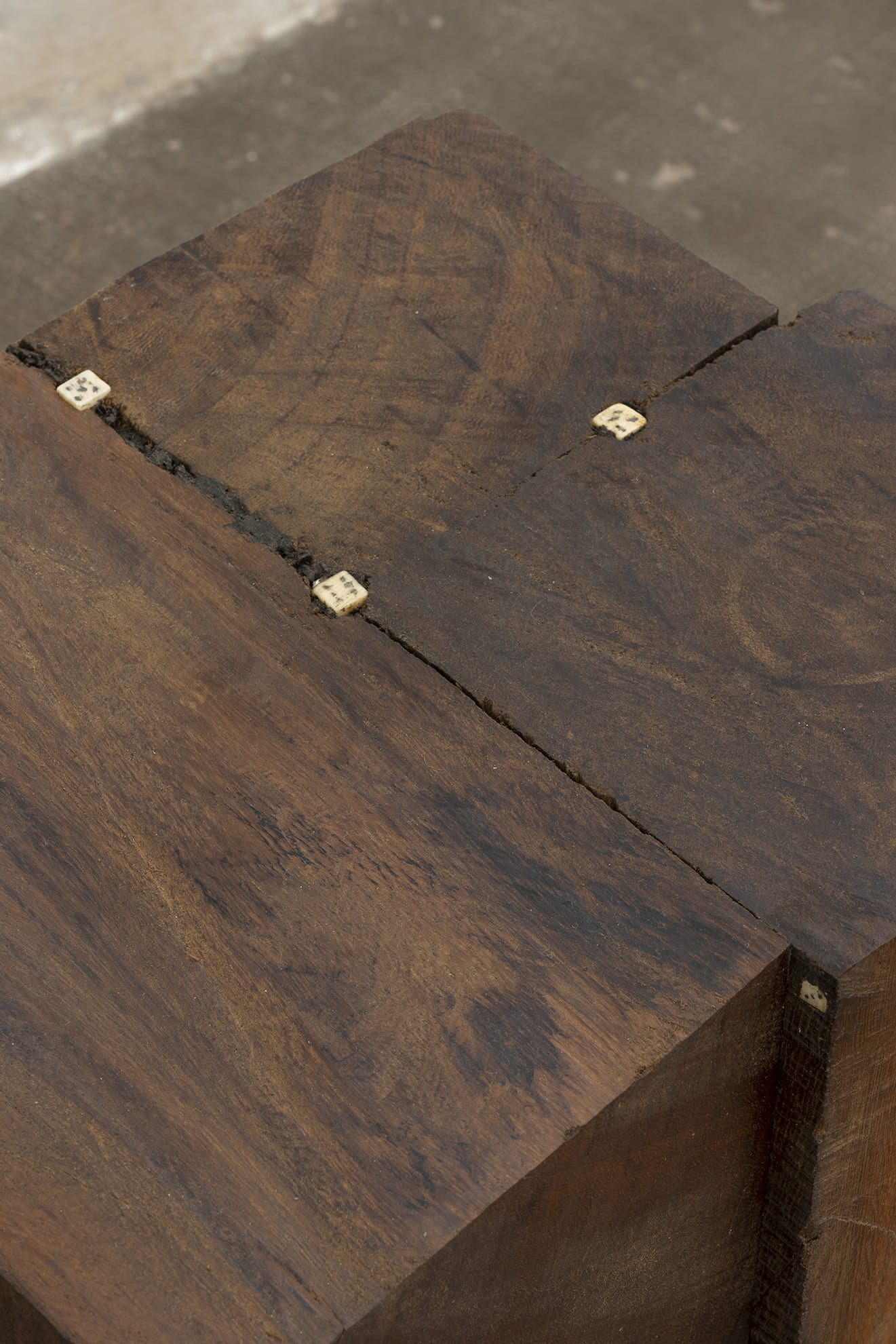
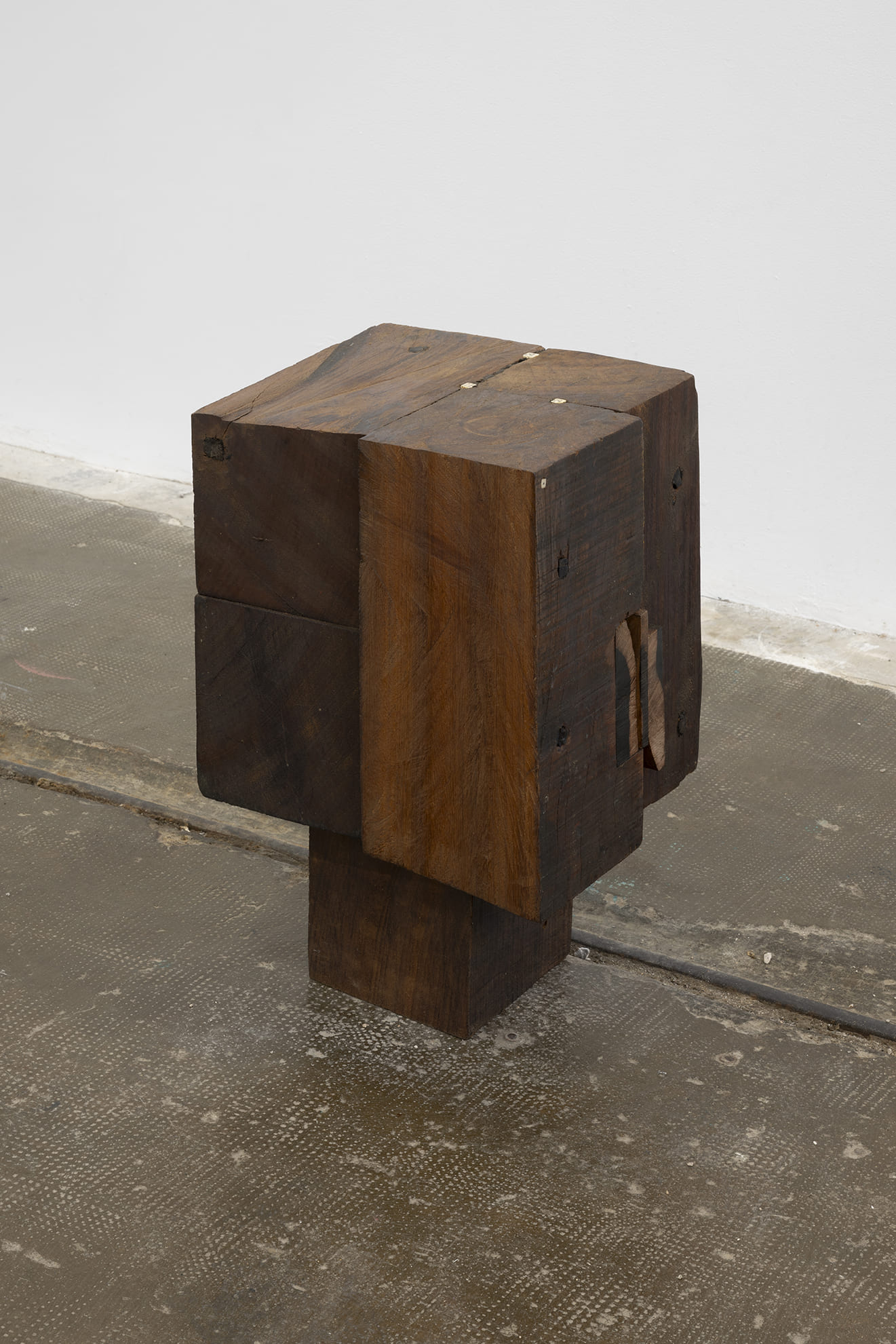
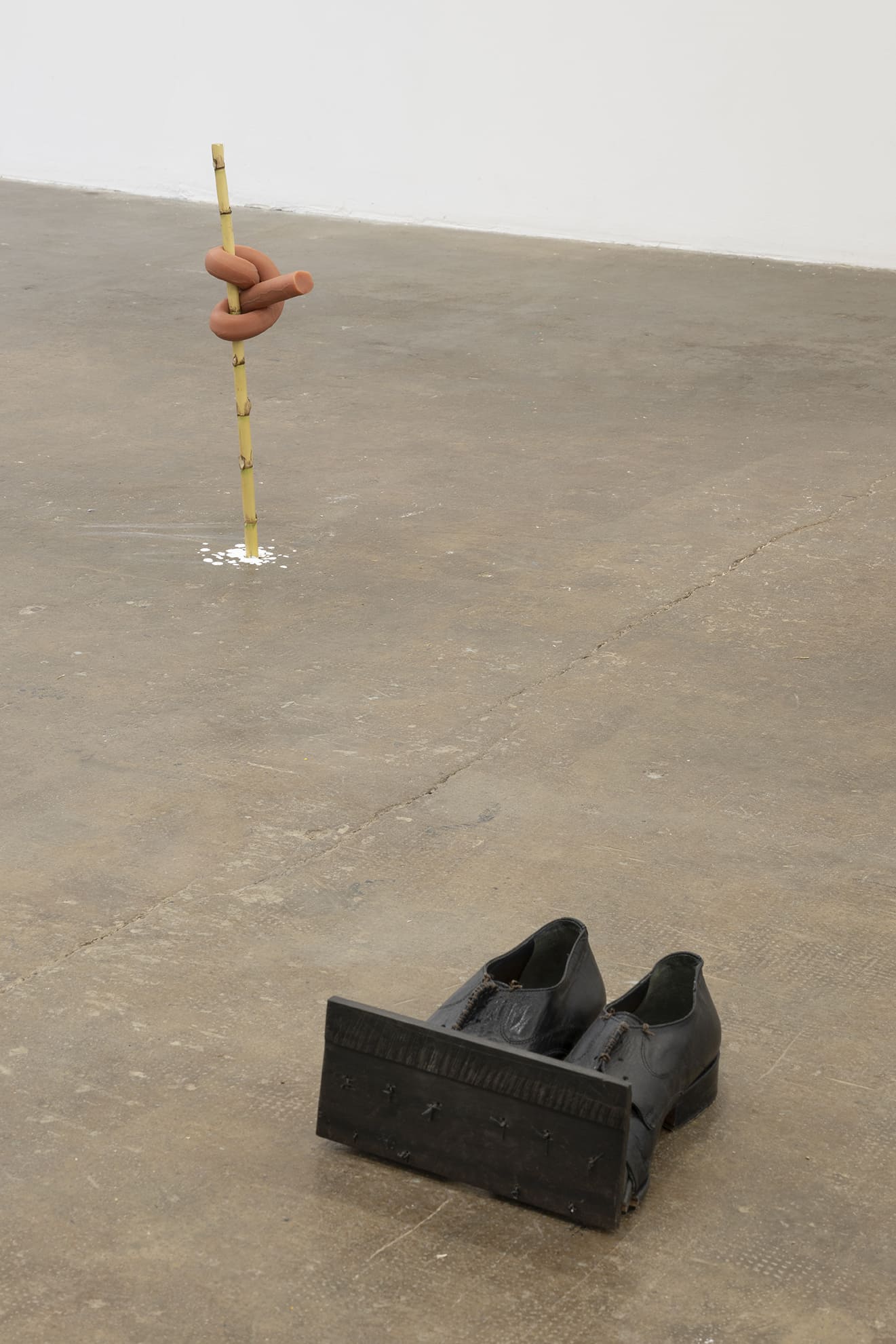
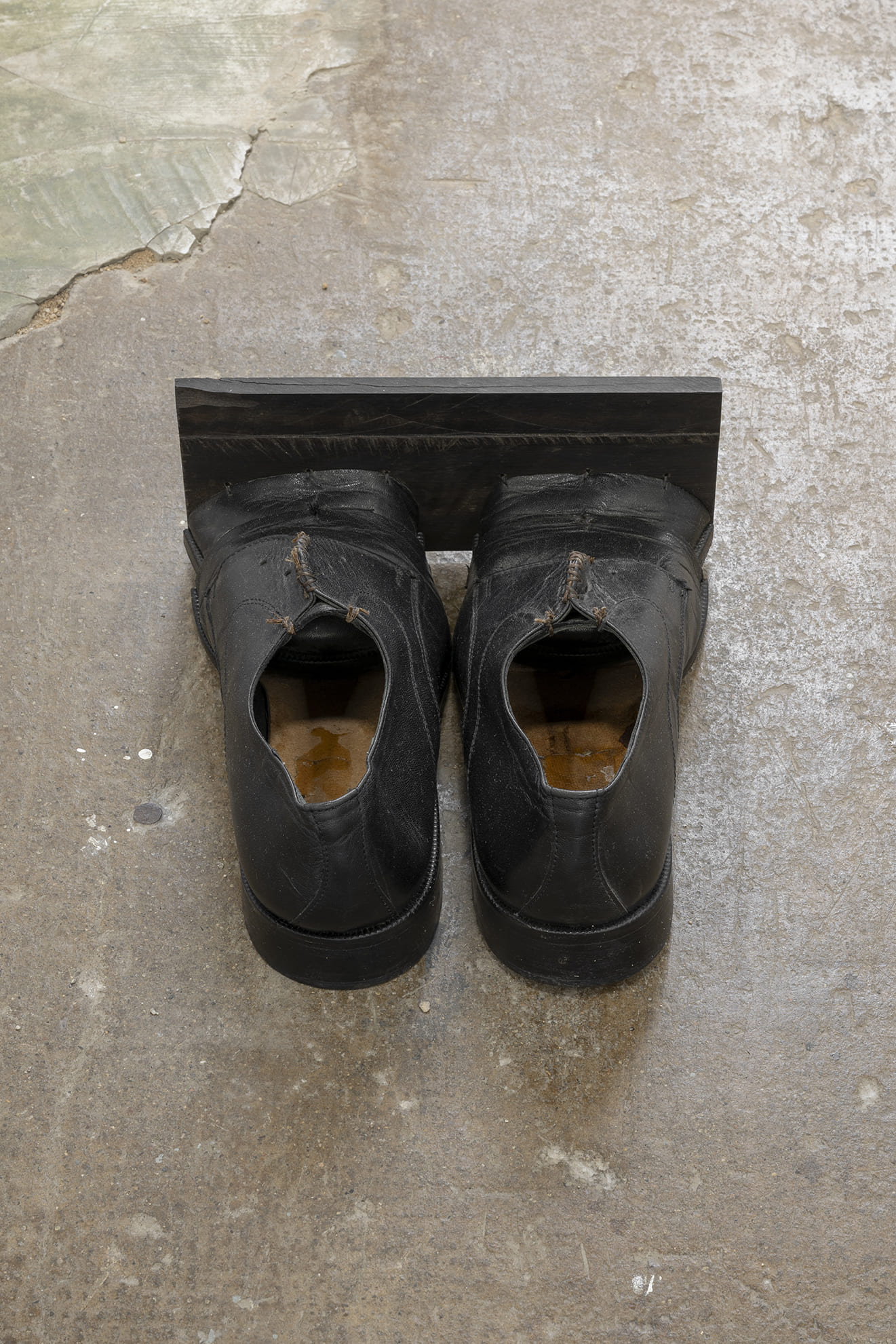
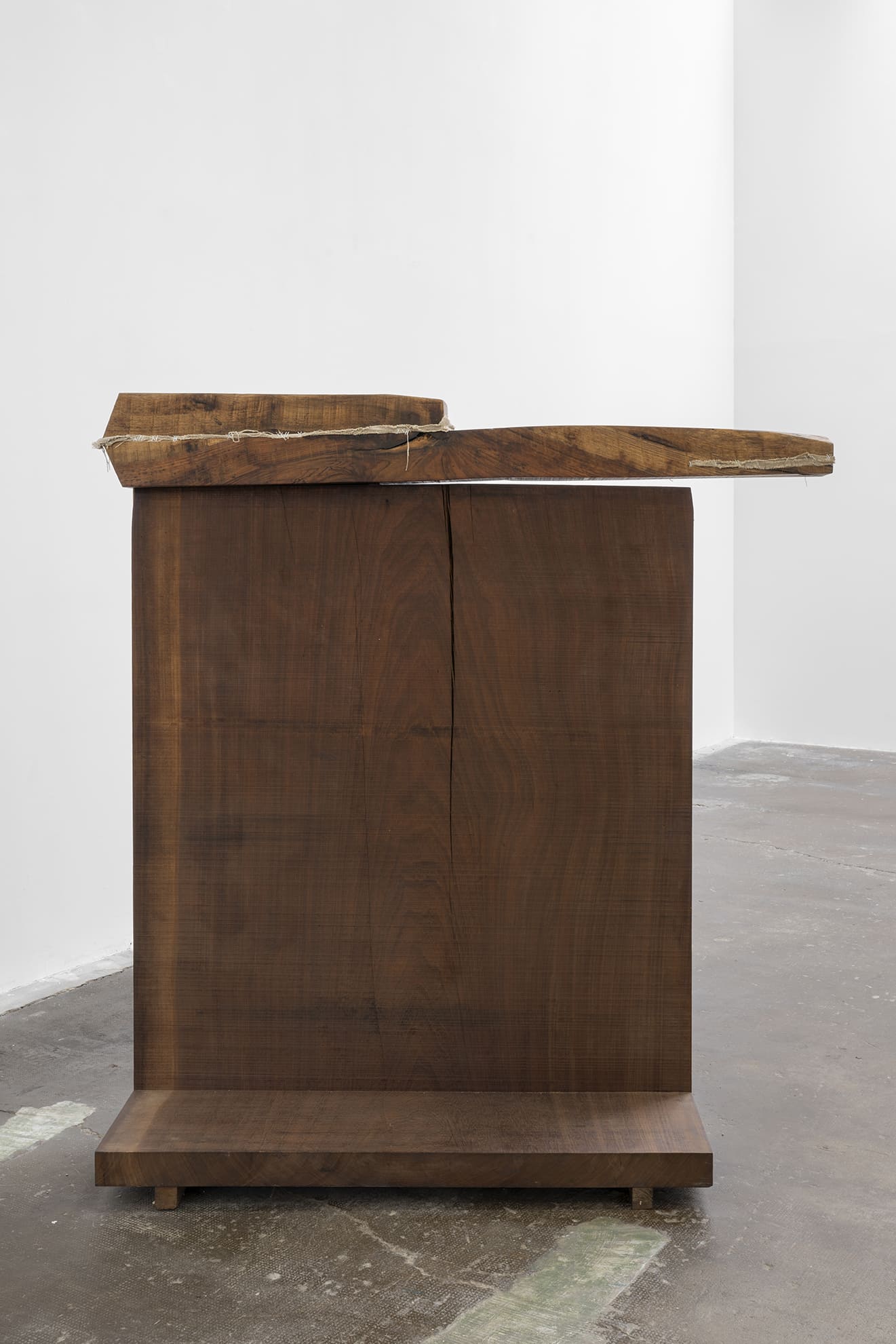
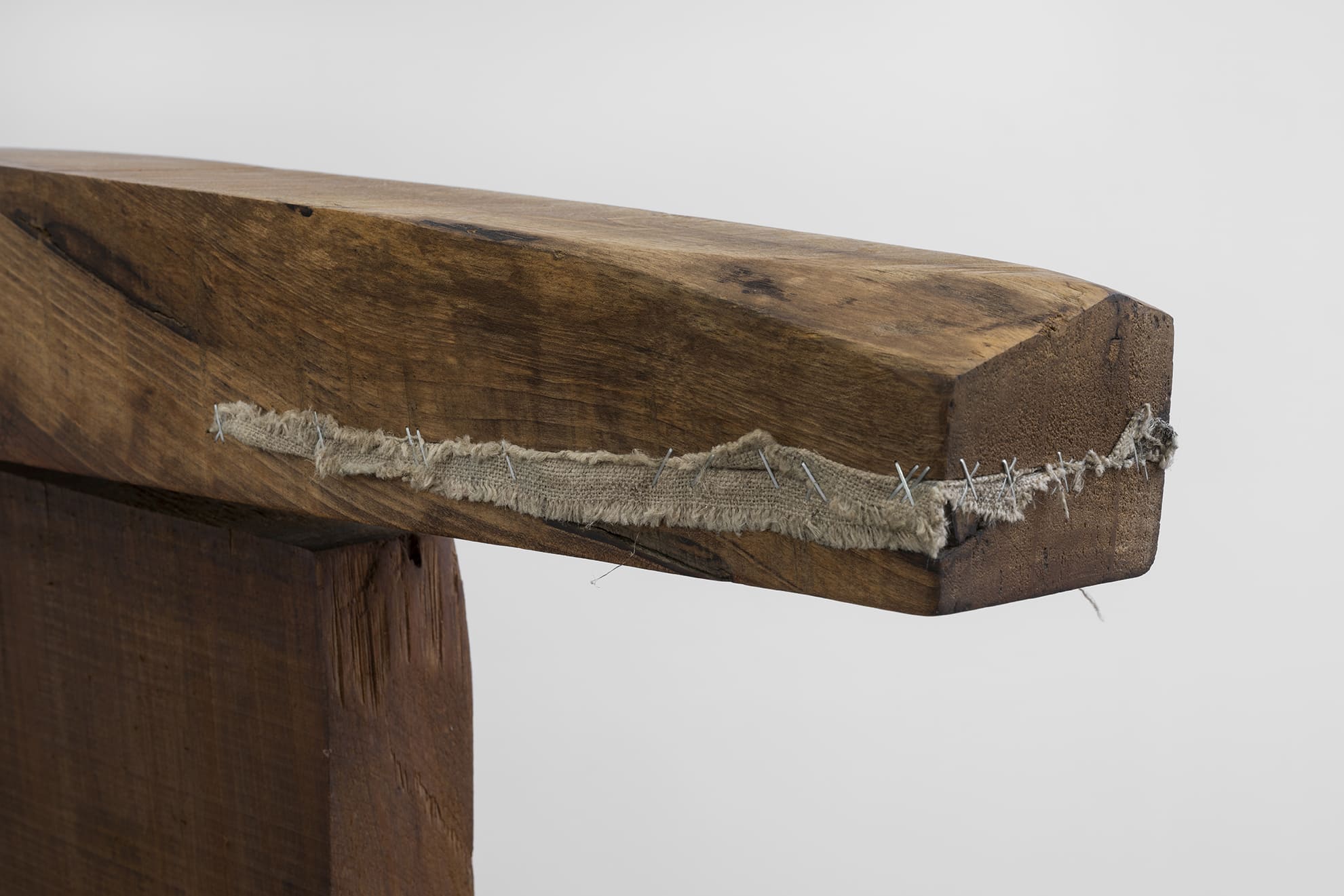
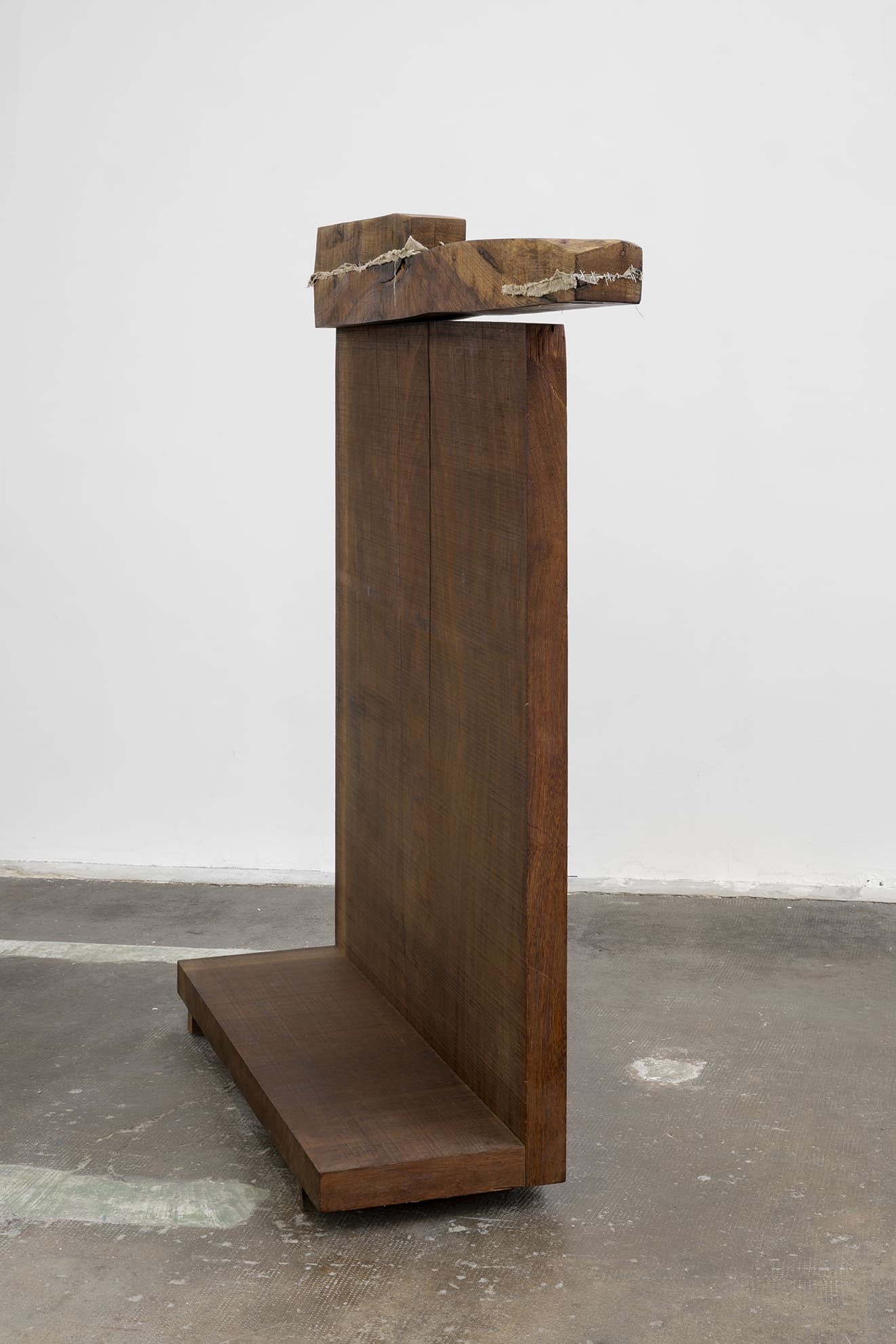
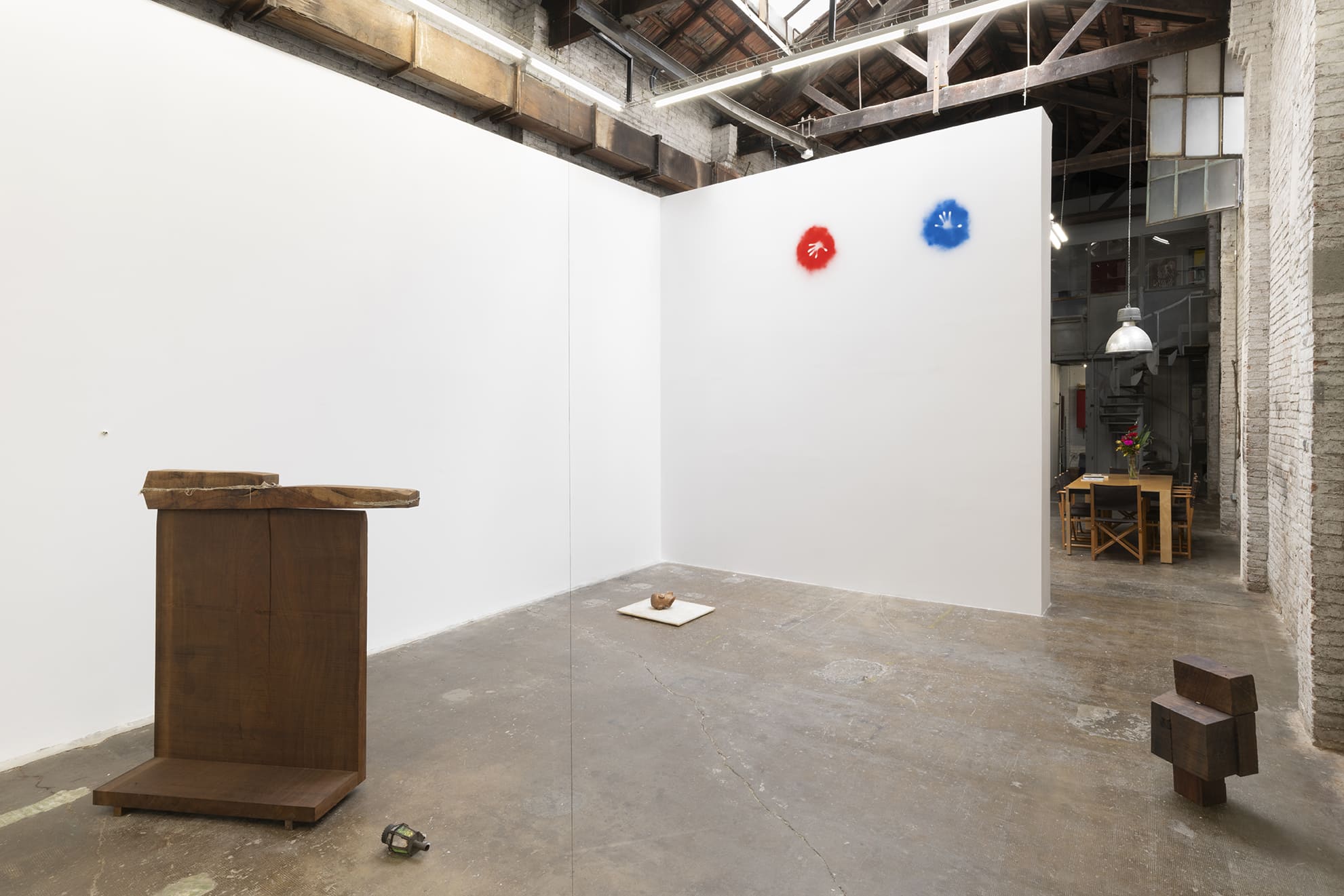
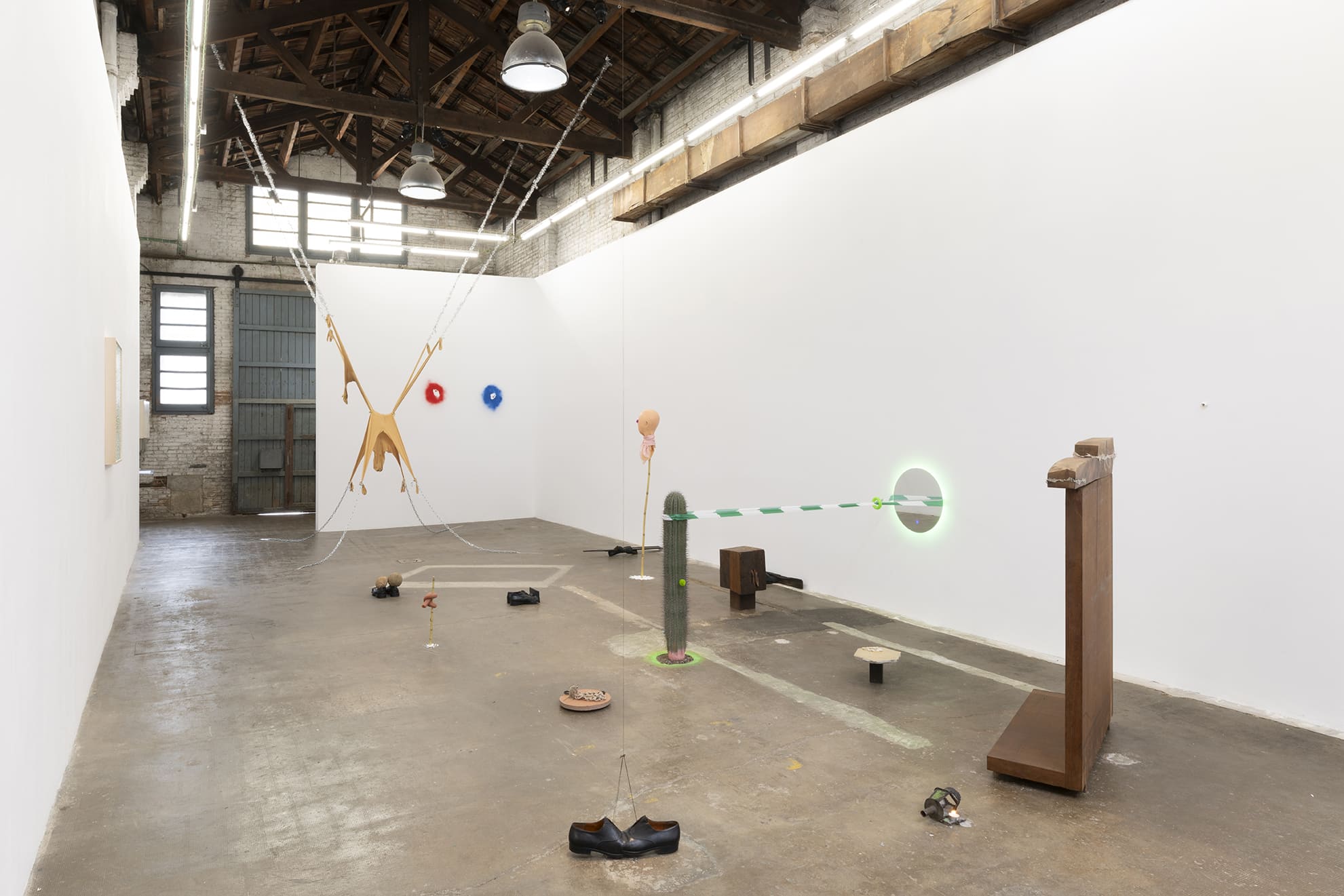
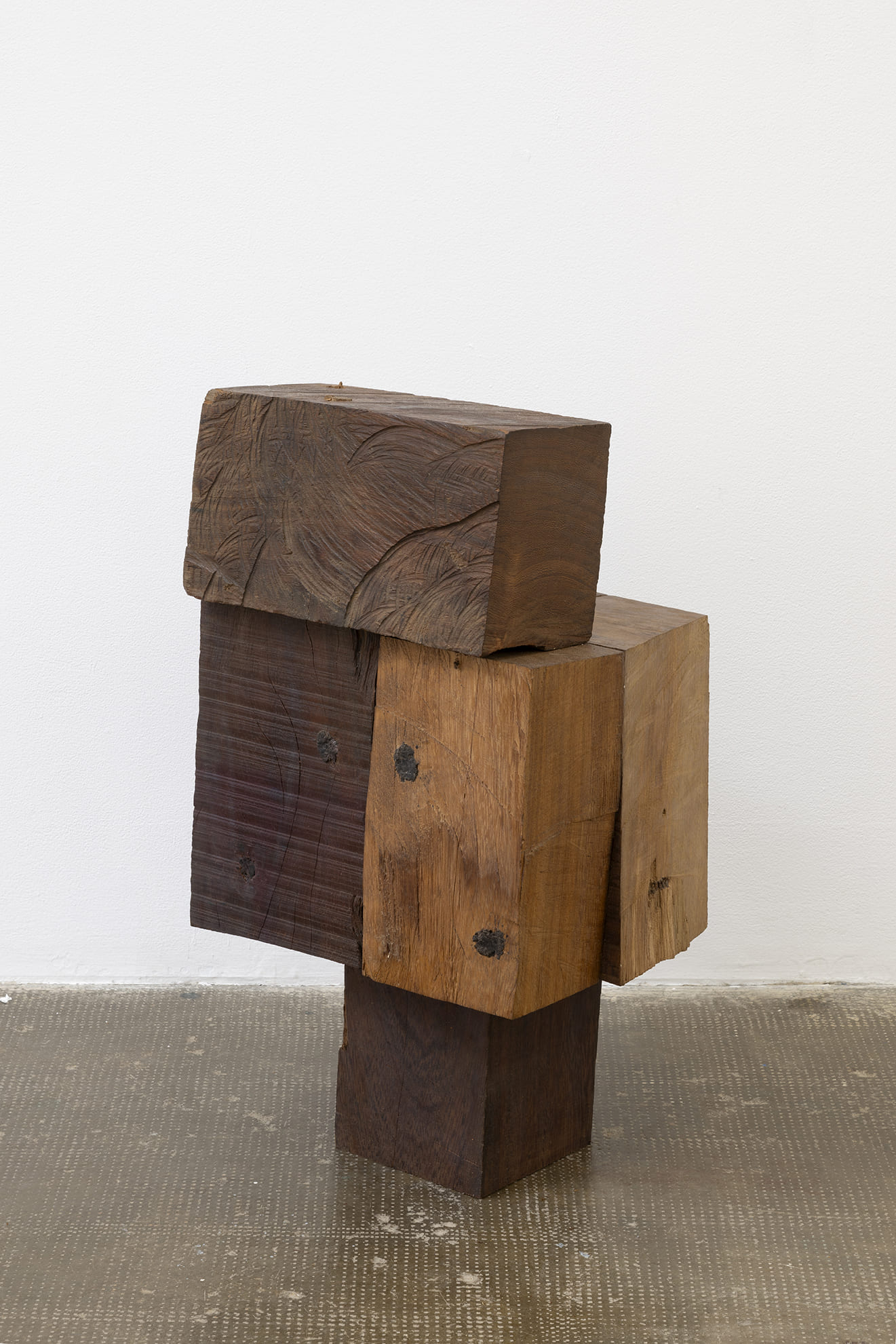
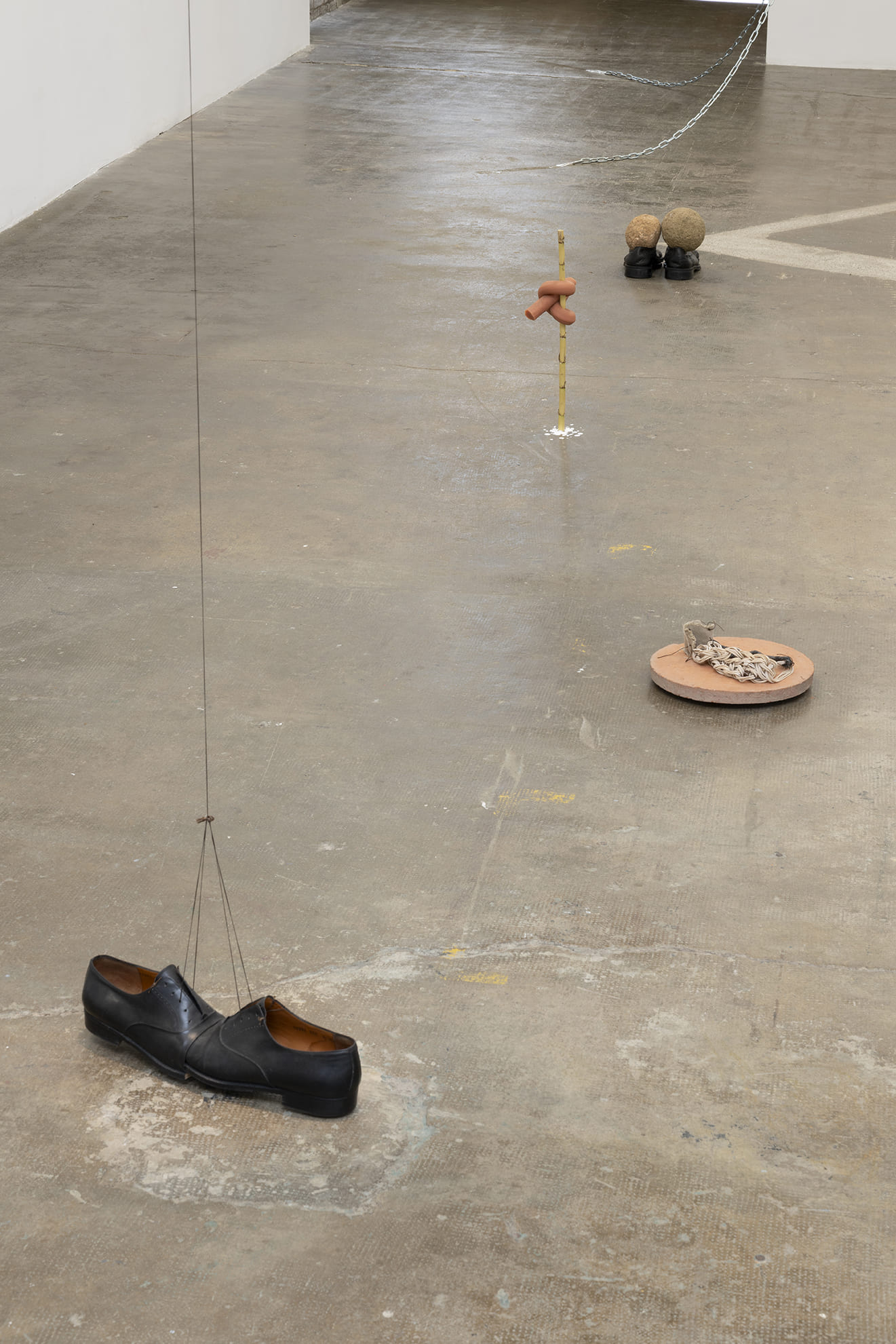
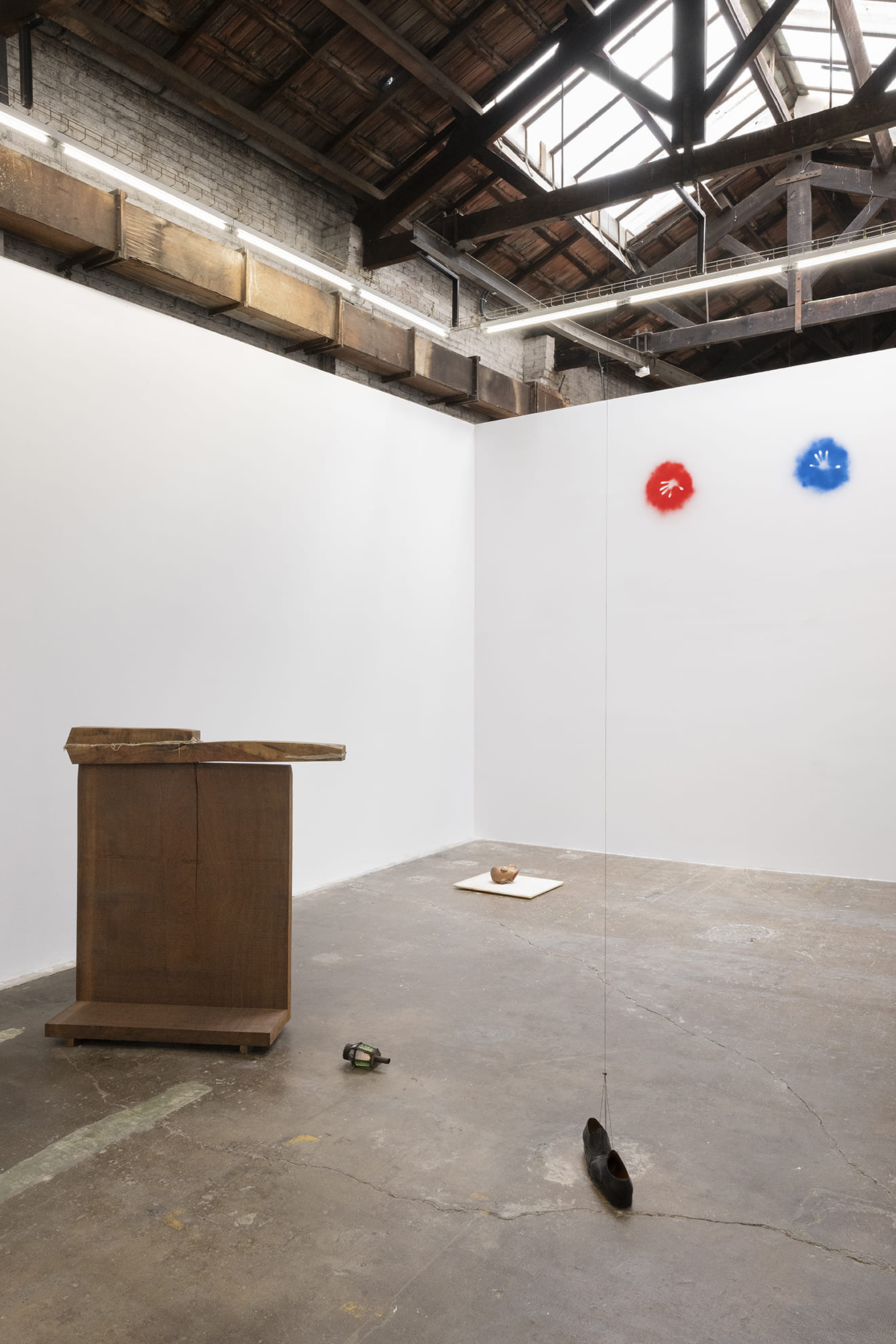
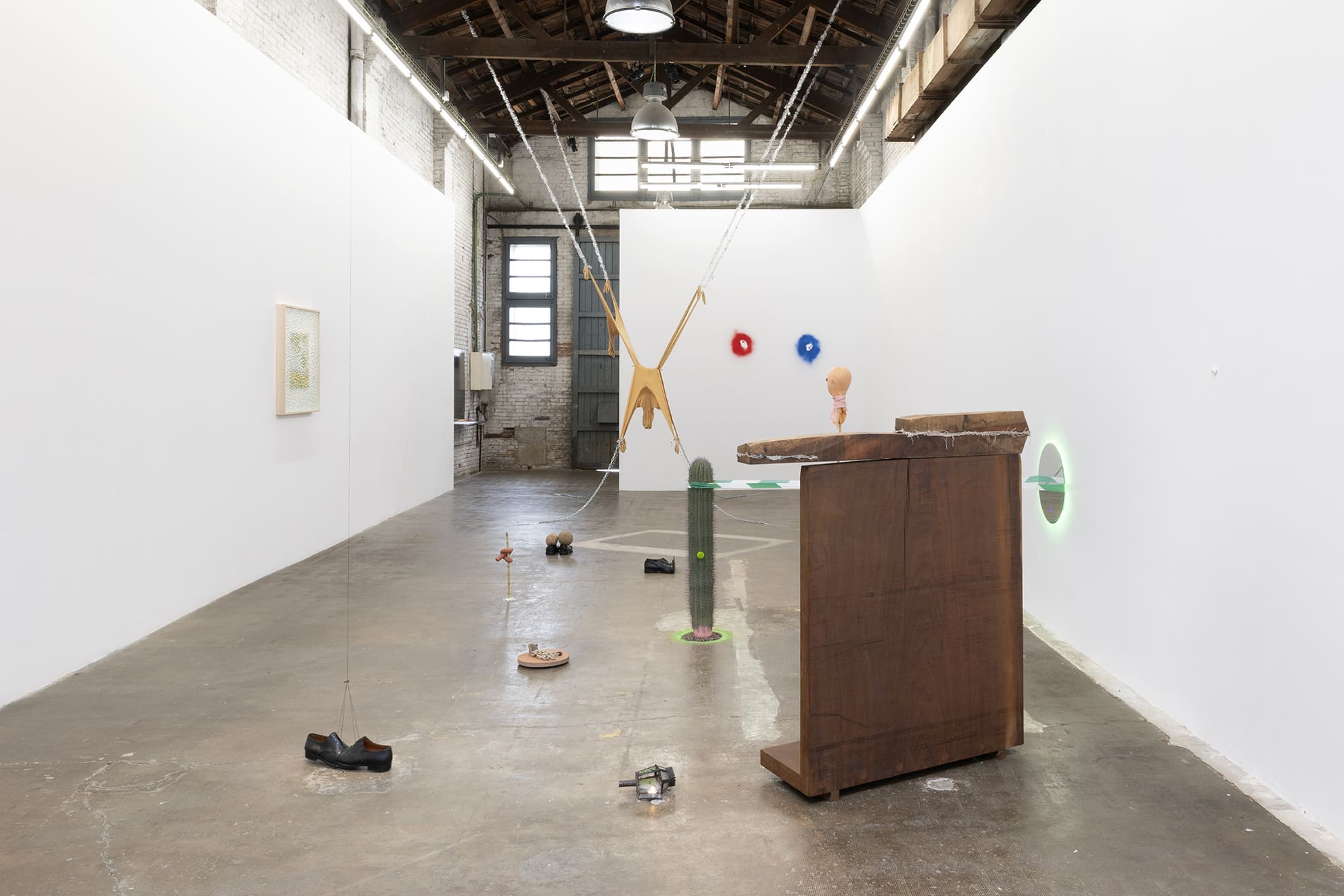
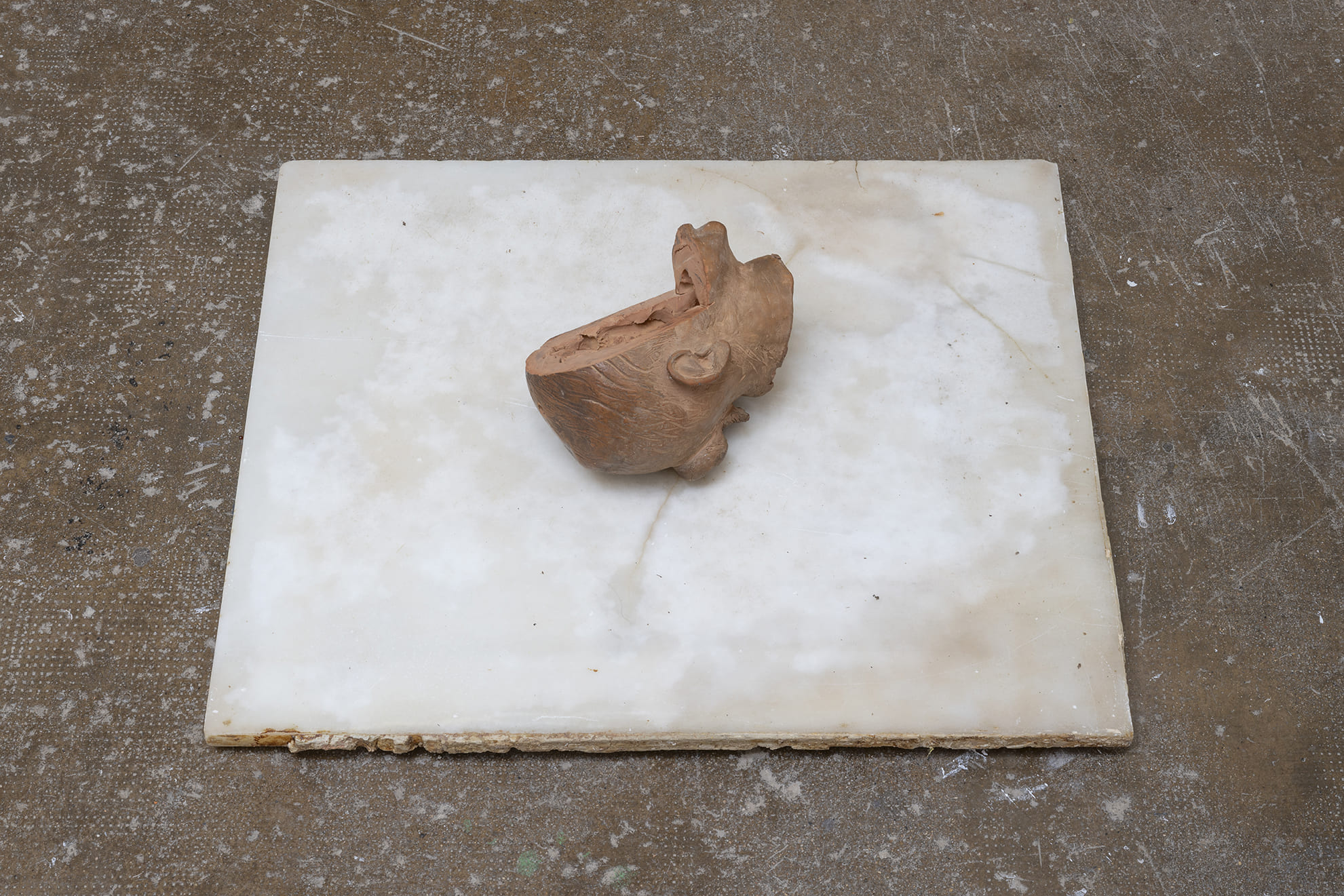
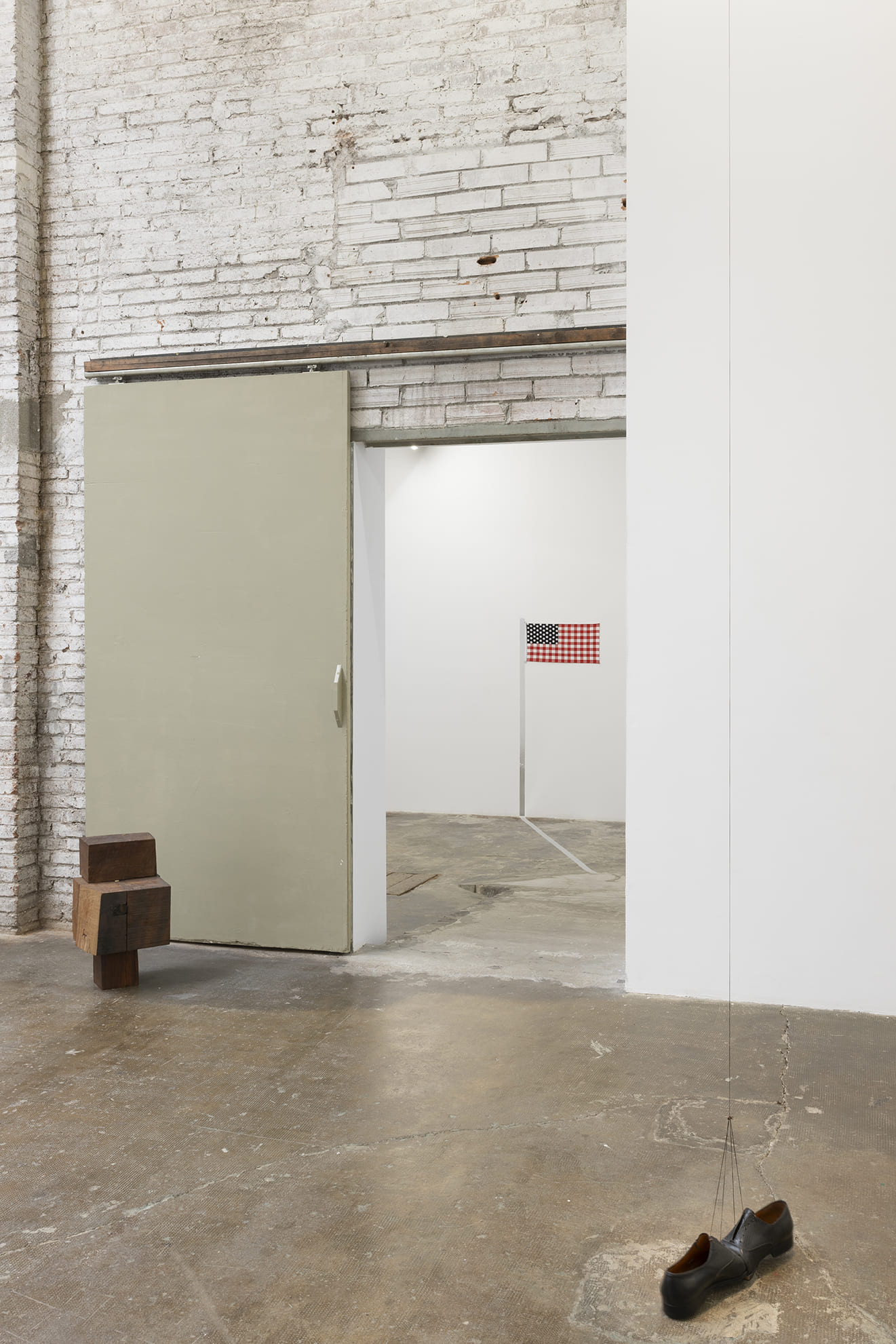
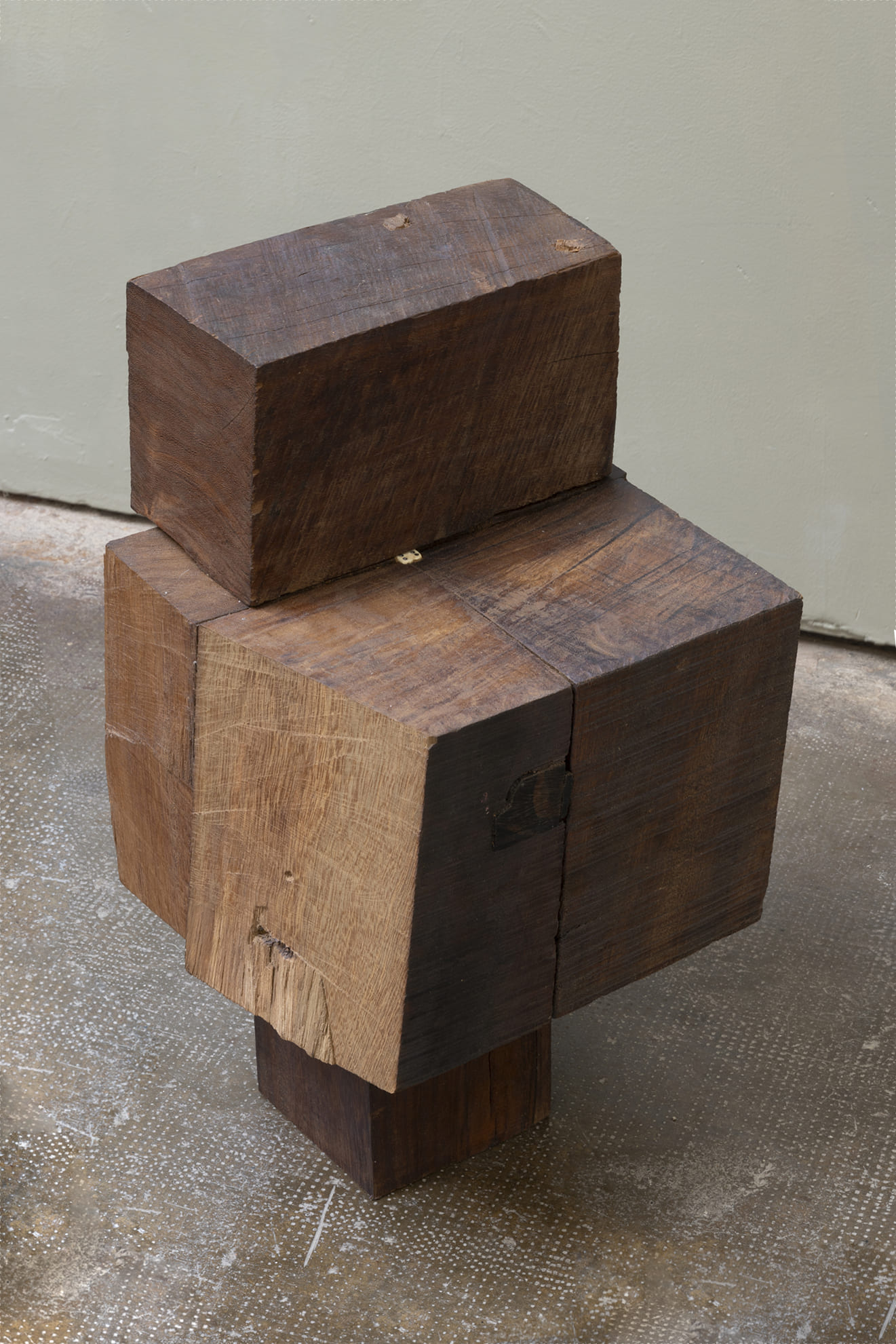
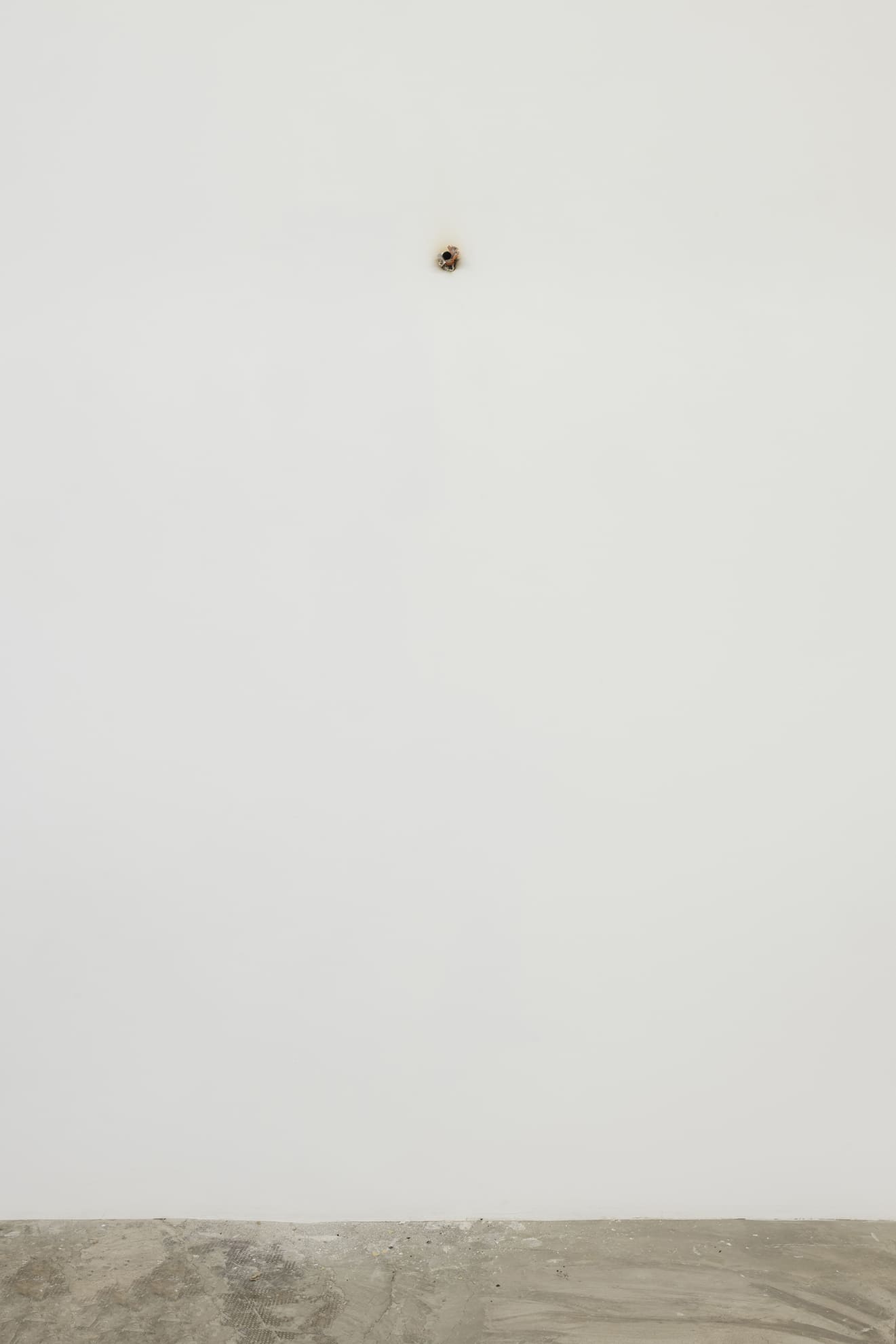
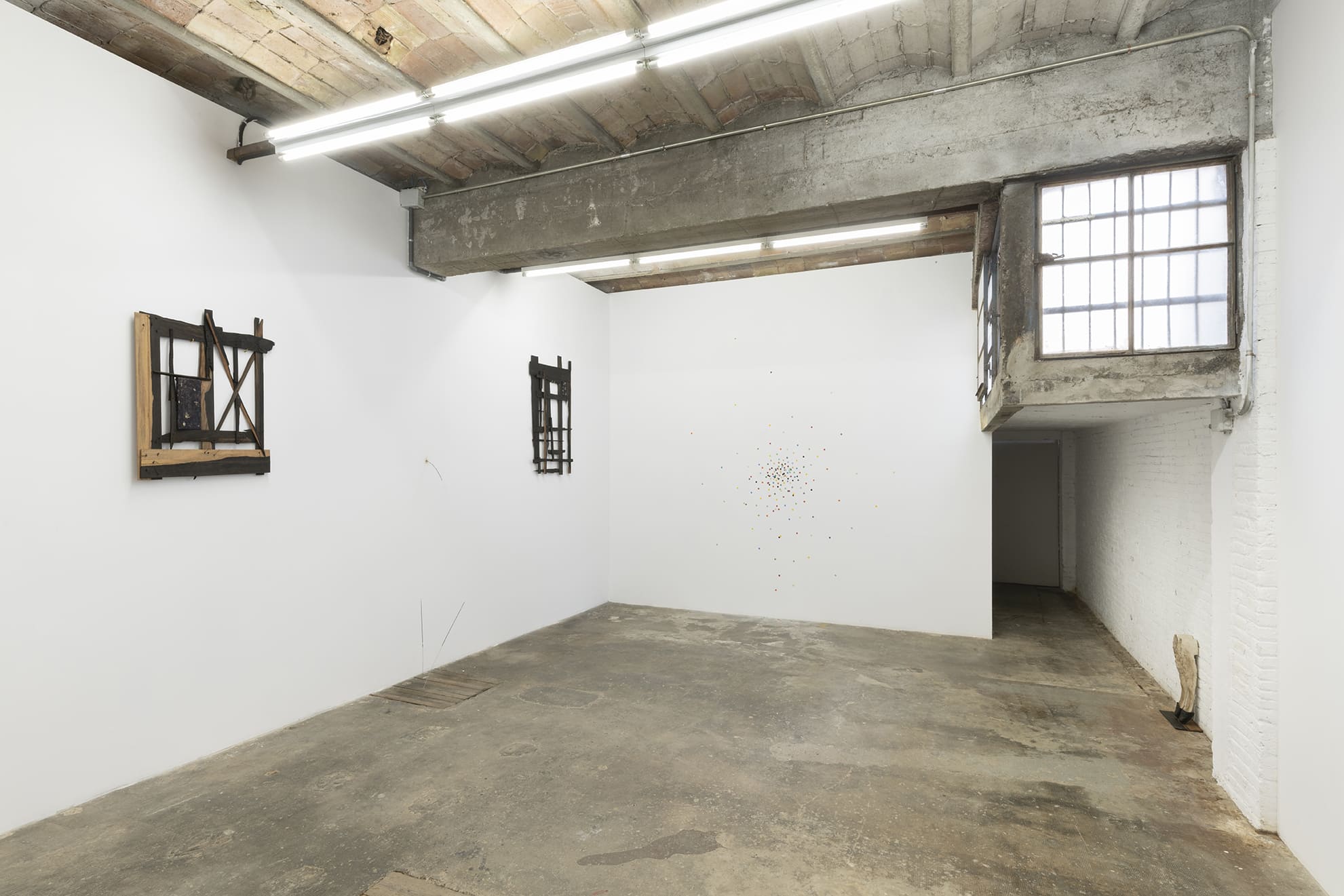
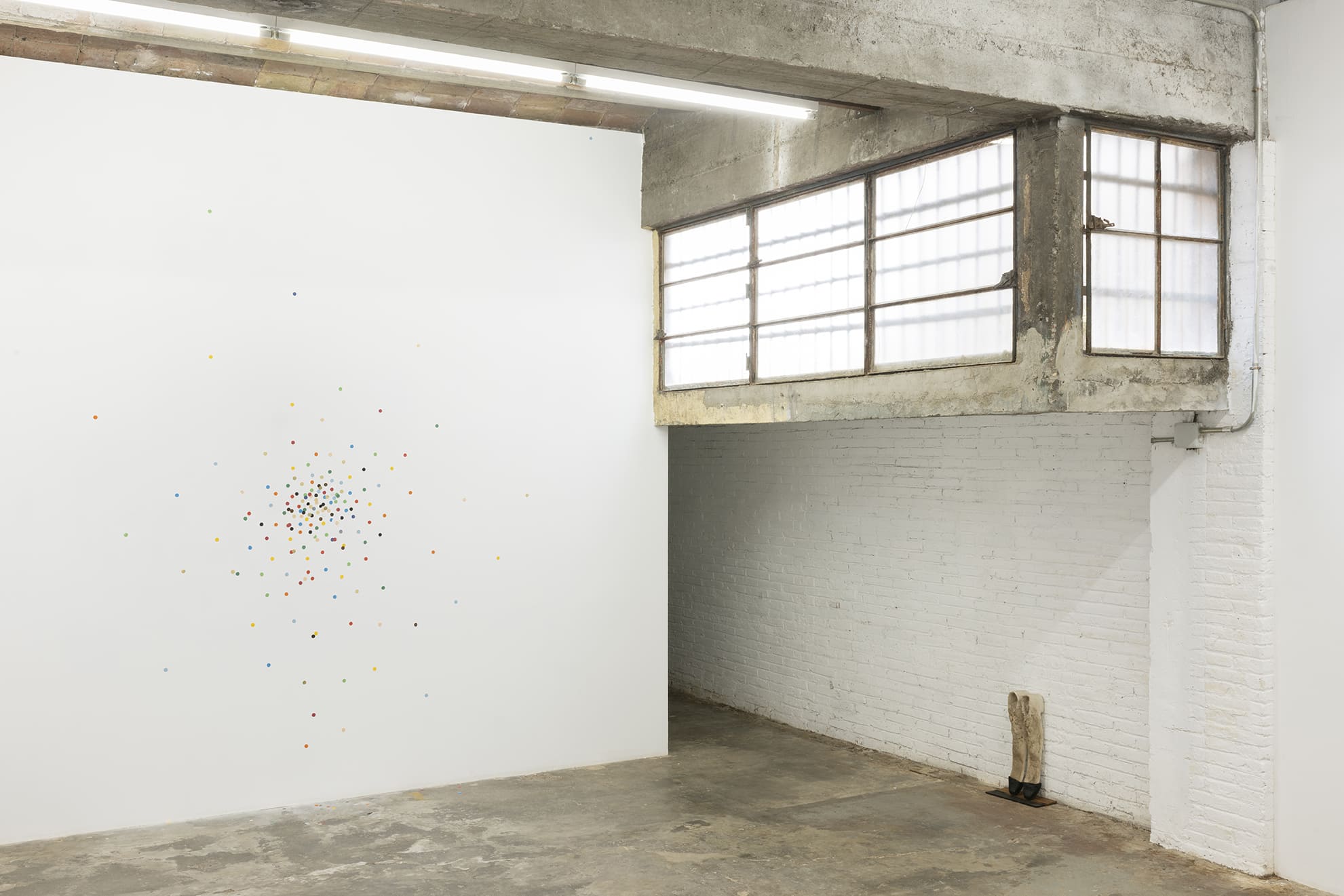
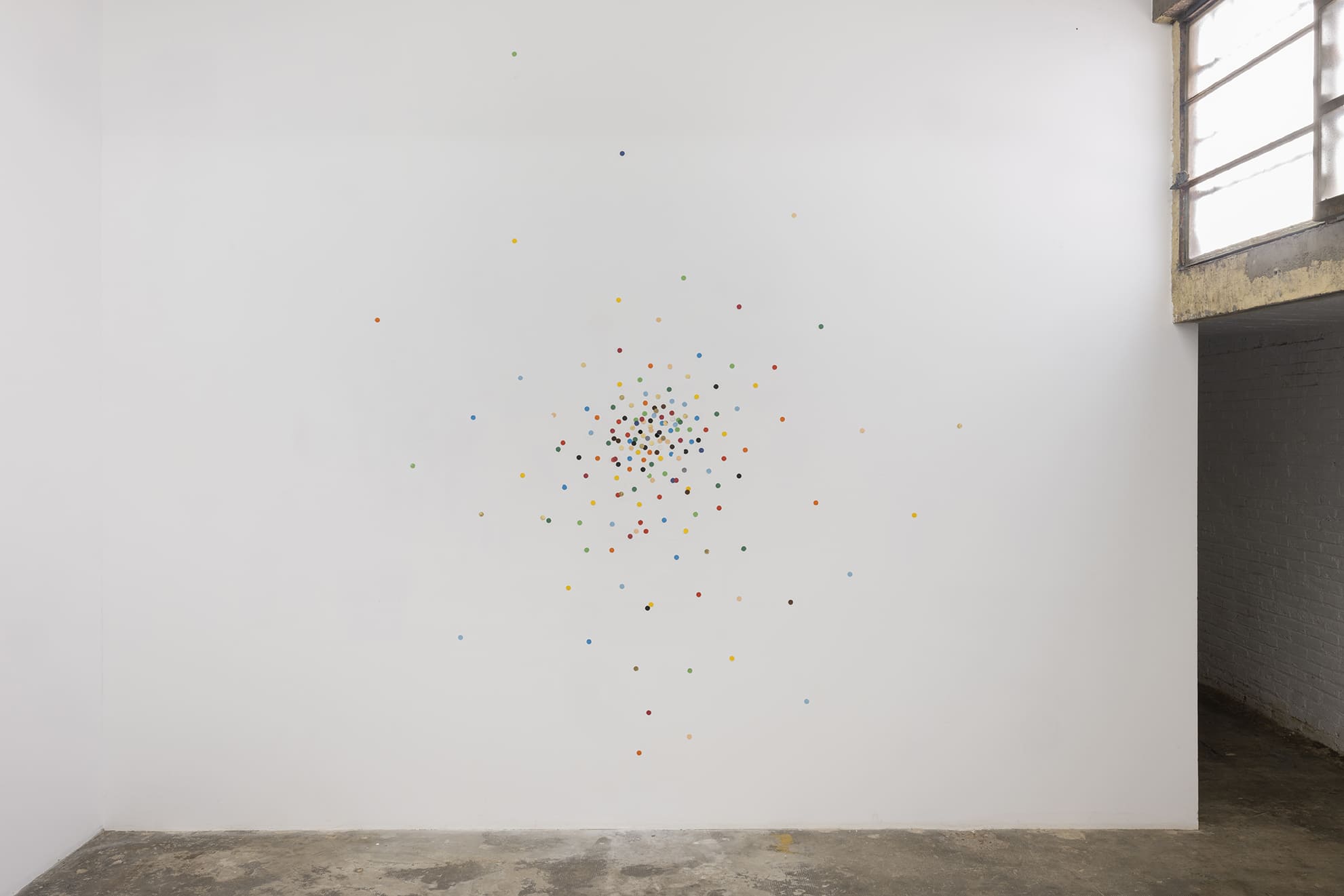
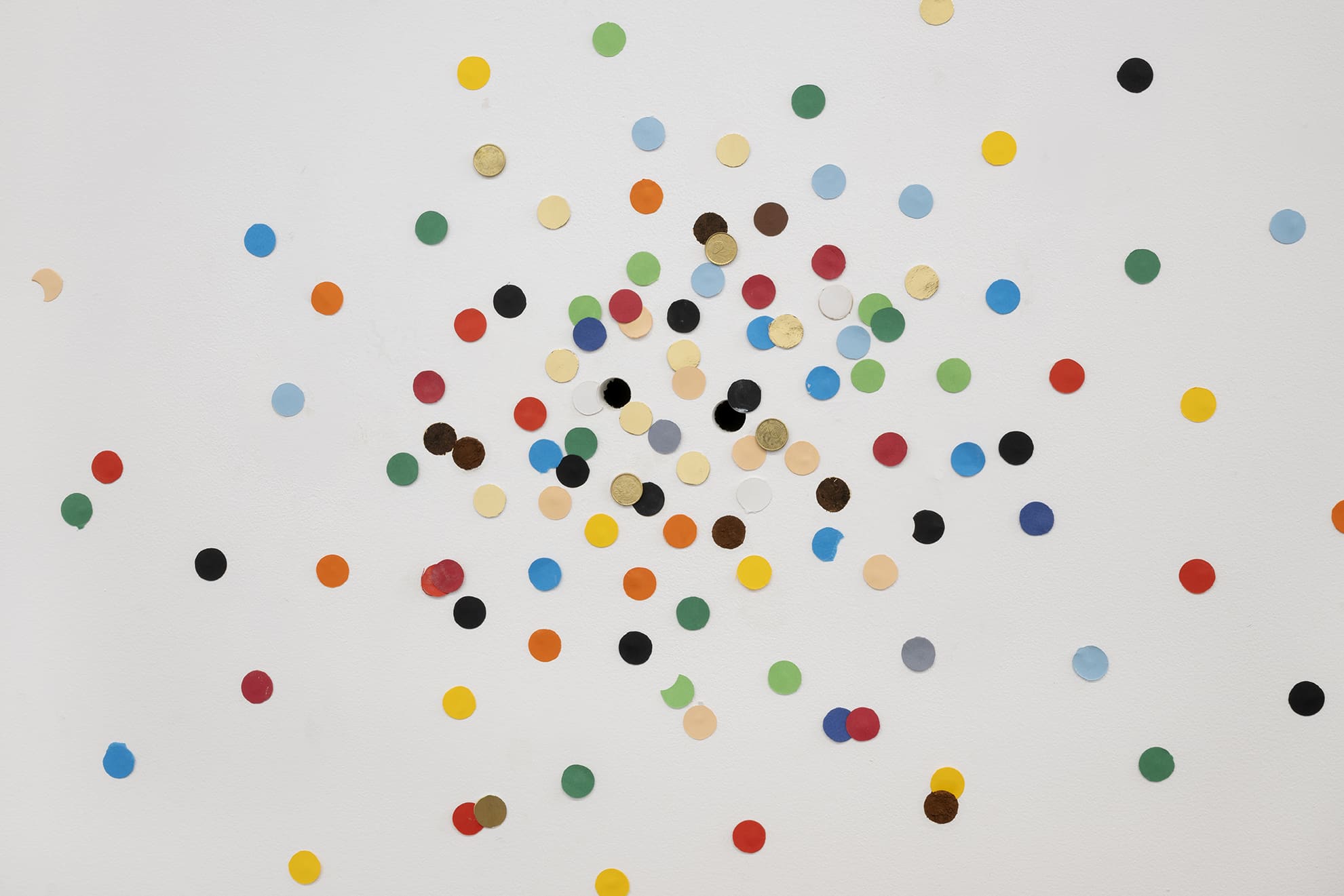
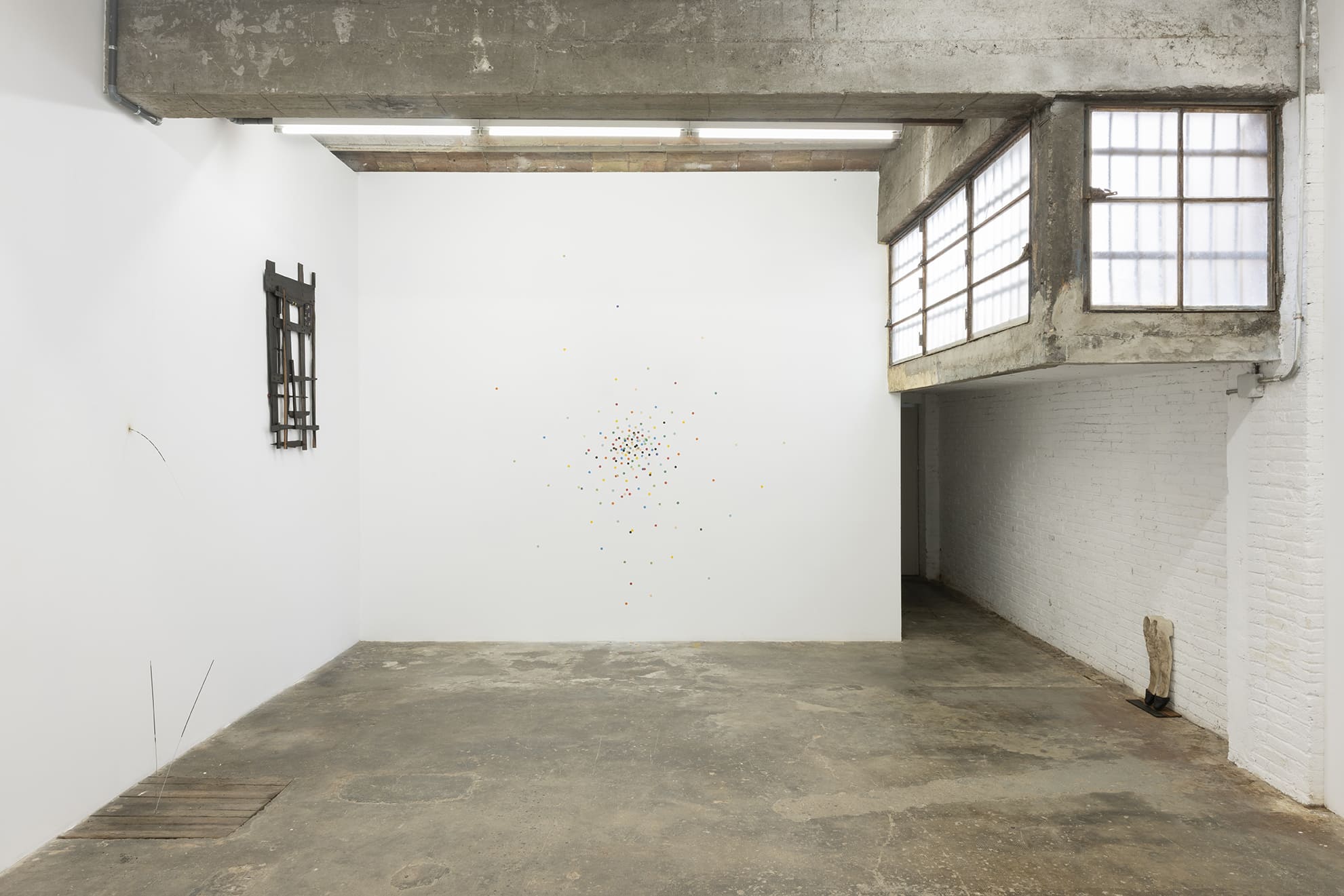
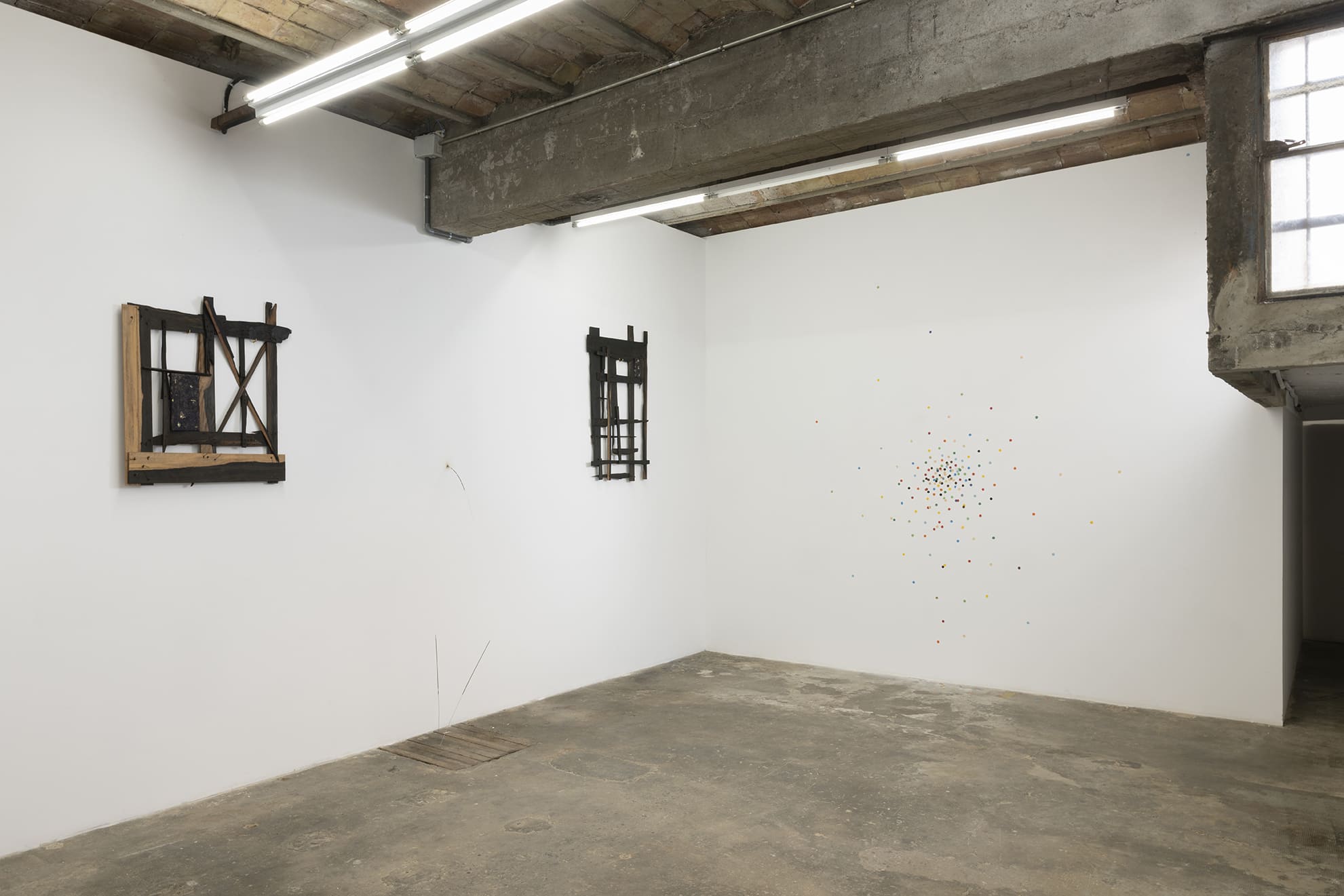
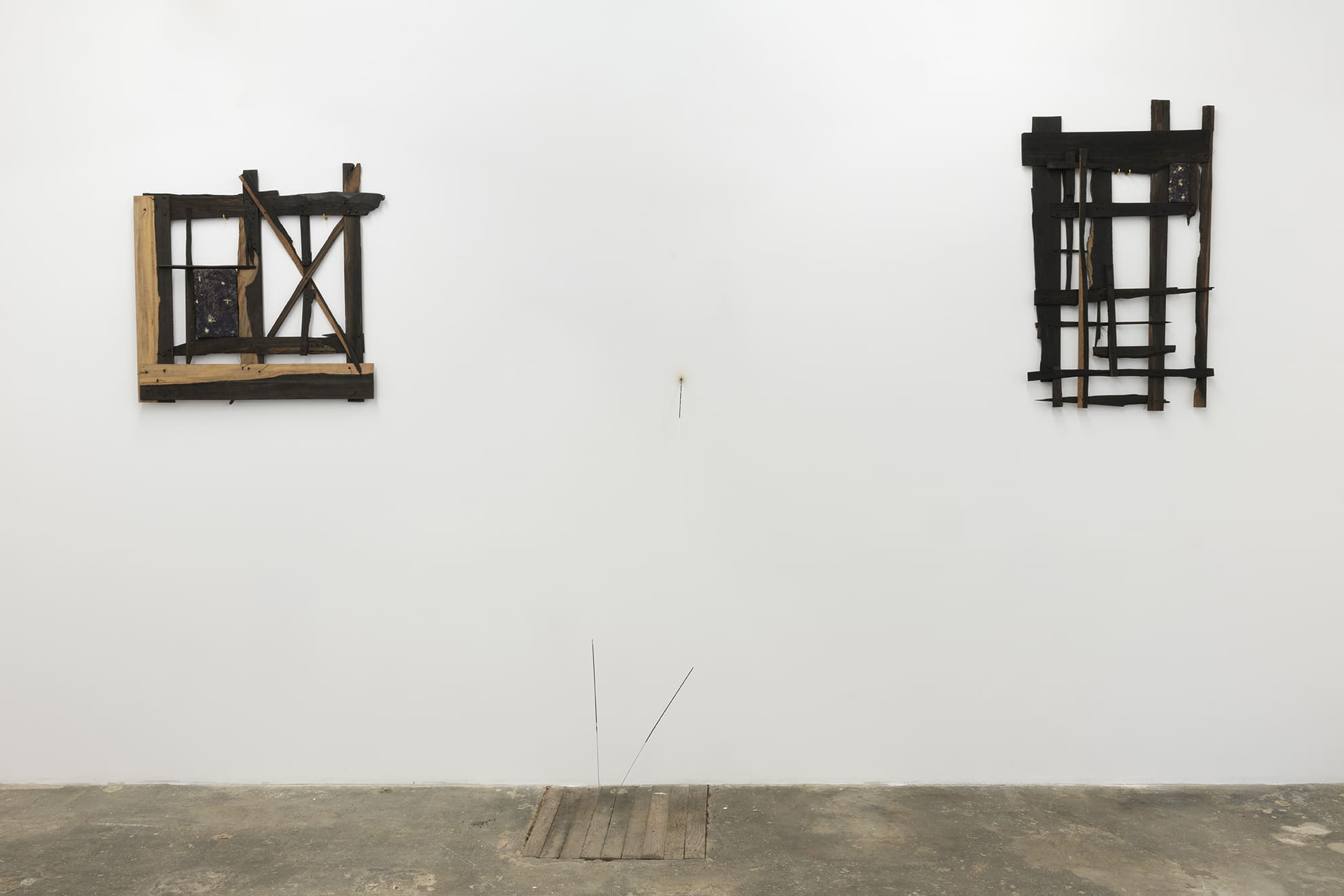
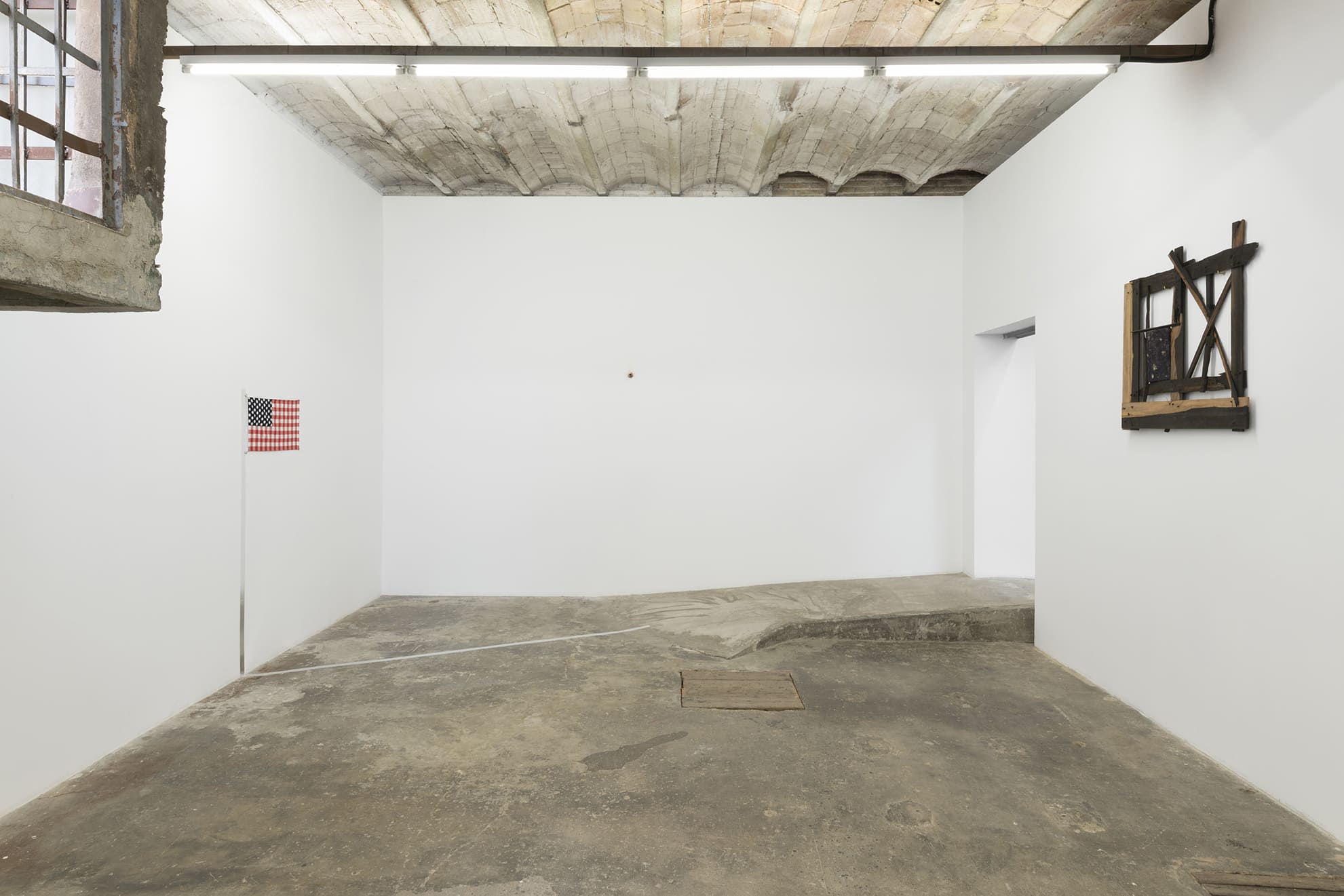
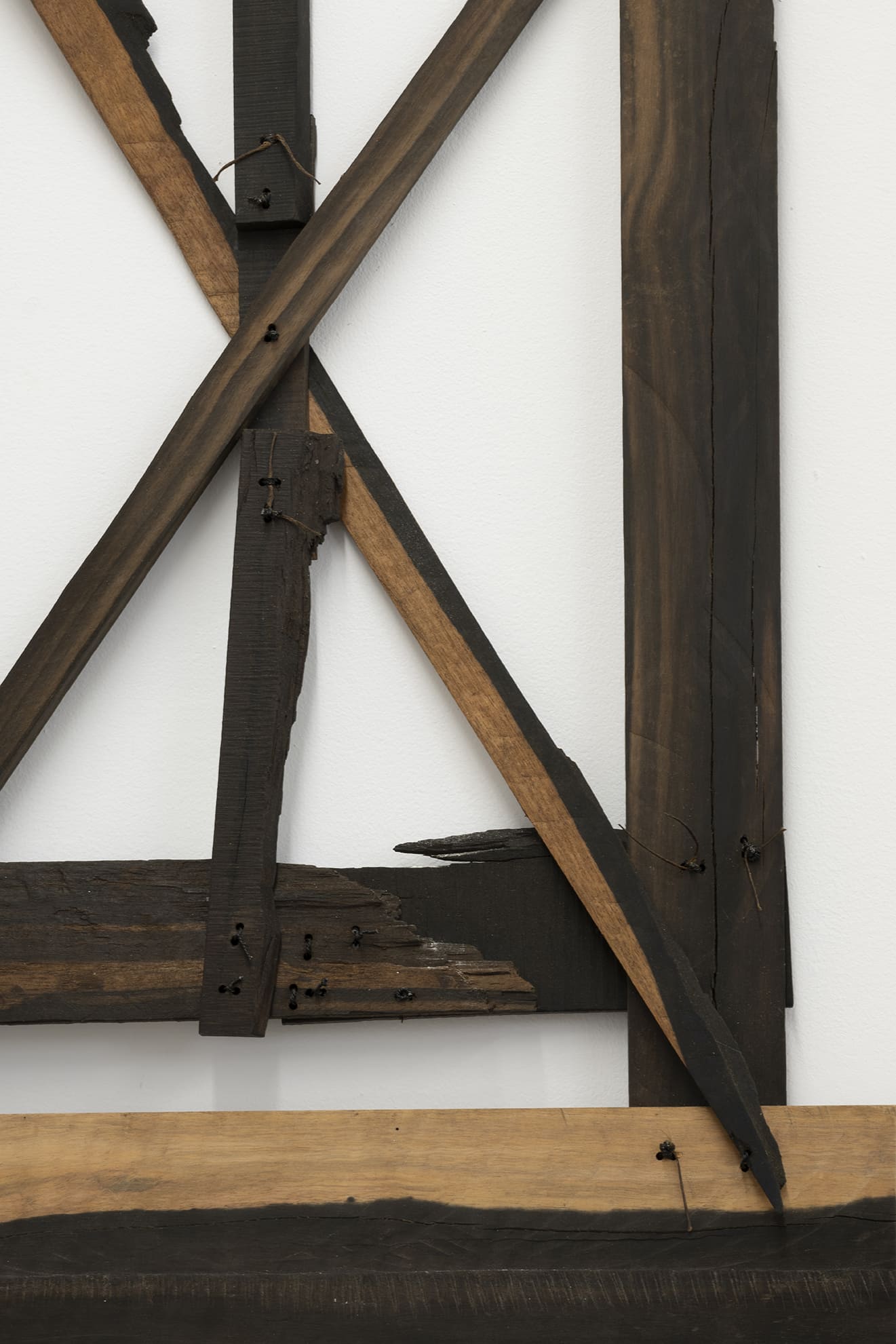
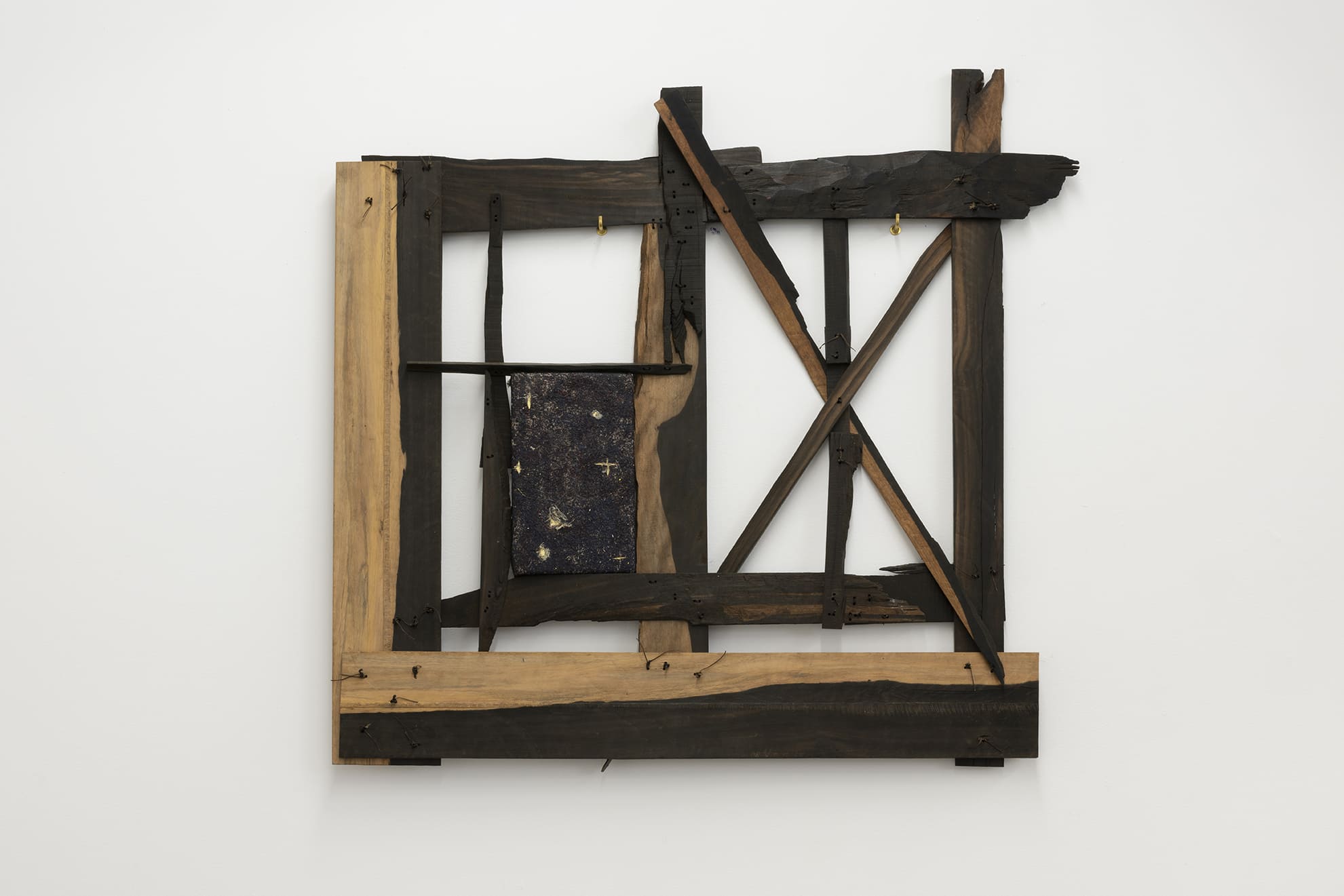
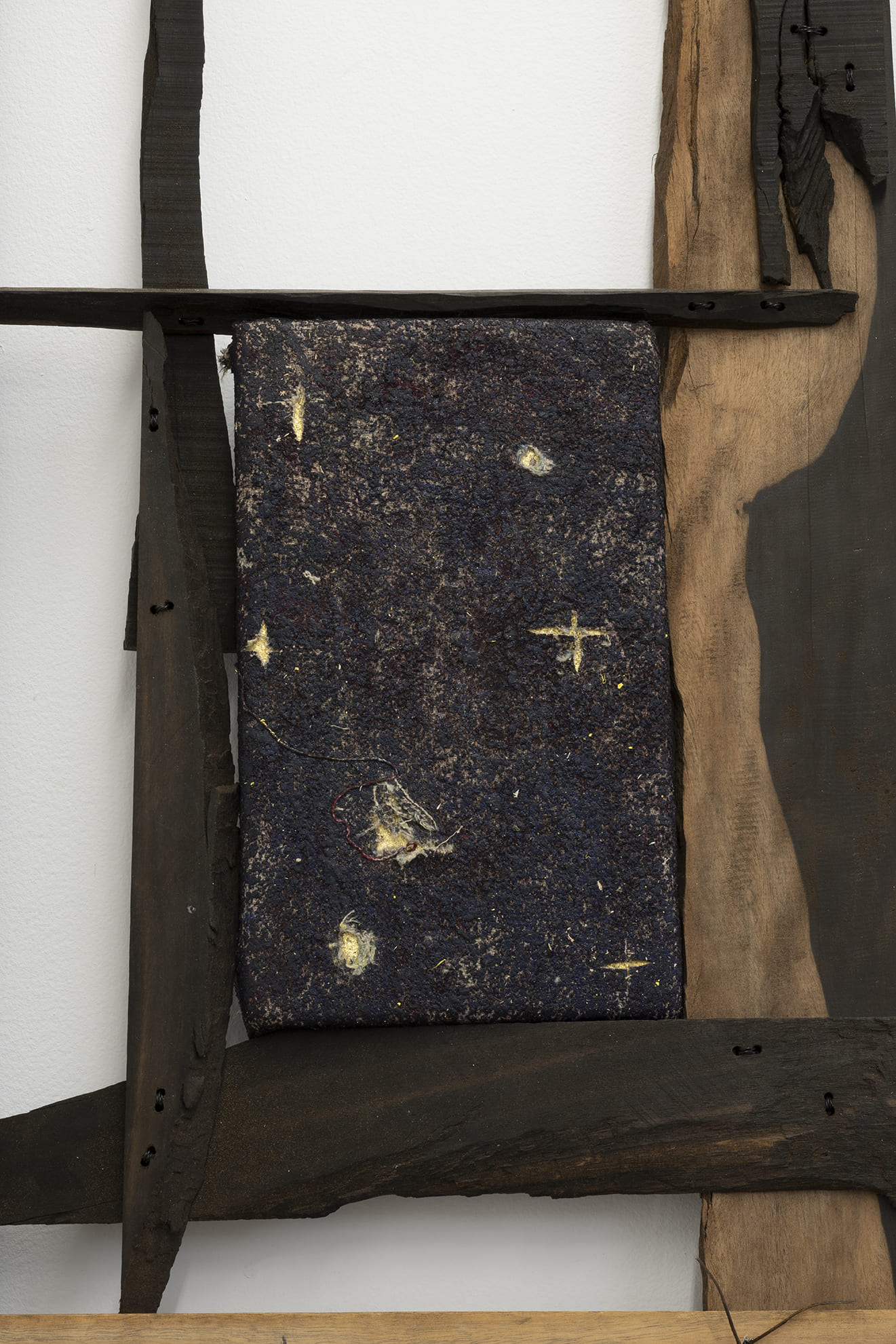
From the very start of the exhibition, we're in familiar territory for these artists: blocks of weathered and majestic wood, which reveal and sanctify their own wounds and scars, in defence of emptiness and what is missing, as well as defiant shoes that demand to be used for something other than walking (Castellano). There are broken walls that open through to the other side, to expose what's beyond and to reject the tyranny of physical limits (Bisbe). And works that champion absolute beauty: from a stunning jewel, made from simple golden staples, to the joyous explosion of colours pieced together from confetti.
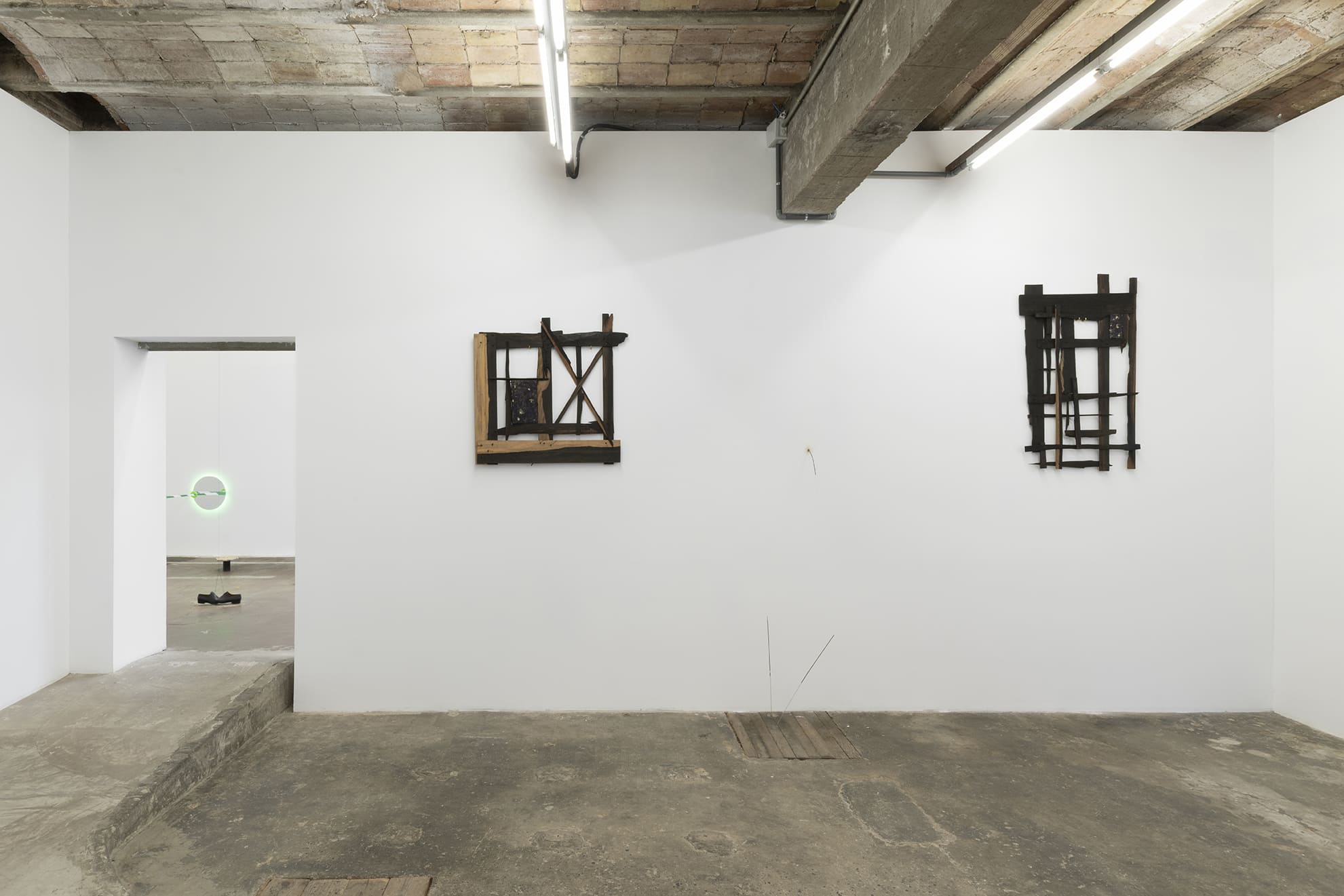
As noted above, the artists themselves are the ones who have chosen the works on display in Ballestrinquers:
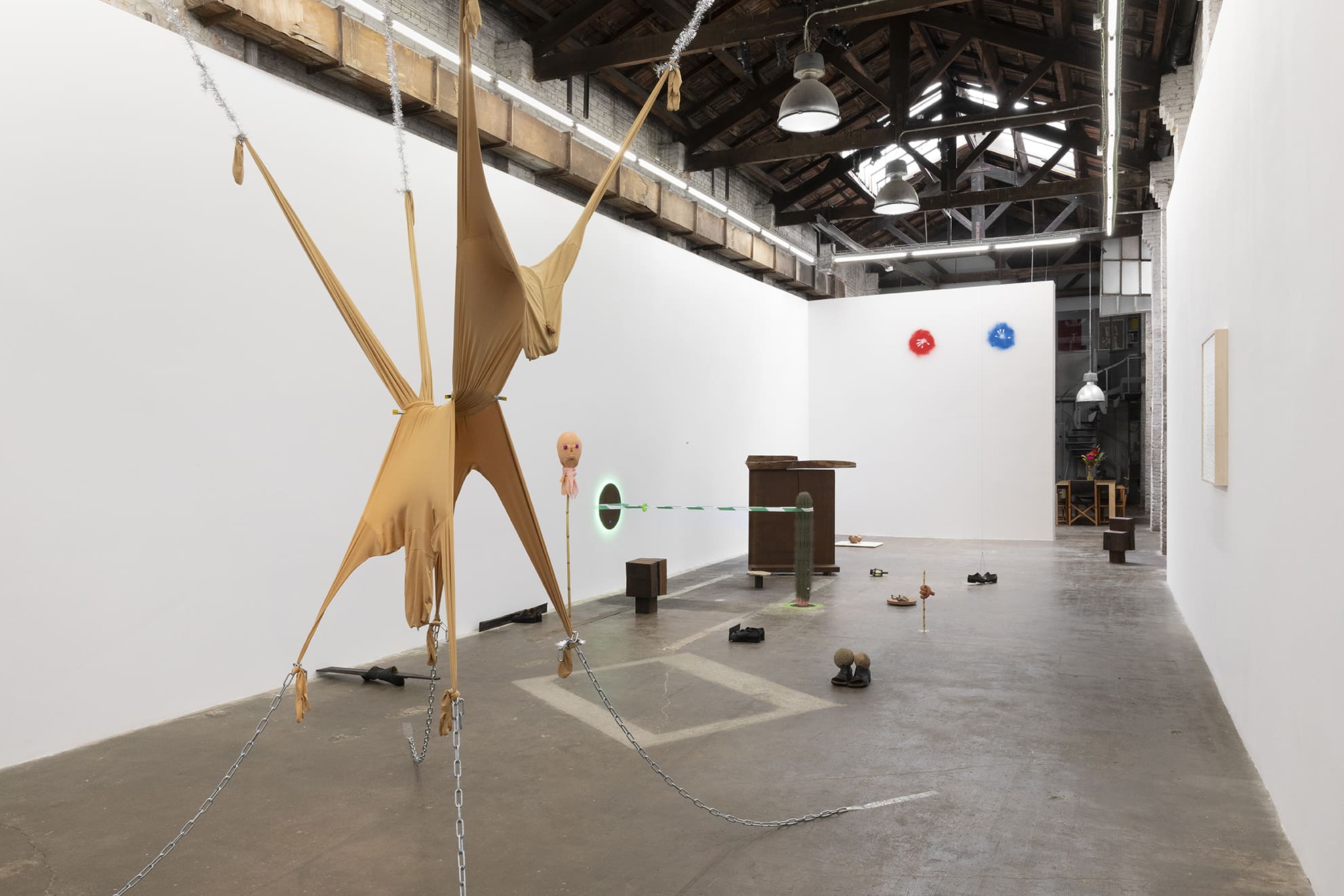
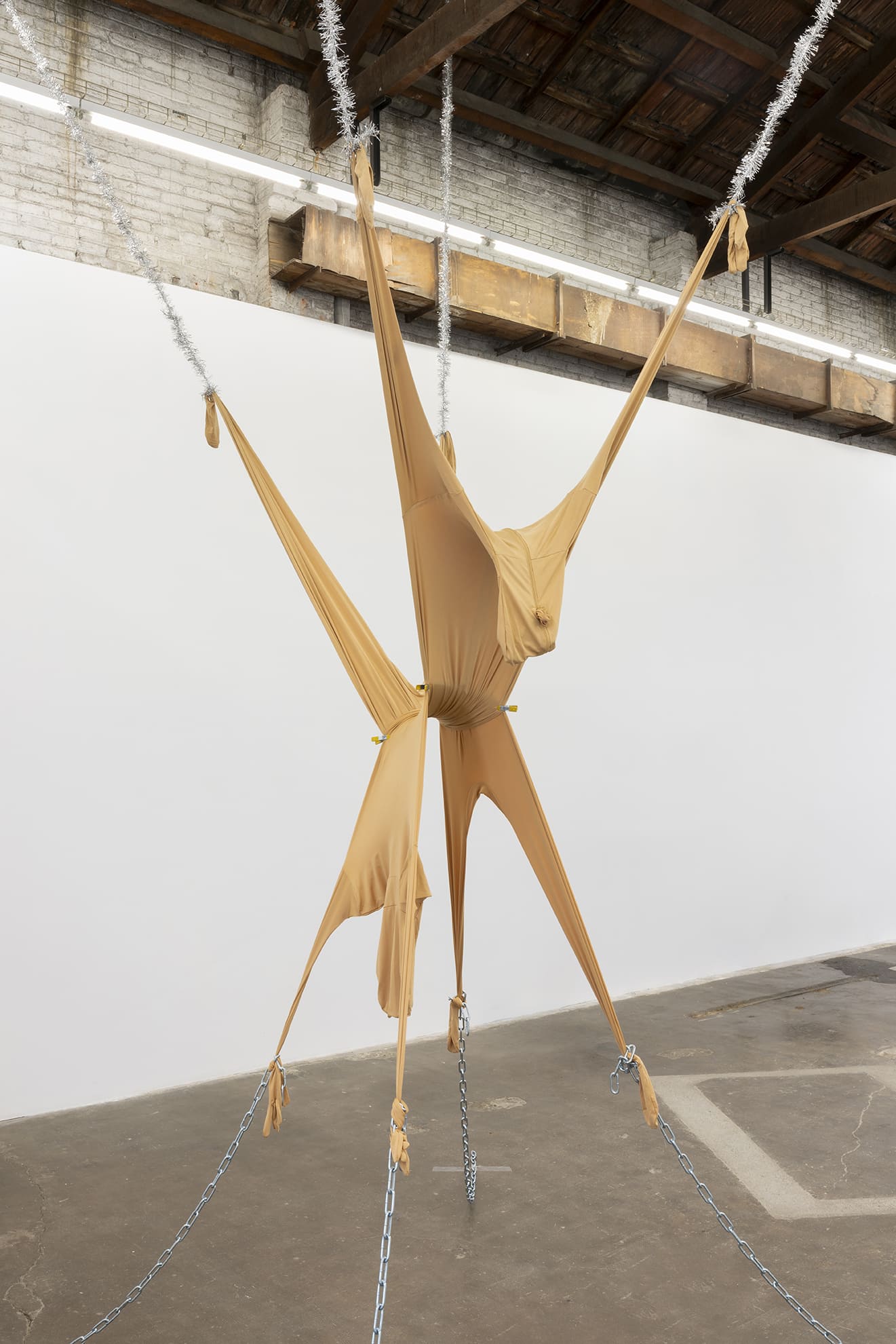
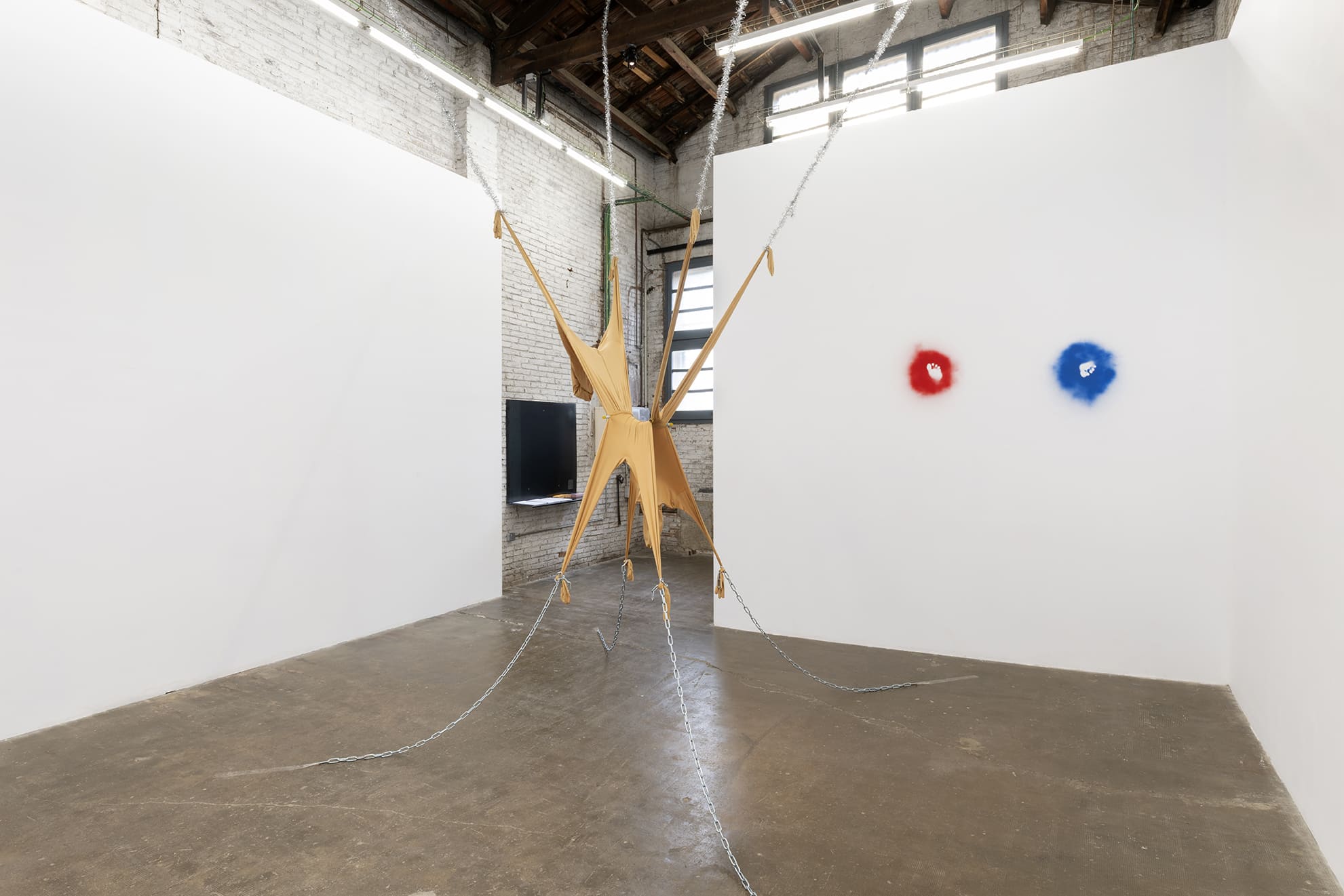
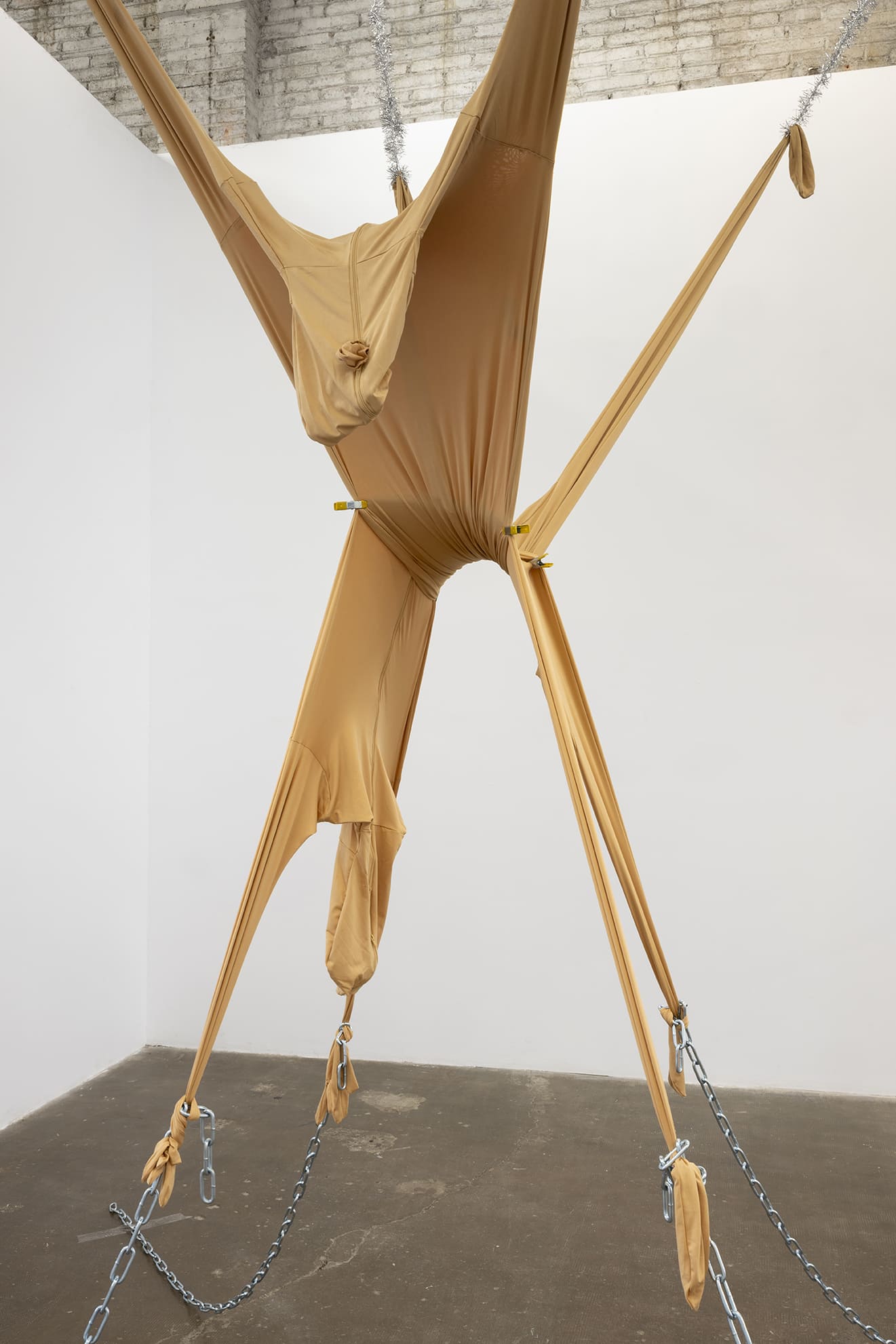
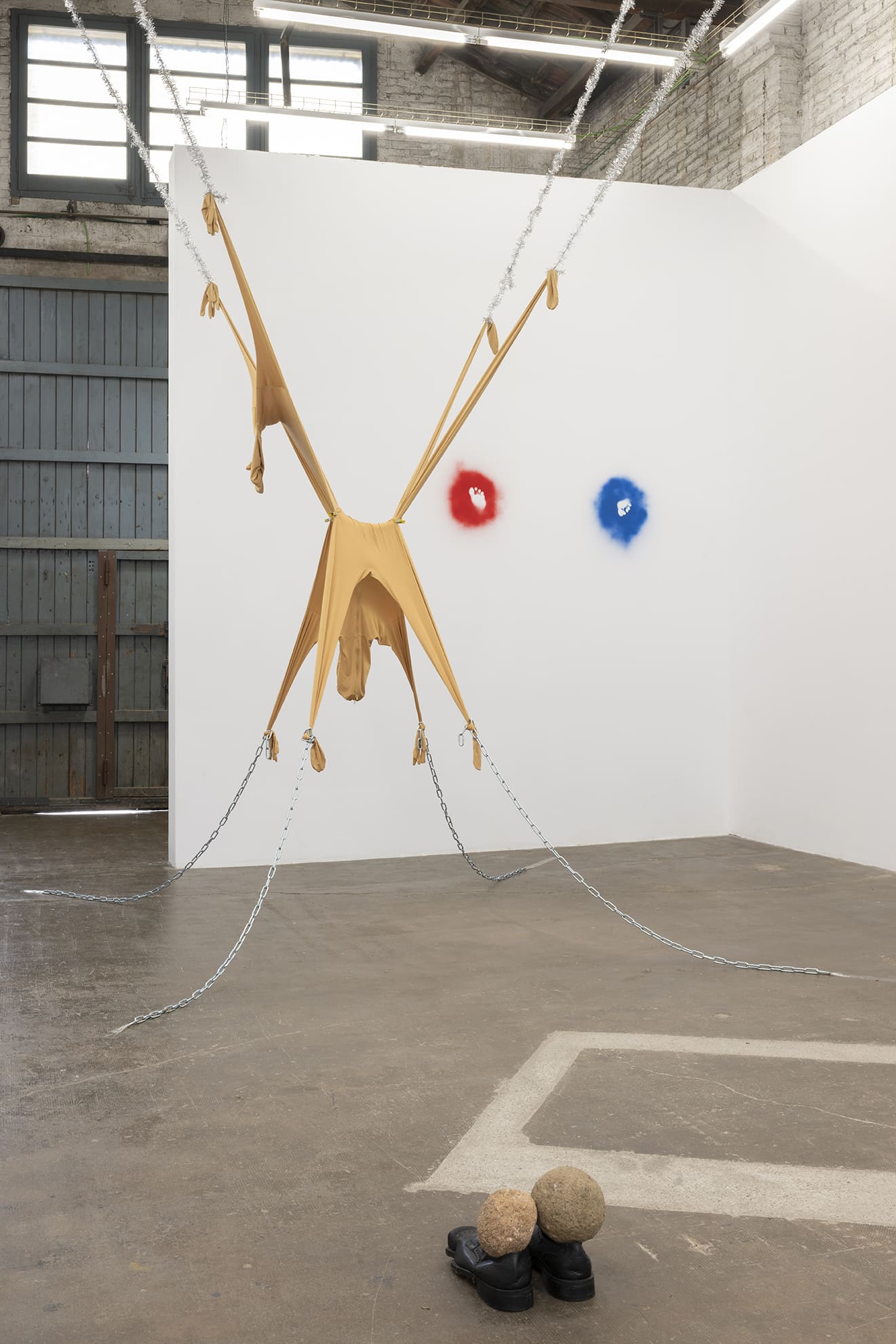
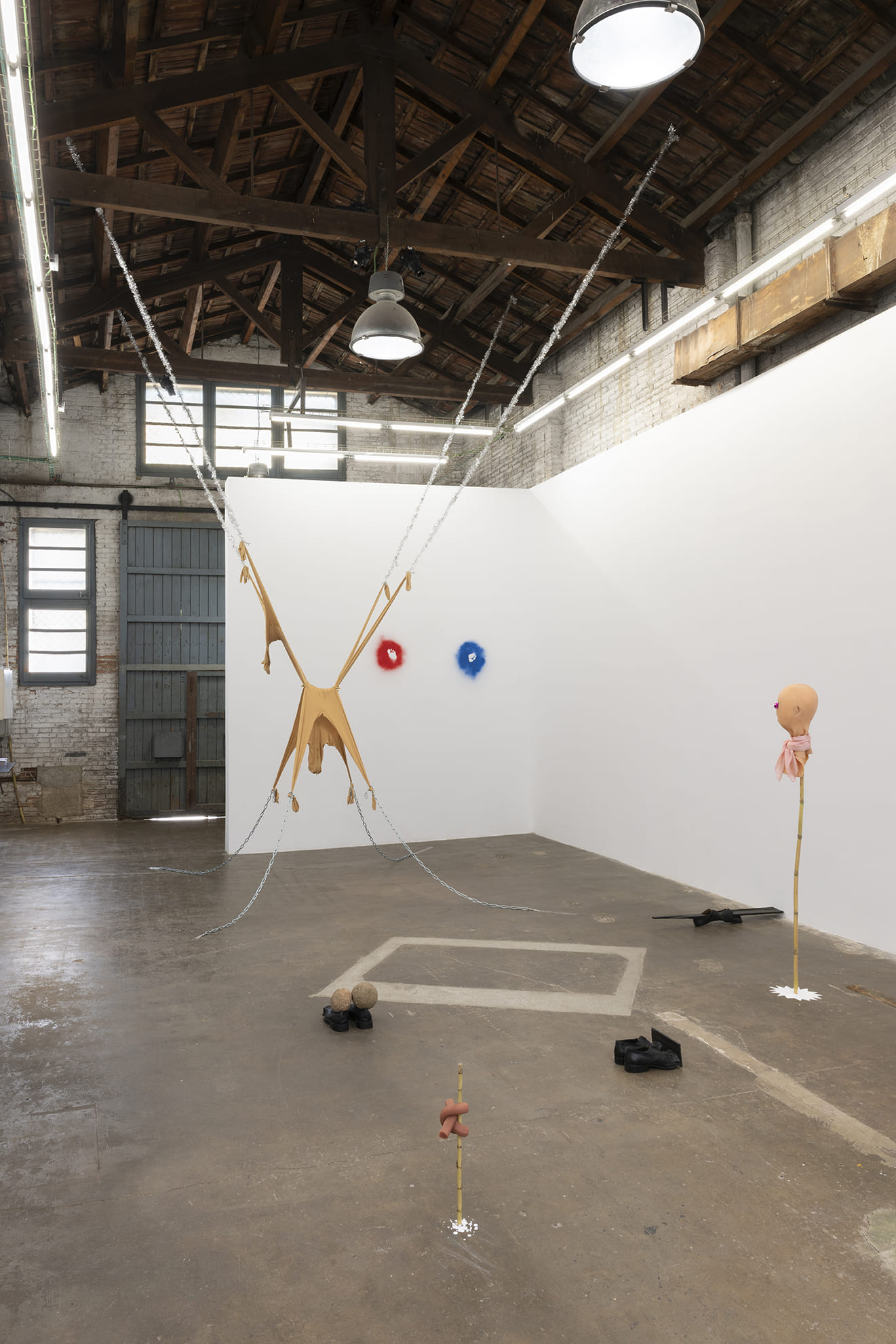
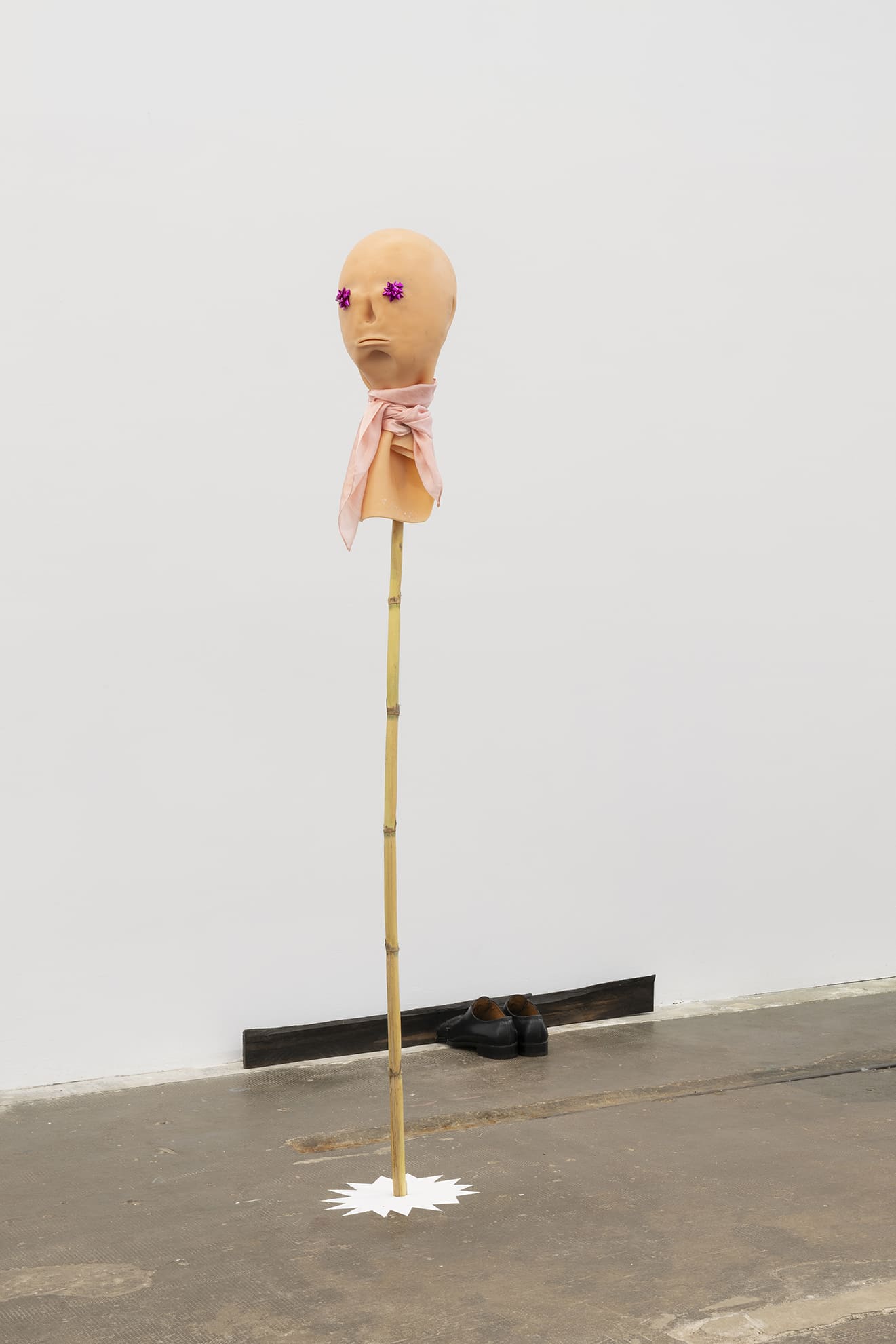
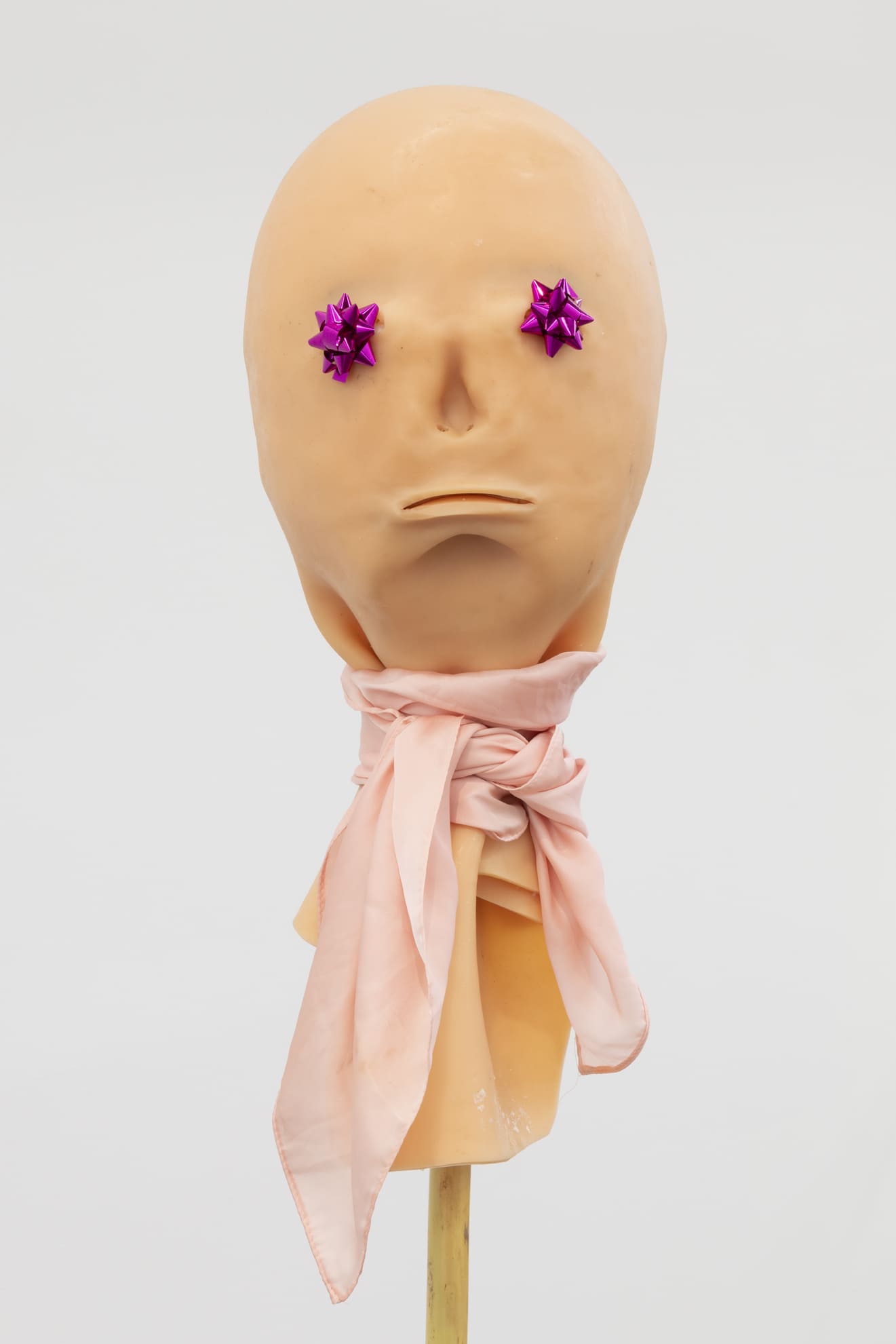
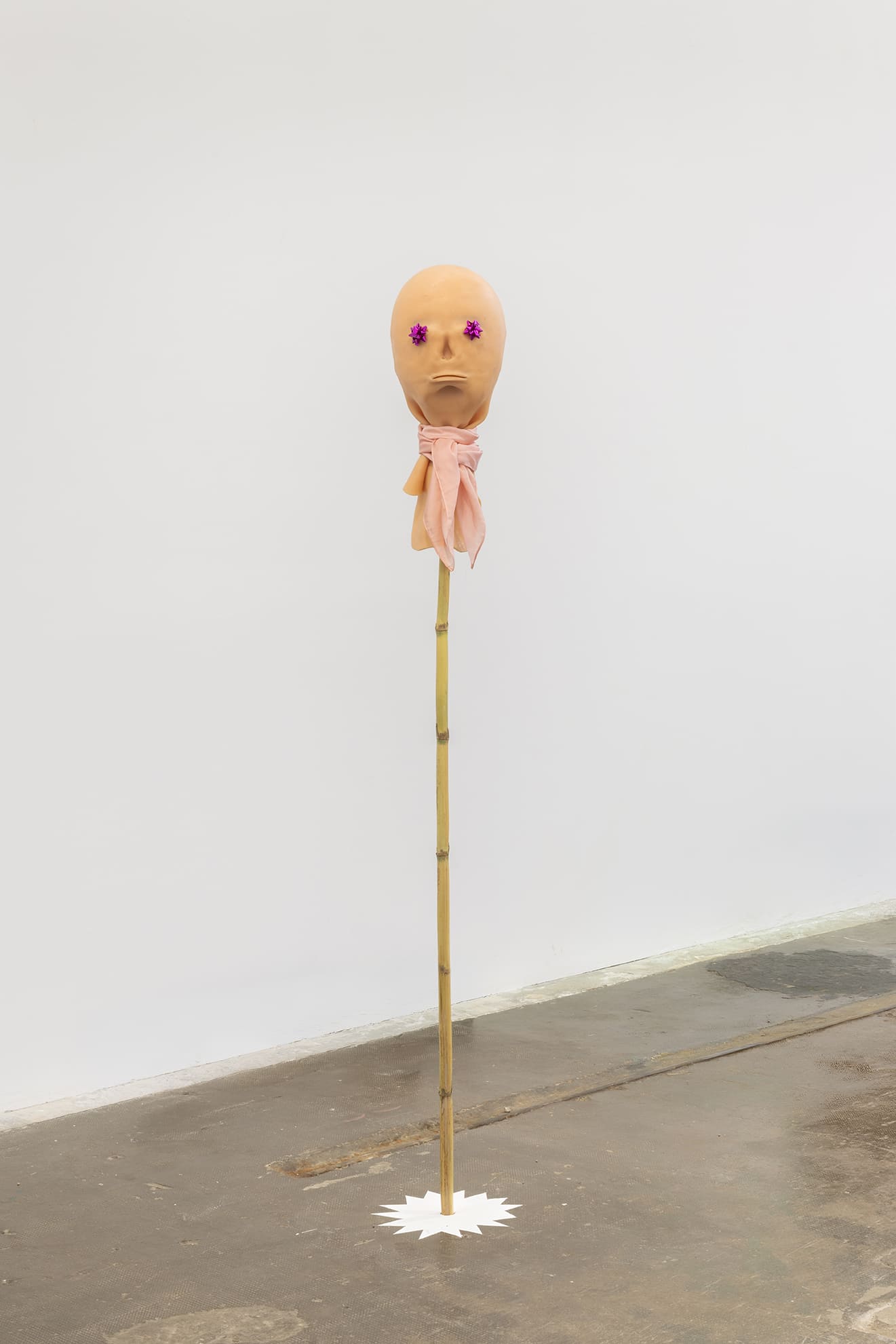
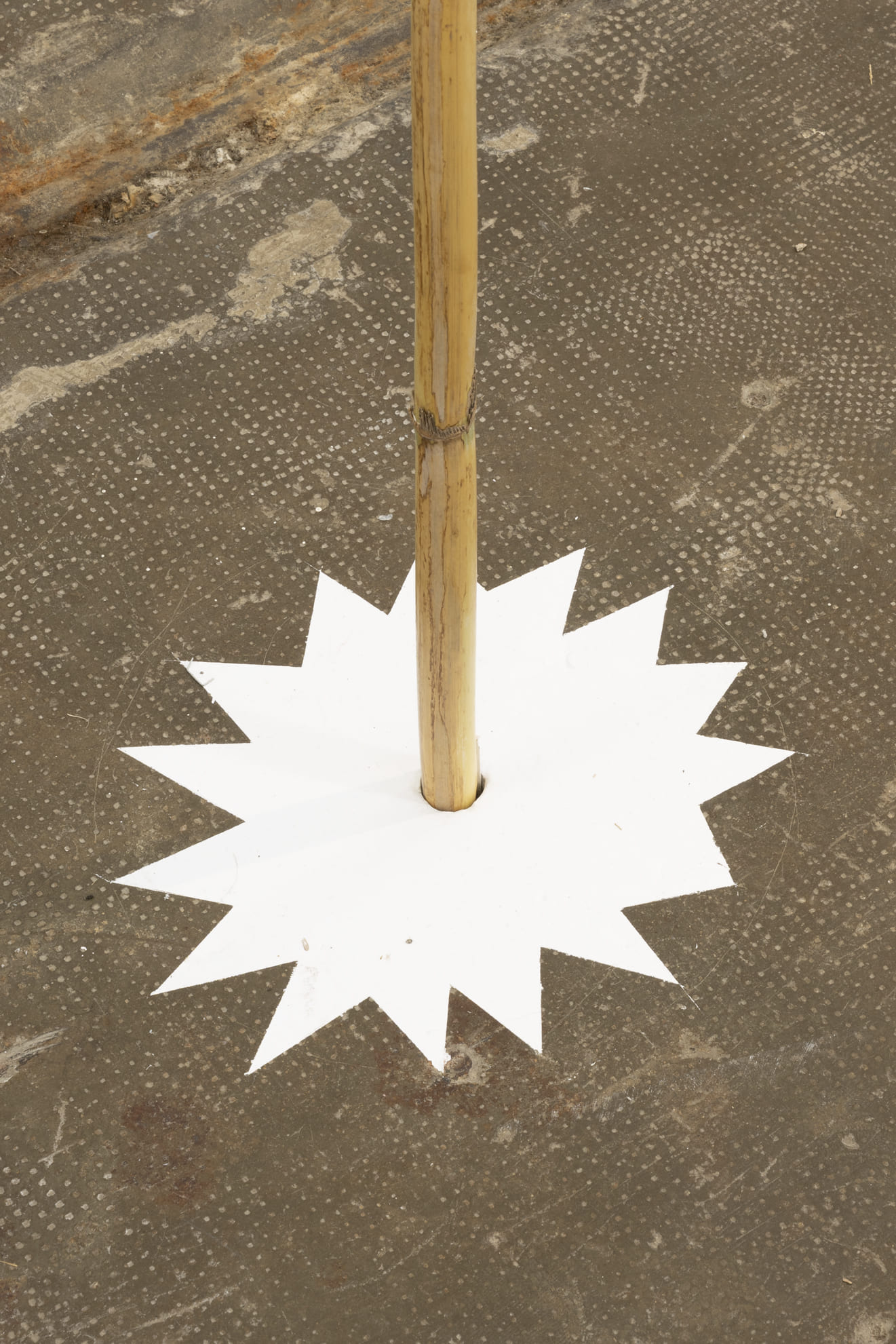
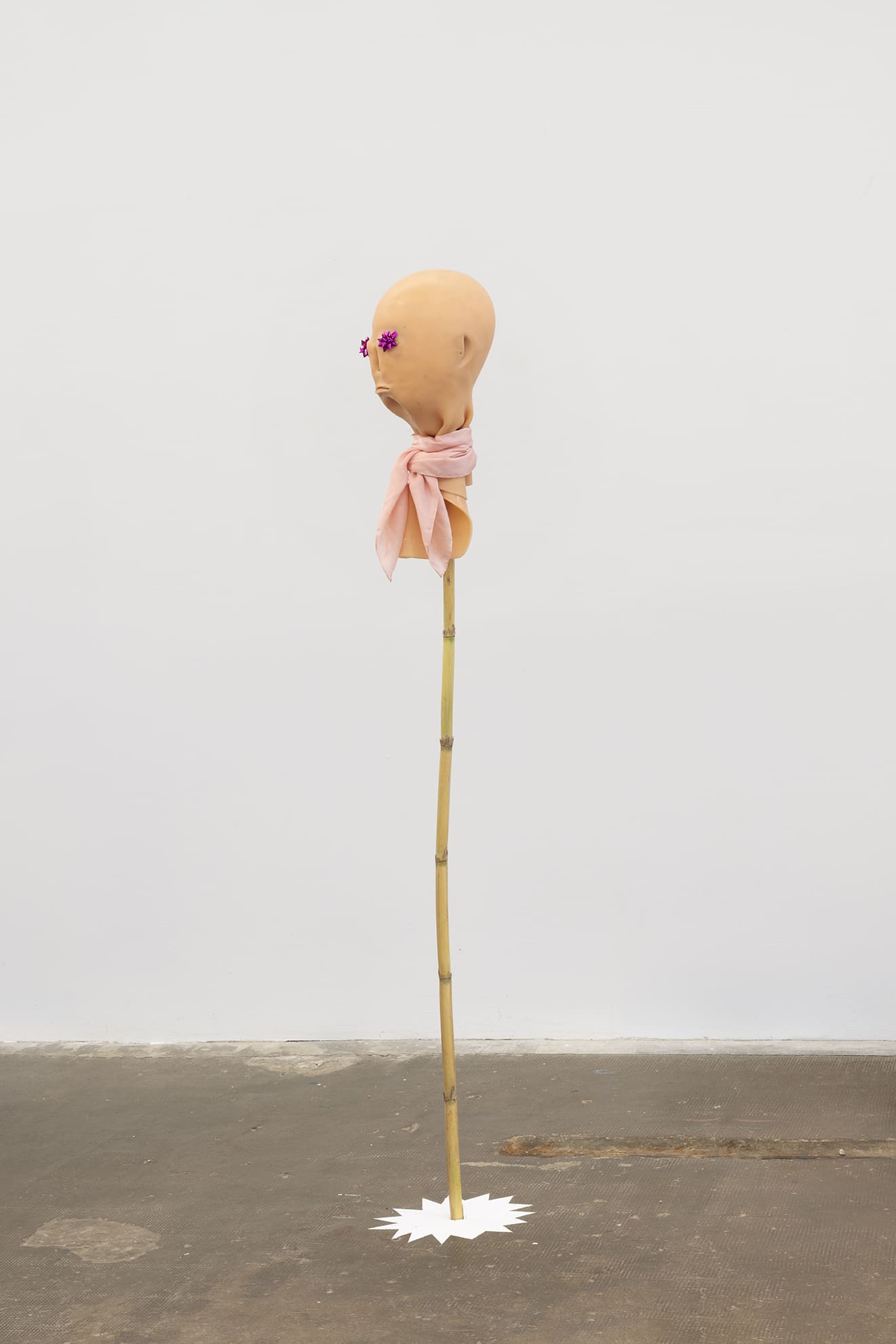
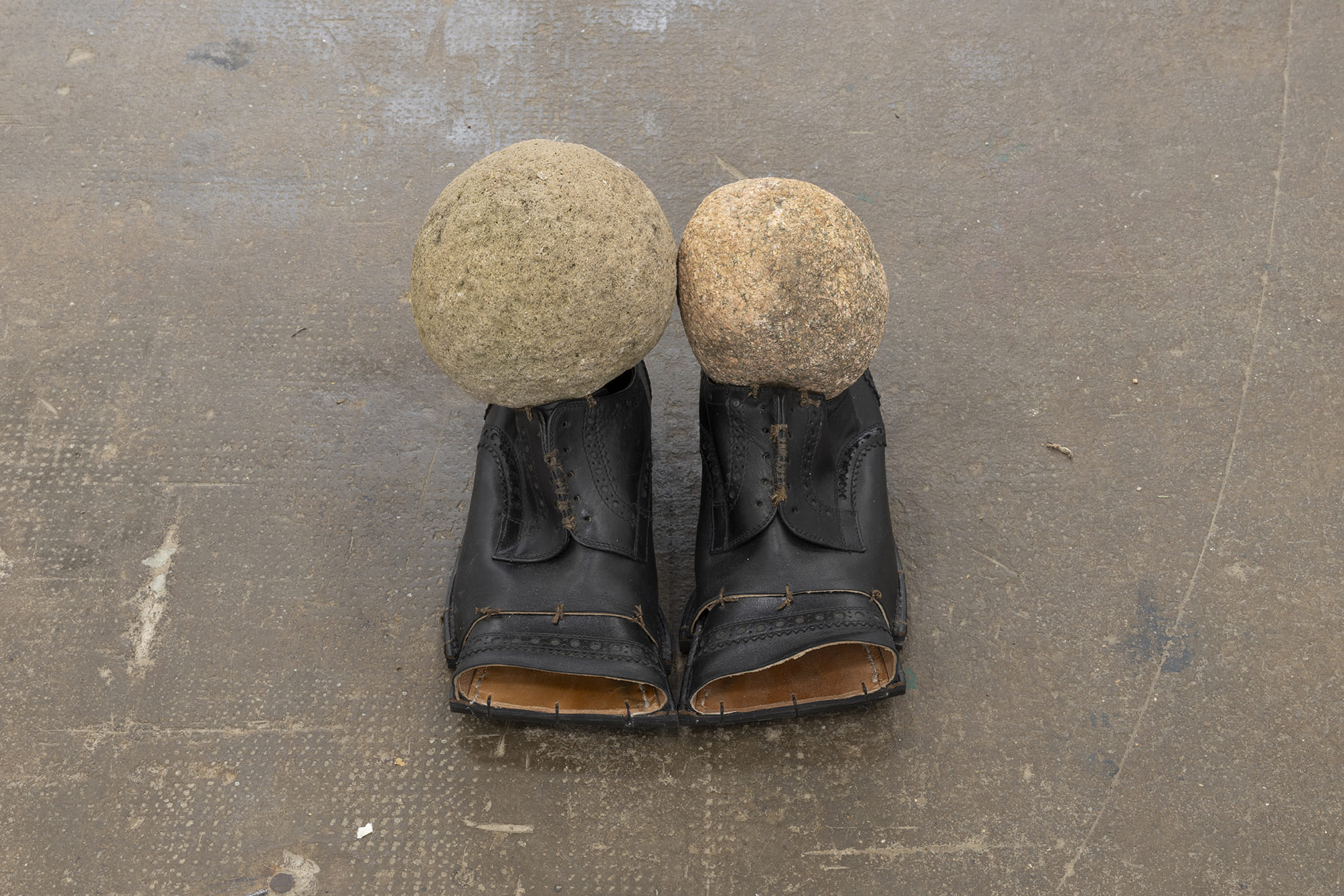
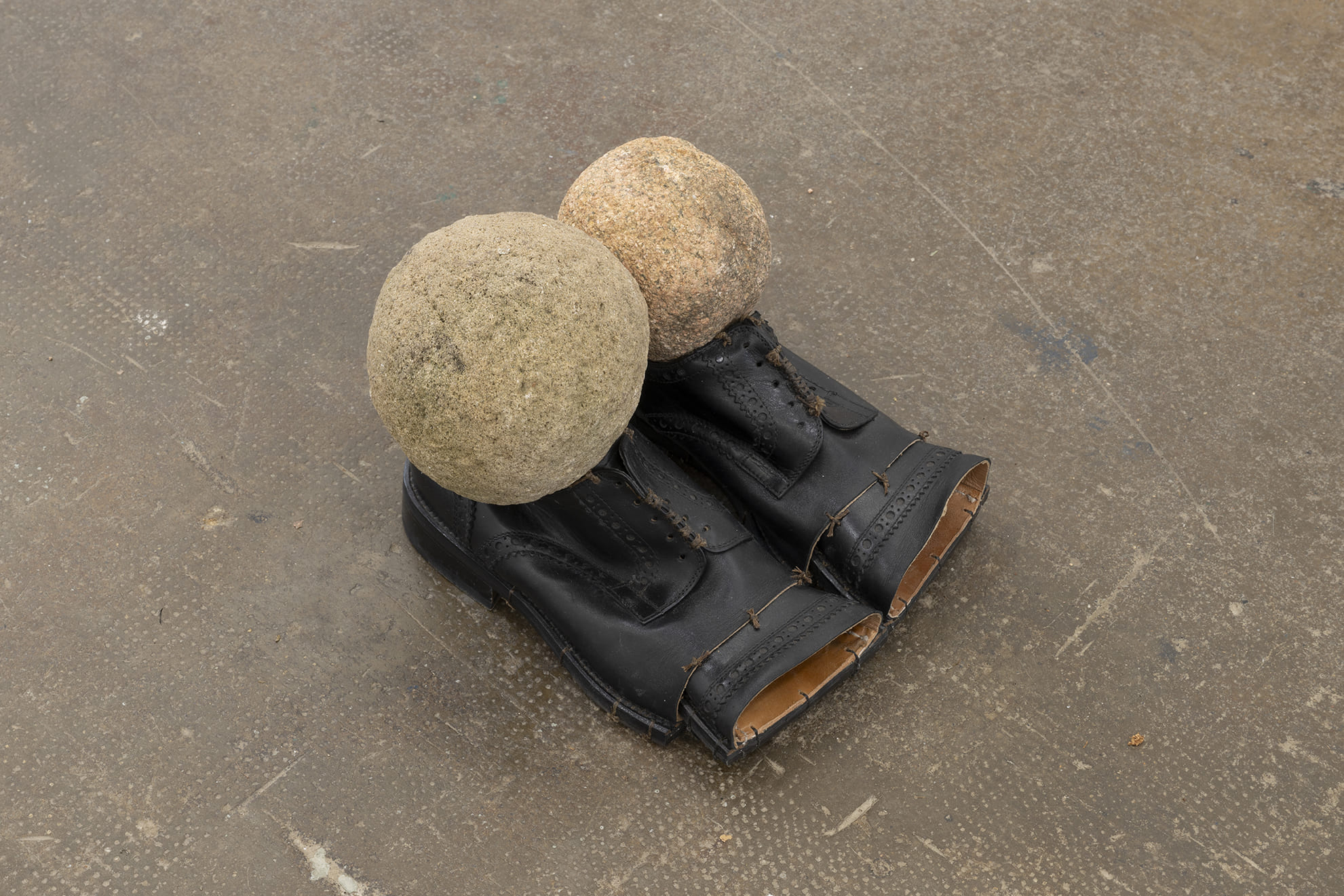
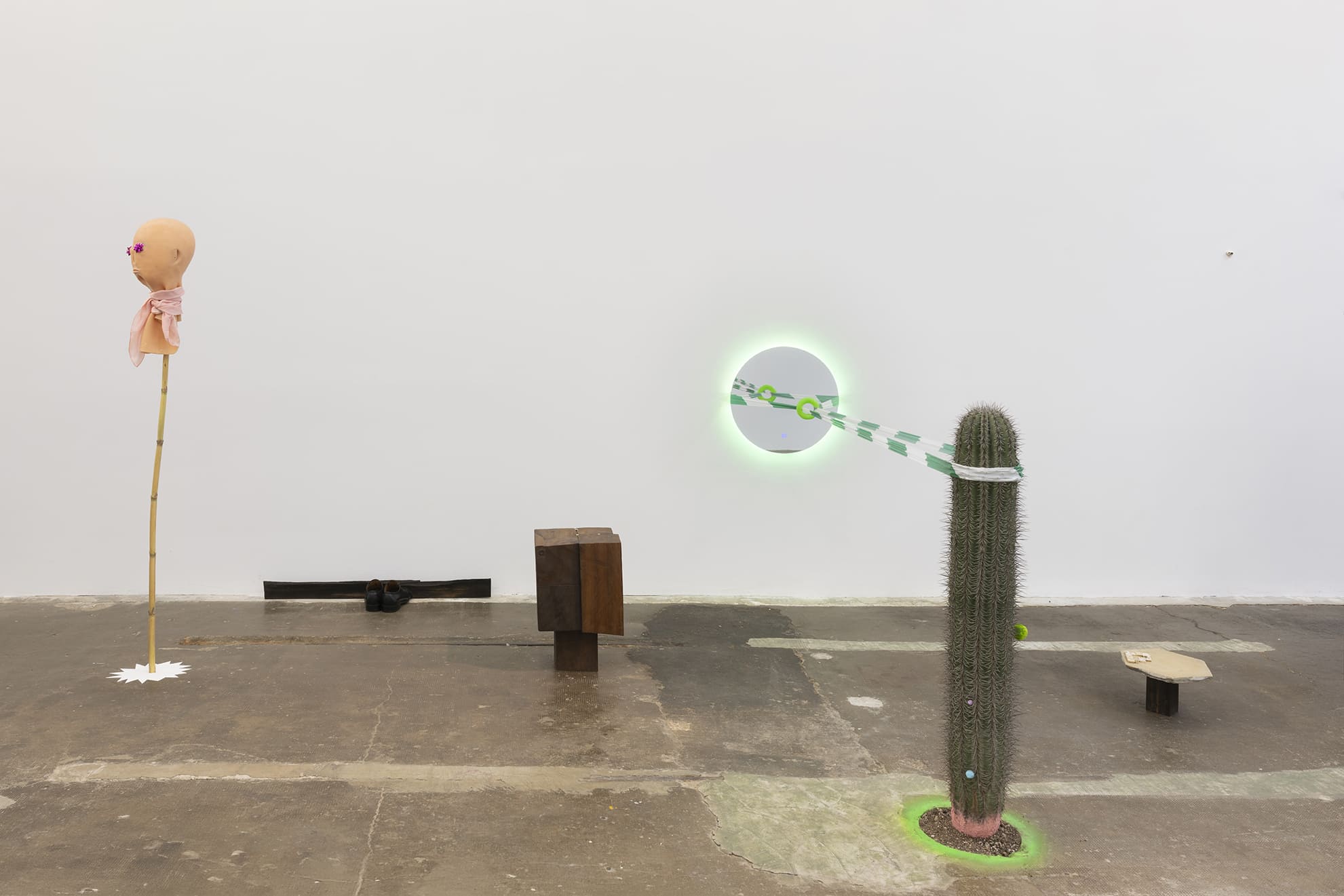
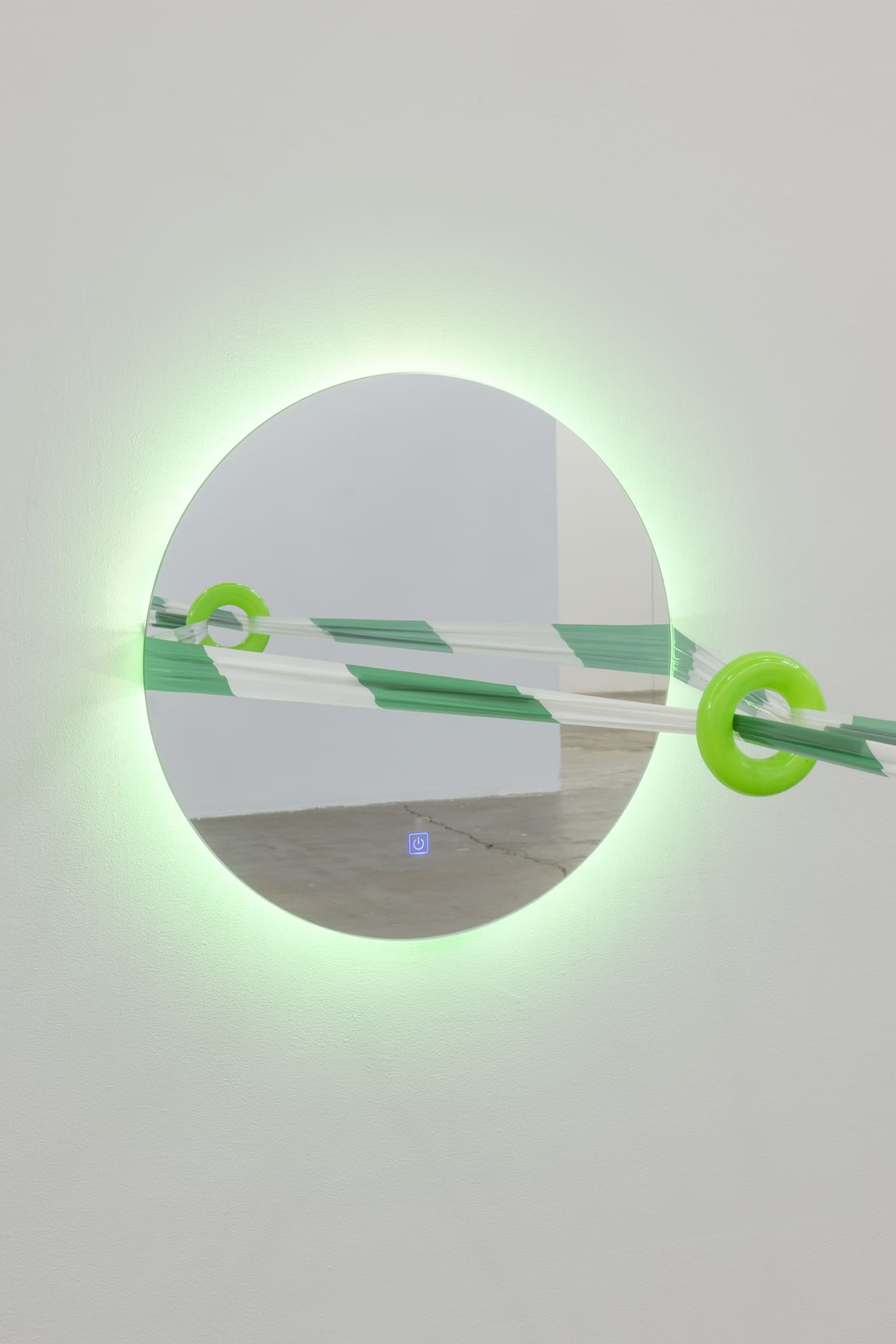
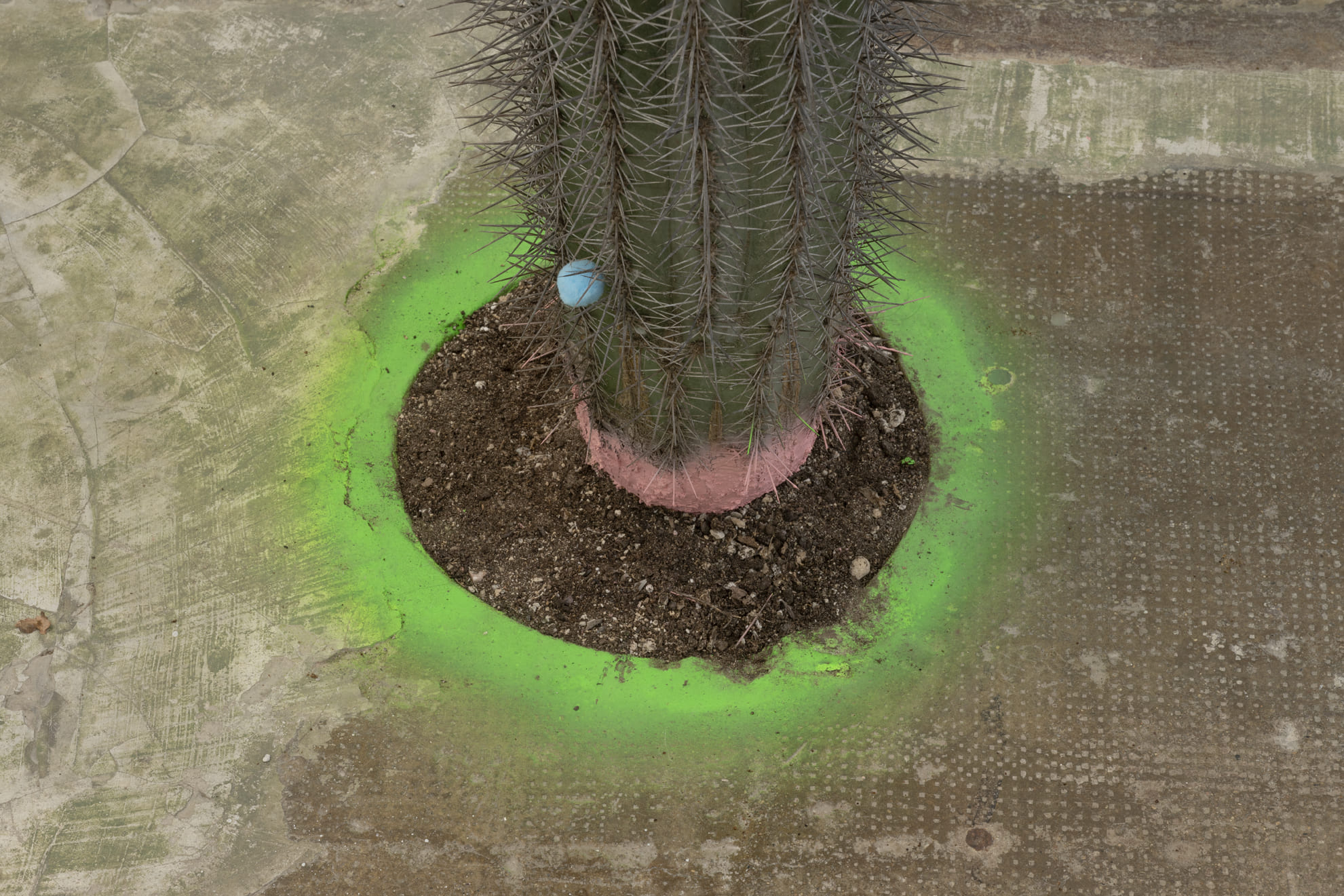
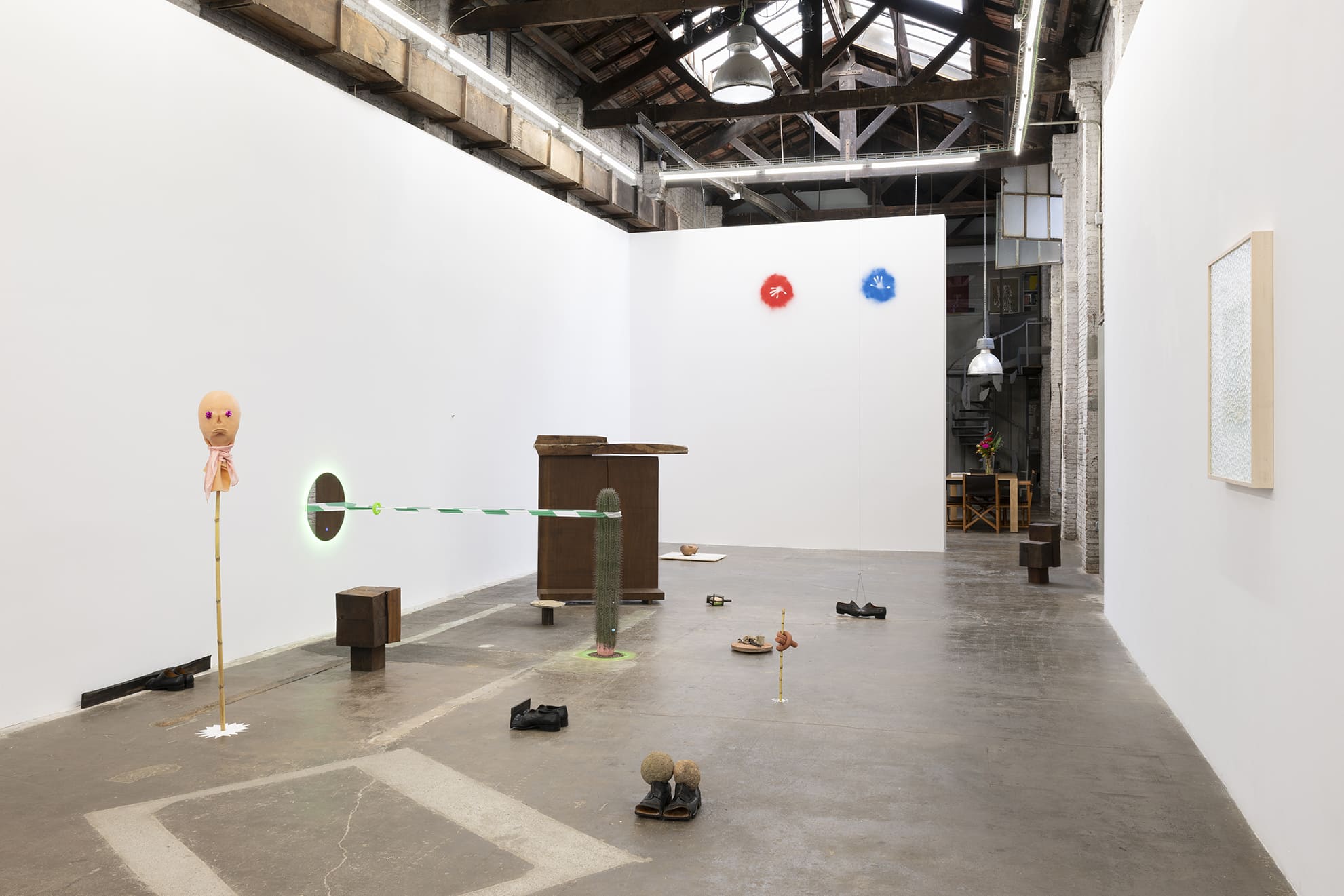
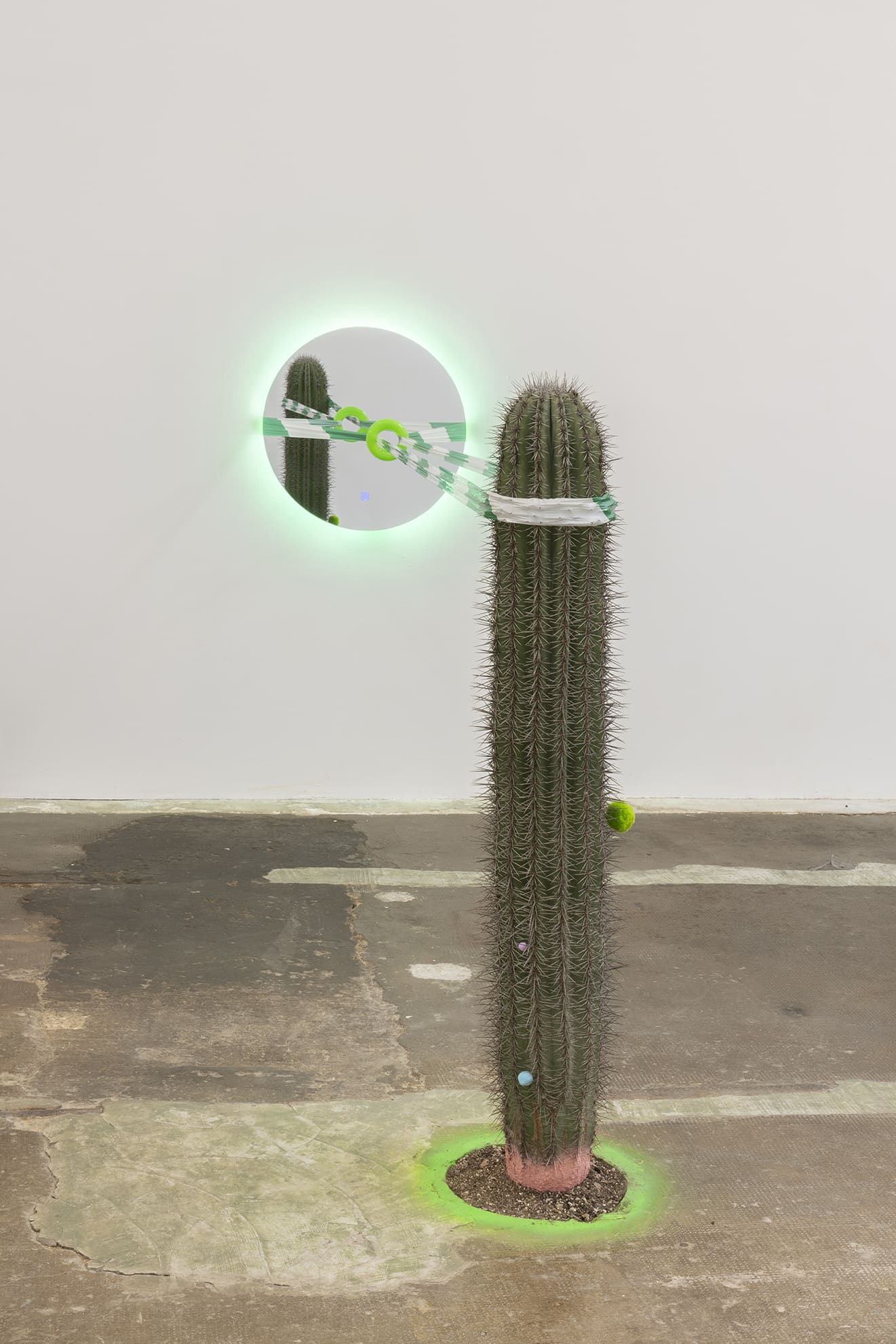
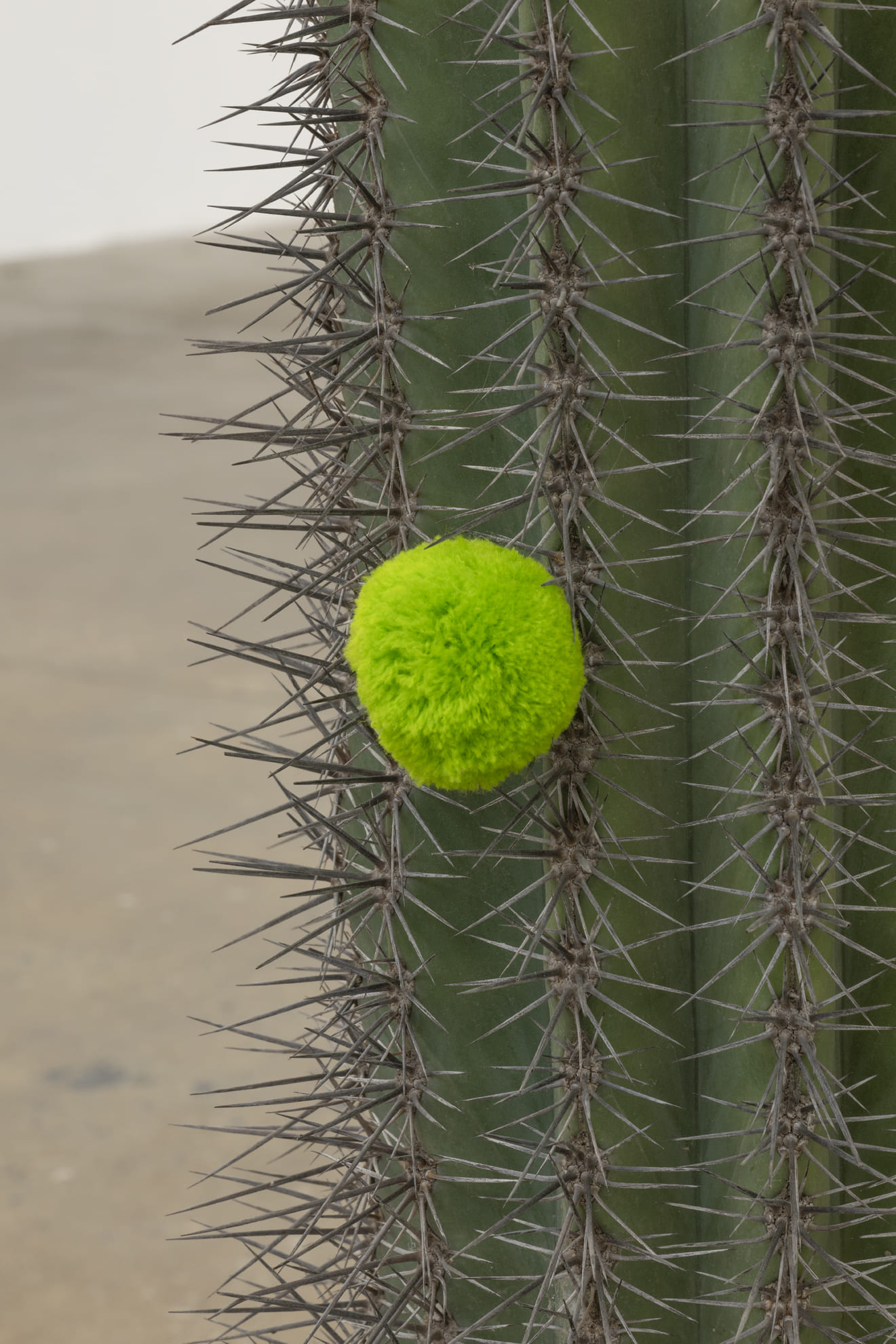
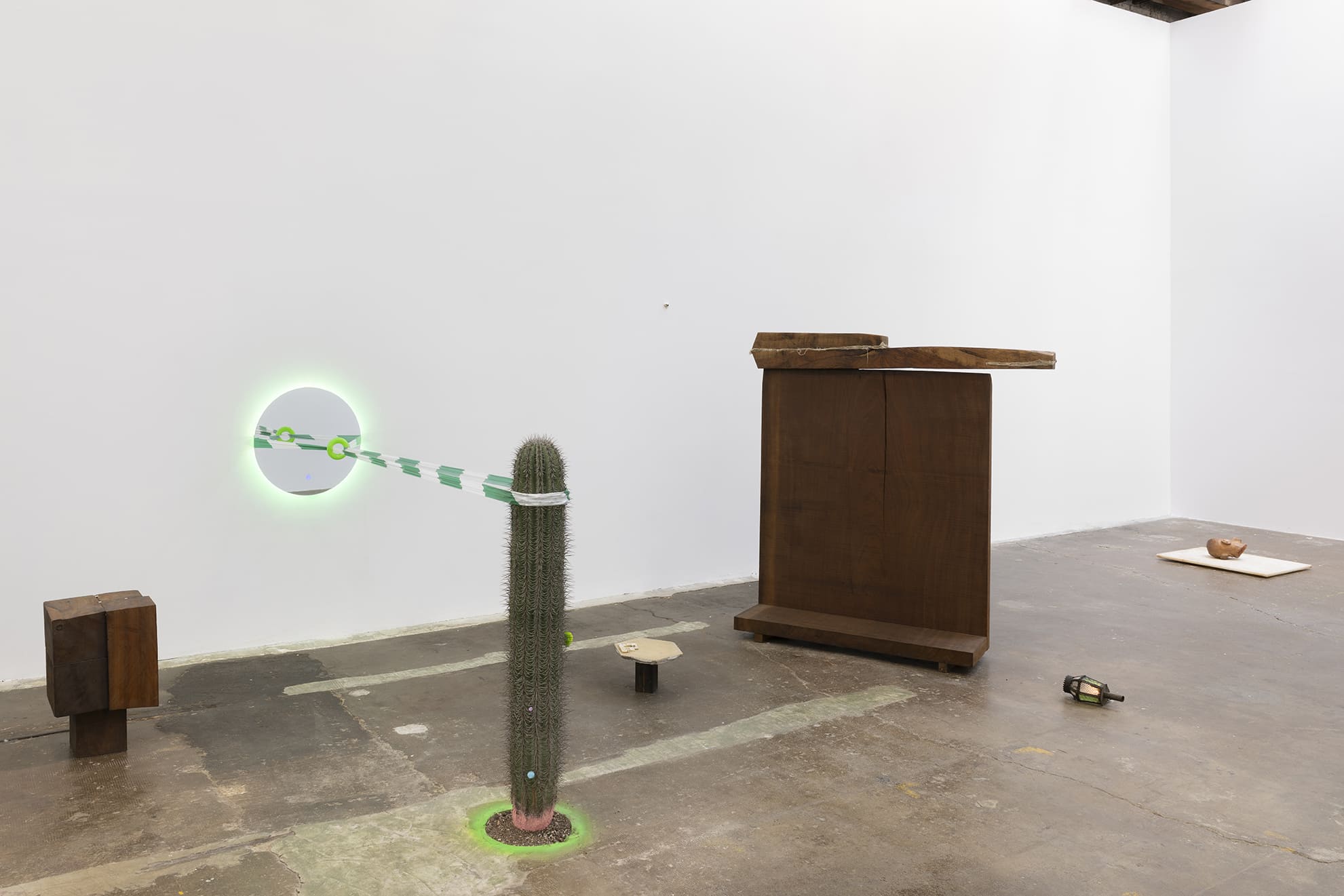
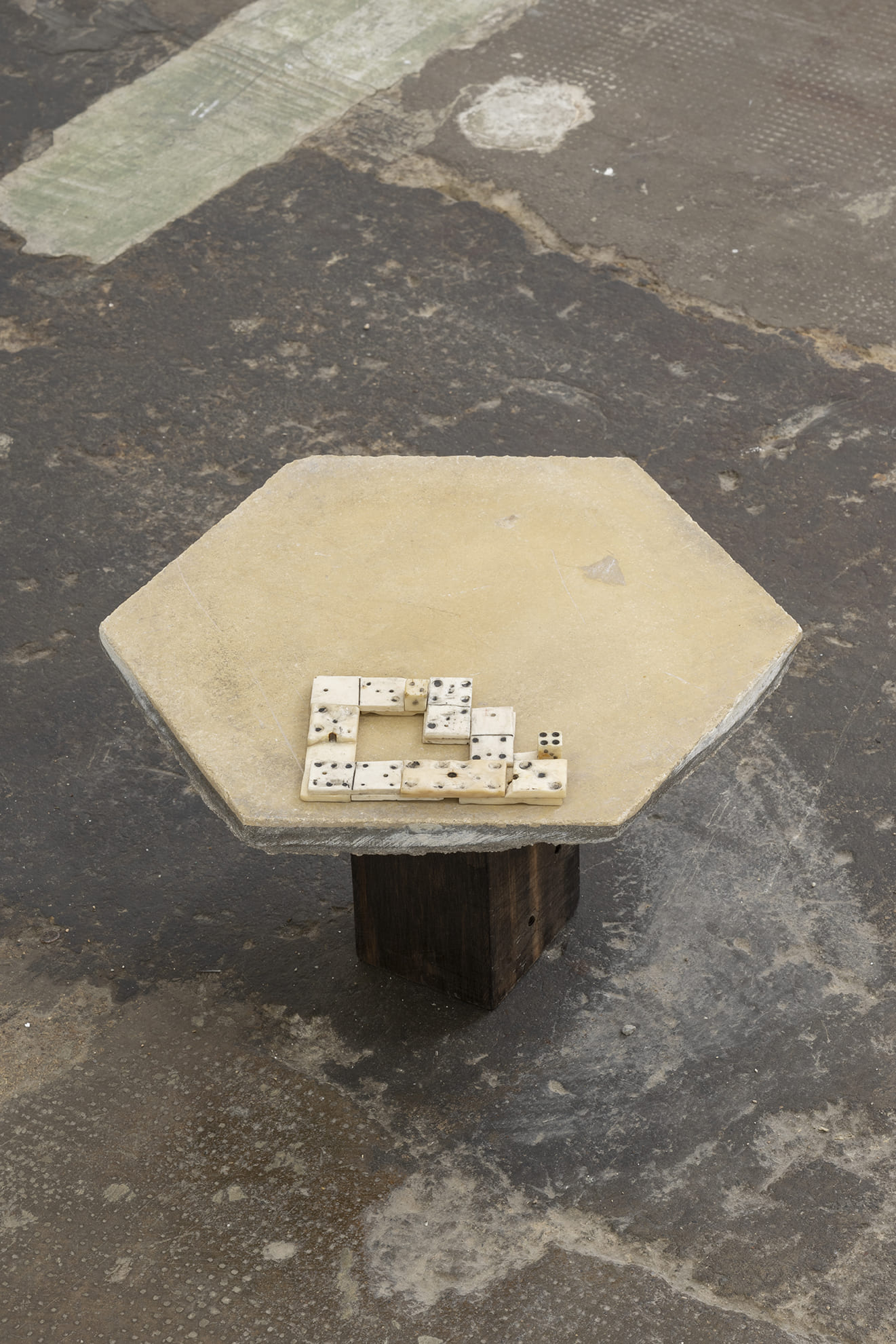
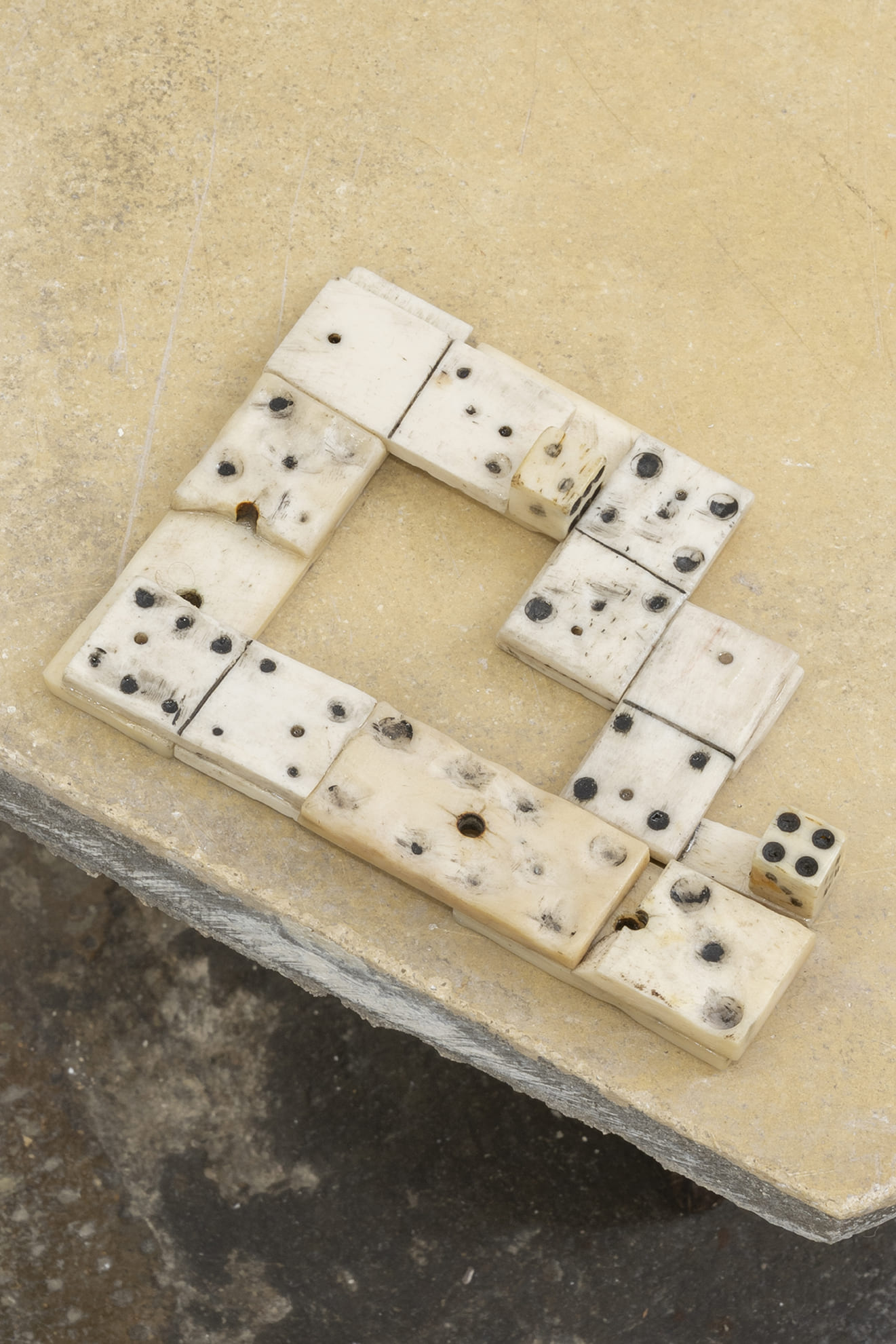
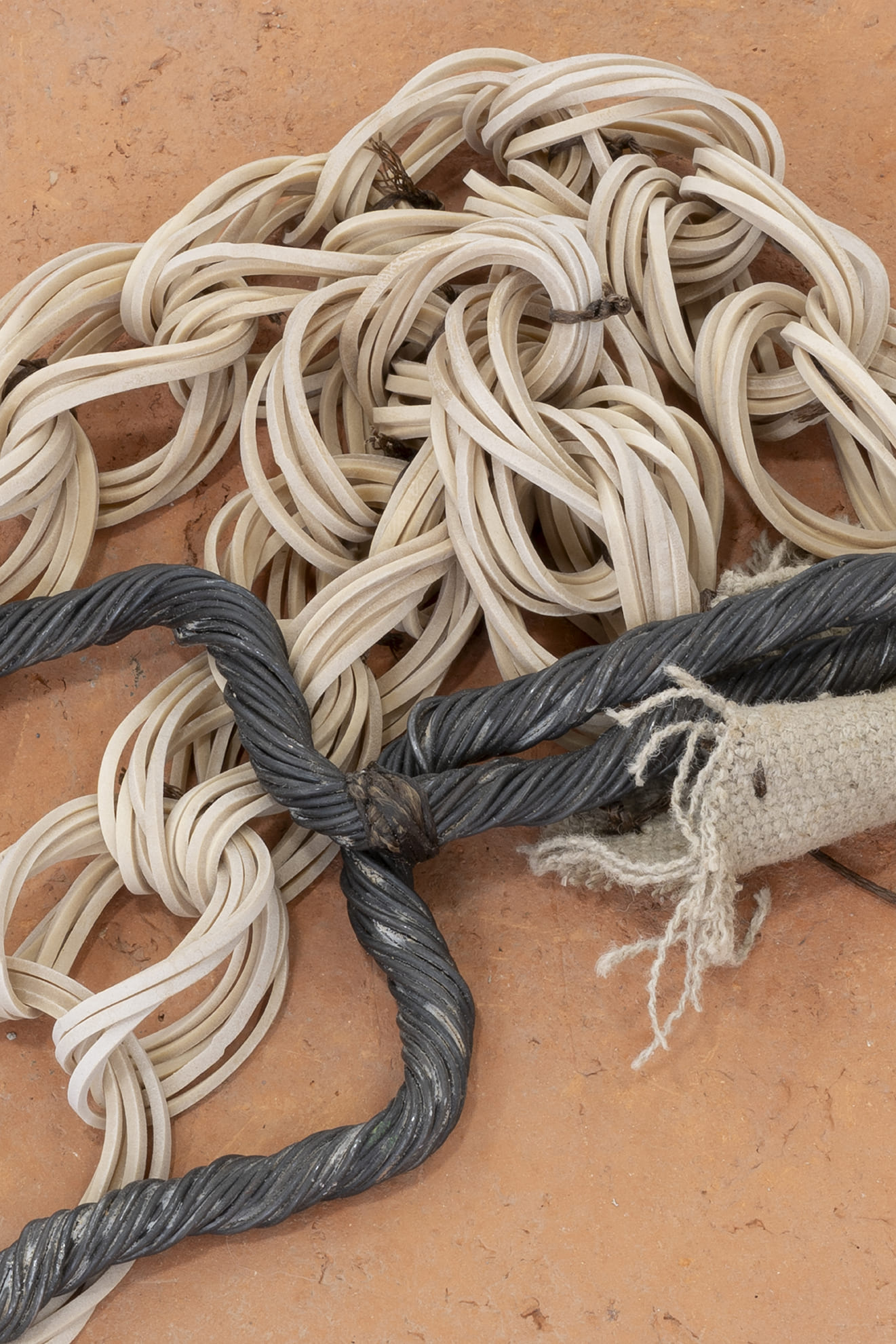
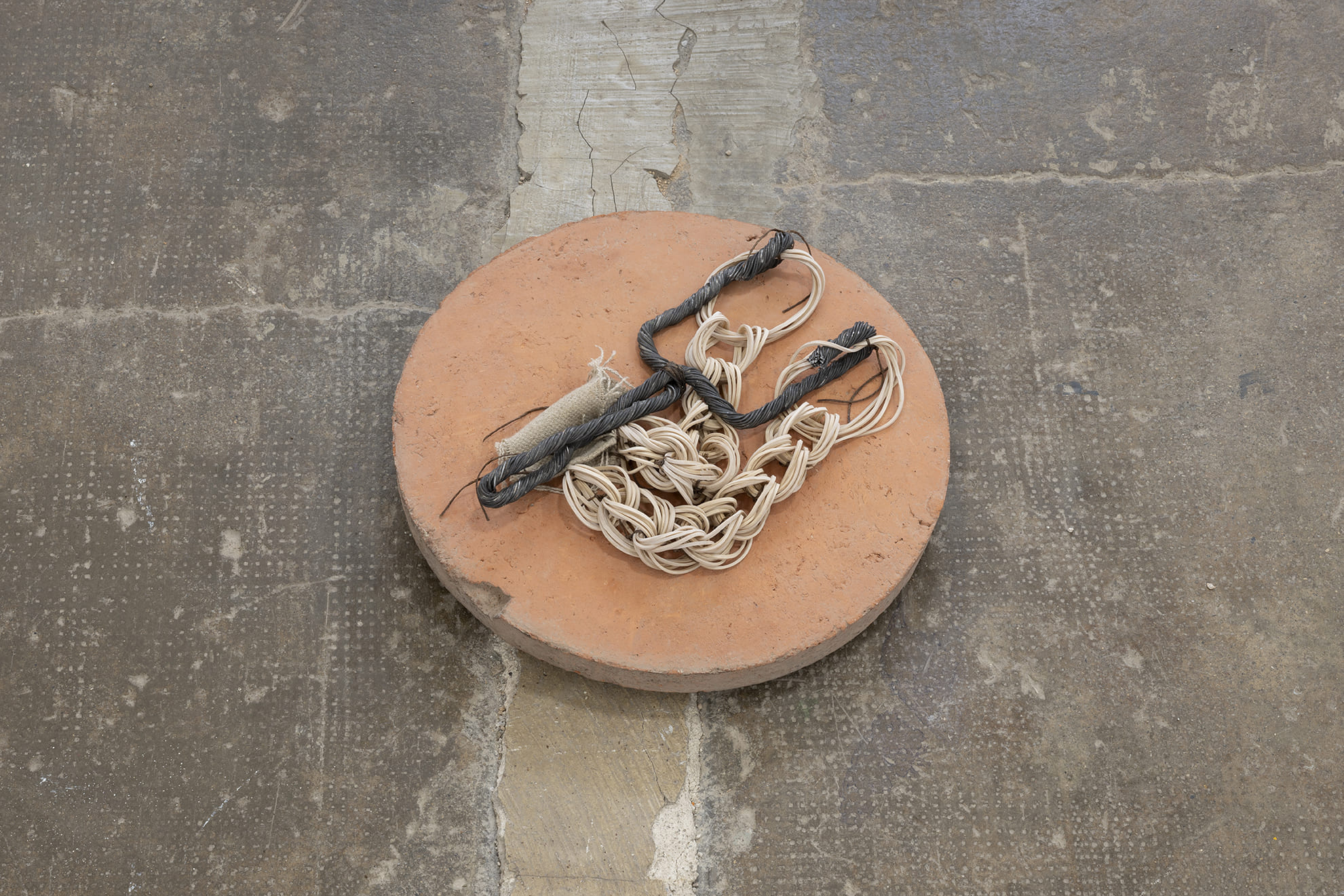
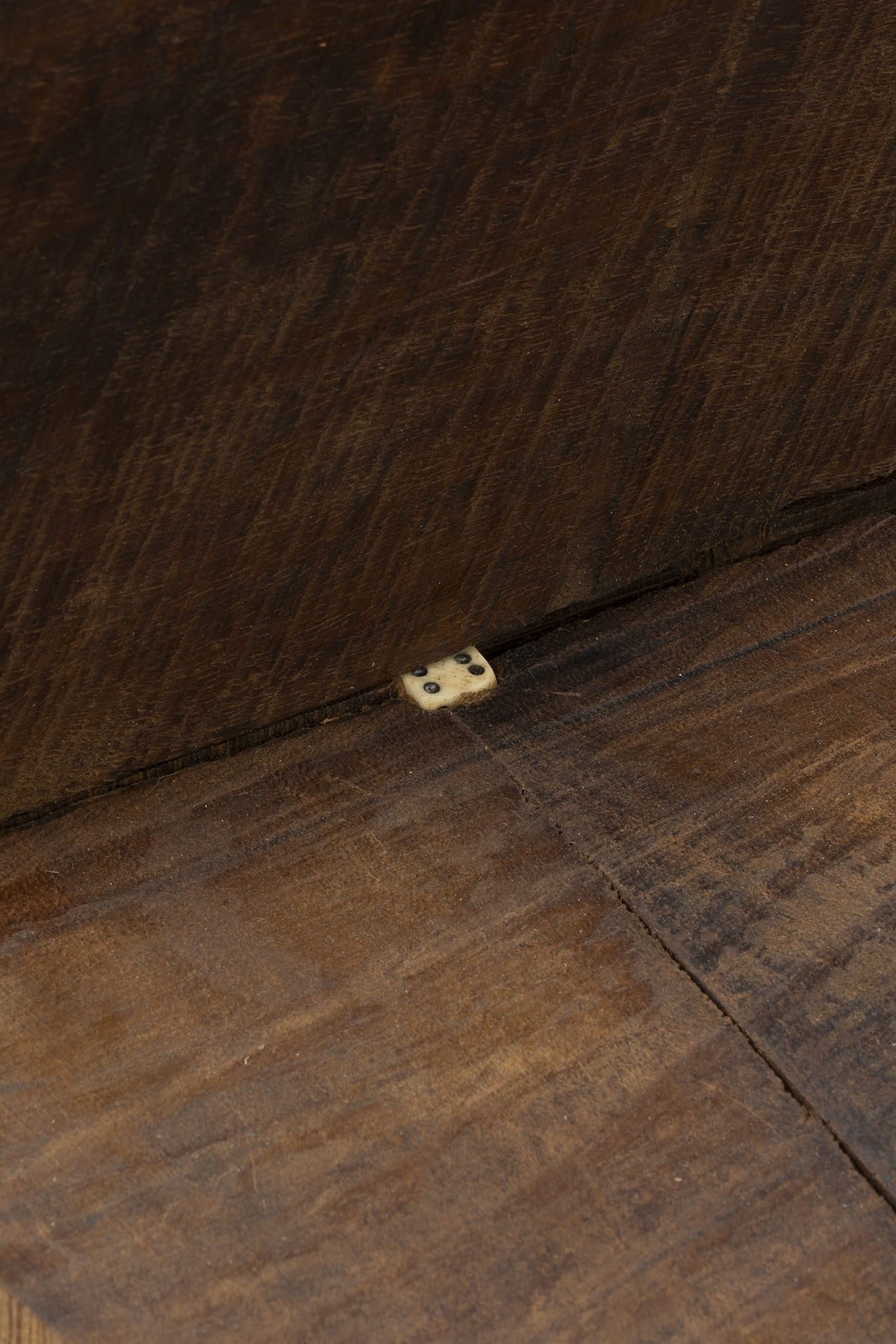
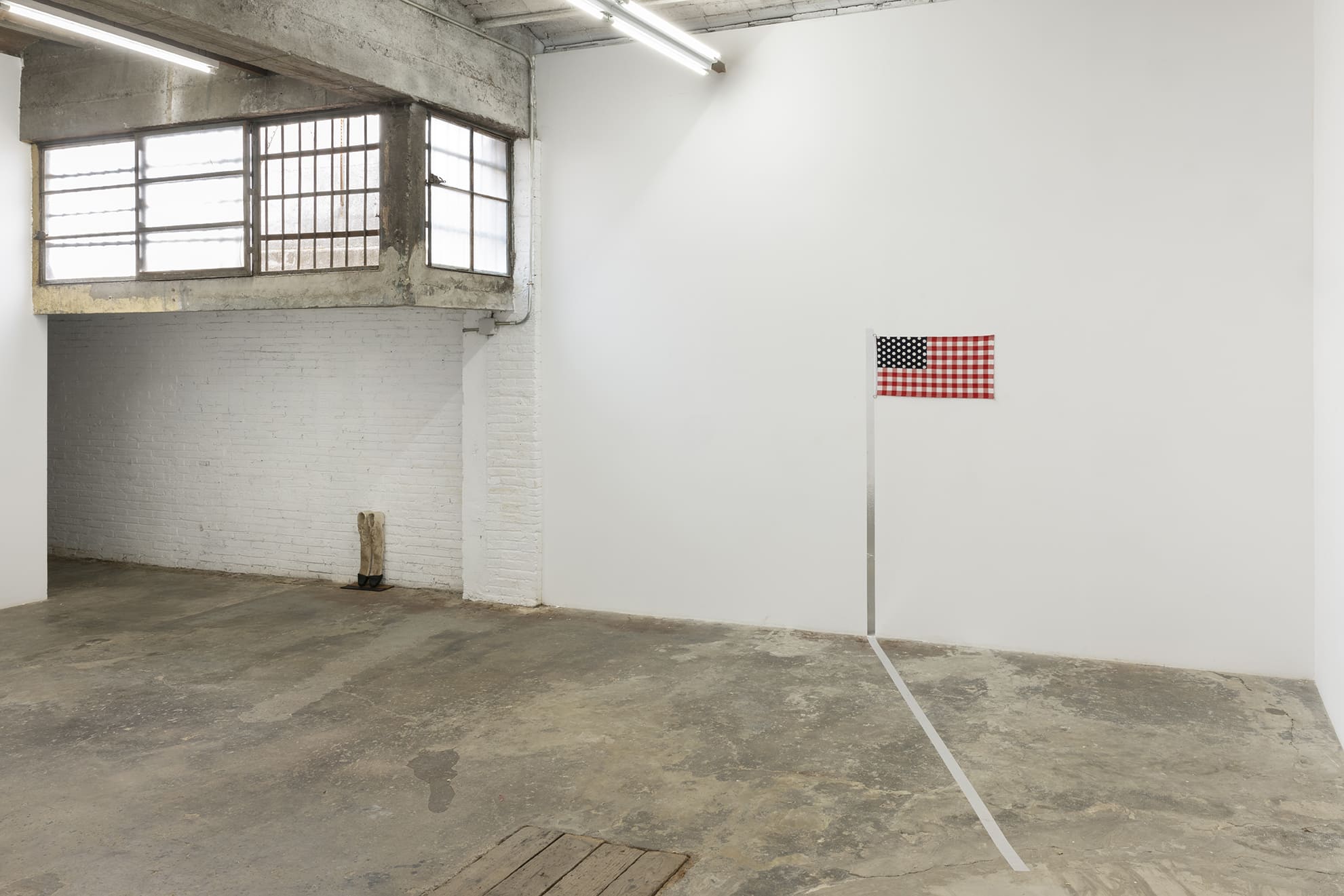
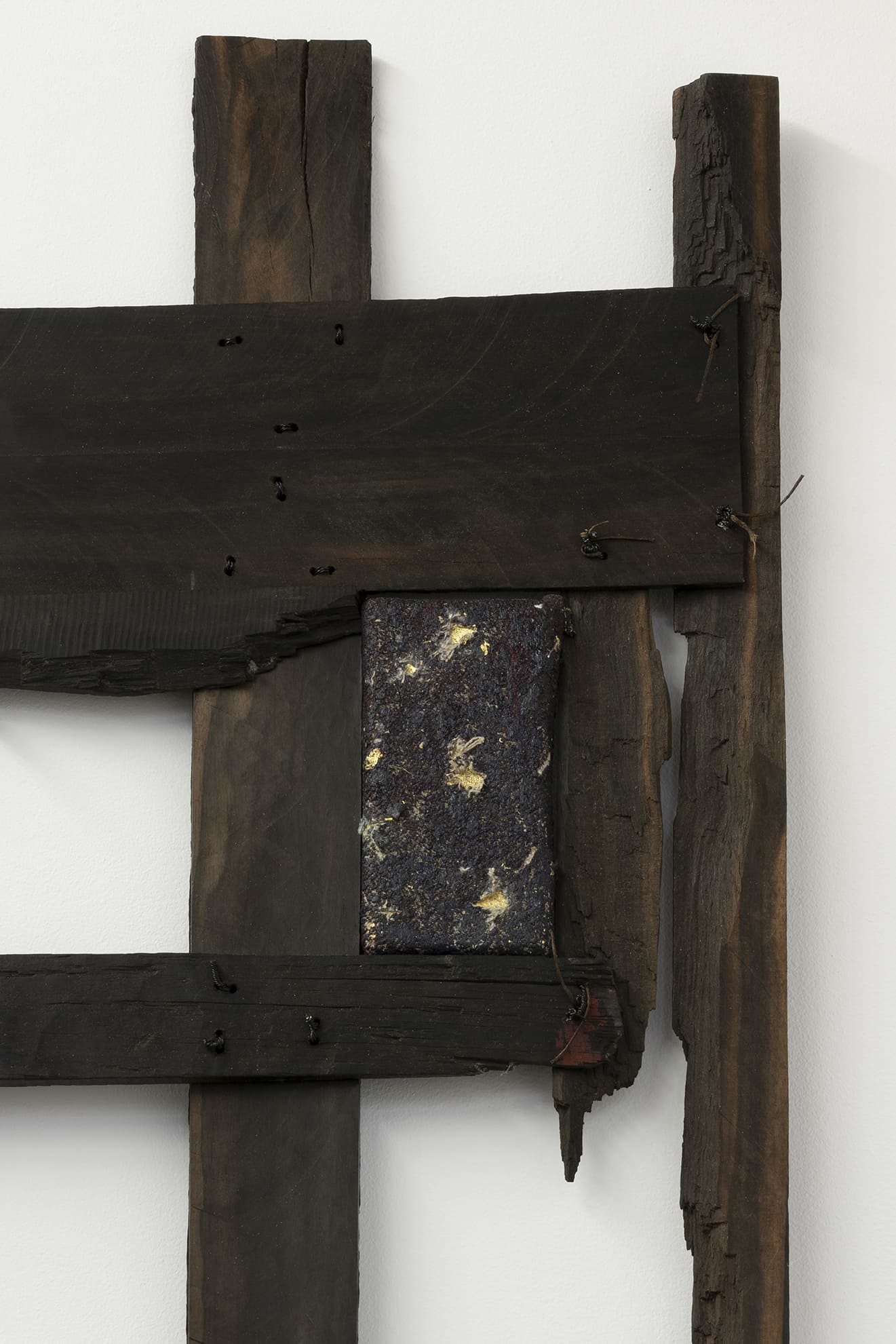
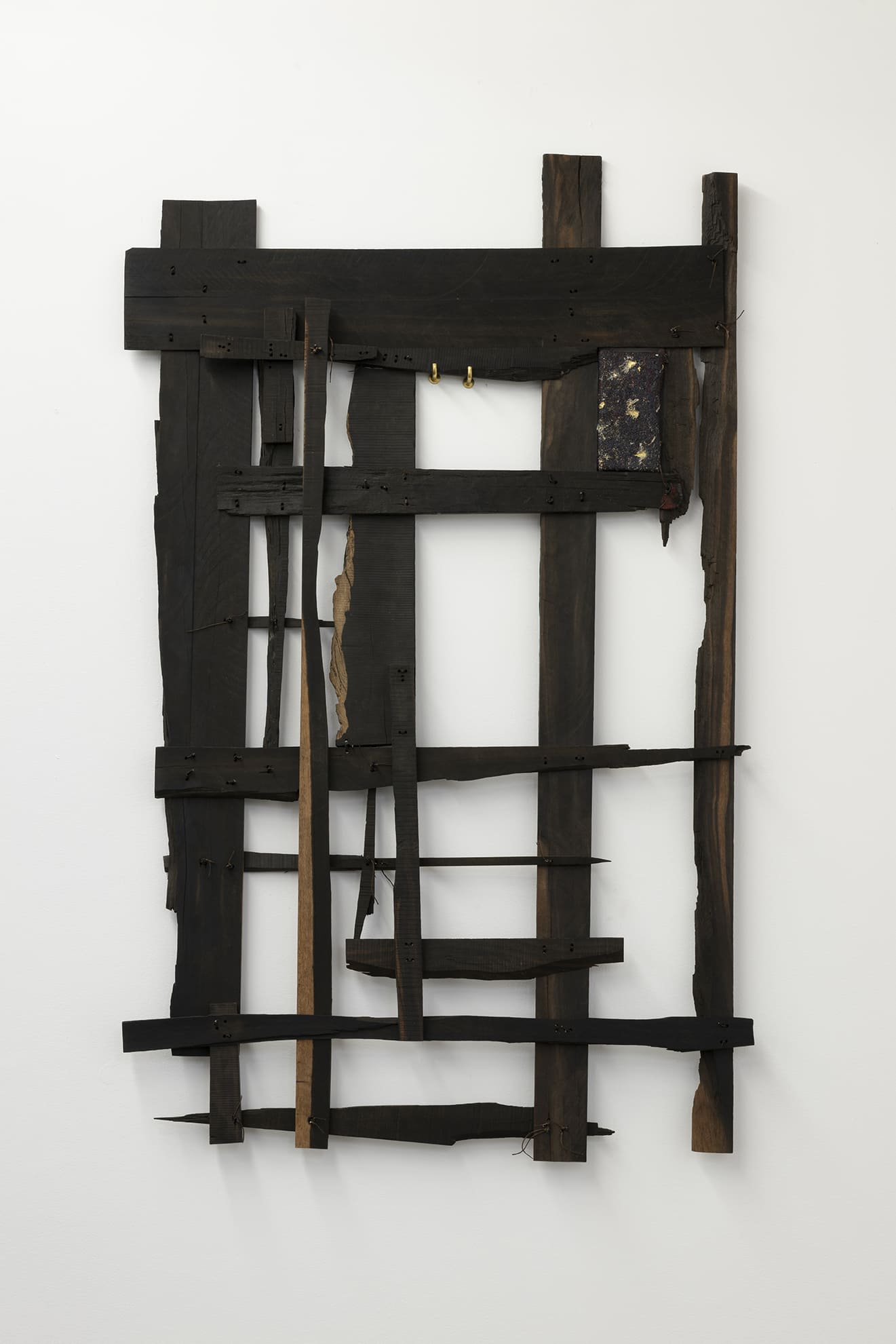
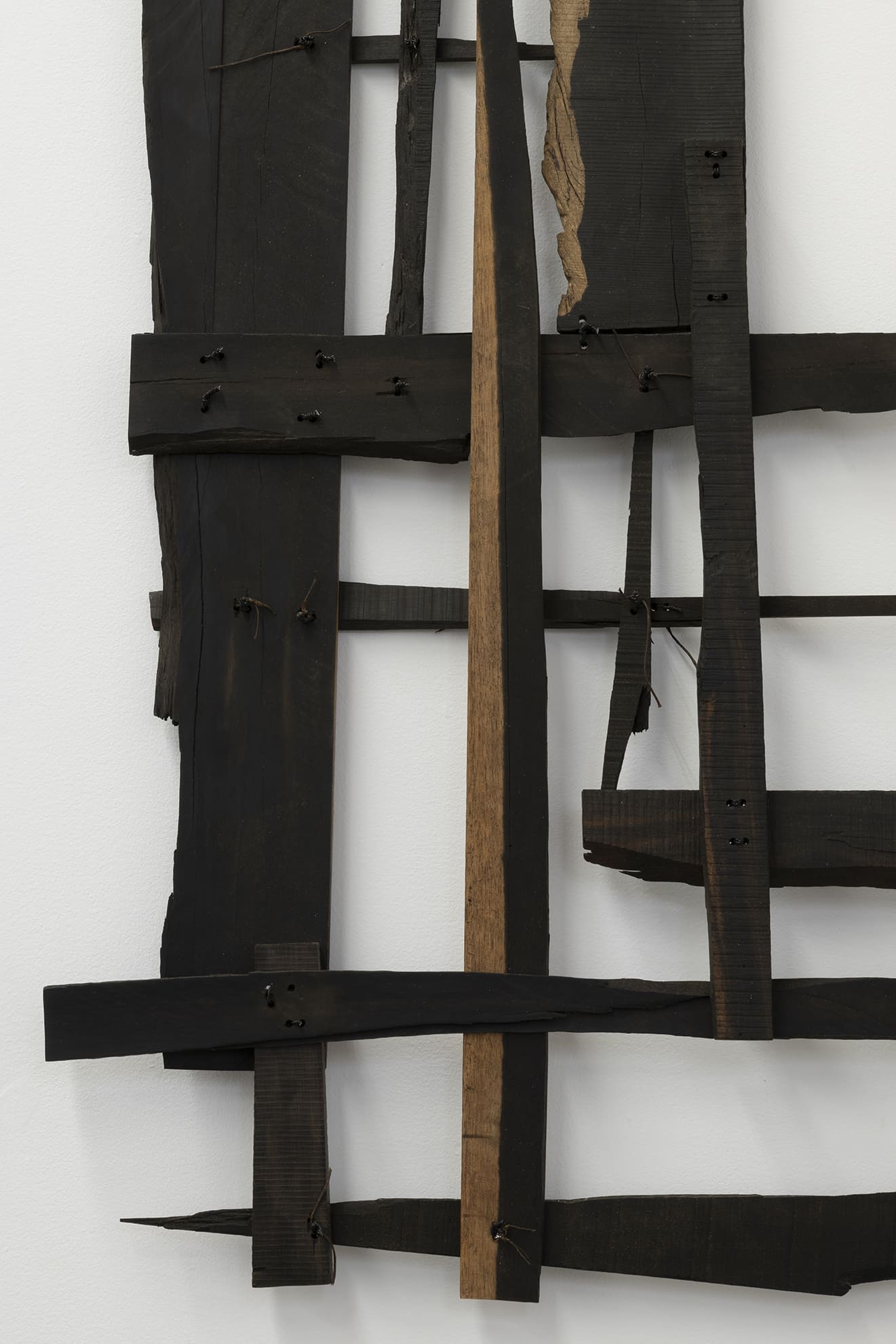
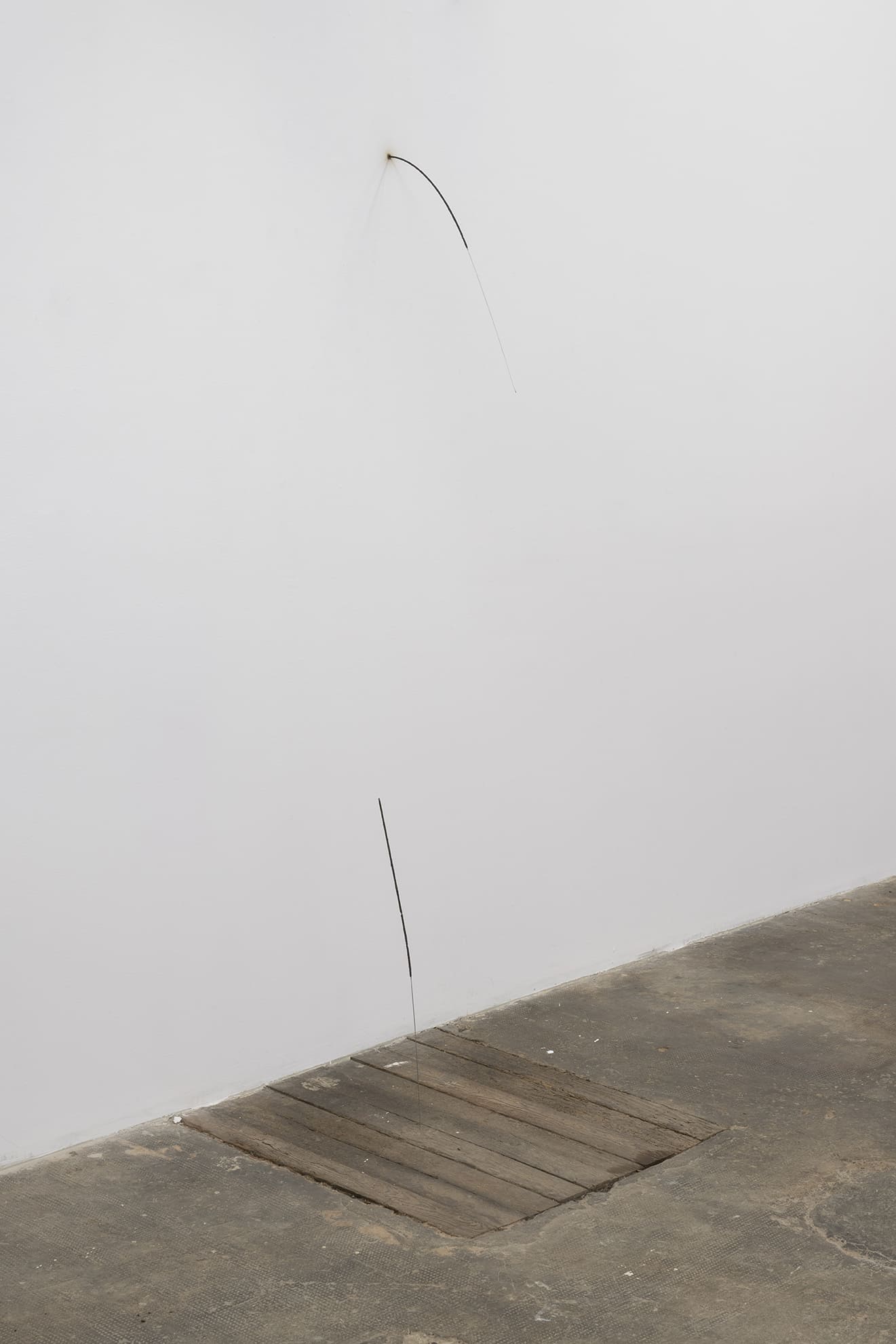
Two sculptures by Castellano - Table without window (dissection) (2024) and Where there's 6, there's 1 (2026) - serve as an example of his classic wooden constructions, joining together different kinds of blocks, somehow similar to children's building blocks. The work tachinchinpum (2026), by Luis Bisbe, is an anthropomorphic lycra structure; it is attached to the ceiling with tinsel, while also chained to the ground. It is broadly reminiscent of Marvel's Mister Fantastic, or the amorphous figures in Howl's Moving Castle by Hayao Miyazaki. Castellano's works include a set of dominoes, a slingshot and several pieces with shoes, which make us think of a child who's been left to his own devices with a craft knife and lots of spare time, one summer evening on holiday in a place where the family's old shoes had been stored. Or those huge shoes you see in comics. Or a cactus, a kind of impossible, makeshift Mr Potato Head, which seems to have had a run-in with aliens. Or the way that, by using some fabric, a rod and some pearls, something has been created that could be interpreted, more or less, as the only sexual reference in the room. And yet, it's perhaps more like an amalgam of references (pearls, eyelashes, cocks...) put together by somebody who does not yet understand the matter.
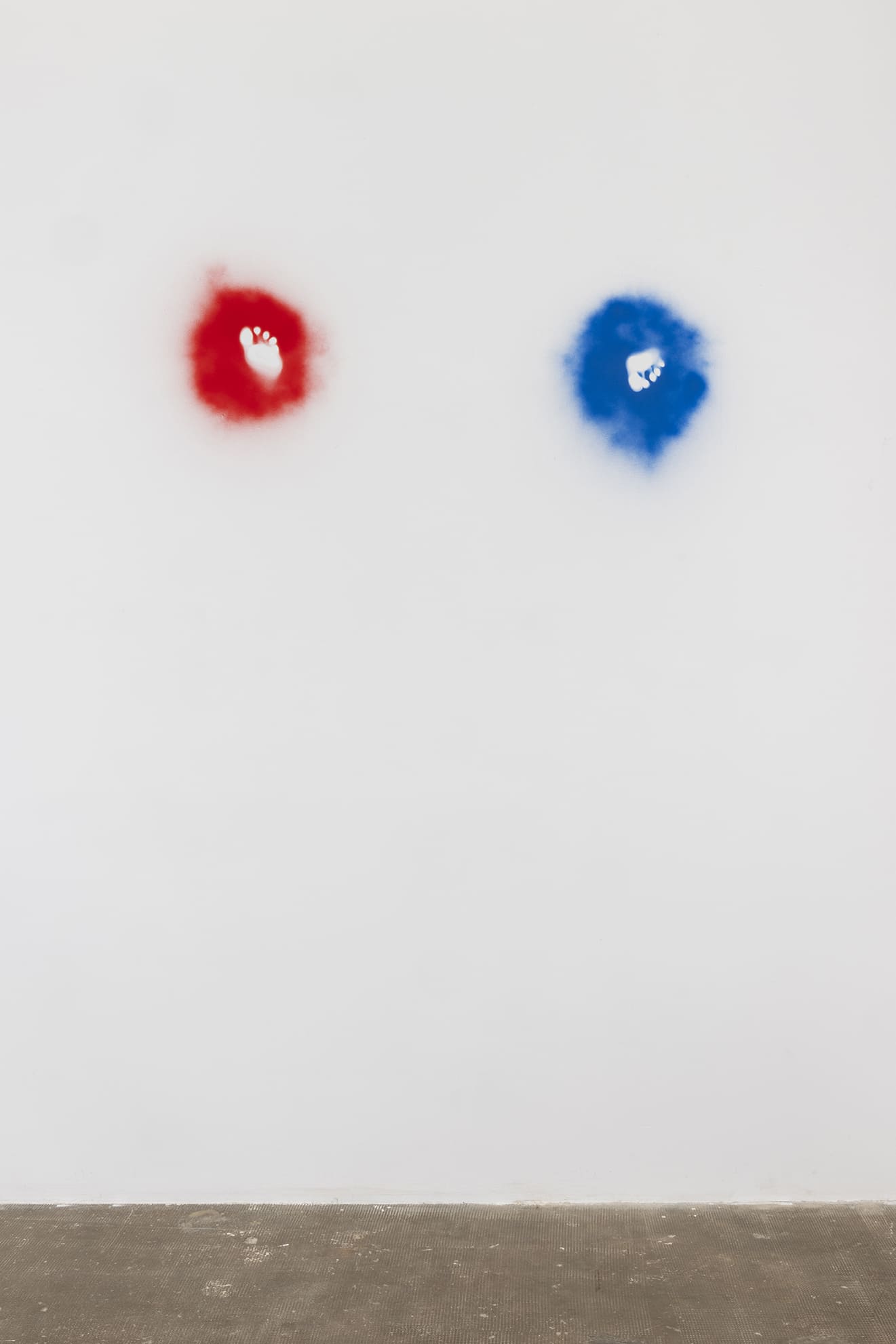
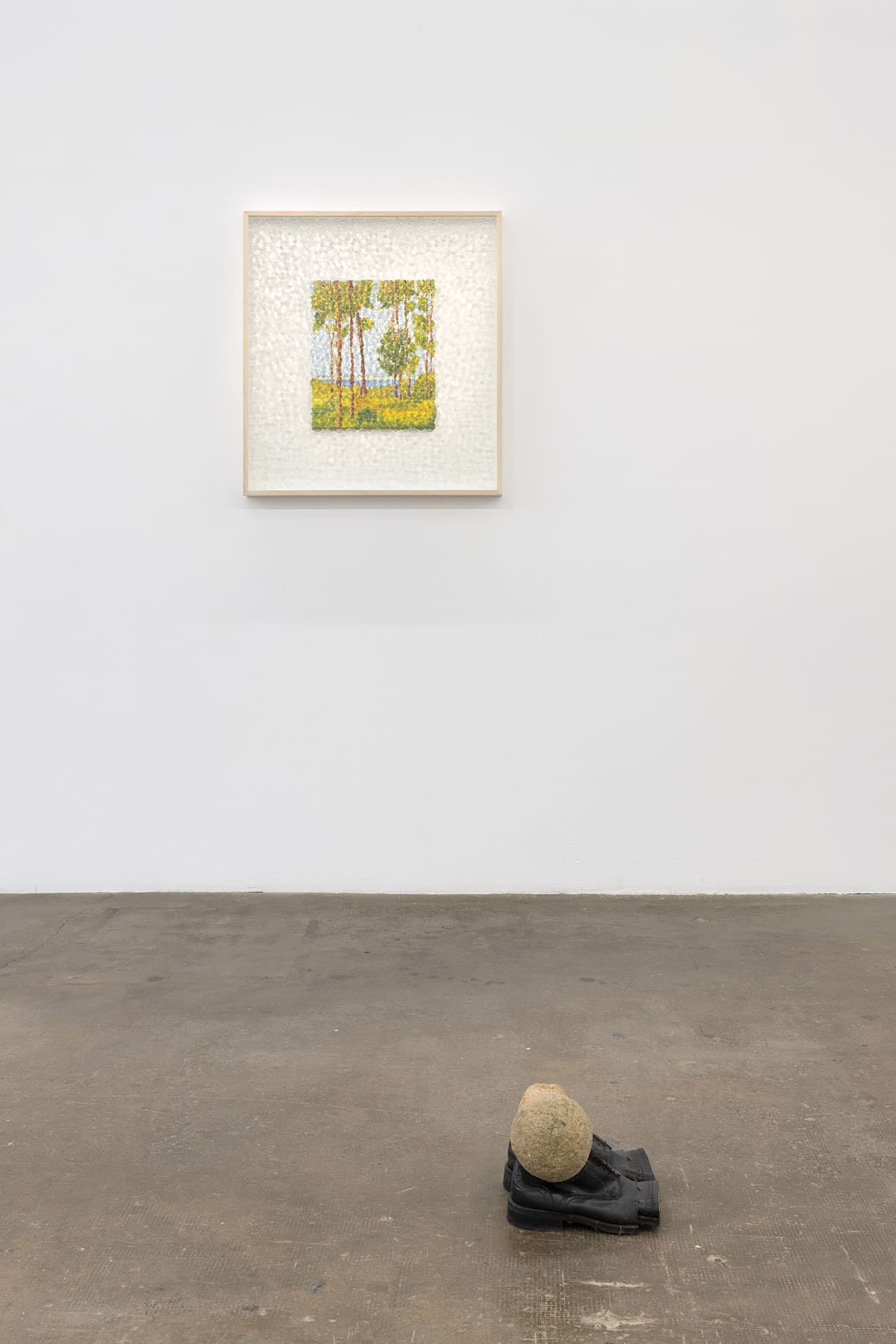
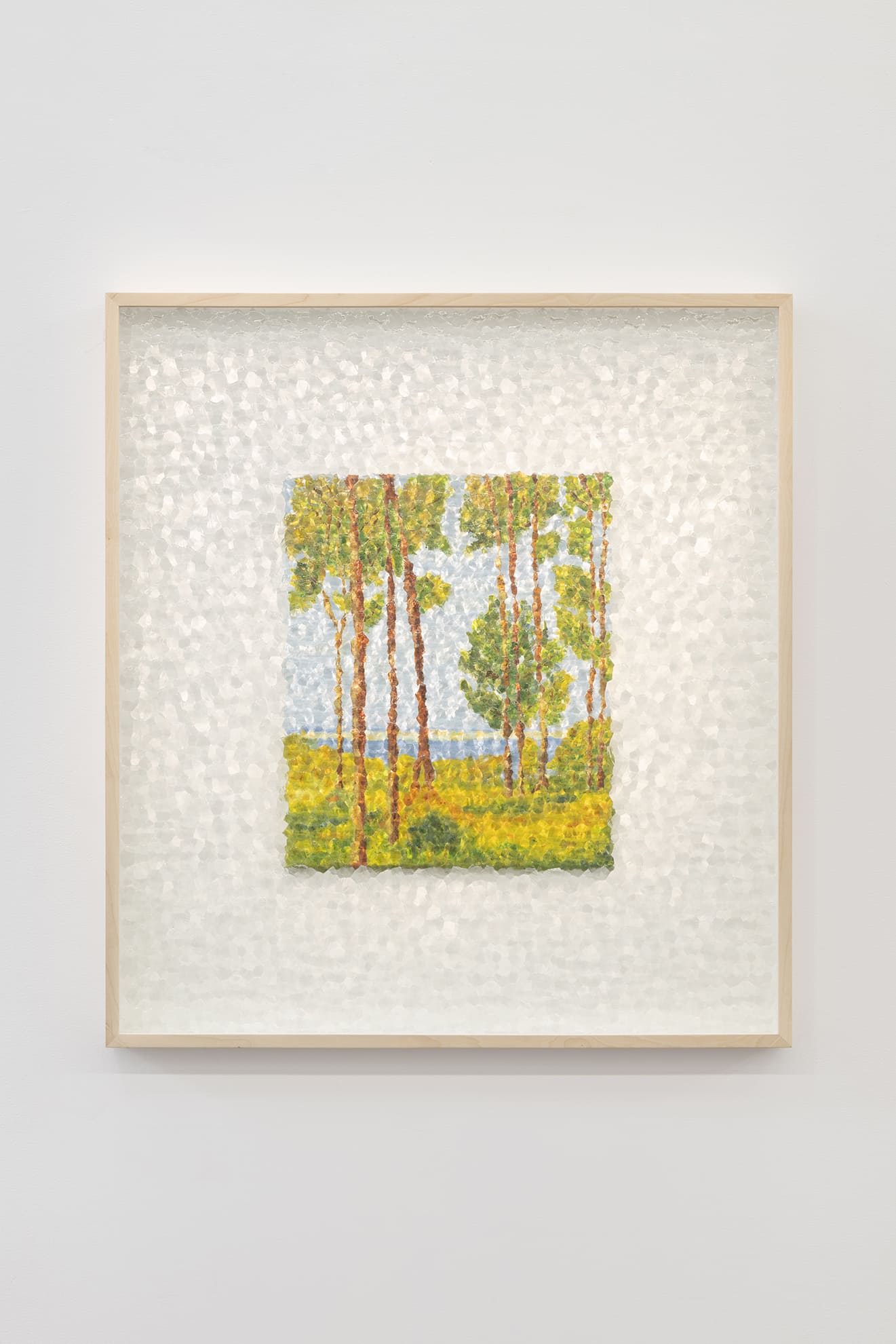
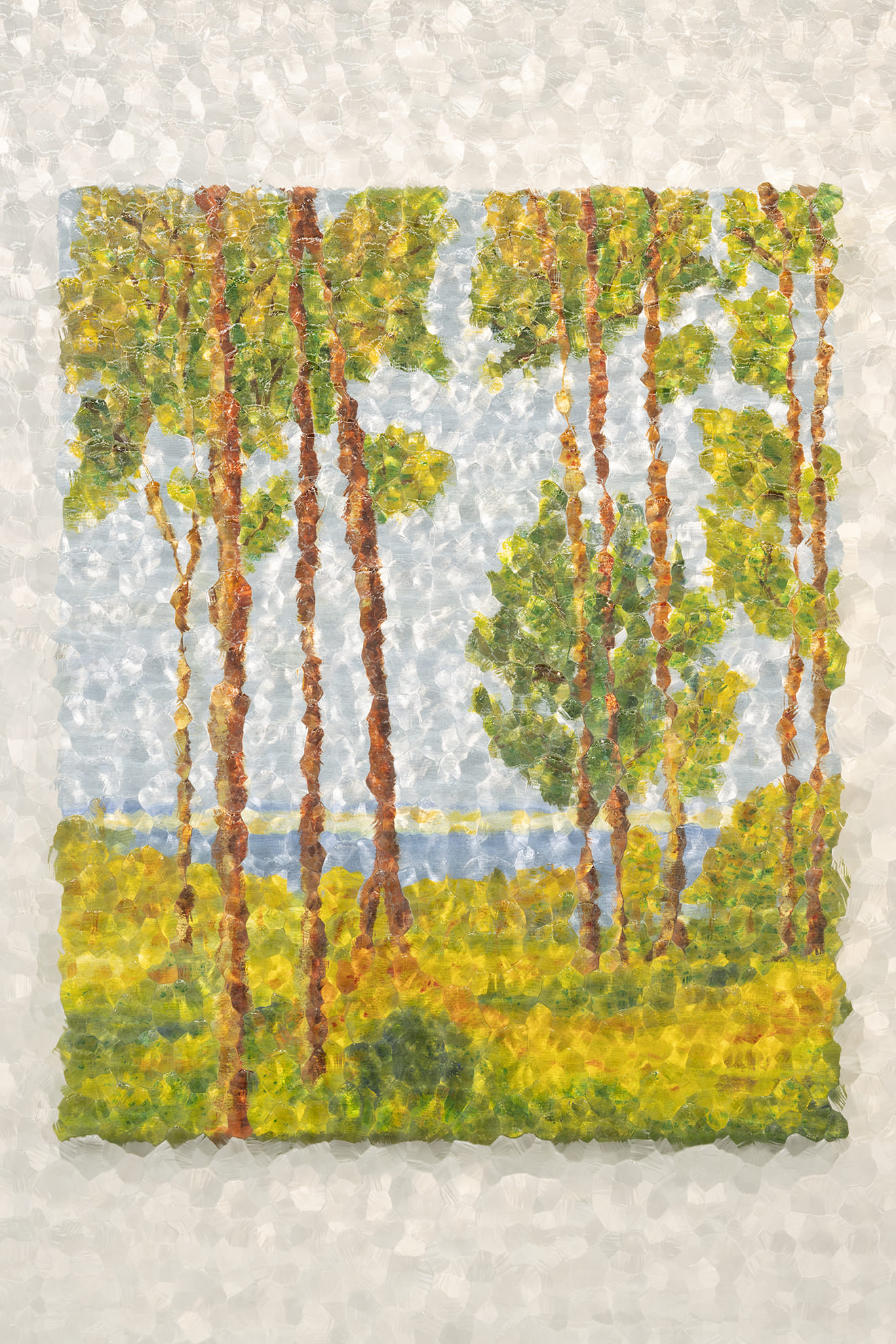
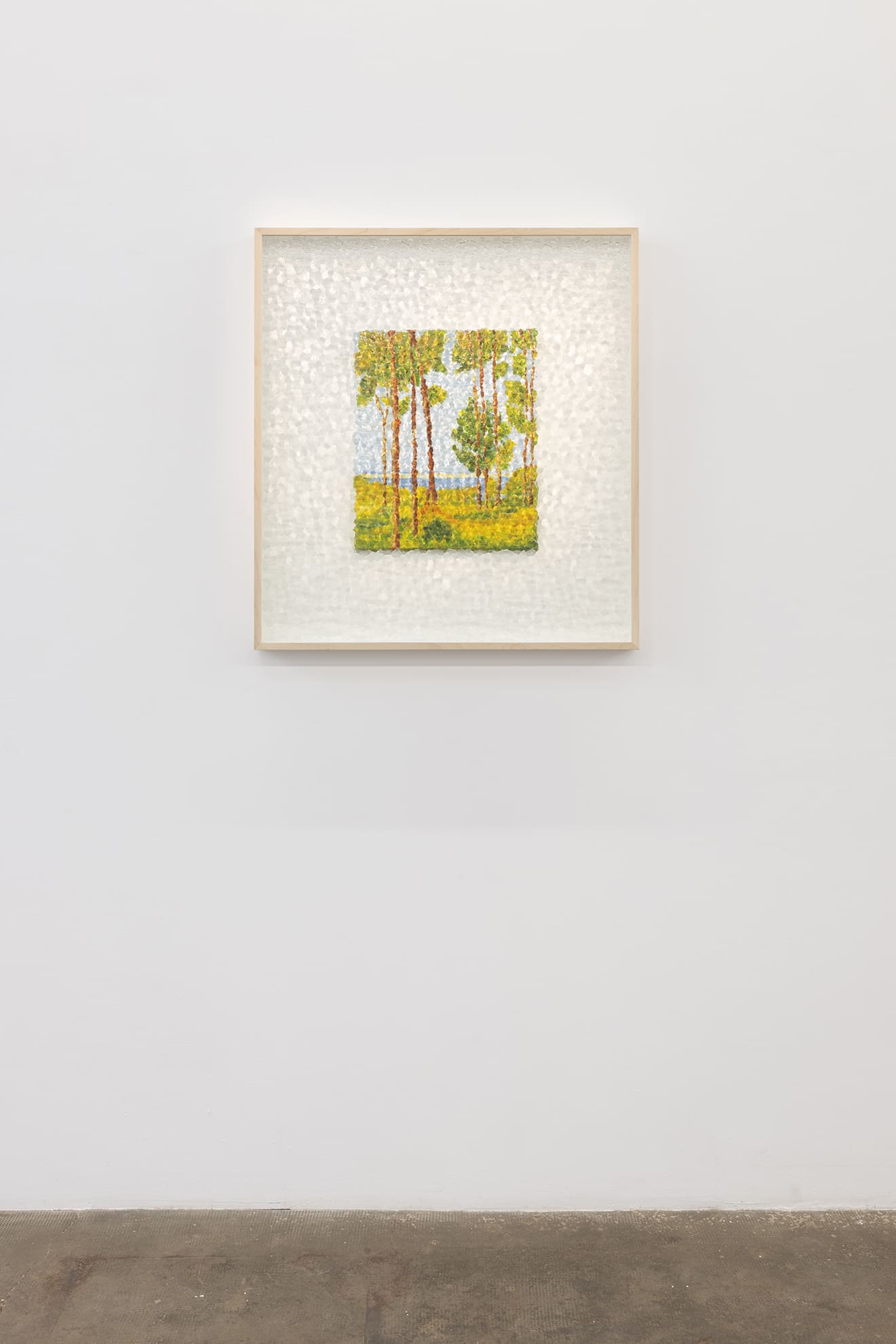
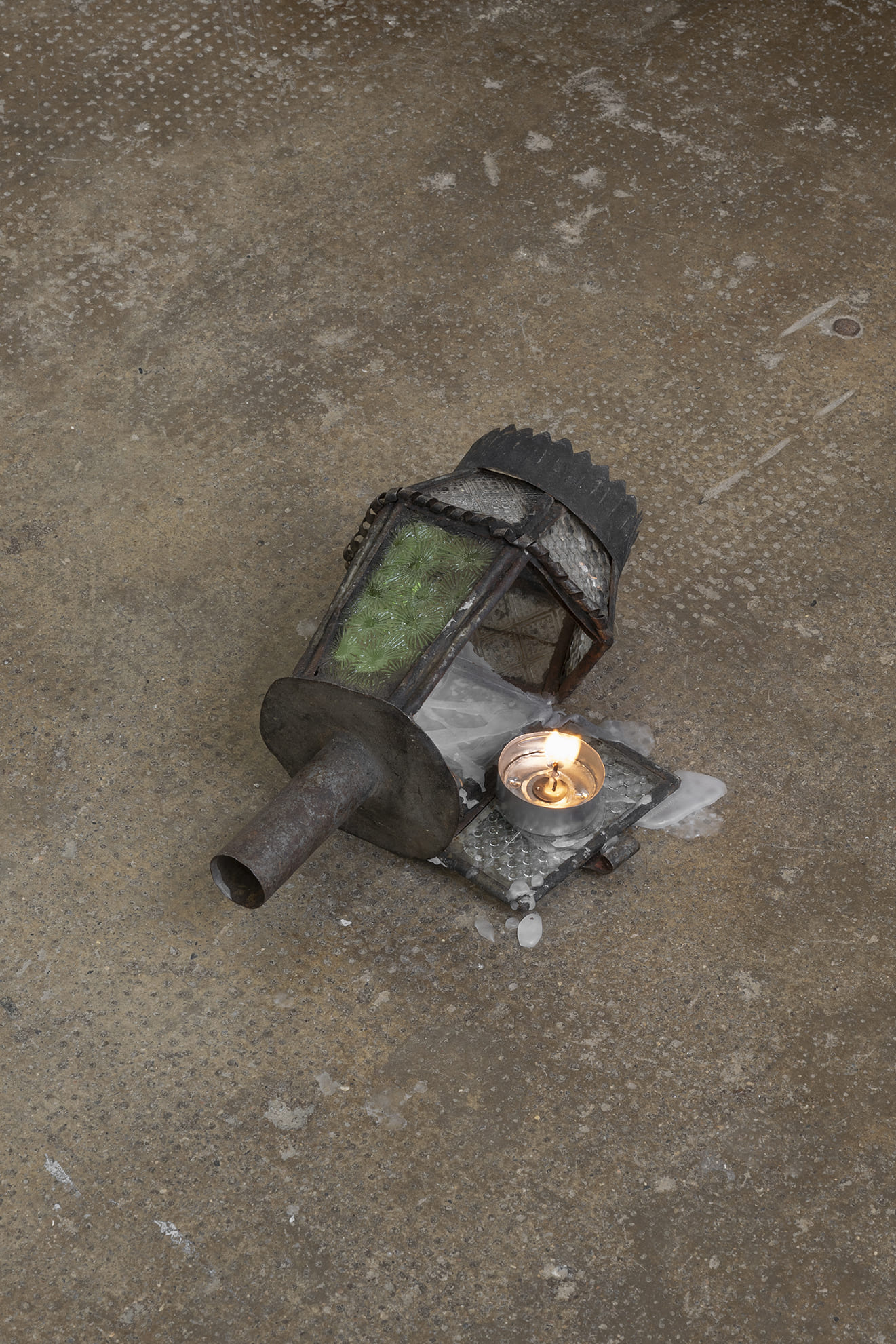
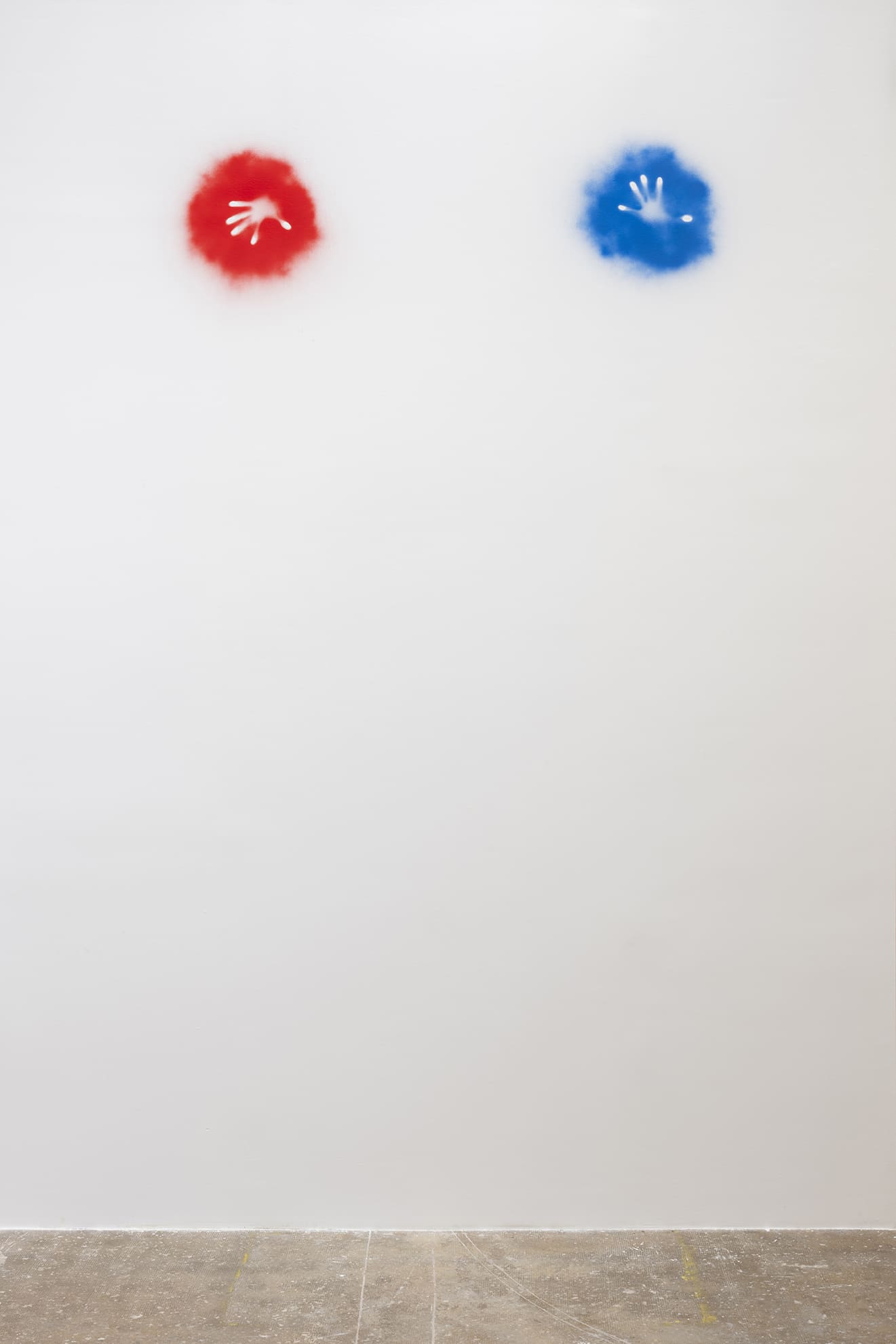
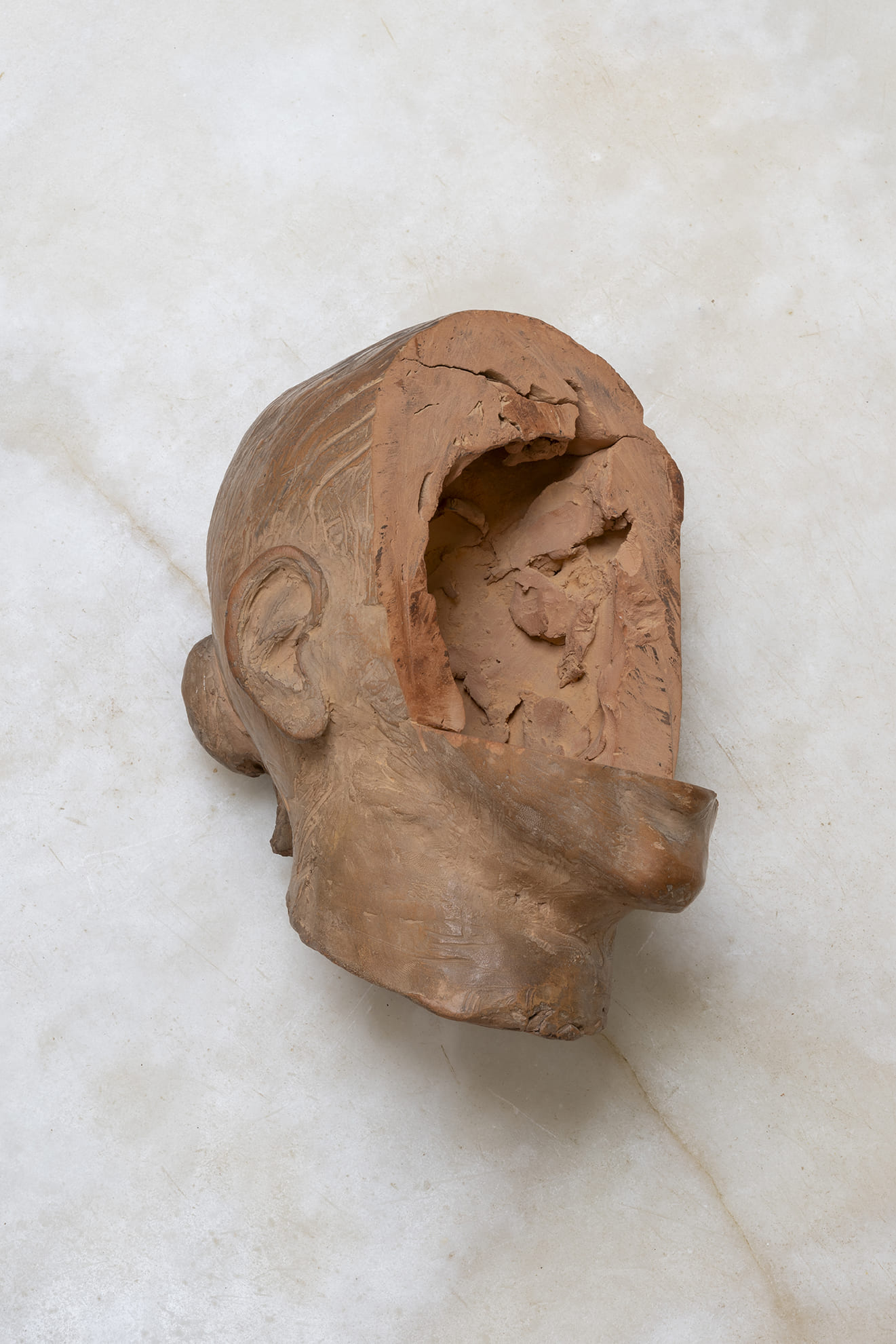
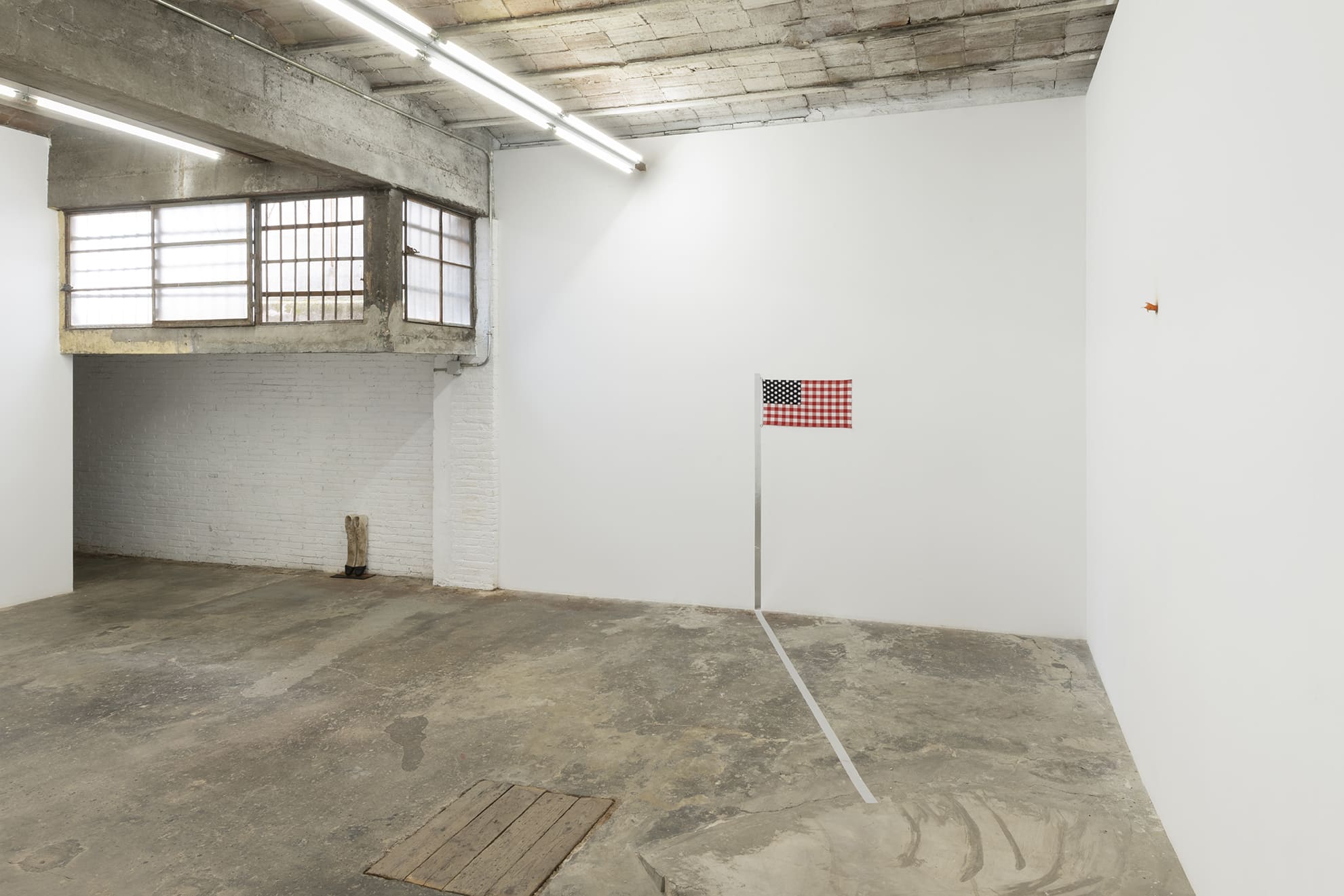
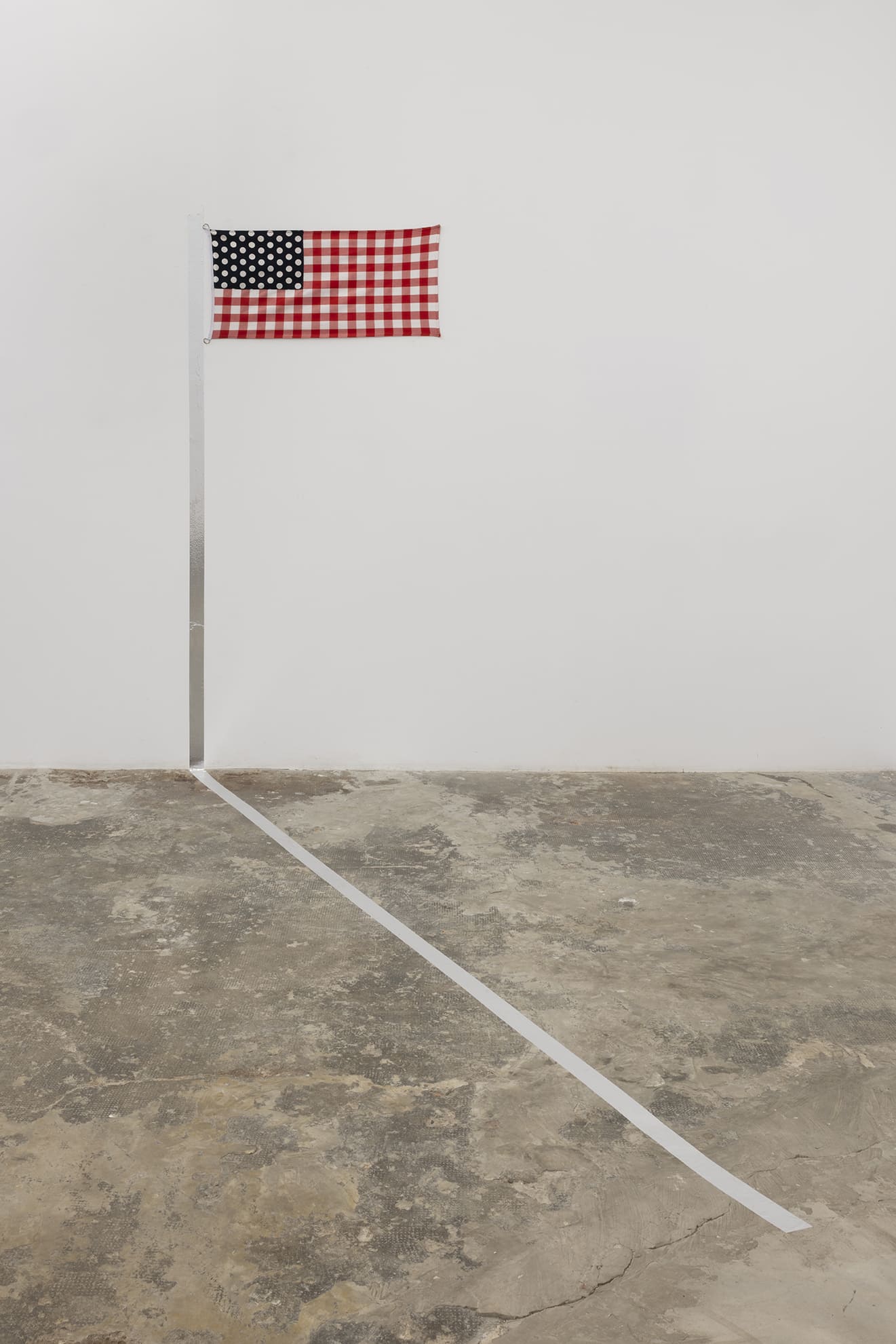
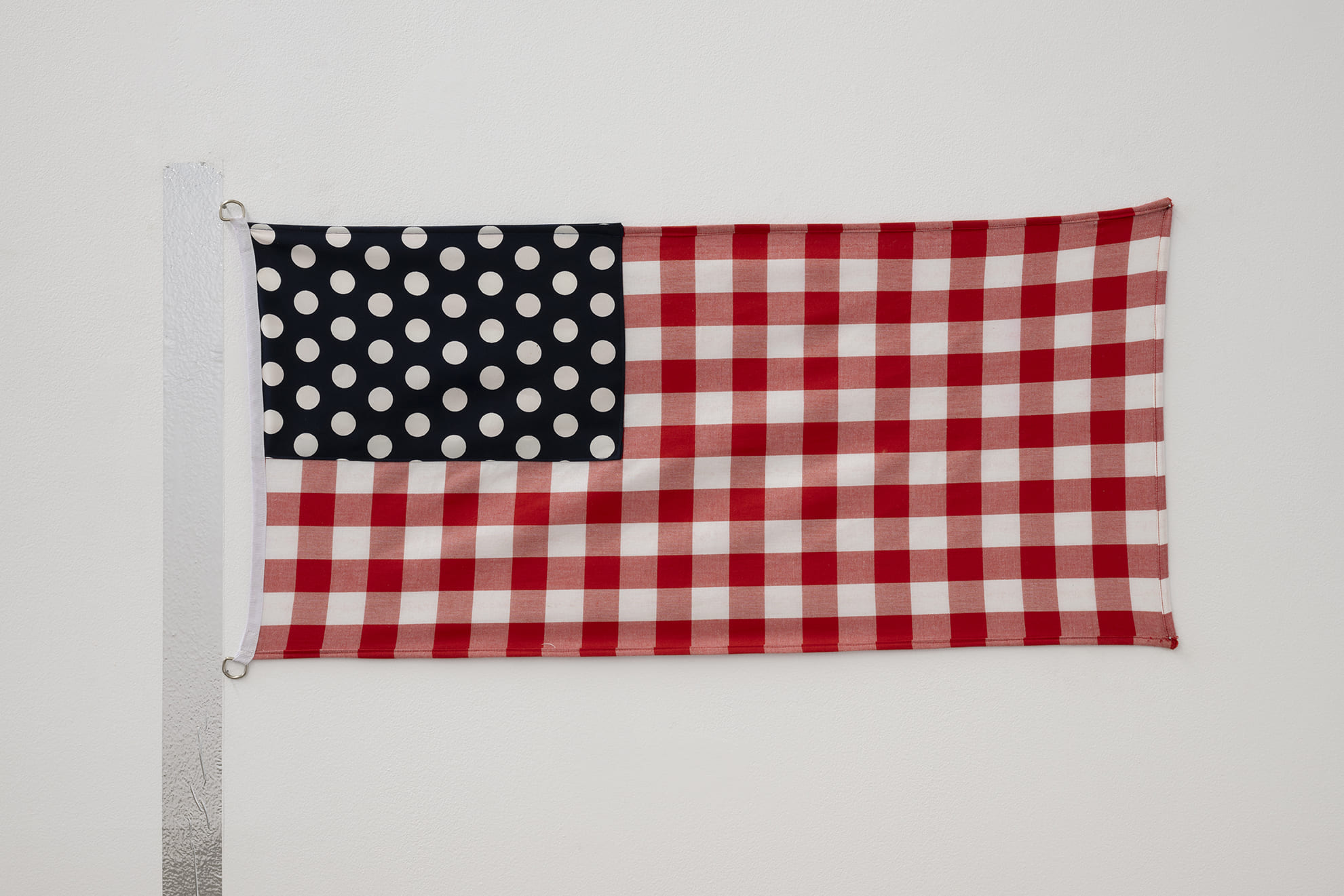
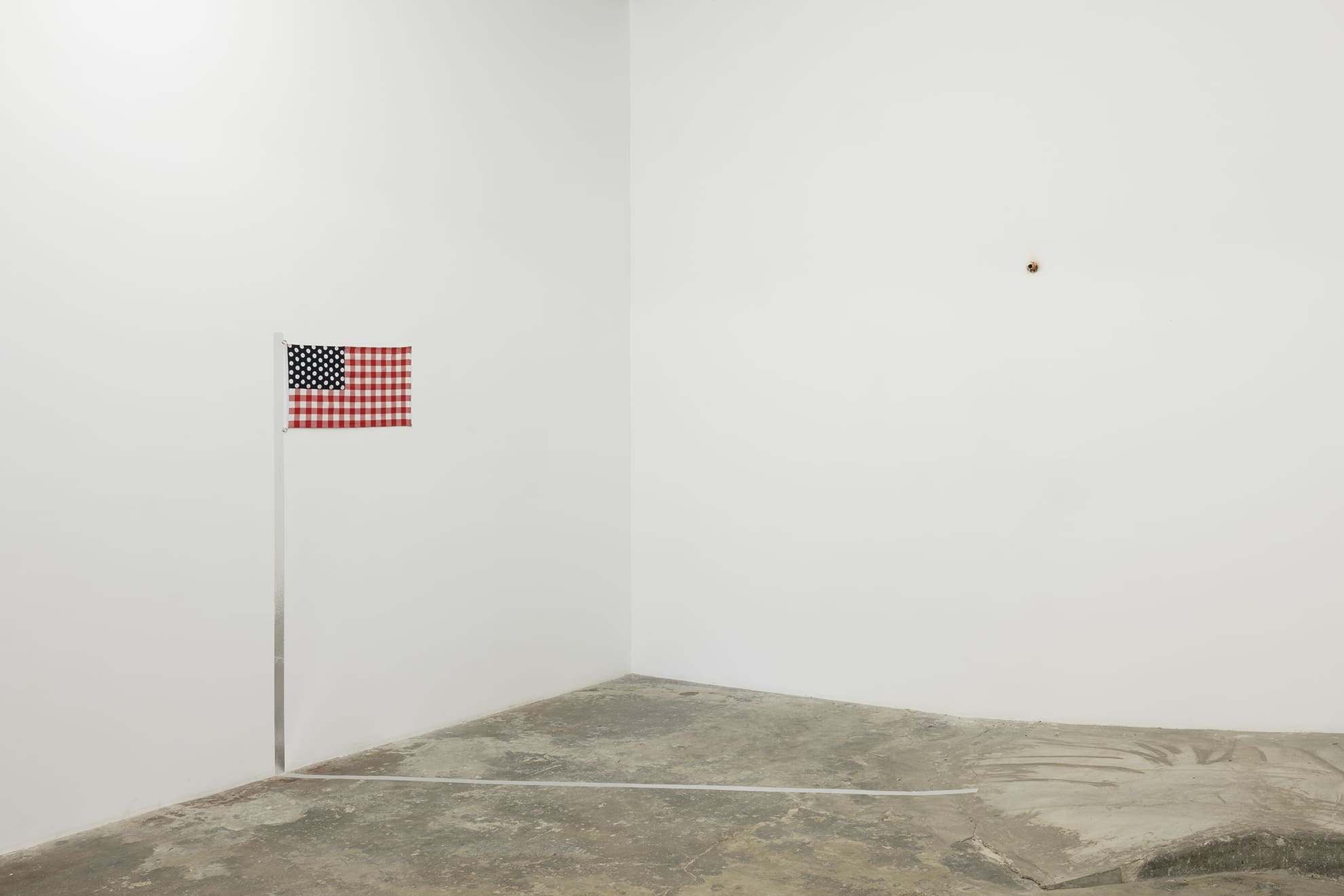
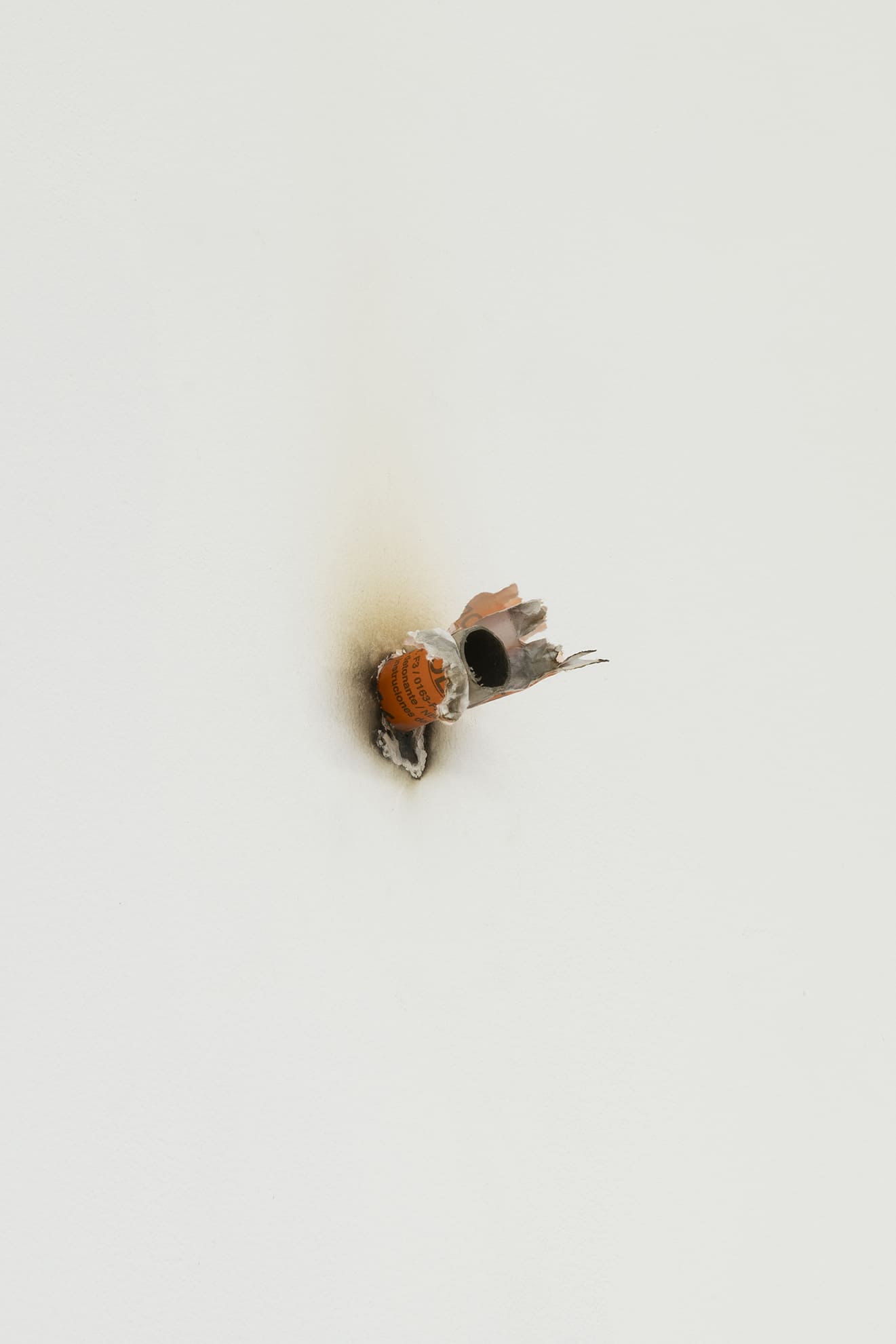
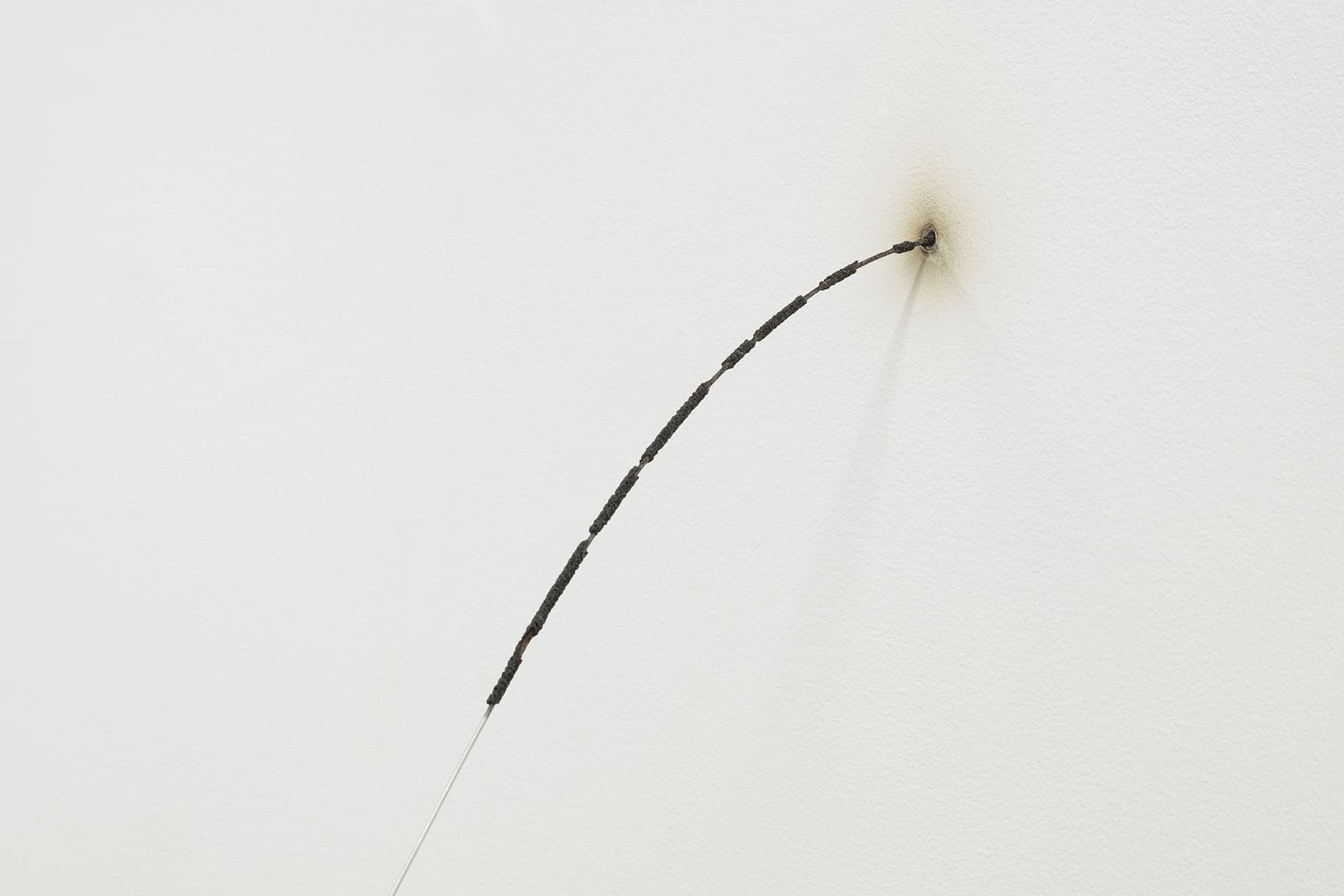
As the exhibition progresses, the themes of childhood, toys and that particular time/space of summer holidays are all evoked, increasingly so: there are sparklers and explosions, bursts of colour, confetti; somebody has smashed a bust, and has marked the wall with imprints of their body in paint. At the end, we come across what's left of a cabin playroom, with windows made from scrap wood, where we see the remnants of a previous game and a flag sewn together from scraps of an old tablecloth. On one wall, through a polished window pane, we can make out an idyllic landscape. It's like when we would stare out at the countryside through the window, counting down the time until we could go out and play again, after our siesta or as soon as we'd finished our homework.
We've said that Bisbe and Castellano often work with memory and history. Here, we sense that when they started working together for the present show, they were each reminded of their respective childhood: that is to say, they seem to be channelling the kind of early playful collaborations in which games and imagination are the ultimate creative spark. Jacobo himself has said, elsewhere, that "children are not afraid [...]. It's not their scribbly drawings that I'm interested in, but rather that they do not fear failure."
It could be claimed that these two artists, upon working together, have gone back to the very place where it all began for them. This exhibition is a journey in time, in a toy rocket: as Levi-Strauss said, "the toy miniaturises the past and serves to dissolve time and the historical event."
Joaquín García Martín