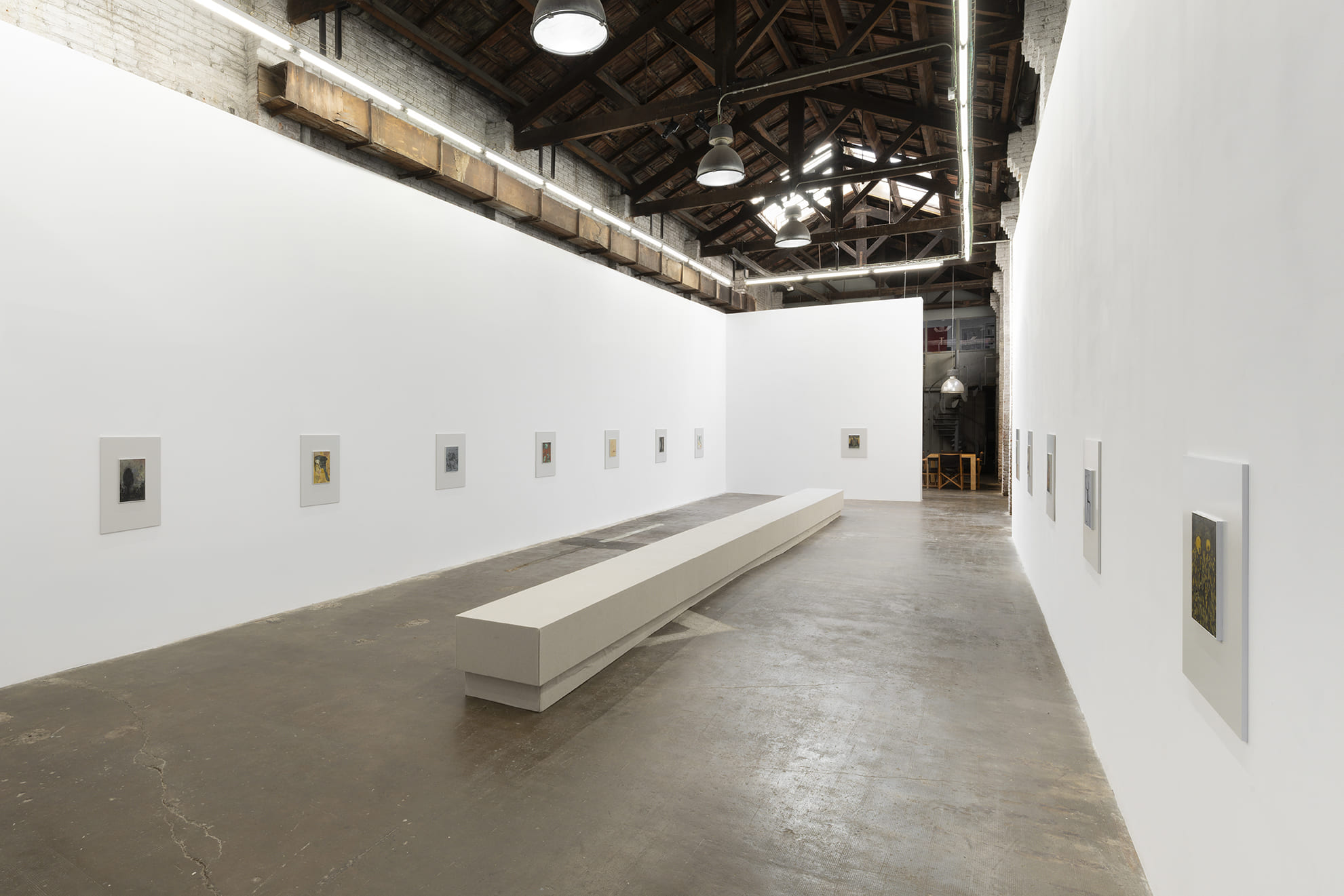
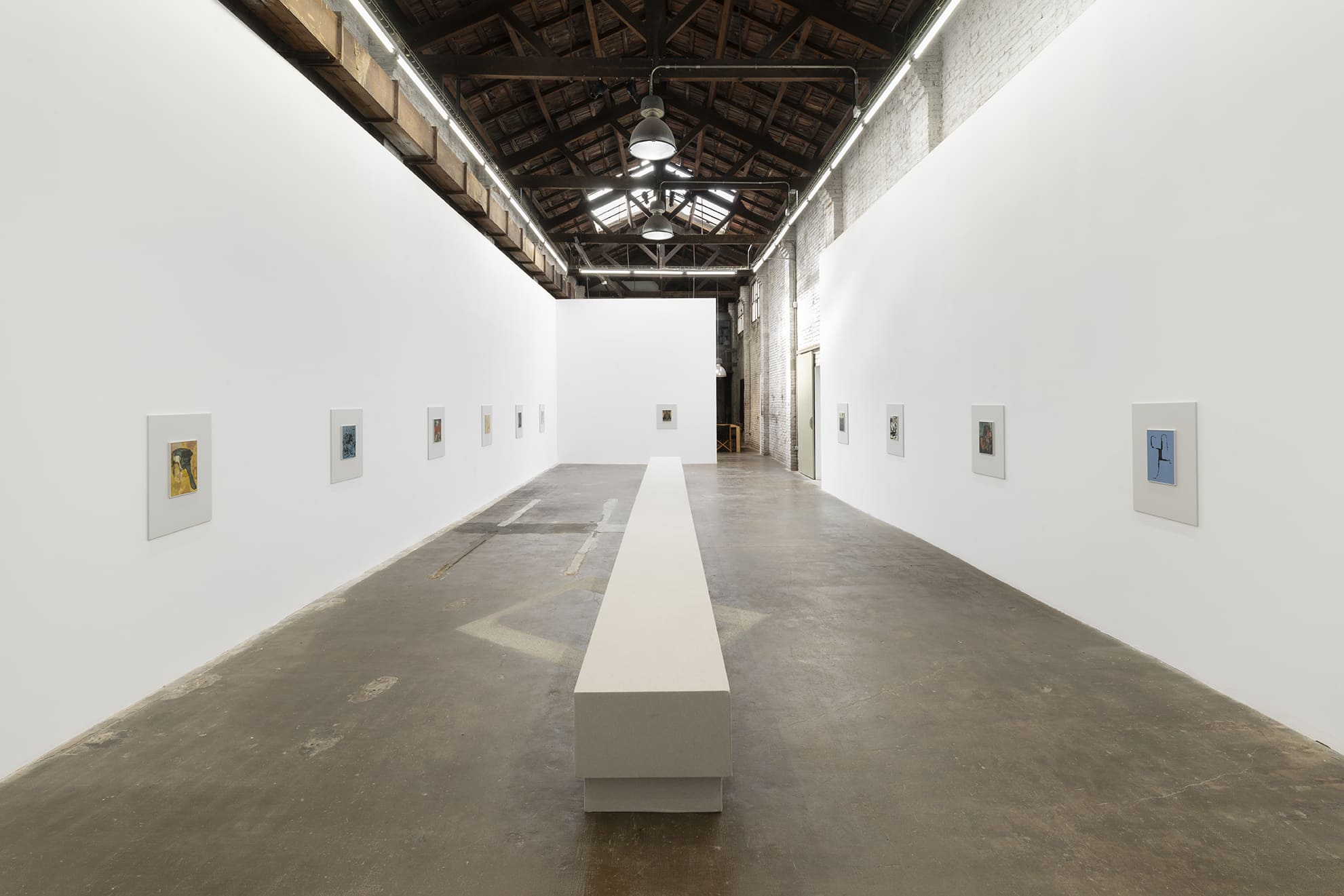
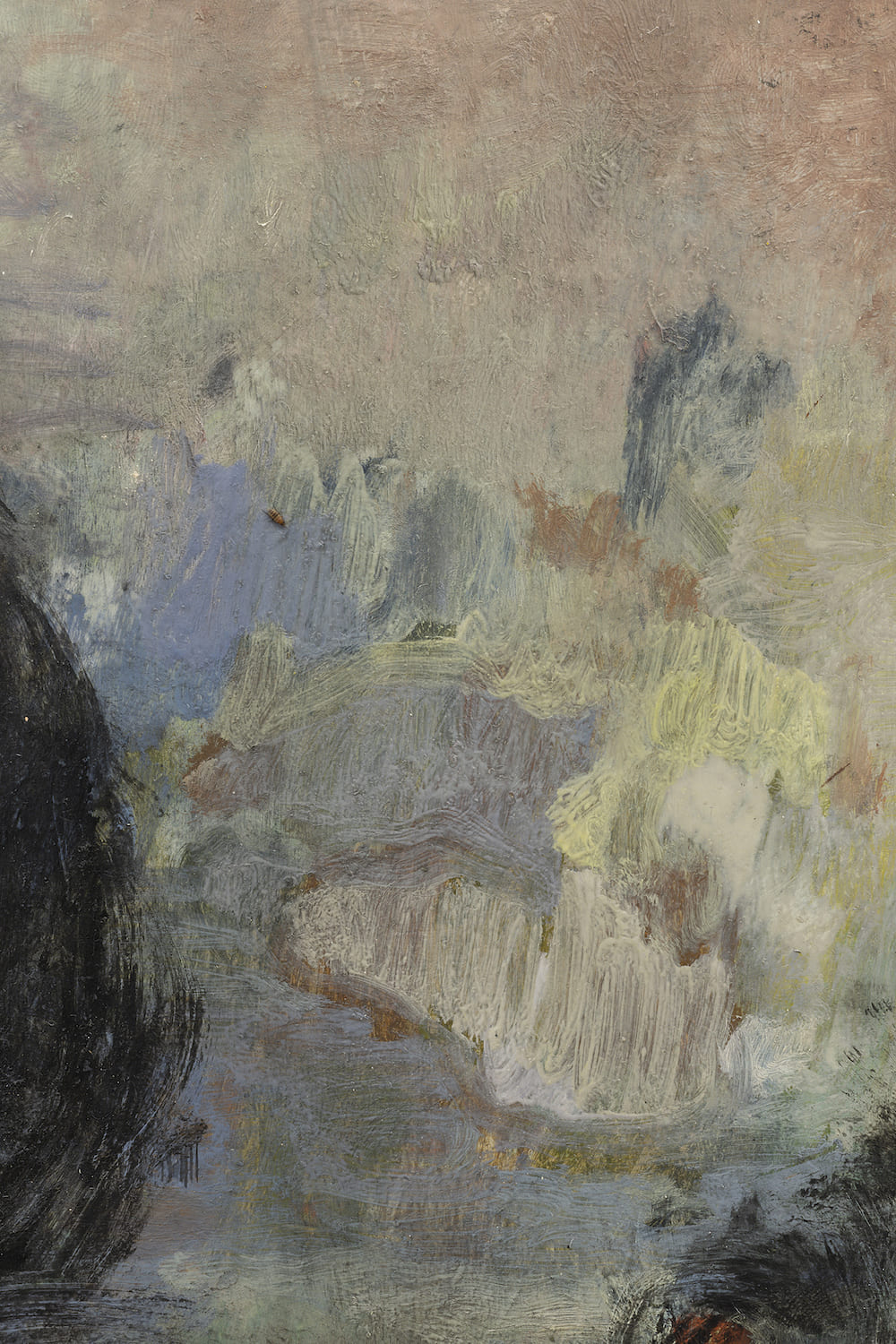
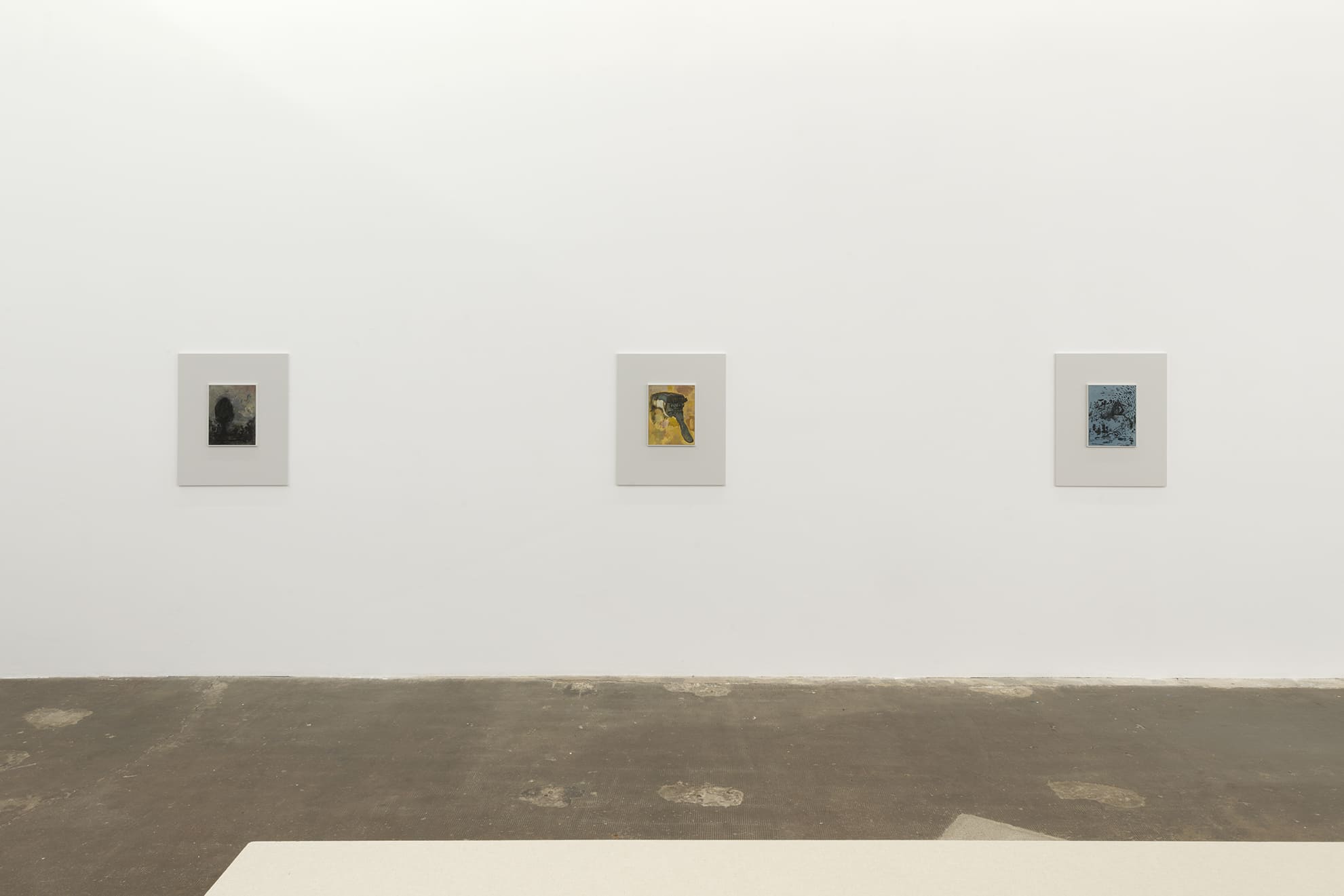
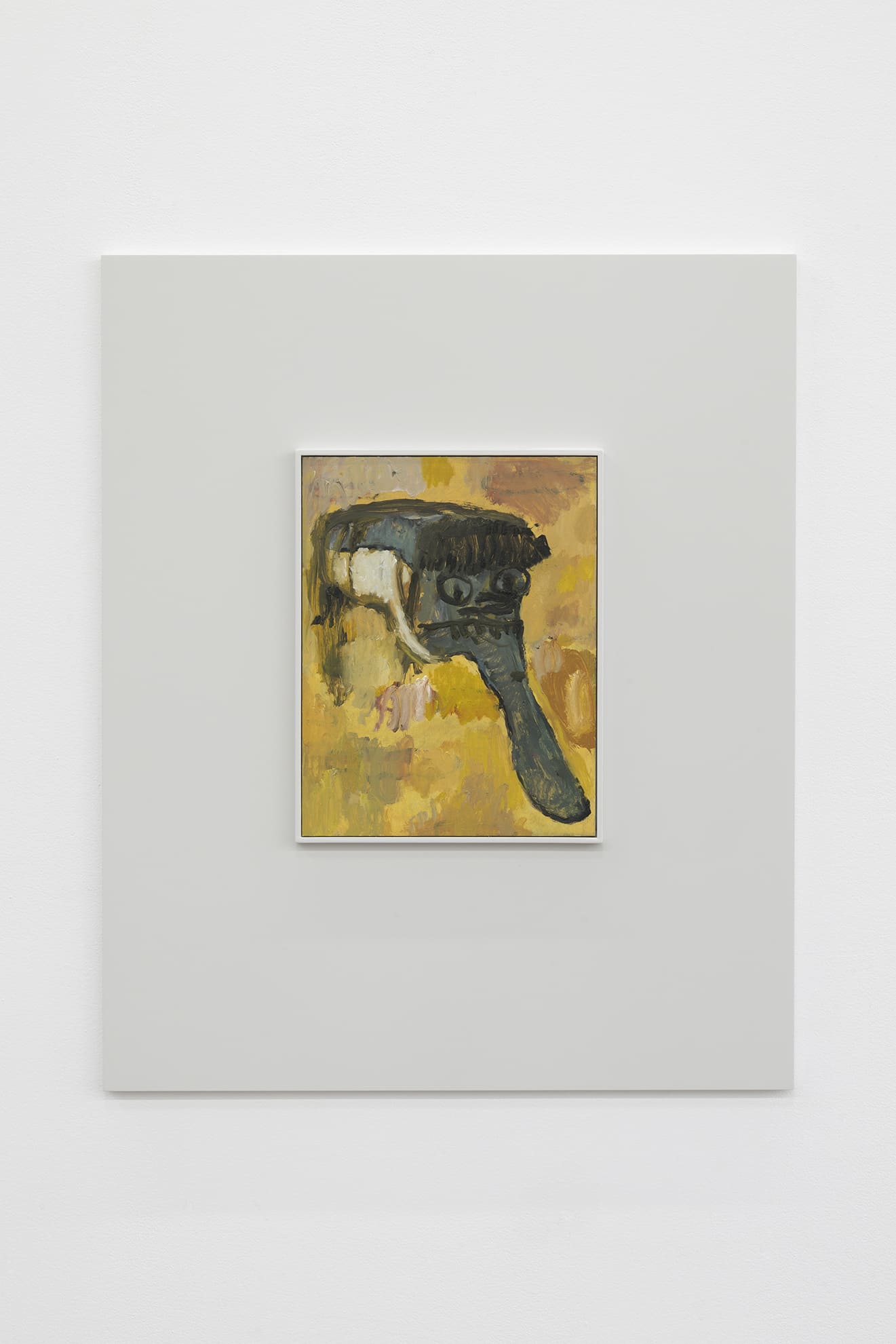
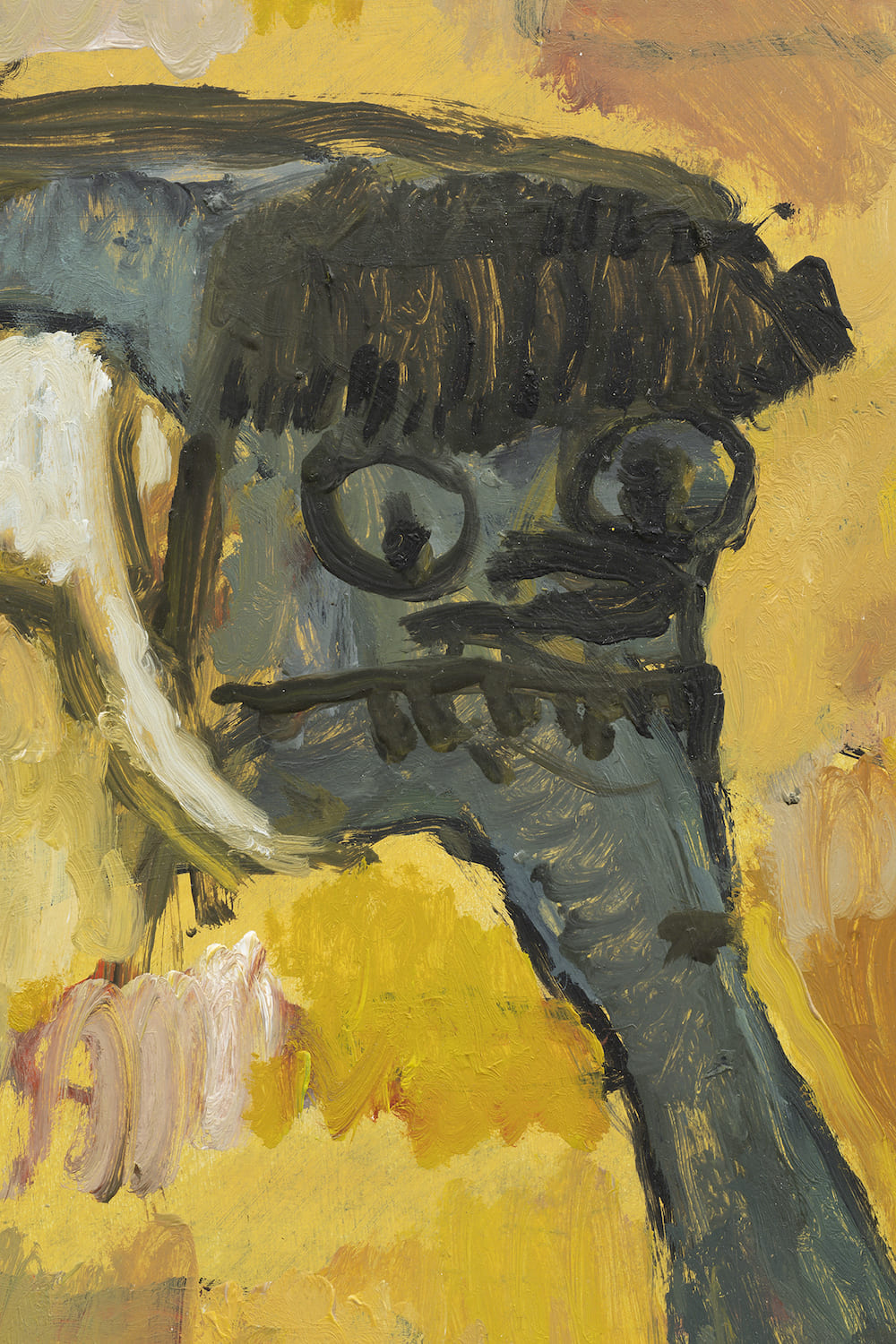
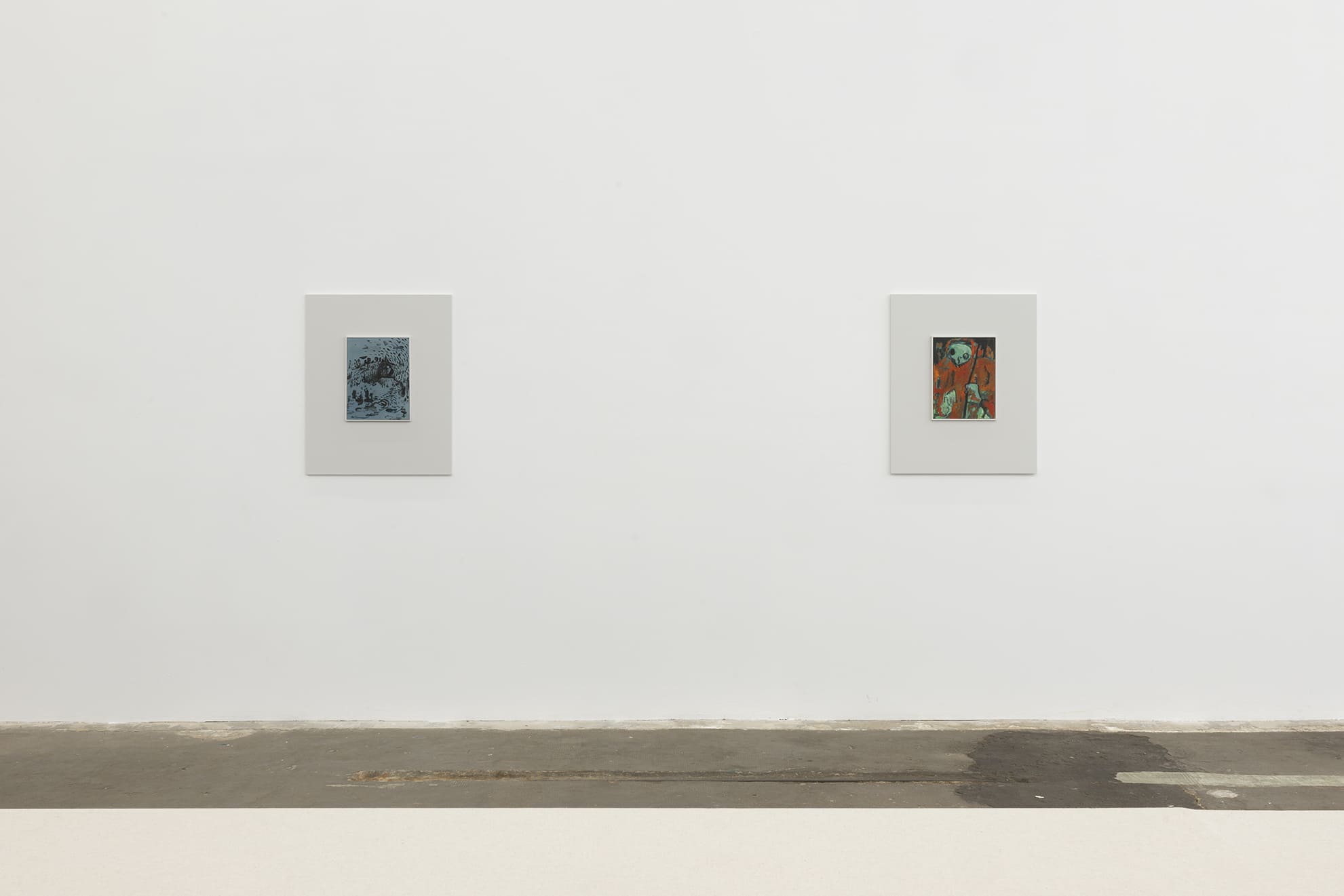
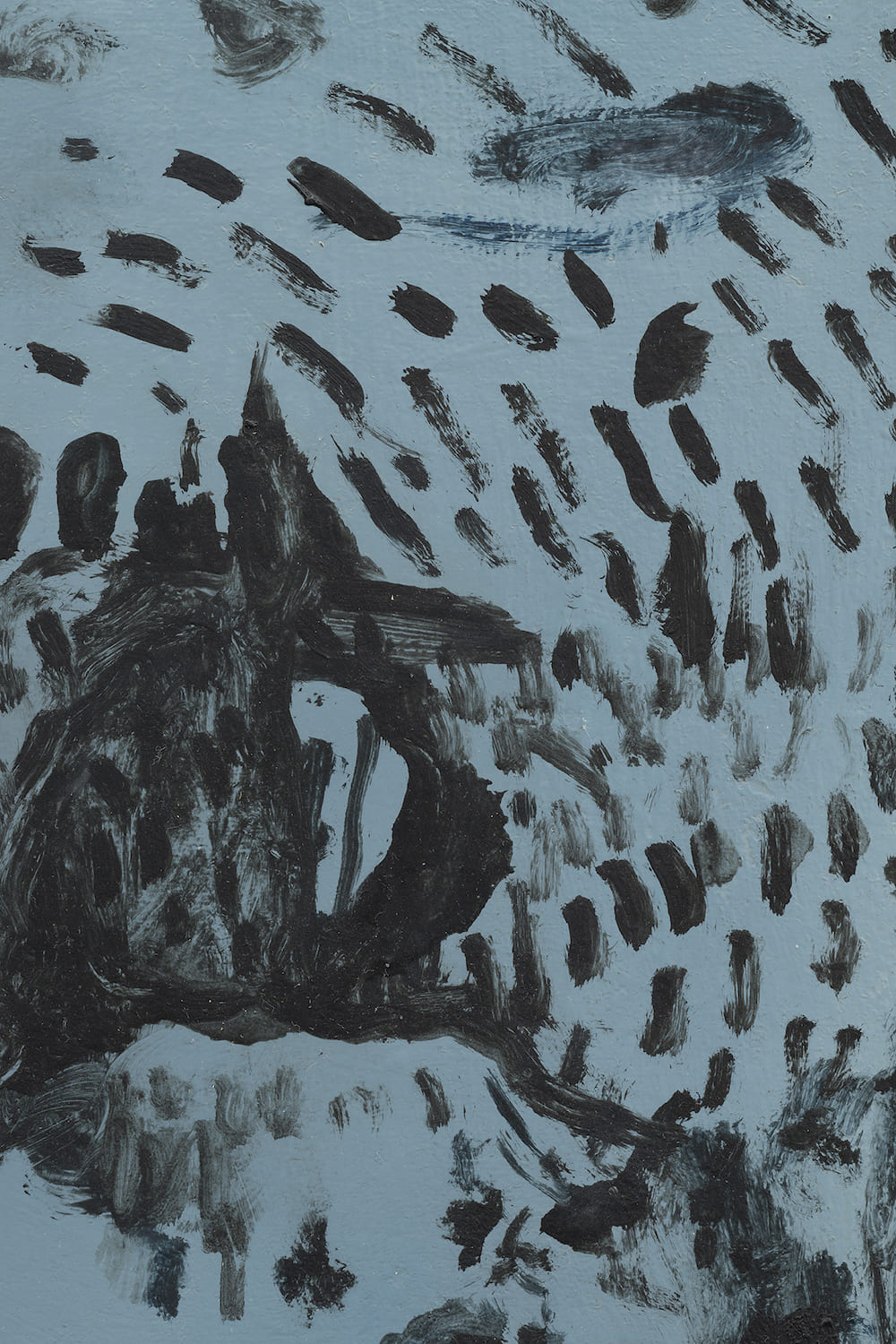
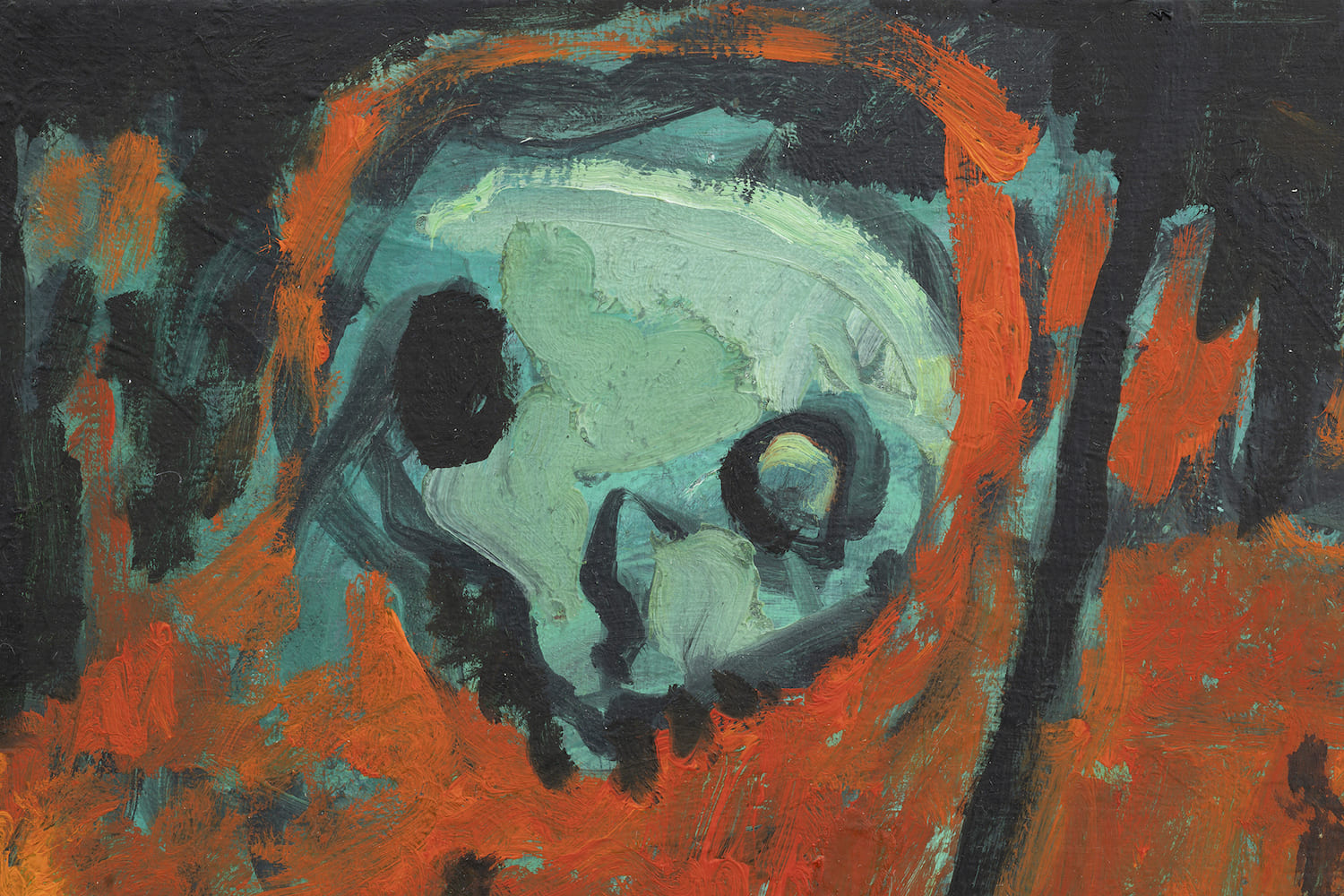
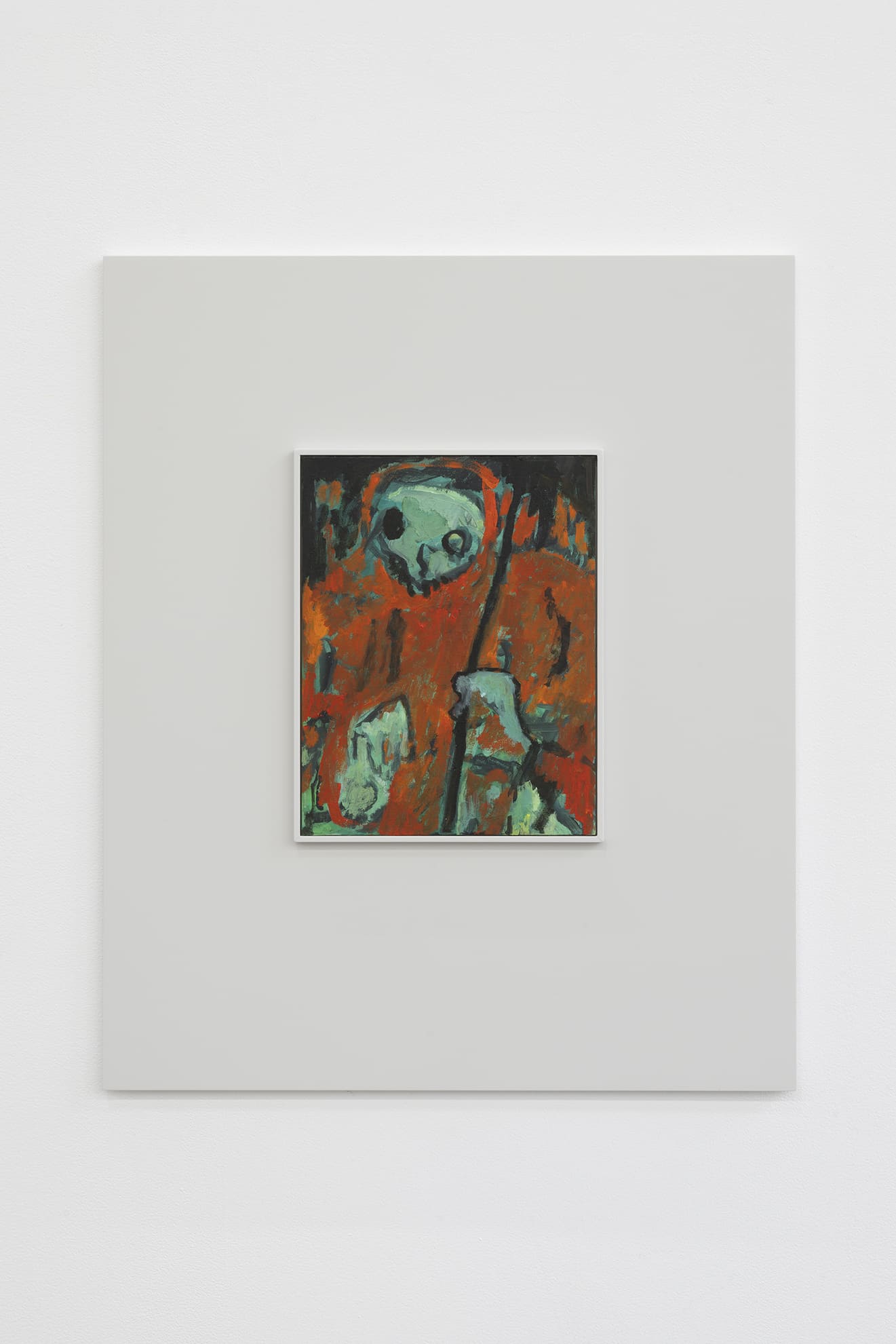
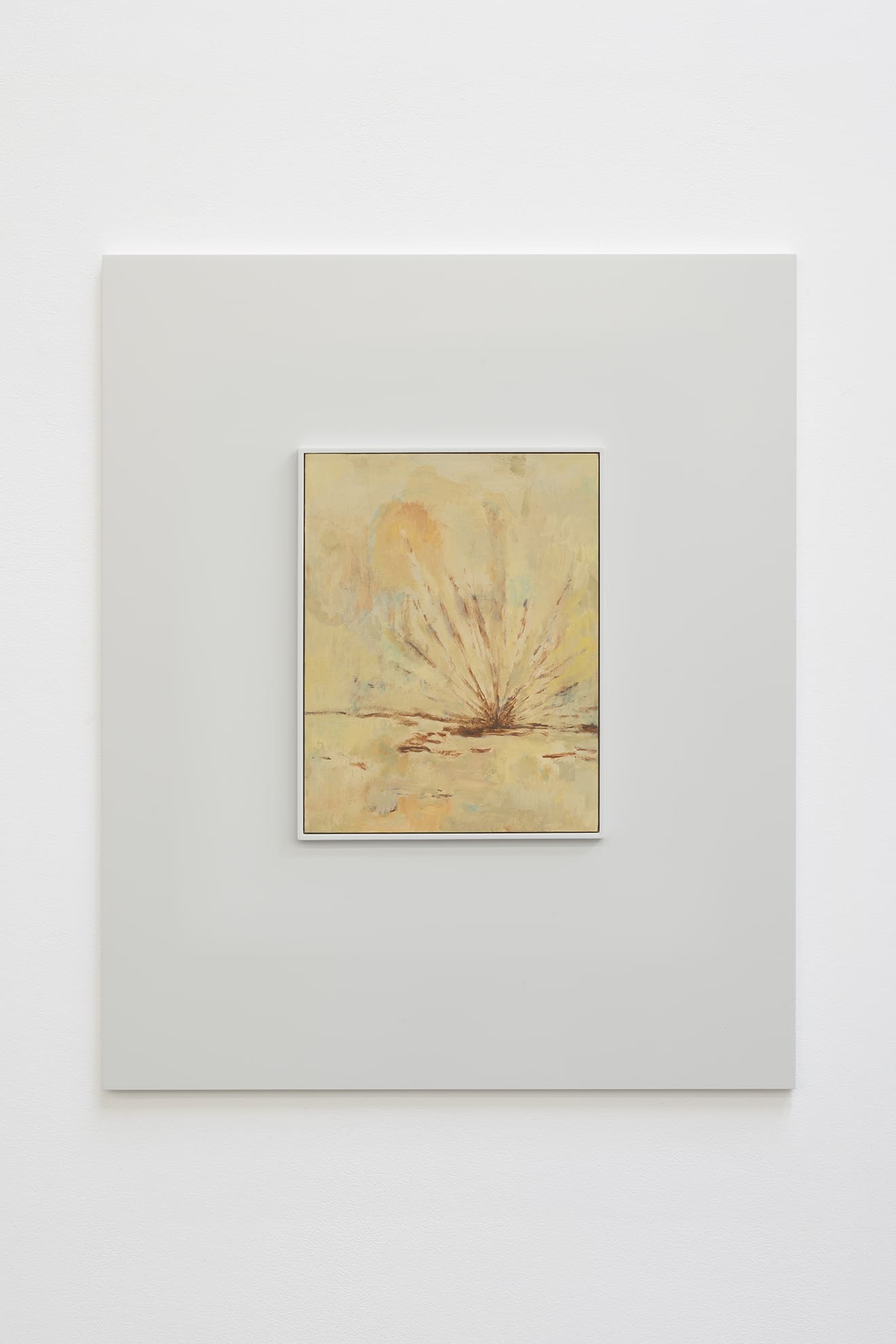
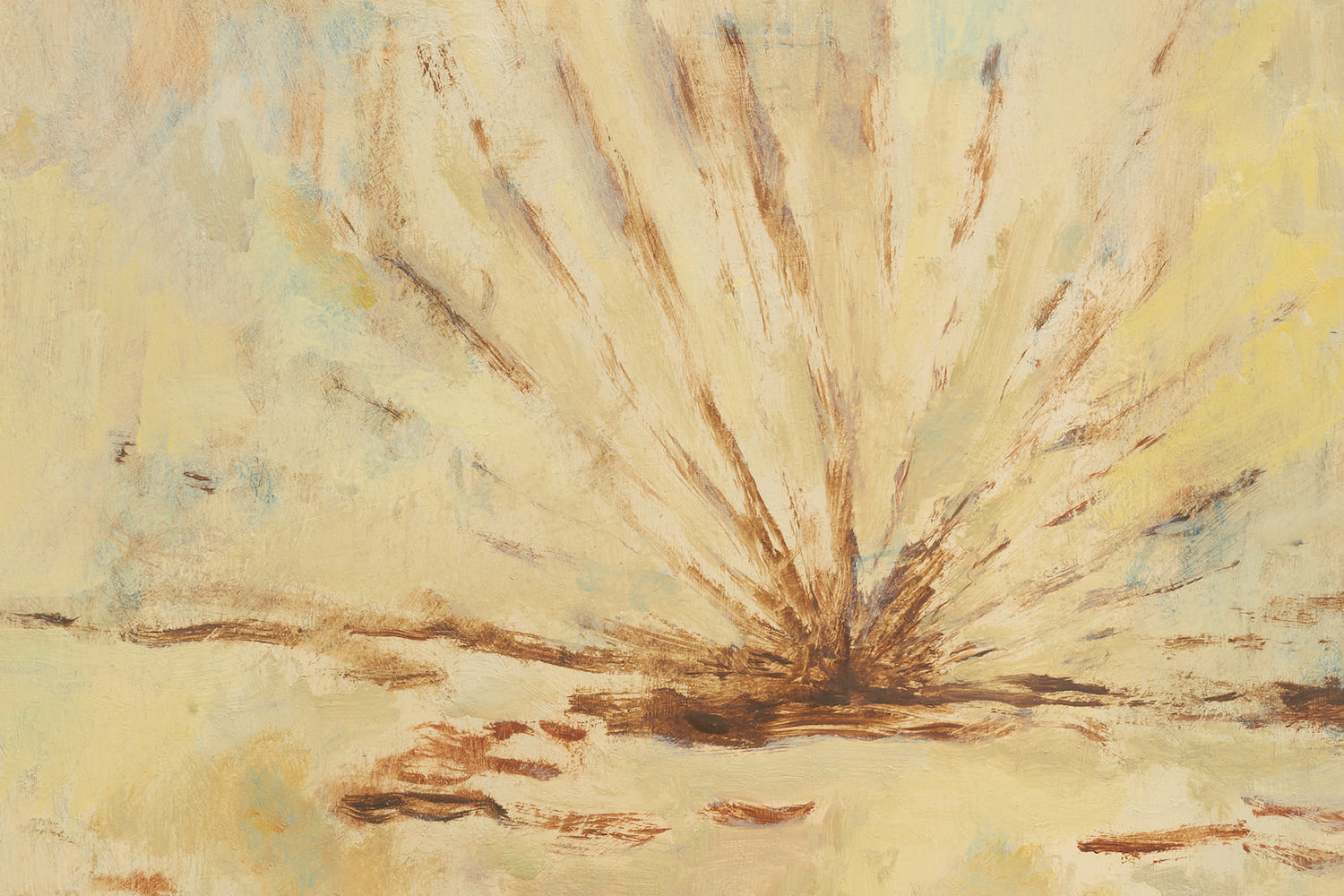
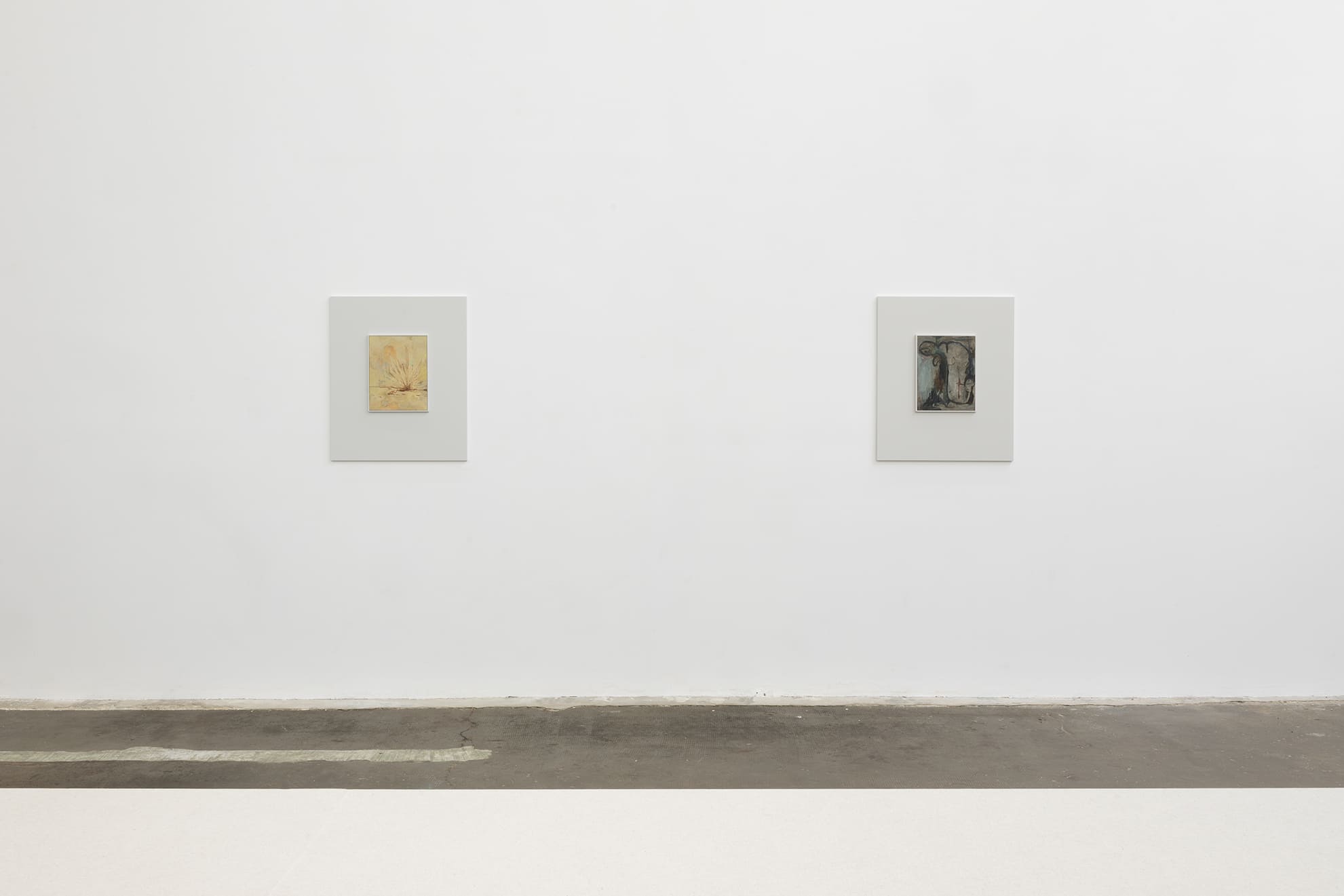
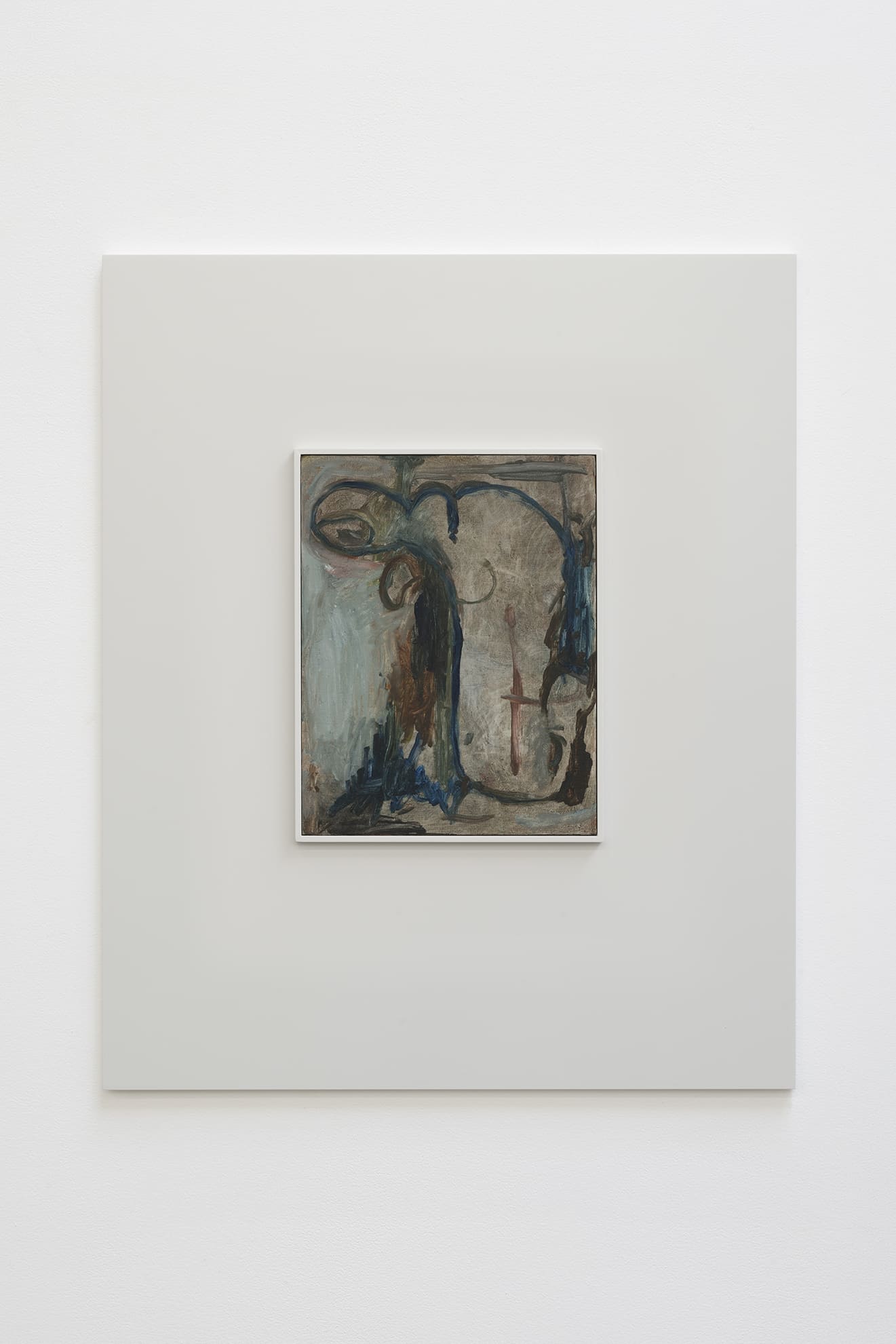
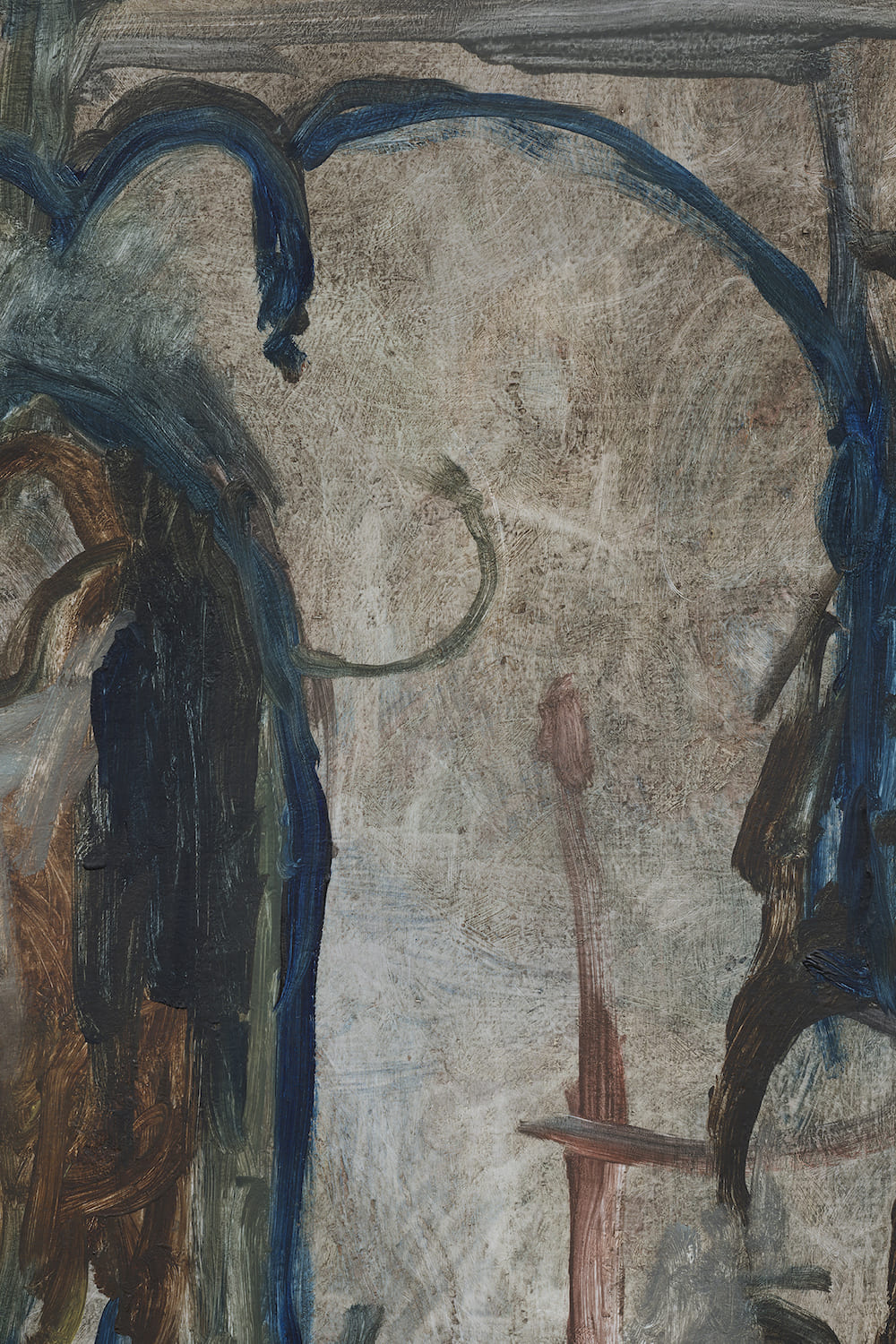
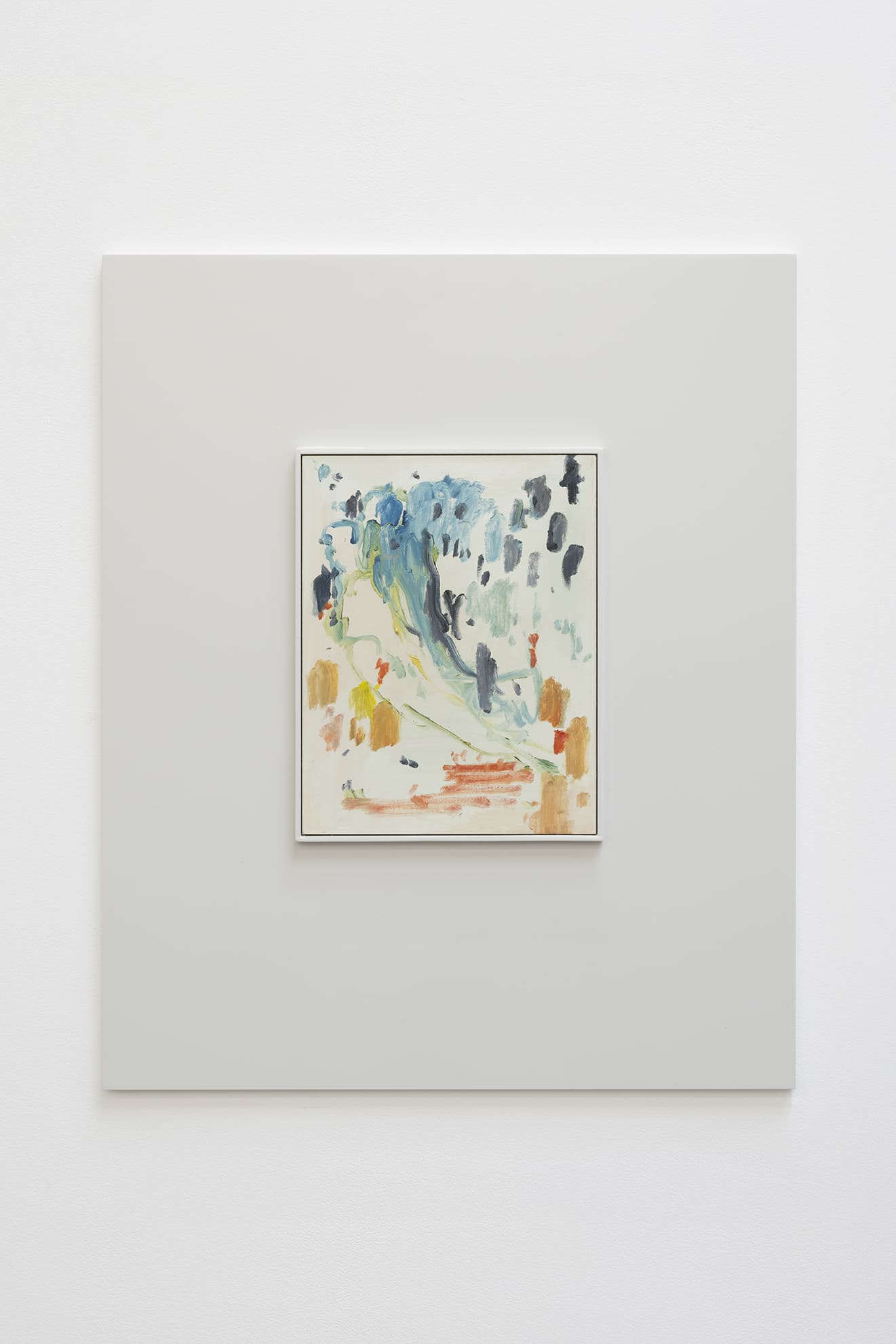
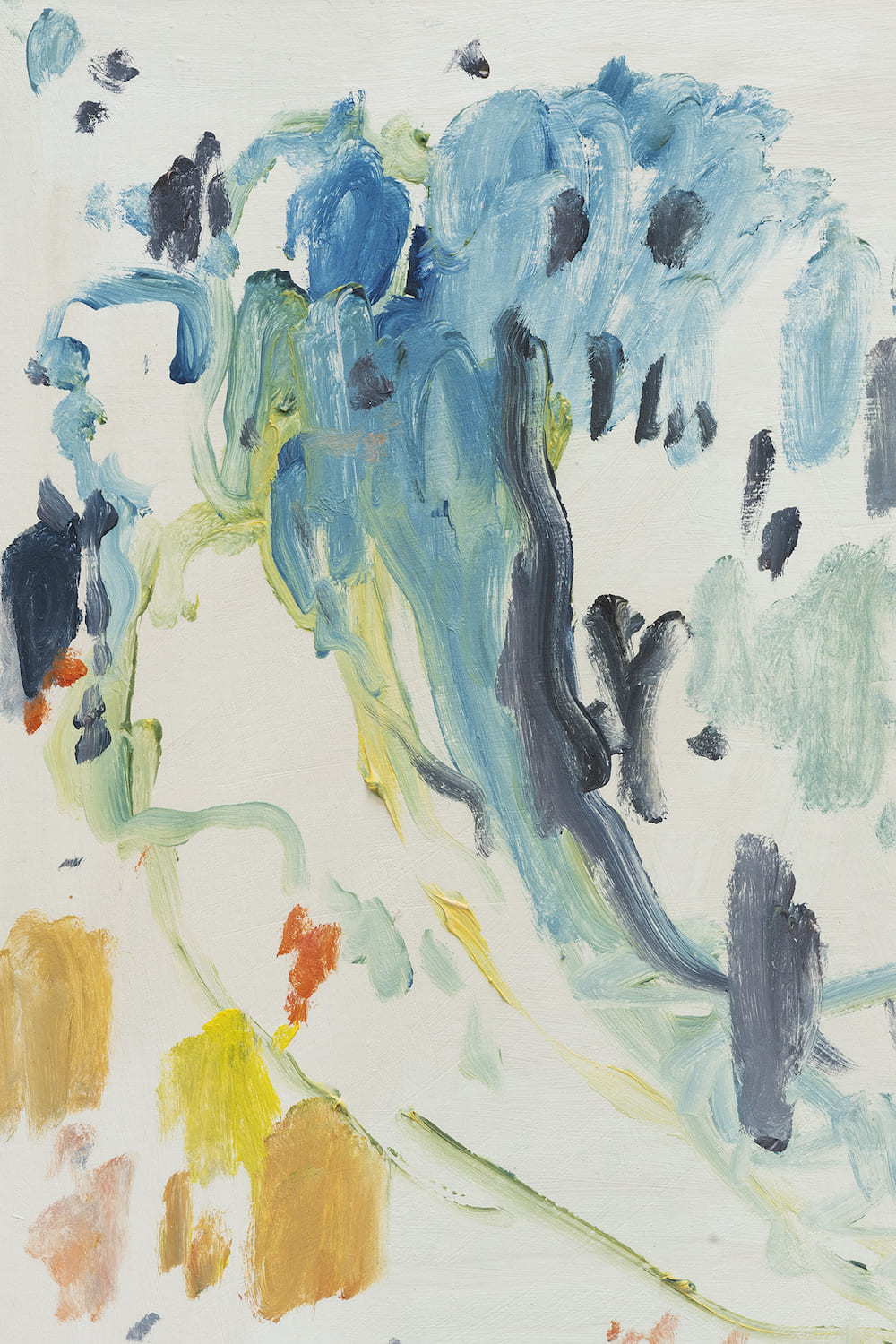
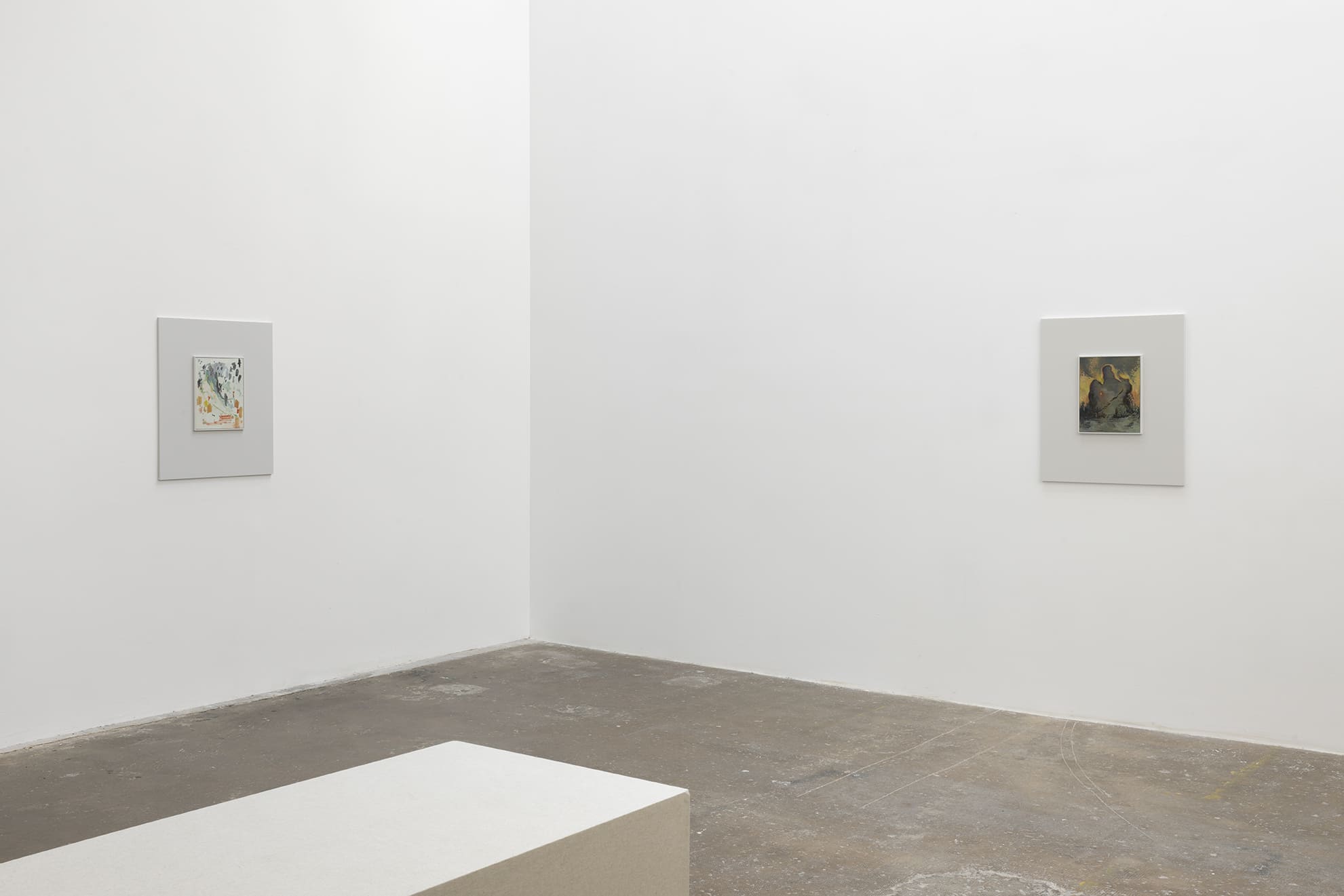
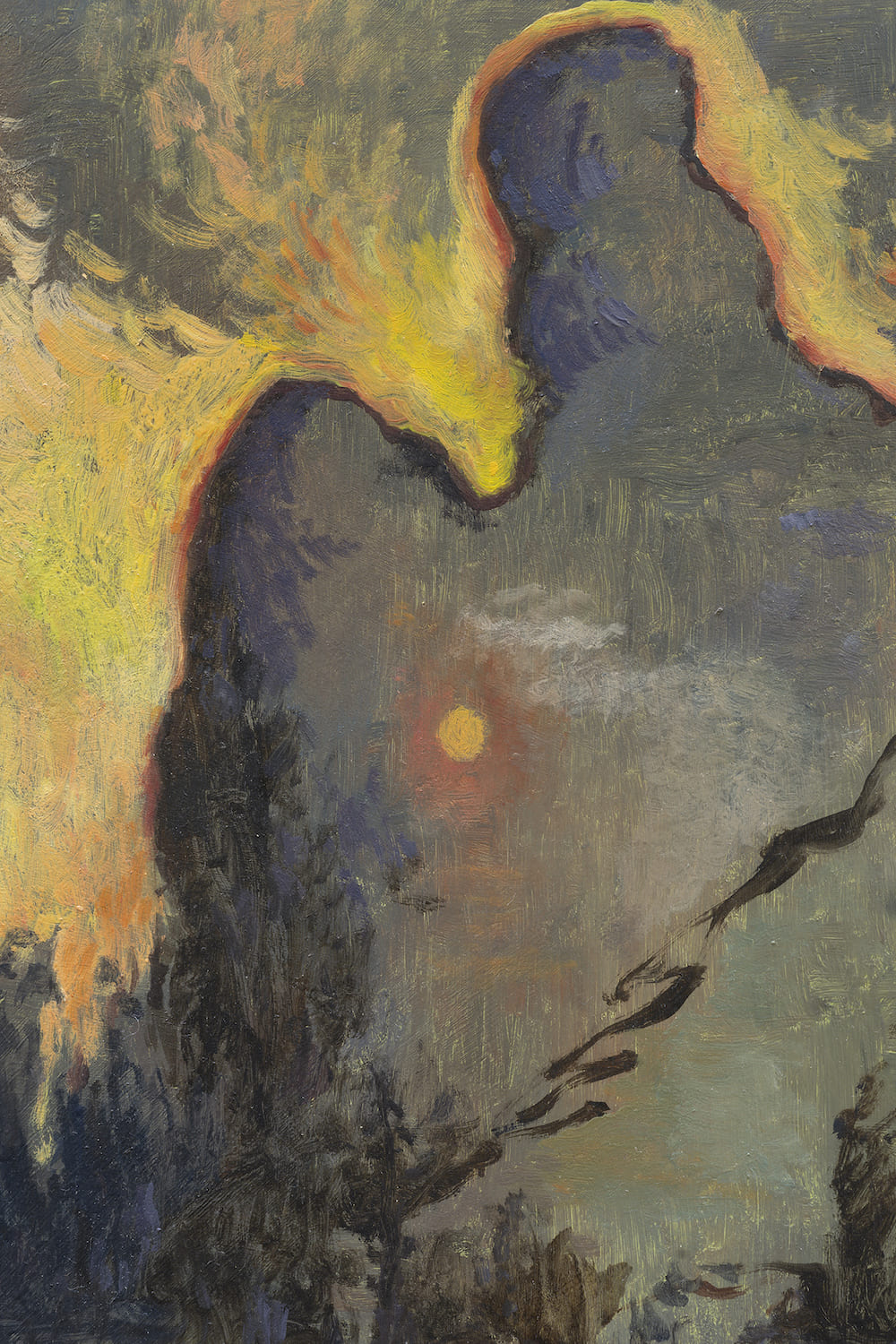
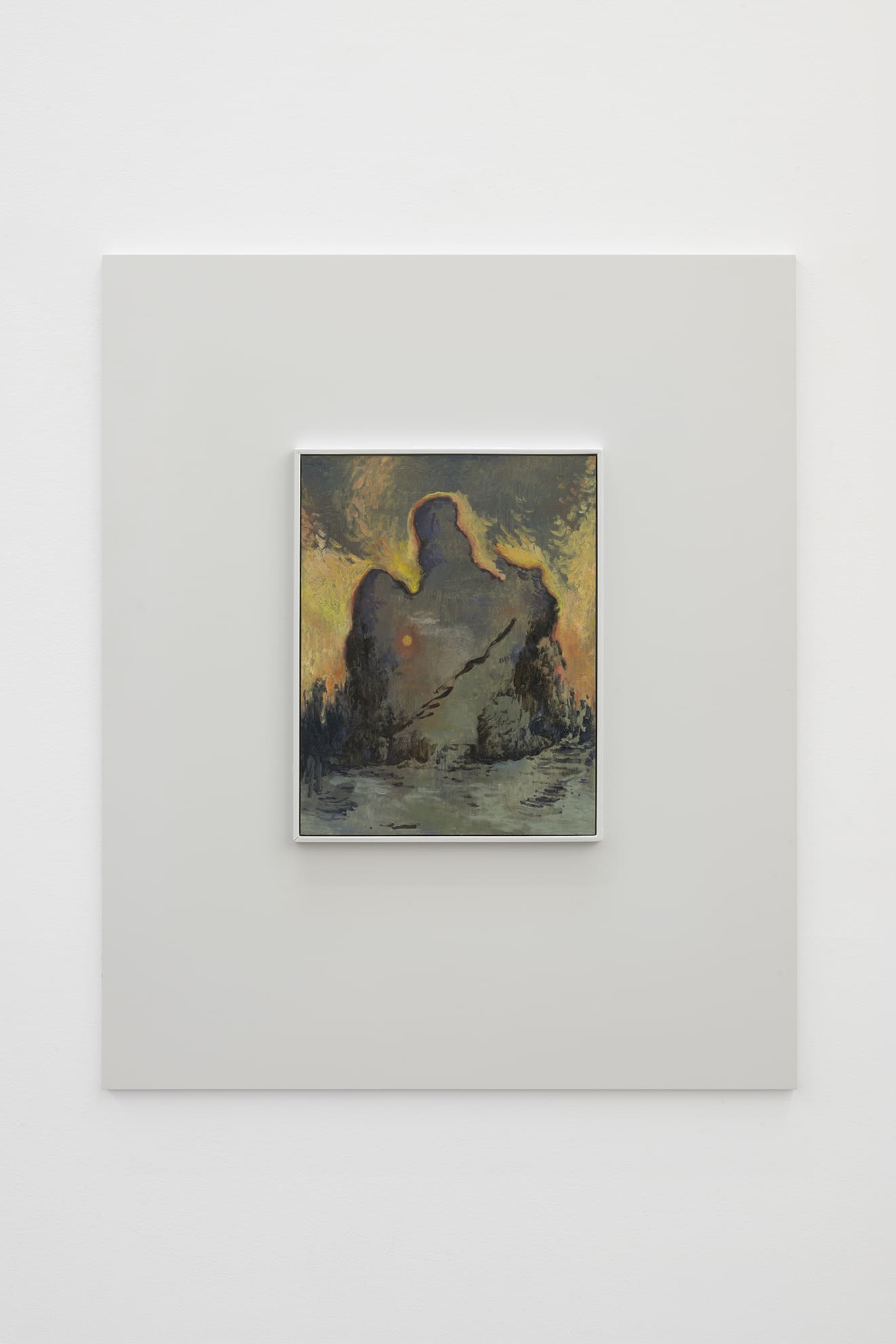
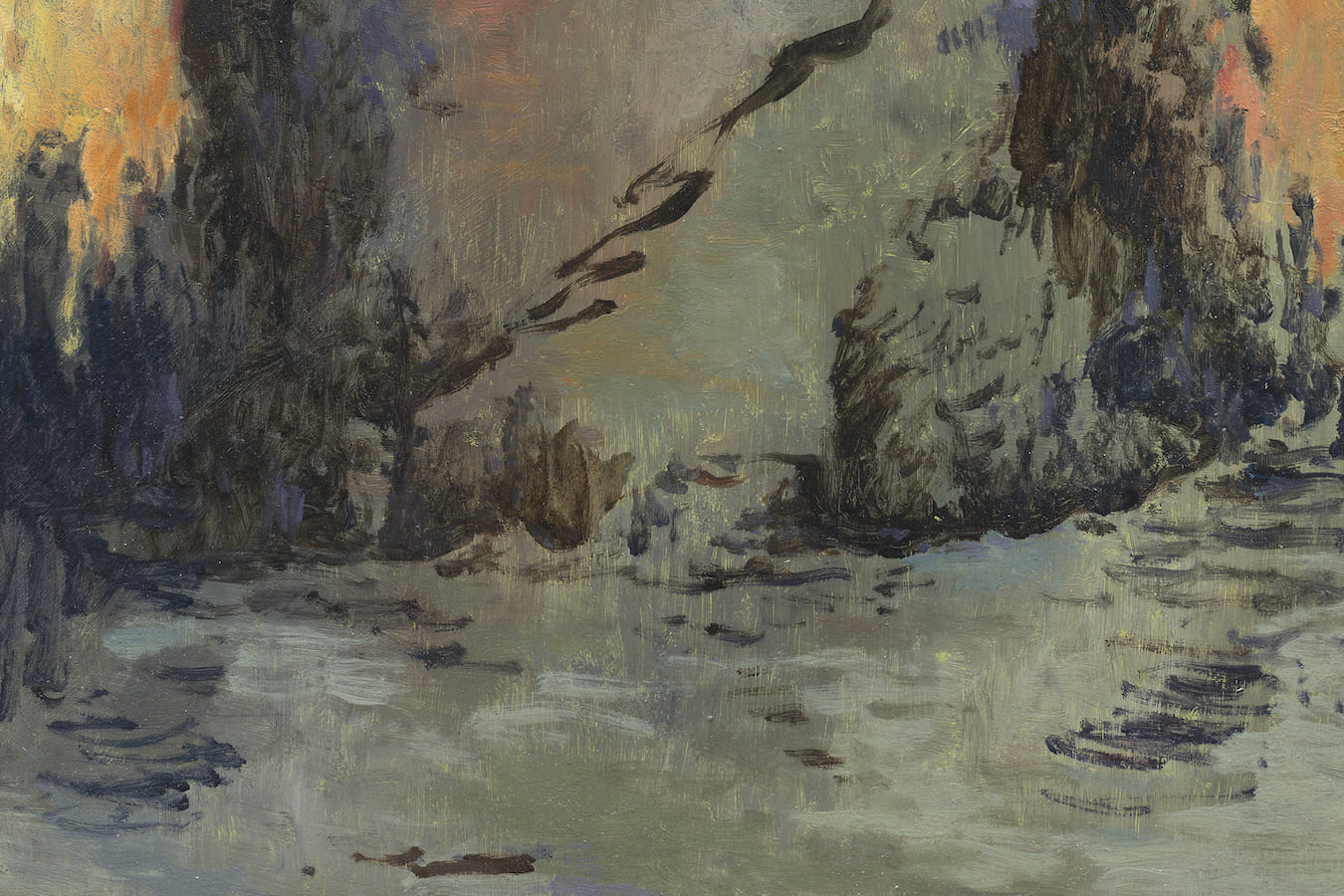
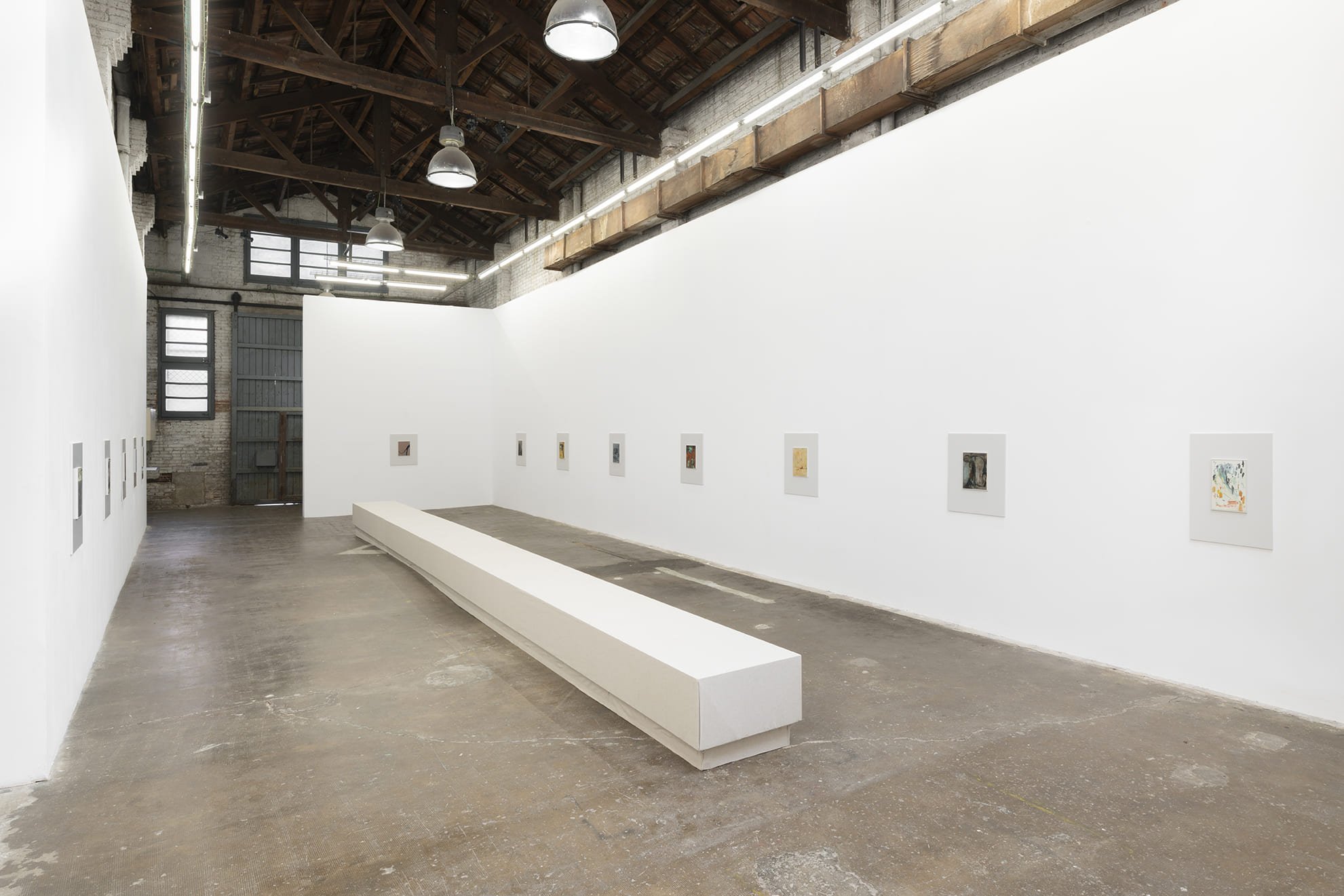
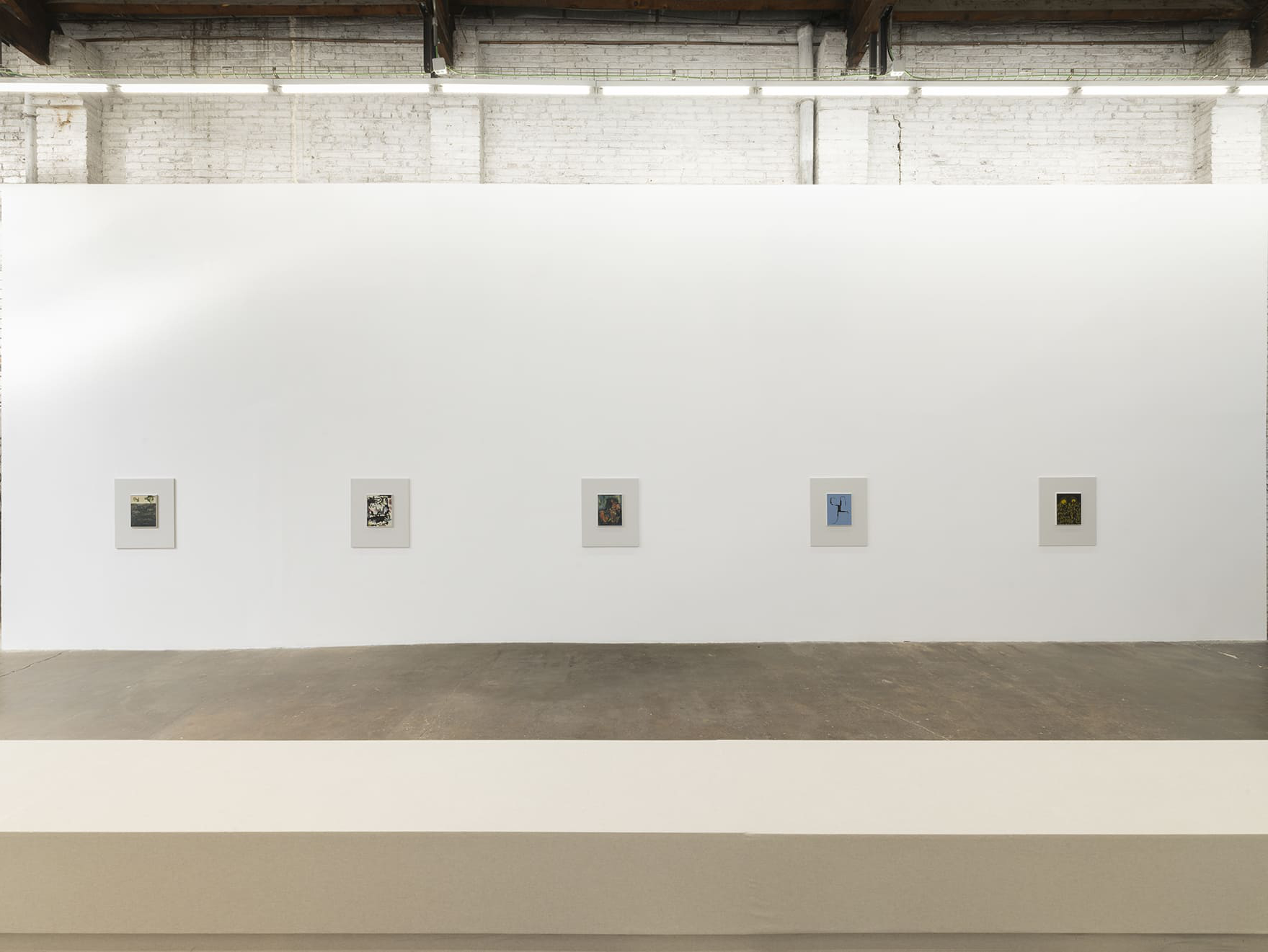
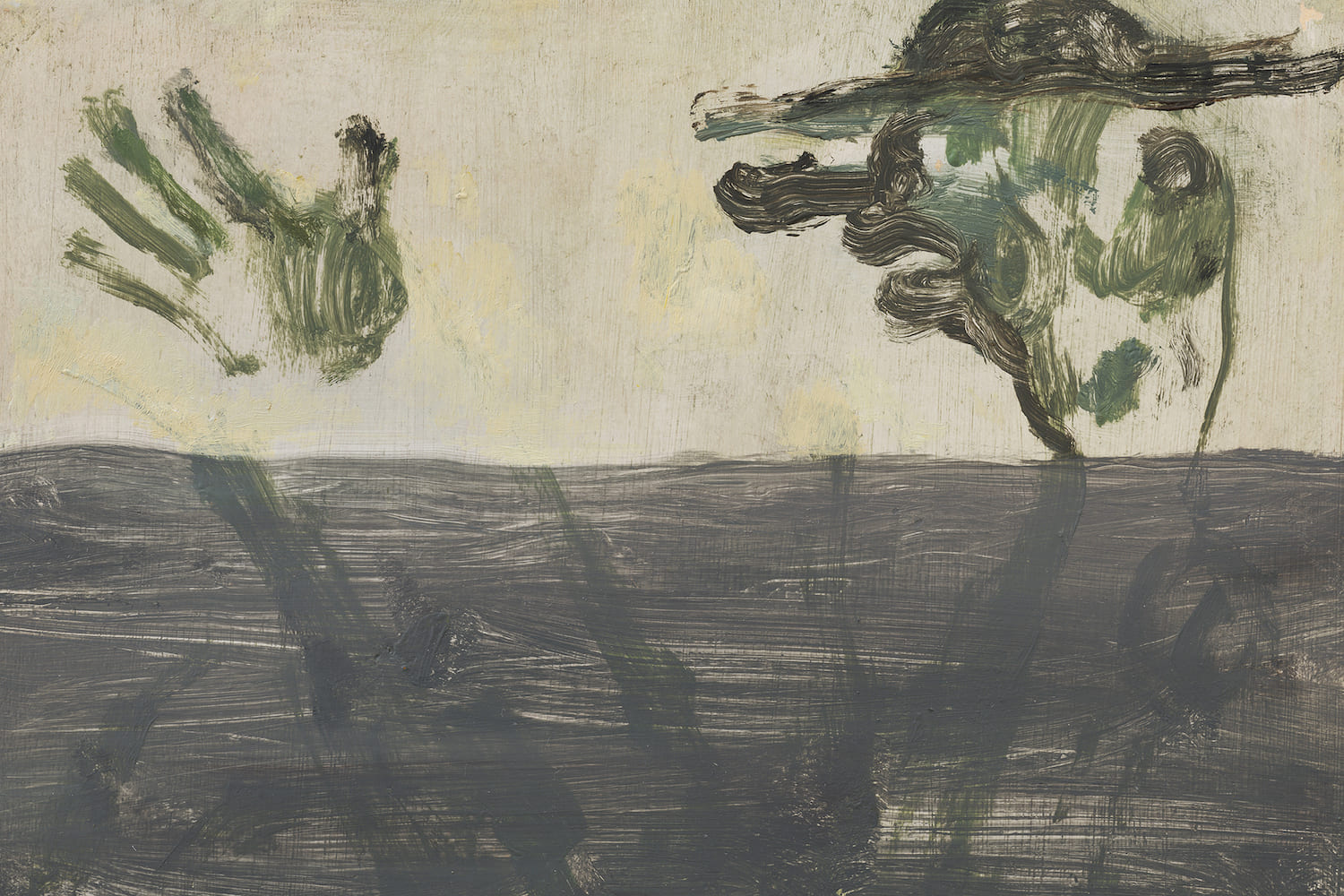
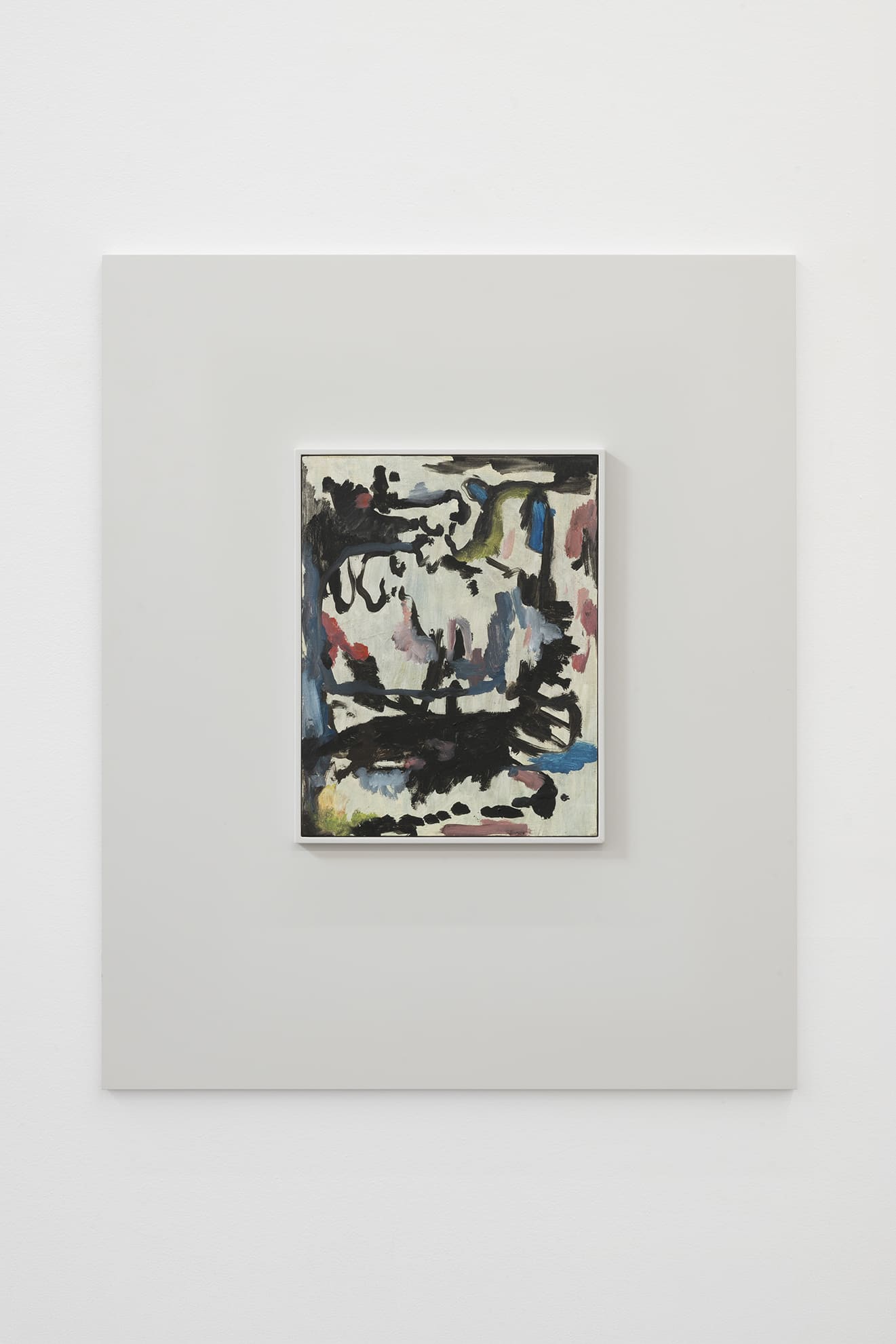
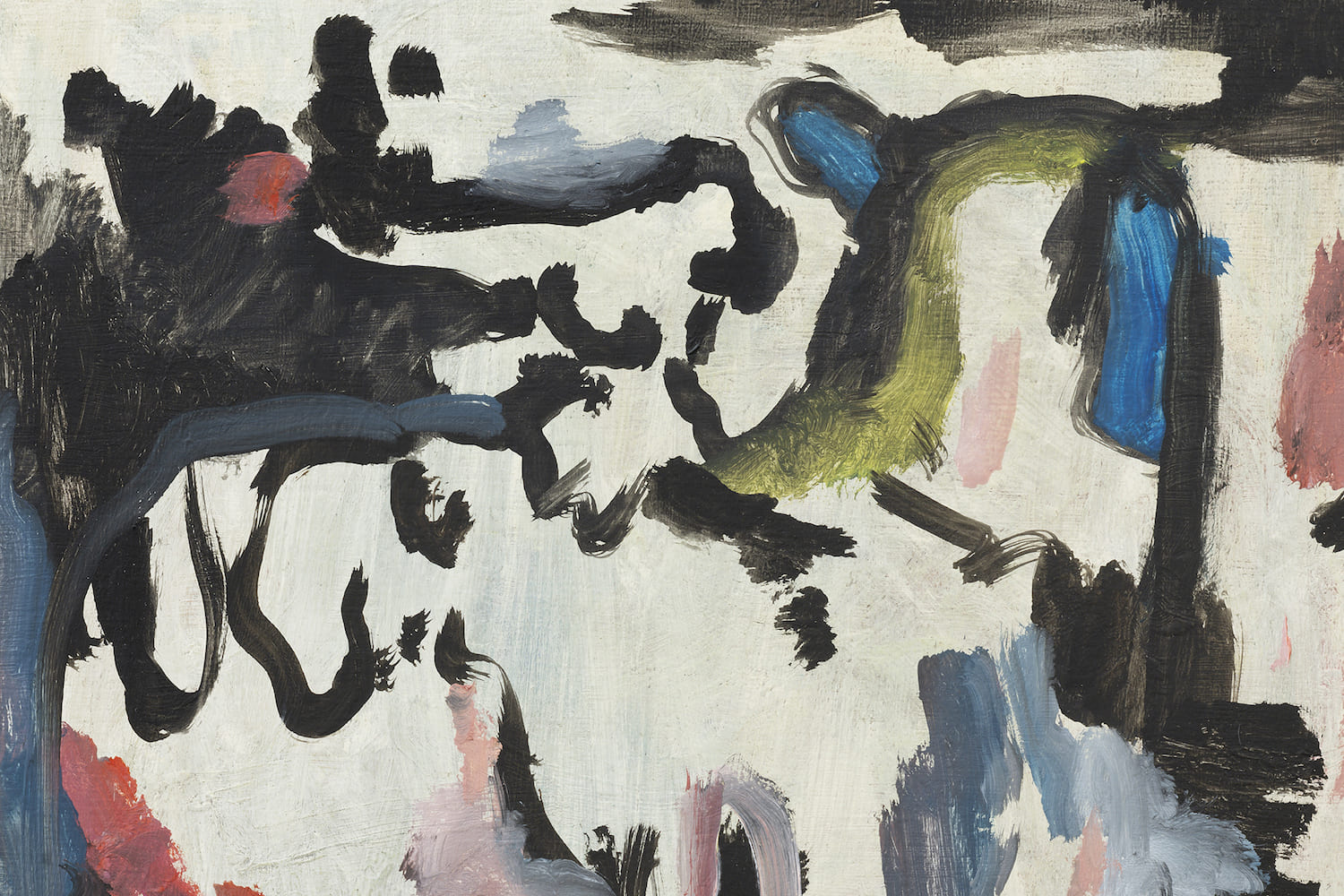
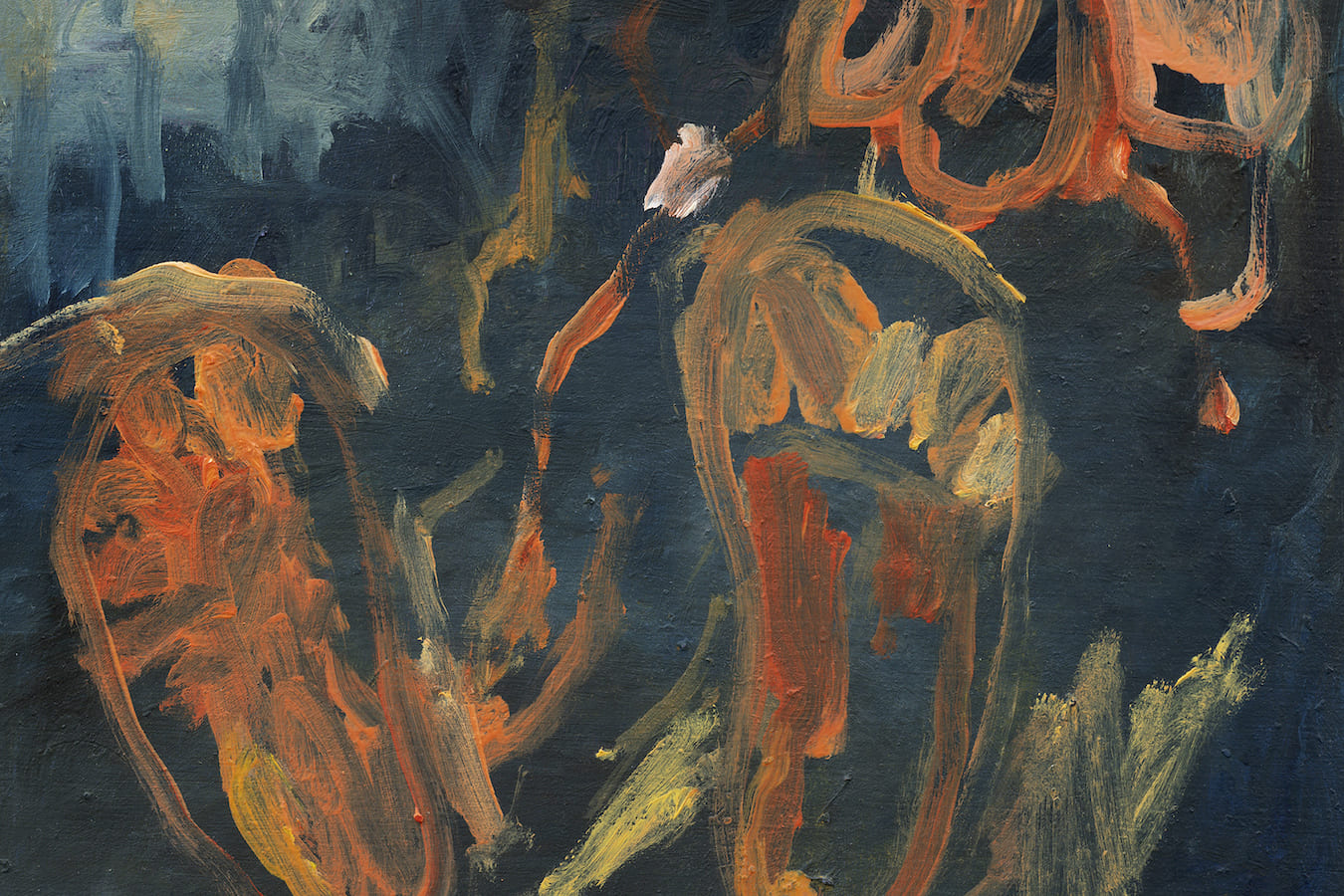
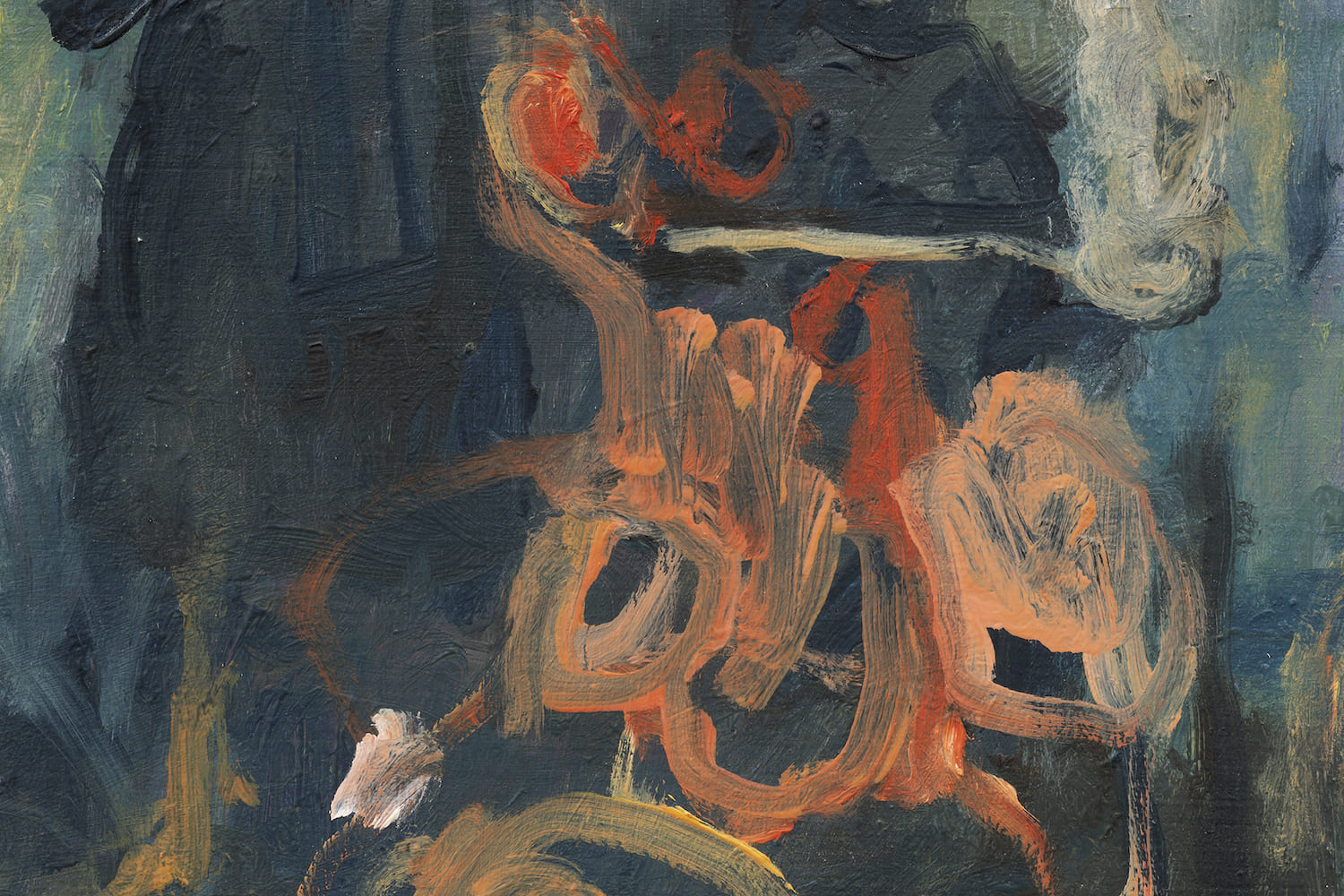
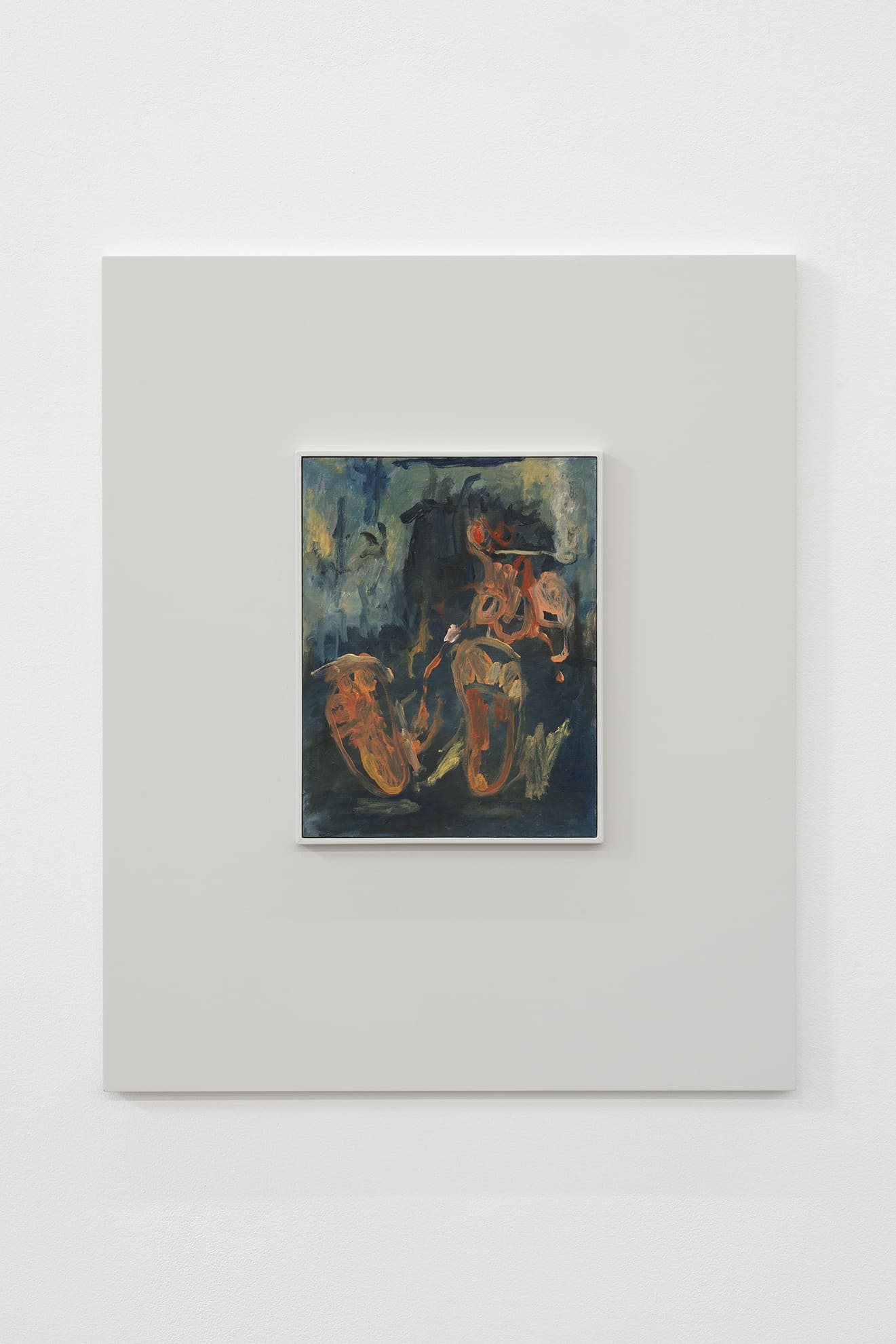
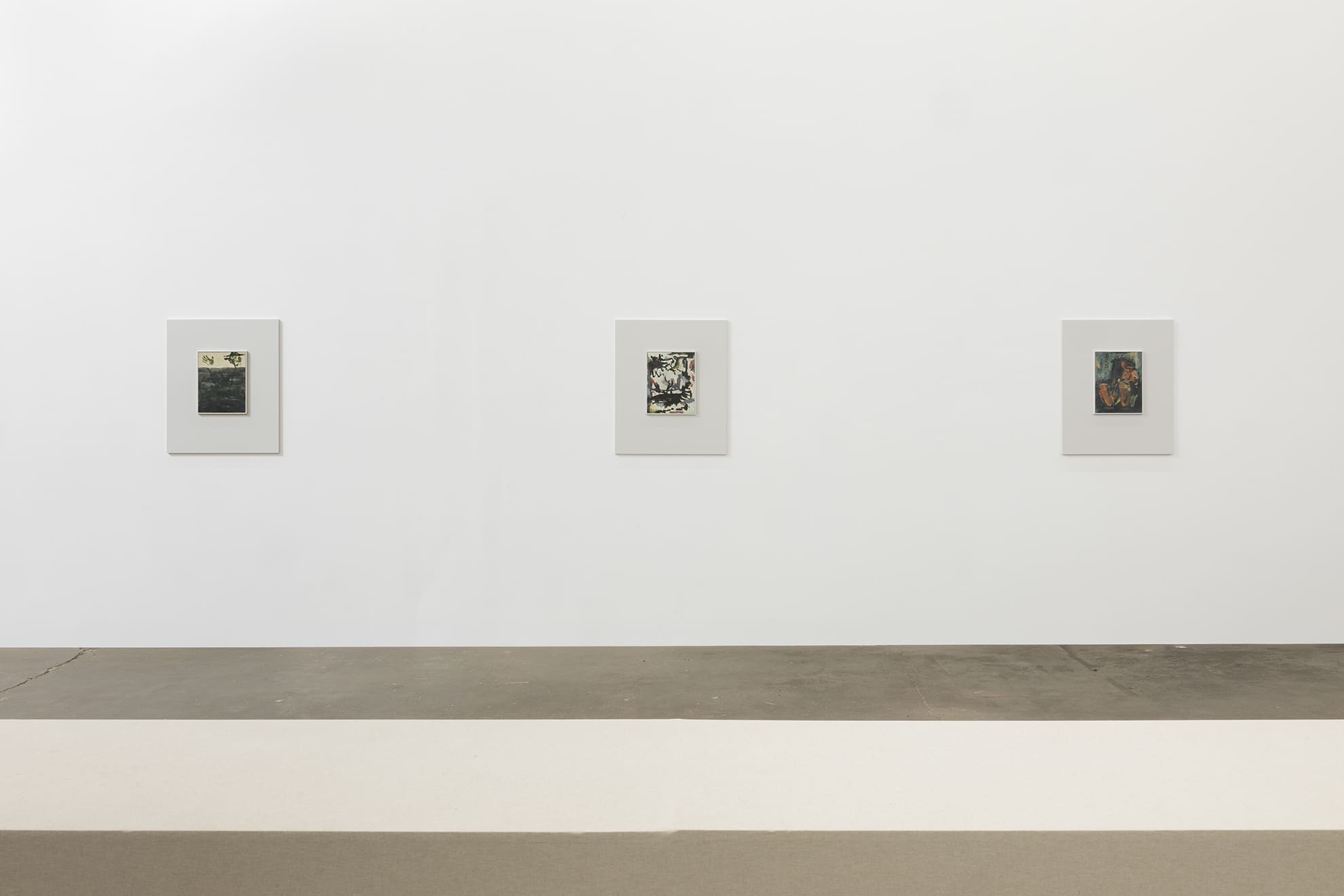
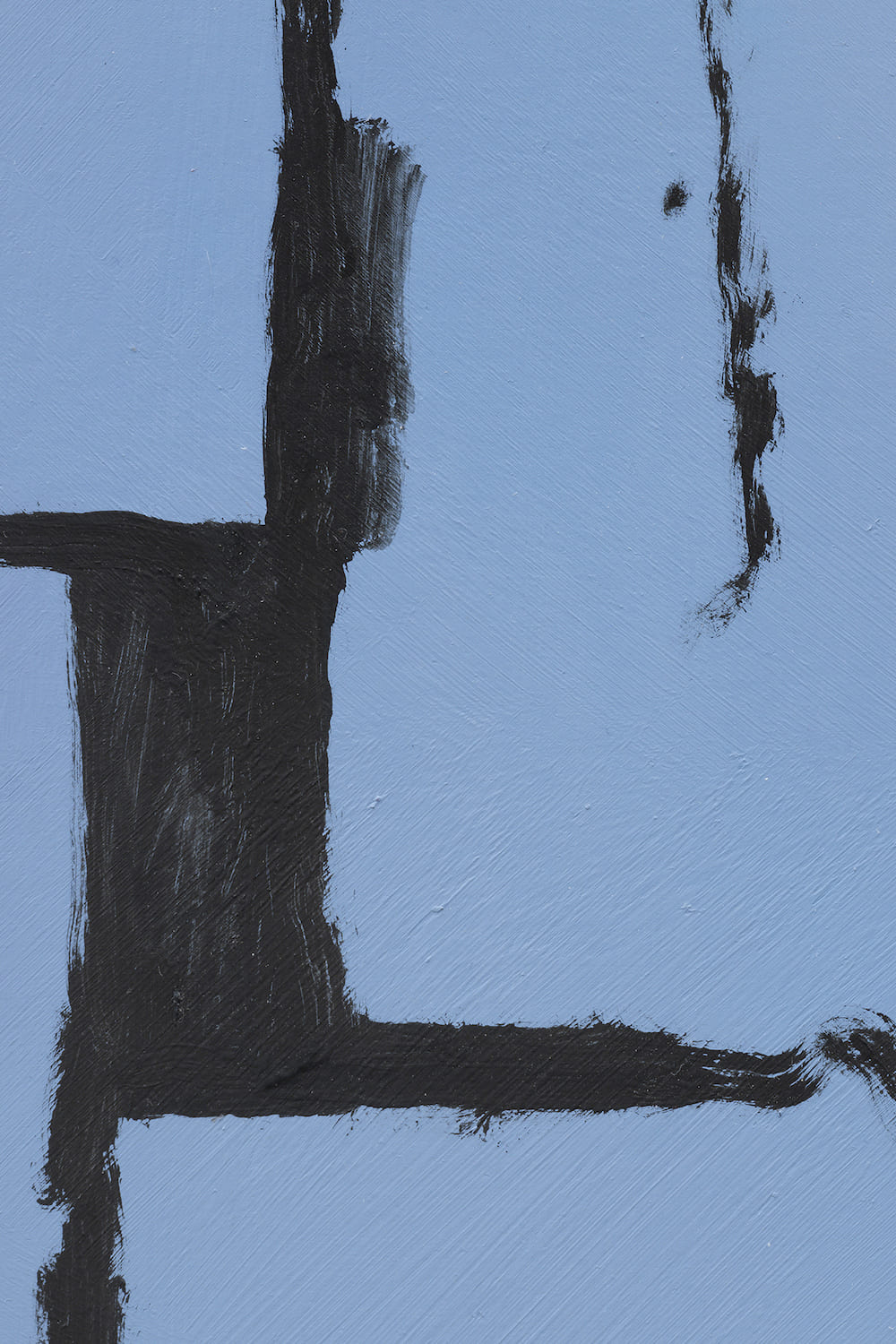
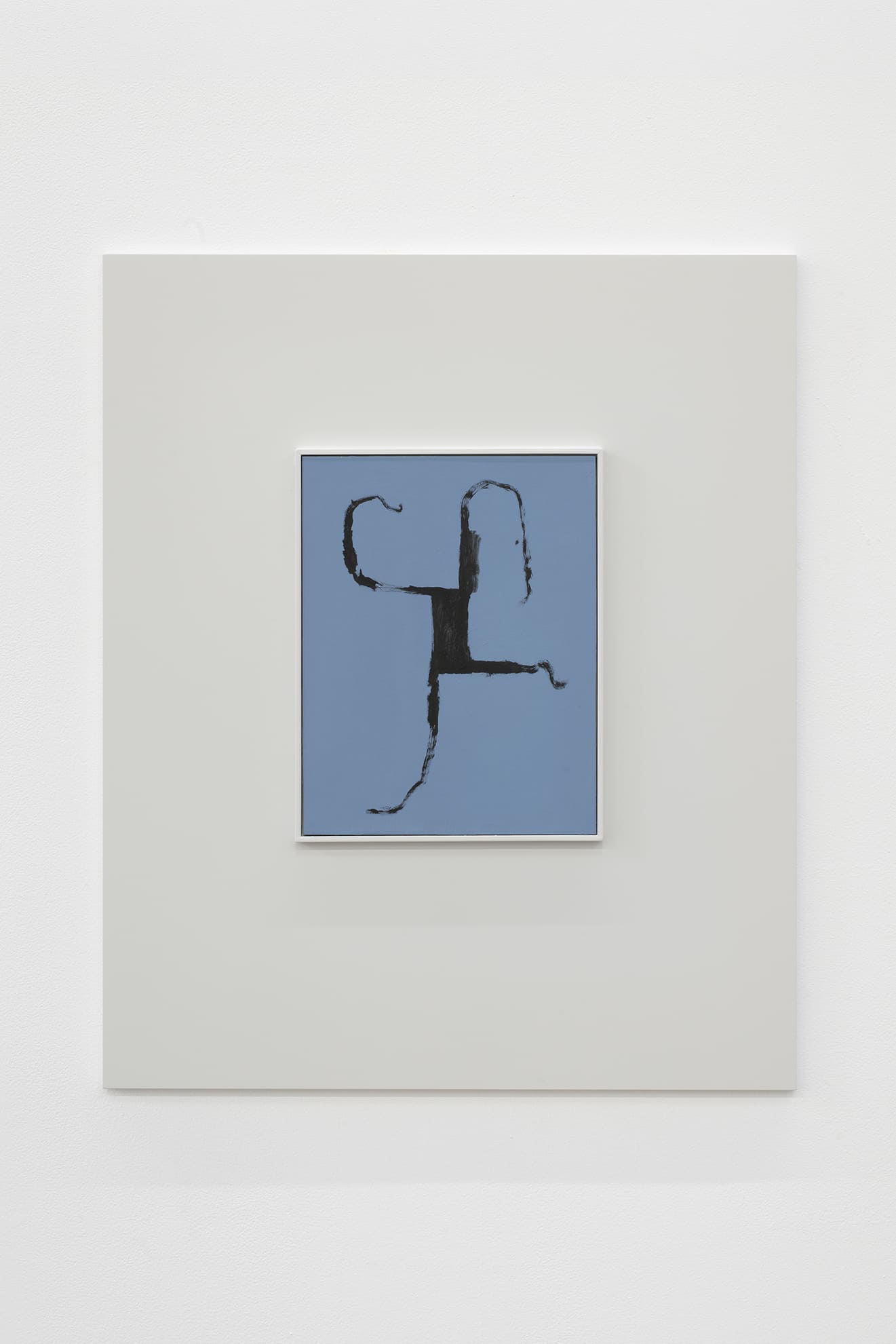
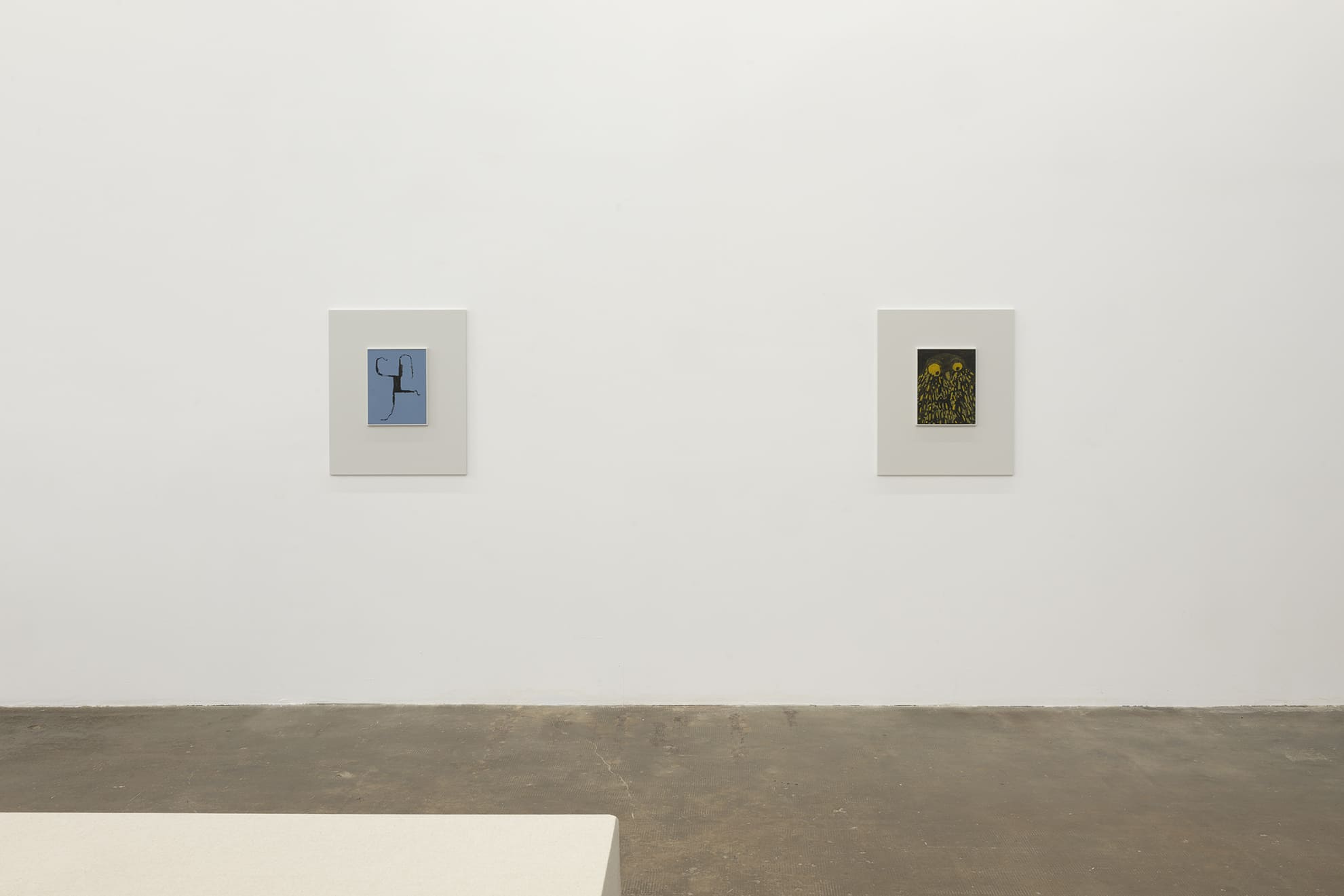
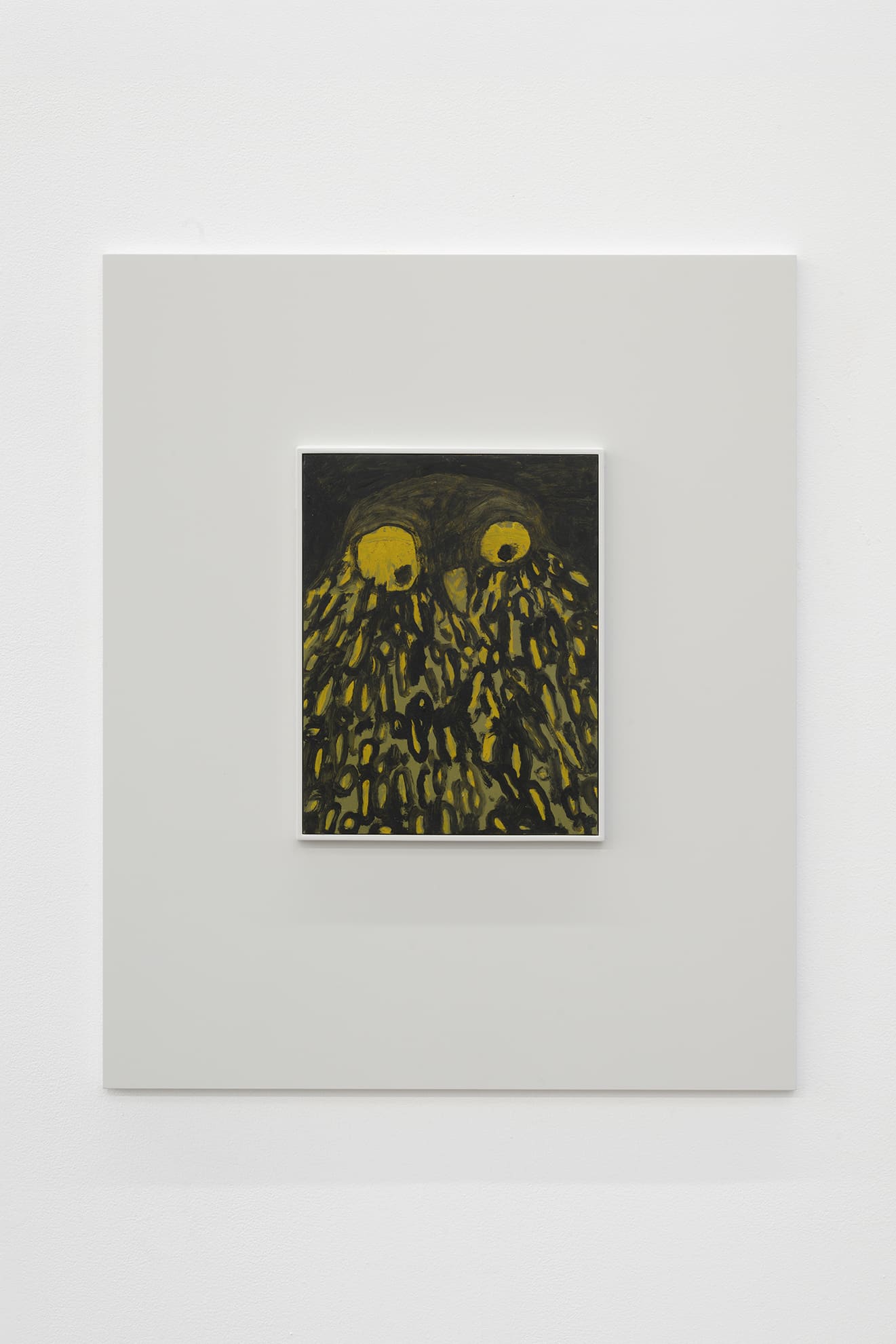
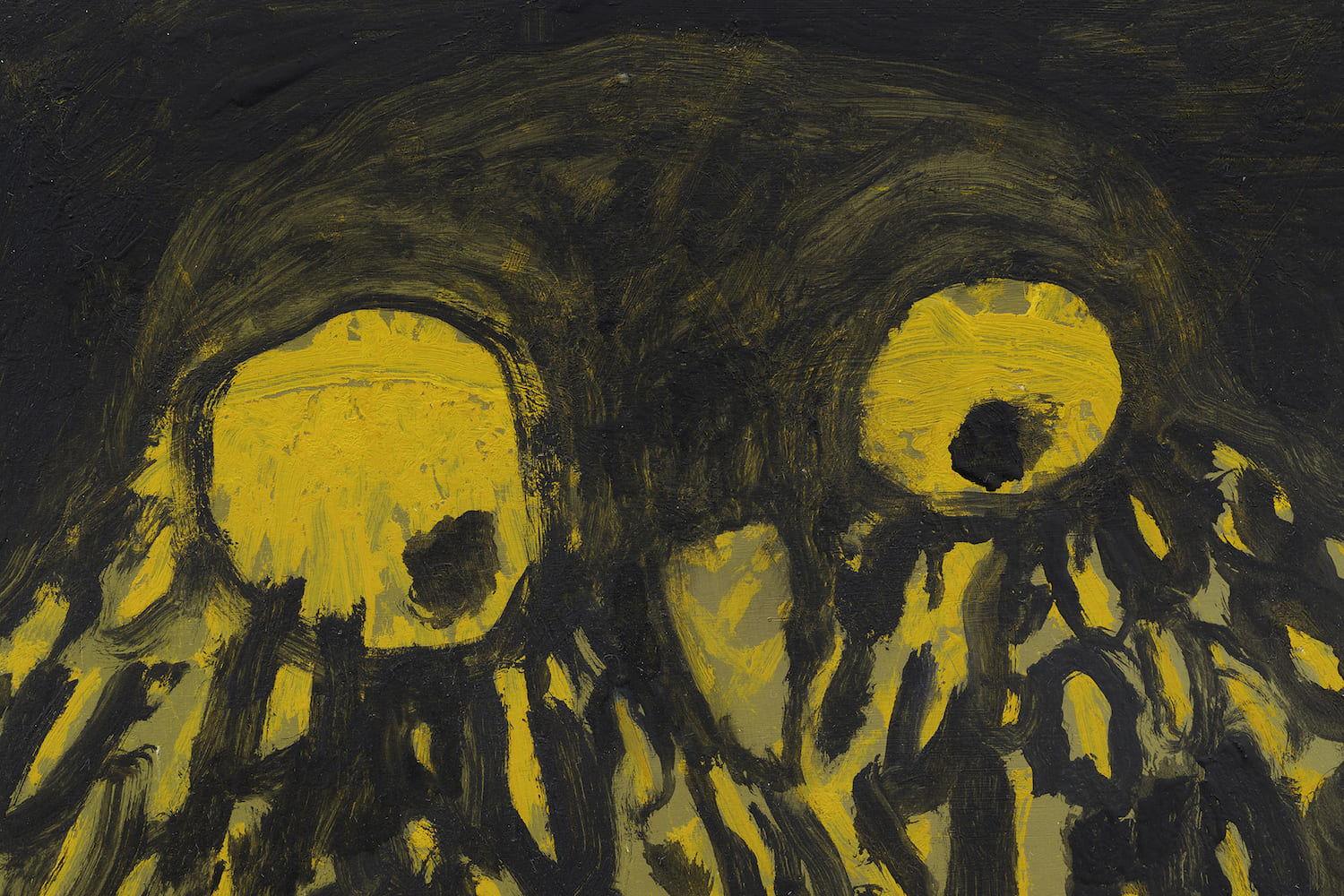
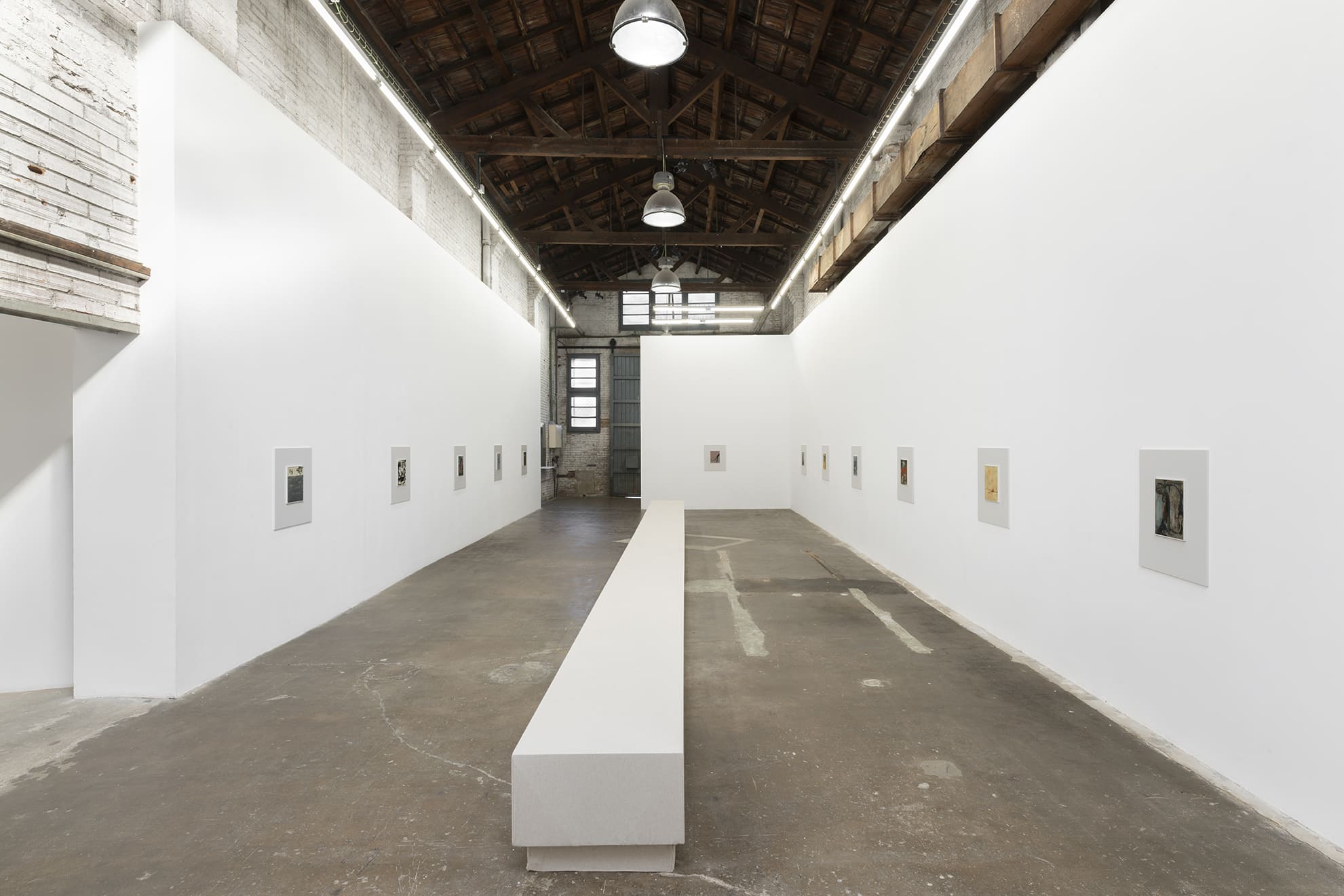
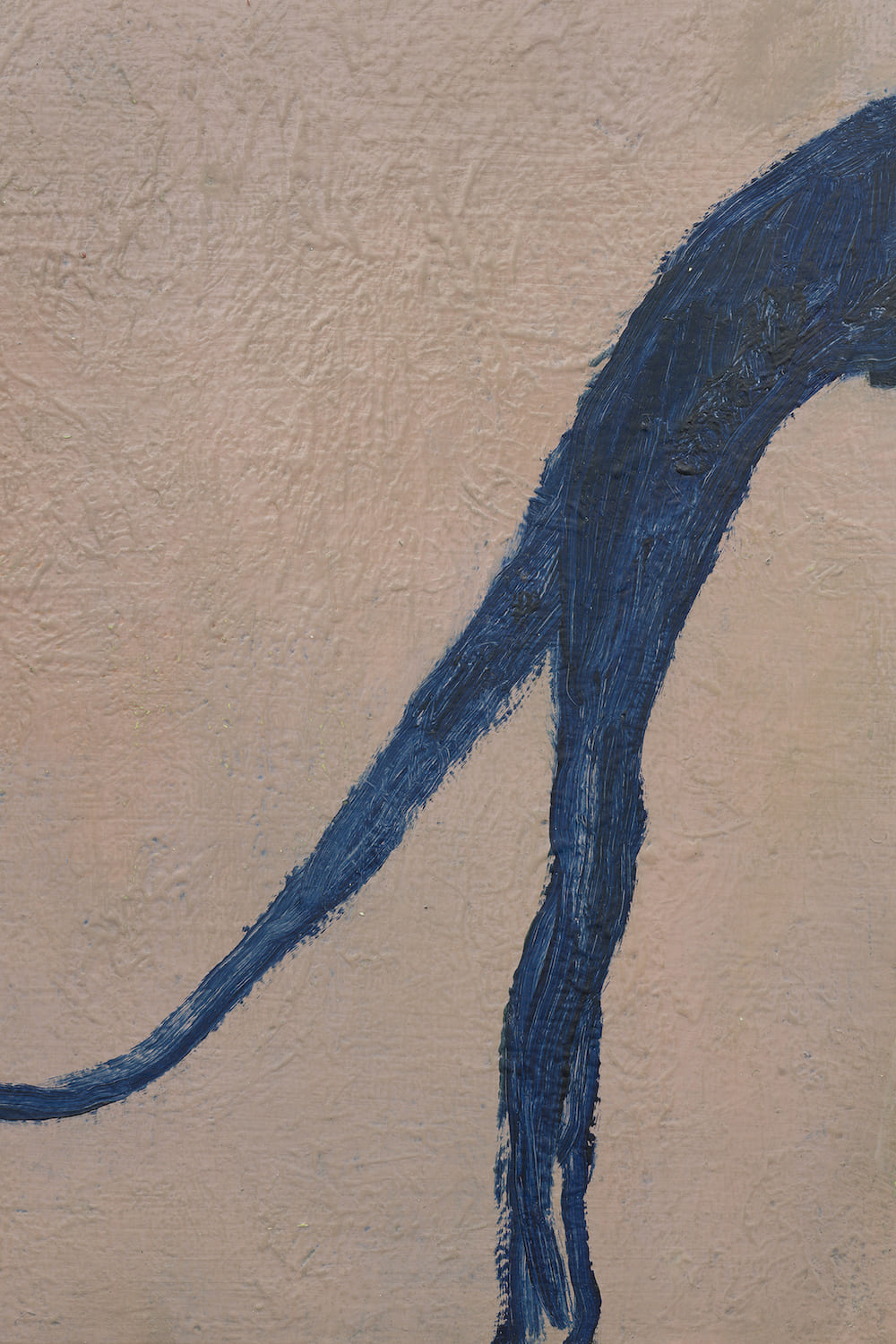
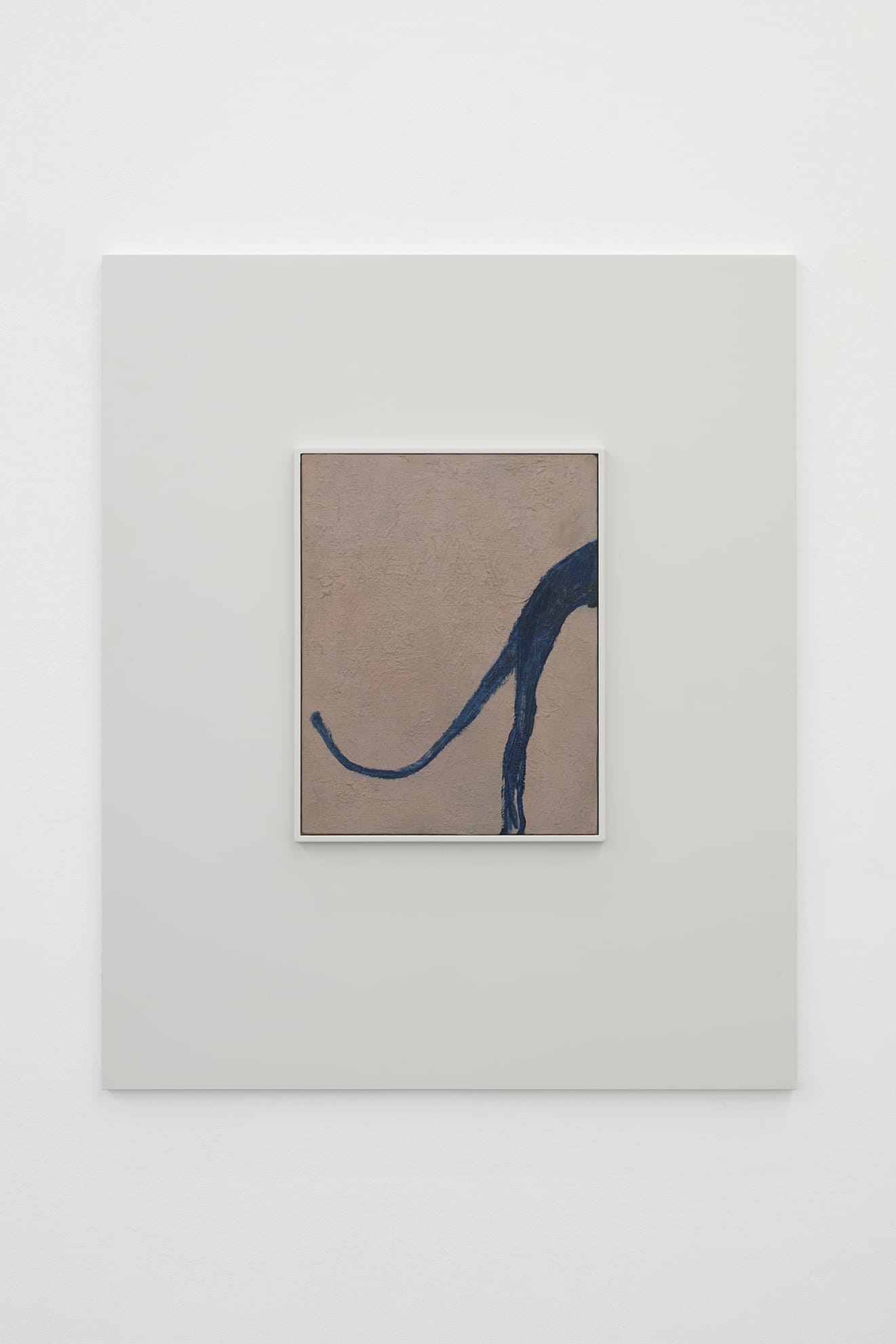
In Camillo Paravicini's painting, the pictorial surface should be understood as a constant testing ground. A space of absolute freedom where improvisation runs wild and submits to no constraints. The act of painting establishes itself as both the starting point and an end in itself, affirming the pleasure found in the very act of painting and the inherent sensuality of the material.
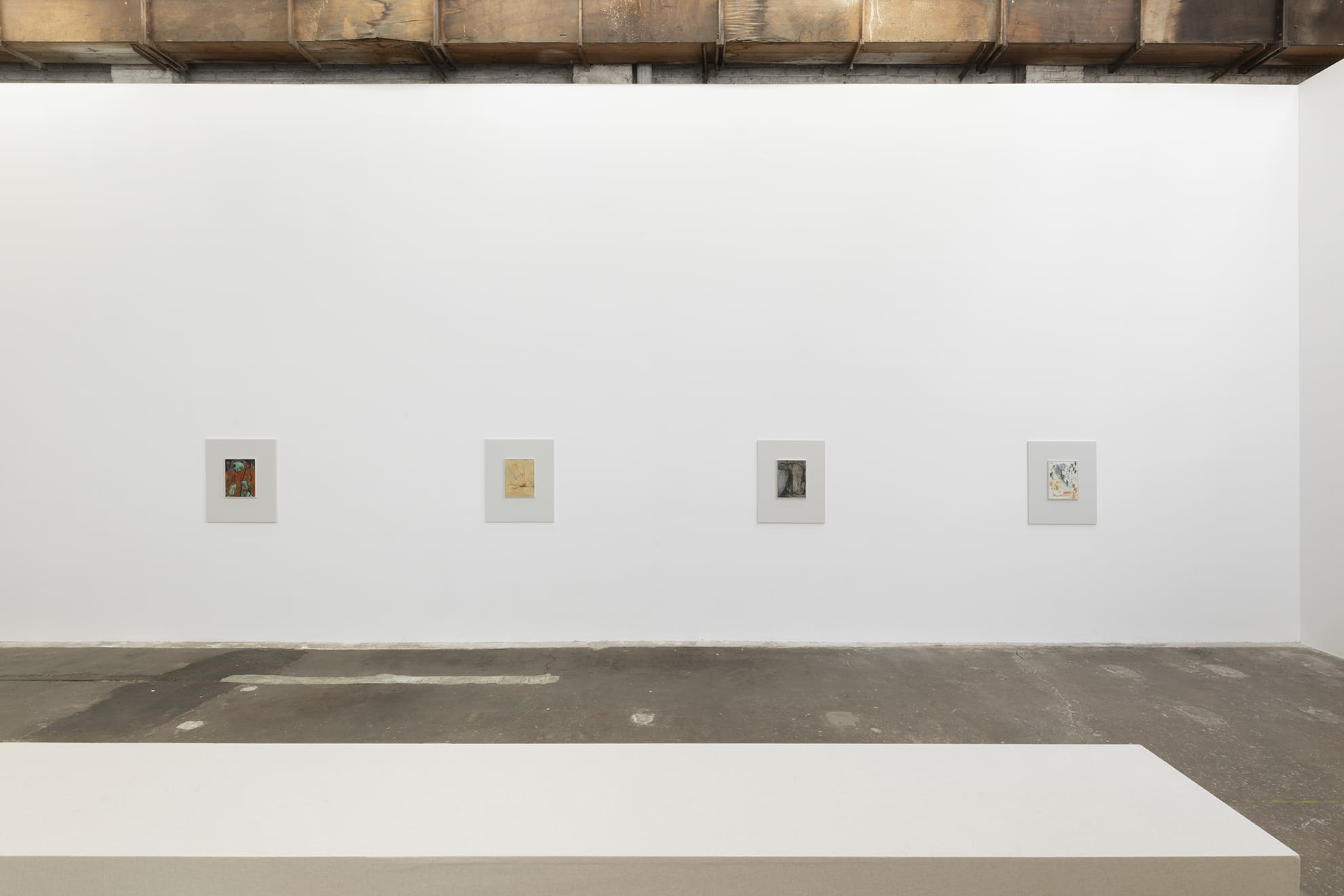
Faced with the variety of pictorial approaches brought together in the works, viewers will probably think that the artist behind them suffers from a multiple personality, driven by a kind of creative incontinence that prevents him from committing to a single style. Once this initial impression has passed, they will discover that all the works share the same impulse, a common energy that unifies and binds them together.
Paravicini's work is striking for its exquisite refinement, for the many references that resonate throughout his paintings, and for the nods he makes to the history of art itself, always approached with a measure of humour and audacity. Nothing feels solemn; even when he enters into dialogue with the great masters, he does so through complicity and the sheer pleasure of painting.
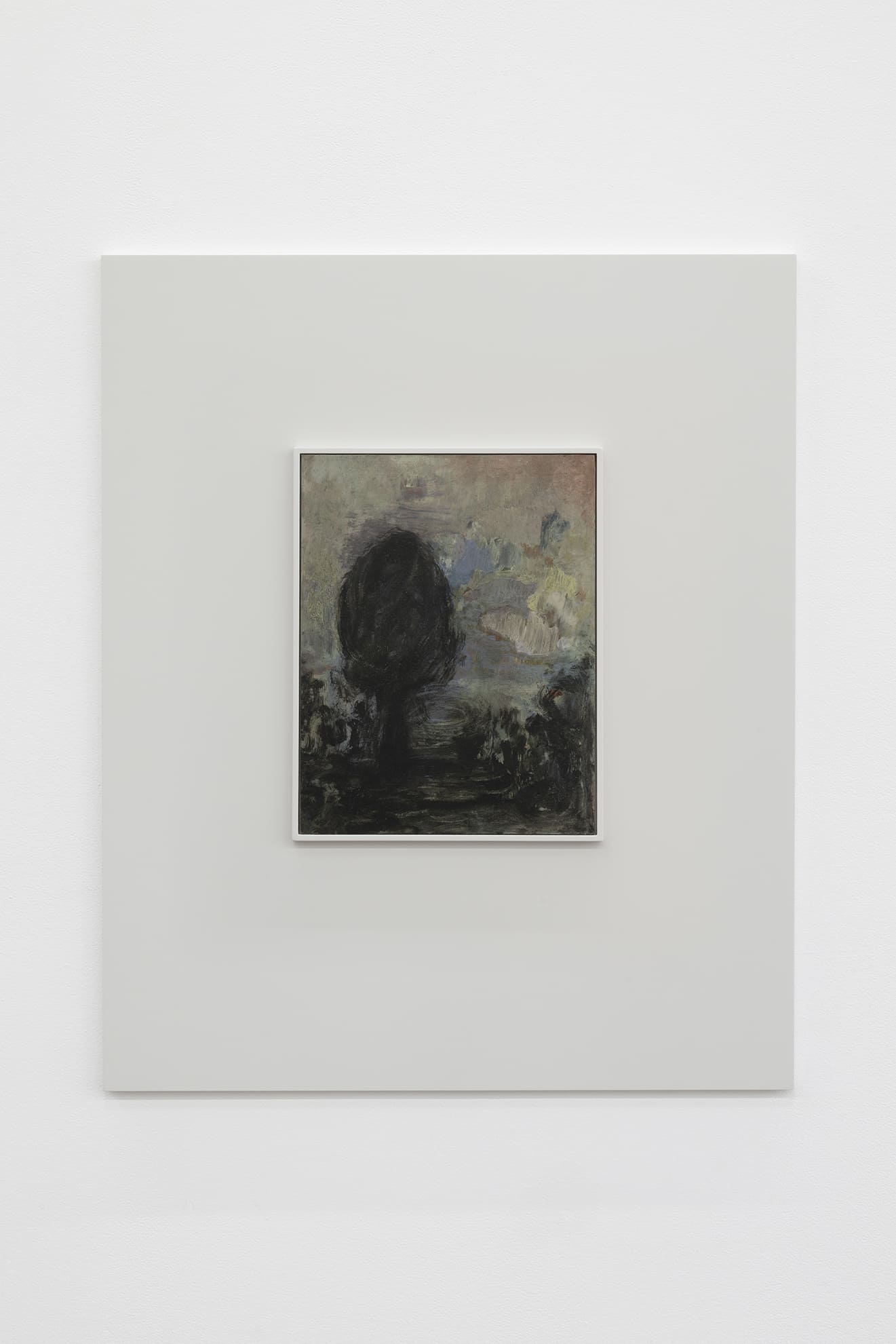
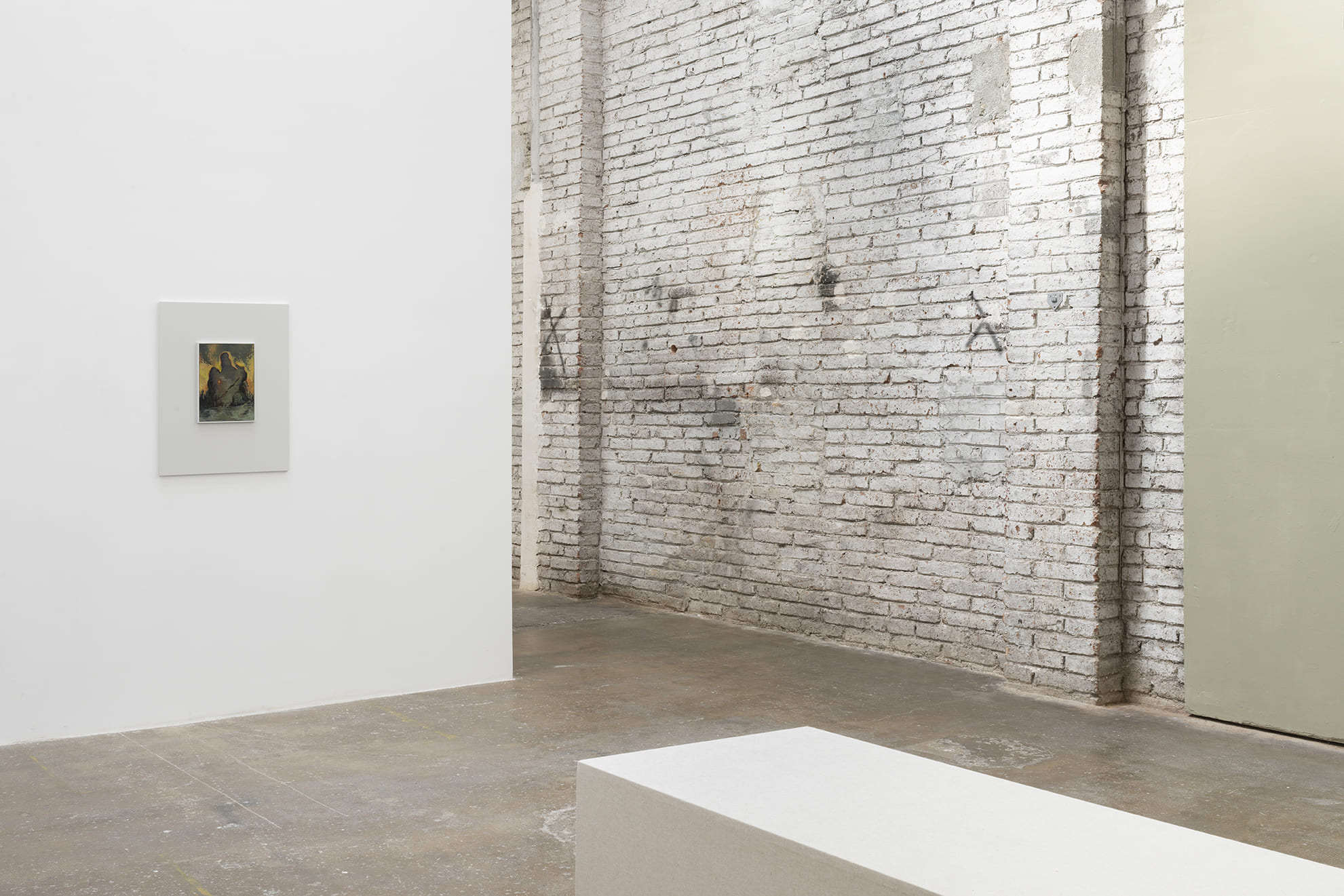
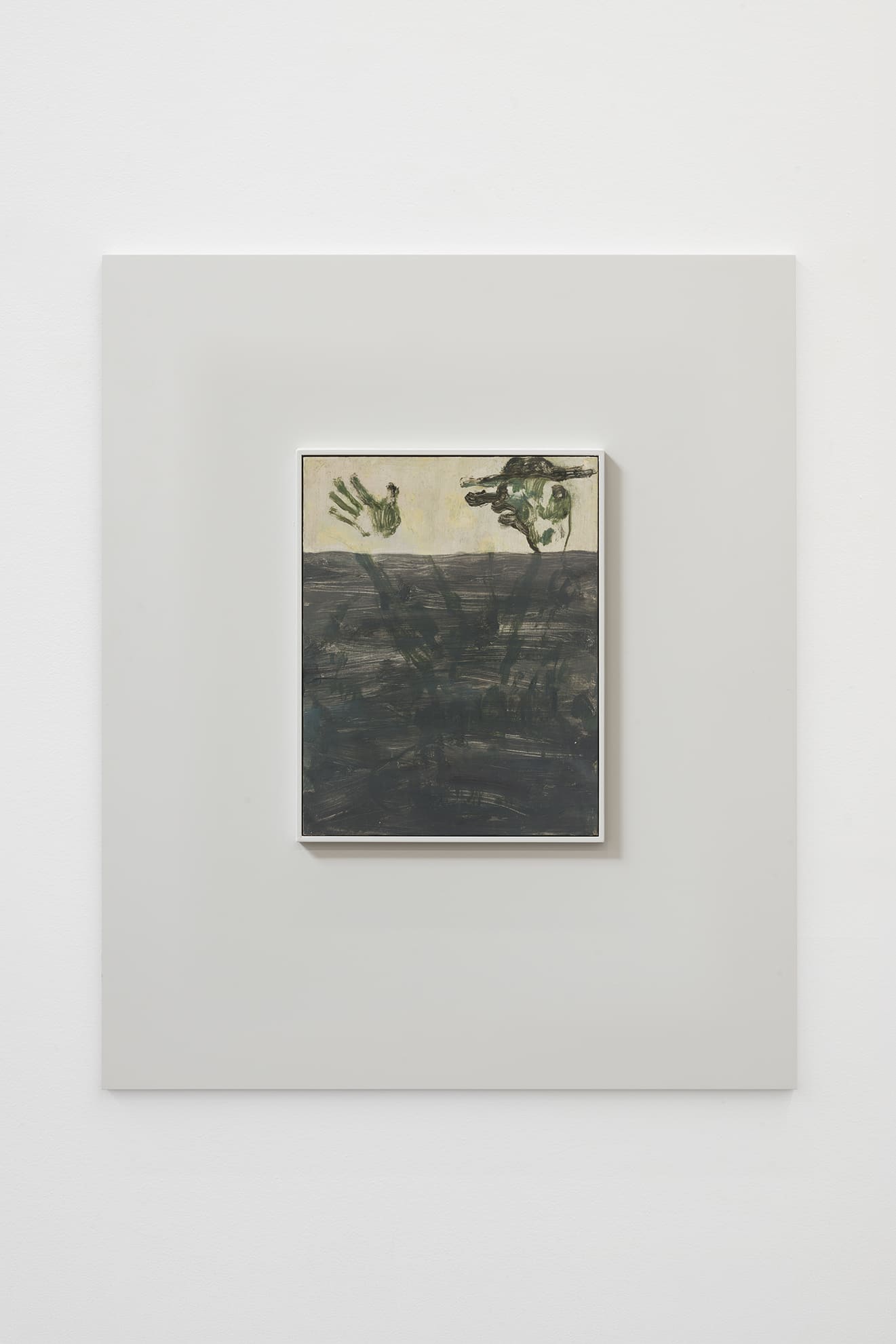
To complete these small paintings, the artist has designed an elegant frame that condenses the overflowing creativity emanating from these modestly scaled yet extraordinarily profound works. The frame functions not only as a physical boundary but also as a counterpoint that orders and concentrates the visual intensity of each piece.
Paravicini is aware that, at this stage of the game, little can be added to the language of painting beyond honesty and a healthy lack of preconceptions. Perhaps that is why he has made a particularly intelligent decision: to ally himself with some of the painters who came before him and shaped his artistic path. Rather than trying to compete with their legacy, he has chosen to paint alongside them. Echoes of their palettes, gestures, and formal solutions appear throughout his work, not as nostalgic quotations or acts of appropriation, but as the natural result of a living dialogue with tradition.
As the saying goes, "If you can't beat them, join them." In Paravicini's case, however, those painters are not enemies so much as fellow travellers.